When to Call Someone
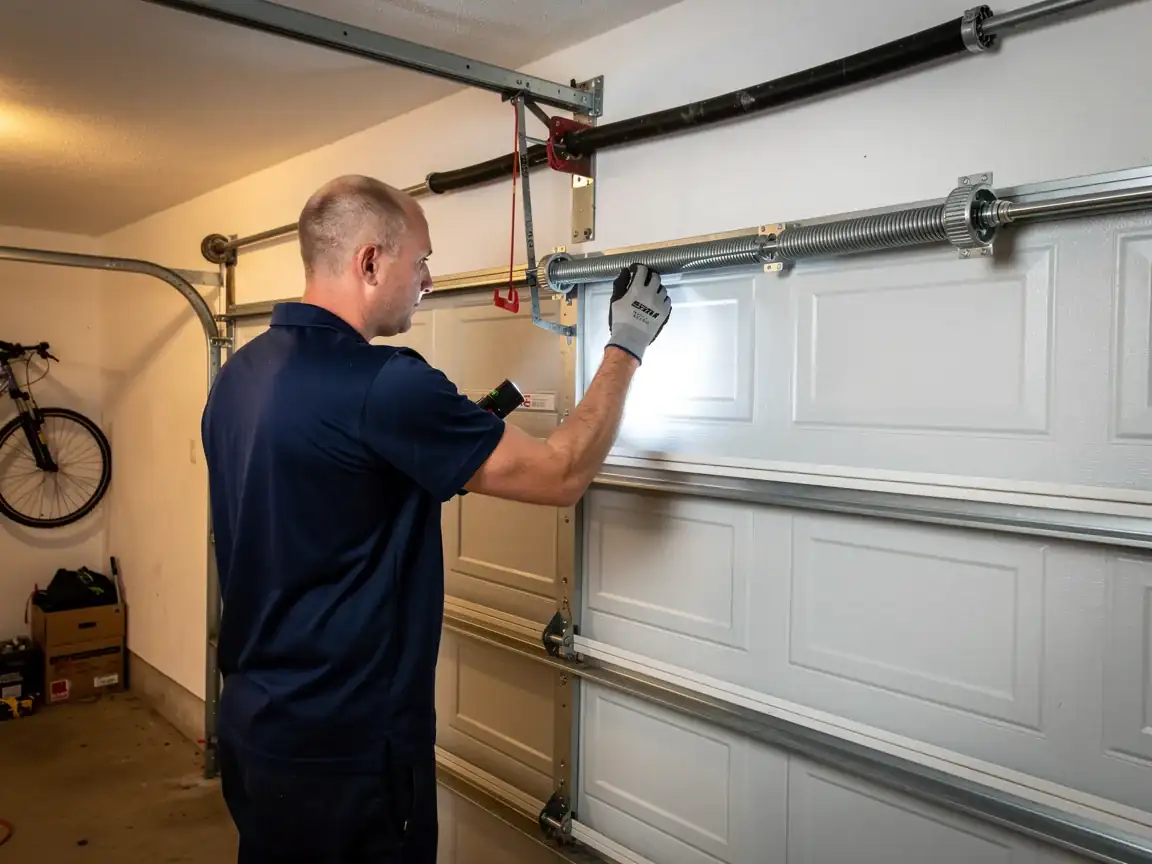
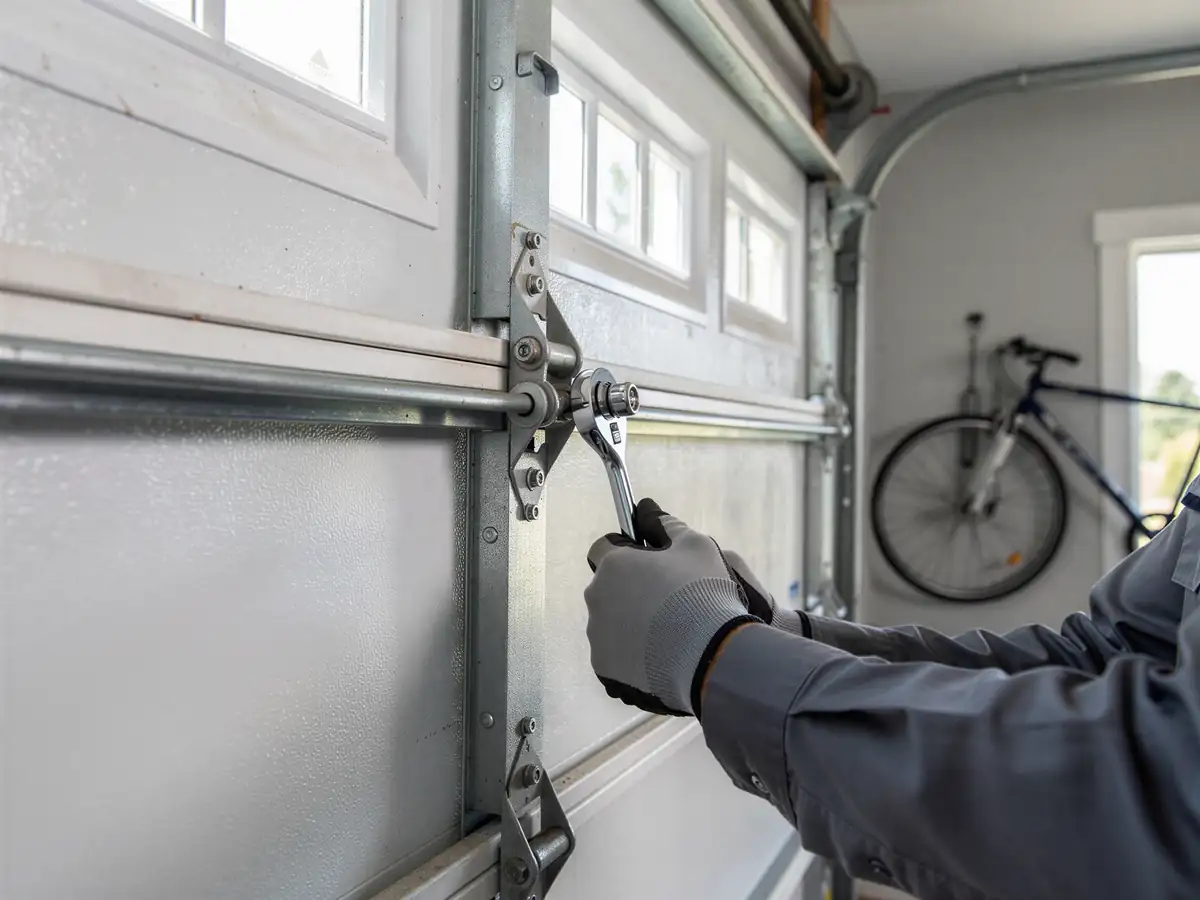
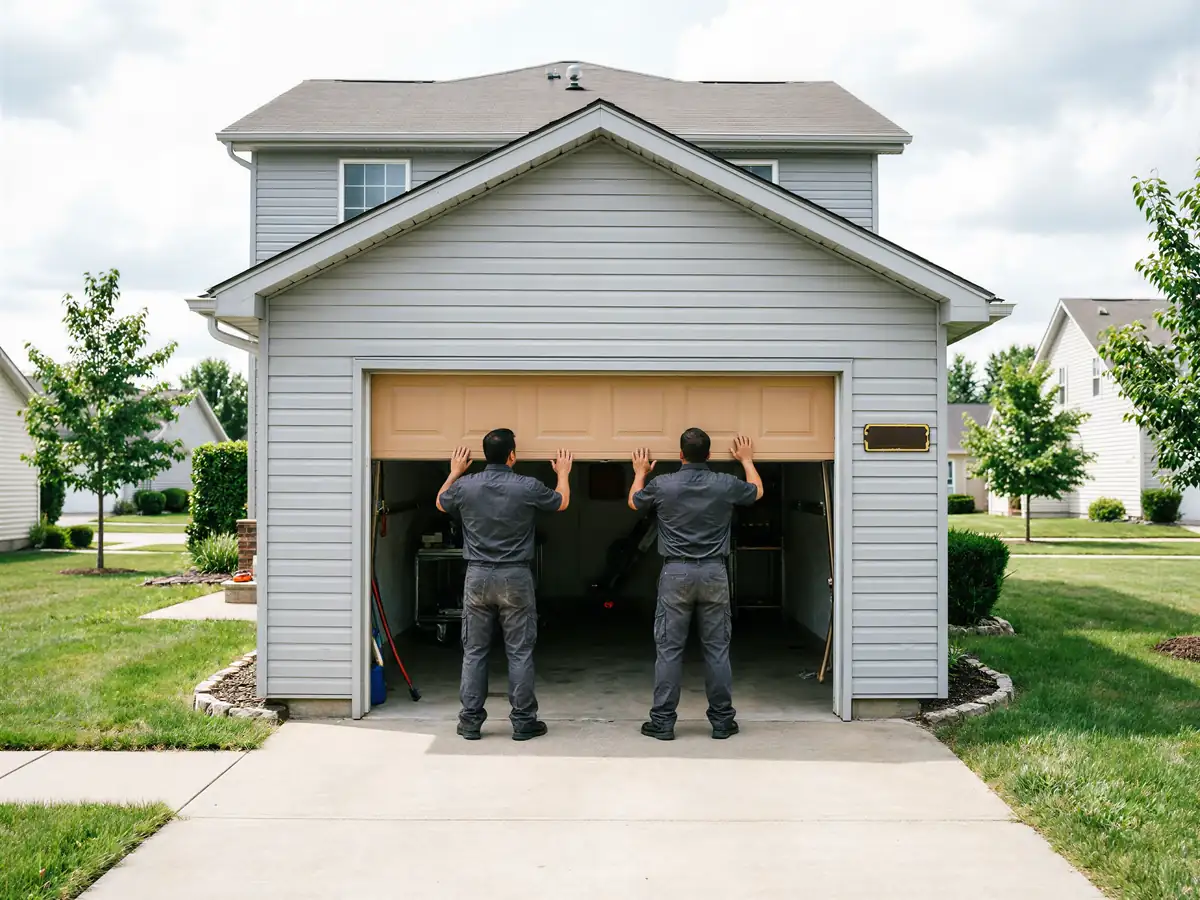
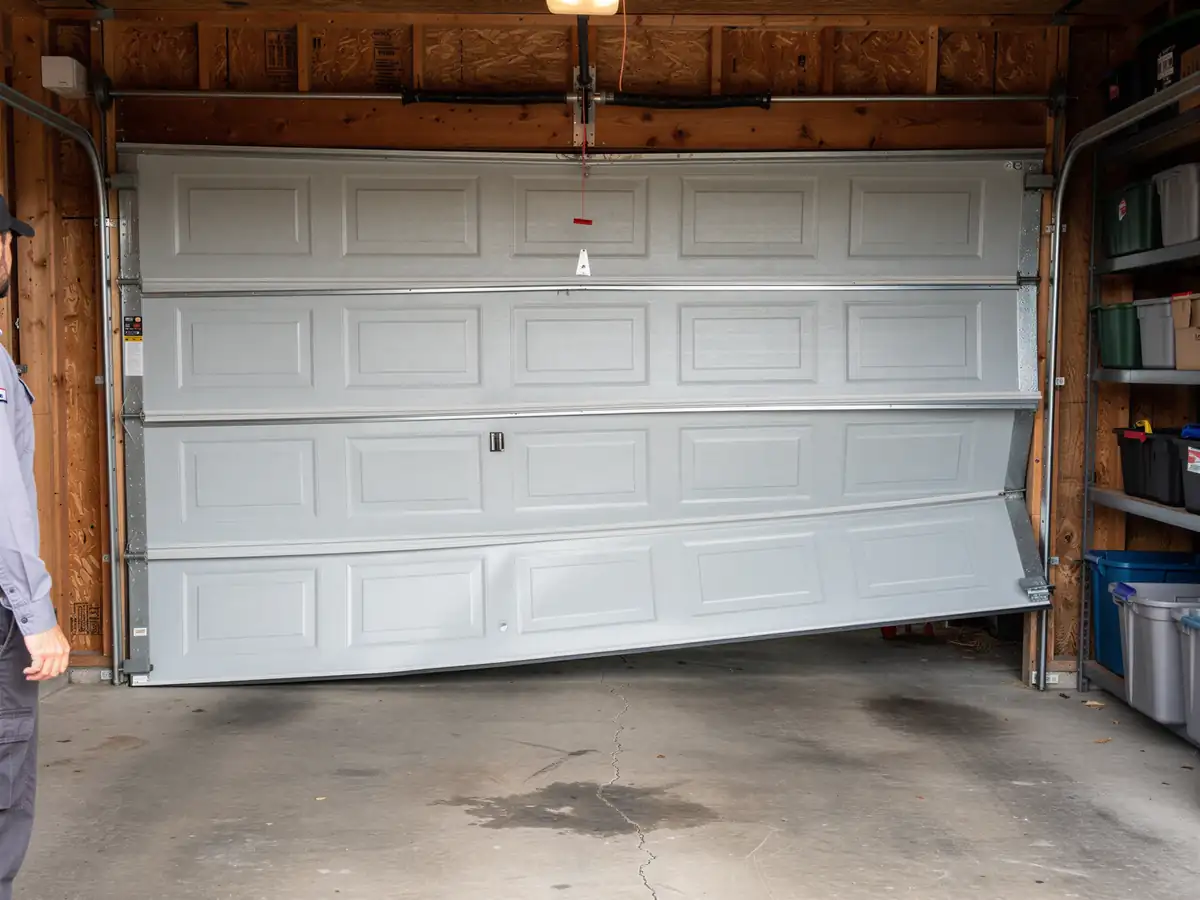
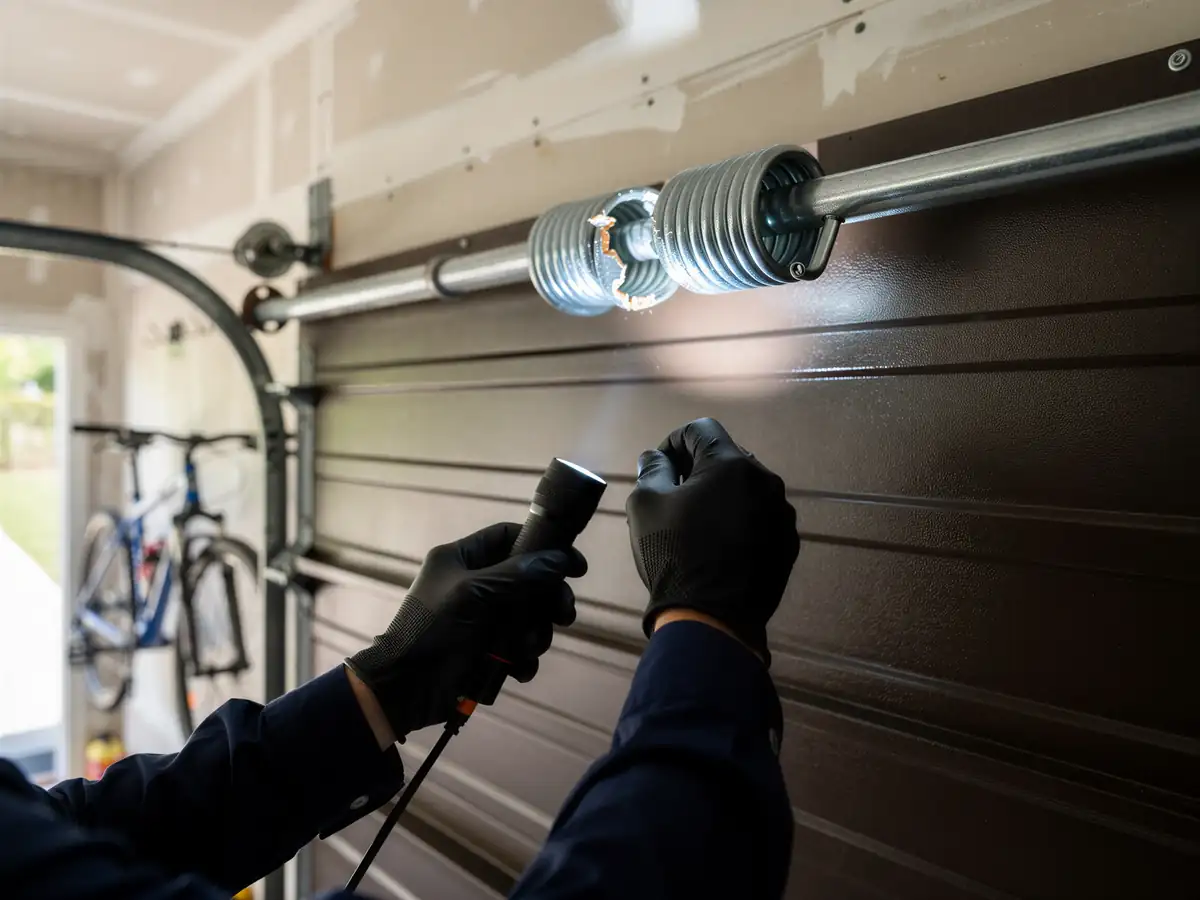
If the door won't open, the spring is almost always the reason, and on a house built in the 1966-2007 window that spring has usually never been replaced. Call when the door feels heavy to lift by hand, when it slams the last foot of travel, or when you hear a loud bang from the garage followed by the opener running but the door not moving. That bang is a torsion spring letting go, and it's not a DIY fix - the spring is under enough tension to break bone.
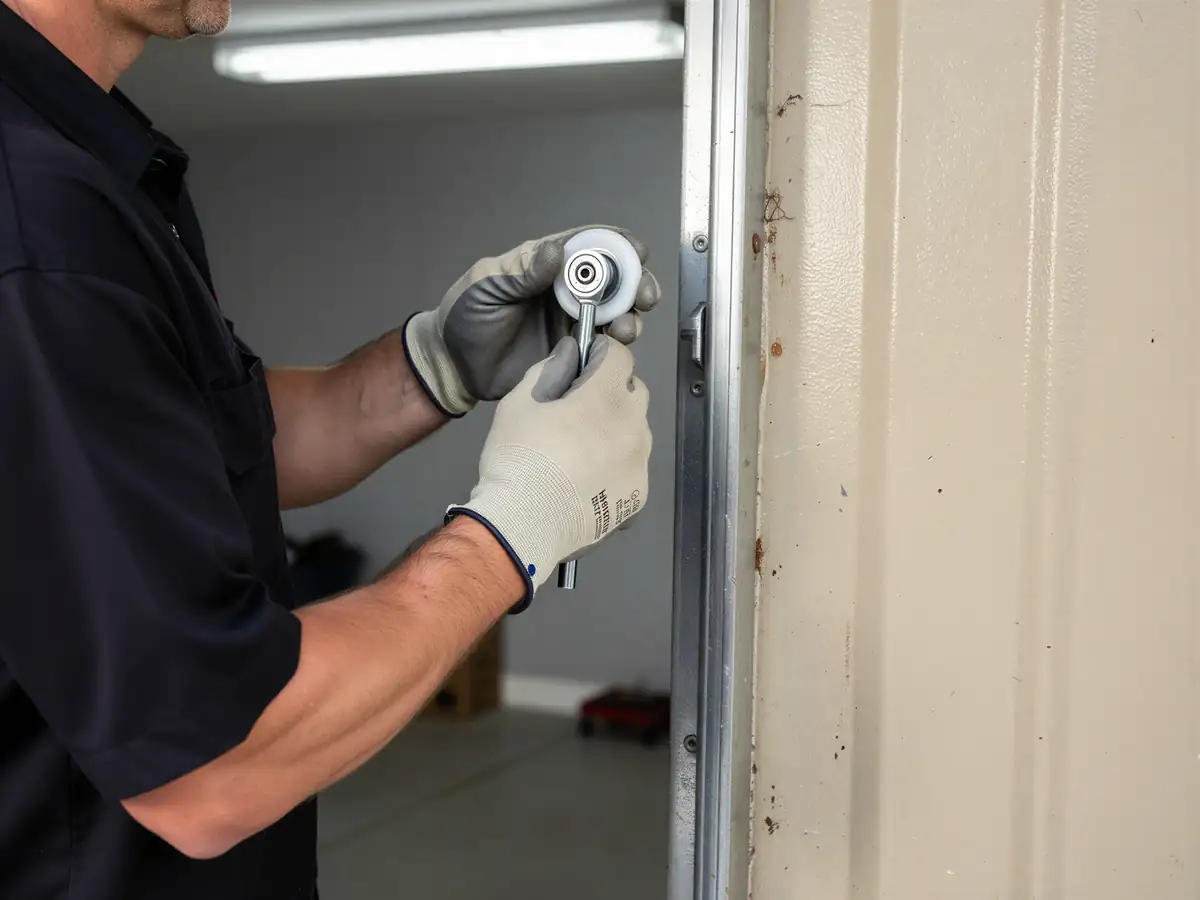
Don't call for a door that's just noisy. A squeaky roller or a track that needs a wipe-down isn't an emergency, and paying for a rushed visit over something you can grease yourself is money you don't need to spend. Save the call for when the door won't move, won't stay down, or comes off a track - those are the jobs where waiting makes it worse or makes it dangerous.
Houses across the area's seven older neighborhoods share the same early opener wiring and lighter steel doors from that build era, so when one fails, the pattern is usually familiar rather than mysterious.
What You Pay
We don't have a posted price list to quote here, and giving you a number without seeing the door would be a guess dressed up as a fact. What we can tell you is what drives the cost on homes from this area's typical 1966-2007 build range: torsion springs sized for a standard single or double door are a different job than the heavier springs some later-built homes around here need, and opener replacements vary a lot depending on whether the house still has the original wiring from that era or something updated.
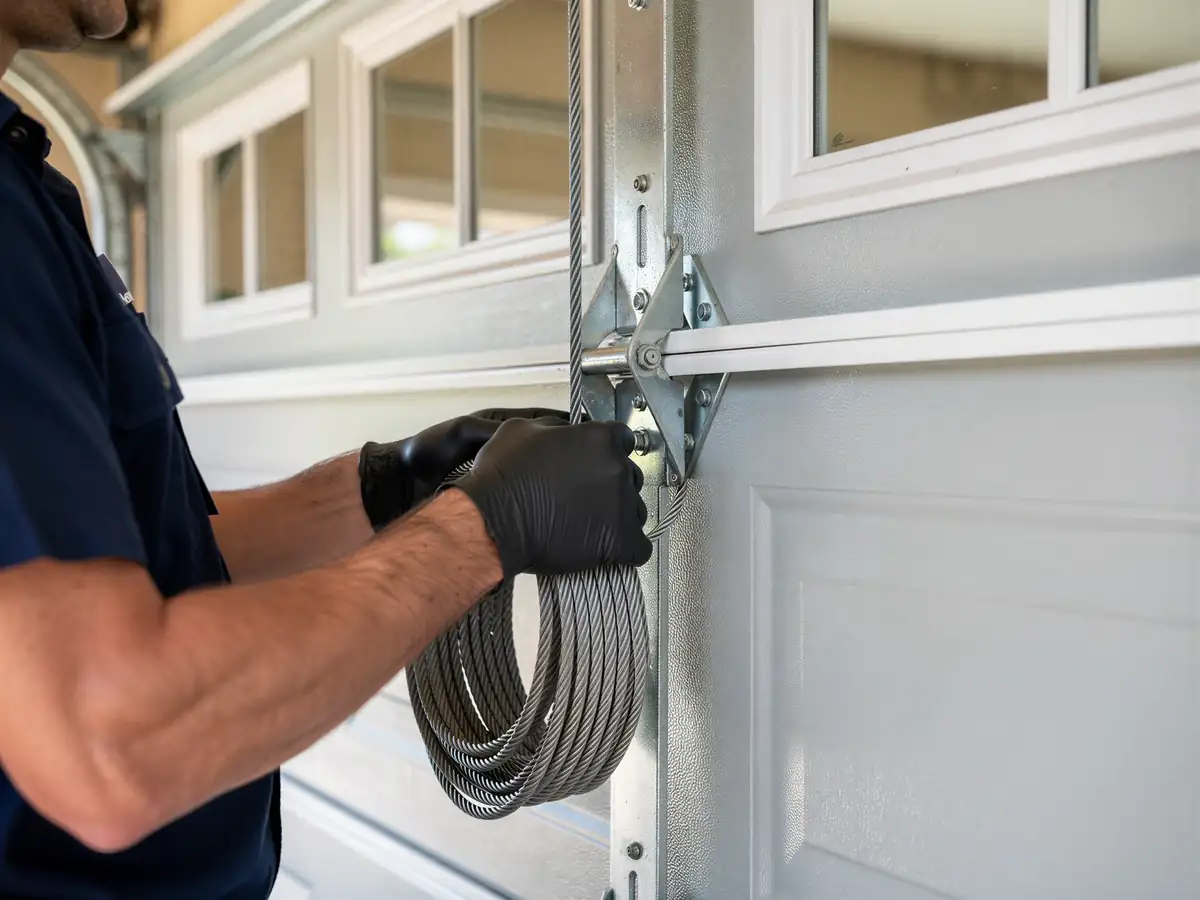
With median household income in the area at $61,953, a lot of our calls are repair-first rather than full replacement - fixing the spring, cable, or opener rather than swapping the whole door. We'll tell you straight when a repair isn't worth it versus putting in a new door, but on most of the houses we see from this build period, the frame and track are still sound enough that repair makes sense.
How Local Conditions Play In
This area sits in a cold moderate climate band
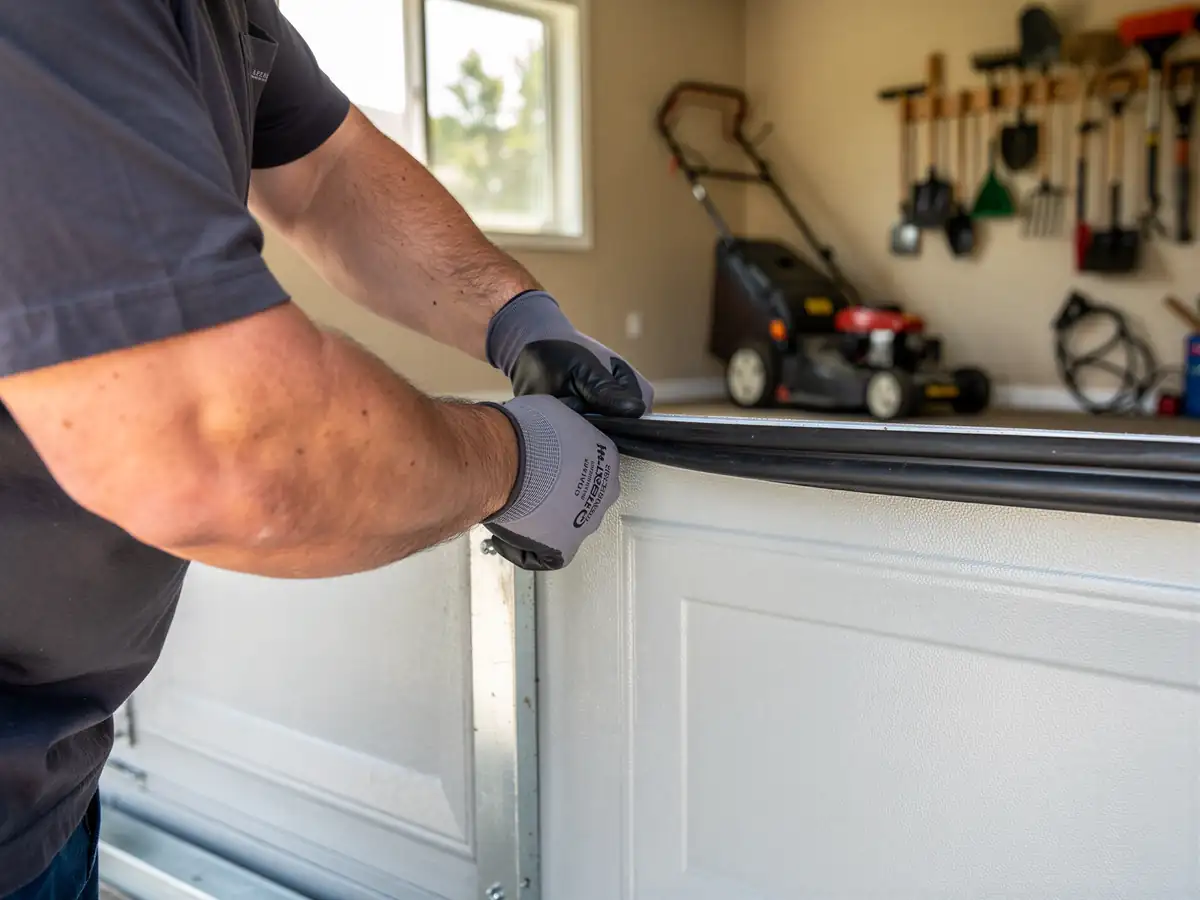
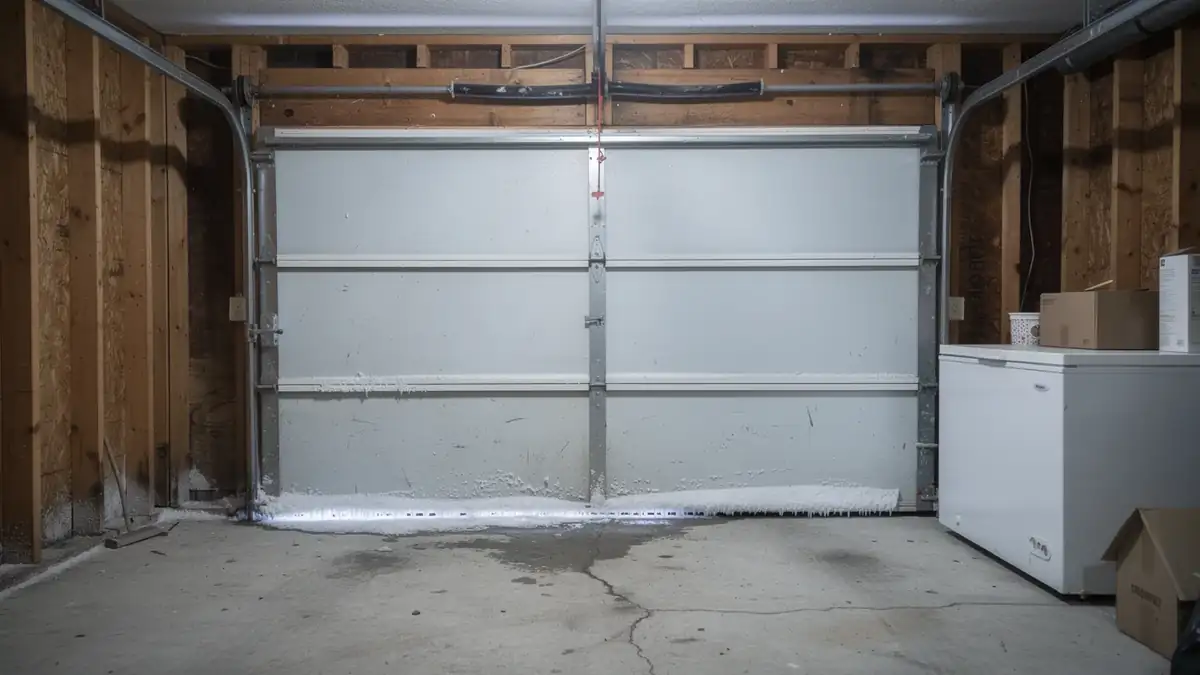
Which means the garage door takes real temperature swings across a year - not hurricane or hail damage, but the kind of cold that stiffens steel, thickens old grease, and makes a marginal spring snap instead of just groaning. Openers and springs installed when a house was built in the 1966-2007 window weren't speced for however many decades of that cycling, and it shows up as cracked weatherstripping, a cable that's lost its give, or a spring that finally gives out on the first hard cold snap of the season.
We see this most on doors on houses built before insulation rules caught up with the climate
Thinner panels, less seal around the frame, and hardware that was standard for its decade but isn't holding up to repeated freeze-thaw the way newer stock does. If your door drags or binds specifically in cold weather and runs fine in summer, that's the track or spring tensioning responding to temperature, not a one-off fault.
The Problem
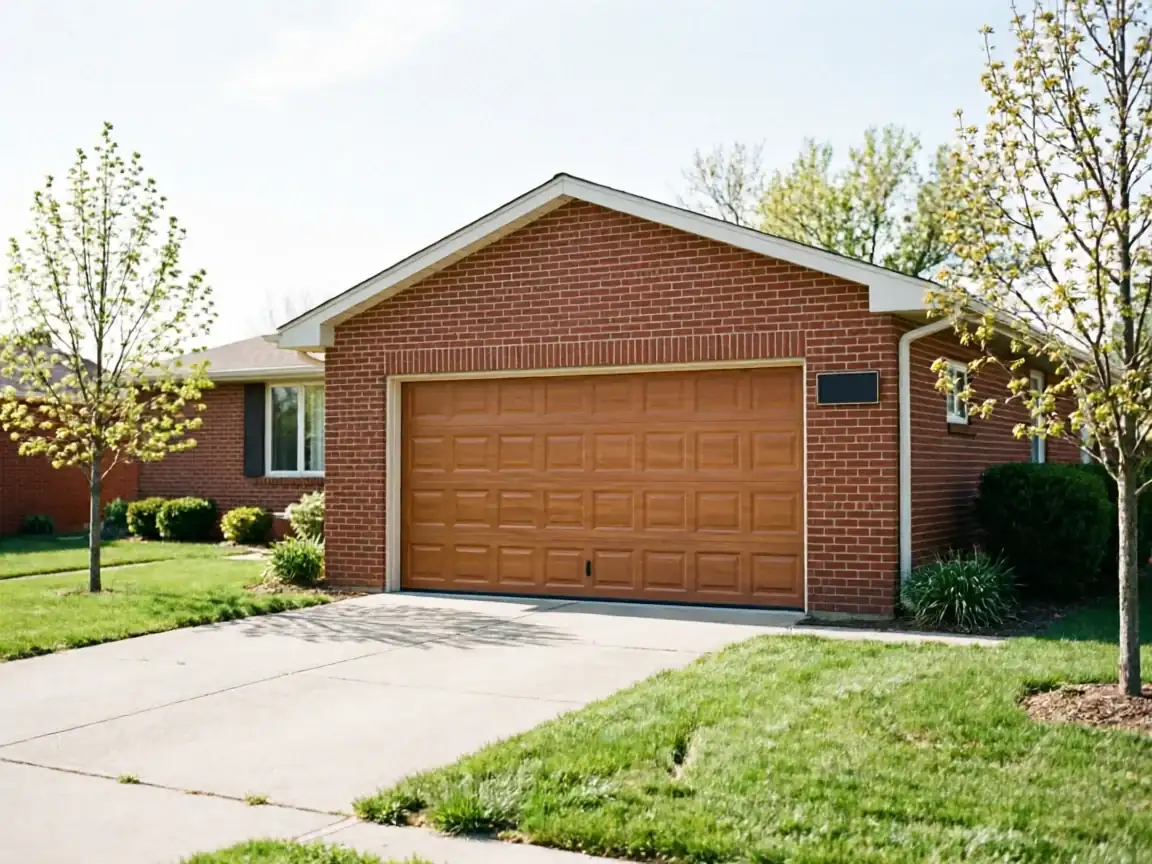
The core issue across this service area - 4,928 owner-occupied houses out of 13,919 households - is that most of the garage doors in use were installed when the house was built, somewhere in that 1966 to 2007 range with a median around 1974. That's a door and opener combination old enough that replacement parts for the original hardware are getting harder to source, especially for the early end of that range.
We can usually repair what's there rather than replace it outright, but there's a real limit: once a torsion spring system is old enough, or the track has rusted enough from decades of temperature cycling, patching it becomes a short-term fix that just moves the next failure a year or two down the road. We'll tell you when that's the situation instead of selling you a repair that won't hold.