How That Shows Up in the Door
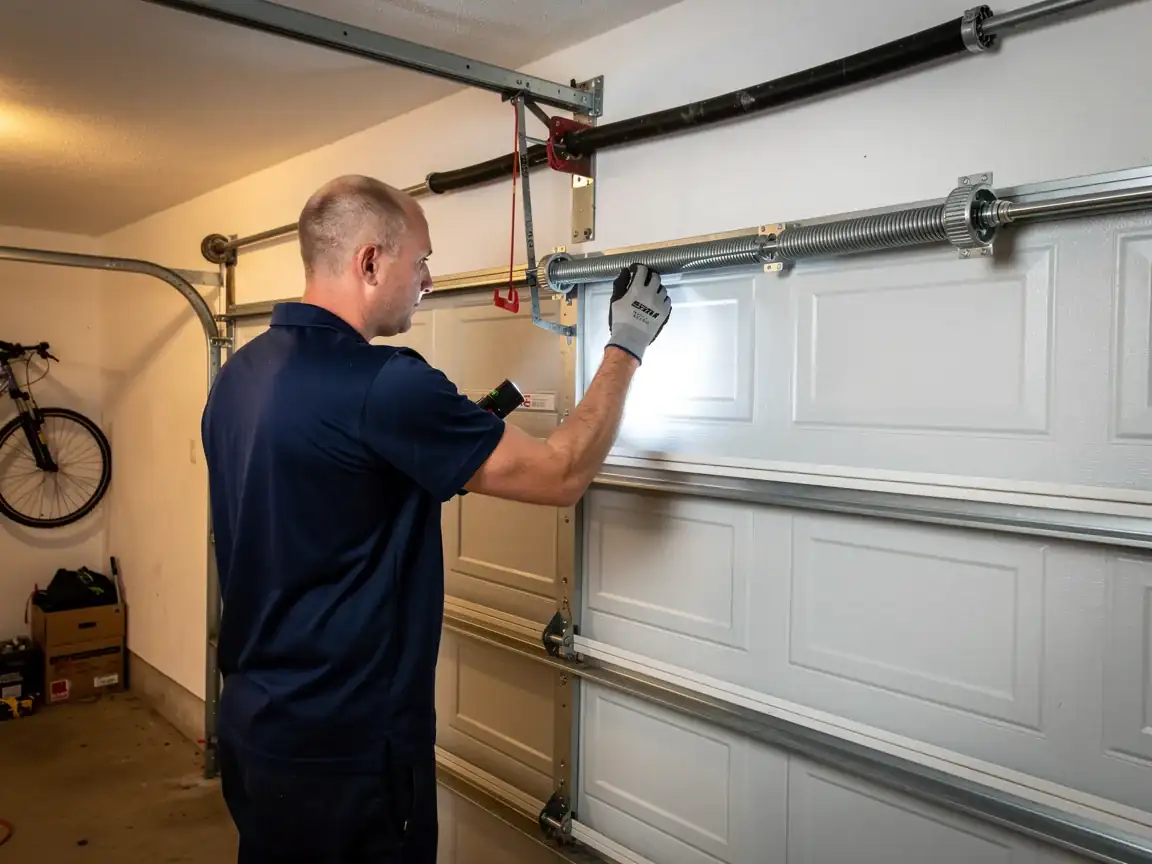
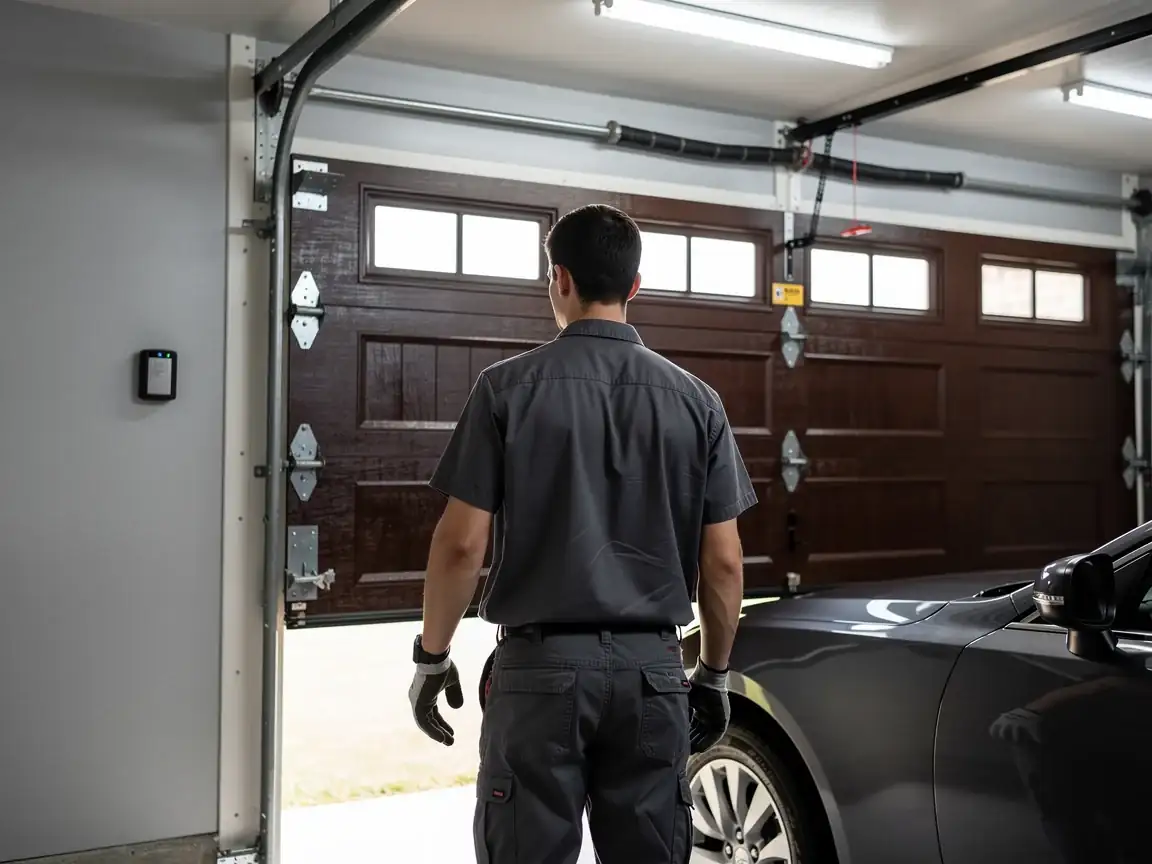
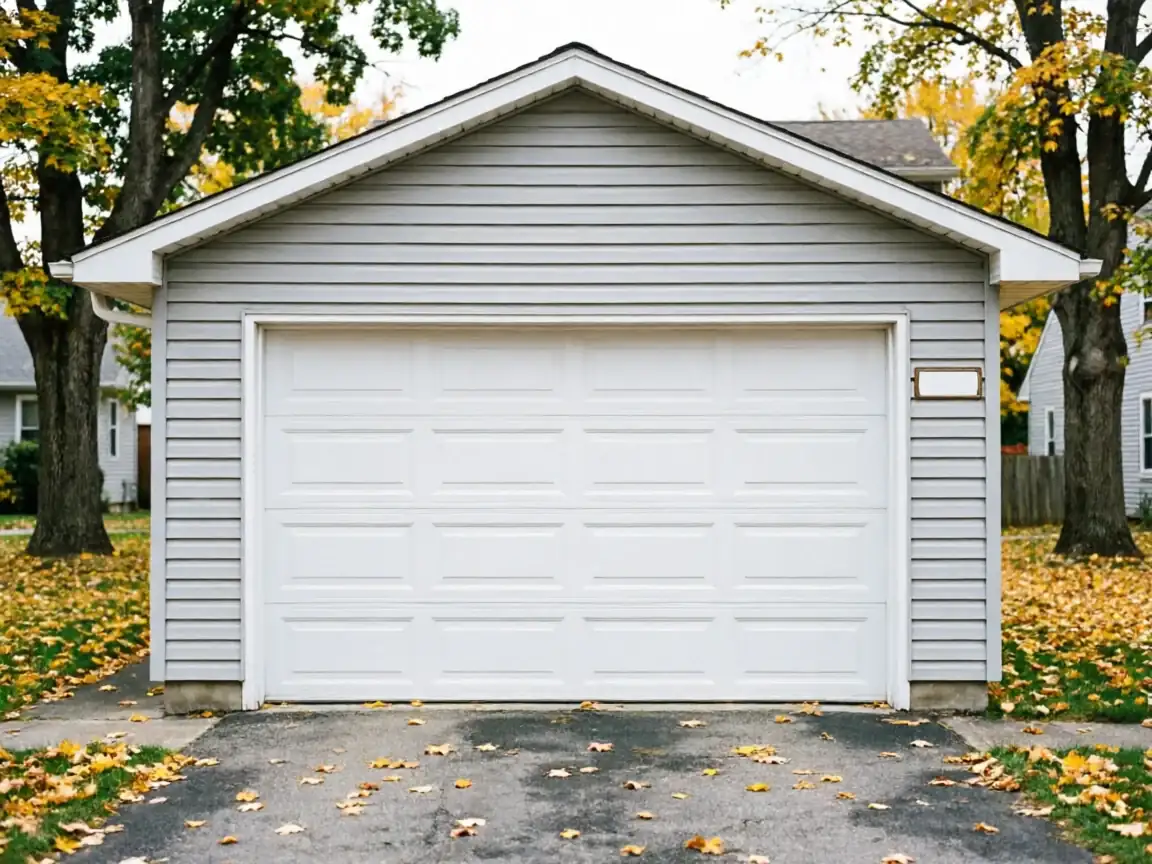
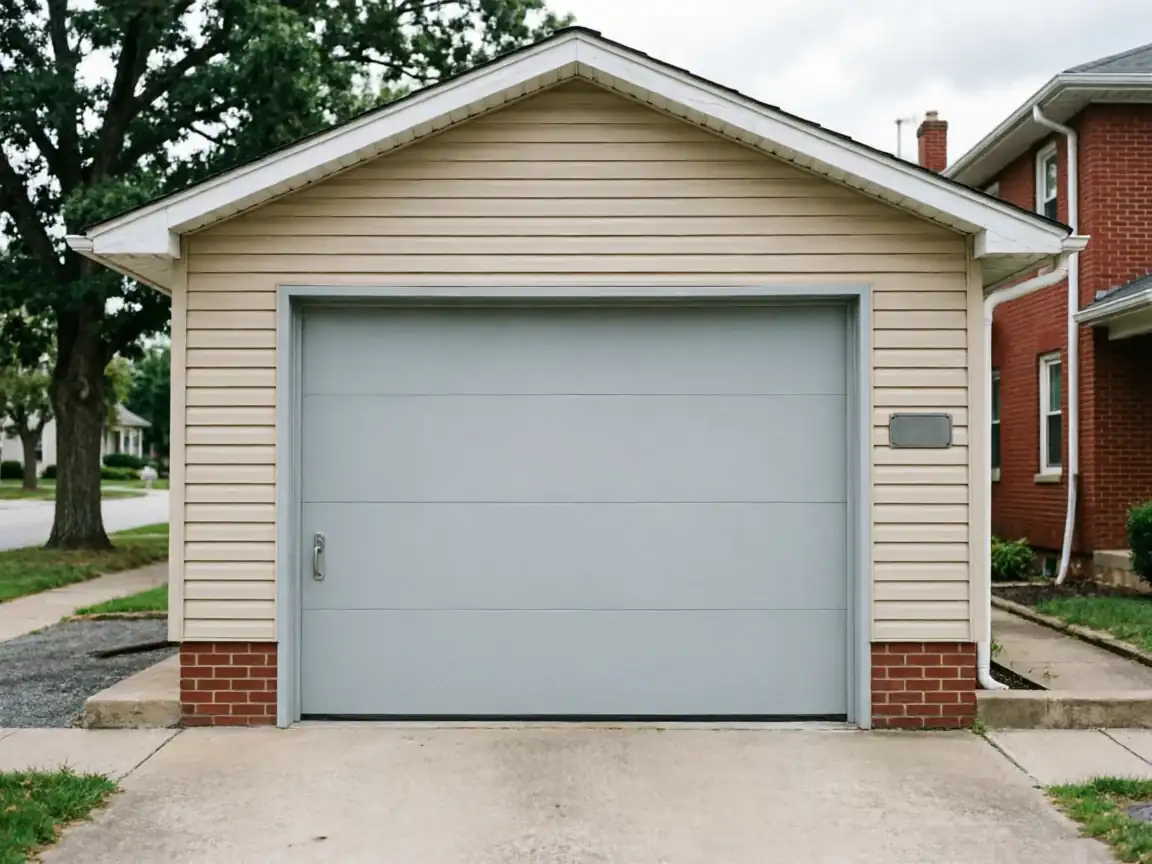
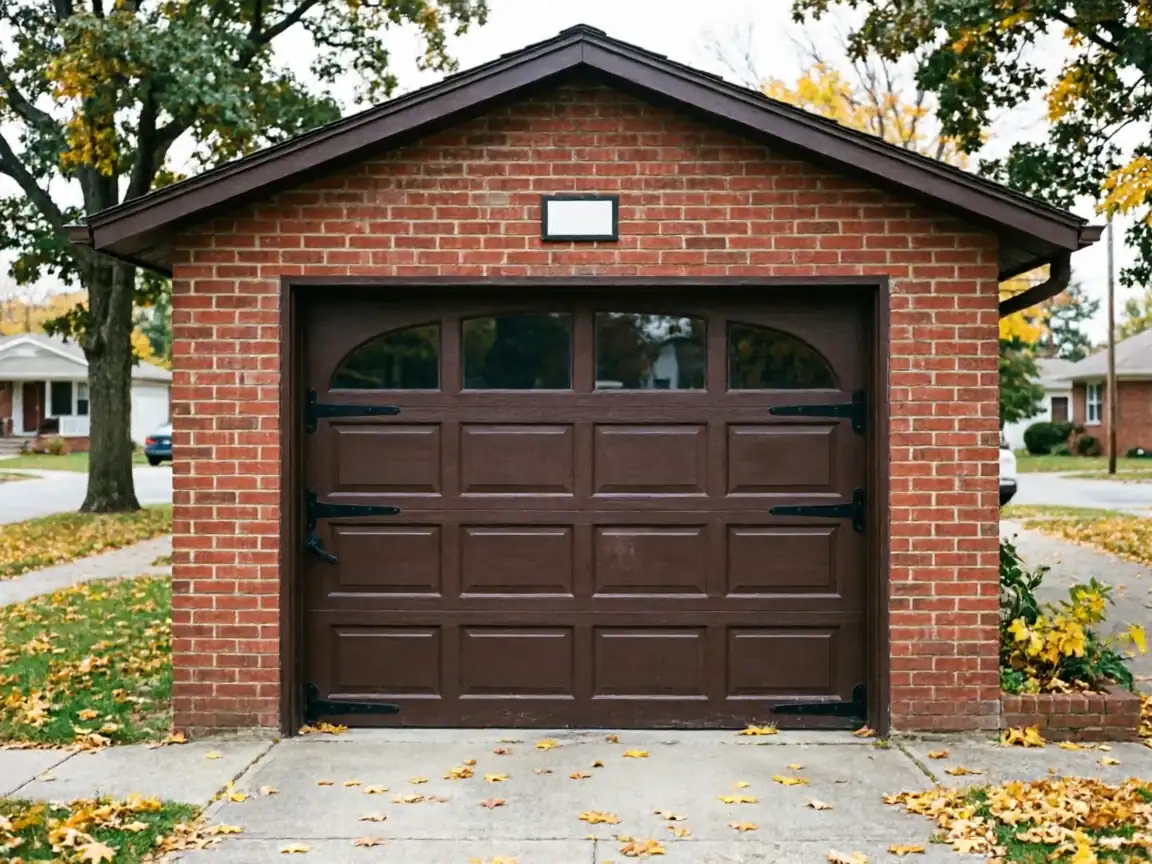
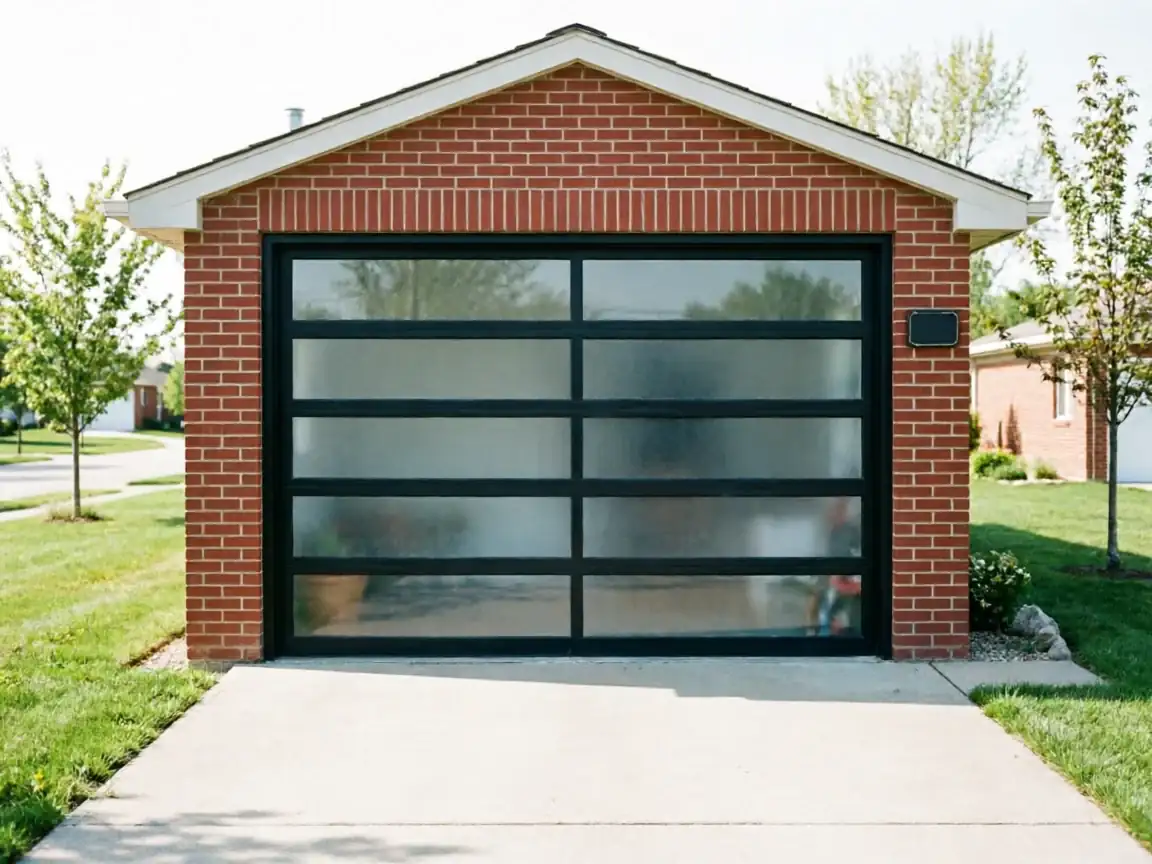
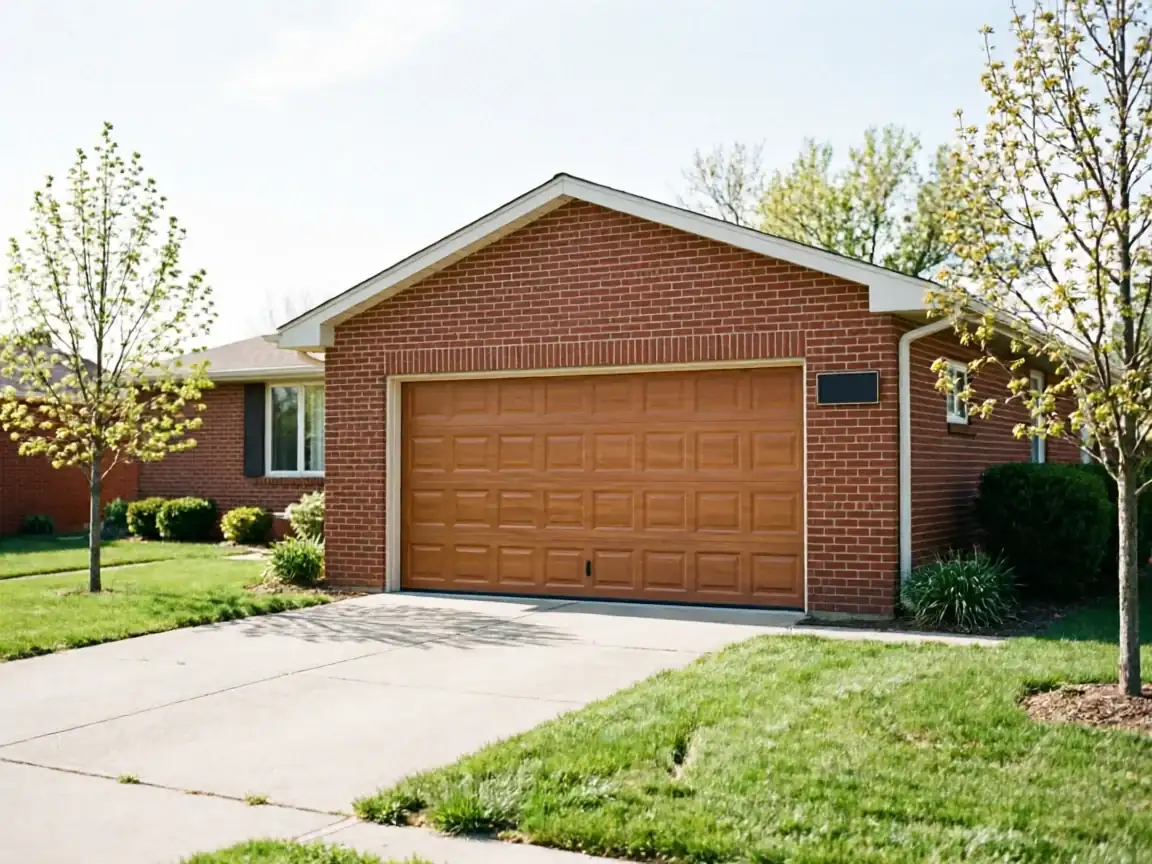
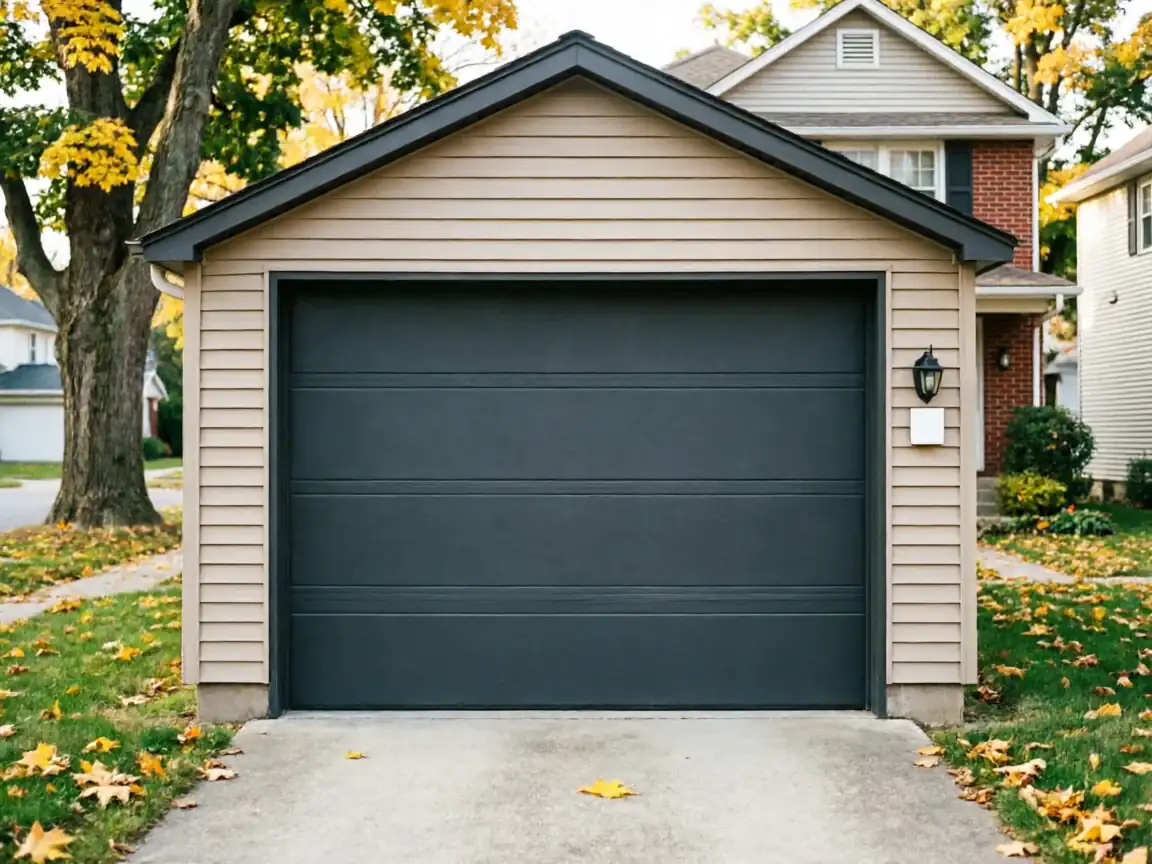
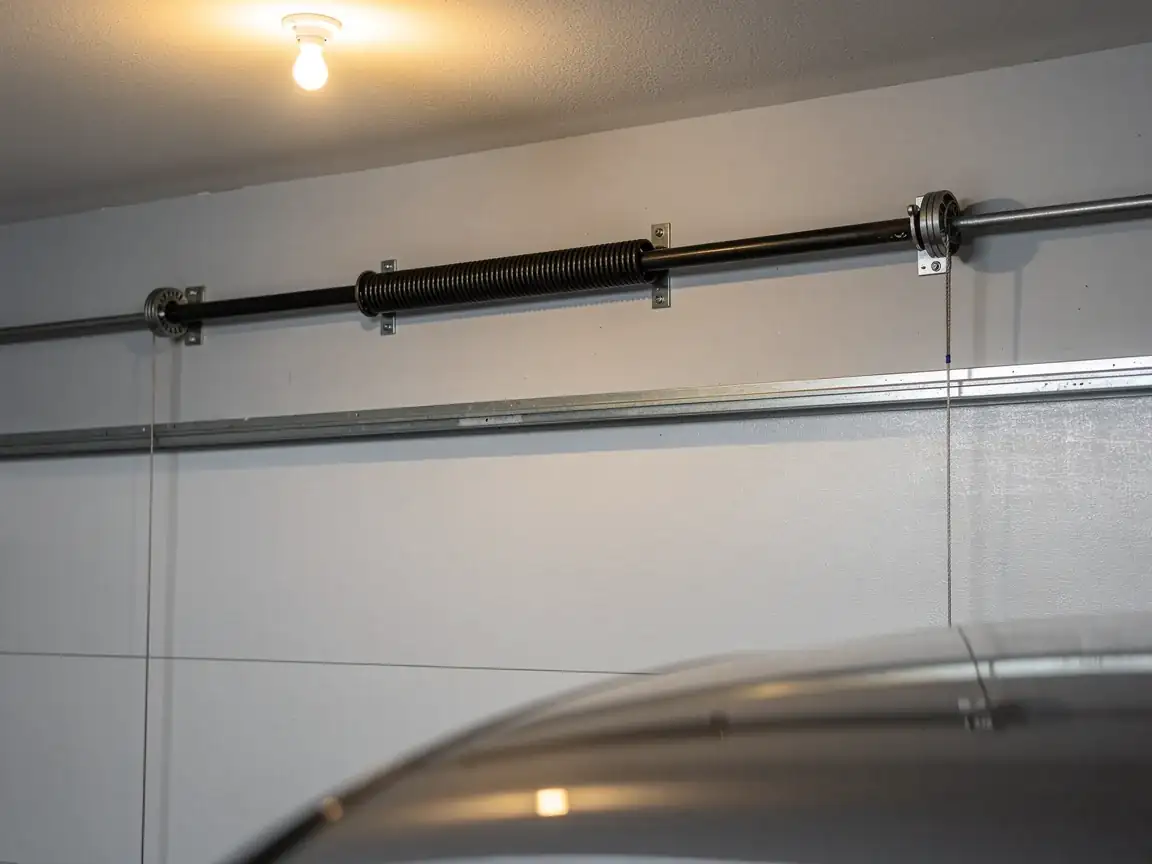
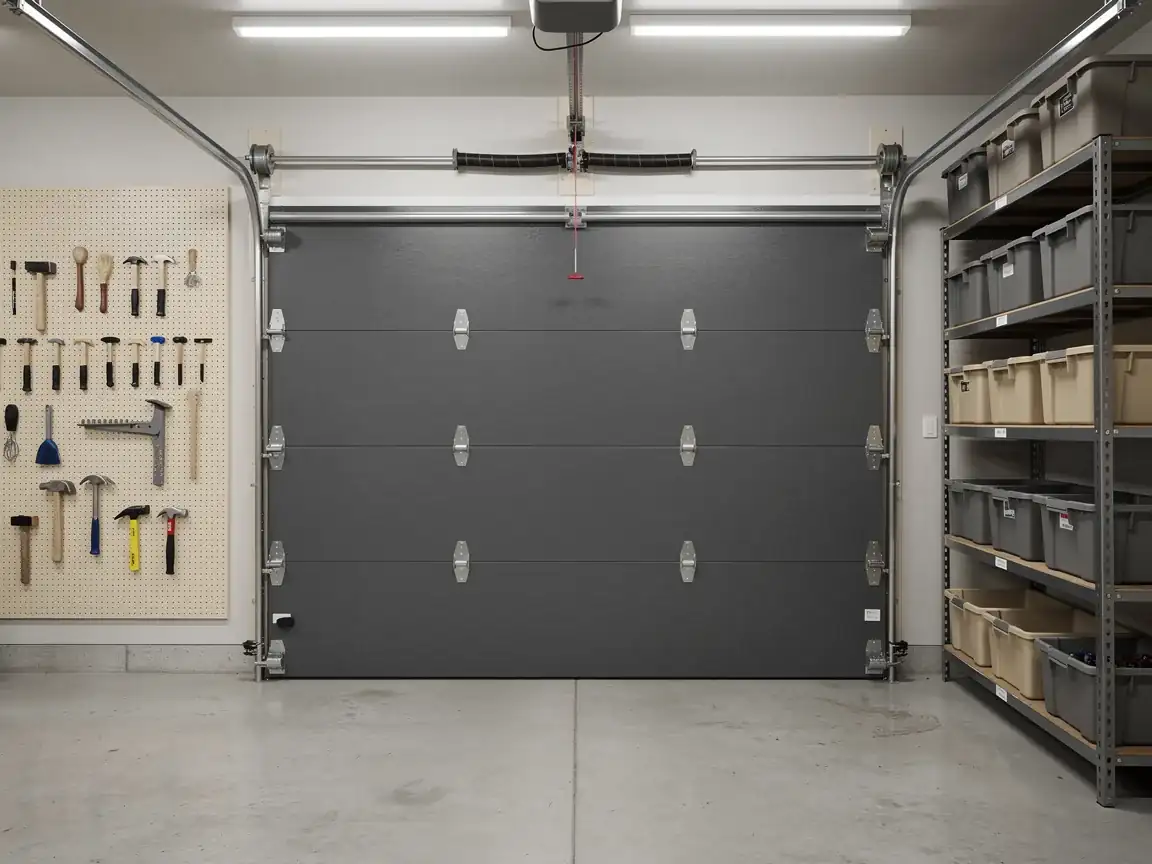
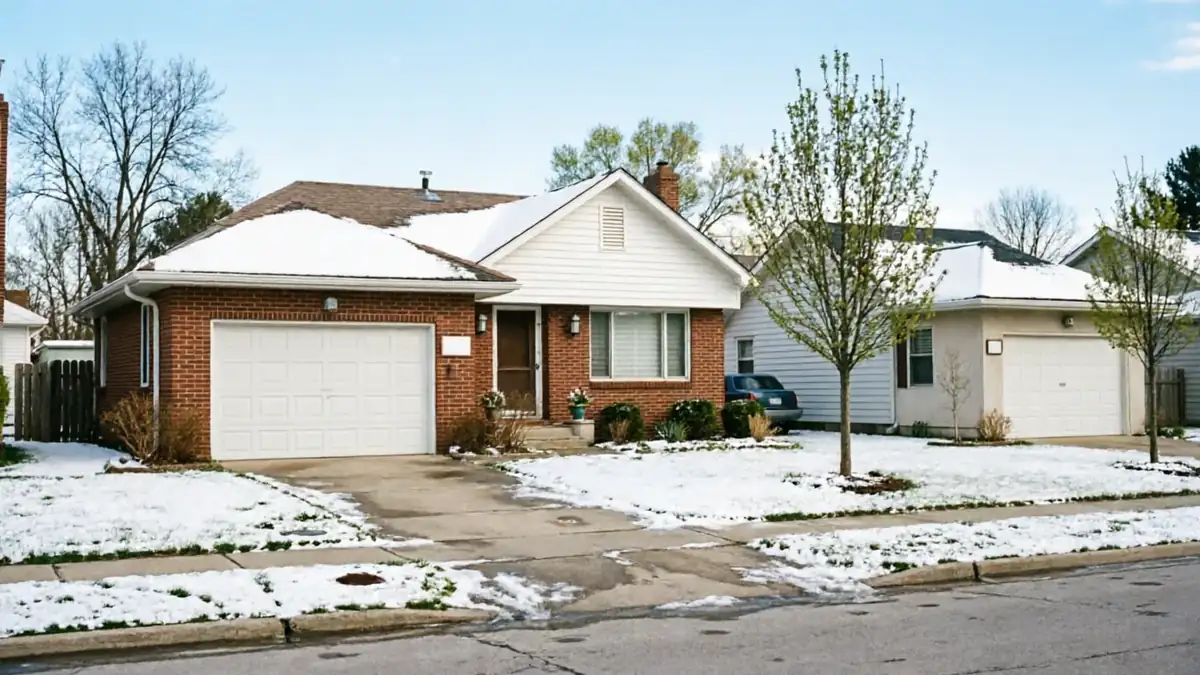
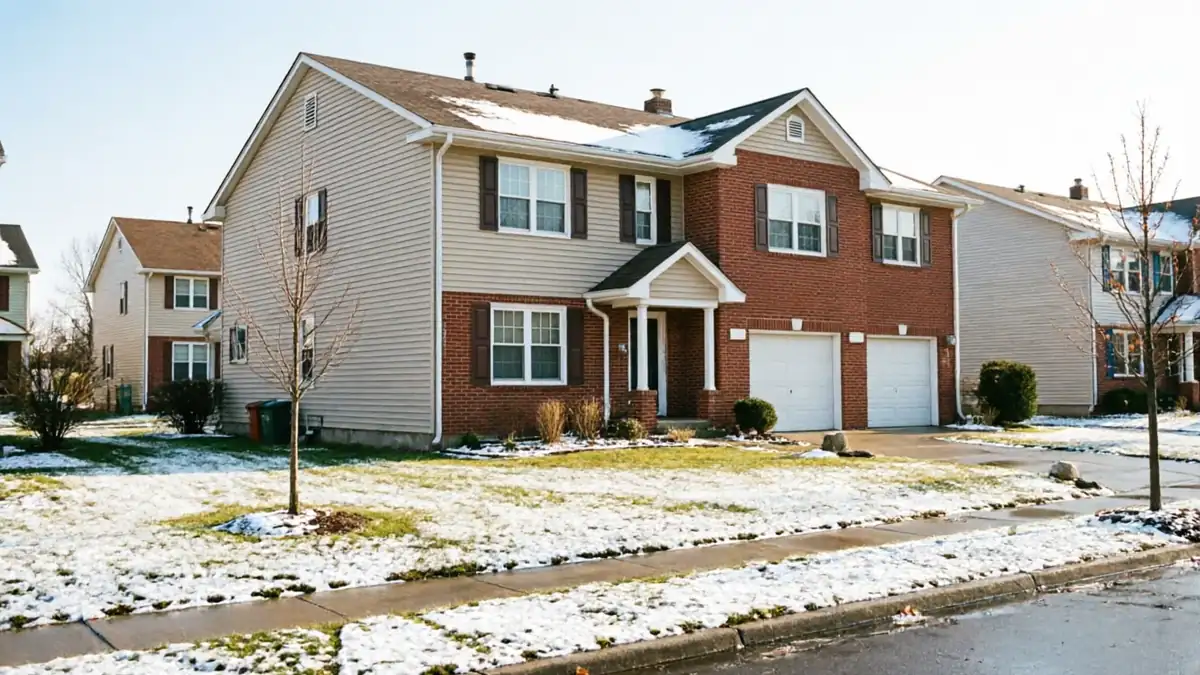
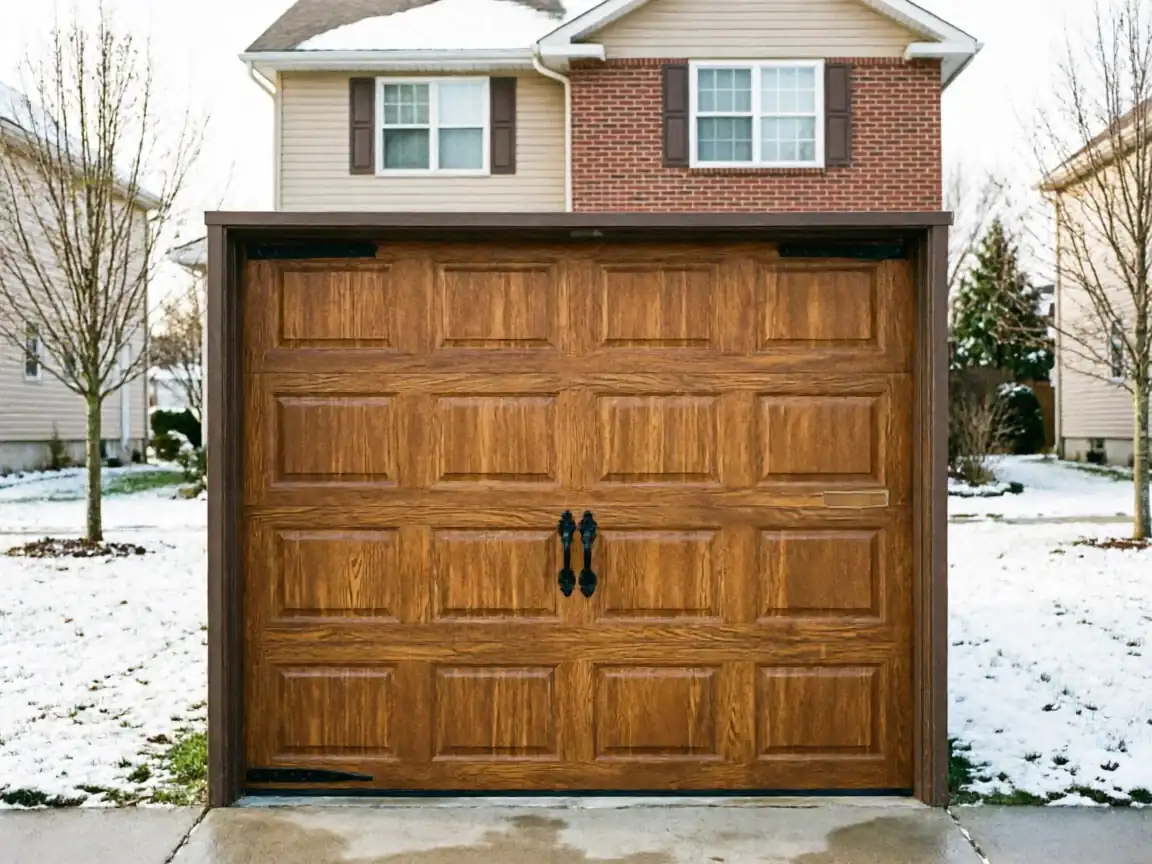
Junction City's housing stock centers on 1983, newer than a lot of the towns we cover out of Manhattan. That one number changes what we see on a service call. Instead of the old side-mounted torsion springs and single-panel wood doors you'd find on a house built in the 1960s, most Junction City garages have steel sectional doors on extension or center-mounted torsion springs, with chain or belt-drive openers from the 80s and 90s still soldiering on in some homes. The failure points are different too. Nylon rollers from that era wear grooves into the track faster than the steel rollers in older doors. Circuit boards in openers from the late 80s and early 90s are past their expected service life, and when they go, repair parts for that specific board are often harder to source than for a newer unit. We're honest about that upfront: if your opener is from that generation and the board's dead, replacement usually makes more sense than hunting for a part. We travel from Manhattan, about 17 miles, so we plan the trip and bring what the job most likely needs based on what you tell us about the door's age and symptoms.
The Usual Work Here
Given the 1983 median build year, the most common jobs we get called out for in Junction City are torsion spring replacement, roller swaps, and opener logic board or sensor failures. Doors from this era are steel, which holds up better against dents than the thin aluminum used briefly in some earlier decades, but steel panels from the 80s rust at the bottom where moisture collects, especially with Kansas winters bringing freeze-thaw cycles. Cable fraying is common once a cable passes the 10-15 year mark, which for an unreplaced original means it's well overdue. We also see a fair number of broken torsion springs from doors that have never had the springs serviced - these doors are 40 years old now and most have not had a spring swap. One thing we don't do: we don't recommend patching a badly rusted bottom panel just to save money short-term, because the hardware around it usually fails next and you end up paying for two repairs instead of one.
The Houses Here
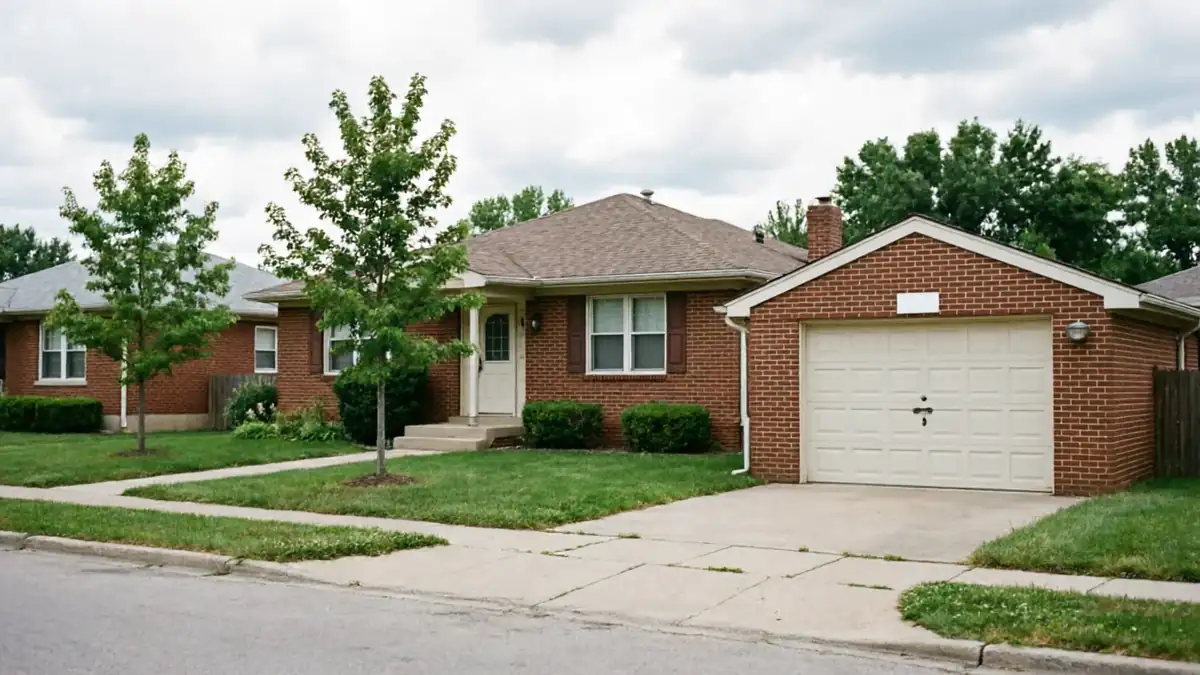
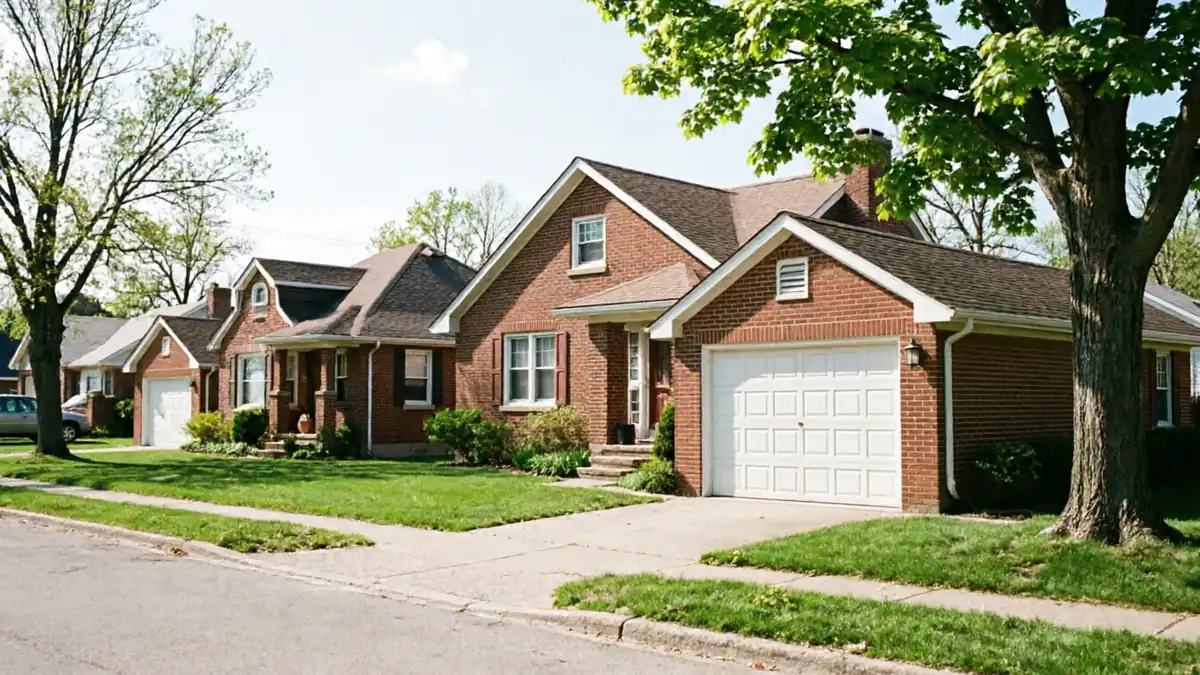
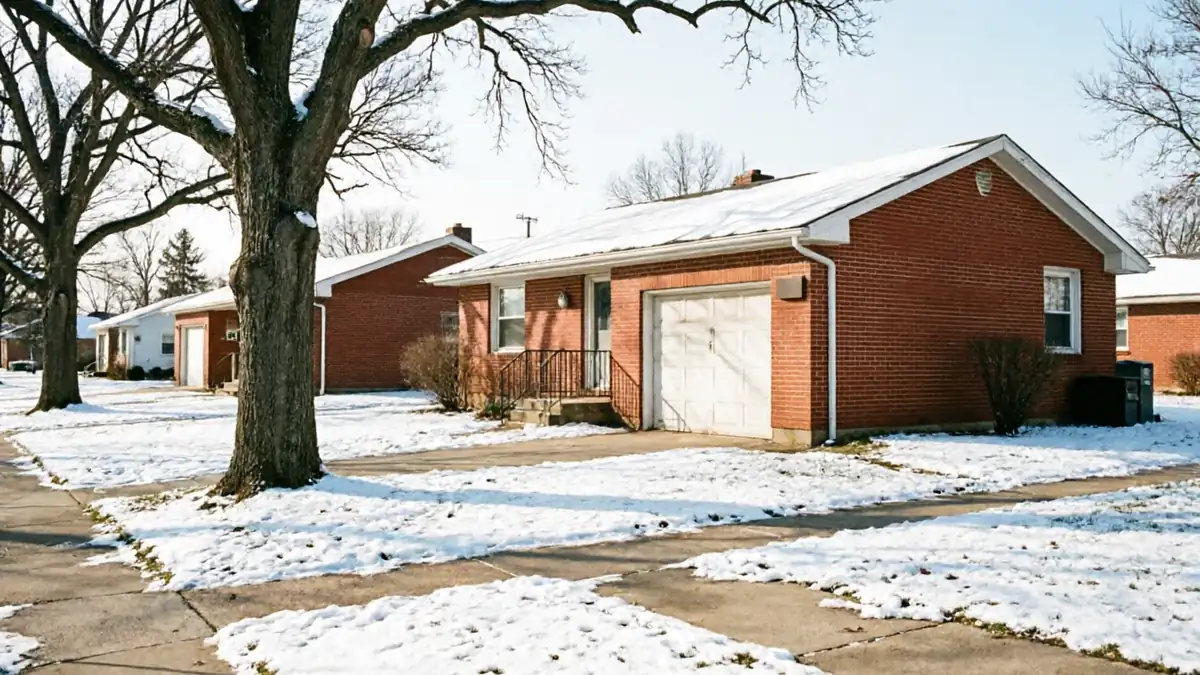
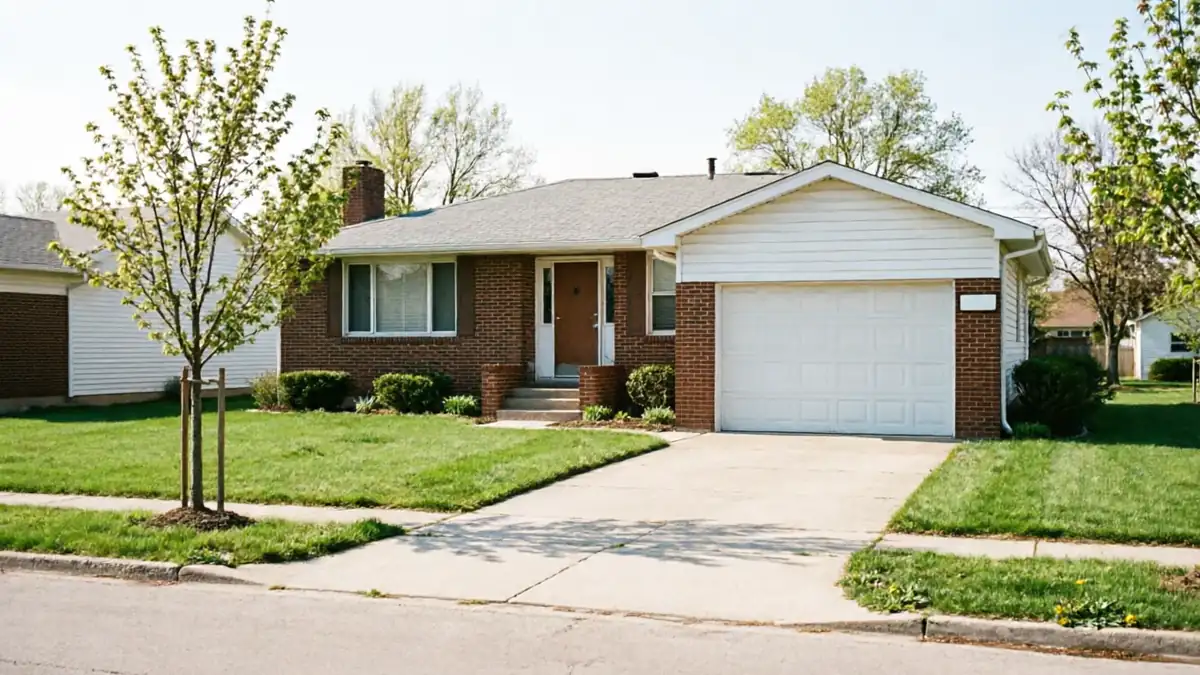
Across the roughly 9,240 households in the Junction City area, the 1983 median build year means you're mostly dealing with late-20th-century garage construction - steel doors, torsion or extension springs depending on the builder, and openers that have likely been replaced at least once already if the house has changed hands. That's a different repair profile than the 1966-2007 range and 1974 median you'd find looking at the wider Manhattan service area as a whole, where a larger share of homes predate the 1980s entirely. Kansas's cold, moderate climate band means freeze-thaw cycles are a factor every winter here too - door seals and weatherstripping on these 40-year-old doors are usually original and brittle by now. We don't do landscaping or concrete work around a garage slab, so if a door issue is really a slab-heave problem, that's outside what we handle and we'll tell you that rather than take the job.