What the Fix Involves
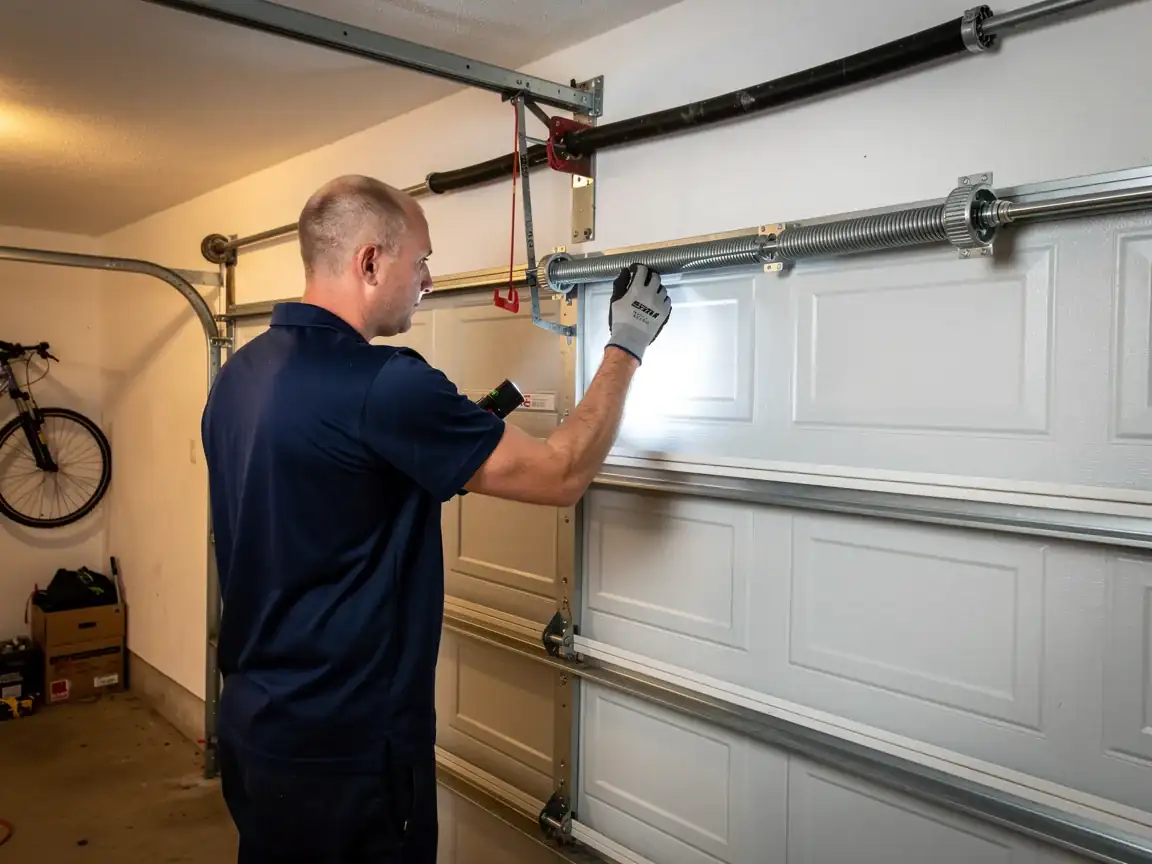
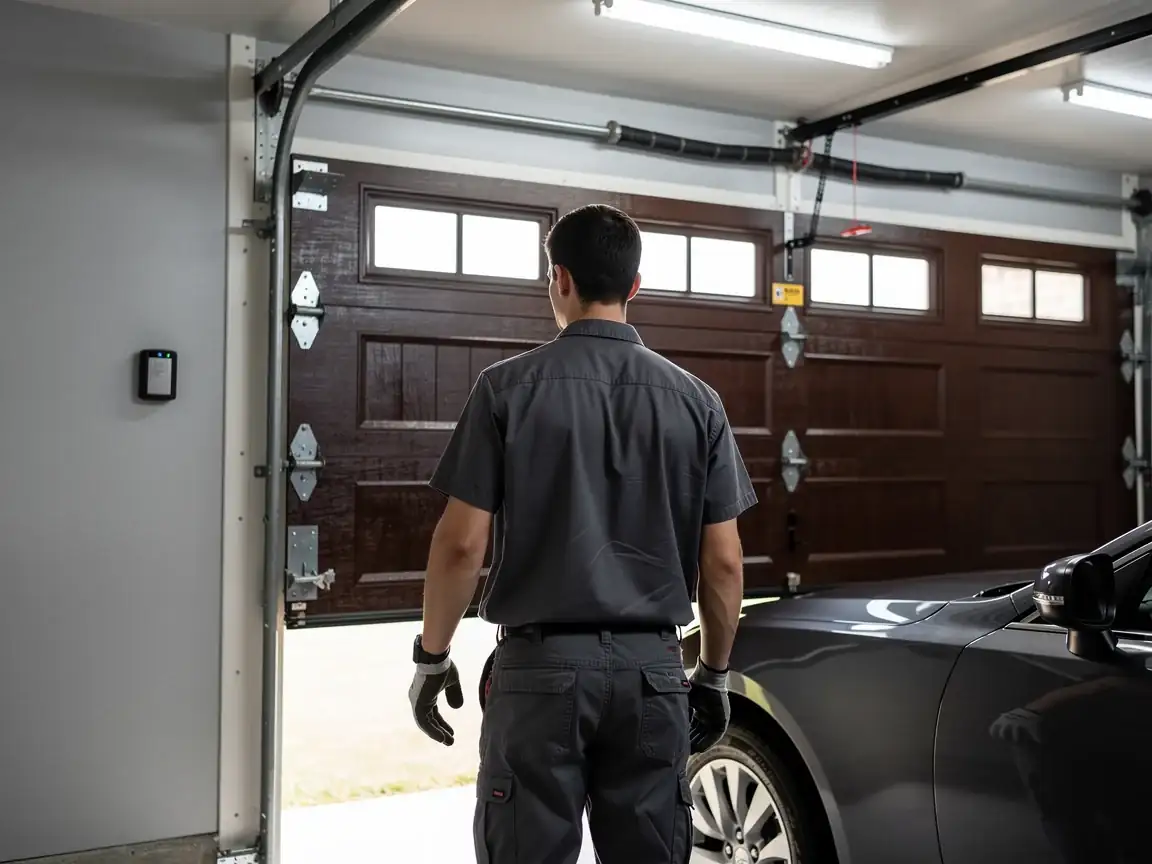
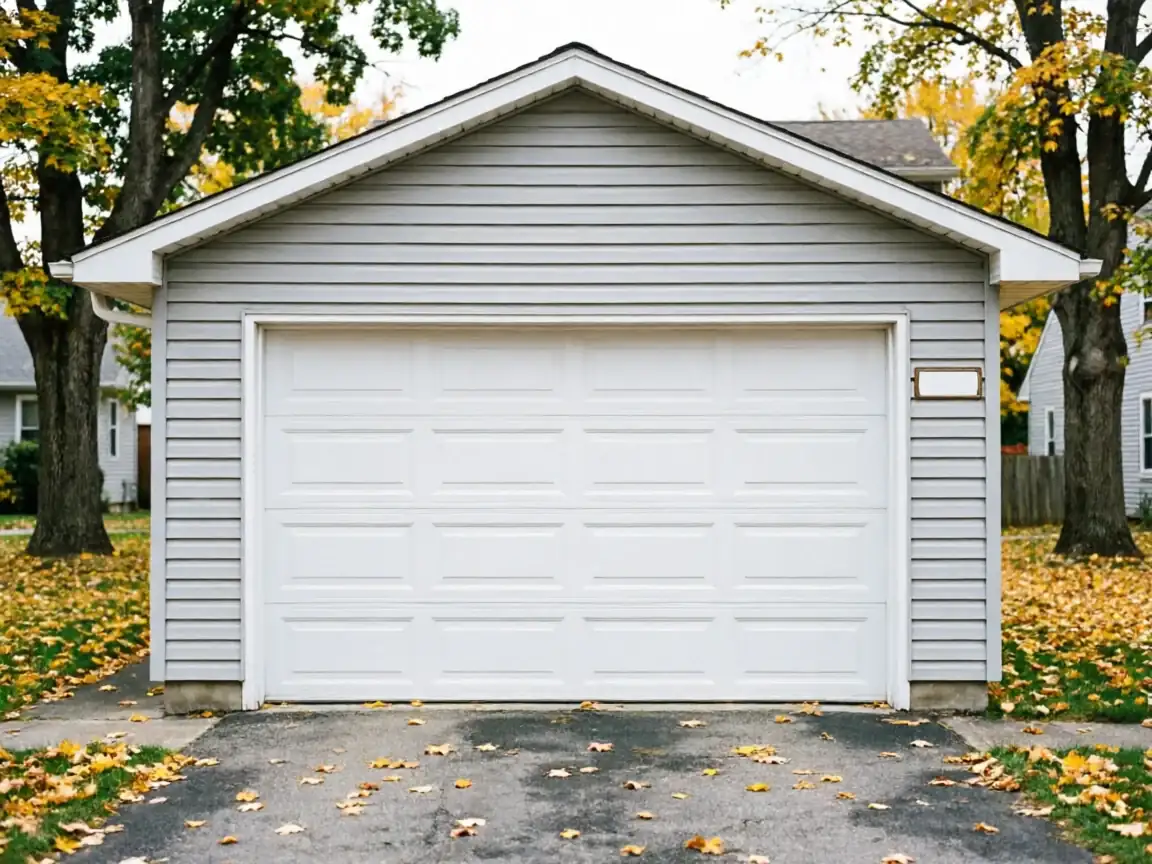
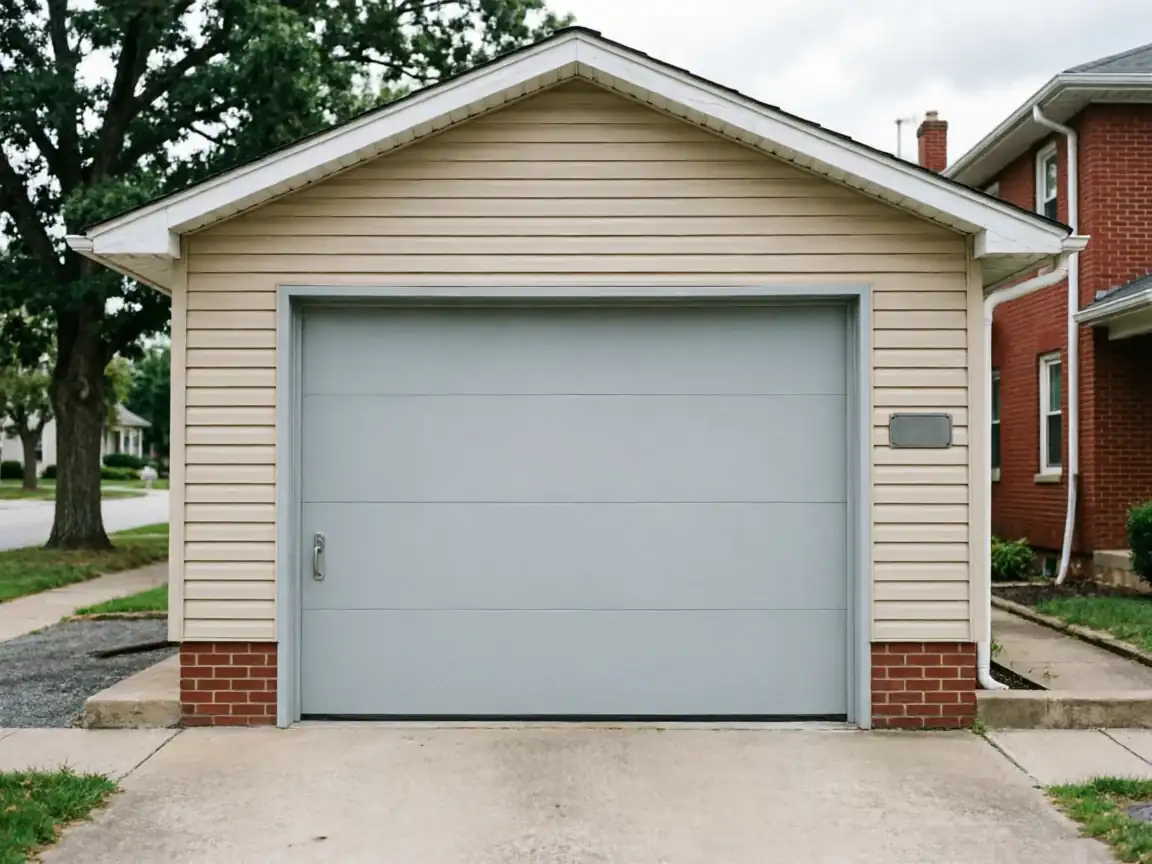
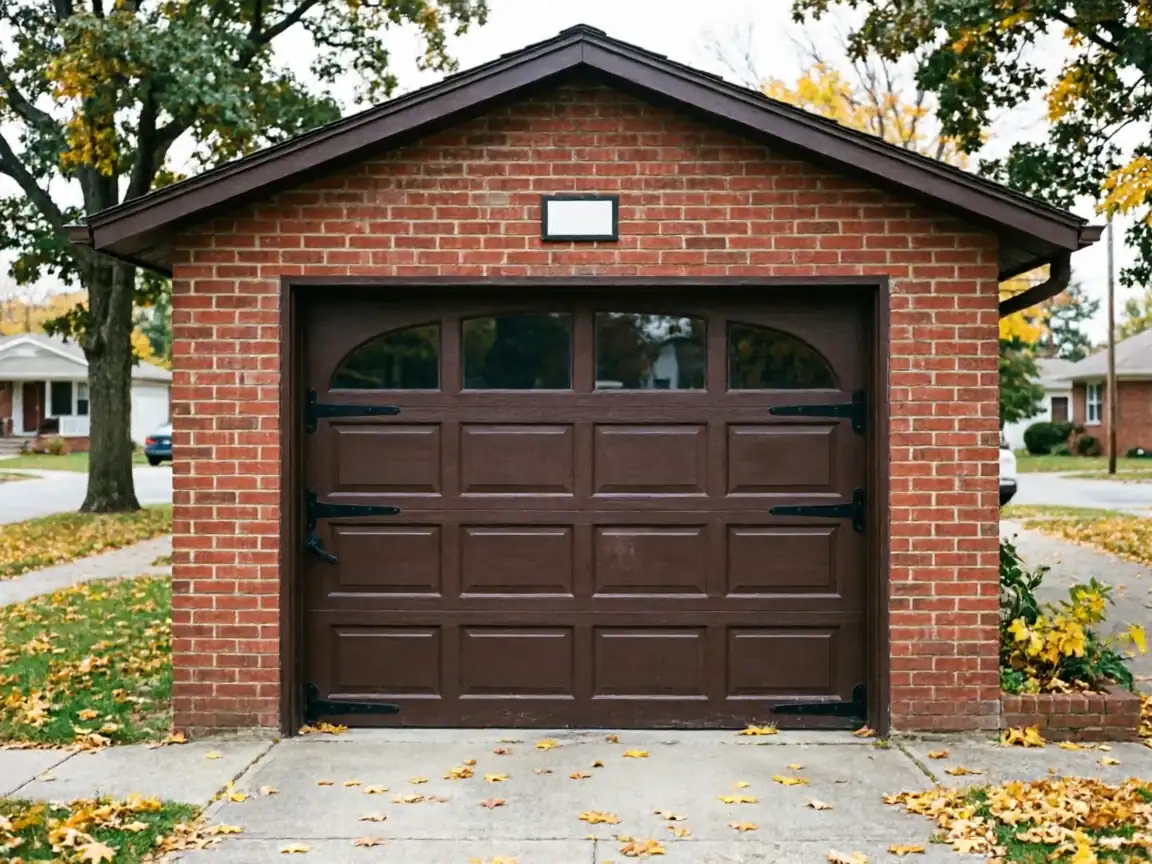
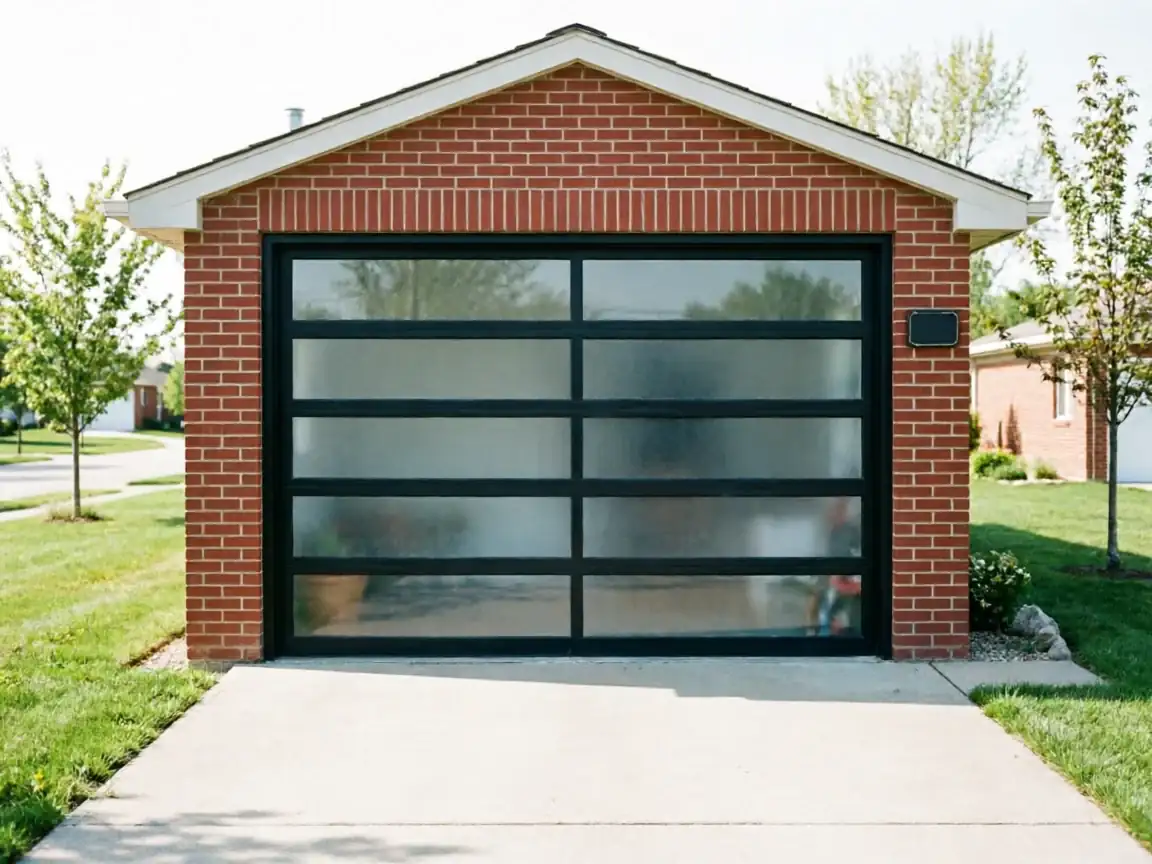
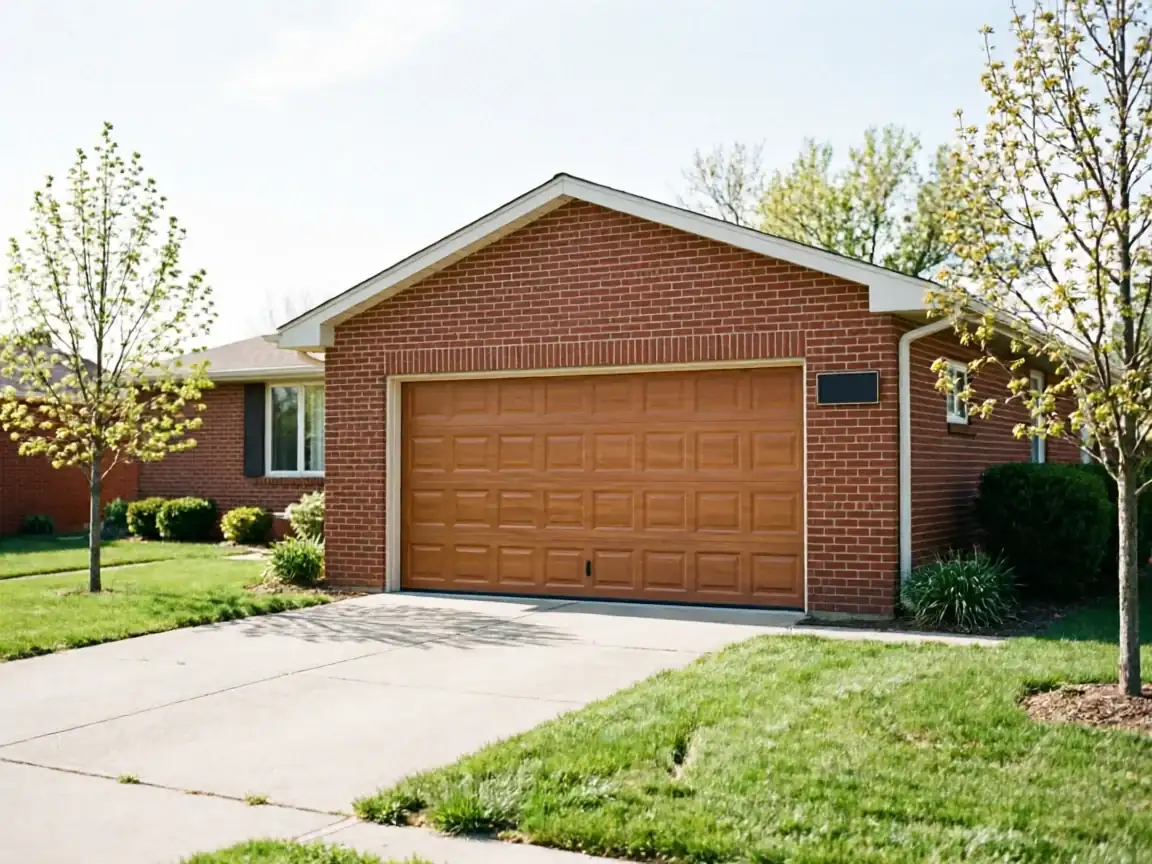
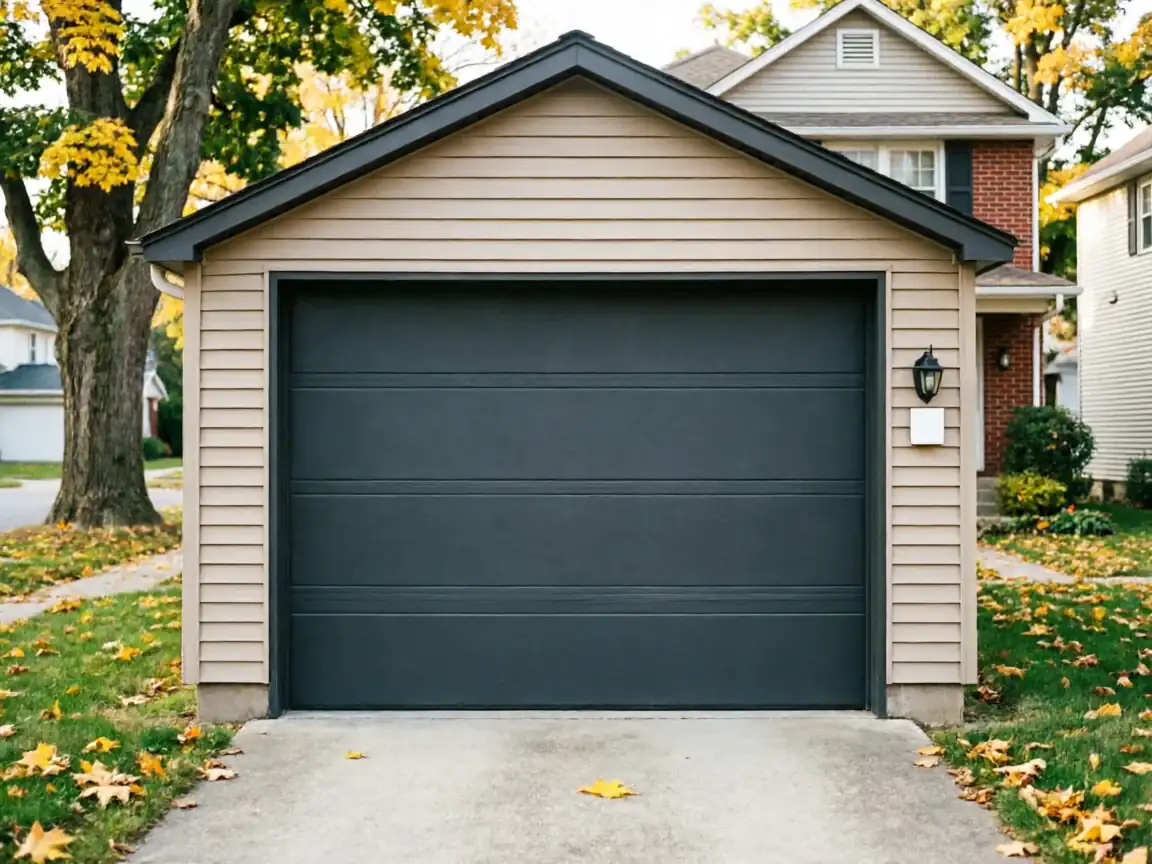
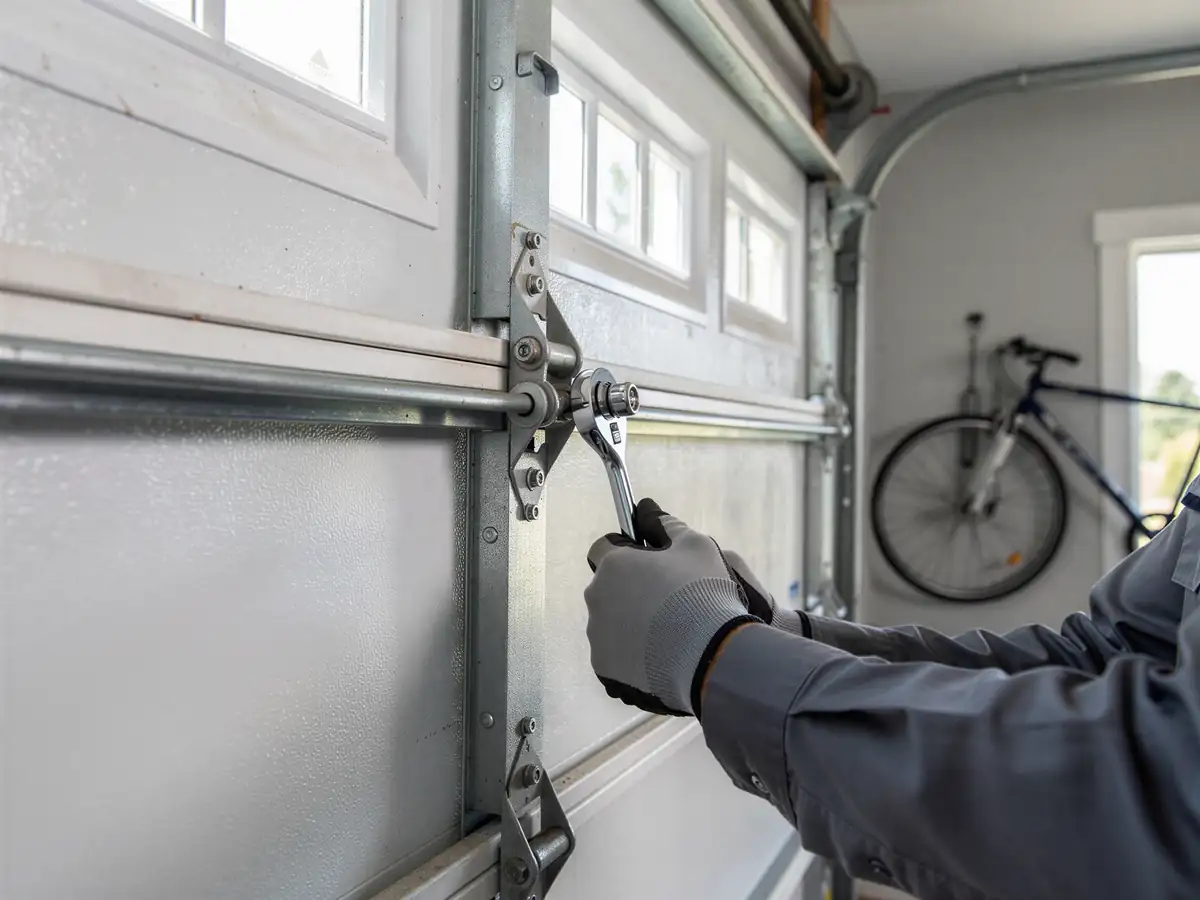
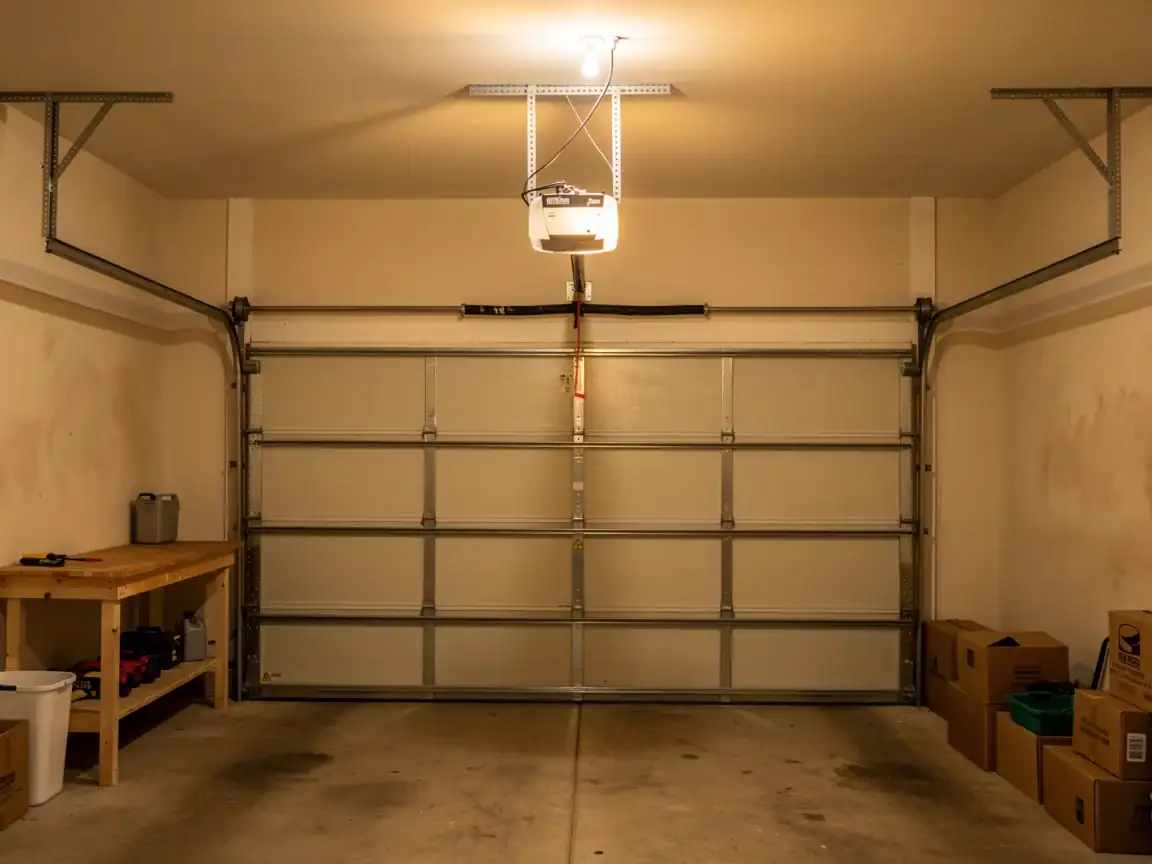
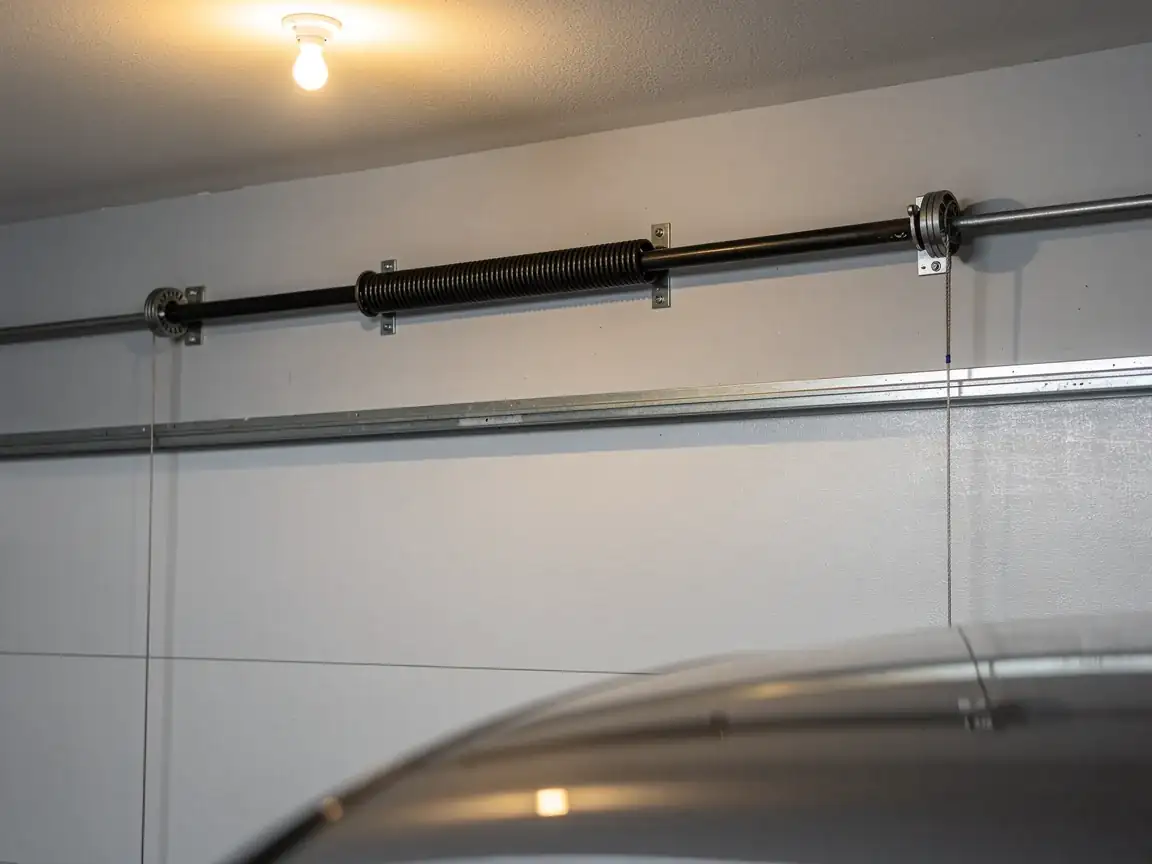
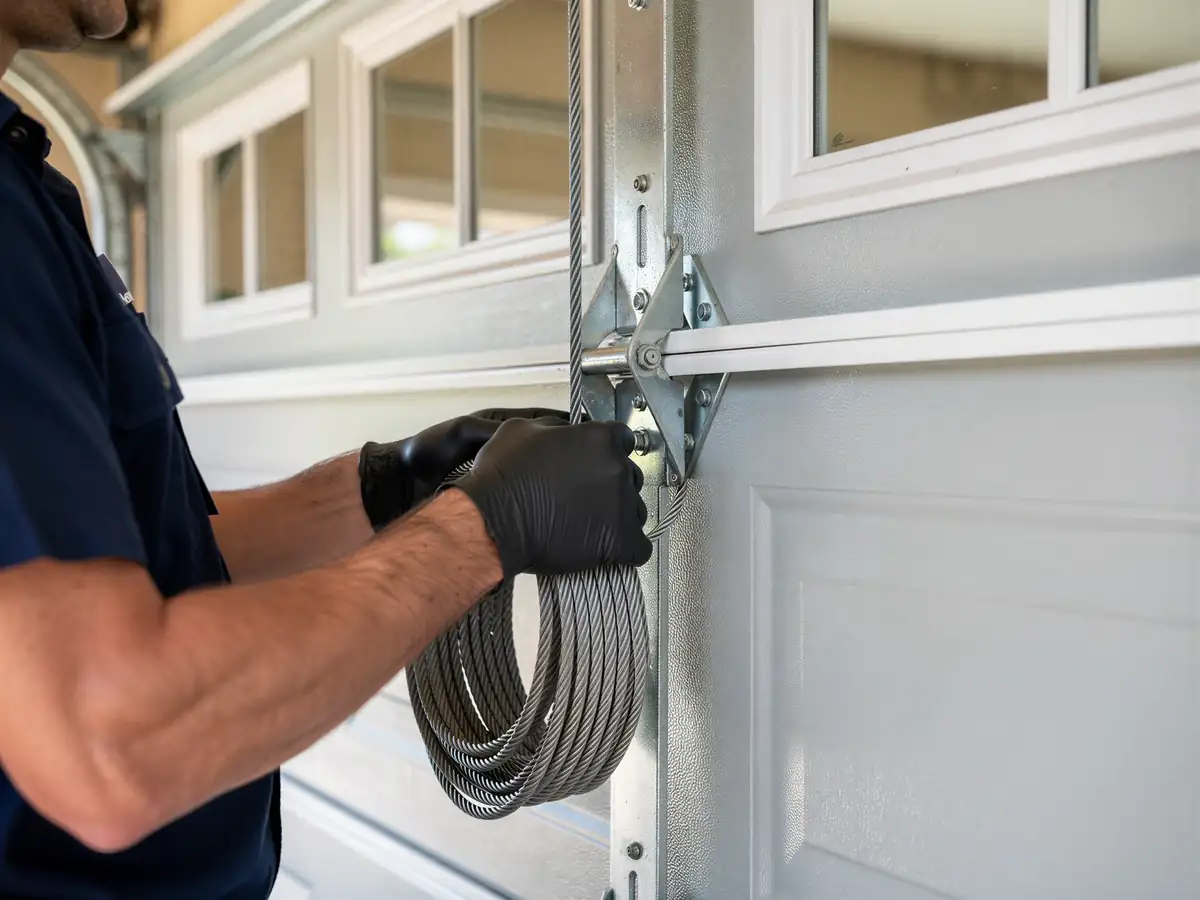
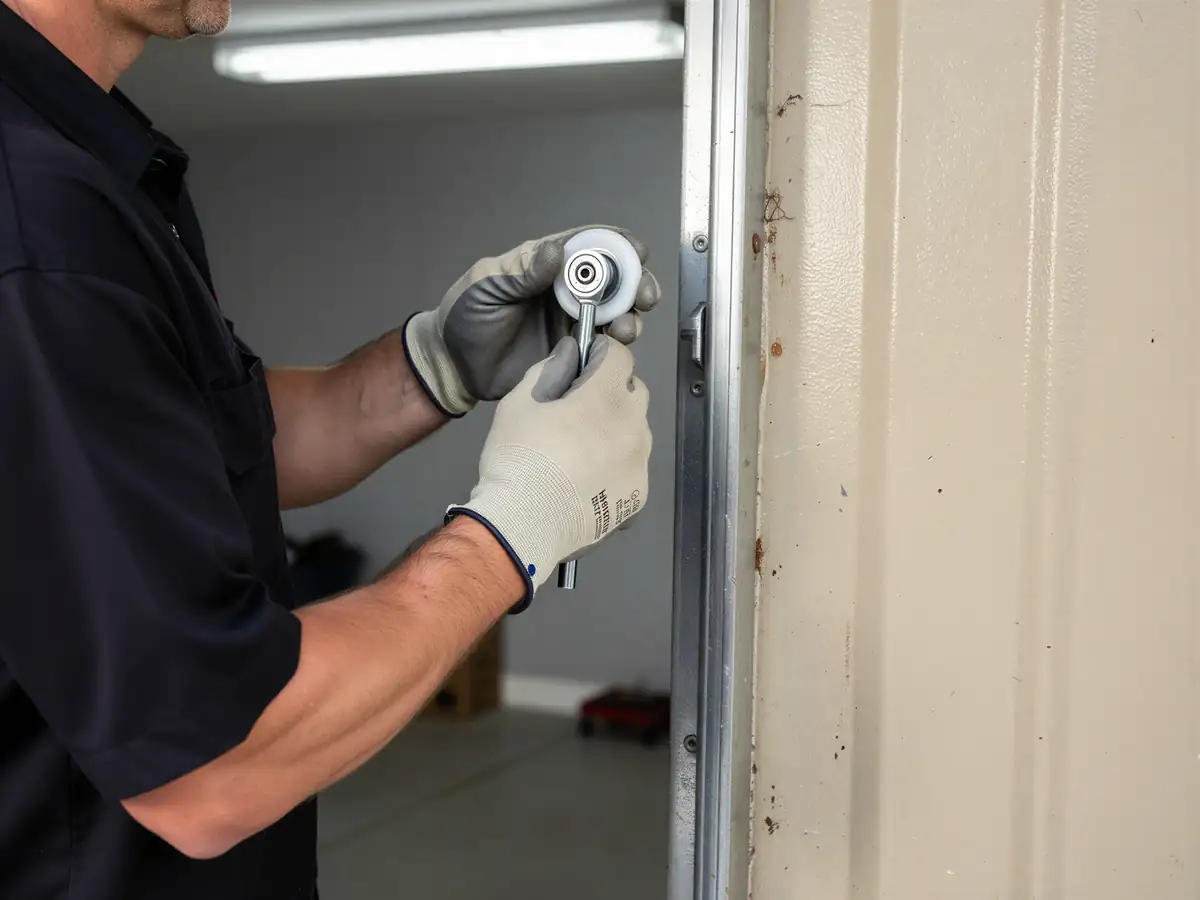
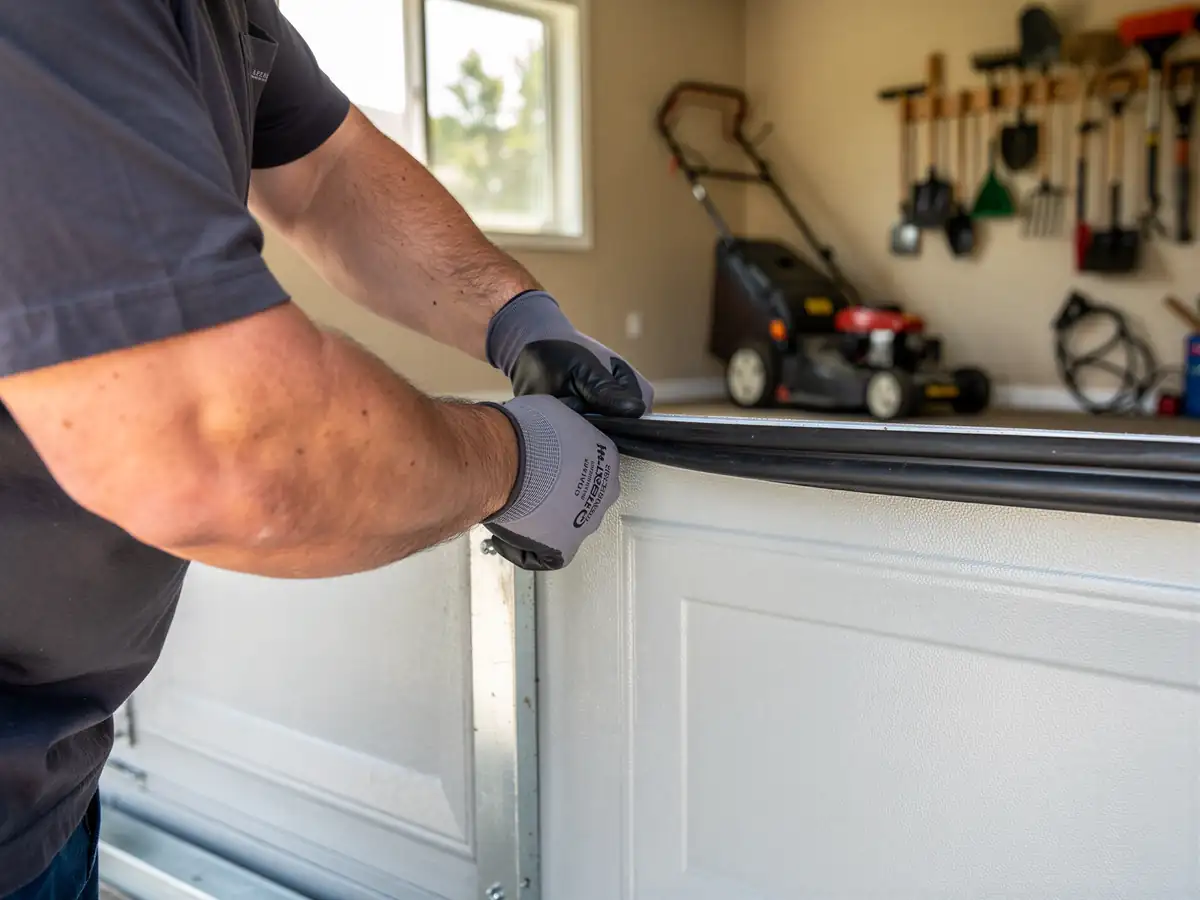
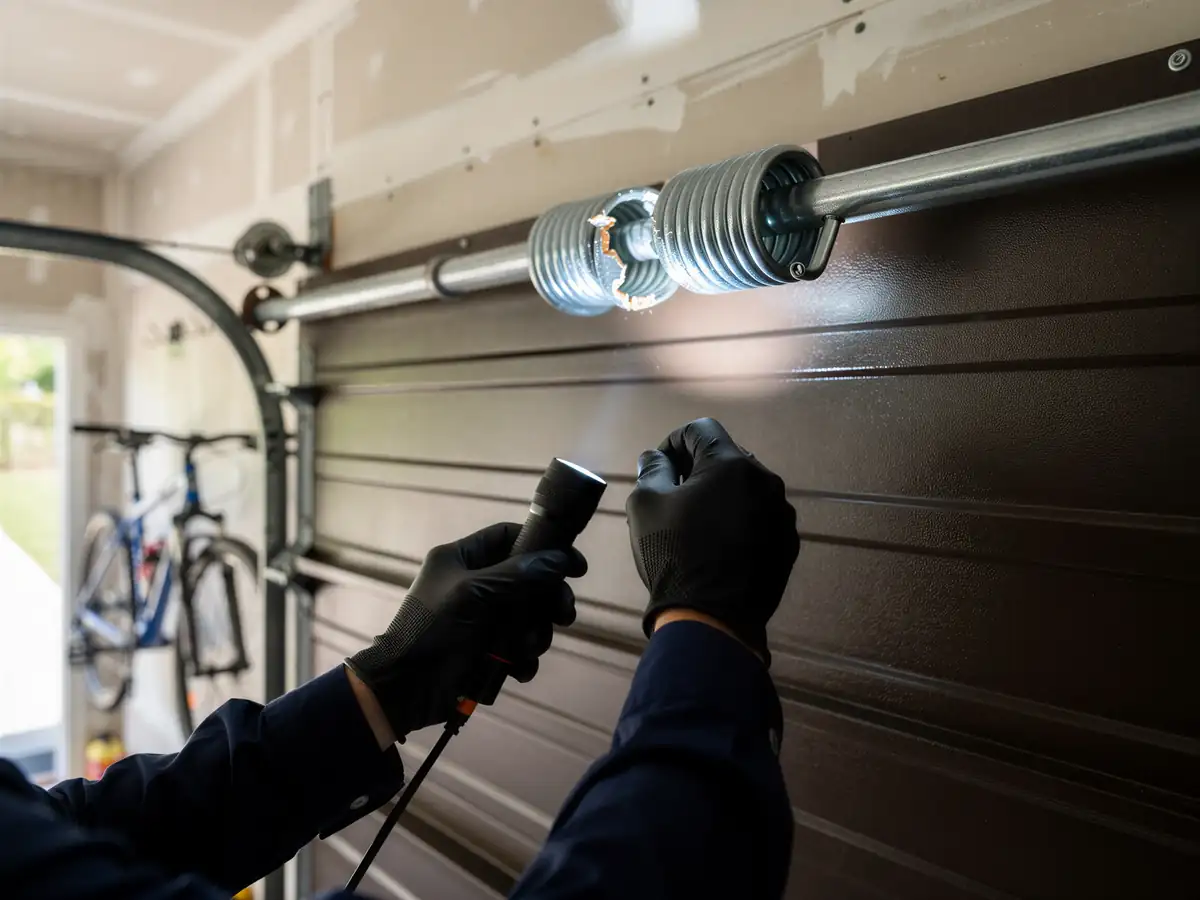
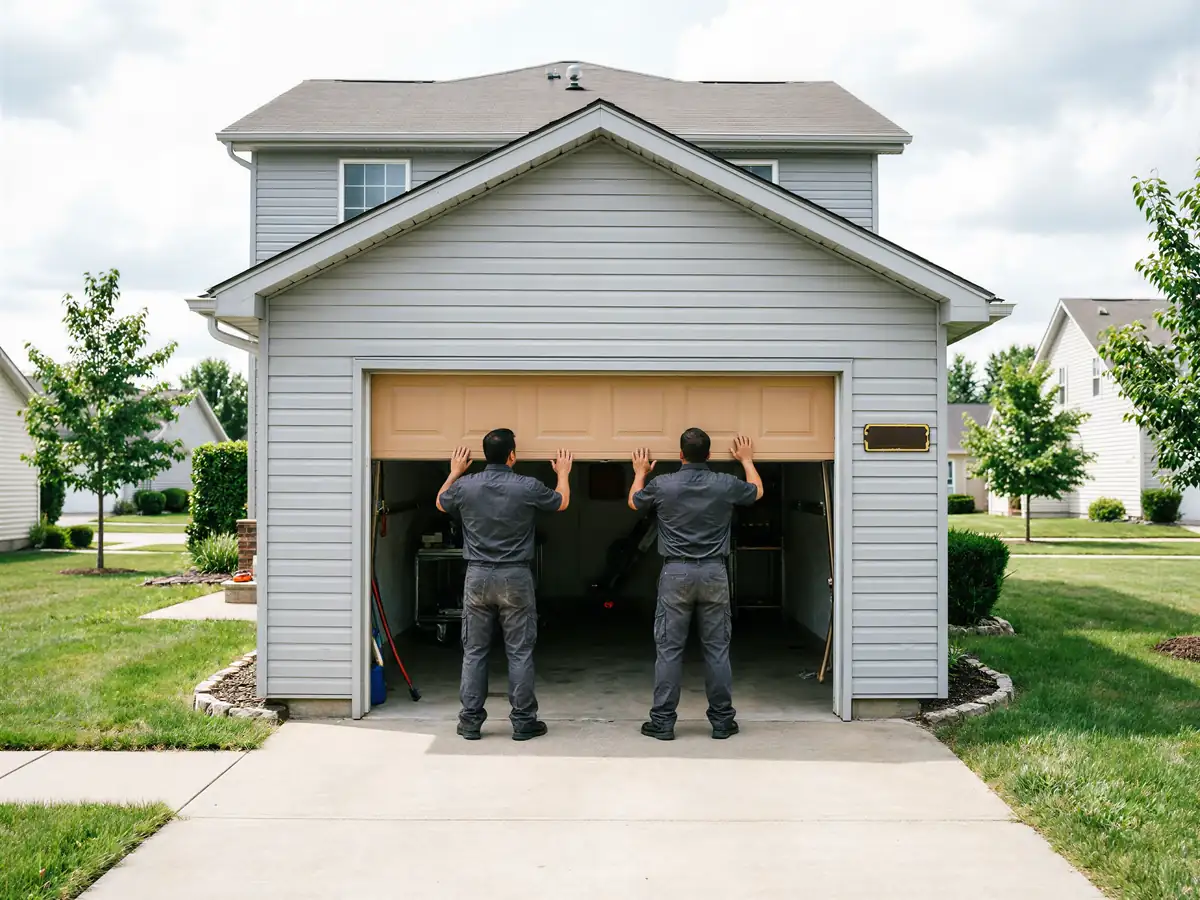
A new install starts with pulling the old door, track, and springs off the opening and checking the framing underneath - on a lot of Manhattan houses that framing was built for a door size that nobody stocks anymore, so we measure before we order anything. We set new track, hang the door section by section, balance the springs to the door weight, and run the opener through a full cycle before we call it done. For homes in this area, built mostly between 1966 and 2007, we pay close attention to the bottom seal and the weatherstrip channel, since a door without a tight seal fights moisture and cold for months at a time here. We don't custom-build architectural doors on short notice - if you want a non-standard size or a specialty wood face, that's a special order with its own lead time, and we'll tell you that up front rather than promise a date we can't hit. Most straight swaps on a standard double or single opening we can turn around fast. What we won't do is install a door on rotted or undersized framing without fixing the framing first - patching around a bad opening just moves the failure down the road.
What You Are Seeing
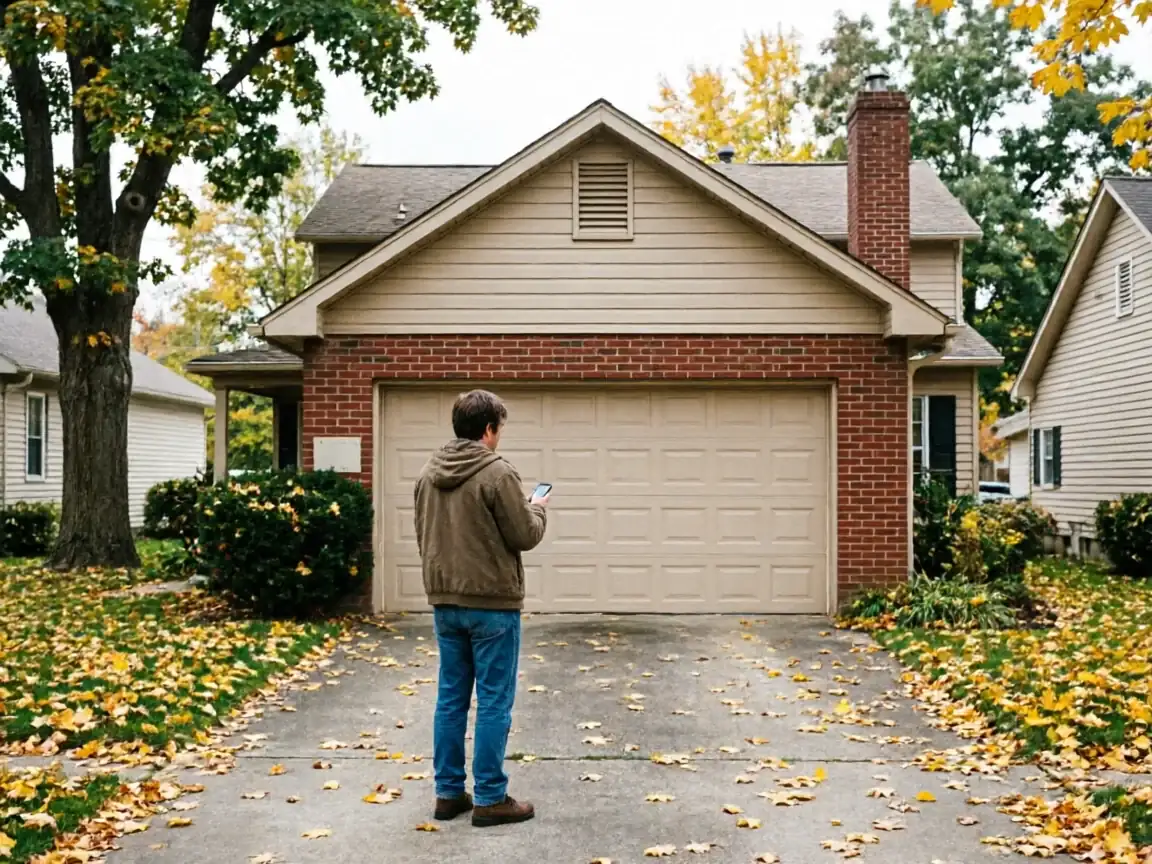
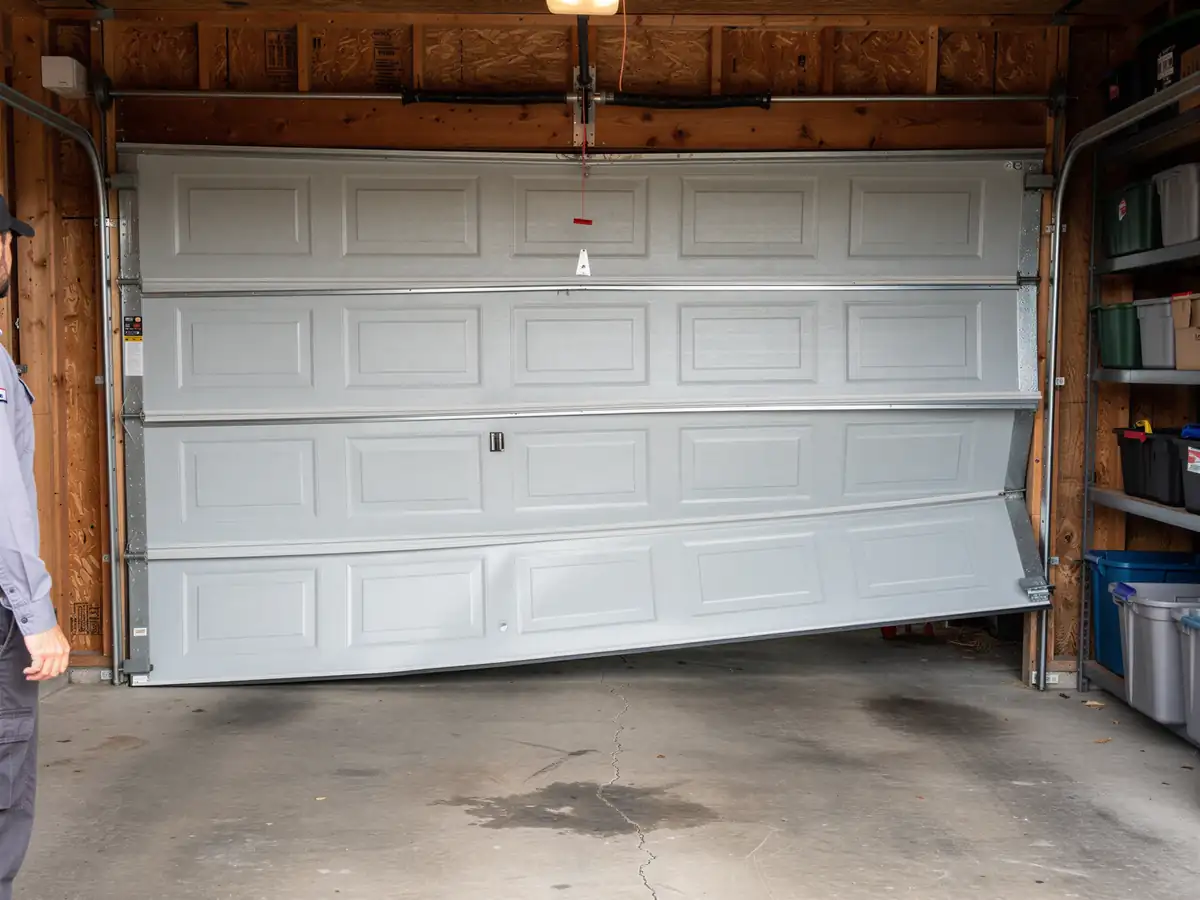
The usual call starts with a door that sags on one side, daylight showing along the bottom when it's closed, or panels that have gone soft and rusted at the lower corners. On houses from the 1966-to-2007 wave that makes up most of this area's stock, the original doors are reaching the point where the steel has thinned and the insulation, if there was any, has broken down inside the panel. Some owners notice it as a cold garage that never used to be cold - the door used to hold a seal and now it doesn't. Others notice the opener straining harder than it should, which usually means the door itself has gotten heavier to lift as the panels sag out of square. A few calls come in because the door simply won't line up with the track anymore after years of expansion and contraction through hot summers and cold winters. None of this is dramatic - it's wear that shows up slowly, then all at once, on a door that's been doing its job since the house was built.
How to Book
We run installs across Manhattan and out to the surrounding towns - Ogden is about seven miles out, Fort Riley and Main Post roughly twelve, Riley fourteen about thirteen, Wamego sixteen, Junction City seventeen, Westmoreland eighteen, and Randolph nineteen. Most of our install calls come from inside Manhattan itself, where the older housing stock makes a full door swap the more common job rather than a quick repair. Call or use the contact page to set up a time for someone to come measure the opening - we need the actual dimensions and a look at the framing before we can quote a door, since guessing from a phone description is how you end up with the wrong size on the truck. If you're ordering anything outside a standard size, plan on a longer lead time; we'll give you a real number once we know what you need, not a placeholder. You can reach us through the link below to get that process started.