What the Fix Involves
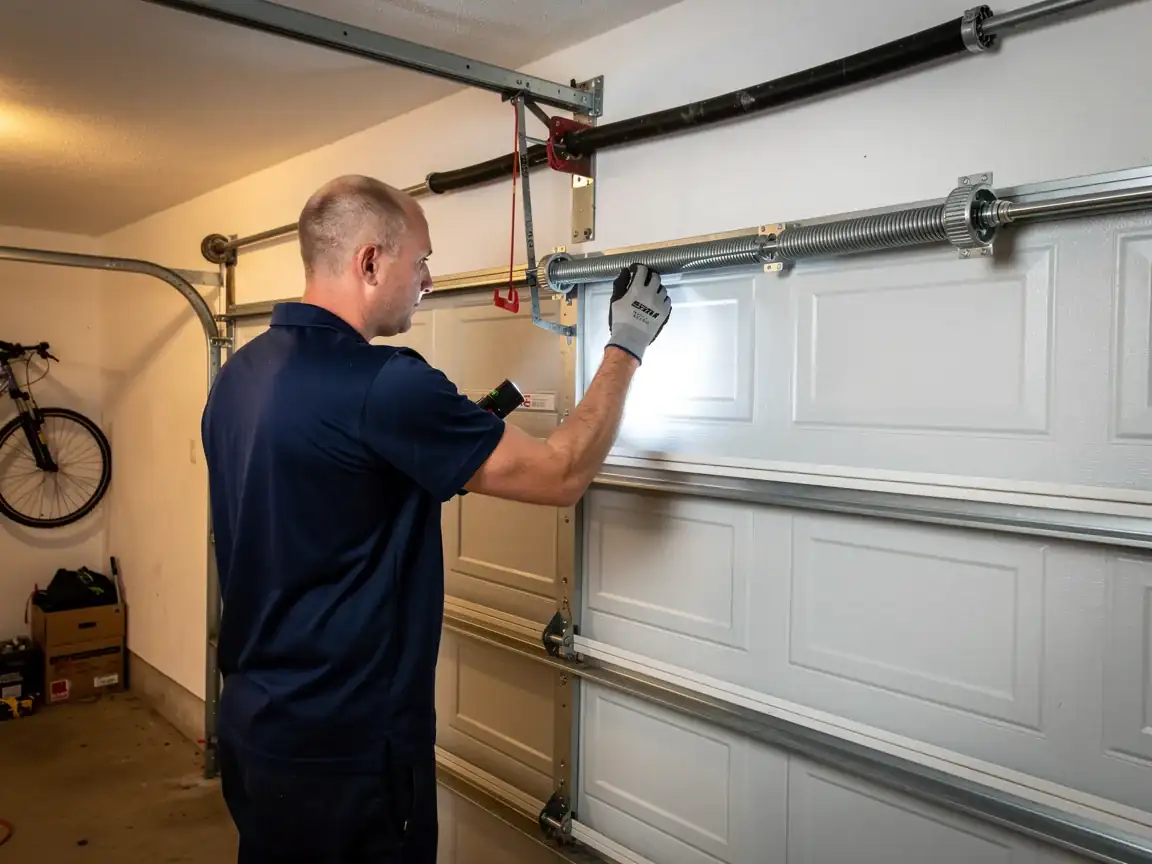
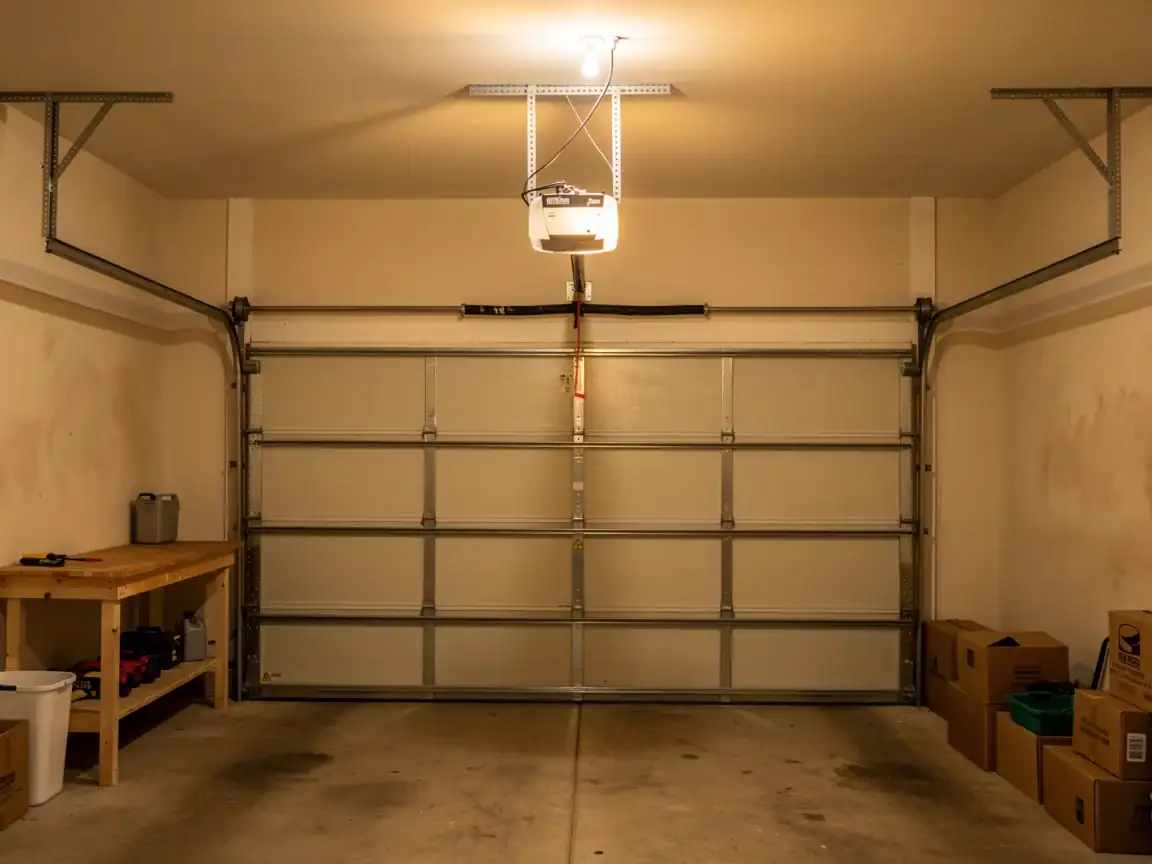
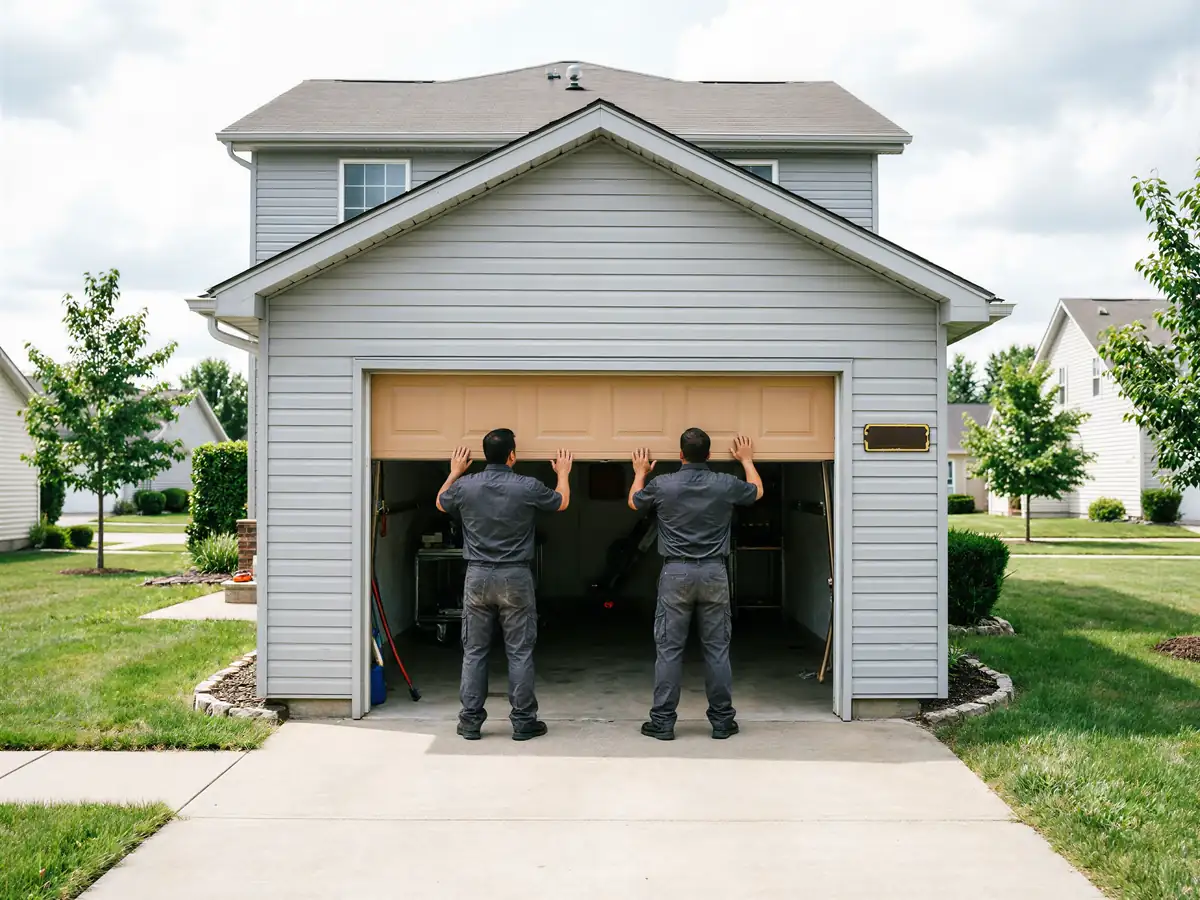
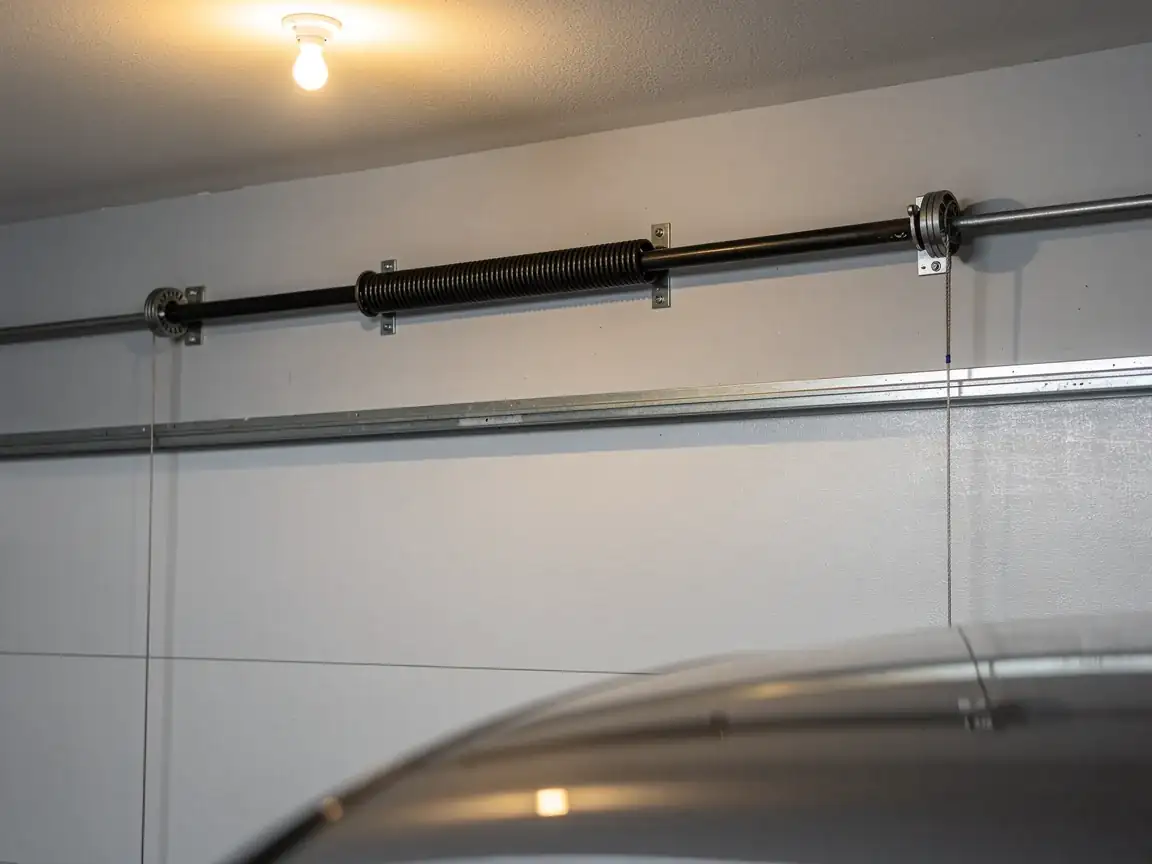
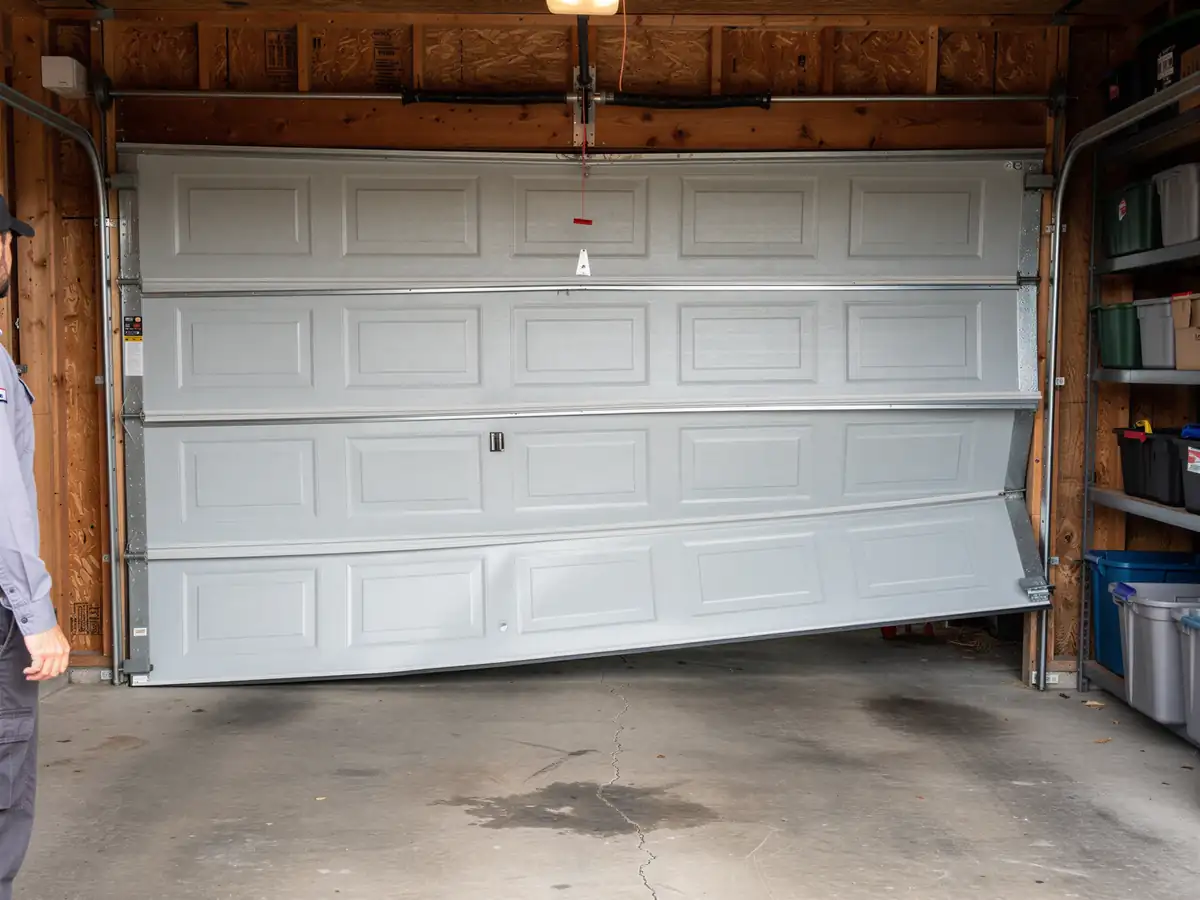
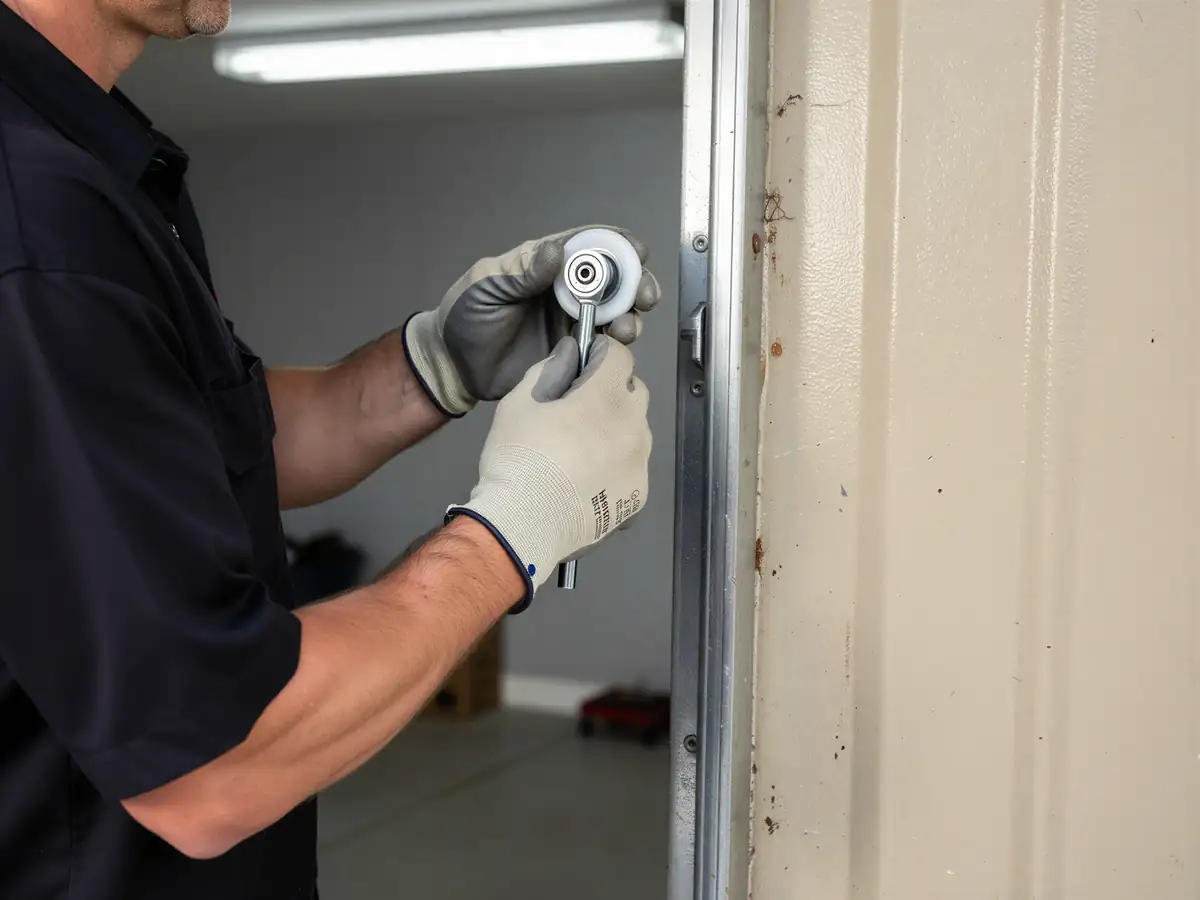
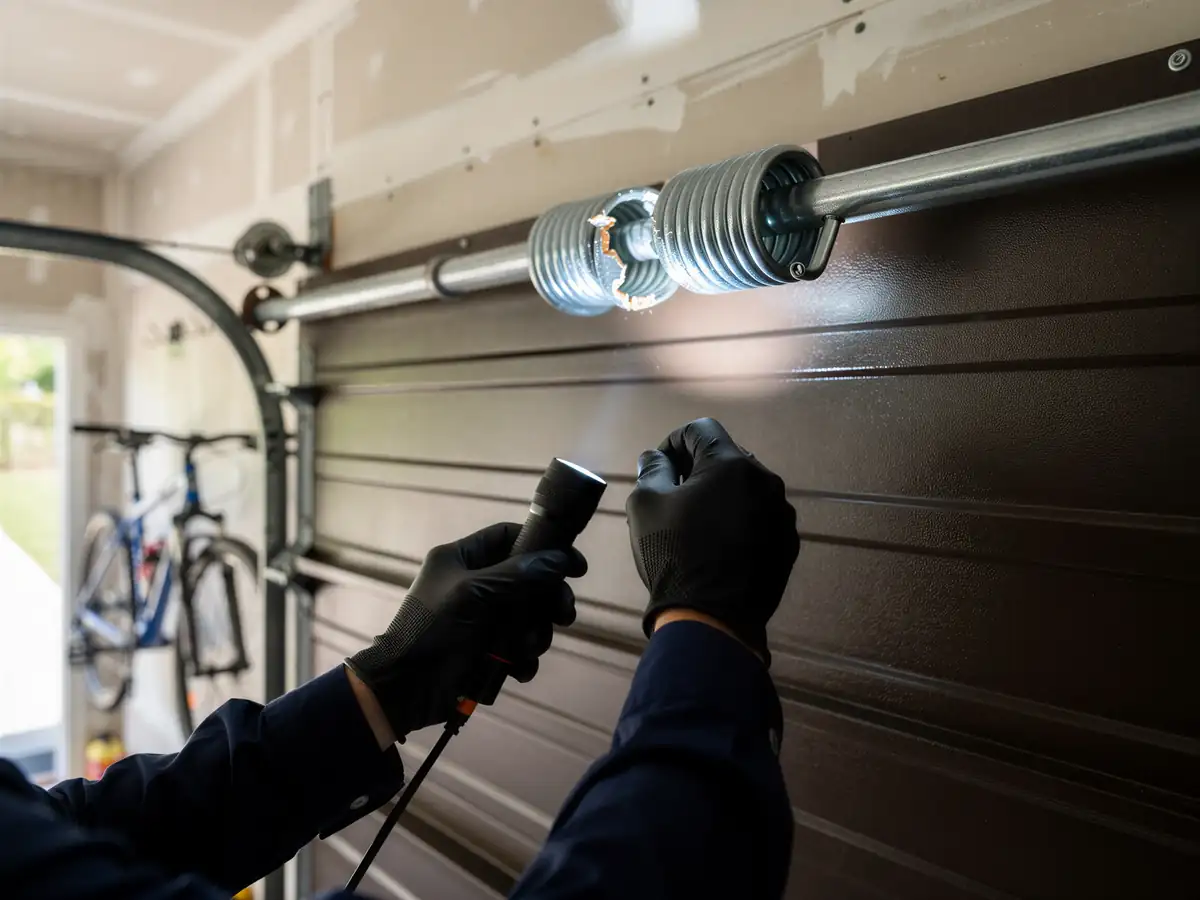
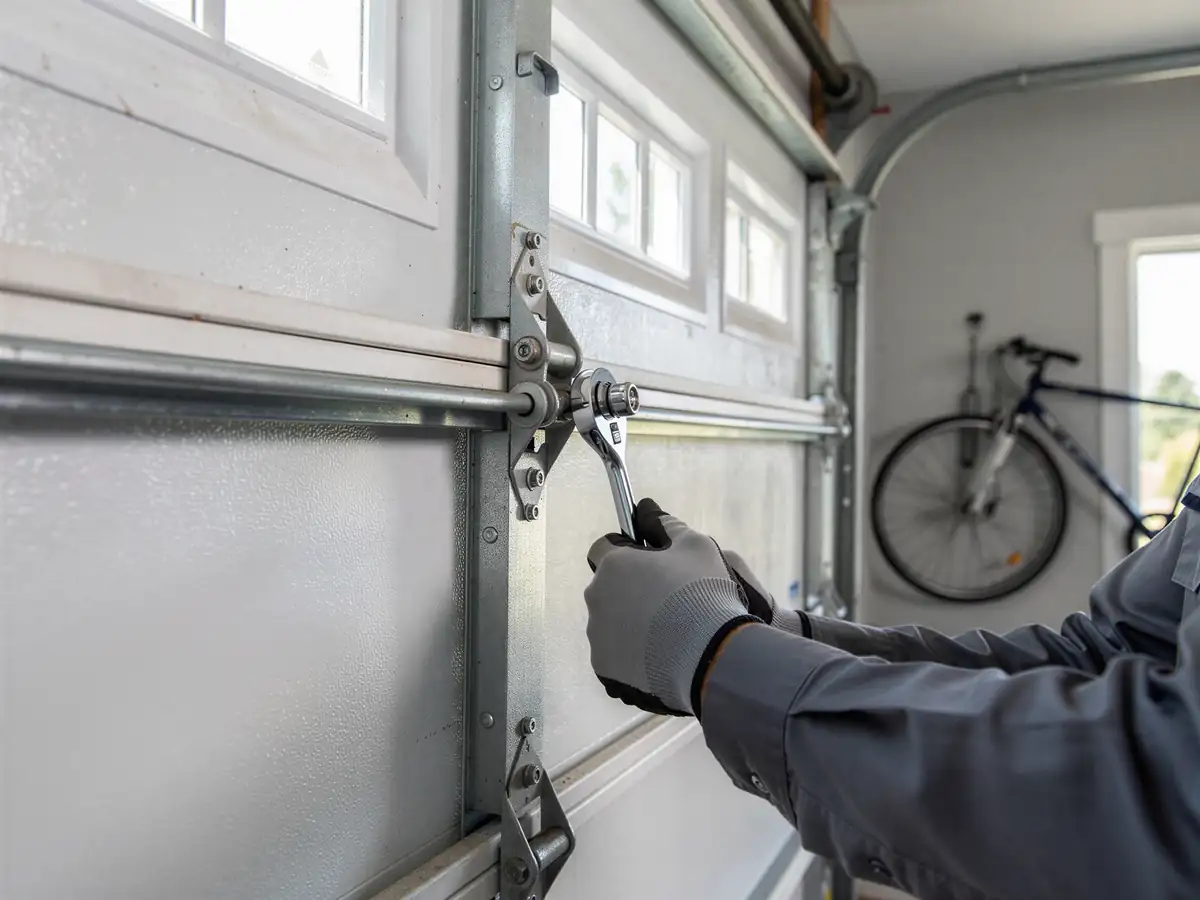
Most garage door repair calls in Manhattan come down to one of three parts: a broken torsion spring, a worn opener drive gear, or a bent track from a roller that jumped its channel. On a double door, we pull both springs even if only one let go, because the other is usually close behind it on the same wind cycle. For openers, we check the drive system before we touch the logic board, since a slipping gear looks electrical but isn't. Track repair means resetting the rail to plumb and replacing the rollers that caused the jump, not just bending the metal back by eye.
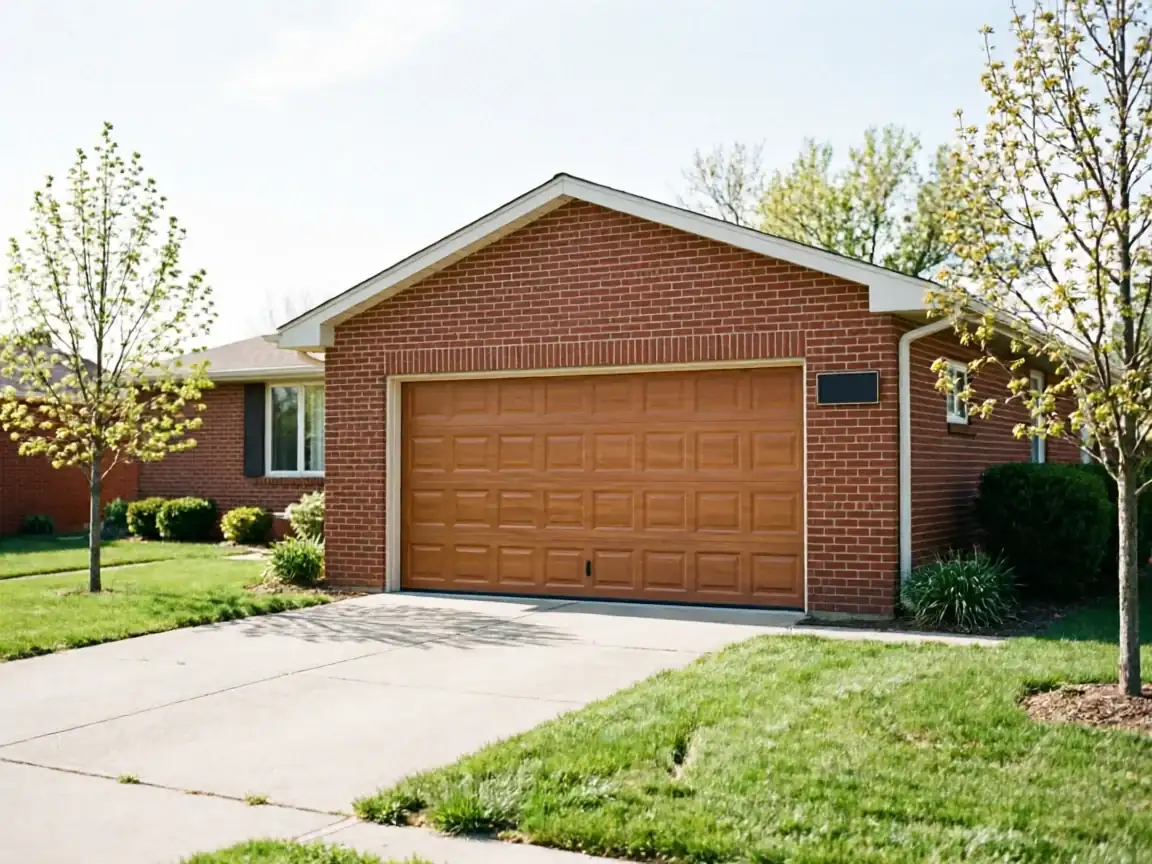
On houses in the 1966-2007 build range that make up most of Manhattan's stock, the original torsion hardware is often still in place, sized for a door that's been repainted or swapped once but never matched to a heavier replacement panel. That mismatch is its own repair category: the spring is rated for the old door, not the one hanging on it now. We measure wire size and drum diameter on site rather than guessing from the door's age alone.
We don't replace a full track system when the fix is a $20 roller and a hinge - that's a parts swap, not a repair, and we'll say so before we open the truck.
What You Are Seeing
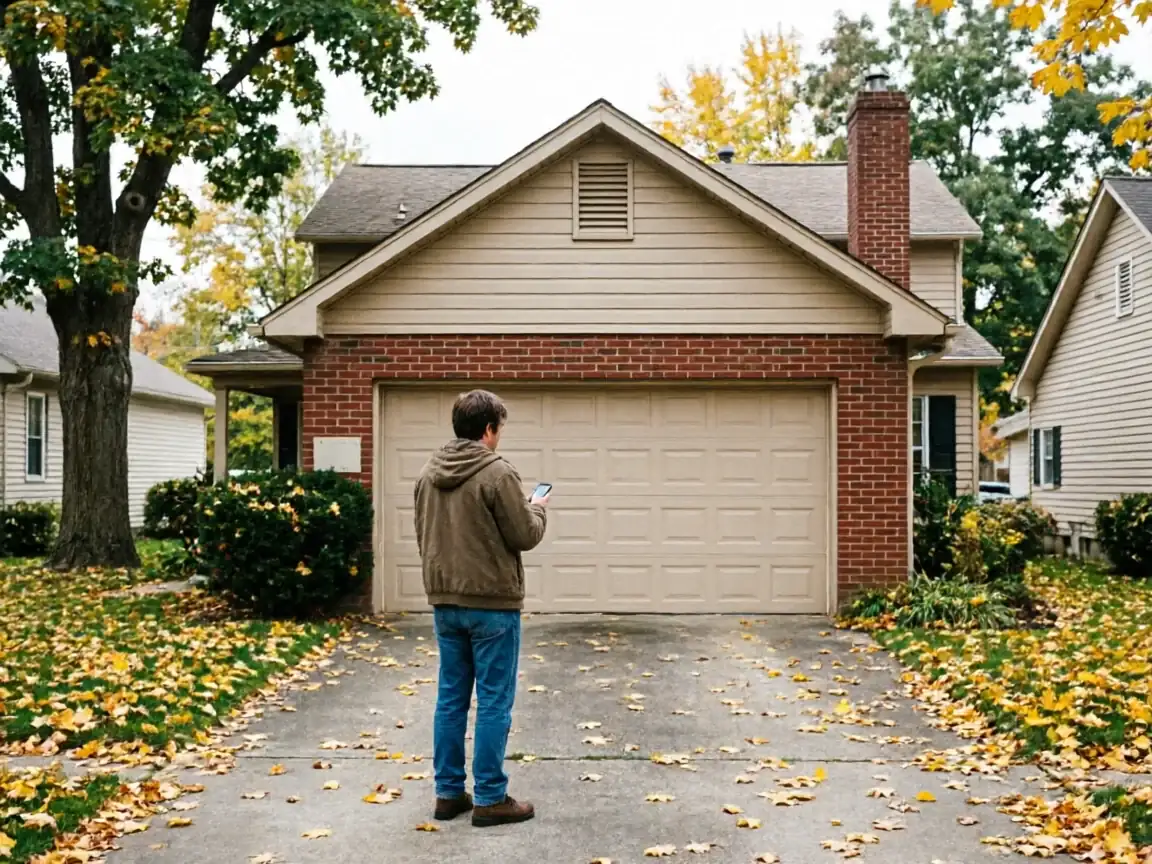
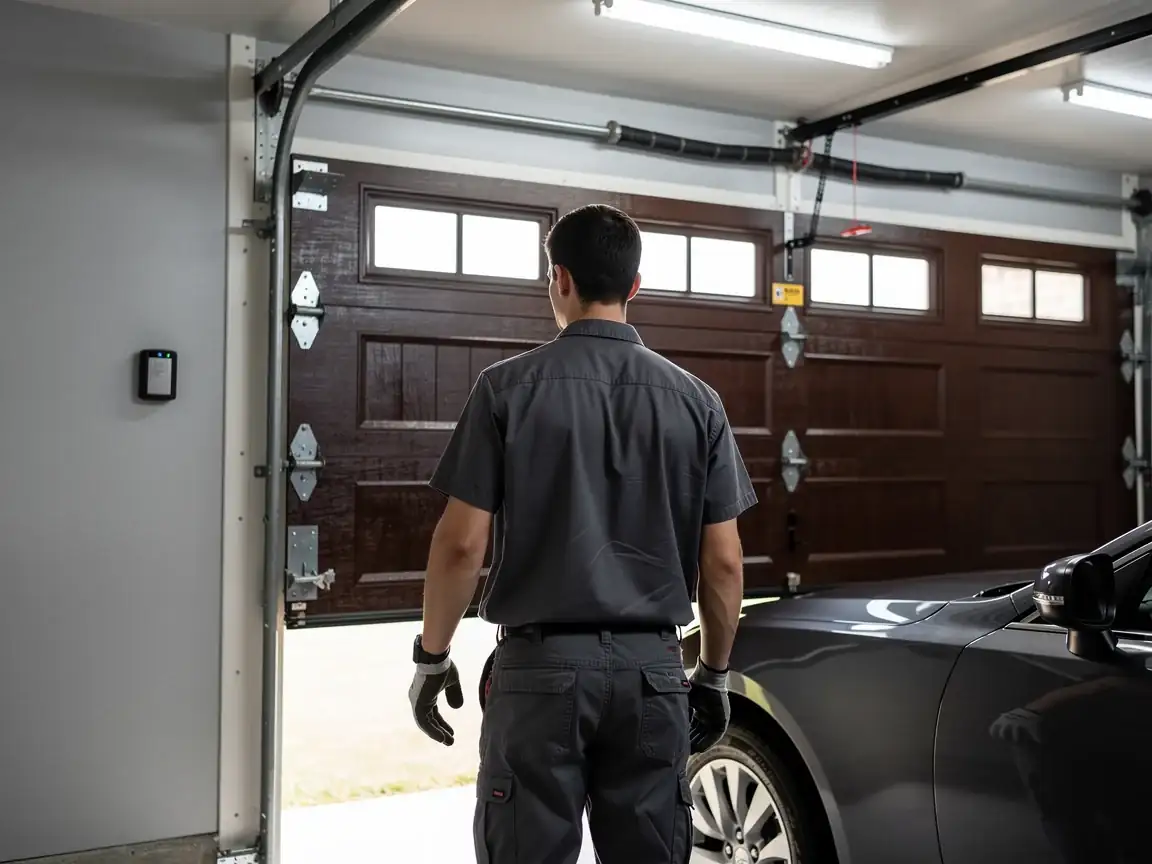
The door stalls halfway and the opener motor hums without moving anything - that's a snapped spring carrying no load. A door that slams the last foot instead of settling slow is losing spring tension gradually, not all at once, and it's close to the same failure. If the opener runs but the door shudders on one side, look at the track on that side first; a bent rail from a bumped car or a dropped roller will throw the whole panel off square.
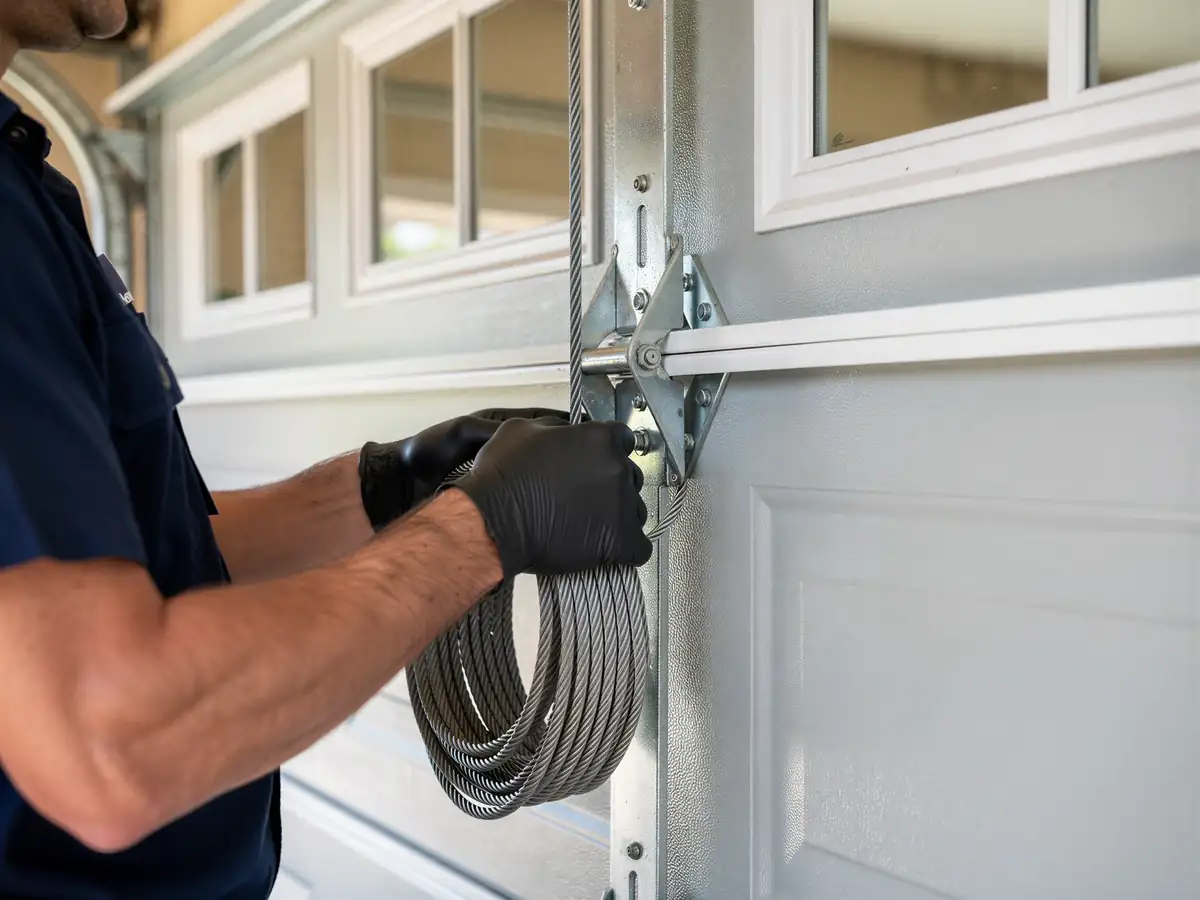
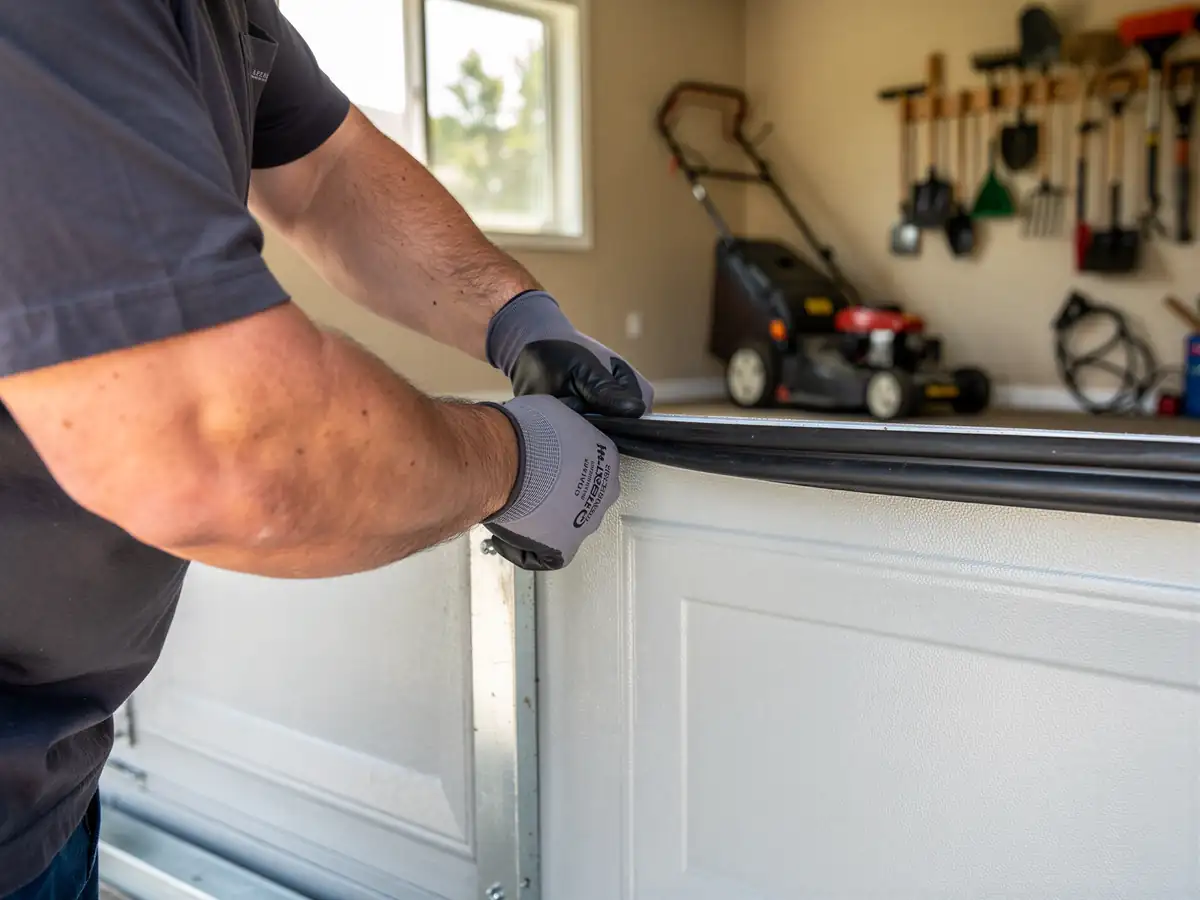
On homes from the 1960s-70s wave that fills several of Manhattan's older areas, we also see cable fray at the bottom bracket, where decades of use on hardware never upgraded past its original spec finally gives out. That's a slower symptom: a door that drifts crooked as it closes, inches before it fully fails.
None of these are cosmetic. A door that's fighting its own hardware puts stress on the opener every cycle, and that's the second failure waiting behind the first one you called about.
Why This Fails Locally
Manhattan sits in a cold moderate climate band
And that matters more to garage door hardware than most owners expect. Steel springs and tracks contract in winter cold and expand through summer heat every single year, and on torsion hardware installed to the original 1966-2007 era spec, that cycle eventually finds the weak point - the spring winding, the cable terminus, or a track bracket that's slowly loosened its lag screws. A door built for a milder swing doesn't get the same stress; one built for Manhattan's actual temperature range does.
Across the seven older residential areas that make up most of the city's housing from the 1960s and 70s
The hardware is original or close to it, sized to door weights and spring ratings from decades ago. When a homeowner upgrades to a heavier insulated door without upgrading the spring to match, the existing torsion spring is now undersized for the load it carries through every winter freeze-thaw cycle. That's not a defect in the door - it's a mismatch between new door weight and old hardware spec, and it's common enough here that we check for it on nearly every spring call in the older neighborhoods.
How to Book
Call or use the contact link to get a repair on the schedule. Tell us what the door is doing - stalling, slamming, drifting crooked - and whether you know the approximate age of the door versus the house, since that mismatch matters for sizing the spring correctly. We'll tell you up front if it's a straightforward parts repair or something that needs a longer look, like a track reset on a bent rail.
We serve homeowners throughout the Manhattan area, including households out toward Fort Riley and Riley to the west and north. If you're not sure we cover your specific address, ask when you call rather than guessing.