What the Fix Involves
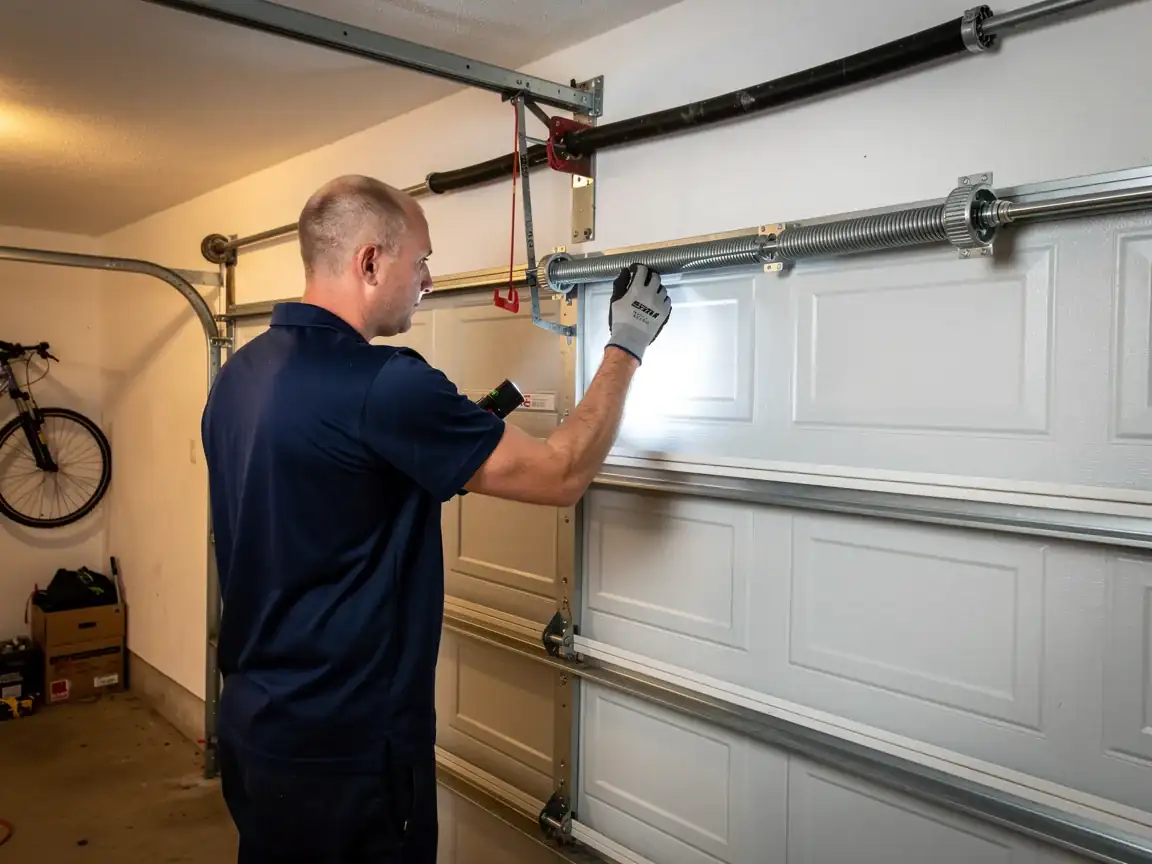
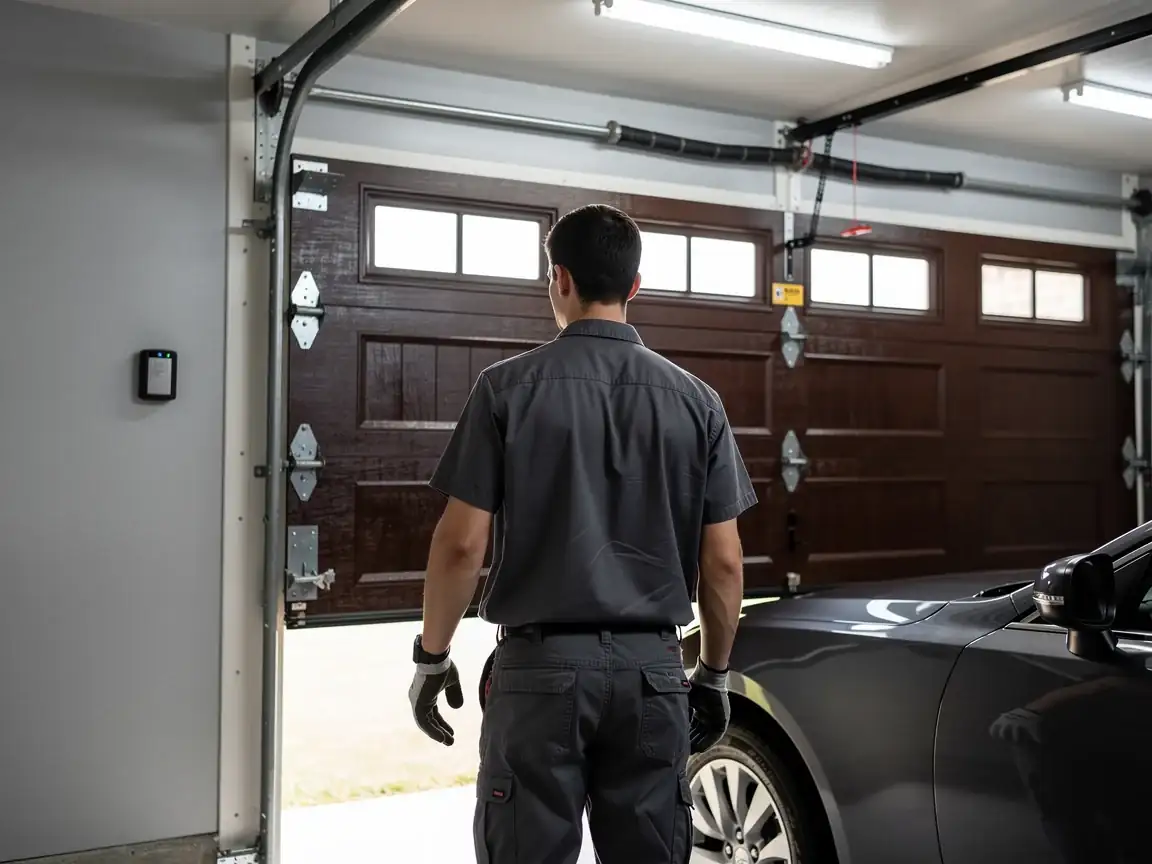
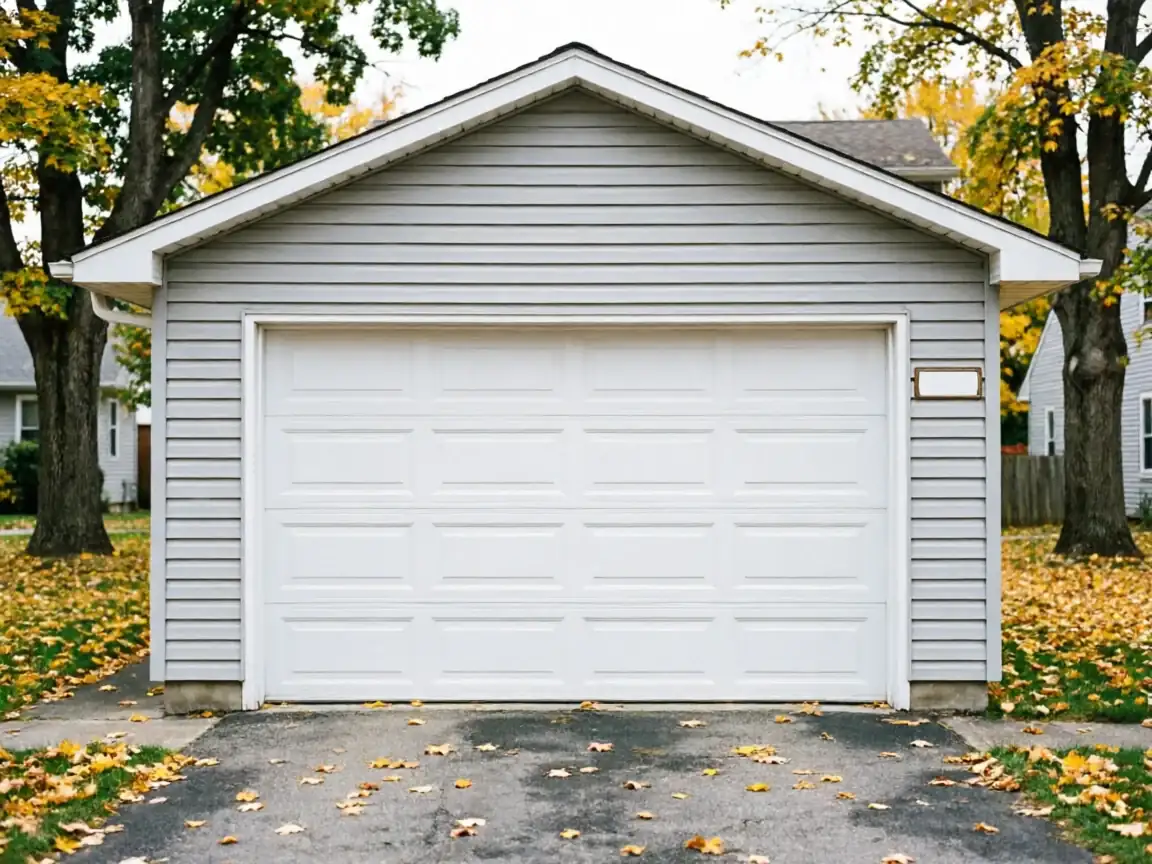
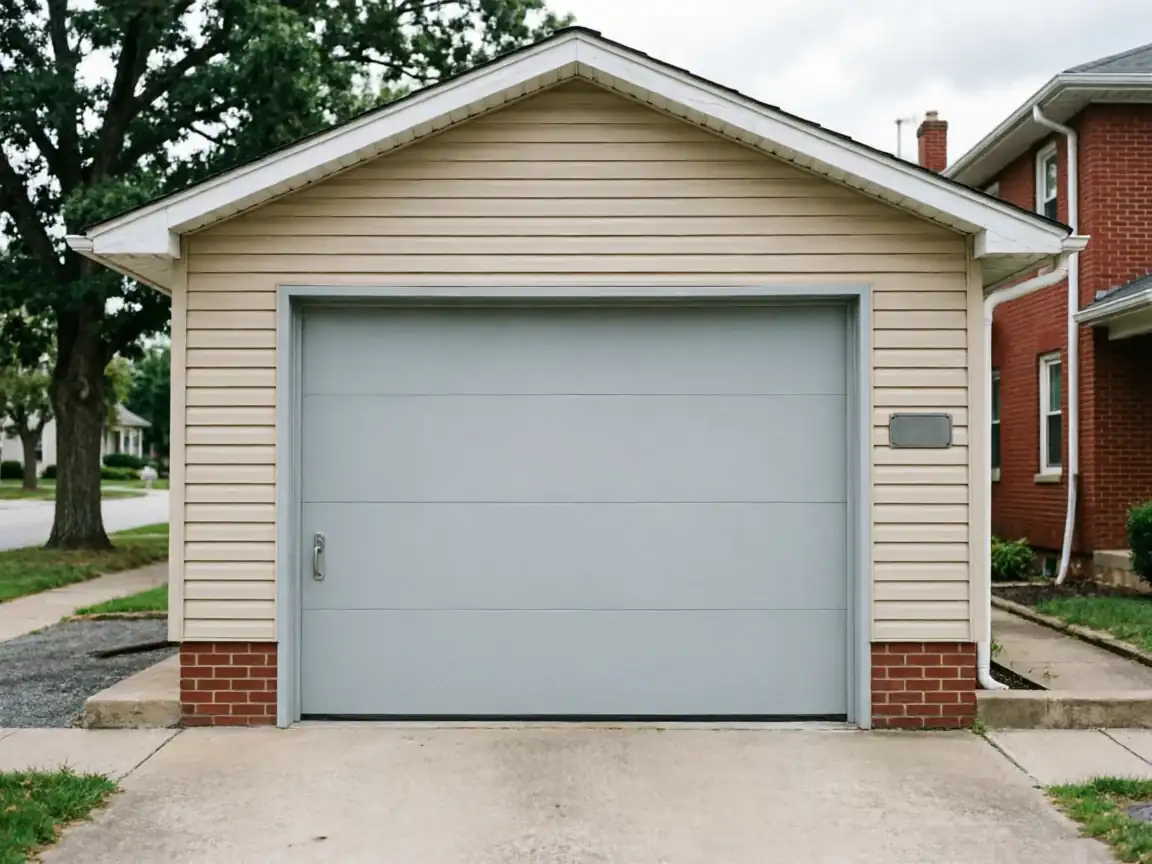
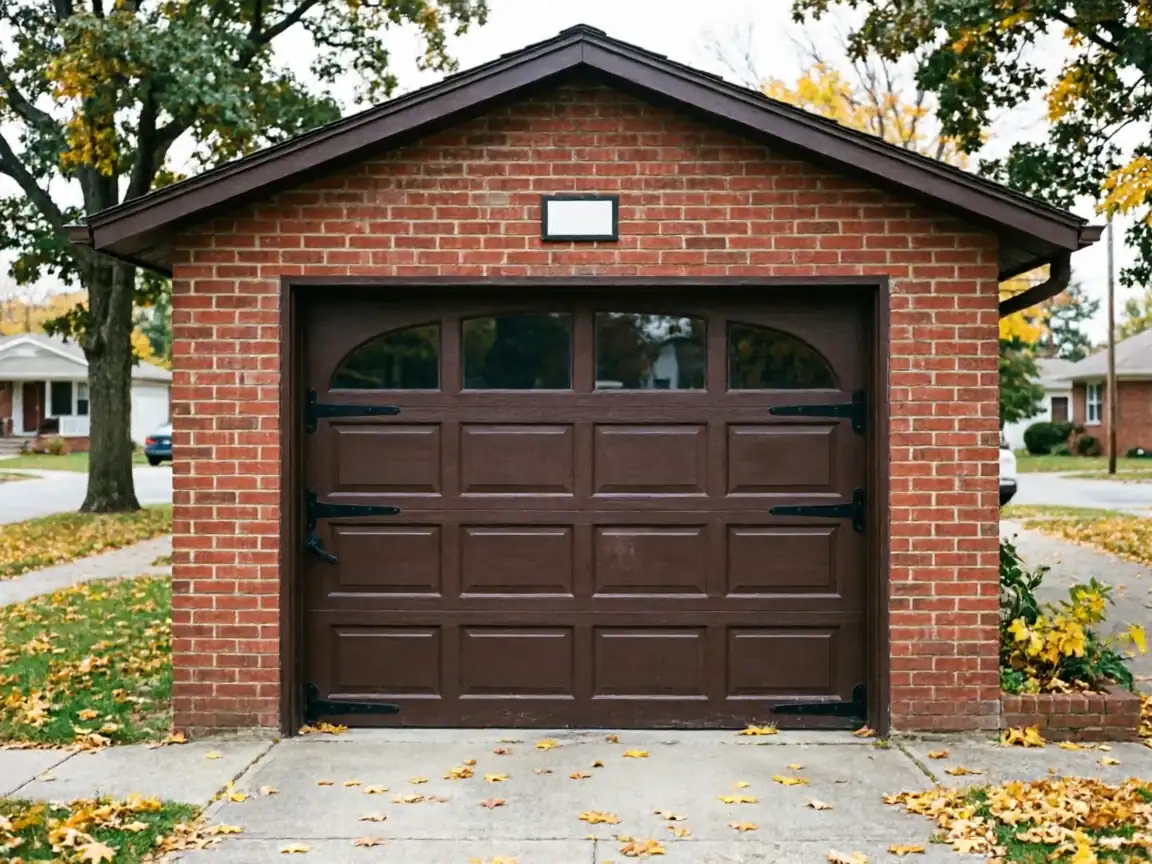
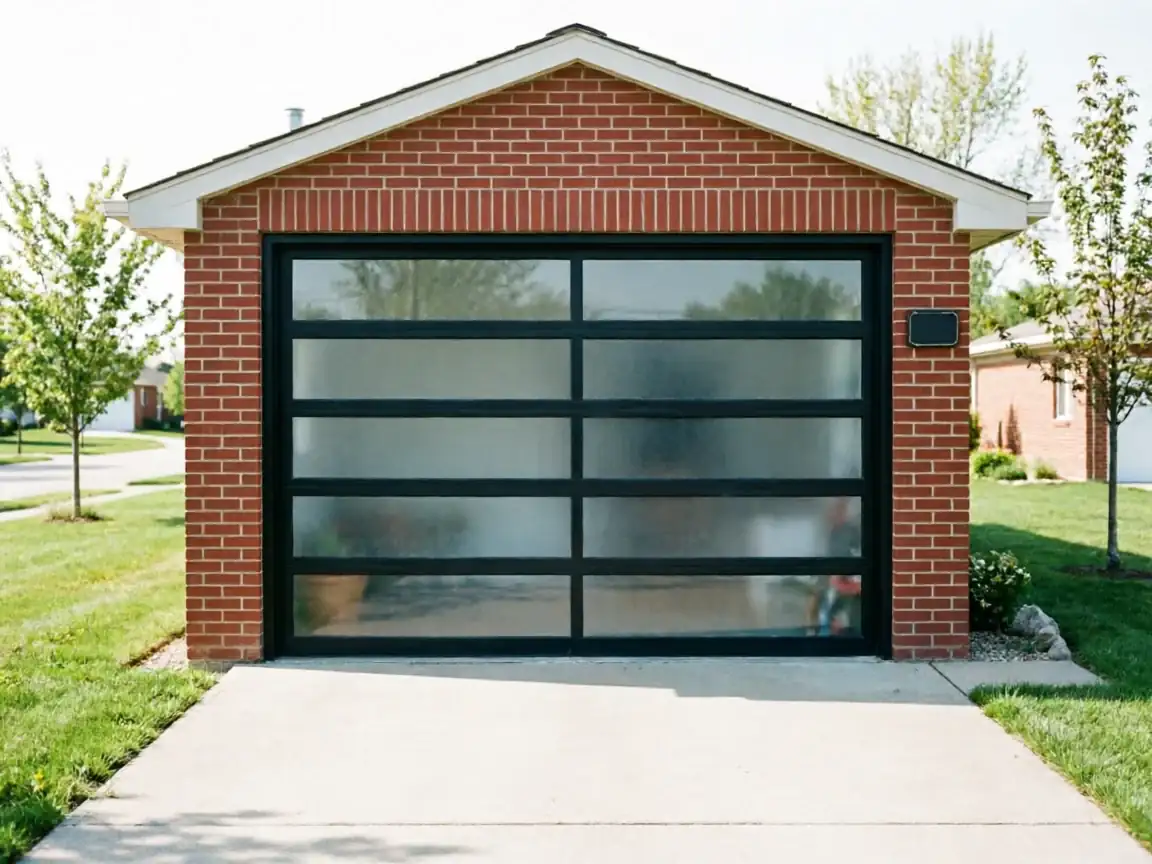
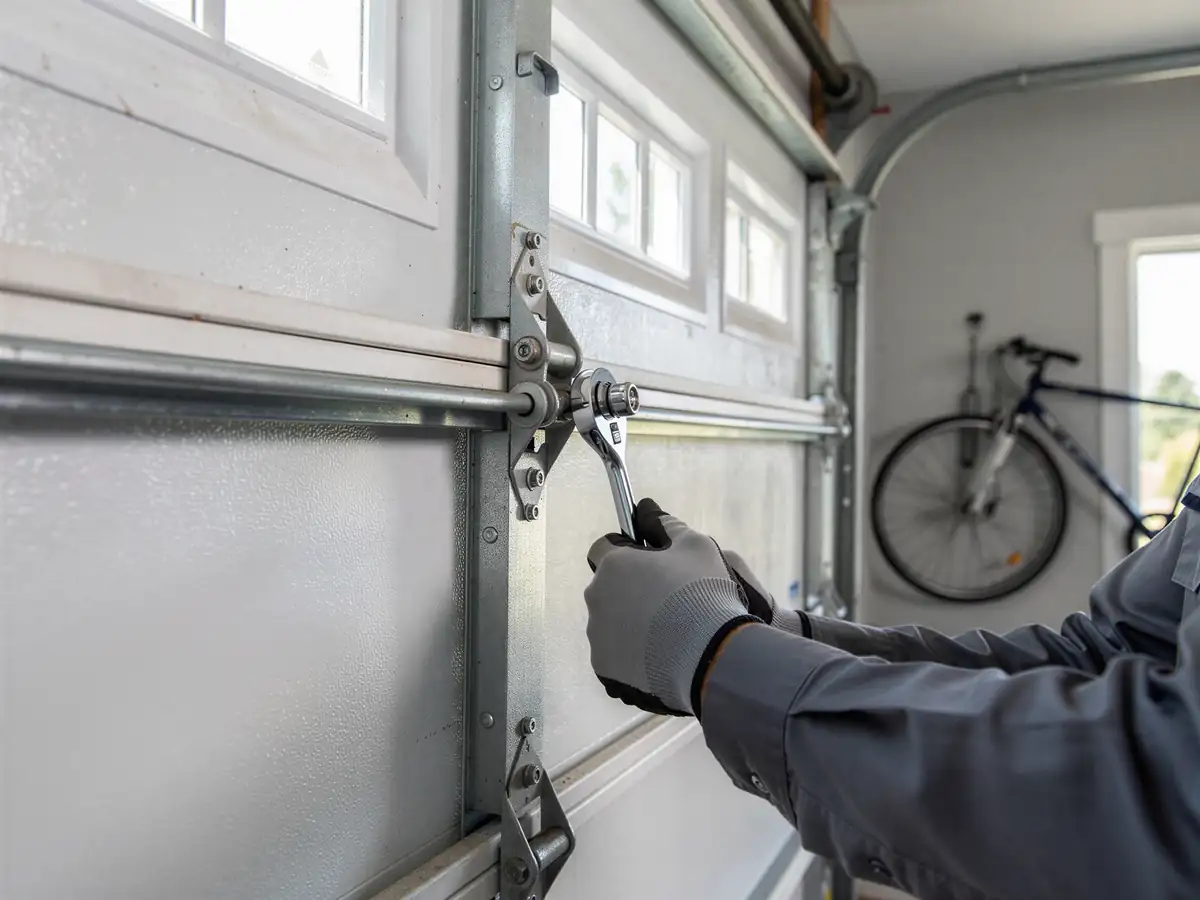
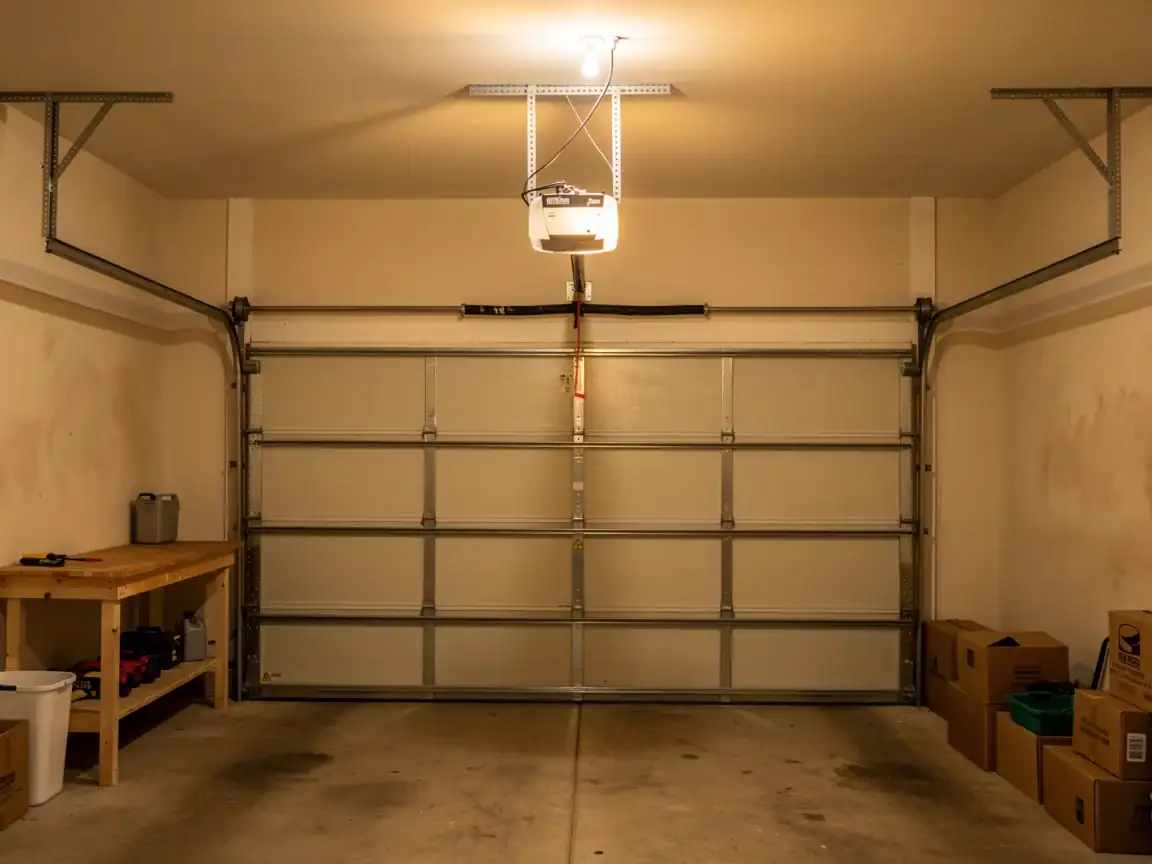
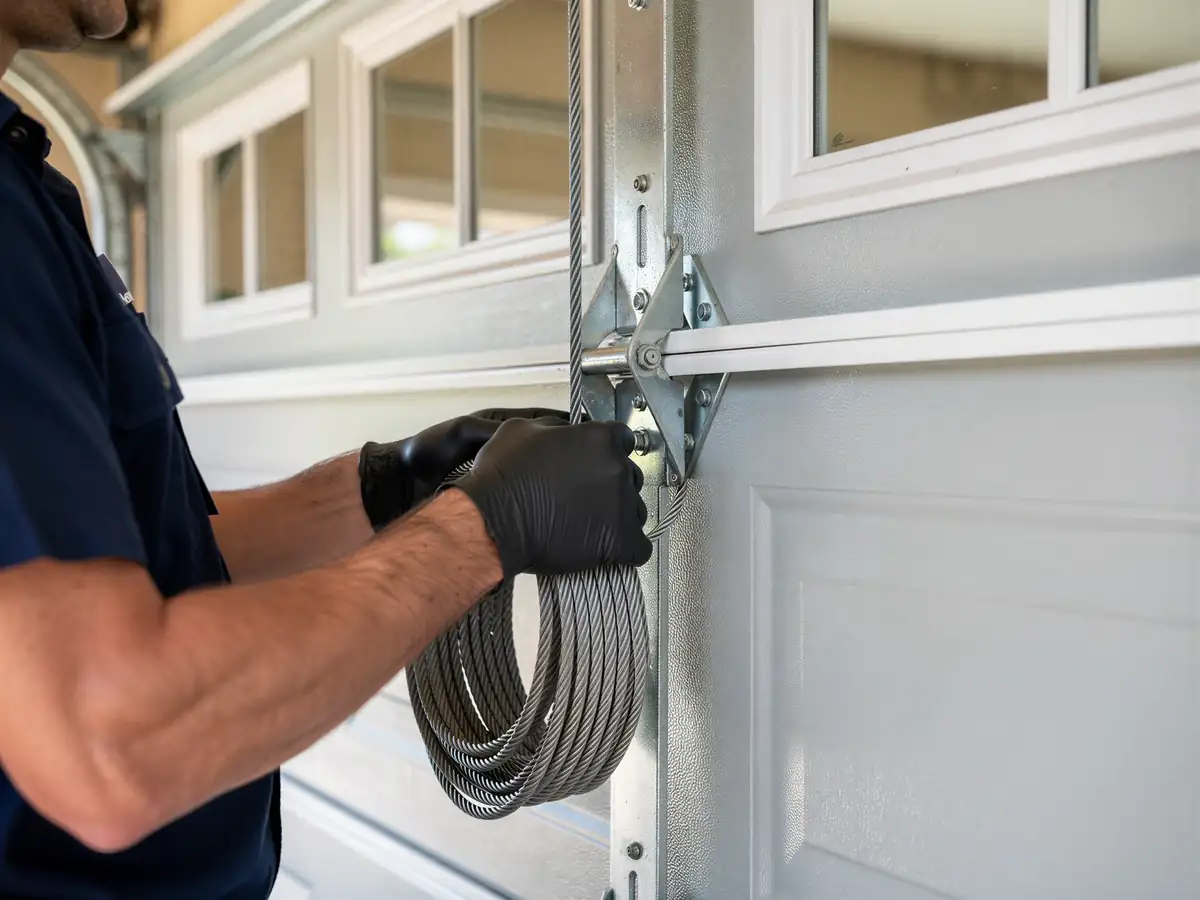
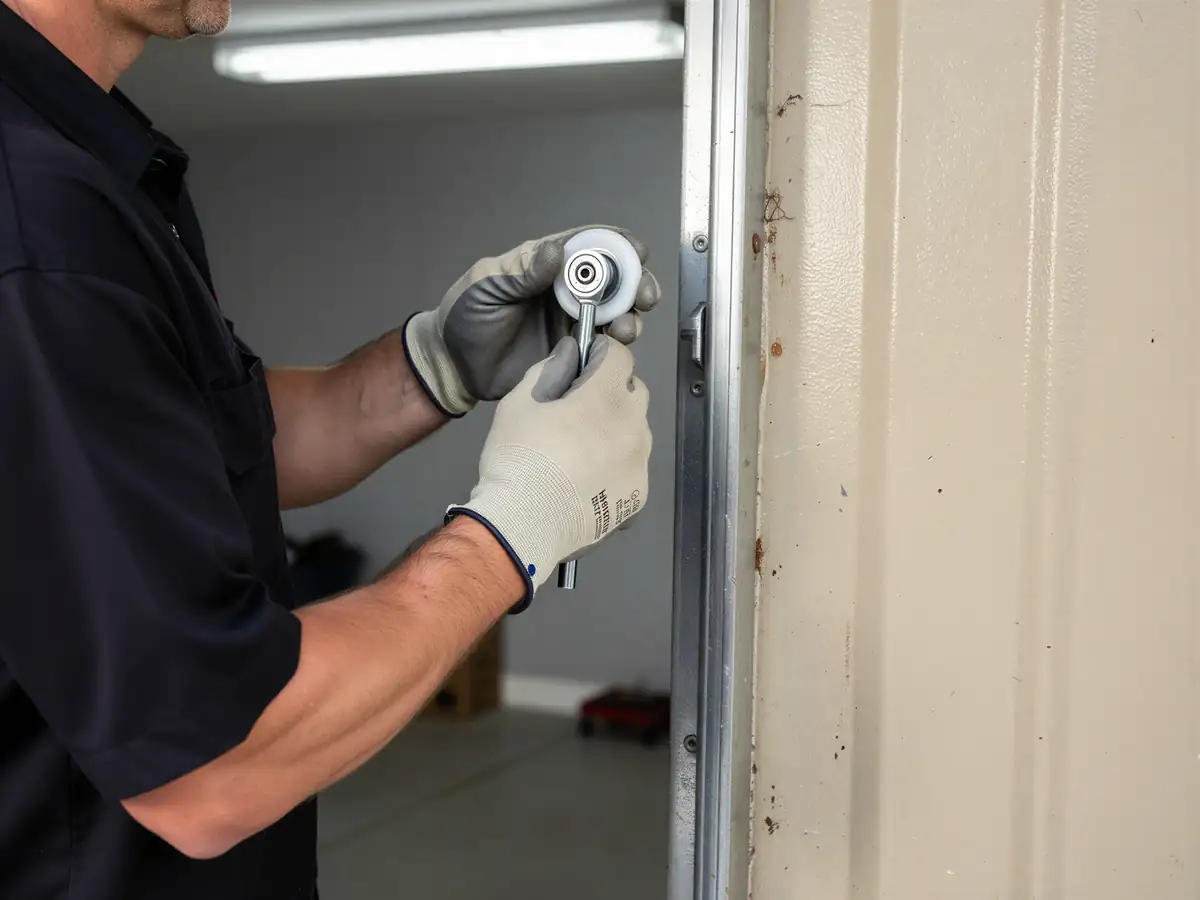
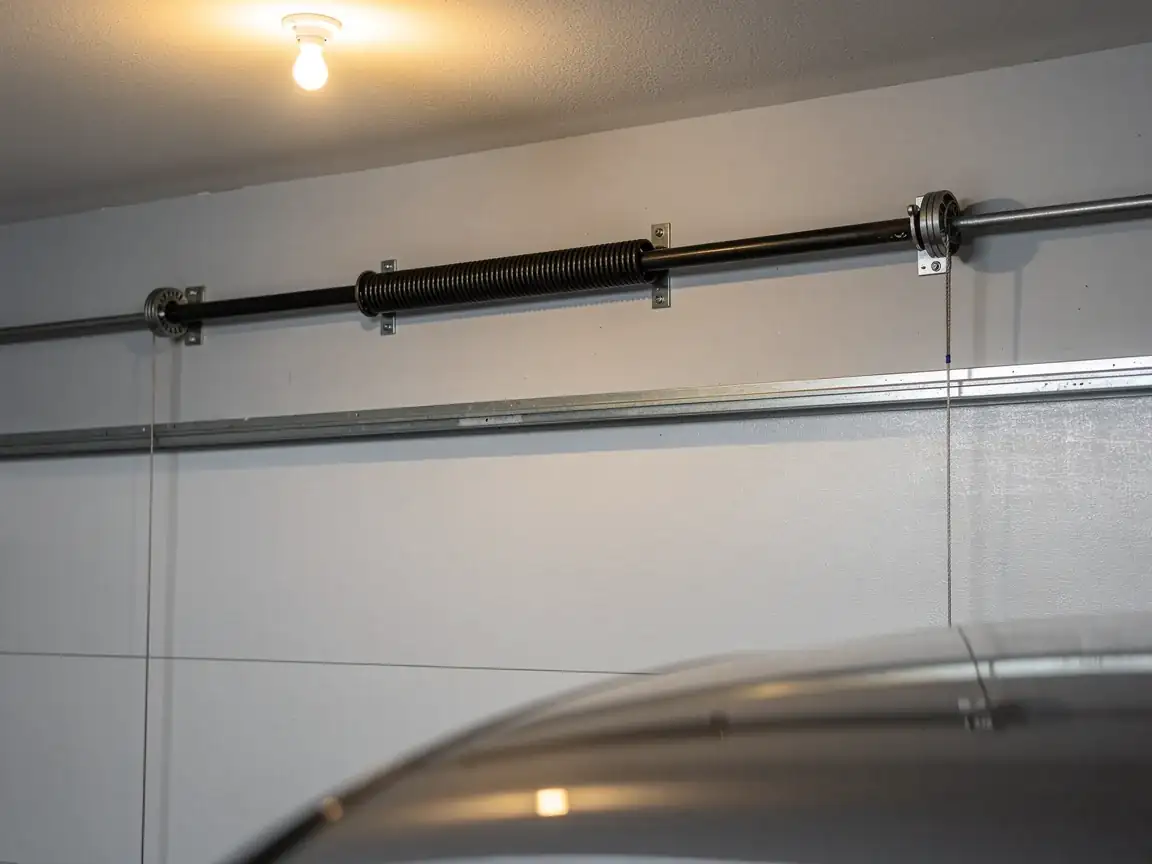
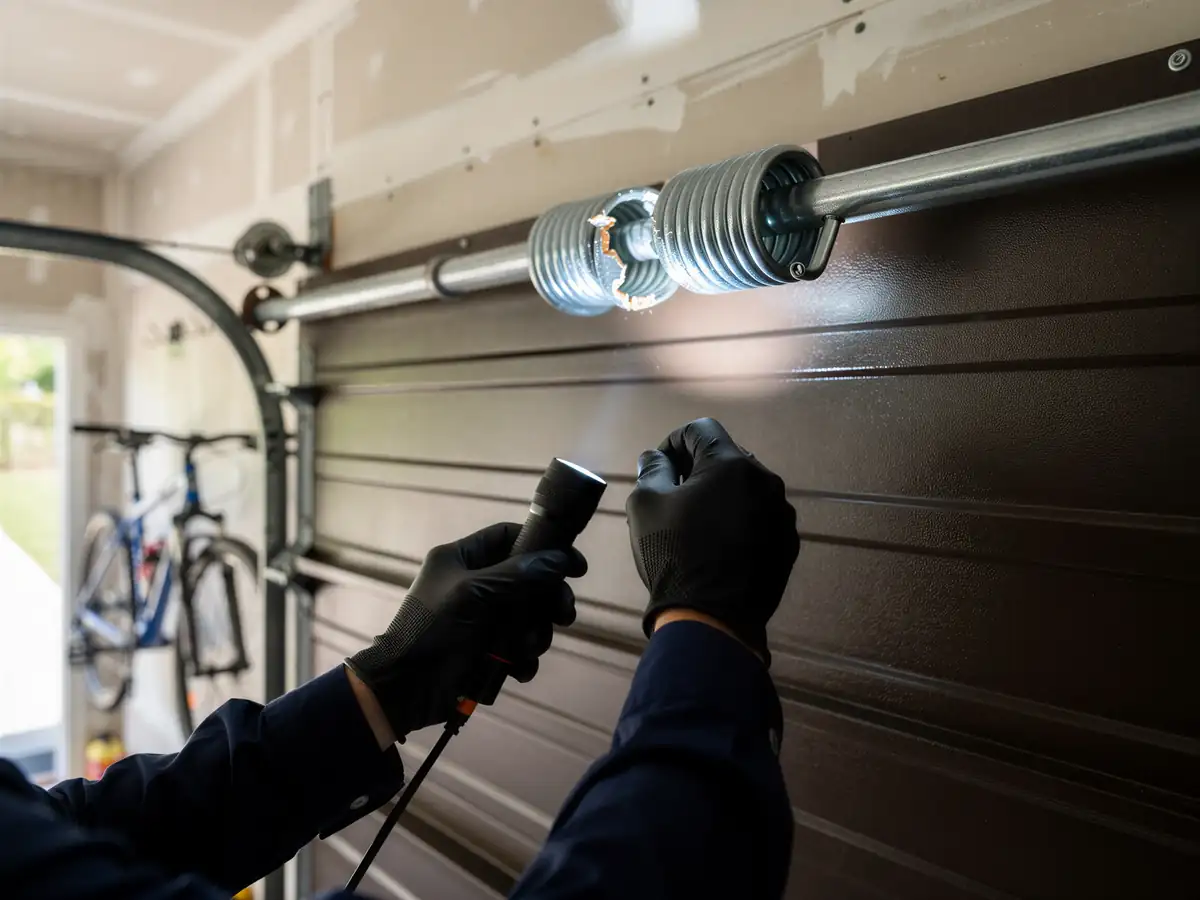
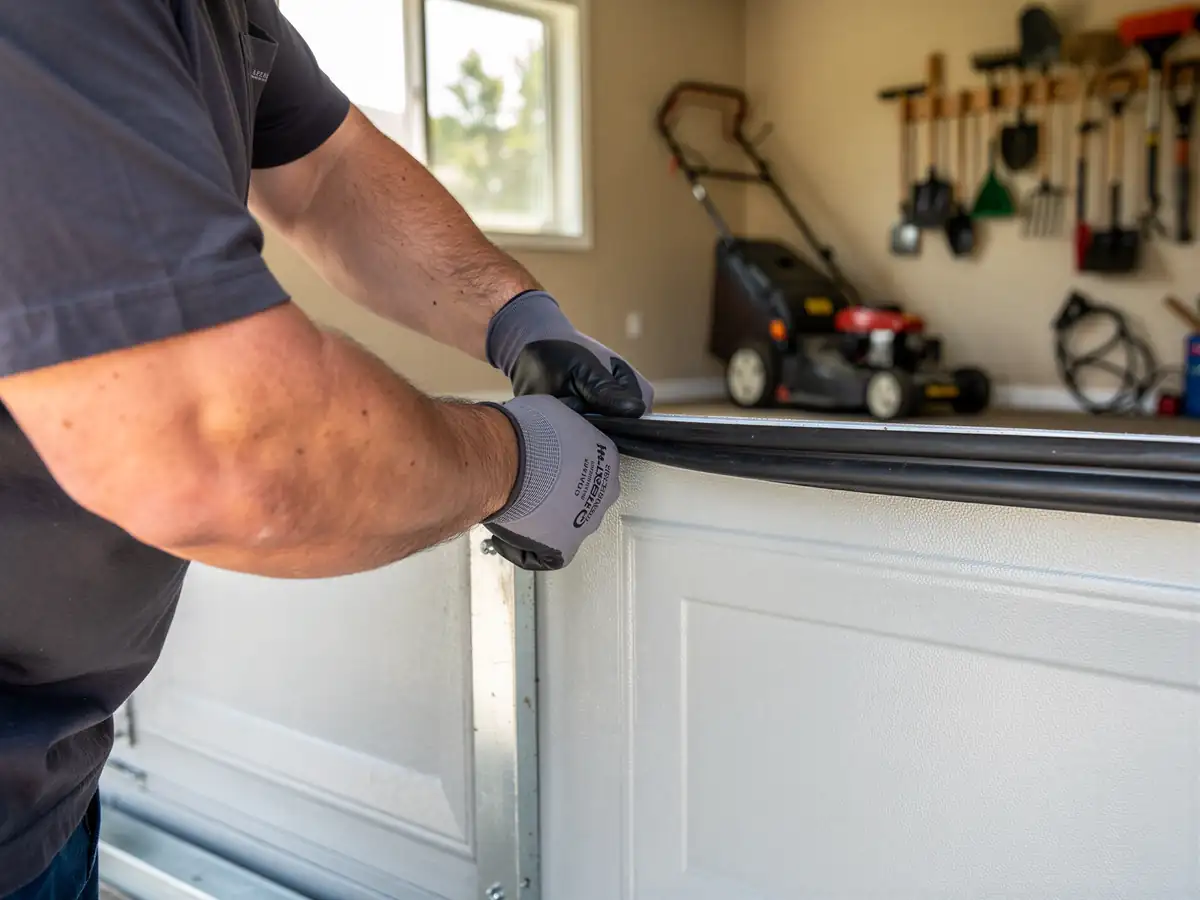
Maintenance on a residential garage door isn't one job, it's a list: we check spring tension and wear, lubricate rollers and hinges, inspect cables for fraying, tighten track bolts that work loose from vibration, test the auto-reverse safety sensors, and look at weatherstripping along the bottom panel and jambs. On a double door we also check the center bracket and the long horizontal track for sag, which is a common failure point on wider spans.
We adjust opener force settings if the door is lifting rough or slamming down, since both wear out springs and cables faster. We don't replace parts that aren't failing yet - a maintenance visit is about catching the spring that's three years from breaking, not selling you a new one today. If a part is still within its service life, we tell you that and leave it alone.
Across the service area, which covers roughly 4,928 owner-occupied houses in a footprint of about 13,919 households, we see the same handful of failure patterns over and over, which is why a maintenance visit is cheap insurance against an emergency call at 6am in January.
What You Are Seeing
The door is noisier than it used to be, or it shudders partway through the cycle instead of moving smoothly. Sometimes it's a grinding sound from the rollers, sometimes a loud bang from a cable or spring under uneven tension. Other times the door looks fine but the opener strains, which usually means the springs are no longer carrying their share of the weight.
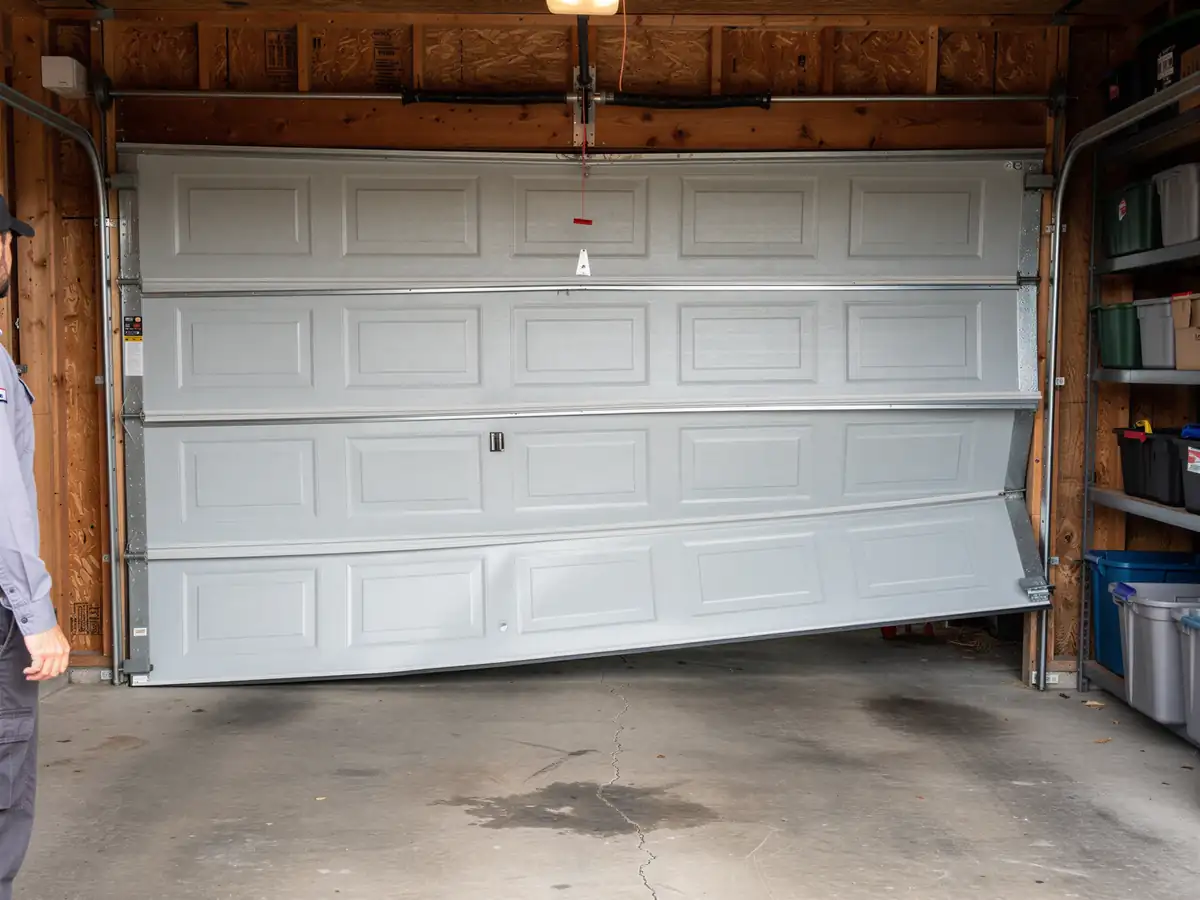
On older one-piece or sectional doors, you might notice the panel doesn't sit flush against the weatherstrip anymore, letting daylight show at the bottom corners. That's a track or hinge alignment issue, not just a seal problem, and it gets worse every winter it goes unaddressed.
A lot of homeowners wait until the door won't open at all before calling, but by then the spring has usually already broken rather than just worn thin, which turns a $150-range maintenance fix into a same-day repair call instead.
Why This Fails Locally
Most of the housing stock across this service area went up between 1966 and 2007
With the bulk of it dating to the 1960s and 70s across seven named neighborhoods. That means a large share of garage doors and their torsion hardware are original or close to it - decades of steel cable and spring cycling through temperature swings that newer doors in other parts of the state don't see as often.
The area sits in a cold, moderate climate band, and that matters more than people think
Steel springs lose a measurable amount of lift capacity as temperatures drop, so a spring that's marginal in August can fail outright in January. Lubricant also thickens in the cold, which is why rollers and hinges that sounded fine all summer start grinding the first hard freeze.
Put those two things together
1970s-era hardware plus a real winter - and you get a predictable failure window every year. It's not bad luck. It's old steel meeting cold weather on a schedule, and it's why we push maintenance in fall rather than waiting for the complaint call in February.
How to Book
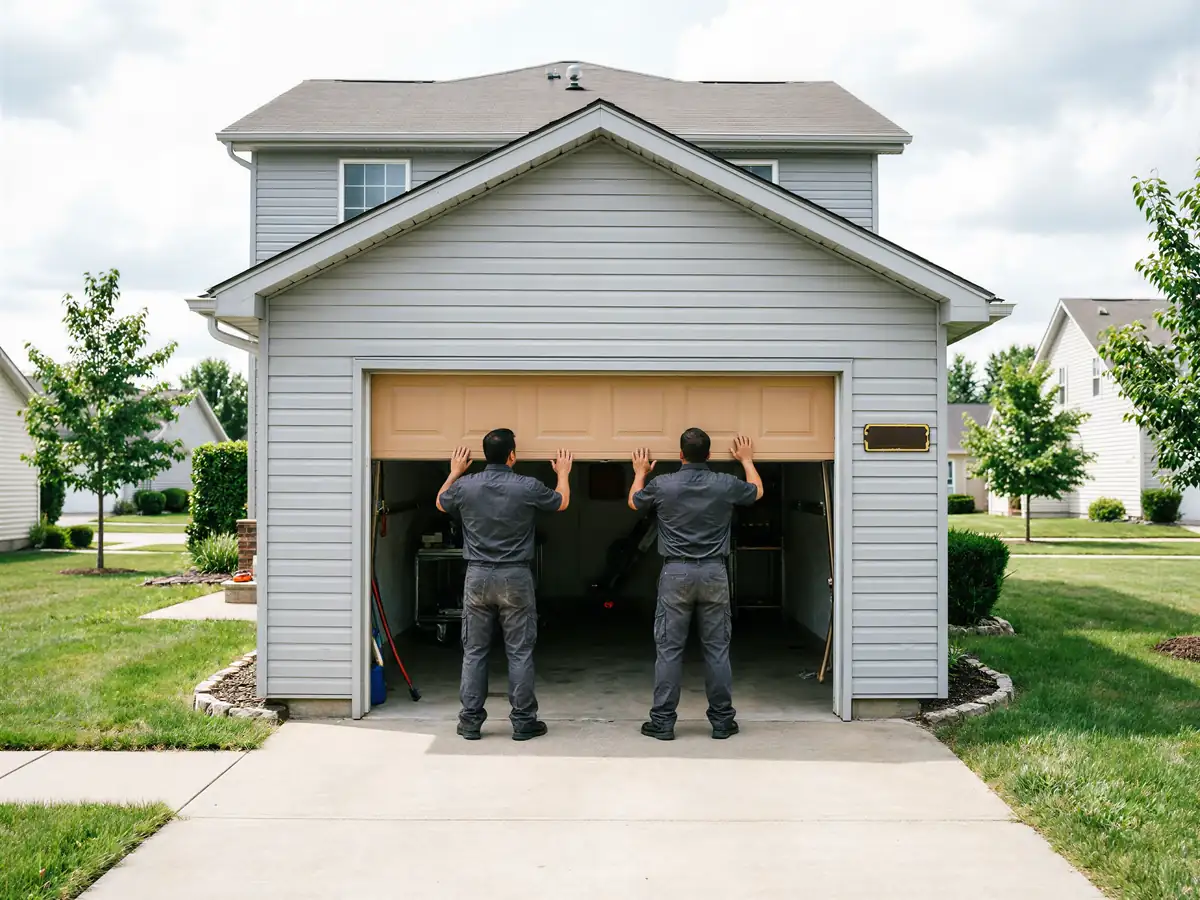
Maintenance visits take less time than most people expect and don't require you to clear out the garage first - we just need clear access to the door and opener. Tell us the door's approximate age if you know it, and whether it's a single or double door, since that changes what hardware we're checking.
We serve homeowners across the wider area, not just the city itself, so if you're not sure whether you're in range, ask when you call. One honest limit: if your door is already past the point where maintenance makes sense - springs rusted through, track bent, panels delaminating - we'll tell you that on site rather than charging for a tune-up that won't hold. Visit our home page to see the full range of work we do beyond maintenance.