How That Shows Up in the Door
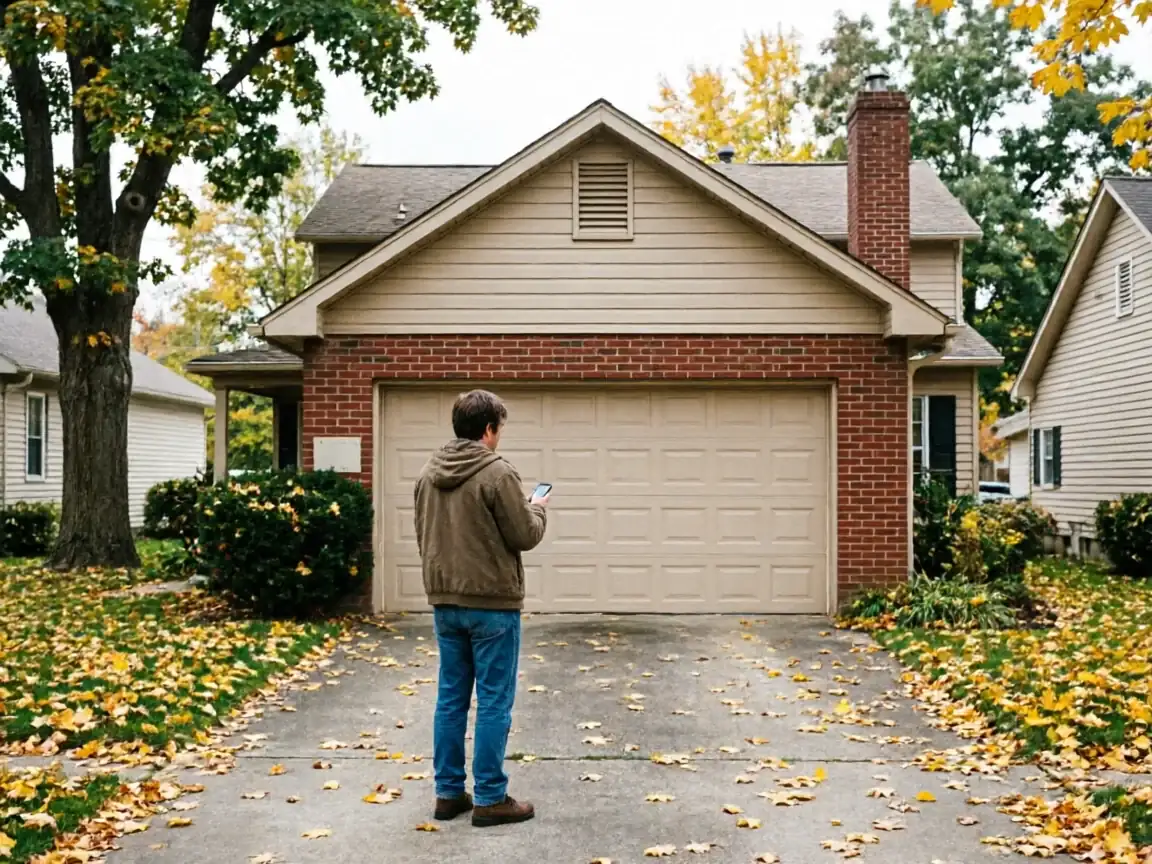
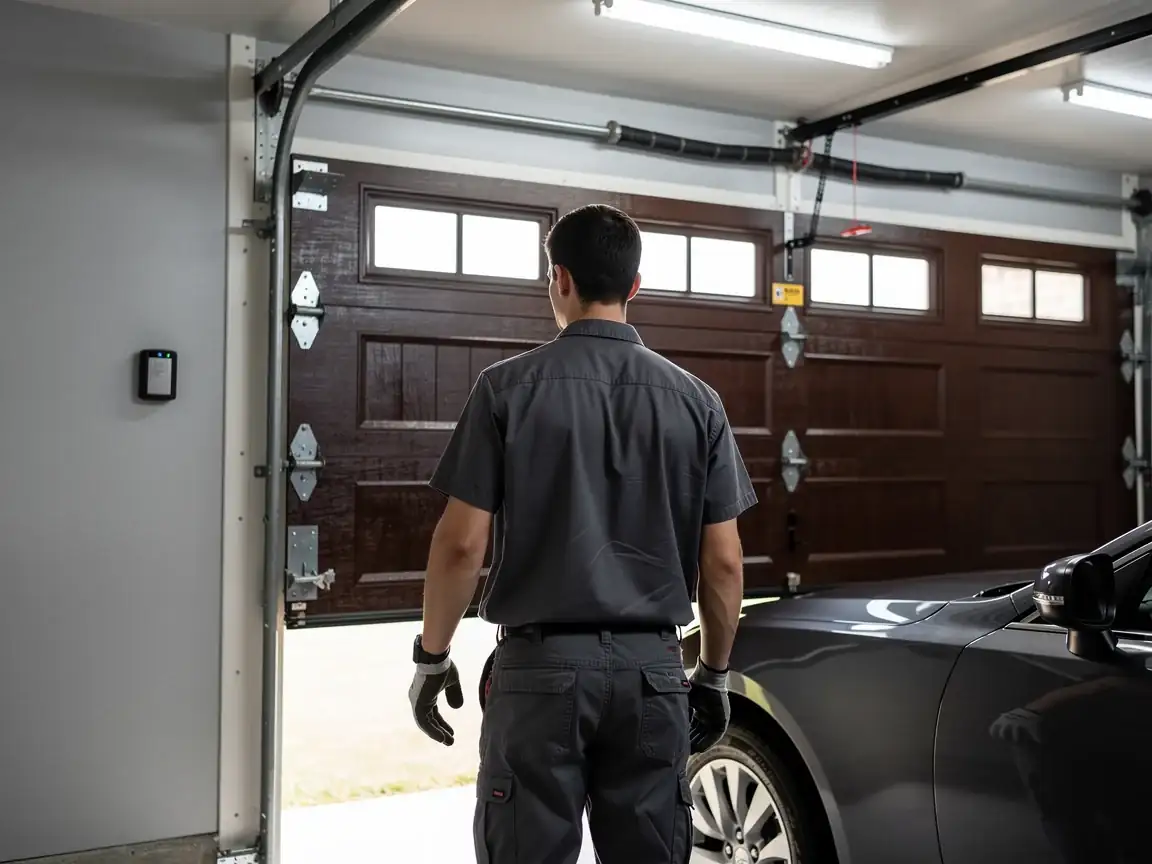
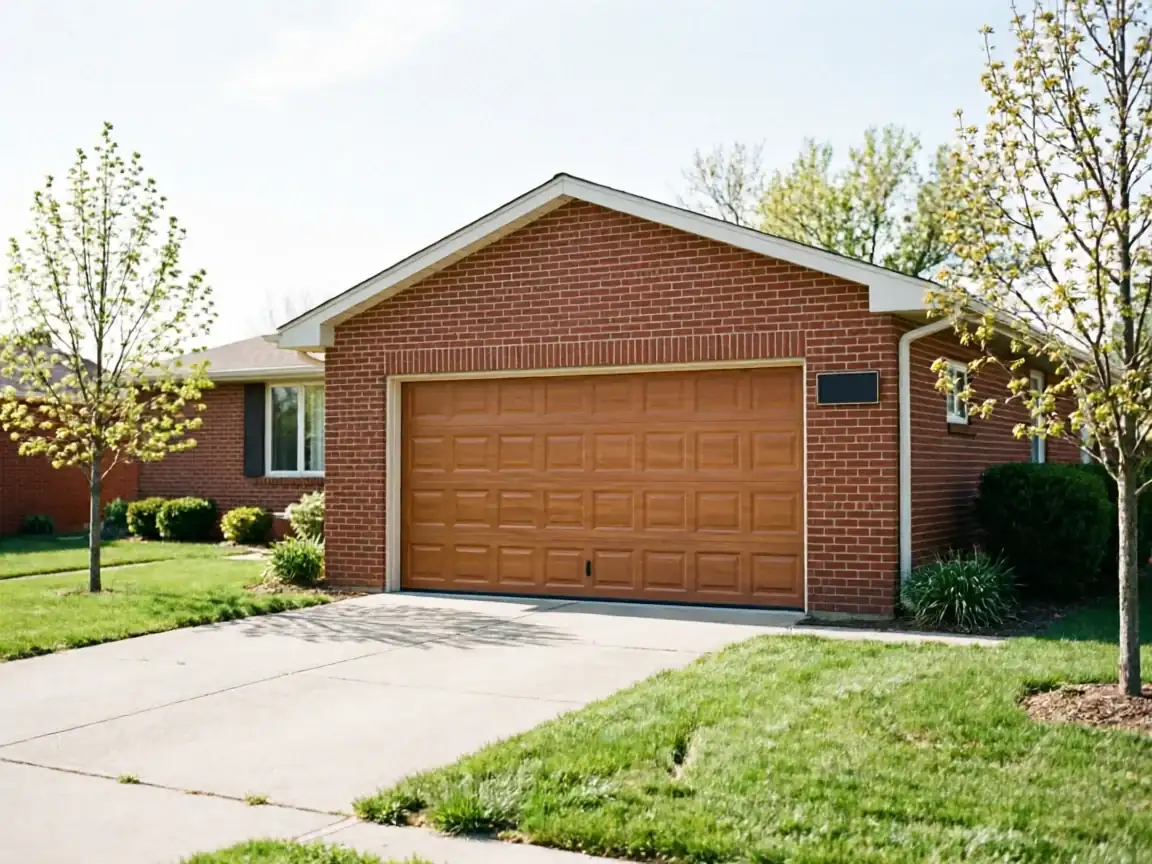
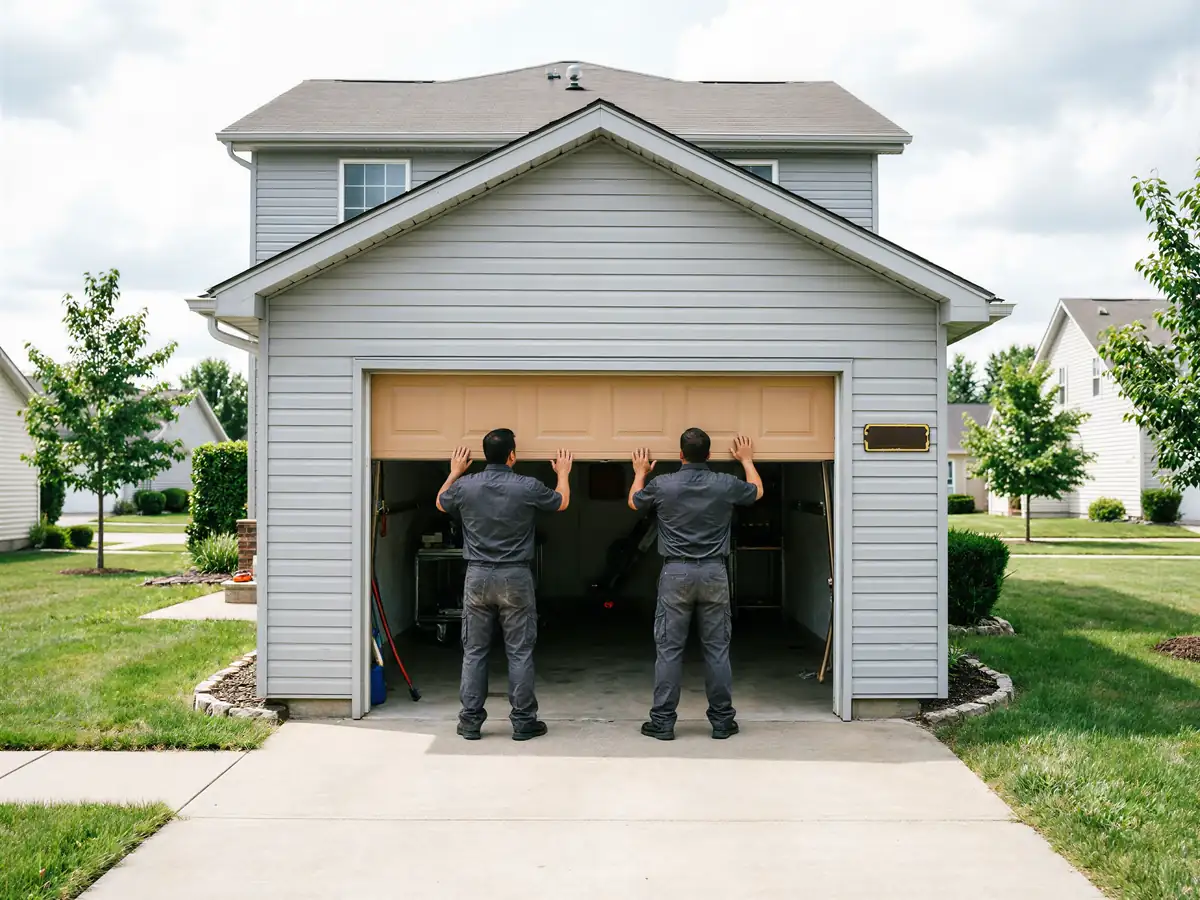
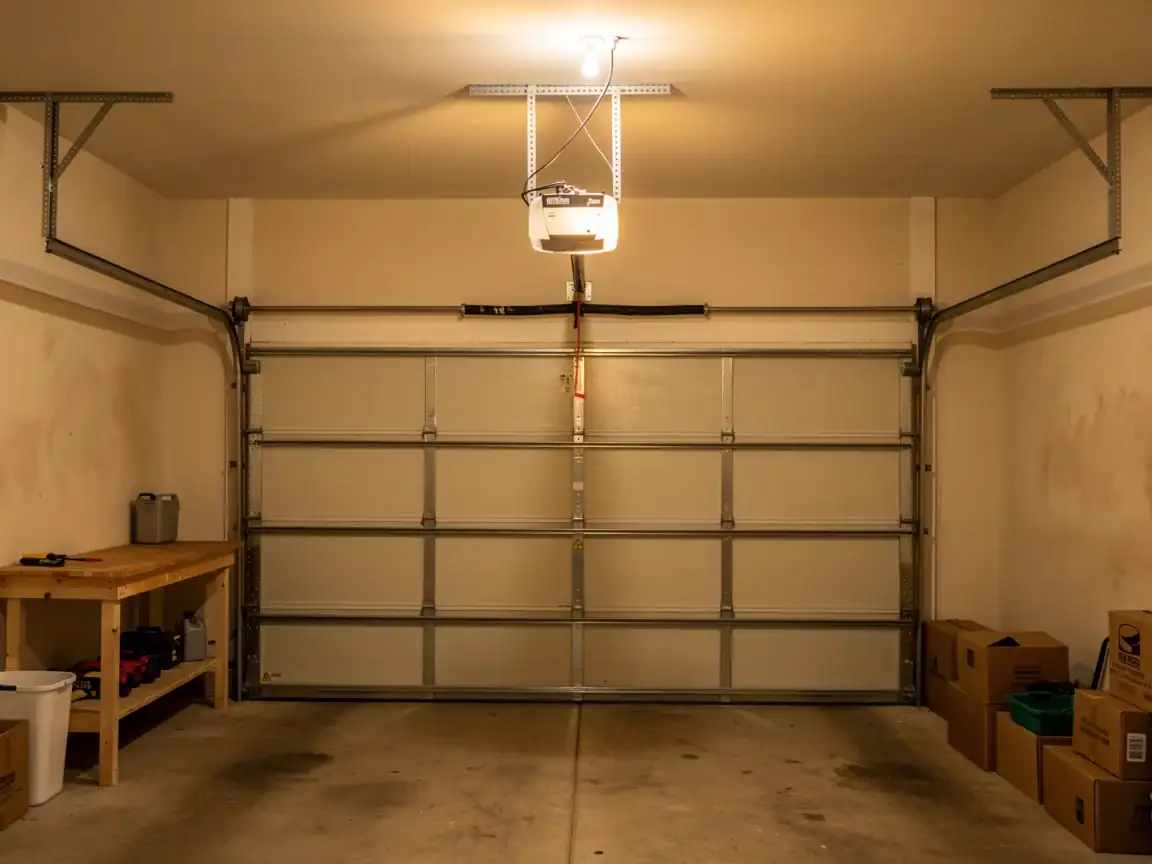
Riley's typical house went up around 1966, which puts it ahead of a lot of the newer construction we see closer to Manhattan, where median build years run to 1974. That eight-year gap matters more than it sounds. A door and opener installed in the late 1960s or early 1970s was built for hardware standards that changed more than once since then. You'll find more side-mounted torsion setups here, fewer of the center-mounted jackshaft systems that came standard on later builds. Garage openings from that era also tend to run narrower, which means a straight swap to a modern pre-hung door sometimes needs trim work nobody budgeted for. If your opener is original or a first replacement from decades back, the drive gear and the circuit board are long past the point where we can source an exact match - we're ordering a compatible unit, not a twin. None of this is a problem on its own. It just means the first question on a Riley call is usually "how old is this door," because the answer changes what's in the truck when we show up.
The area's 303 households sit on a smaller footprint than the rest of the service territory, so the housing is more uniform in age than you'd find in a mixed subdivision - which makes this pattern the rule here, not the exception.
The Usual Work Here
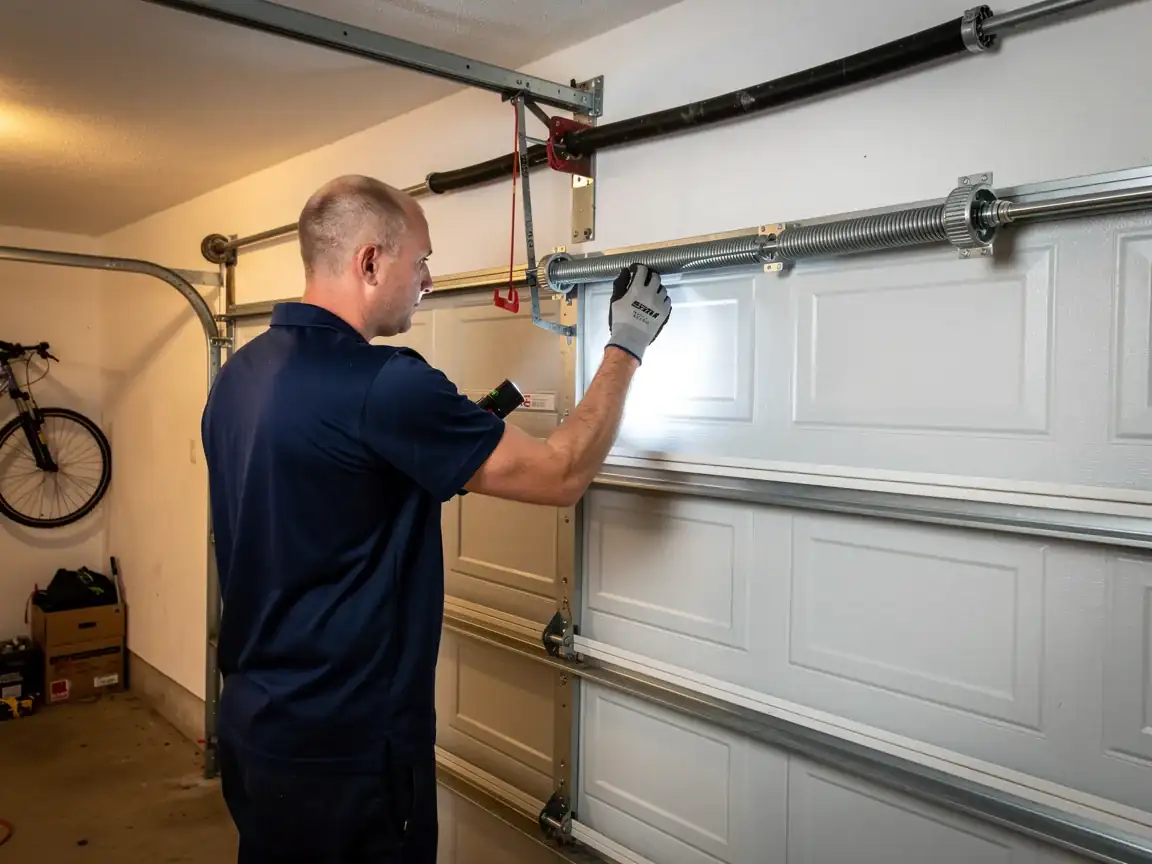
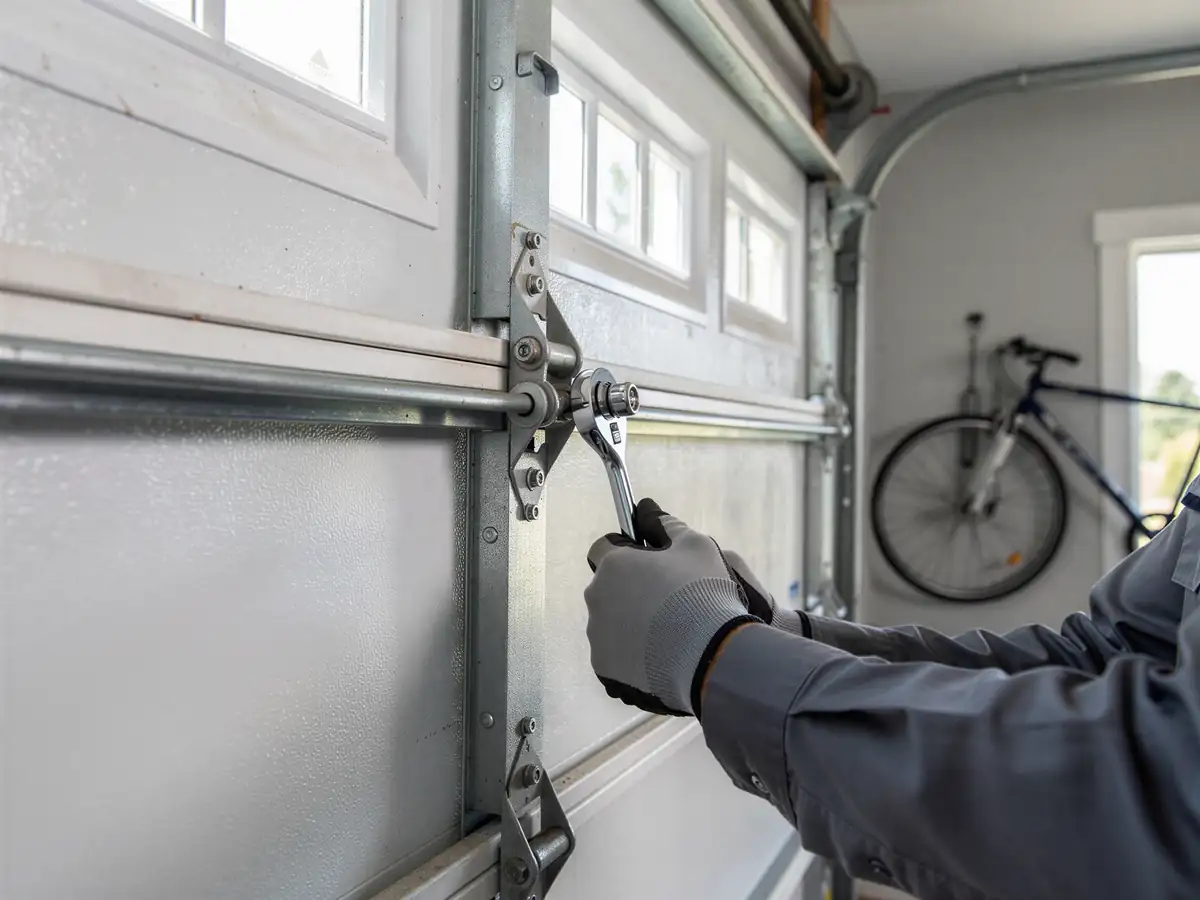
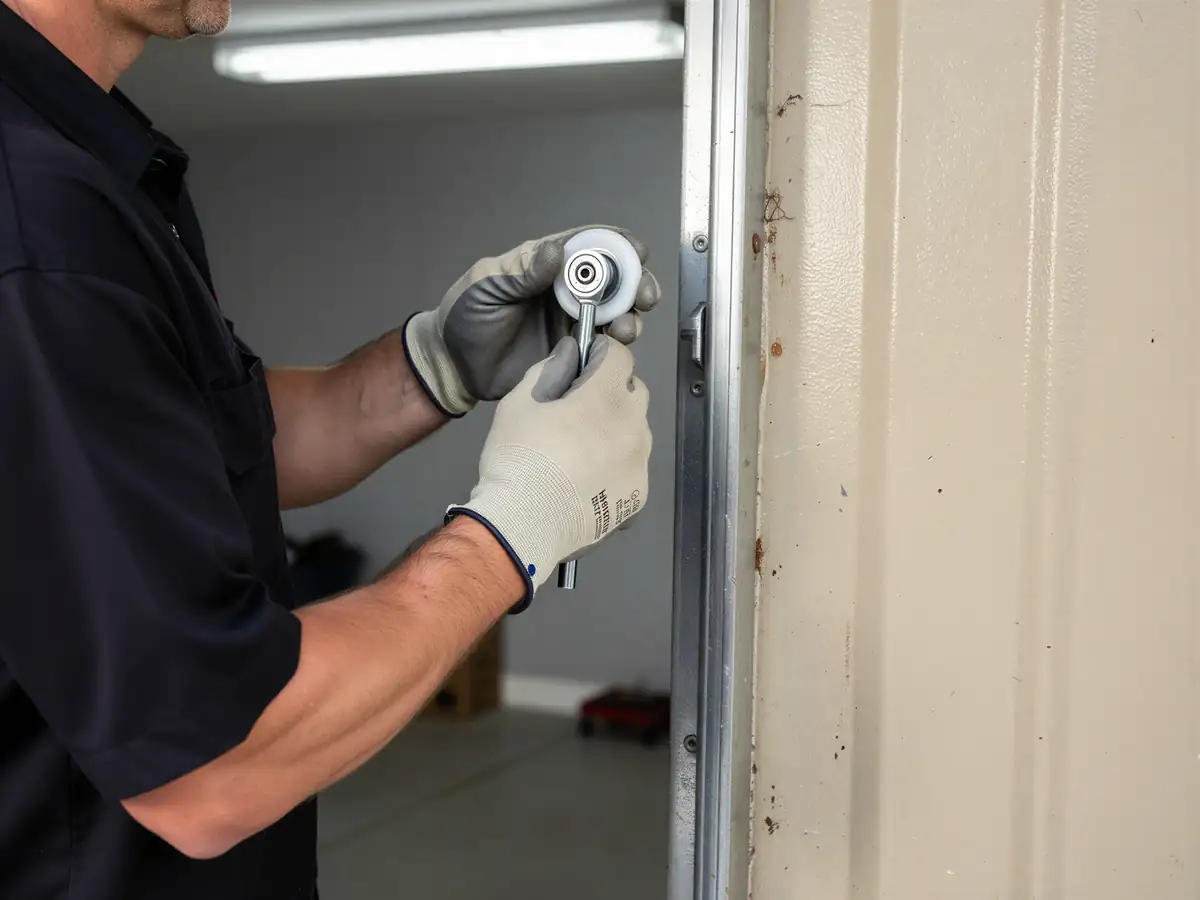
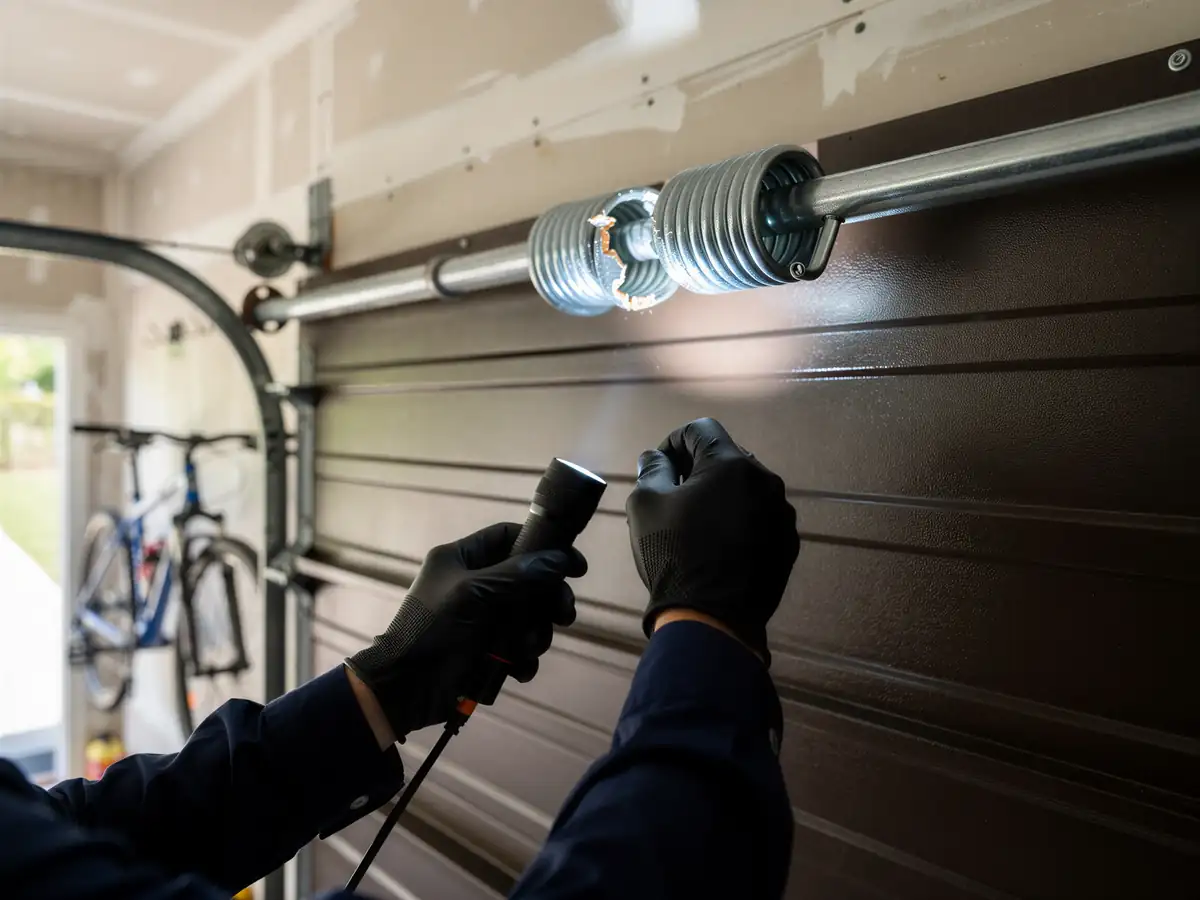
On doors from the mid-1960s, torsion springs are usually the first thing to go, and on these older side-mount setups the spring sits on a shaft configuration that later doors don't use - we stock for both, but it's worth mentioning on the phone so we bring the right one. Rollers on original track from that era are steel, not nylon, and they've usually outlived their quiet-running years; most owners notice the grinding before anything actually fails. Openers from a first or second replacement generation are a common call too - chain-drive units with worn sprockets or a logic board that's finally quit holding a code.
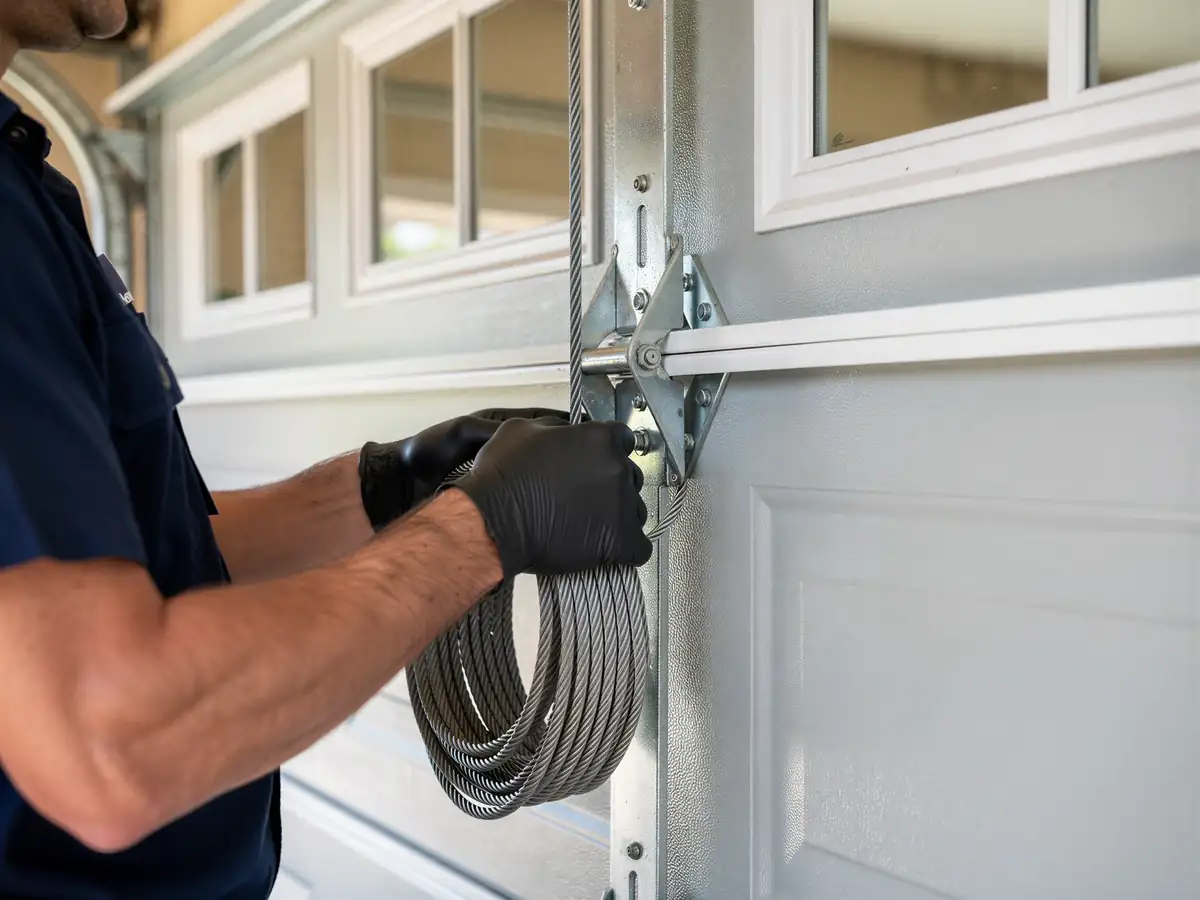
Cold winters in this part of Kansas stiffen old grease in bearings and tighten steel cable just enough to turn a marginal spring into a snapped one on the first hard-use morning. That's true across our coverage area, but it hits older hardware harder, and Riley has more of that hardware per house than most of the places we drive to.
One honest limit: if the opener is original to a 1966 build and a part has gone obsolete, we're not pretending to find a factory match. We'll tell you straight when replacement is the better call than chasing a part.
The Calls We Get From Here
Most calls out of Riley are springs and openers, in that order
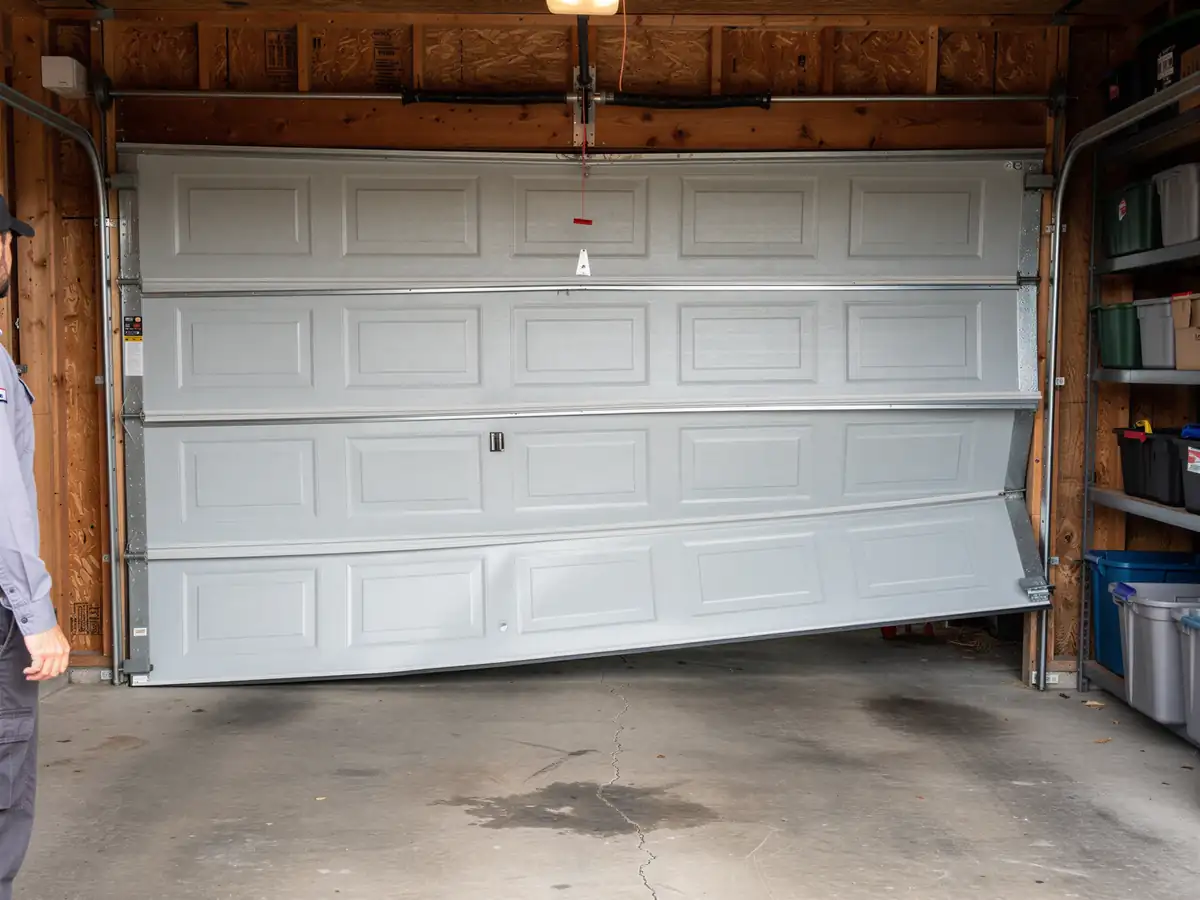
Which tracks with a housing stock centered on 1966 rather than the newer builds elsewhere in the territory. We also get more off-track and cable calls here than in newer subdivisions - steel rollers wearing a groove into older track eventually let a panel jump its path, usually during a cold snap when the metal's least forgiving.
We're coming from Manhattan on every call, about 14 miles out
So we're not a local shop with a storefront on your street - we're a crew that drives in with the parts for the job already discussed on the phone. That's why we ask the make and rough age of your door before we load the truck: for a 1966-era door, that's the difference between showing up with the right torsion spring the first time and making two trips.
- 14 miles
The Houses Here
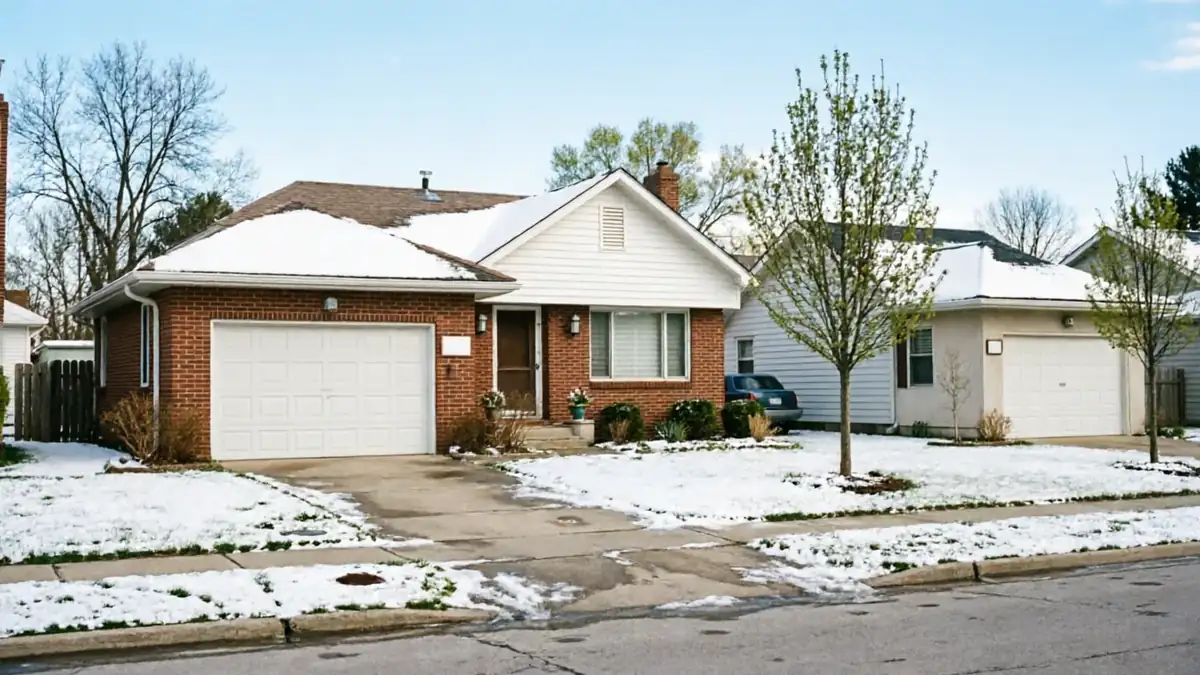
Riley is smaller than the rest of the service area by household count - 303 compared to the roughly 13,919 households spread across the wider territory - and its housing is more consistent in age, clustered close to that 1966 median. Median household income here runs $78,125, noticeably above the broader area's $61,953, which we mention only because it tends to show up in how repairs get handled: more owners here choose a full opener replacement over patching a dying one, rather than stretching a repair as far as it'll go.
The winters are the same cold-moderate climate as the rest of the region, which doesn't spare older hardware. A steel torsion spring that's been doing its job since the Johnson administration doesn't care what the house is worth - it just wears the same way every other spring its age does.