How That Shows Up in the Door
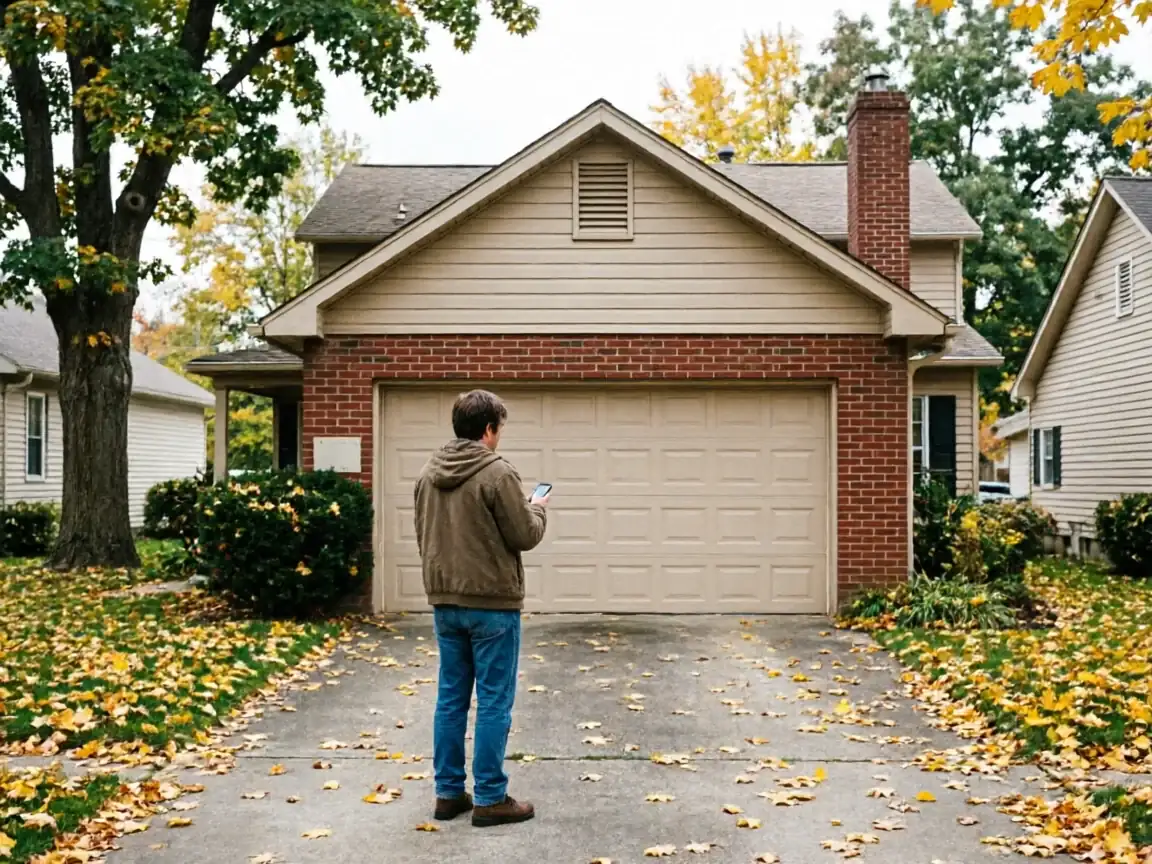
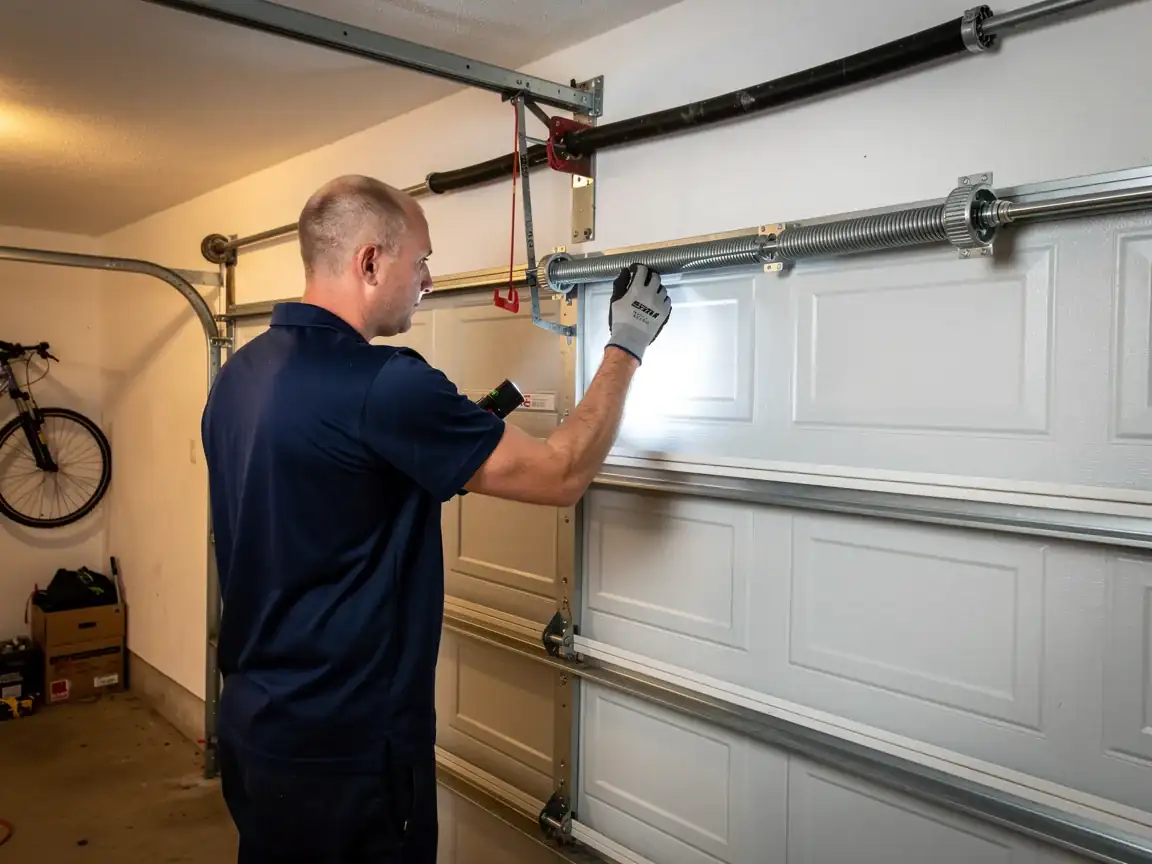
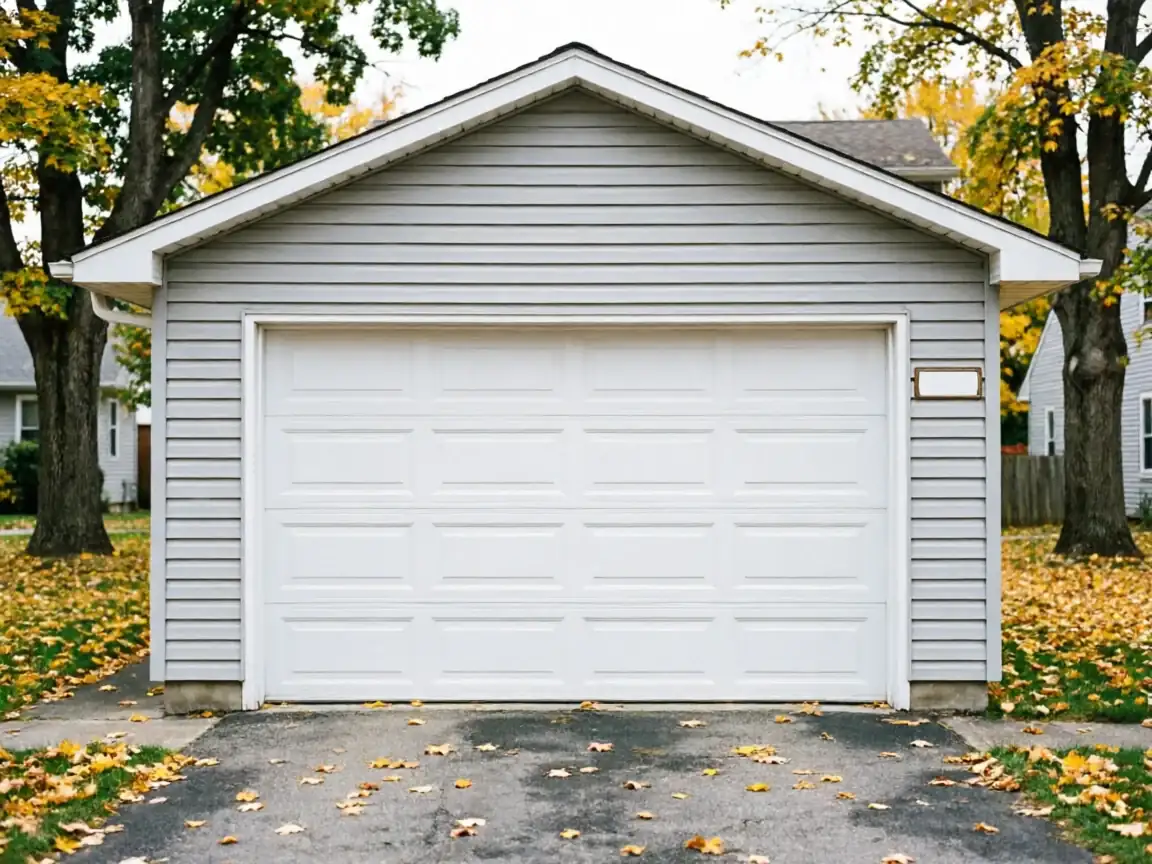
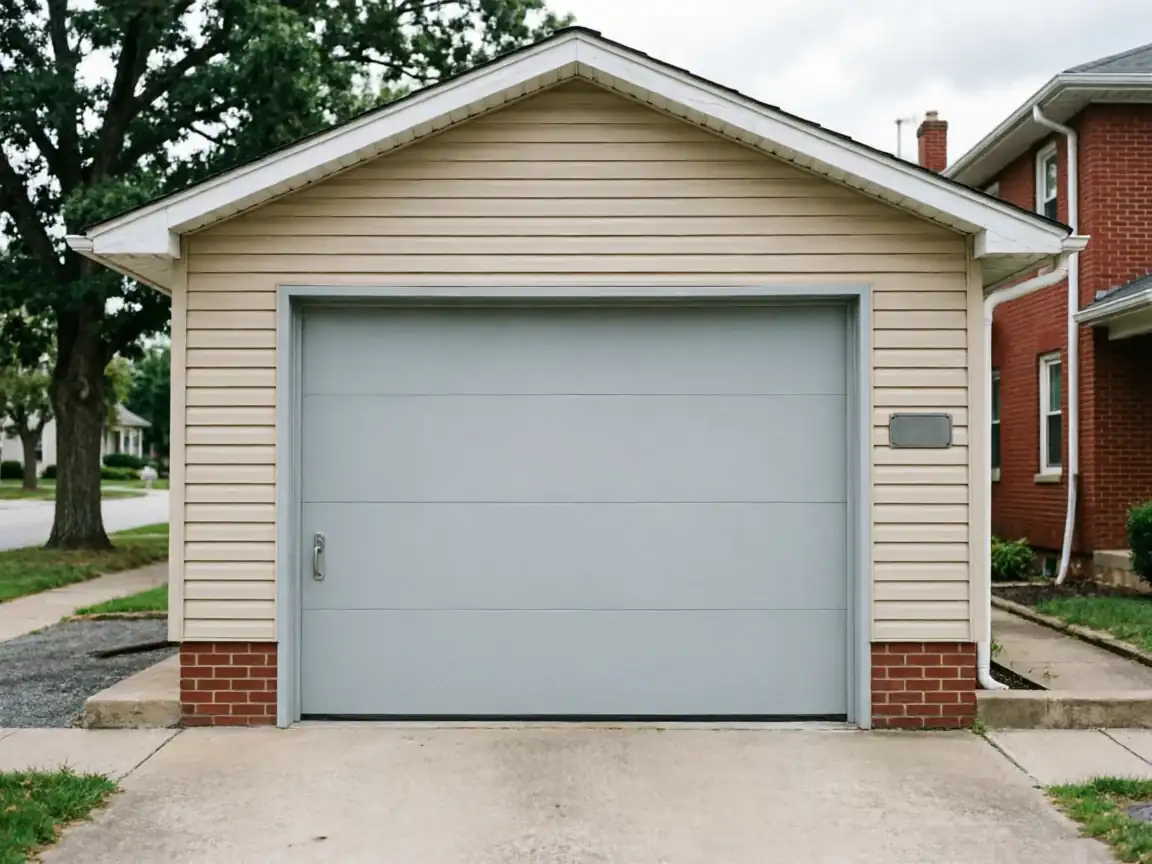
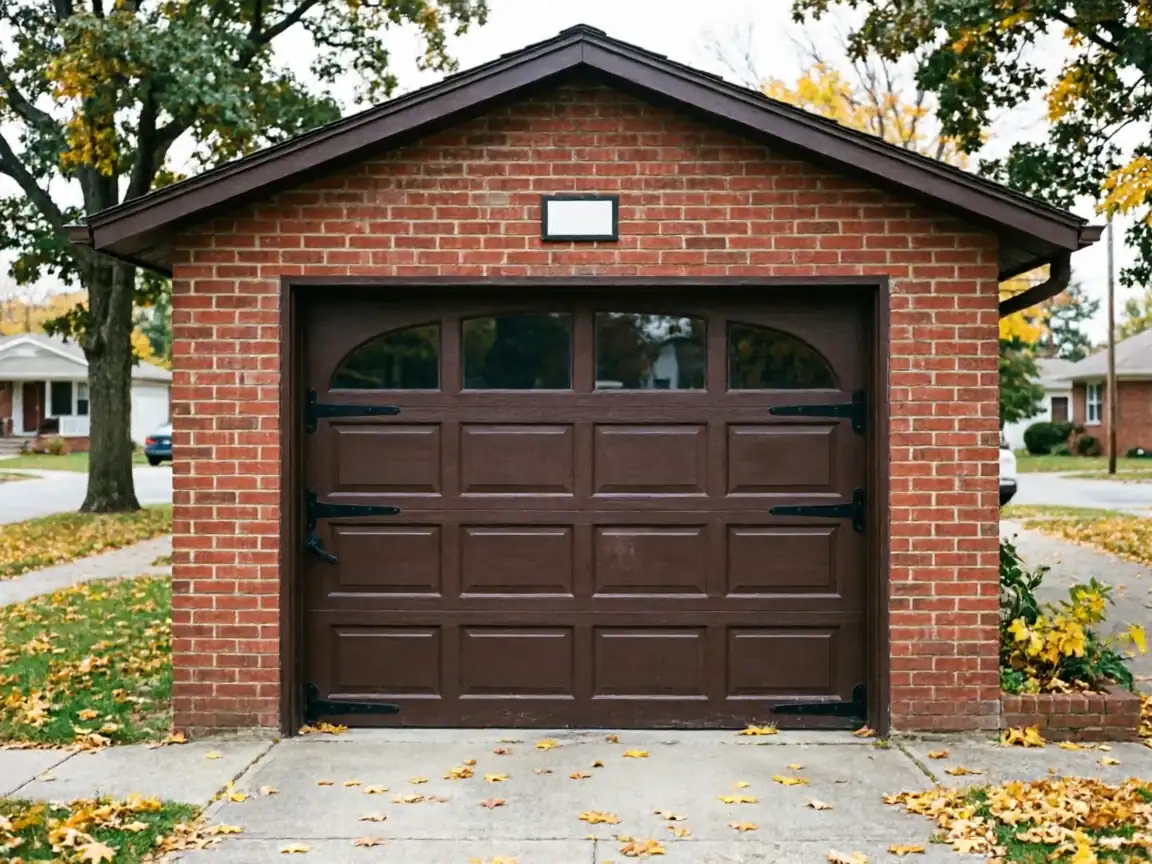
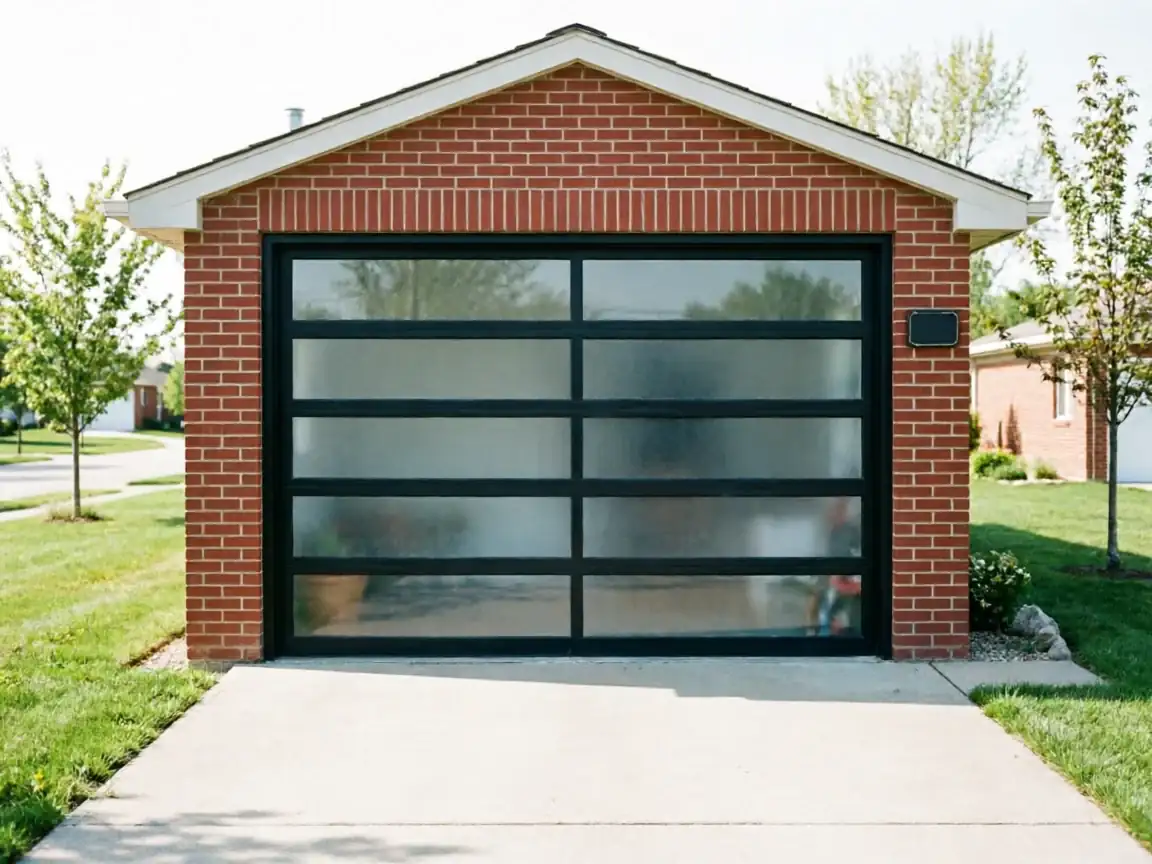
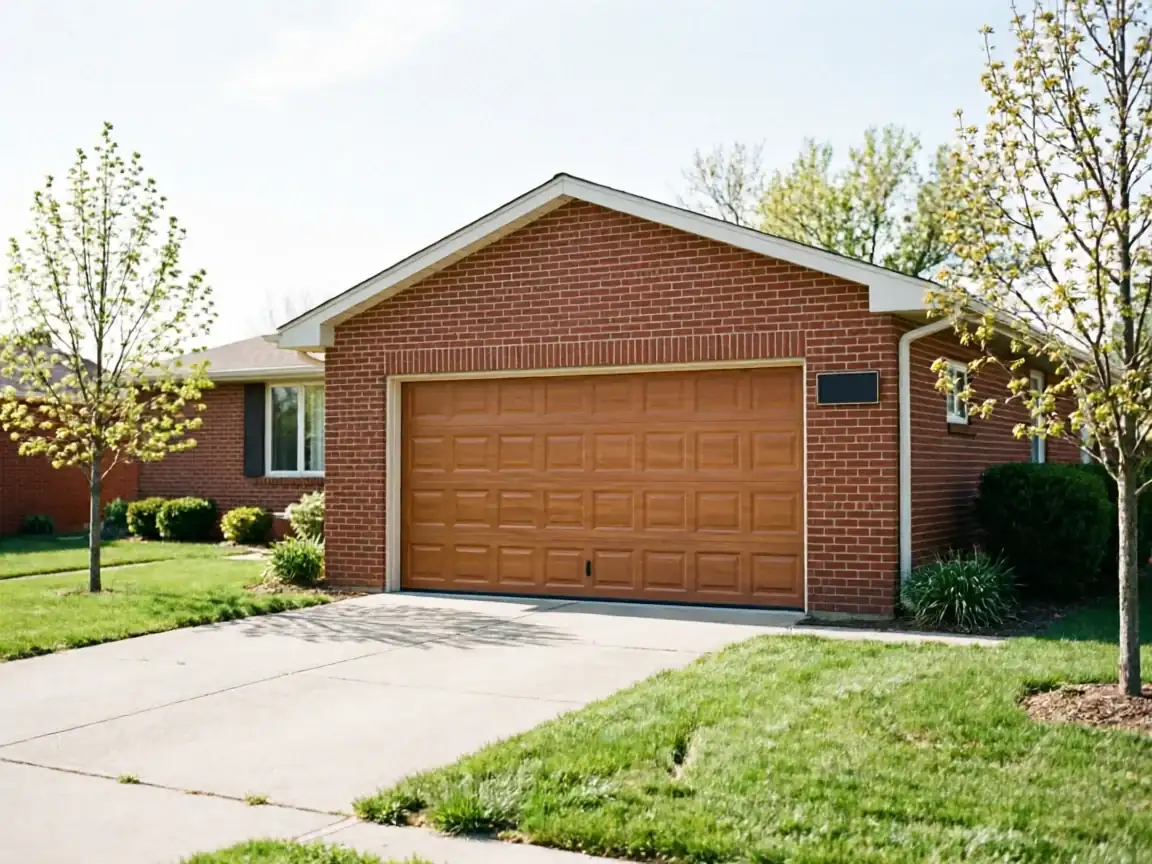
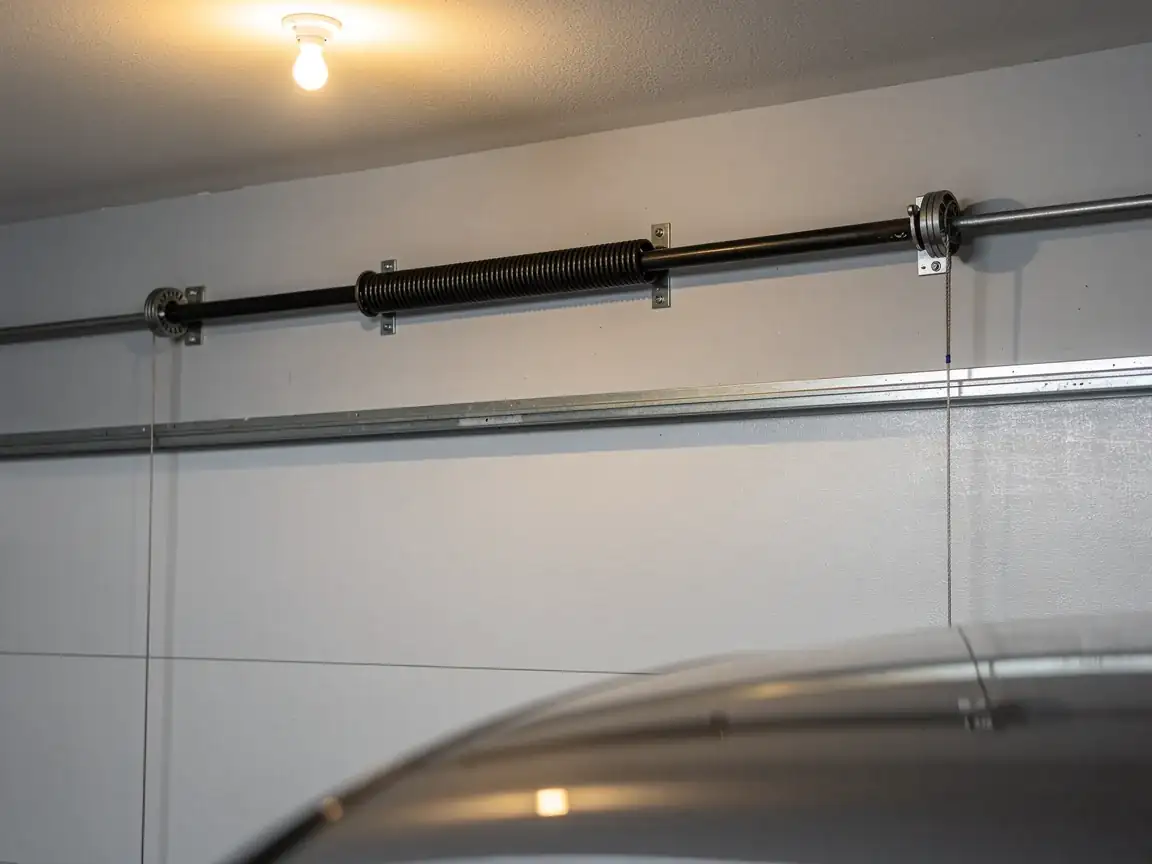
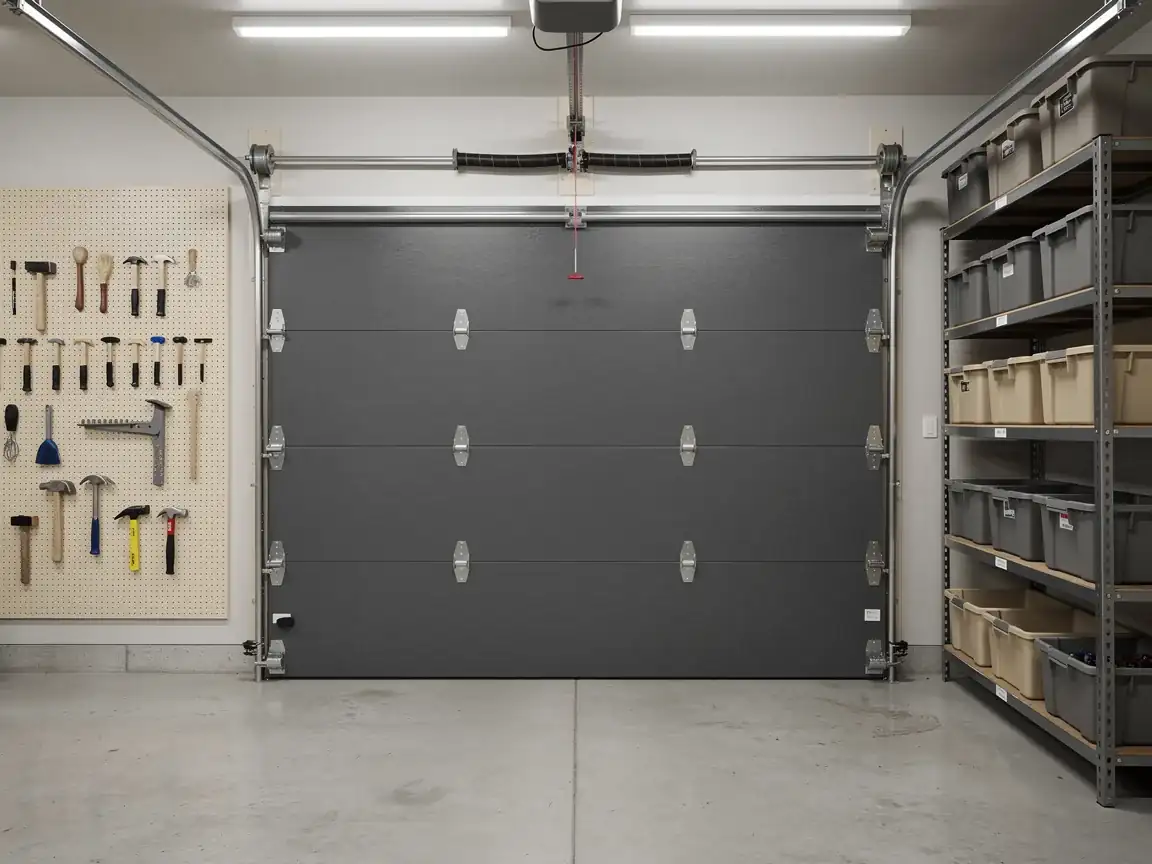
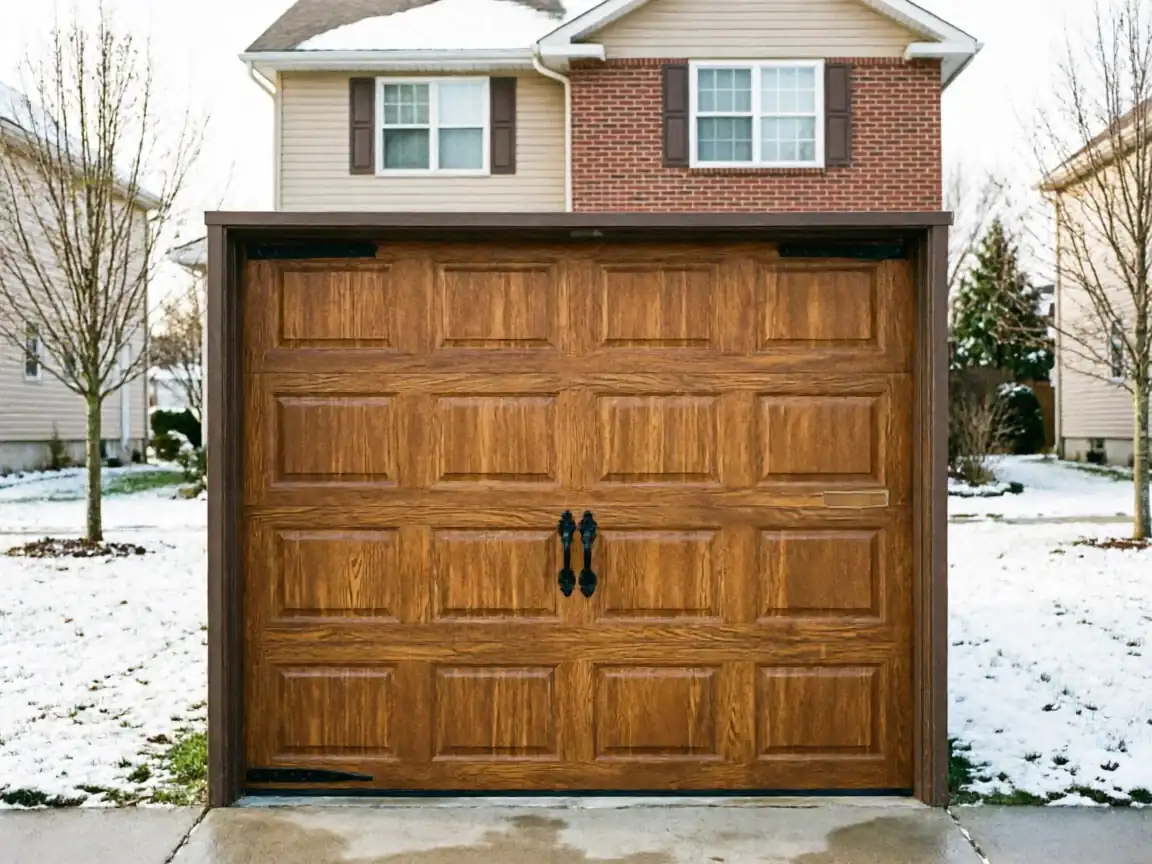
Randolph's housing stock centers on 1974, which puts most garage doors here squarely in the torsion-spring era rather than the newer extension-spring or jackshaft setups you see in subdivisions built after 2000. A door from that build year has had decades of Kansas cold working on it - steel tracks that have gone through enough winters to pit at the rollers, and springs that have cycled past their rated life more than once. Cold moderates the lift on an old spring; it stiffens the coil just enough that a borderline spring snaps on the first hard freeze instead of waiting for summer. If your door came with the house, there's a decent chance nobody has touched the spring since it was installed, and that's the part that fails without warning, usually when you're already late and the door won't budge.
The Usual Work Here
Given the 1974 median build year, the repairs we see out this way lean toward original hardware rather than modern failures. That means torsion springs sized for doors heavier than what's sold today, worn rollers in steel track that was never upgraded to nylon, and openers that have been replaced once already but still run on the original torsion bar and drums. We also find a fair number of panel sections that have taken minor hail or impact damage over the years and were never swapped, which throws the door out of balance even when the opener seems fine. Balance problems on older doors are easy to miss until the opener motor starts working harder than it should, and that's usually the point where a call comes in.
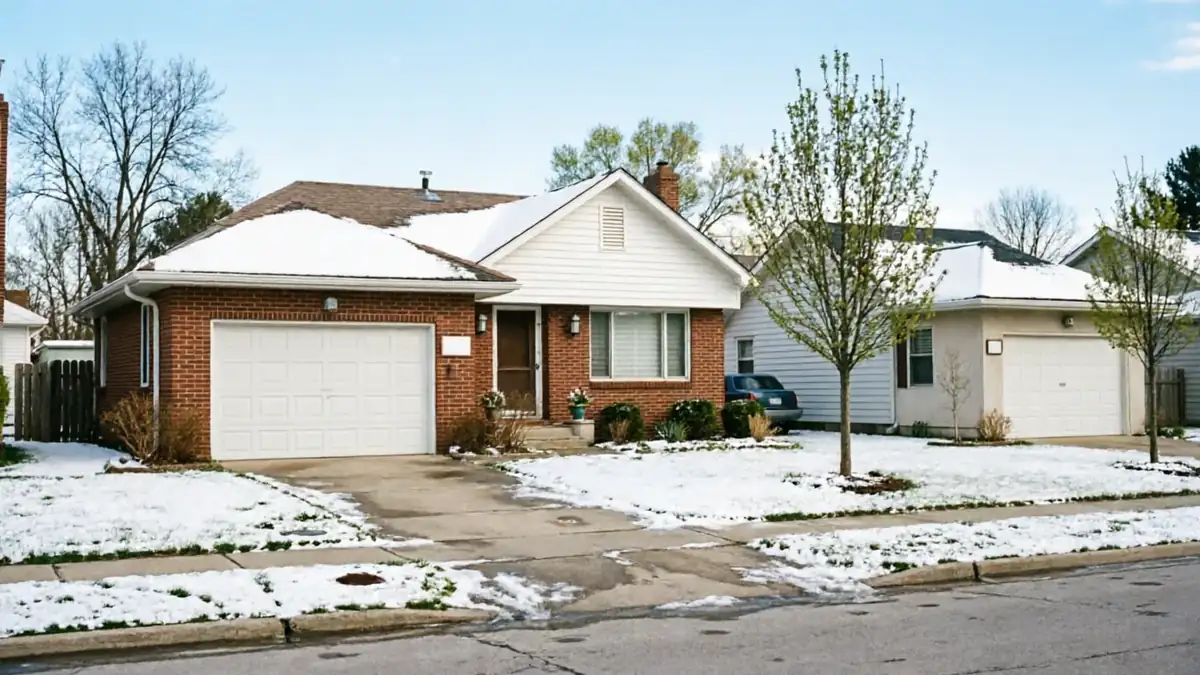
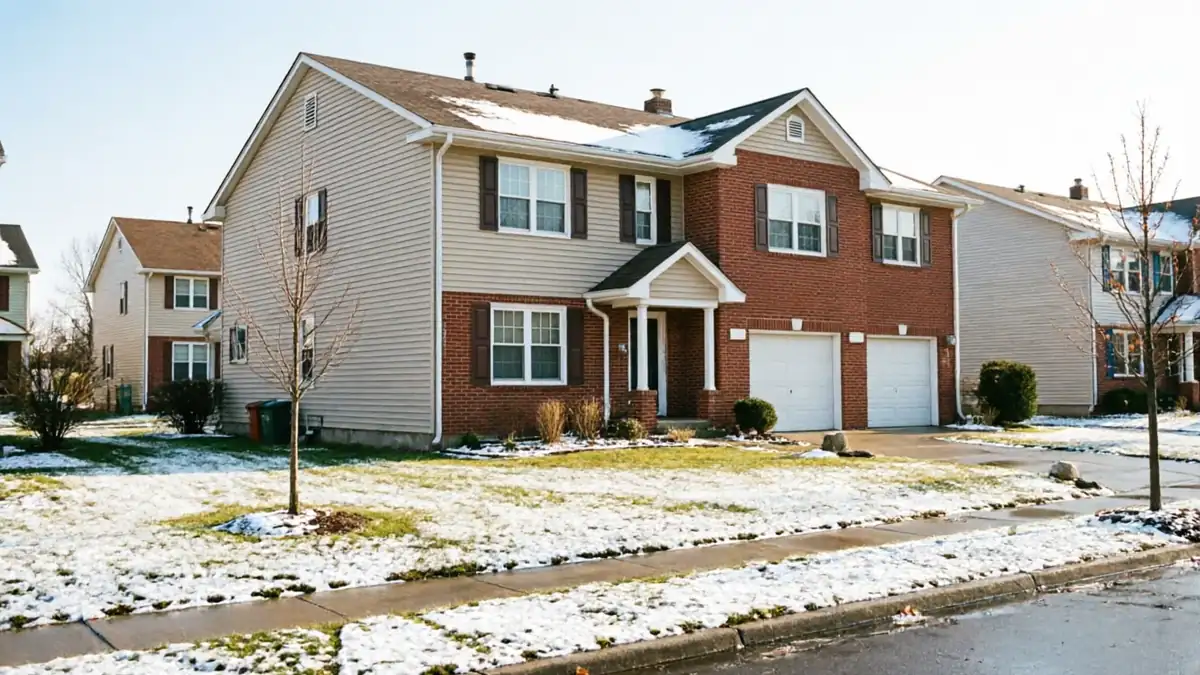
The Houses Here
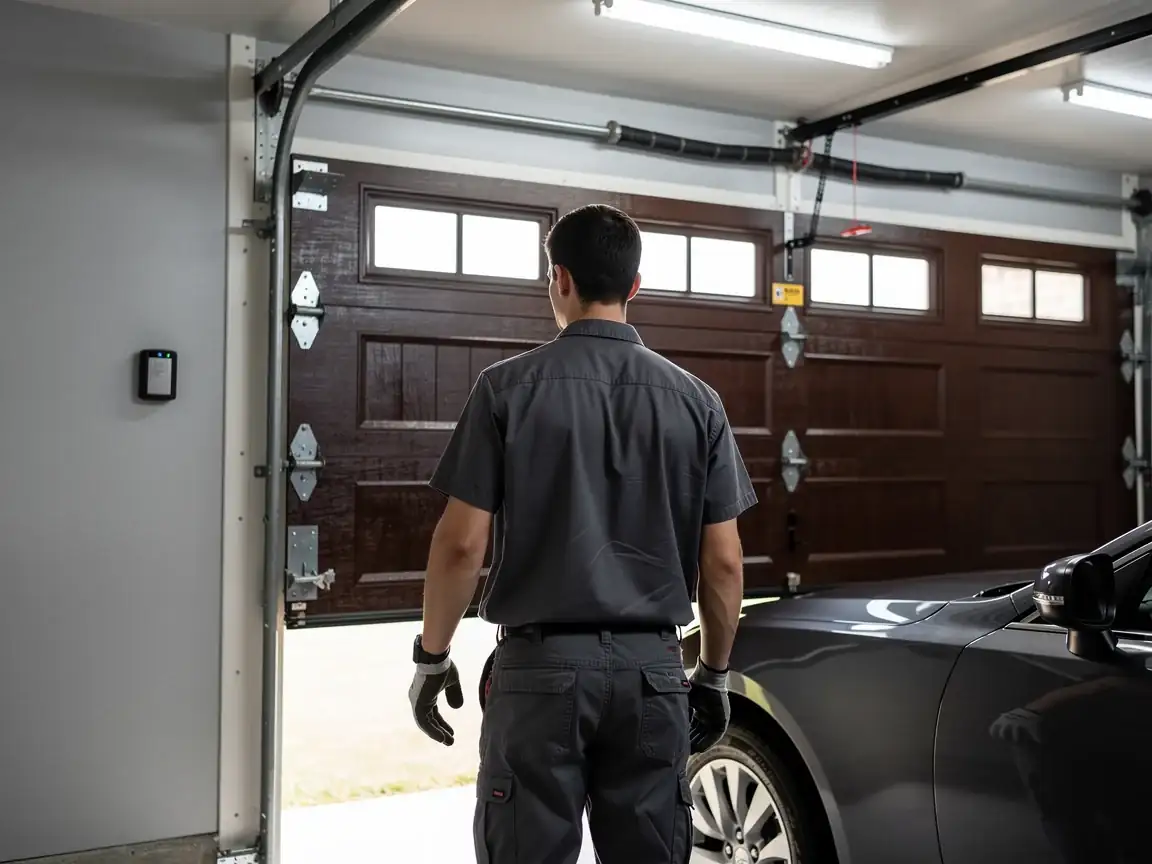
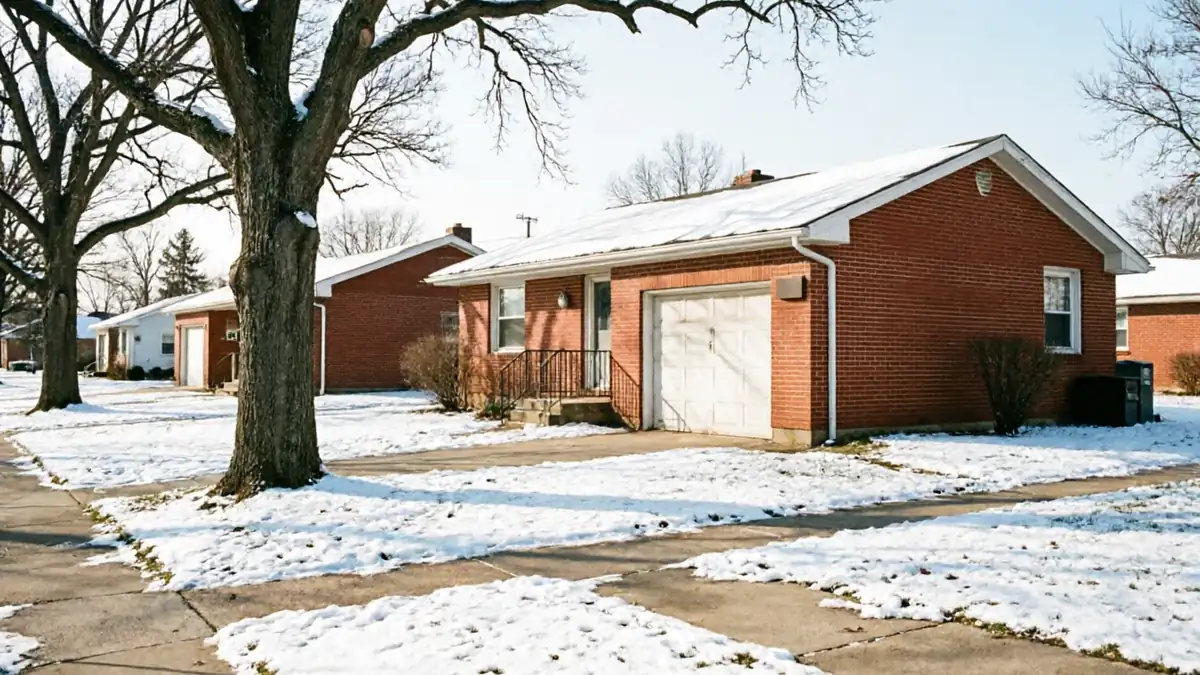
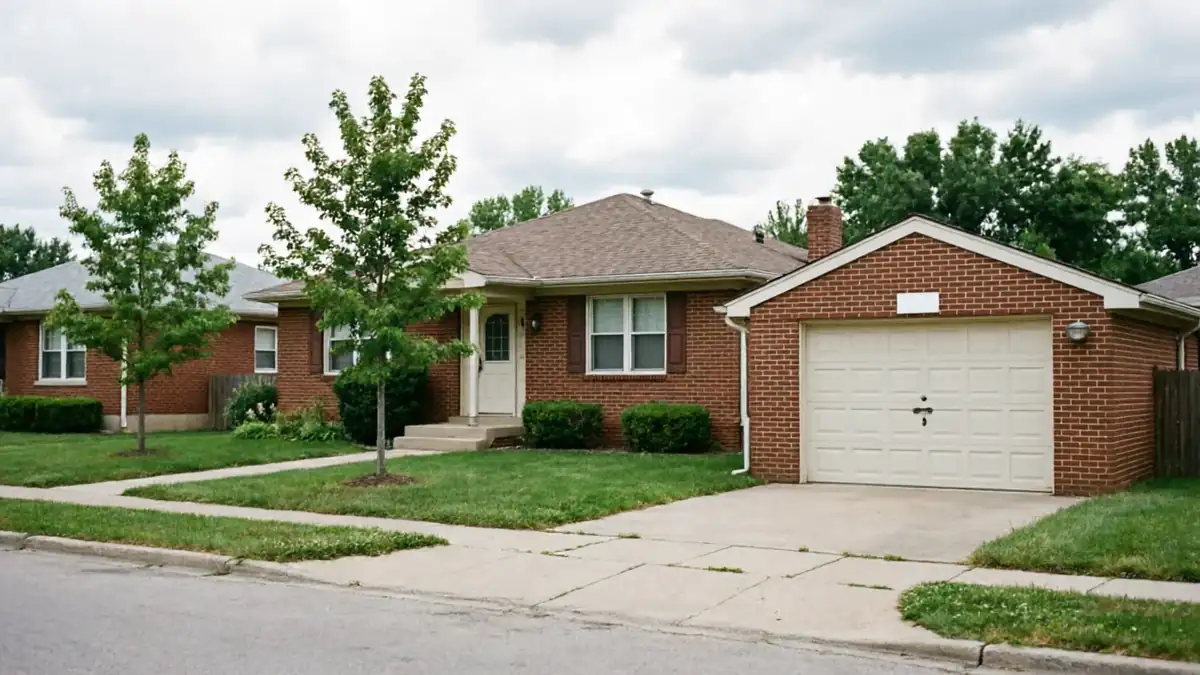
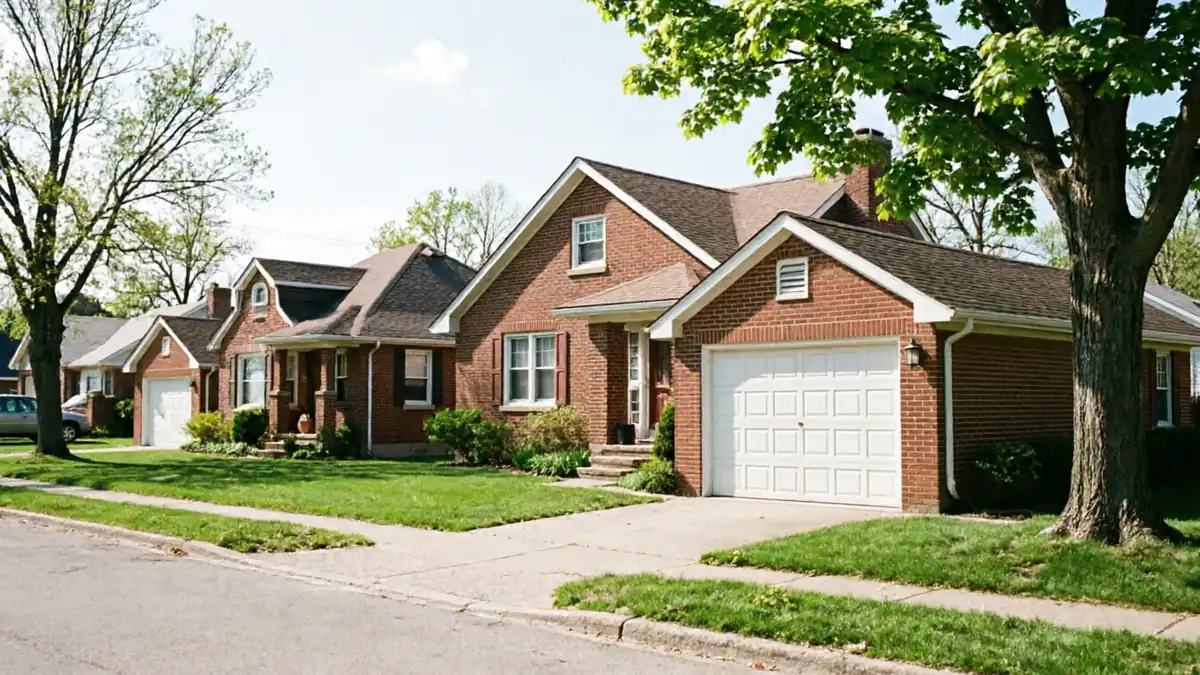
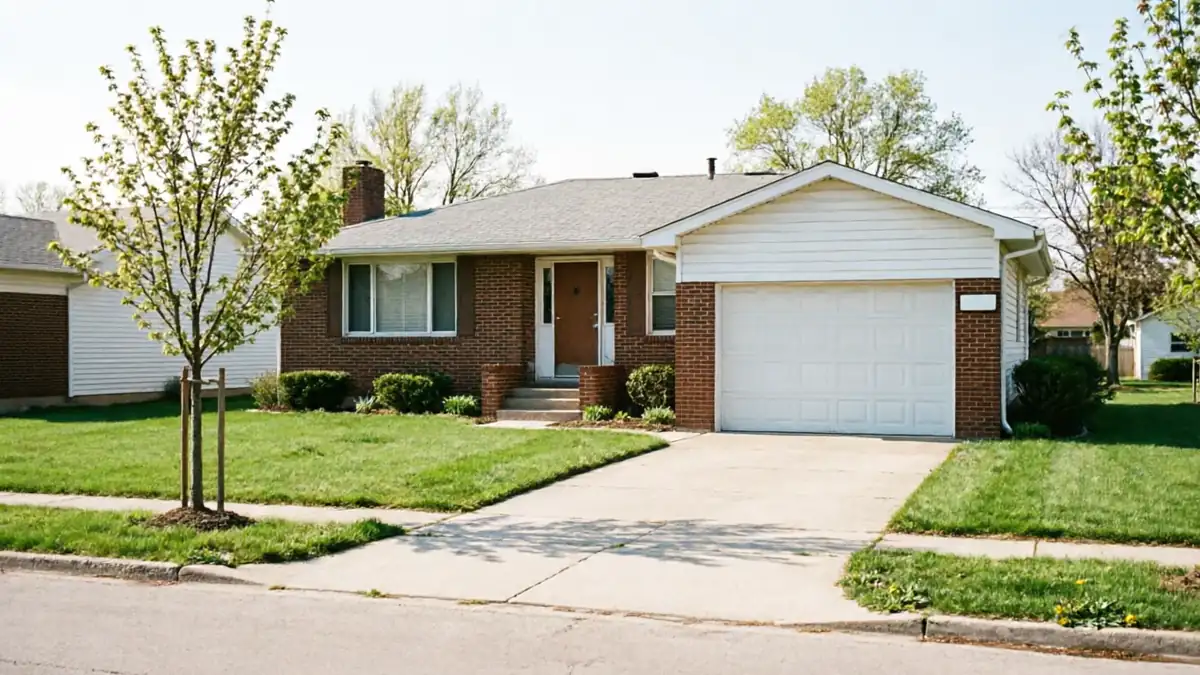
Randolph's own numbers run smaller than the wider service area - 72 households, with a median income around $71,071, and the housing itself clustered close to that 1974 median build year. That's an older, established area rather than new construction, which matters for garage doors specifically: a house this age almost never has the clearance or wiring already in place for a modern opener with battery backup, so swapping in a new unit sometimes means adding an outlet or trimming door clearance first. We mention it because it's the kind of extra half-hour that surprises people if they're expecting a straight swap.