What the Fix Involves
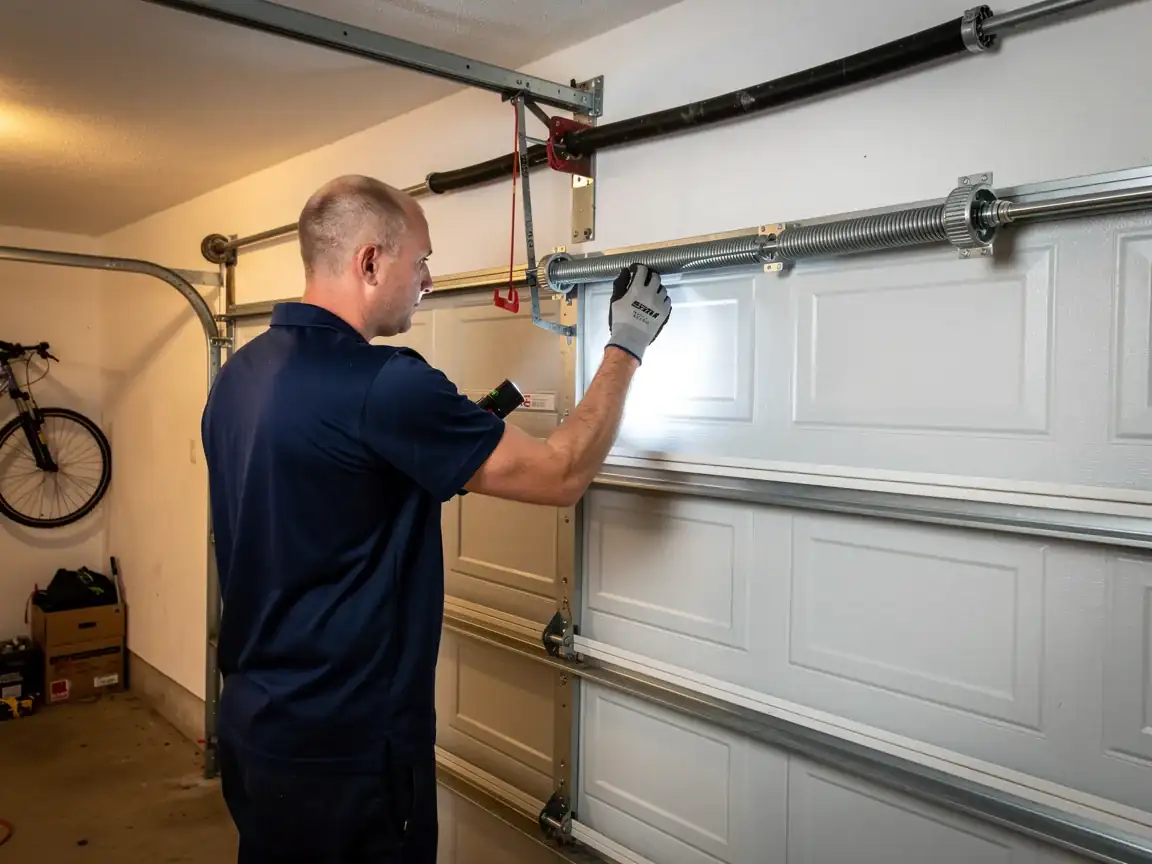
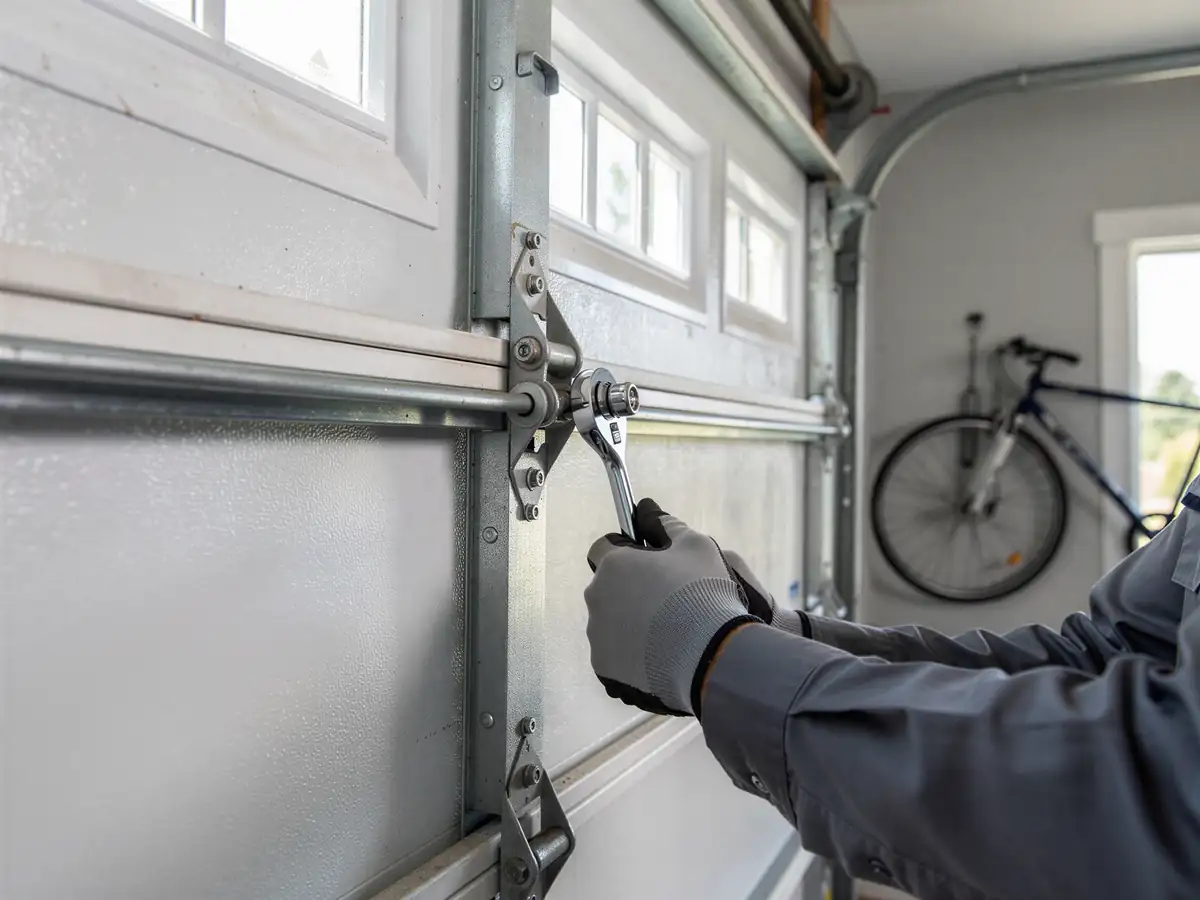
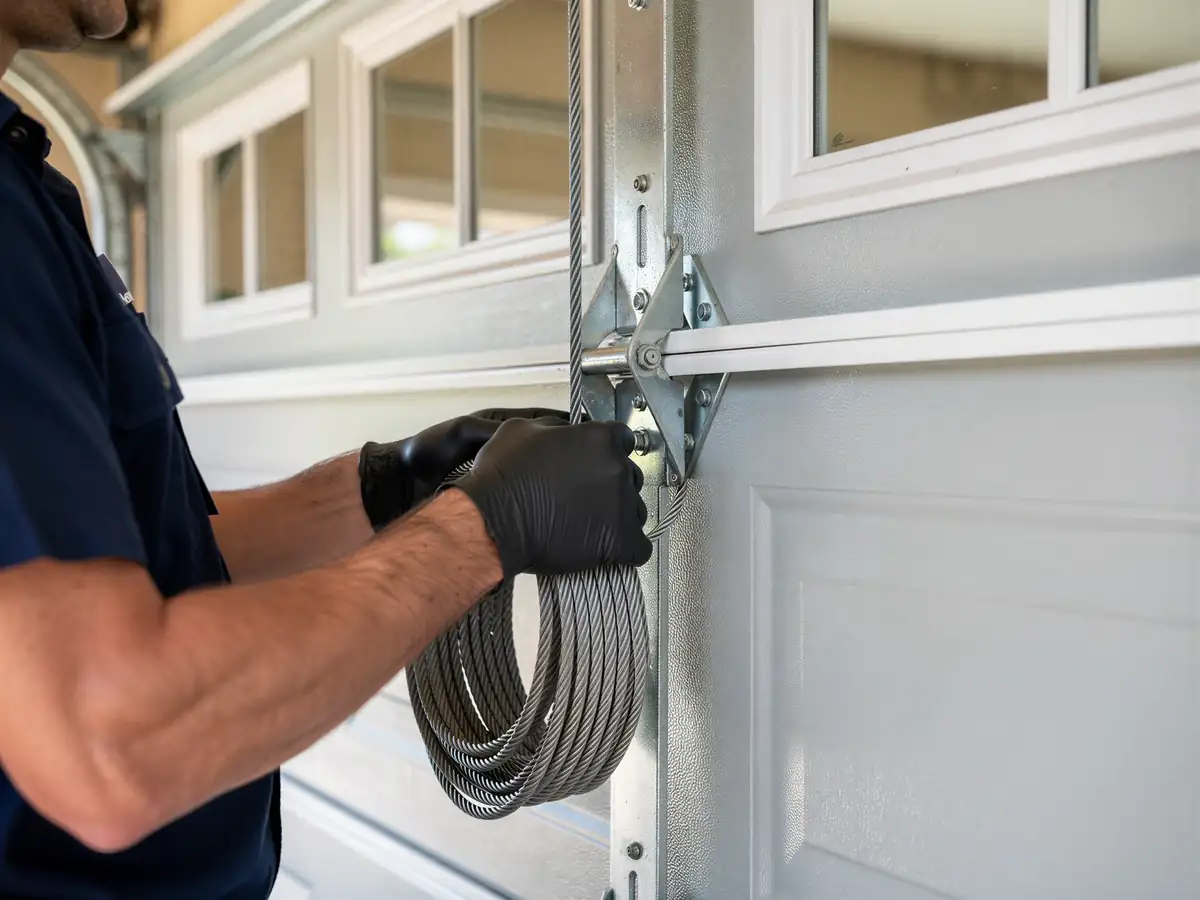
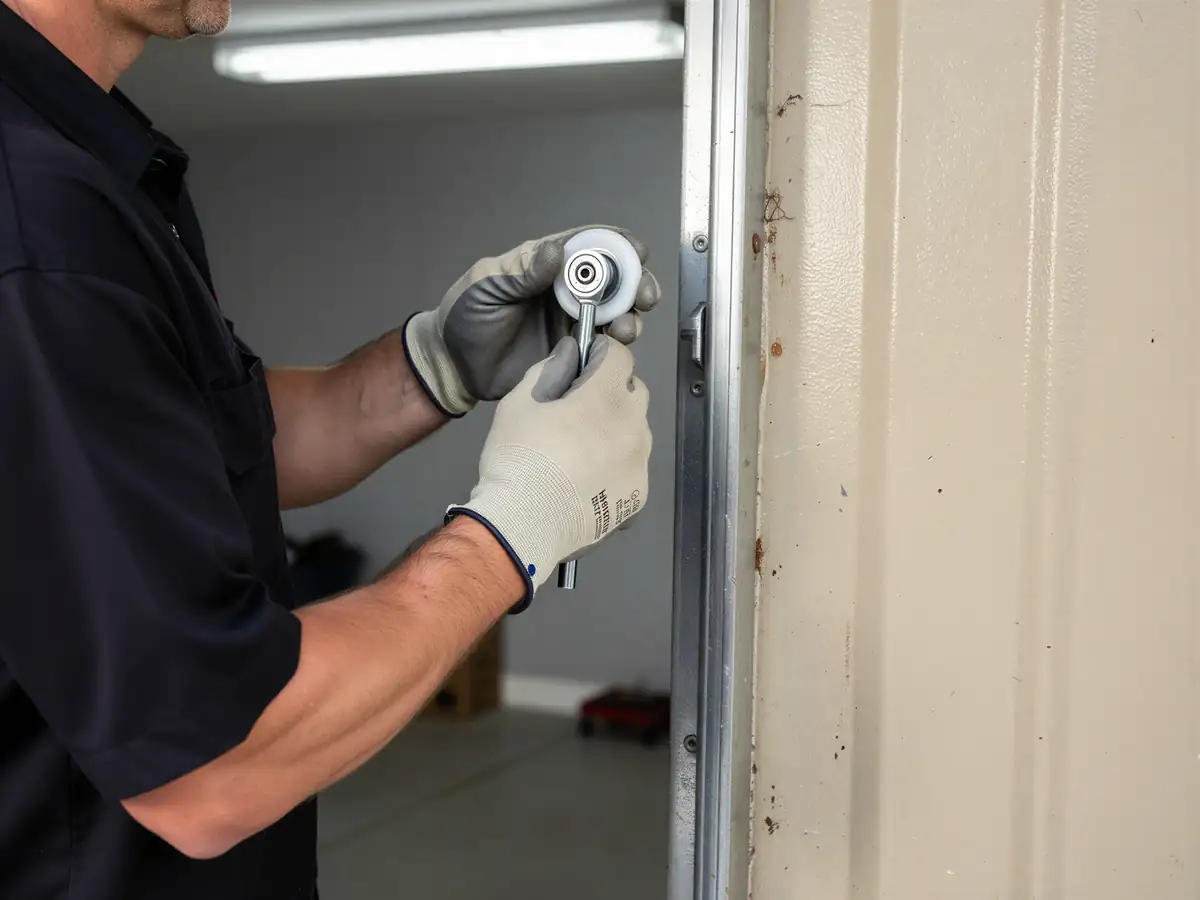
Roller replacement means pulling the old wheels off the hinges and stem brackets and setting new ones in, usually nylon rollers with sealed bearings in place of the steel wheels most of these doors shipped with. We check each hinge for elongated holes, check the track for rust pitting where the old wheel ran, and true up the track gap before anything goes back together. A full set runs ten or twelve rollers depending on door height, and we replace the bottom brackets too if the cables show wear, since those parts work as a system.
Here is the honest limit: if the track itself is bent or the wall brackets have pulled loose, new rollers will not fix the door. You will hear the same grinding again inside a season. On jobs like that we quote track replacement instead of pretending a roller swap will hold. We also do not stock every stem-roller variant on the truck - some older half-inch stem styles used on original builds need a day to source, and we will tell you that up front rather than make a second trip look like bad luck.
What You Are Seeing
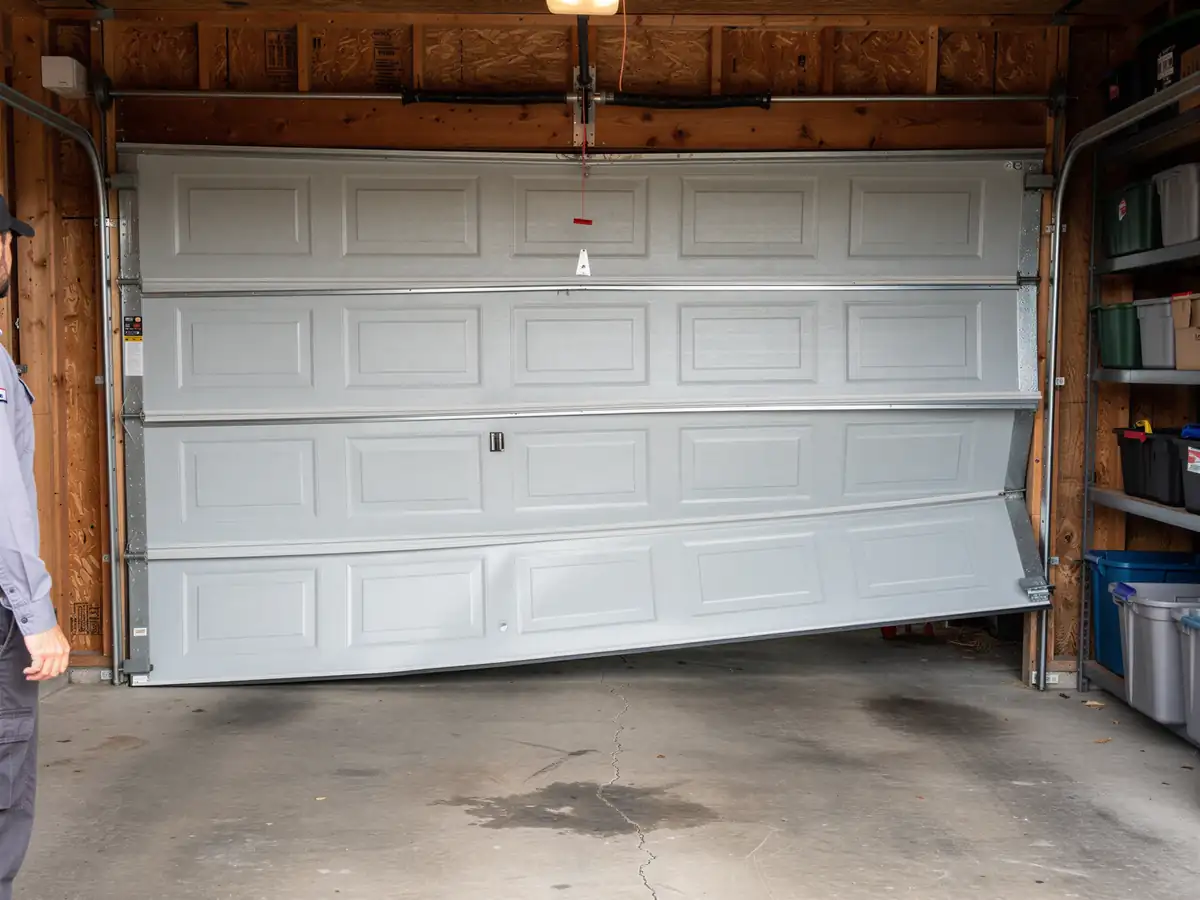
The door catches at the same spot on every cycle, usually a few feet off the floor where the curve into the horizontal track begins. You hear a grinding or popping sound instead of a smooth roll, and the door shakes the whole frame when it hits that point. Sometimes a roller has actually come loose from its stem and sits crooked in the track, which is why the door walks sideways instead of tracking straight.
On older doors built in the 1966 to 2007 range that makes up most of this housing stock, the steel wheels that came standard back then wear a visible flat spot after enough cycles, and that flat spot is what you are hearing hit the track rail. It is rarely the opener at fault - the opener just pulls harder against the resistance and sounds like it is straining, which sends a lot of people chasing the wrong problem first.
Why This Fails Locally
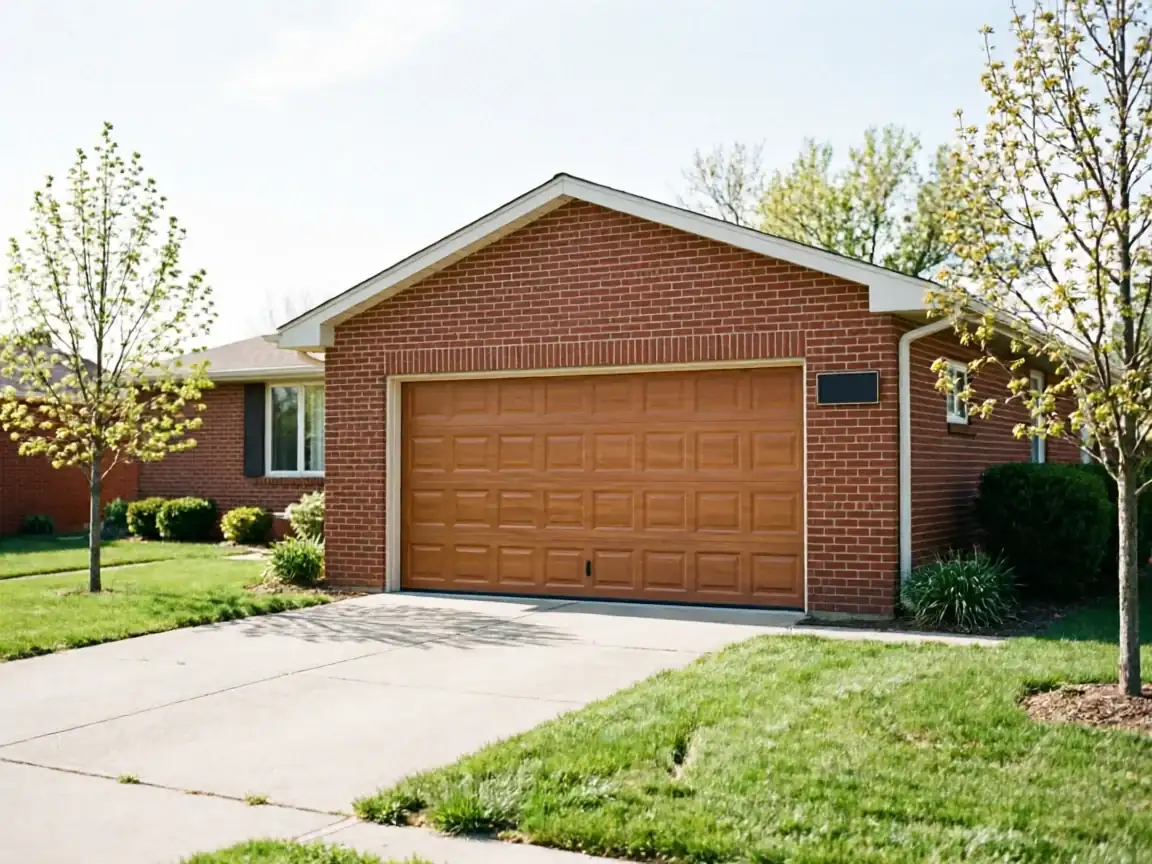
Most of the houses across this service area
Spread over seven named parts of the market, went up between 1966 and 1974, right in the thick of a build boom that used steel-wheel rollers on raw steel track as the standard setup. That hardware was fine for the climate it was designed for, but nobody designed it to run thirty or forty winters in a cold moderate climate band like this one. Grease inside the roller bearing stiffens overnight when temperatures drop, so the first opening of a cold morning asks more of a worn bearing than any other cycle of the day - which is exactly when you hear the loudest grind.
With roughly 4,928 owner-occupied houses among 13,919 households in this market
A large share of these doors are still running original or close-to-original rollers, because a roller does not fail all at once - it wears down gradually until one cold morning it finally complains loud enough to notice. The pattern holds the same whether the house sits closer to the center of the market or out toward the edges; the build era drove the hardware, not the address.
- 4,928 owner-occupied
- 13,919 households
How to Book
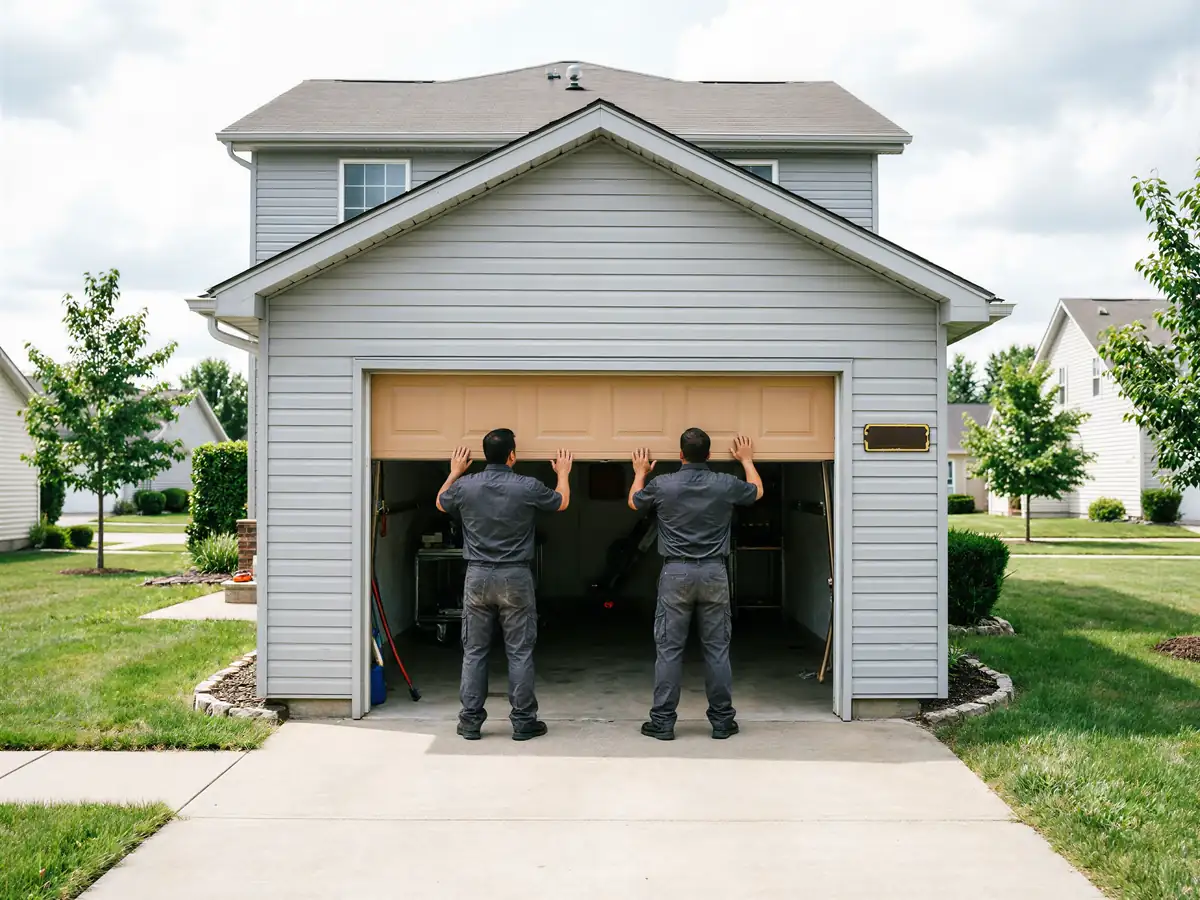
Call and describe what you are hearing - where on the door it catches, whether it is grinding or popping, whether the door walks sideways. That tells us whether this is a straightforward roller swap or something that needs a look at the track first. We run jobs across the full service area, from towns like Ogden about 7 miles out to Randolph at 19 miles, and the diagnosis takes the same shape no matter which direction we're headed, since the same building era put the same hardware in all of it.
We do not require an in-person estimate for a standard roller job - a phone description is usually enough to load the right parts on the truck. If it turns out the track needs replacing instead, we will say so on site before doing any work, and you decide from there. Reach us through the site to get on the schedule.