When to Call Someone
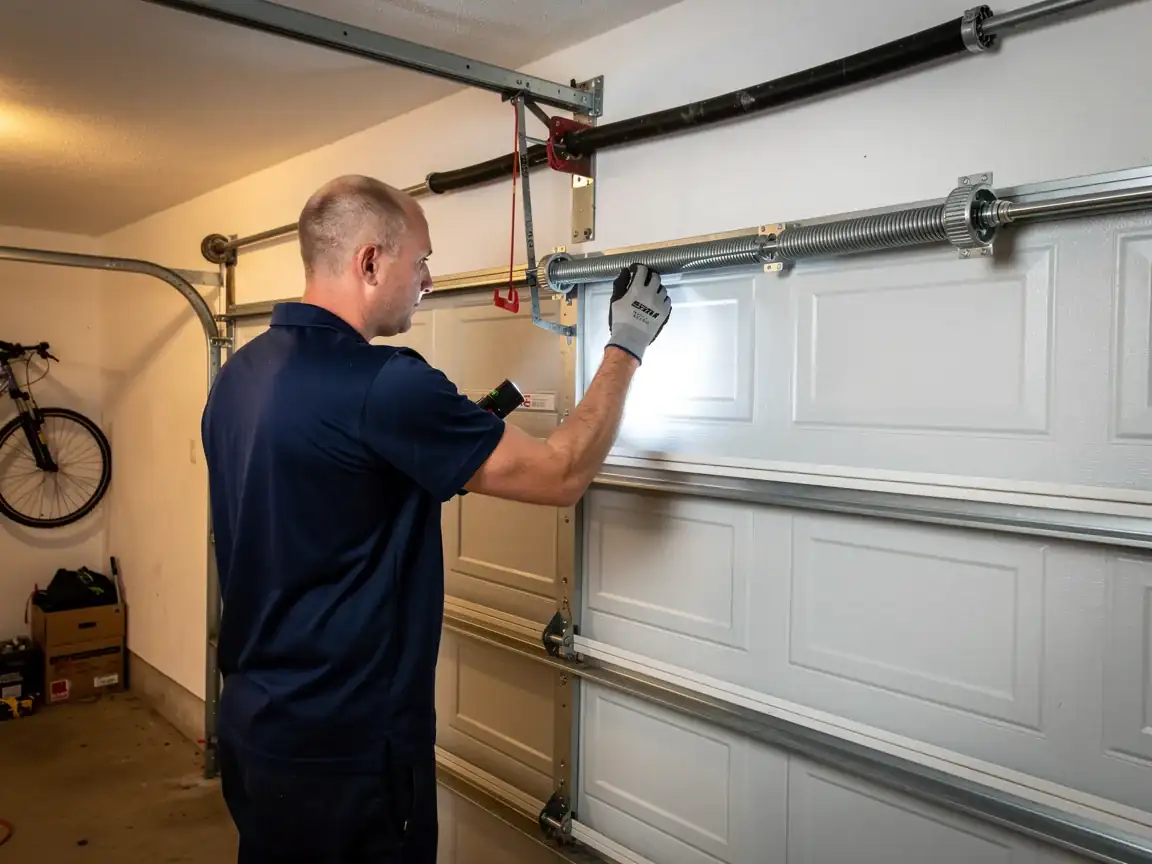
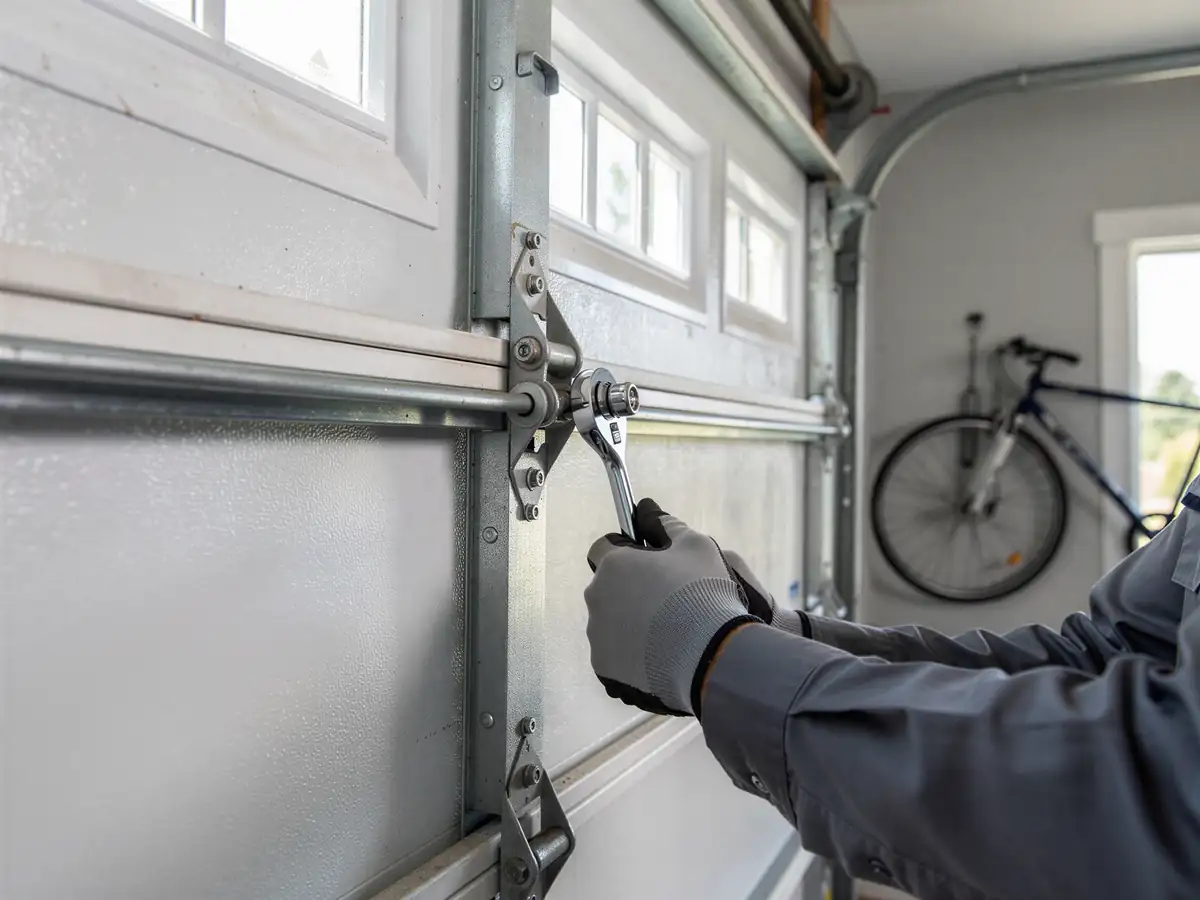
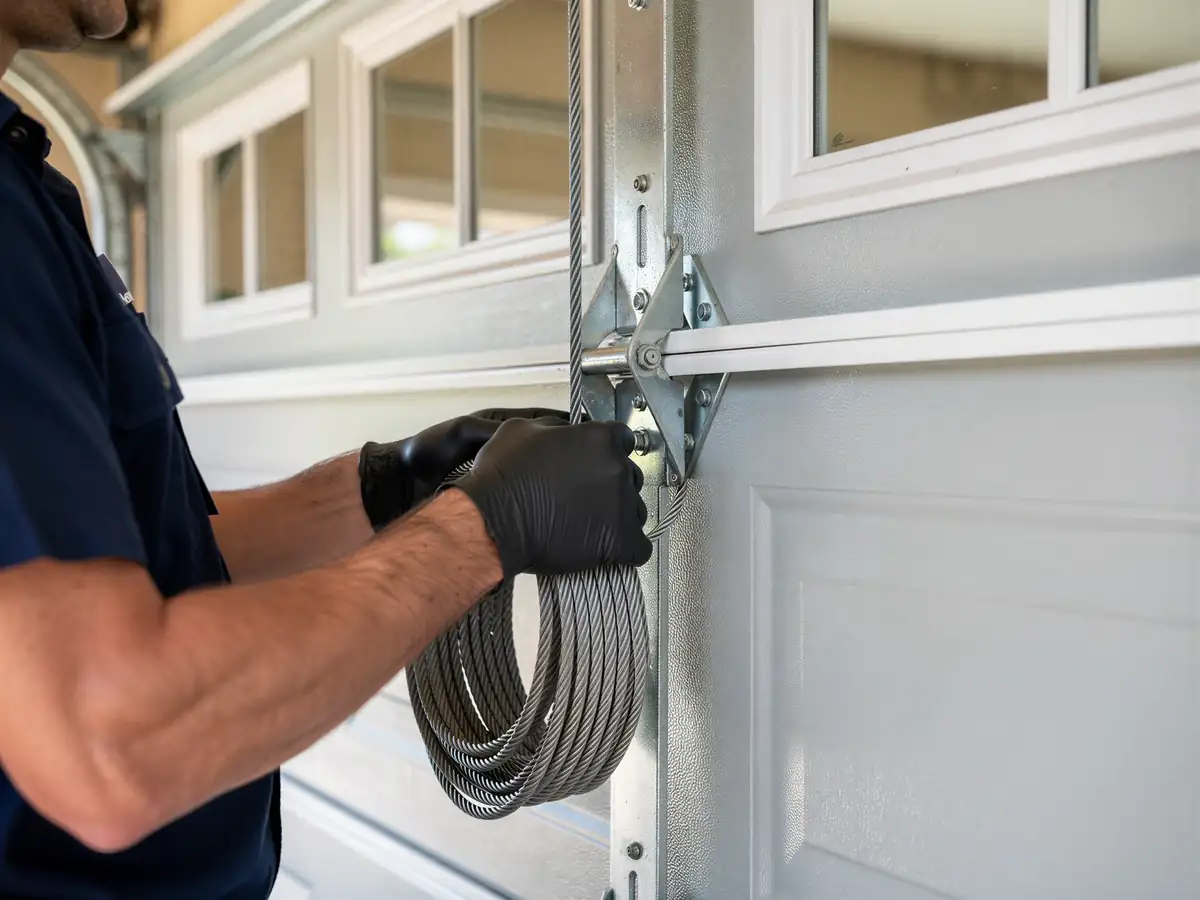
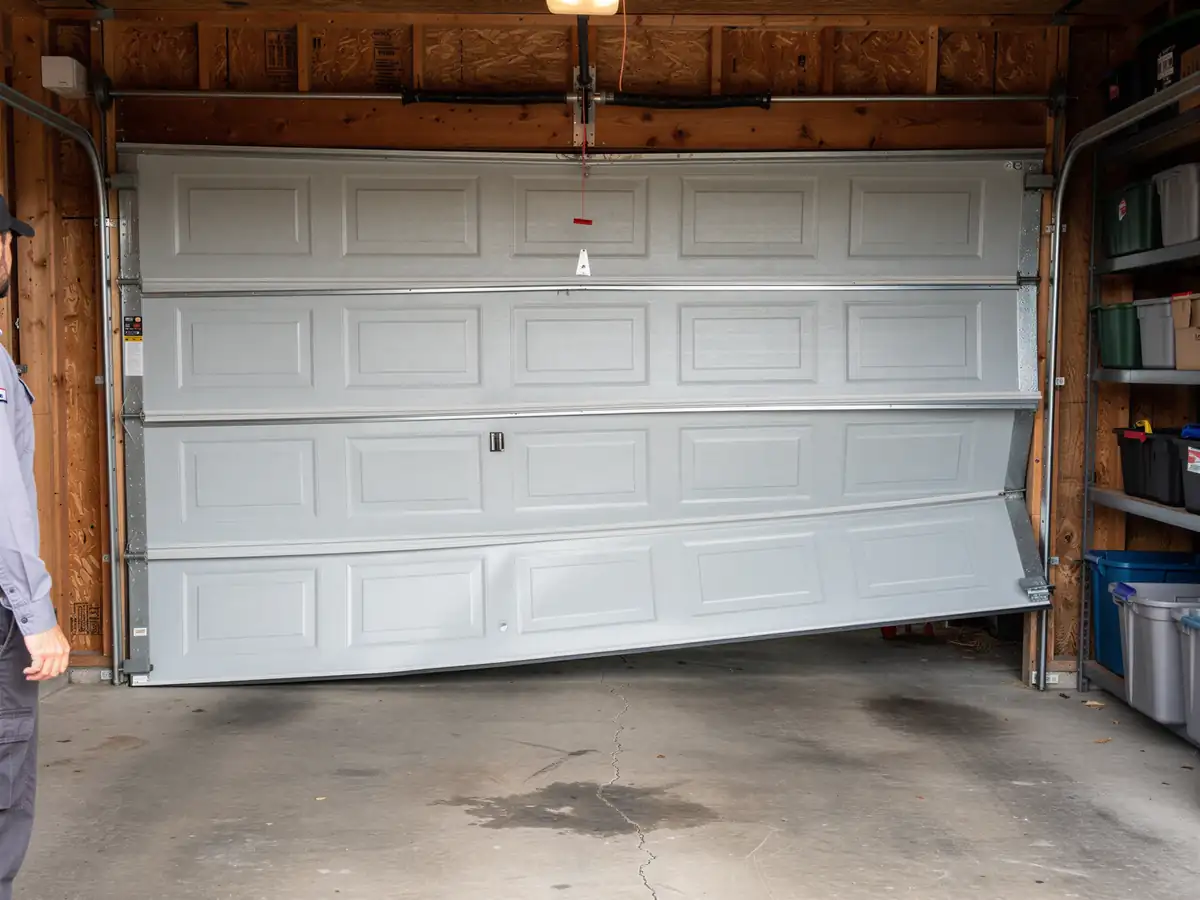
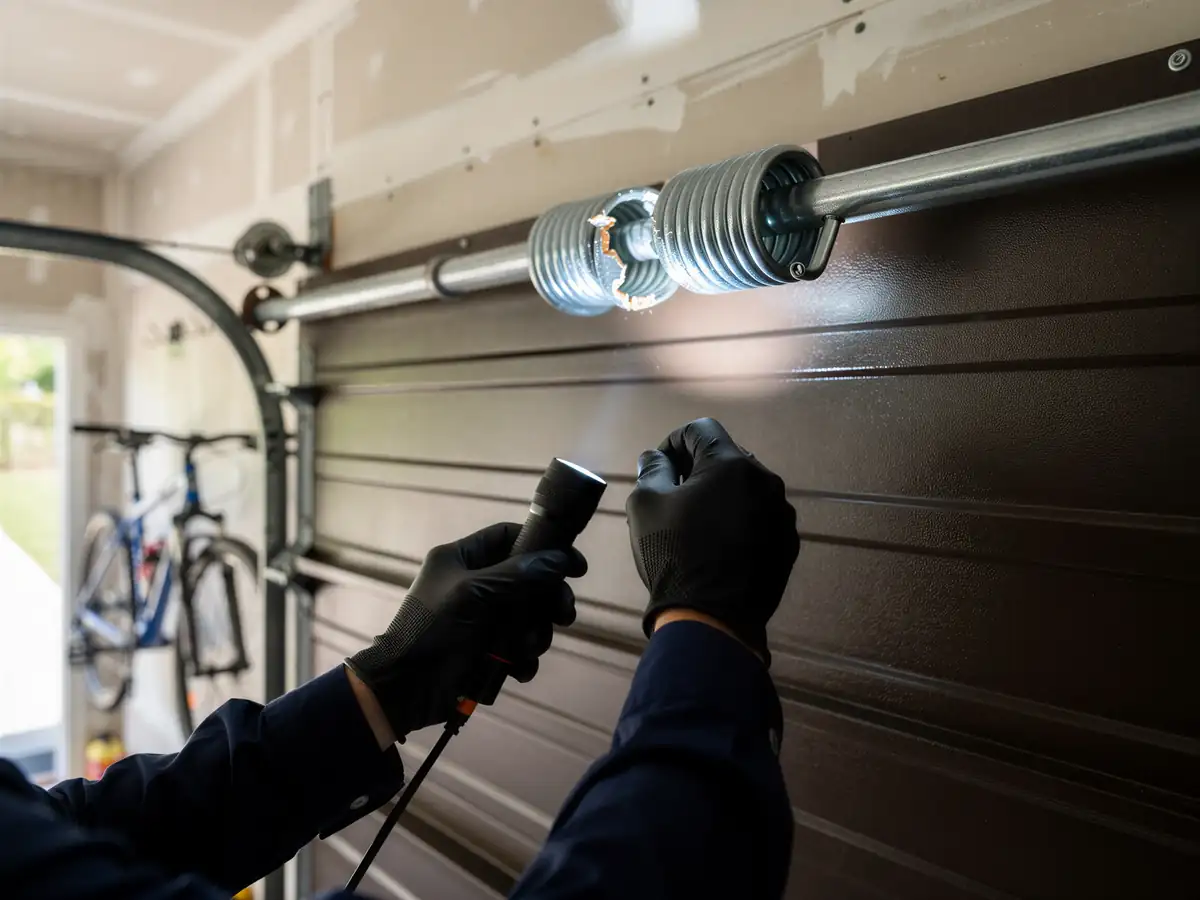
Most of the houses in this part of Kansas went up between 1966 and 2007, with the typical build year sitting around 1974. That means a lot of the torsion springs still running today were installed on hardware older than most of the people living under it. If a spring lets go on a cold morning - and you'll know, it sounds like a gunshot - don't try to open the door by hand or hit the opener button again. Call right away if the door won't budge, if a cable has jumped off the drum, or if the opener is grinding without moving the door. Those are jobs for a tech, not a weekend project.
Wait and schedule a regular visit, though, if the problem is just noise, a little slowness, or the door drifting out of alignment. Cold weather in this region stiffens grease and tightens metal tolerances, so an older door that's merely stubborn in January often loosens back up once temperatures climb and isn't an emergency - it's a maintenance call, not a 7am rescue.
What You Pay
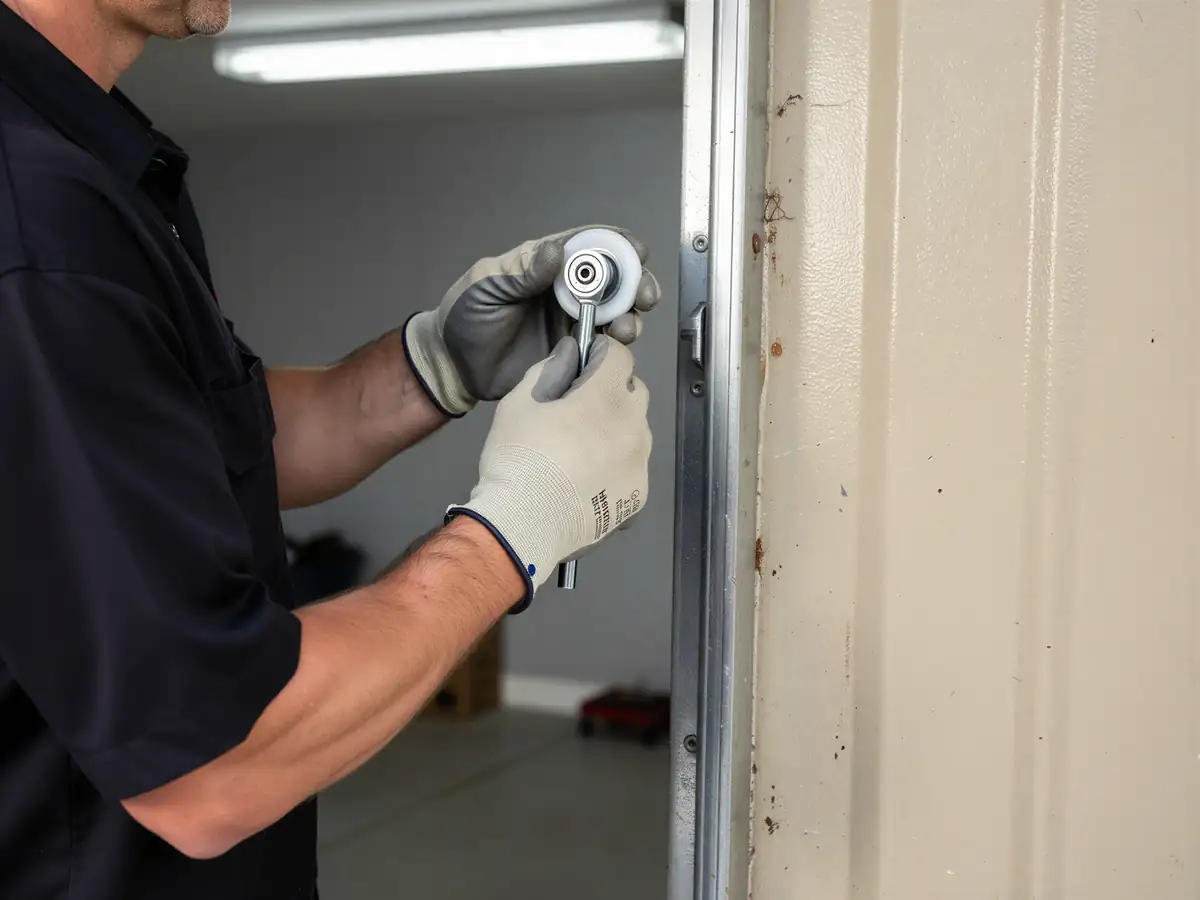
We don't post a flat price here because it depends on what's actually broken and how old the door is. A door built during the 1966-2007 run that's common around here usually means a torsion spring, not the cheaper extension-spring setup, and torsion work costs more in parts and in the time it takes to do safely. If your opener is original to a 1970s-era house, finding a matching drive gear or circuit board can take longer than the repair itself, since a lot of those parts are long out of production.
The median household income across our service area runs $61,953, which is part of why we try to give homeowners a real repair-vs-replace number before we touch anything. A 50-year-old door with a worn spring is often cheaper to fix than to haul away and replace, but a door with a cracked panel and a dead opener usually isn't. We'll tell you straight which situation you're in before we start the clock.
How Local Conditions Play In
The areas that make up most of this market share a housing pattern
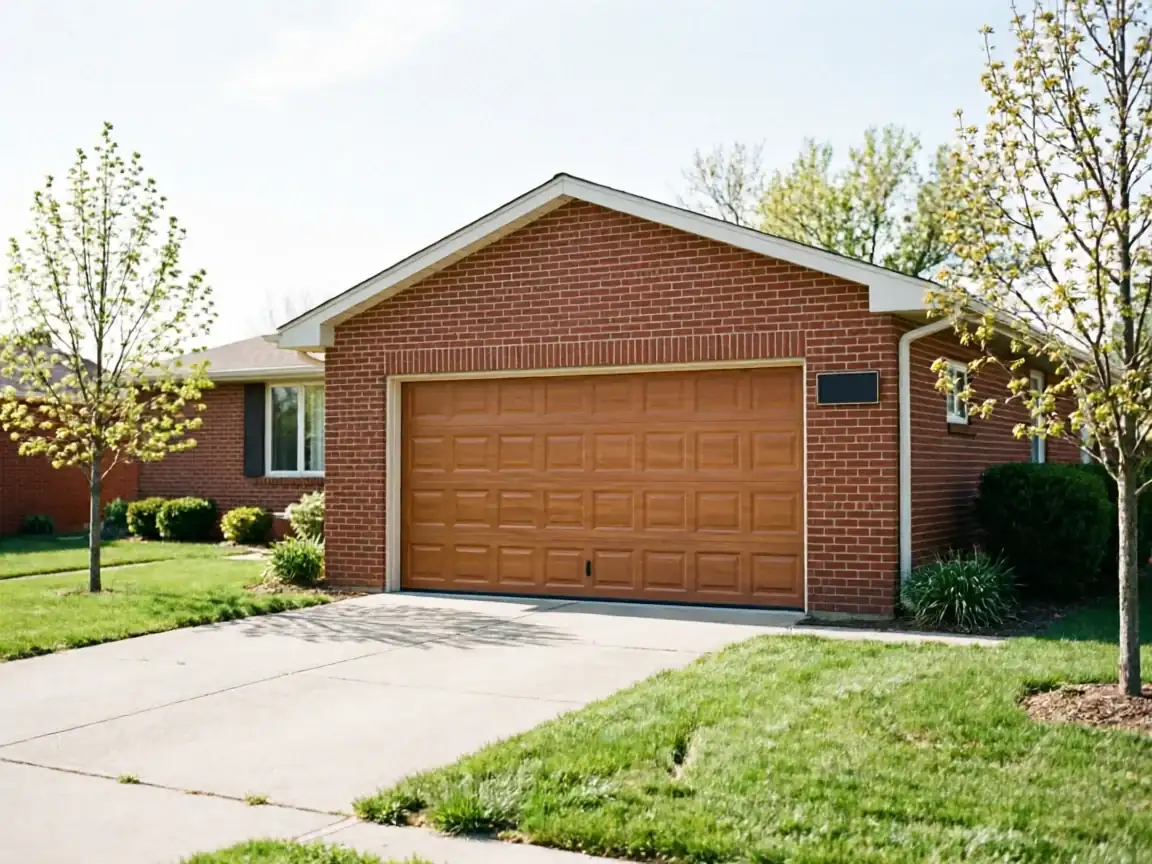
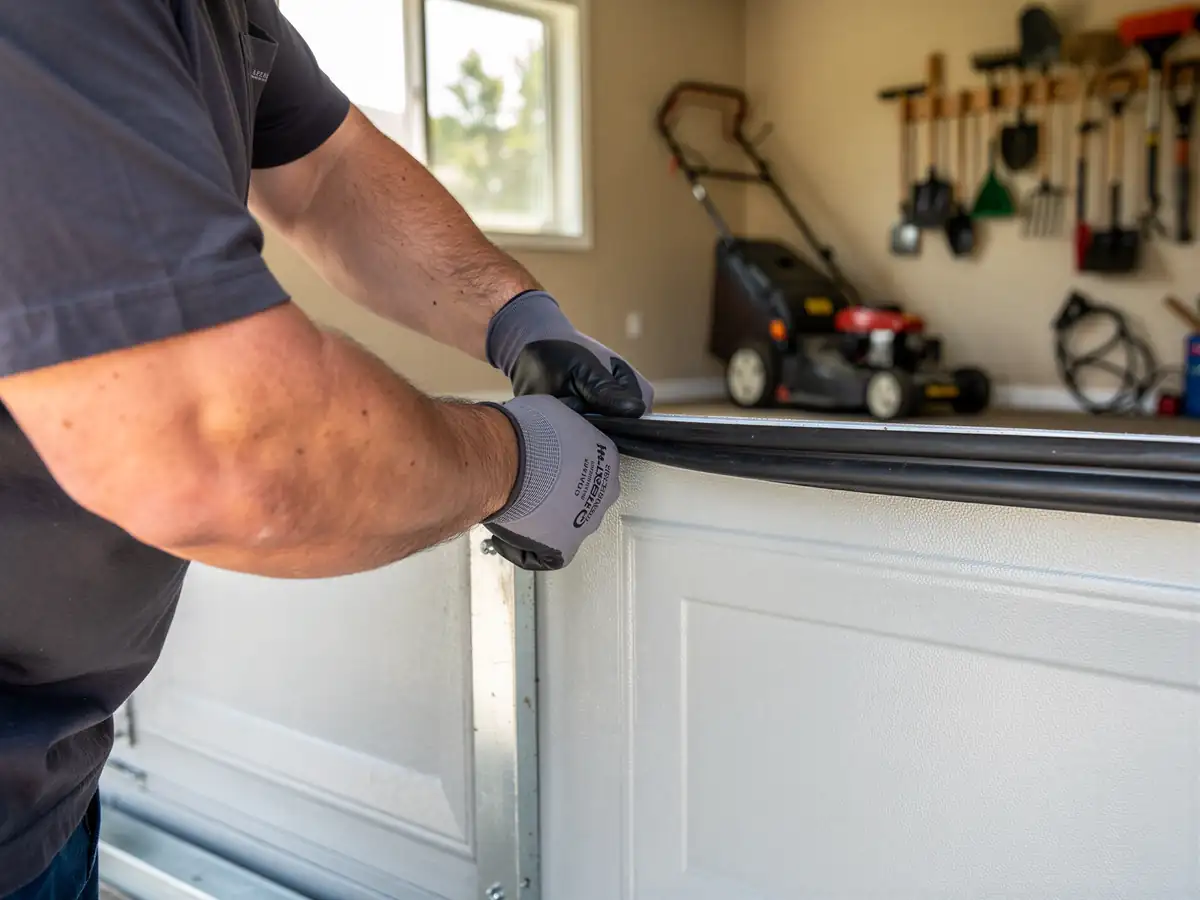
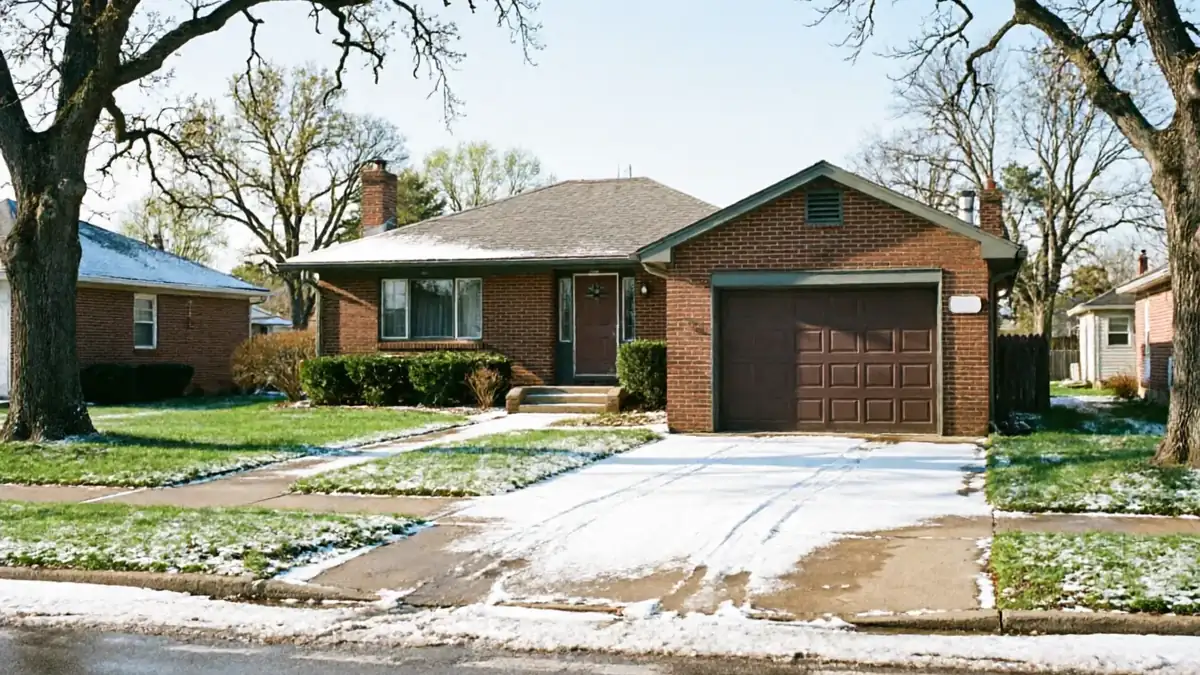
Built mostly in the 1960s and 70s, with some newer construction mixed in running up through 2007. That matters because garage doors and openers from that era weren't built to today's insulation standards or weatherstripping, and in a cold-moderate climate band like this one, the gap shows up every winter as stiff springs, frozen tracks, and seals that have hardened and cracked.
None of that is dramatic on its own
But put a decades-old torsion spring through repeated winter temperature swings and metal fatigue, and the failure point moves earlier than it would on a newer door in a milder climate. That's the actual mechanism, not a guess - cold steel is less elastic, so the spring already near the end of its cycle count is the one that snaps on the coldest morning of the year, not some random day in July.
The Problem
Put the housing age and the climate together and you get a specific, recurring issue: aging torsion hardware meeting cold-weather stress. Across the 4,928 owner-occupied houses in a service area of 13,919 households, a large share of garages are carrying doors and springs installed well before today's lift and cycle standards, on houses whose median build year sits around 1974. That's not unusual for this stretch of Kansas - it's the norm.
The honest limitation here: we can't rebuild a door's hardware to modern spec overnight, and if parts for a specific 1970s opener model aren't stocked anywhere, we're waiting on a special order like everyone else. Replacement is sometimes the faster and more sensible call than chasing down a part for a door that's outlived its reasonable service life. We'd rather tell you that up front than have you pay twice for the same fix.