When to Call Someone
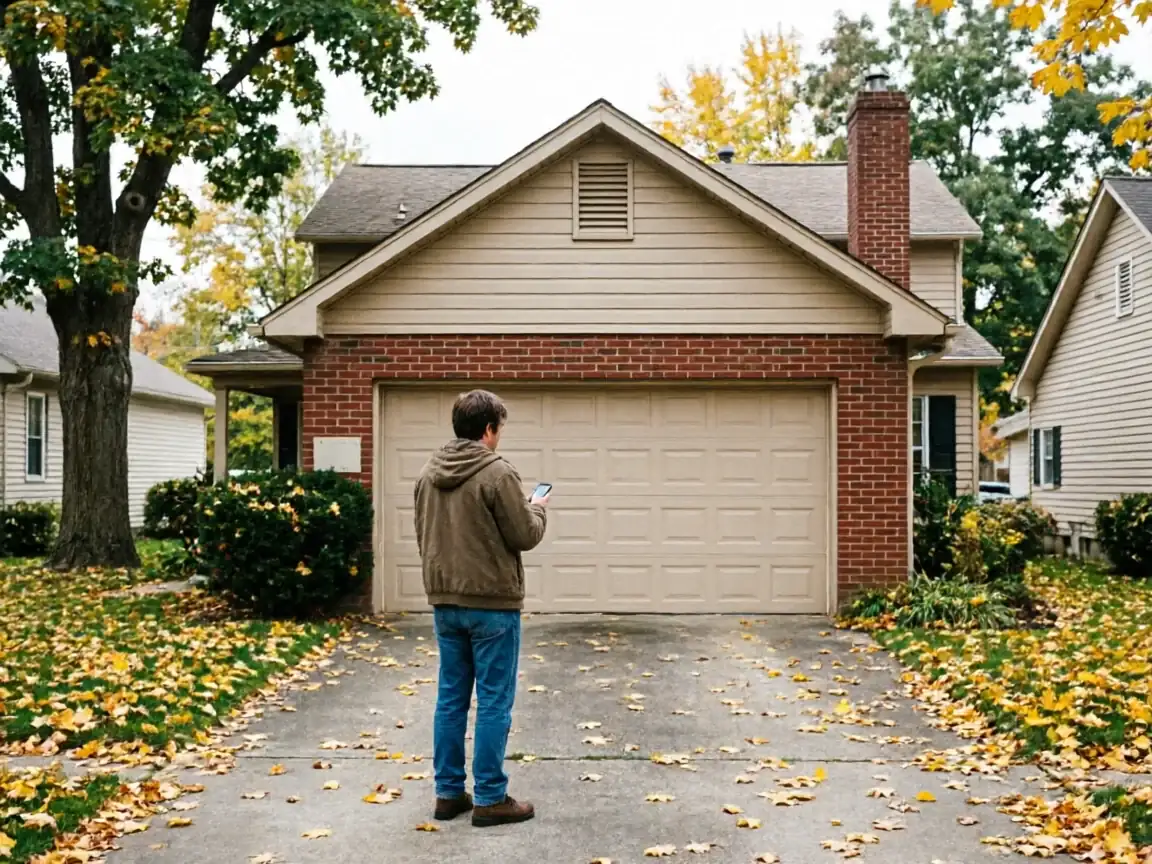
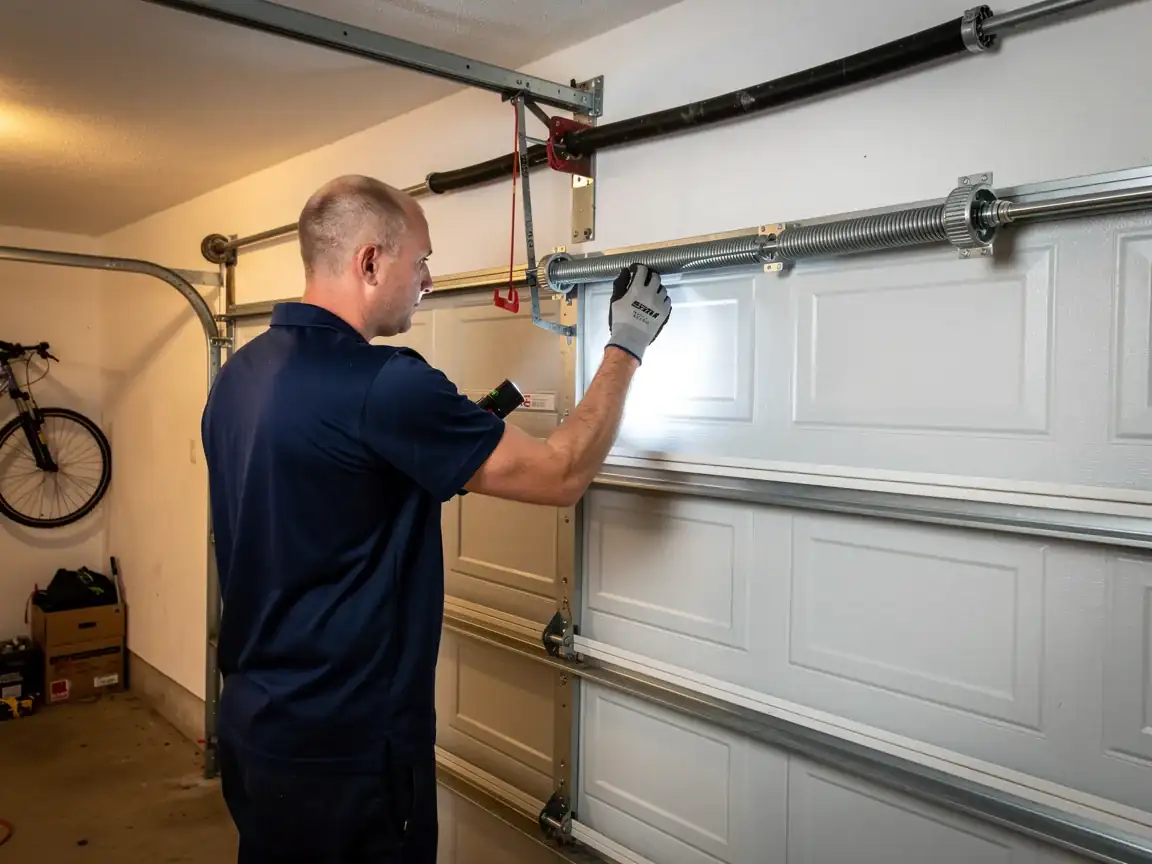
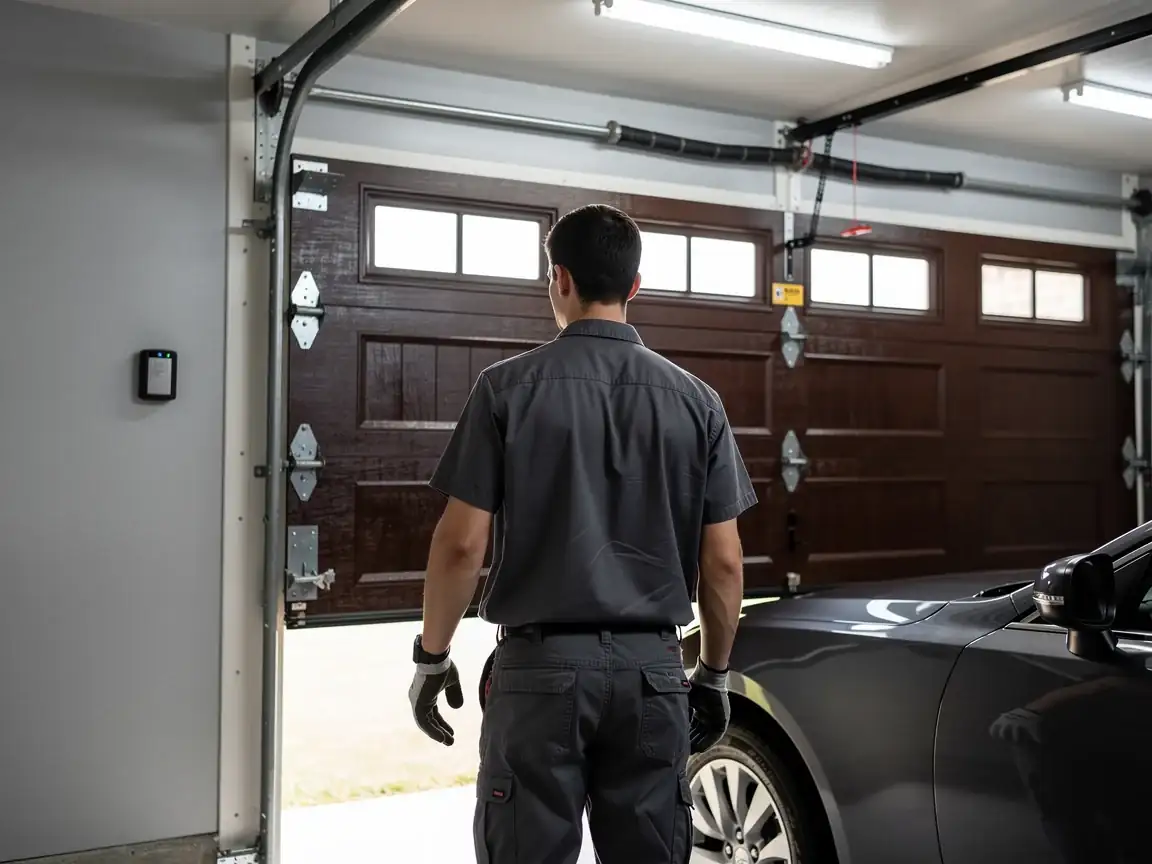
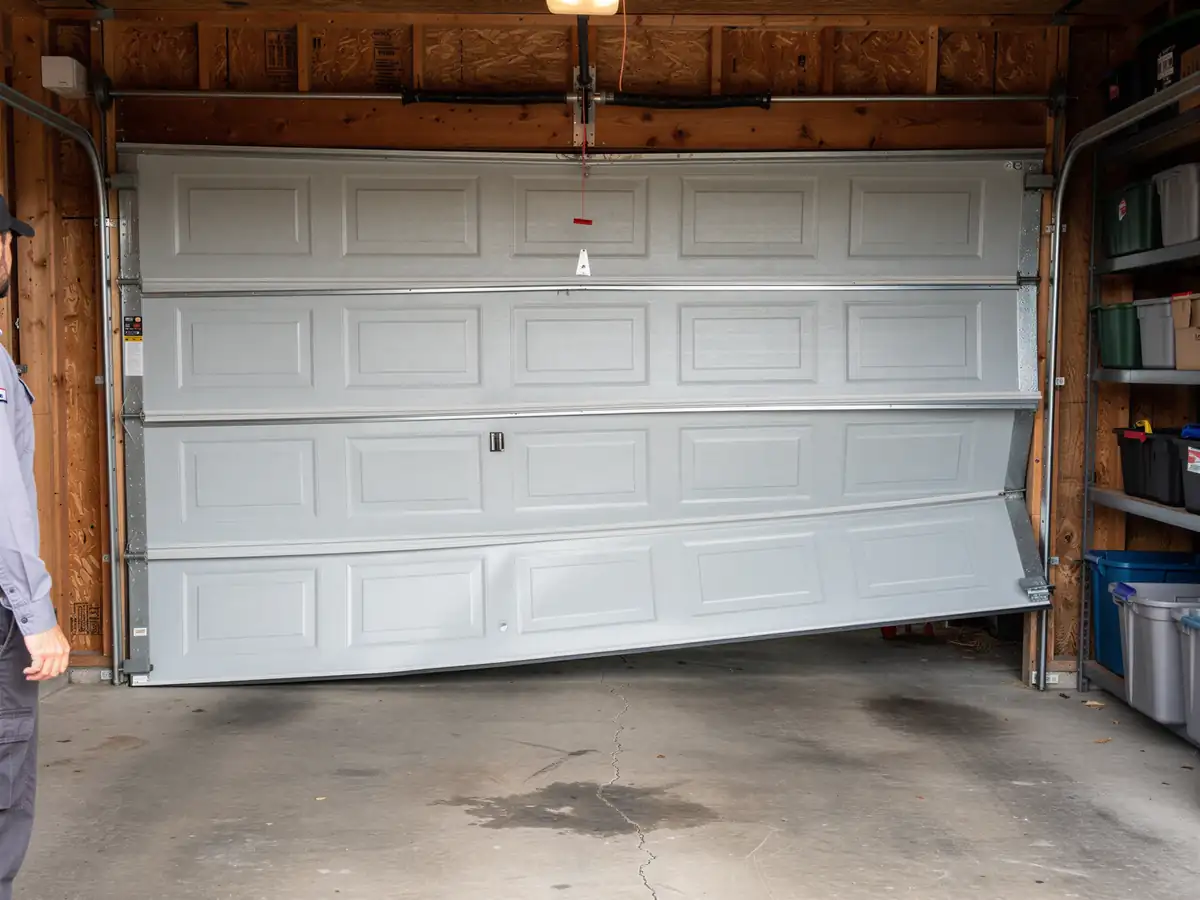
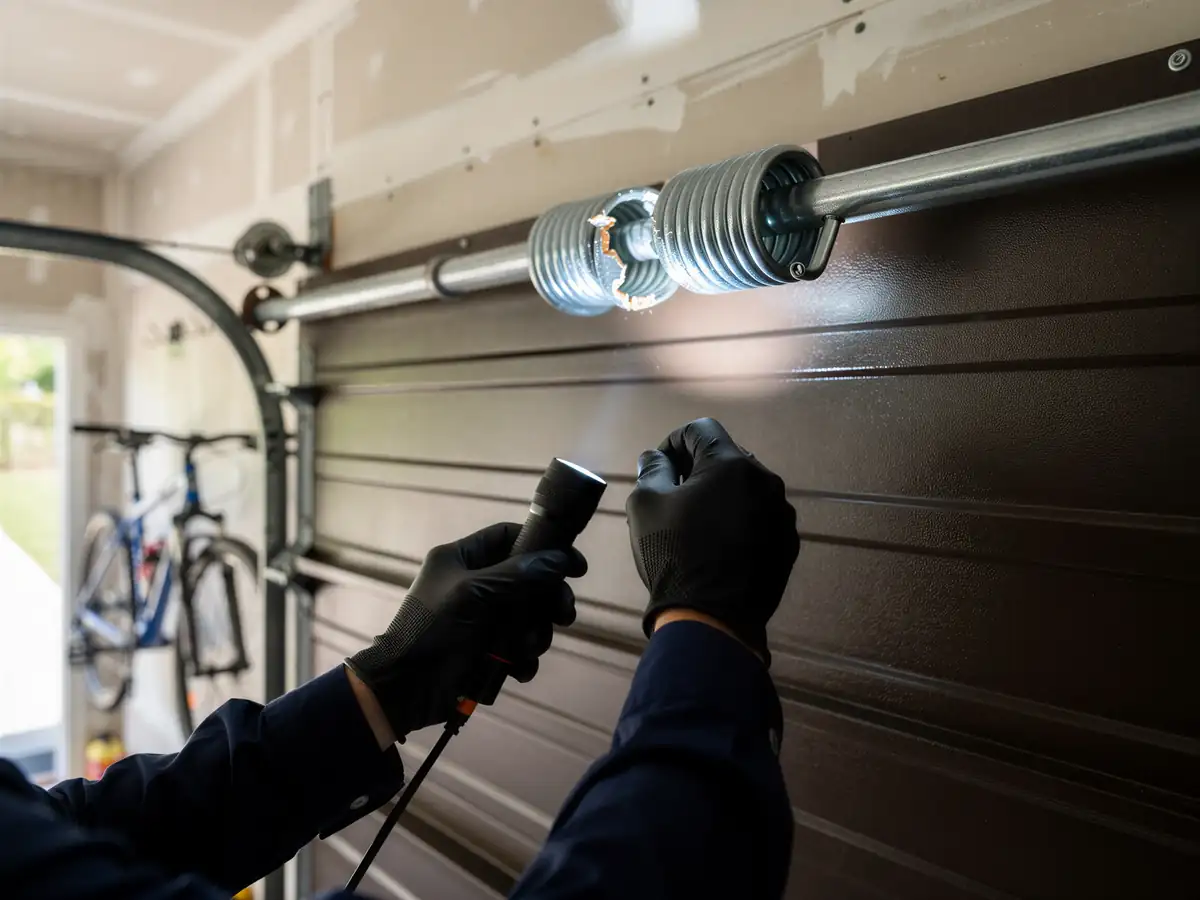
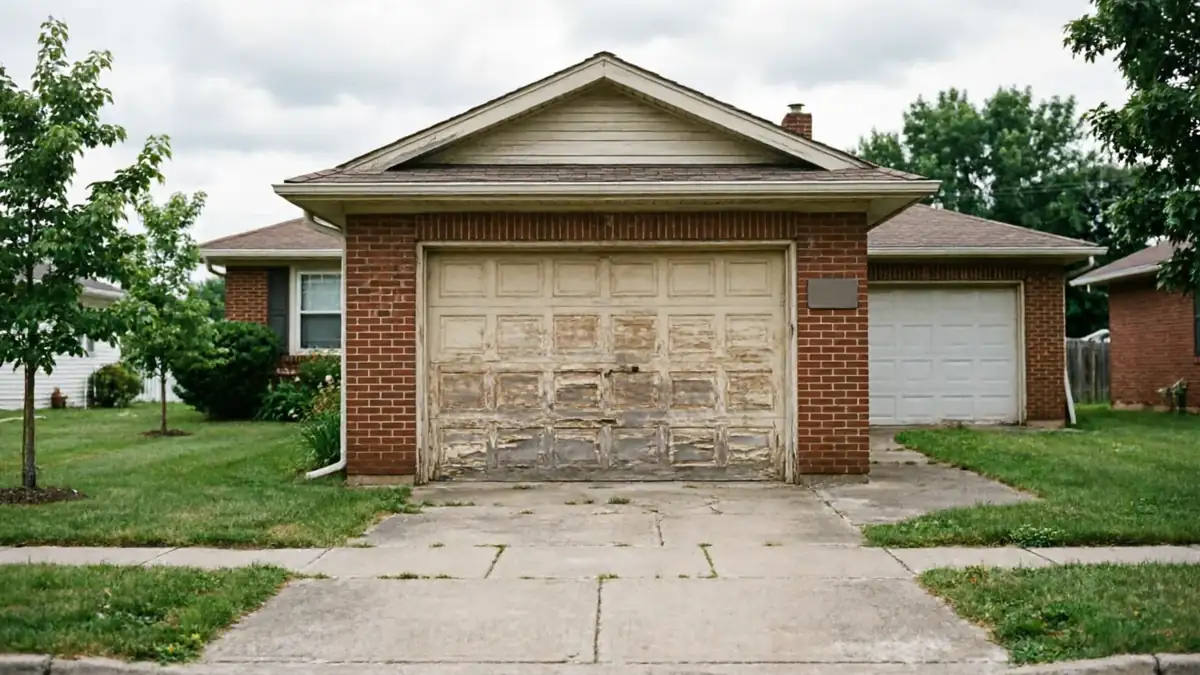
A good chunk of the houses across this service area were built between 1966 and 2007, with the median landing around 1974. That matters because a door that age has usually been through at least one spring replacement already, sometimes two, and the hardware underneath might not match what came with the house. If your door is slamming the last foot of travel, if the opener grinds before it catches, or if one side of the track has pulled away from the jamb, those are call-now signs, not wait-and-see ones. A door that's merely noisy but still opens smooth on both sides can usually wait for a scheduled visit. The real line is whether the door is still tracking evenly - if it's racking, binding, or dropping unevenly, that's a cable or spring problem that gets worse fast, not slower. Seven named areas make up the bulk of this market, and the age spread across them means we see a lot of original torsion setups still doing double duty on doors that have had two or three panel replacements over the decades. That mismatch between old hardware and newer panels is its own category of trouble, and it's worth a look before it becomes an emergency.
What You Pay
We're not going to list prices here because what a job costs depends on what's actually wrong, and on a house built in the 1966-2007 range that can mean original hardware, a mid-80s retrofit, or a newer door on an old frame. What we can tell you is how the housing stock shapes the conversation: with median household income in this service area at $61,953 and roughly 4,928 owner-occupied houses spread across it, most of what we quote falls into repair-and-keep-going territory rather than full replacement, because the bones of these doors are usually sound even when a part has failed. Replacement makes more financial sense when the door itself has delaminated panels, a bent track that's been straightened more than once, or an opener system old enough that parts are getting hard to source. Repair makes sense everywhere else. We'll tell you flat out which category your door falls into before we start work, not after.
The Problem
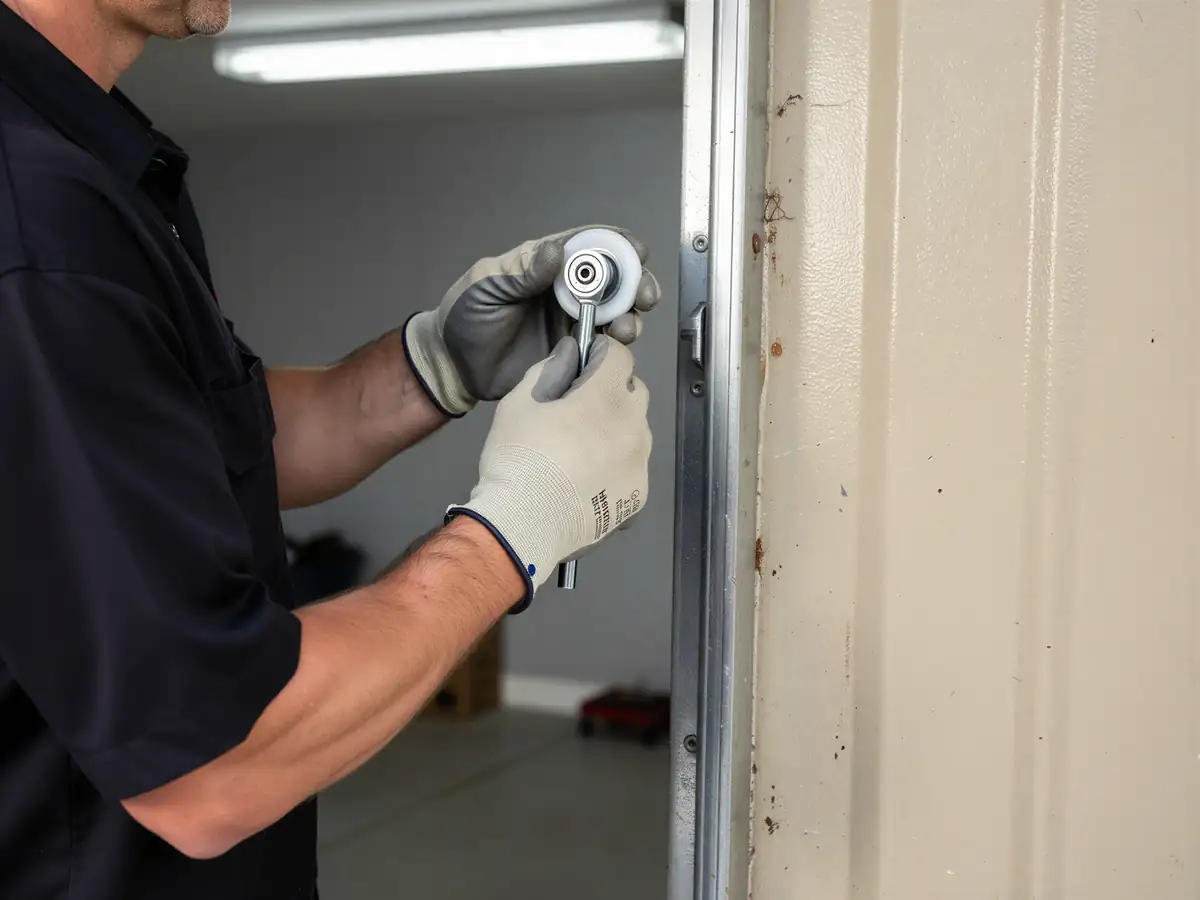
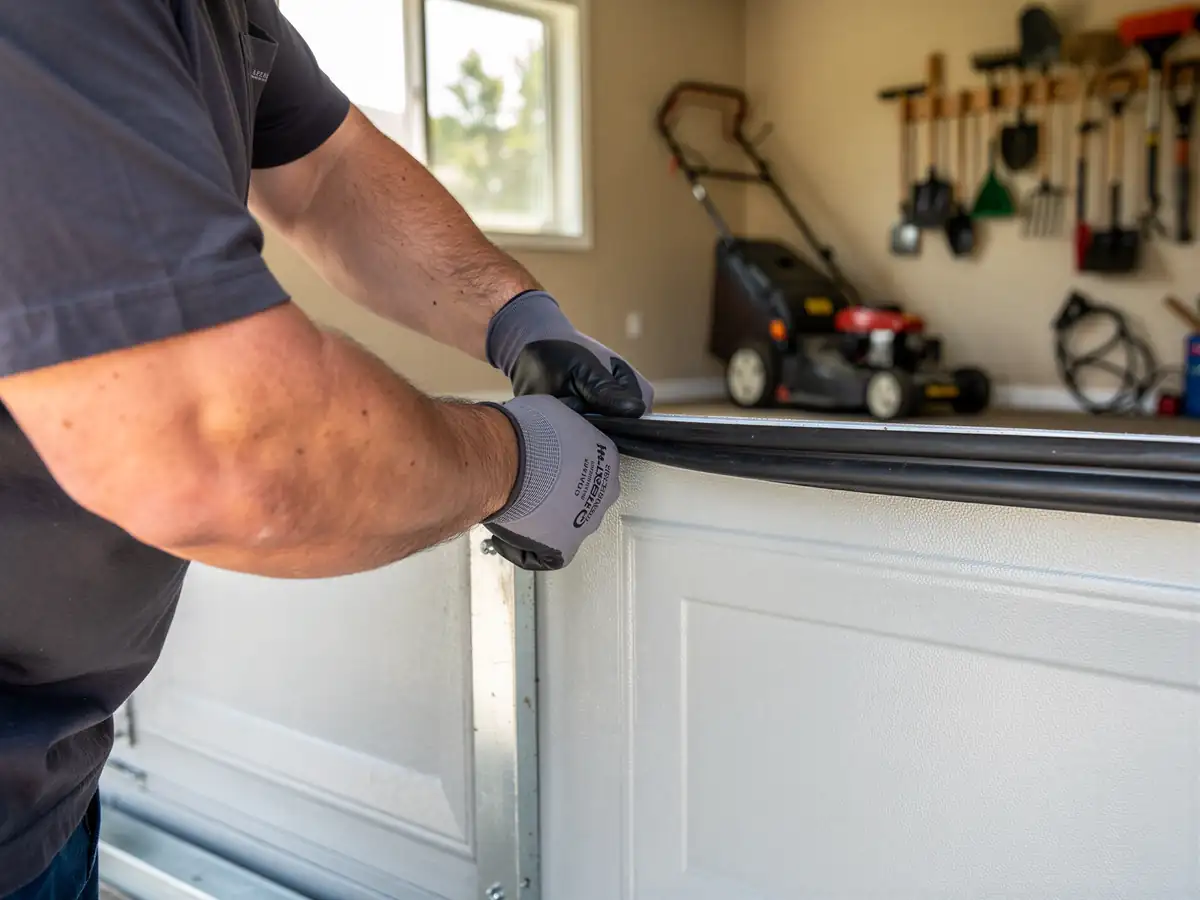
The honest problem with a lot of doors in this service area isn't that they're broken - it's that they're old enough to have outlived the parts that were sold with them. A door original to a 1974-built house has likely had its spring replaced more than once, possibly its opener too, and each replacement was done with whatever hardware was current at the time. That leaves a lot of doors running on a patchwork of parts from three or four different decades, and when one piece fails, matching it to the rest of the system takes more diagnosis than a newer, uniform door would. Across the seven named areas that make up most of this market, that's less an exception than the norm. We won't pretend every old door is worth saving - once a track is warped beyond adjustment or an opener's control board is no longer supported, replacement is the better call. But plenty of doors from this era just need the right part matched correctly, and that's usually the cheaper and faster fix.