When to Call Someone
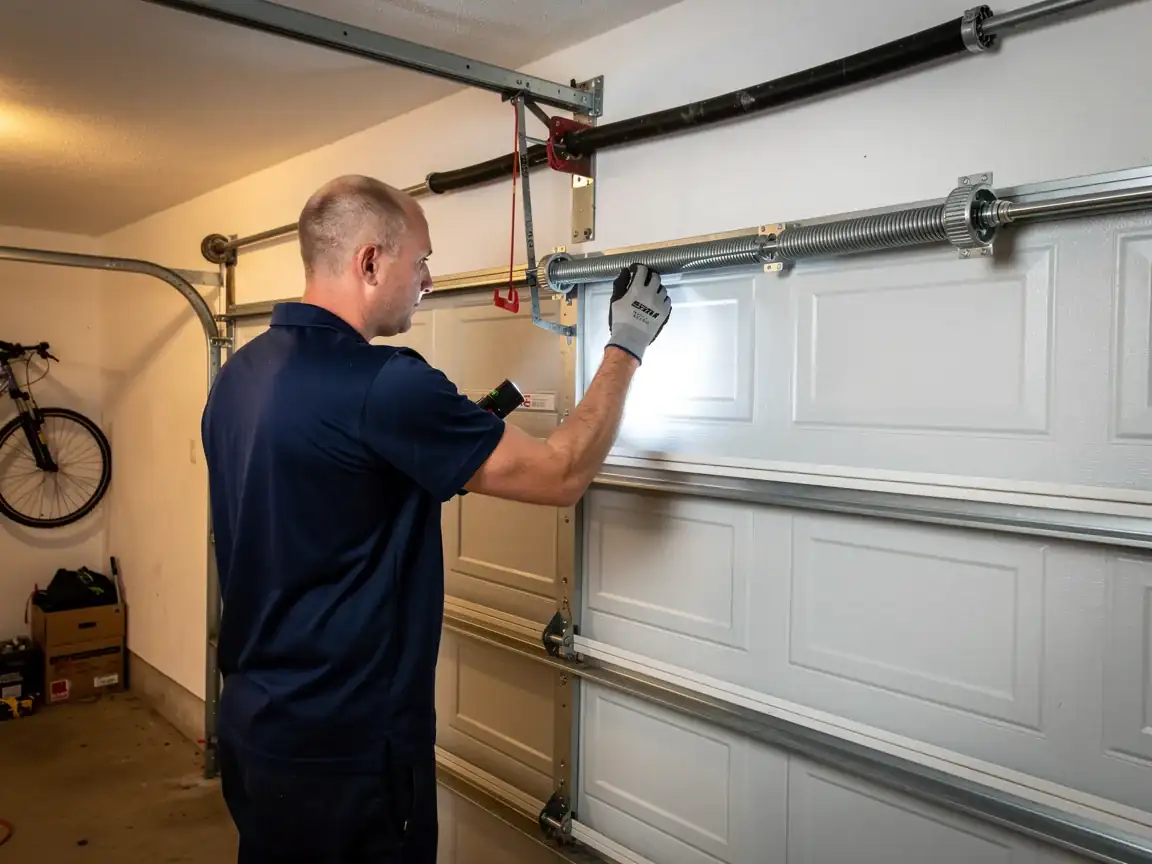
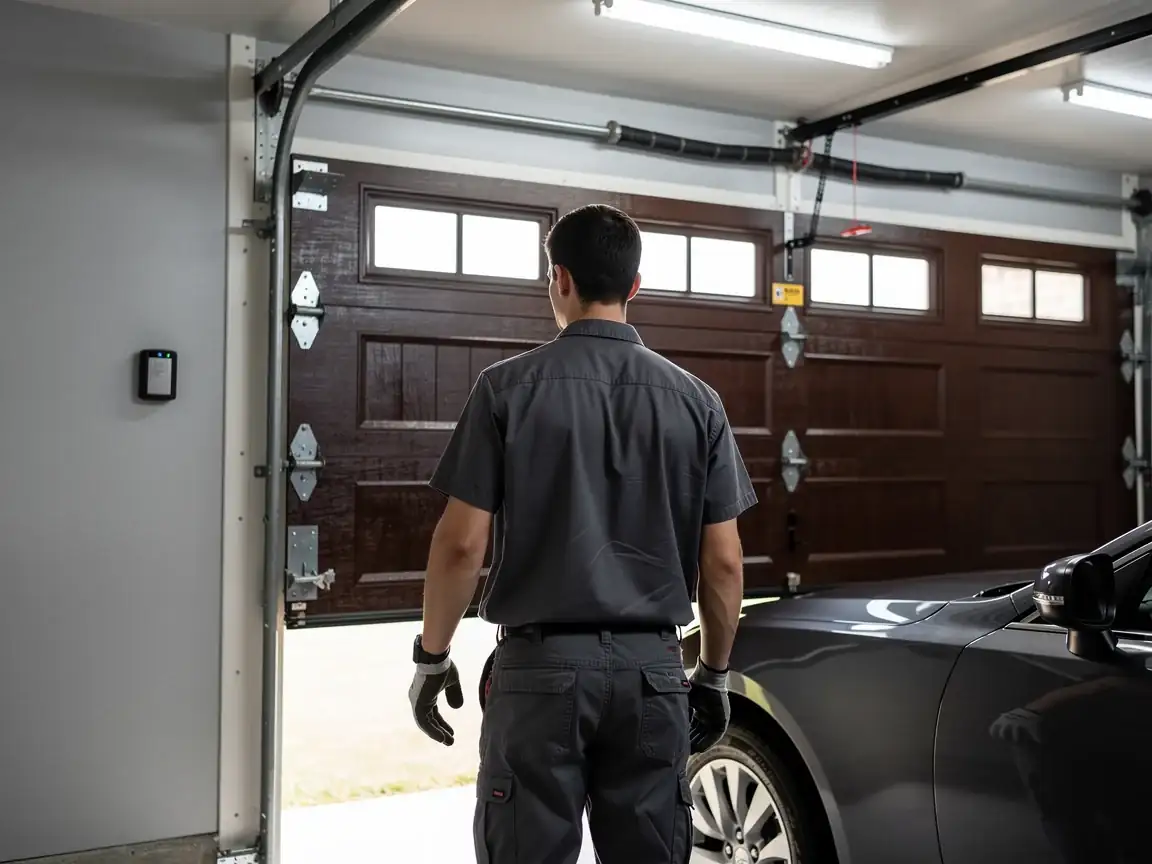
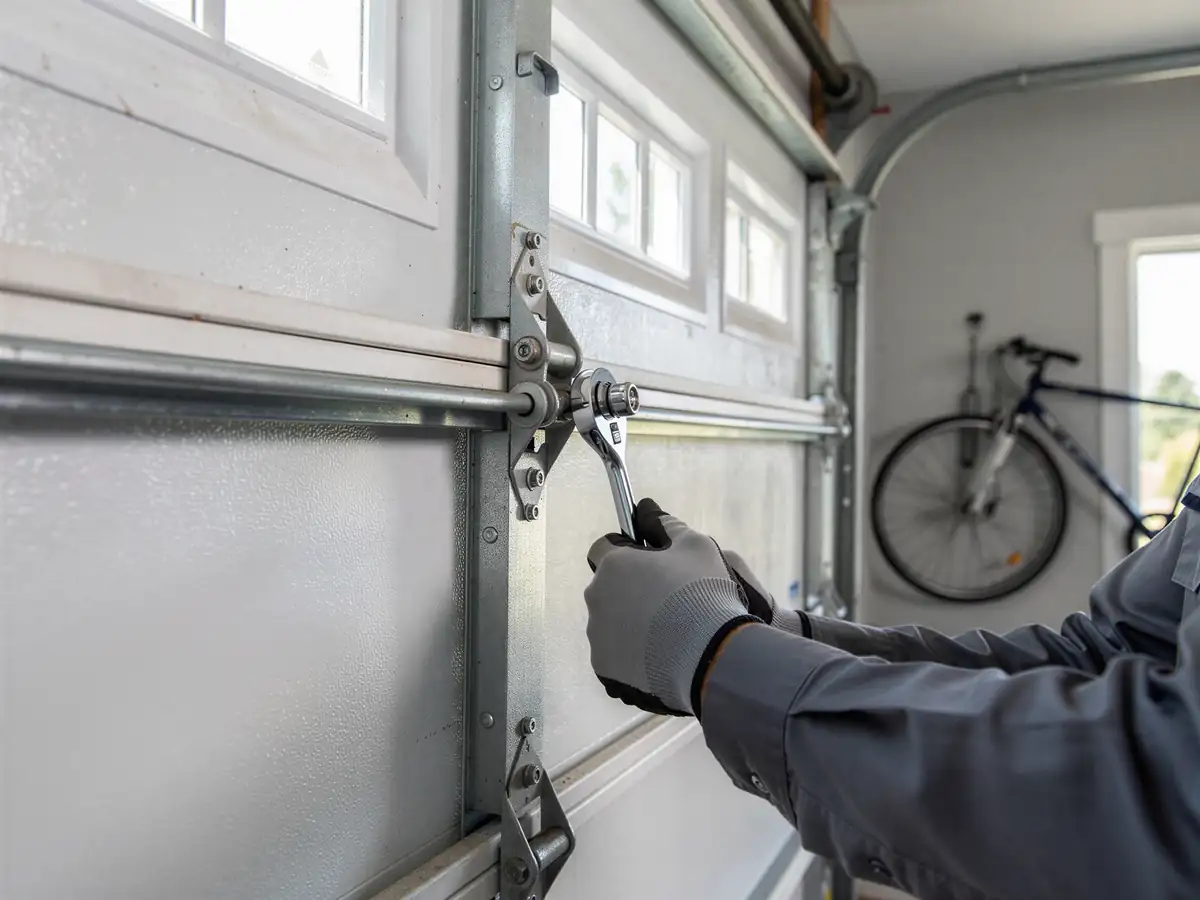
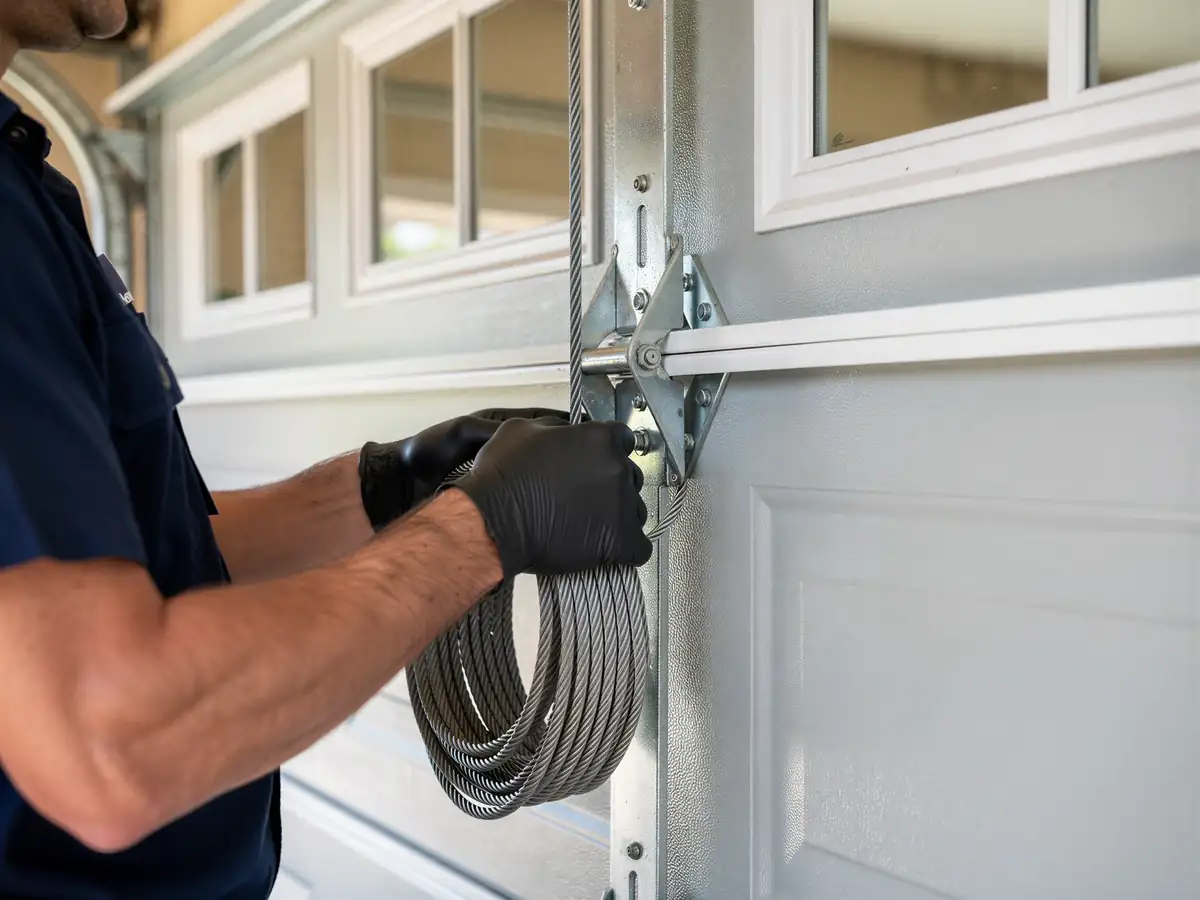
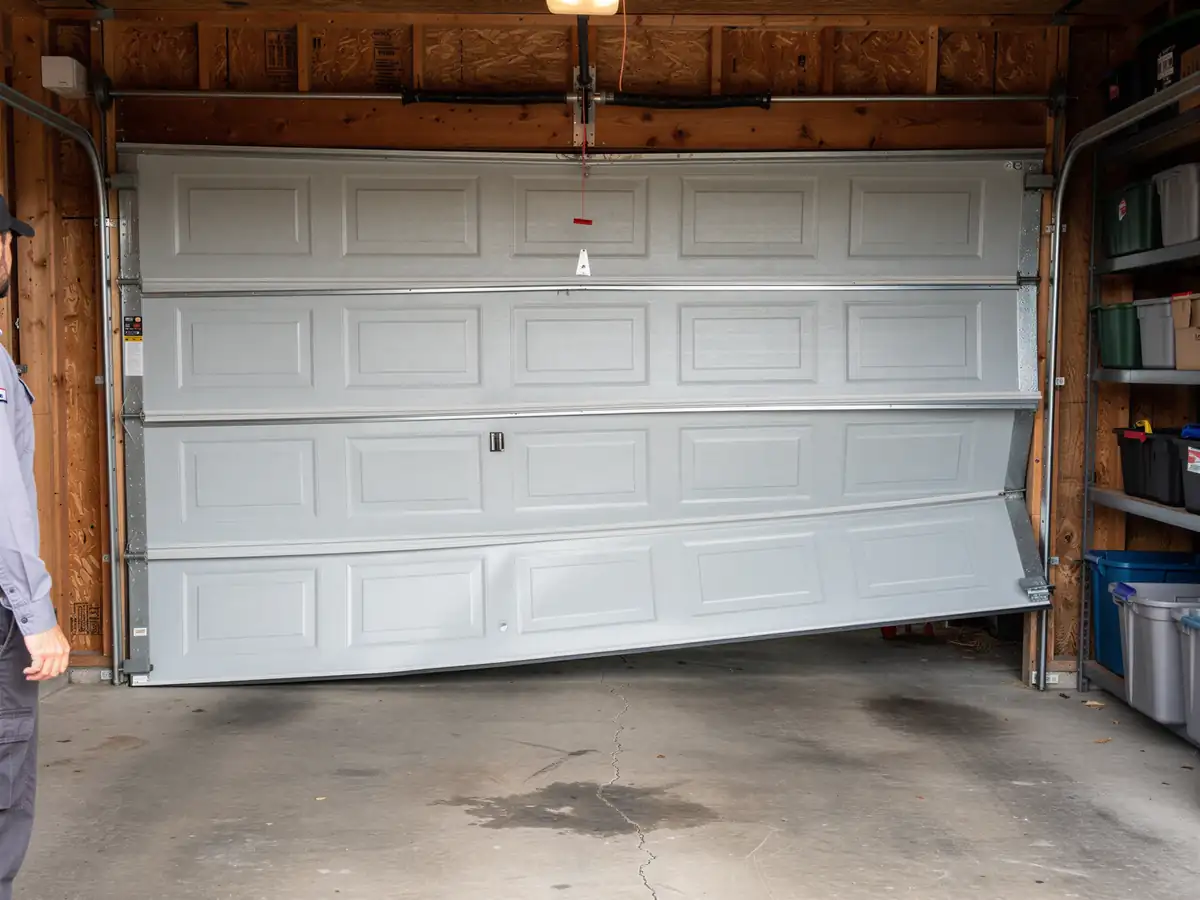
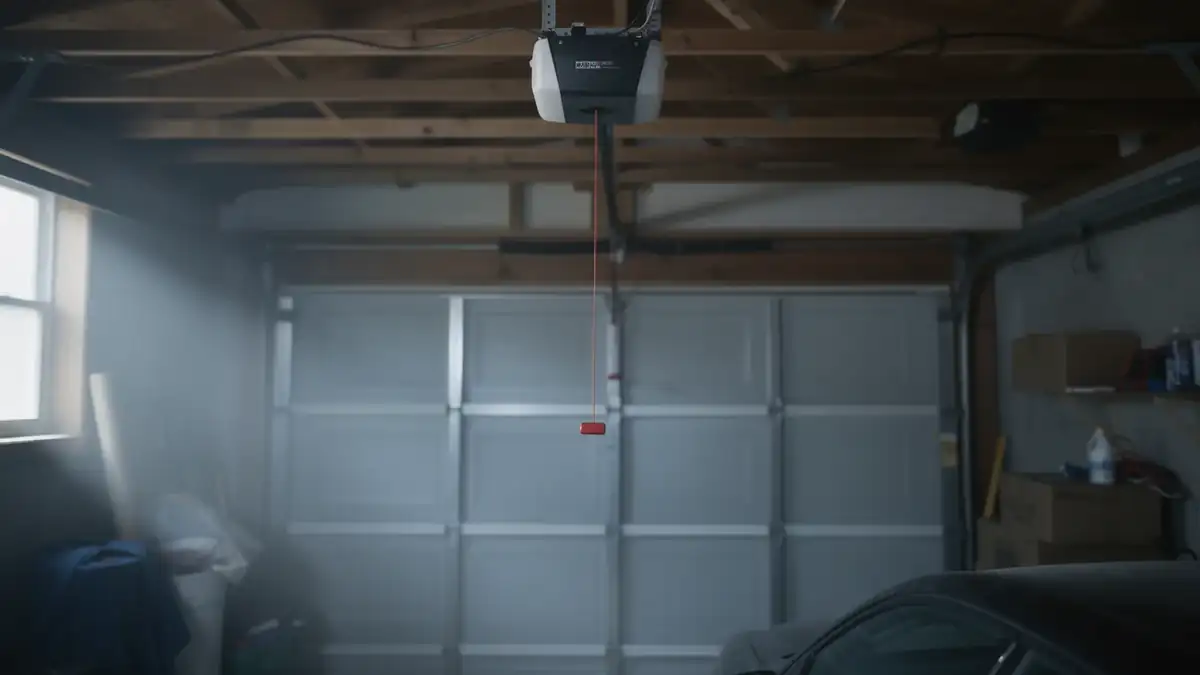
If your opener grinds, reverses halfway, or just hums without lifting the door, that's usually the motor or the gear, not something to keep forcing. Across the seven named areas that make up the Manhattan service area, most houses went up between 1966 and 2007, with the median landing around 1974. A door that age is often still running its second or third opener, and openers from the 1990s and early 2000s are hitting the point where circuit boards fail outright rather than wear gradually. If the door won't move at all during a power cut and the manual release cord does nothing either, stop pulling on it - you can bend the trolley arm or strip the release mechanism. Call before you've made it worse, not after. One thing we don't do: chase an intermittent opener fault for hours on a service call hoping to catch it in the act. If it's not failing when we're there, we tell you what to track and come back once it's reproducible, rather than billing you to watch a door open and close ten times.
What You Pay
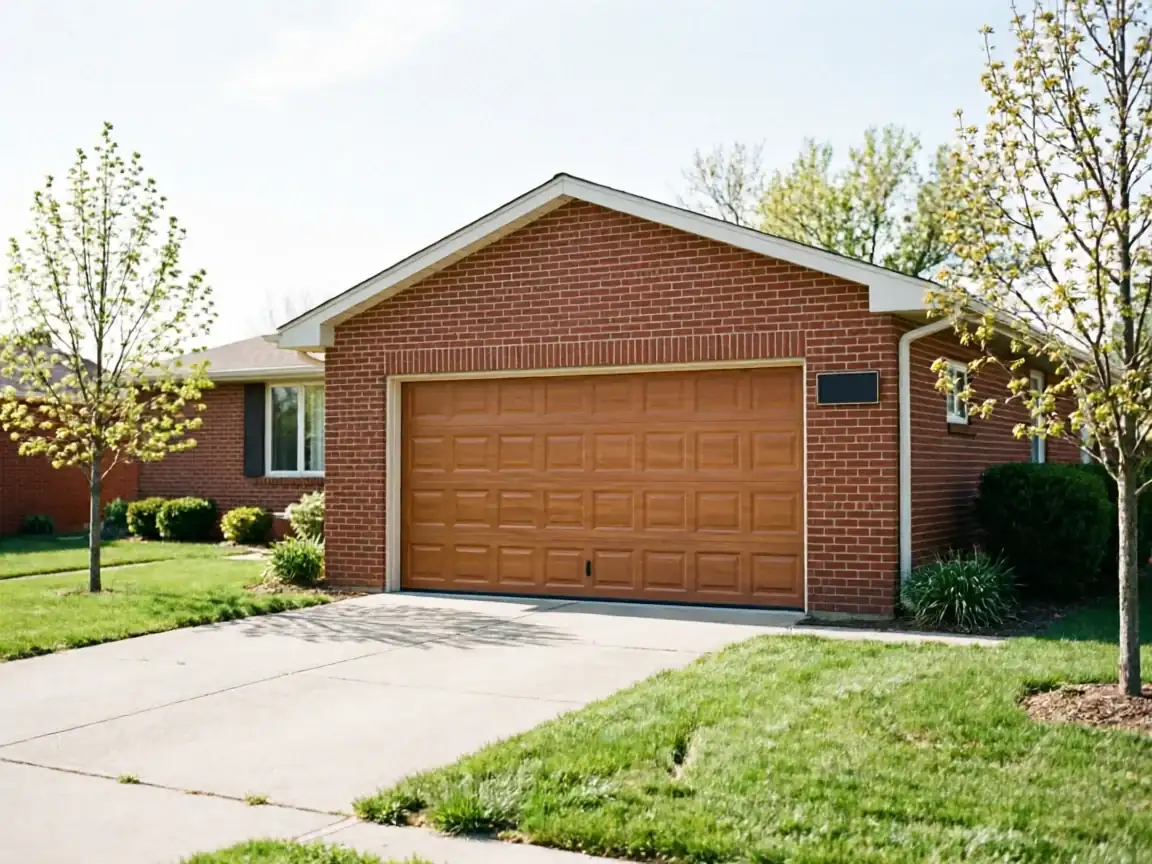
We don't have a posted price list to point you to here, and job costs vary with what's actually wrong - a logic board swap is a different job than a full opener replacement with a new rail. What we can tell you is what drives the number up in houses like the ones common around Manhattan: original 1970s-era hardware that predates the safety-reversal sensors required on newer units means a repair sometimes turns into a code-driven upgrade, not a straight swap. With a median household income of $61,953 across the area, most owners we talk to want the repair that lasts, not the cheapest patch - that usually means asking about a battery backup unit rather than a full smart-opener system, since the backup earns its keep faster here.
The Problem
Put the two things together - housing mostly built between 1966 and 2007 and a cold winter climate - and you get a predictable failure: an opener old enough to be near the end of its working life, asked to do more work than it was built for on the coldest days, with no backup plan if the power goes out at the same time. Across 13,919 households and 4,928 owner-occupied houses in the service area, that's not a rare combination. A power cut during a cold snap is exactly when people discover their manual release cord is painted shut or their opener has no battery backup at all. None of this is dramatic, it's just two ordinary facts about this area lining up in a way that catches people off guard once a winter.