What the Fix Involves
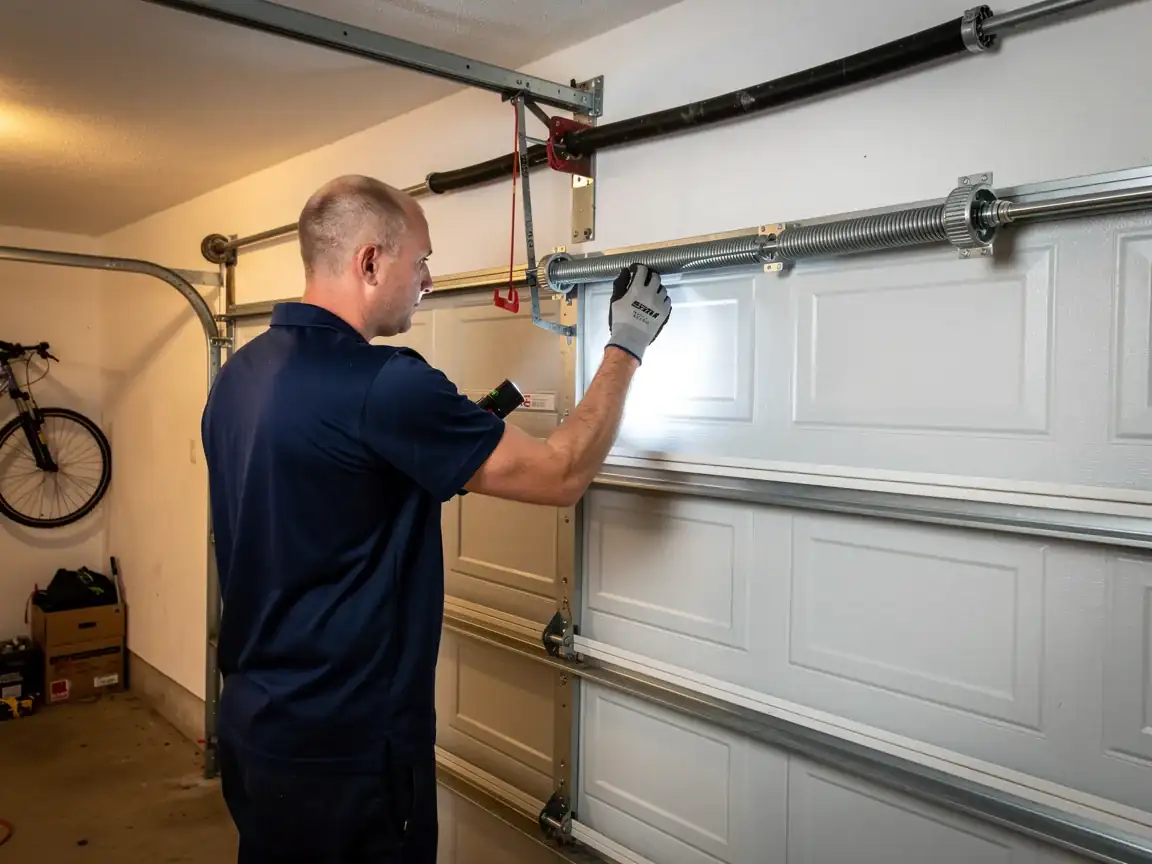
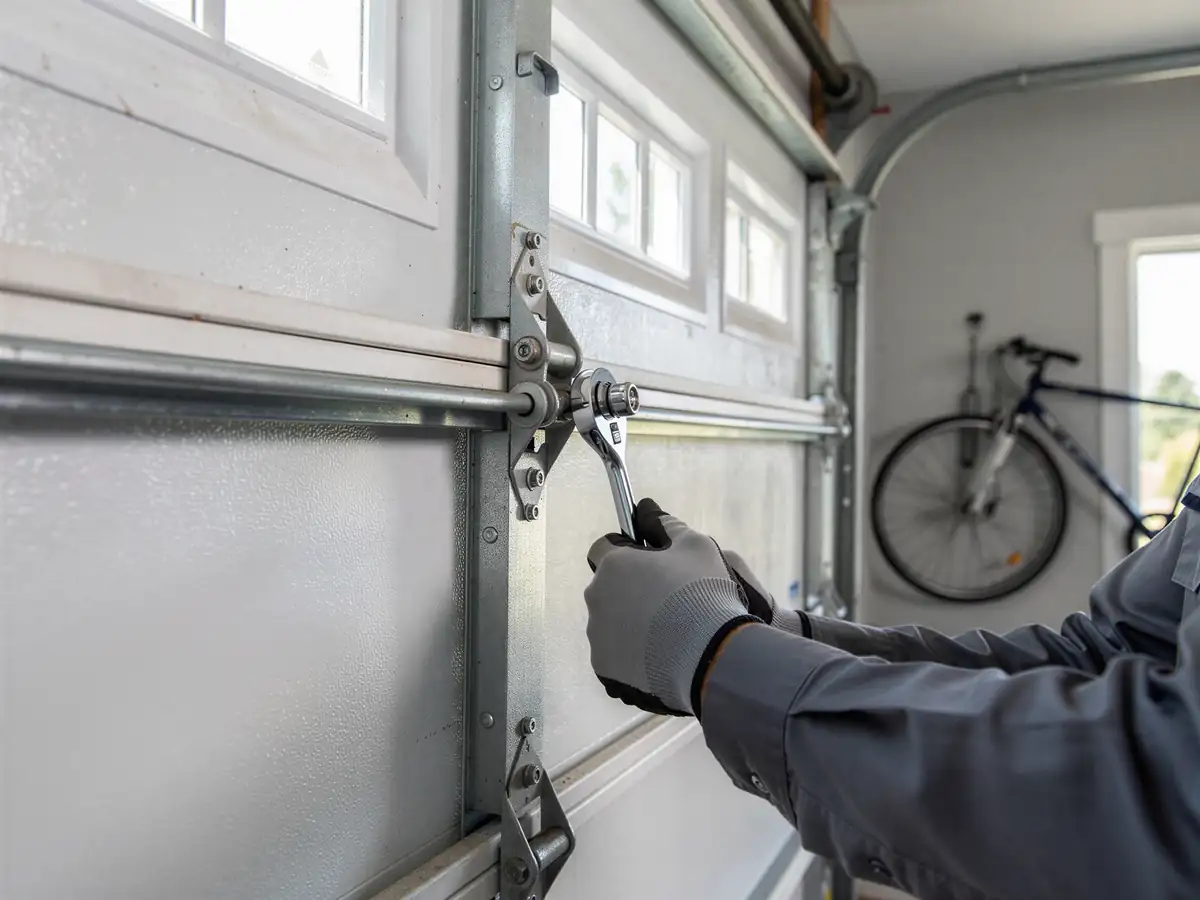
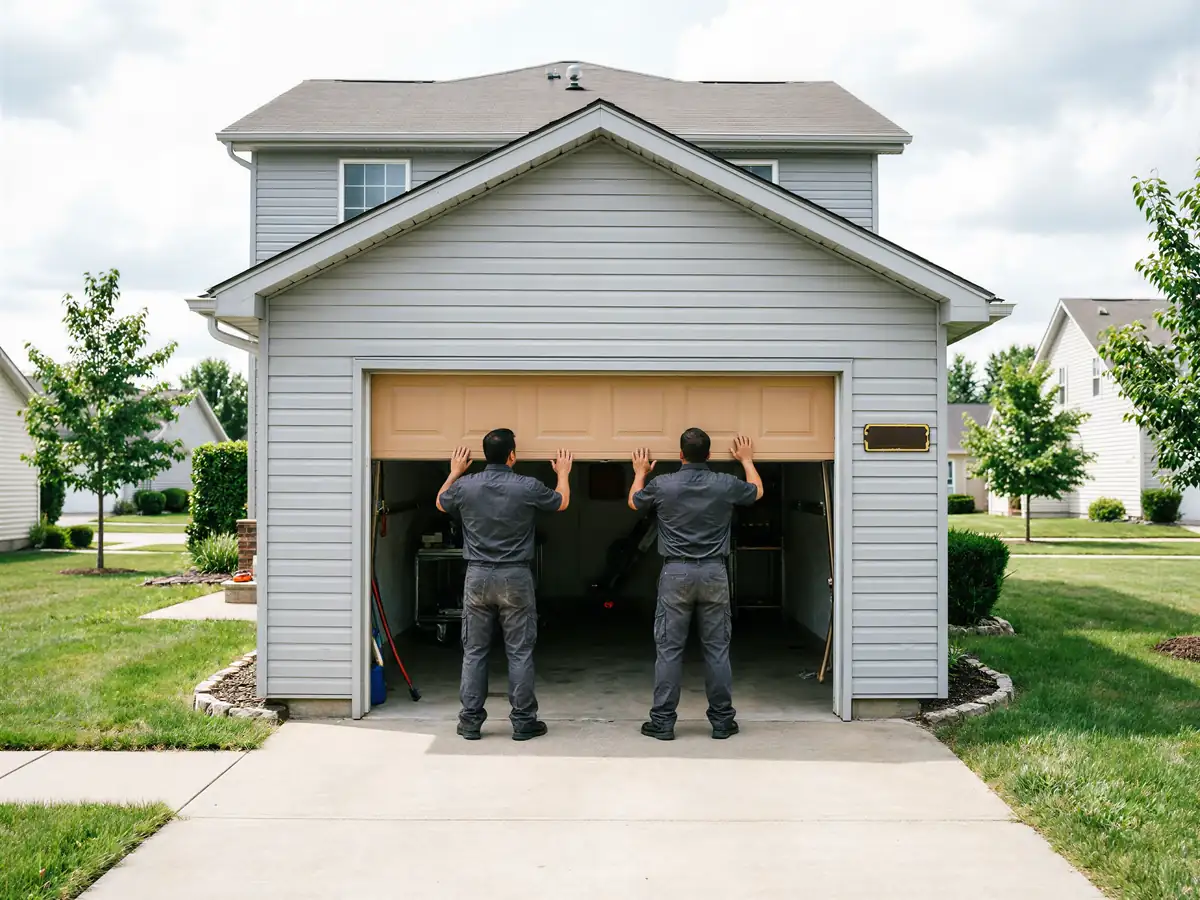
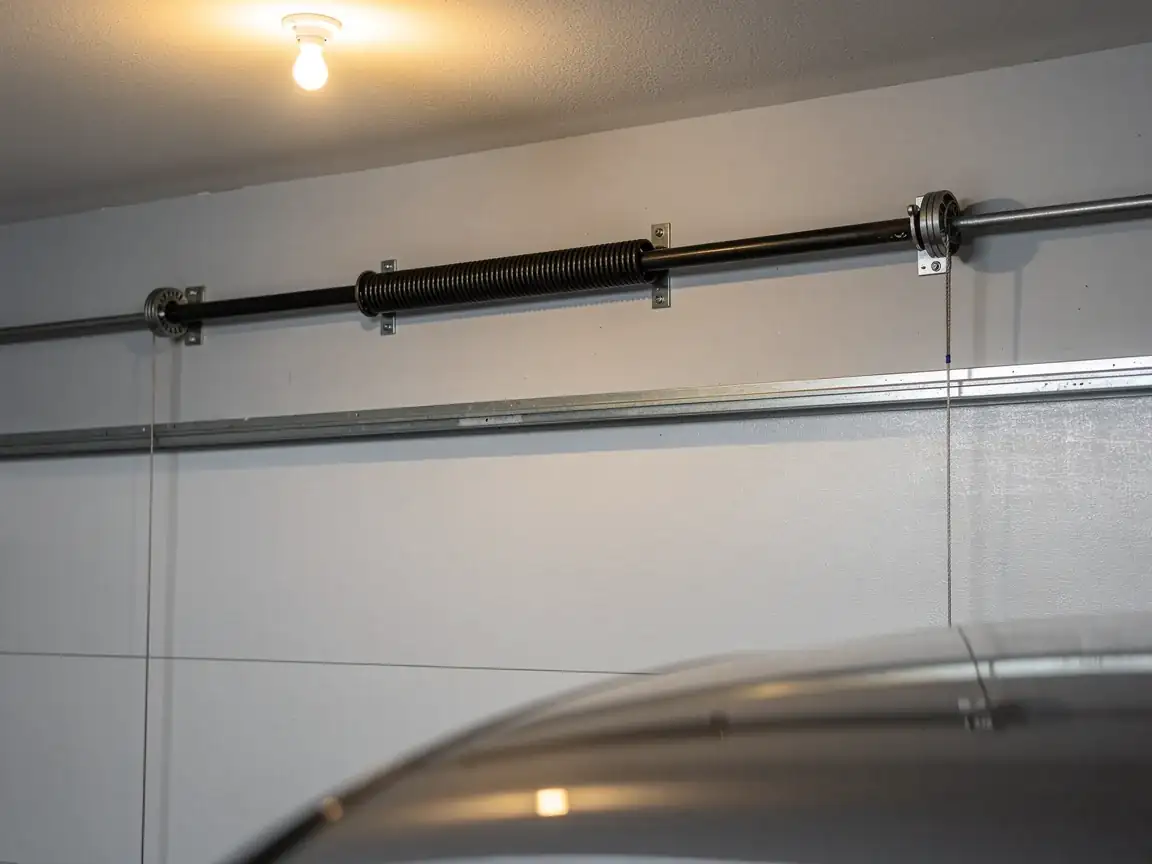
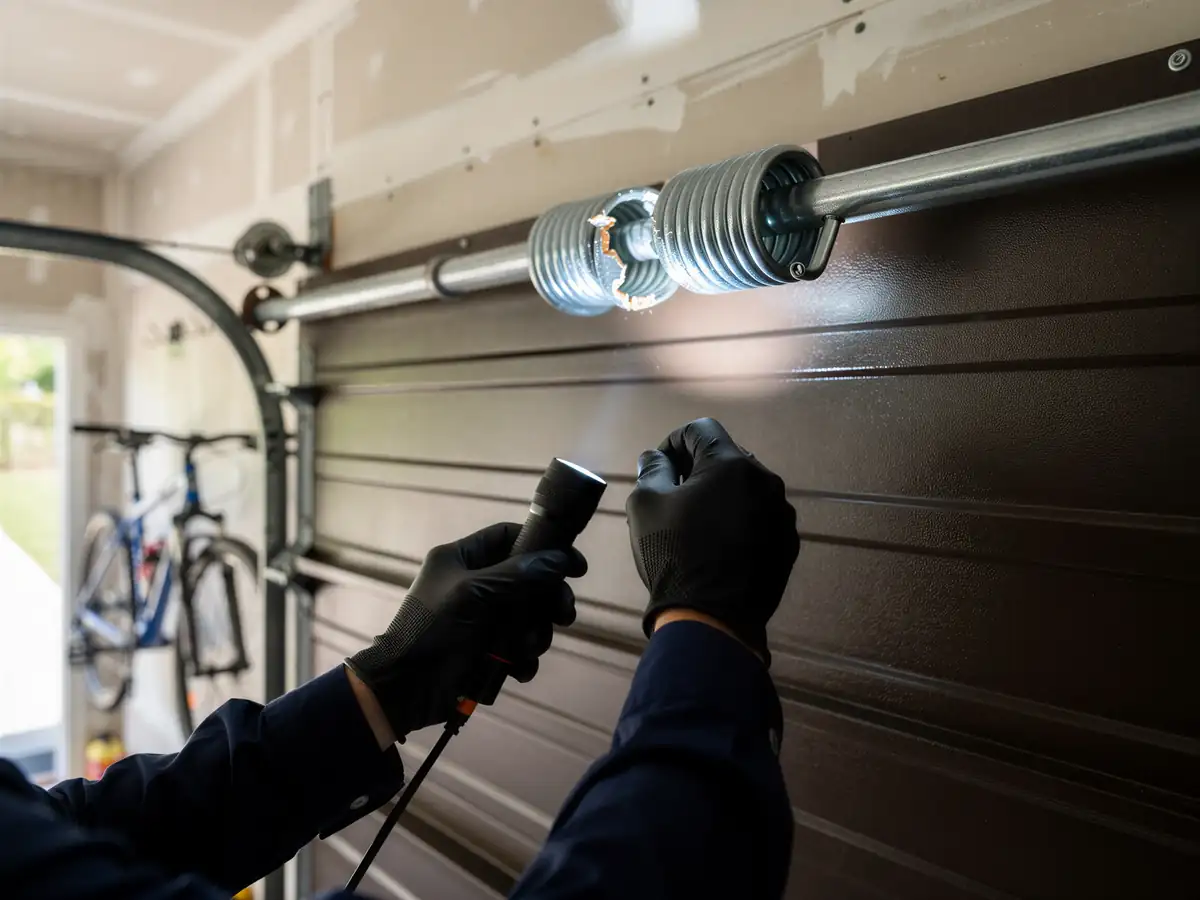
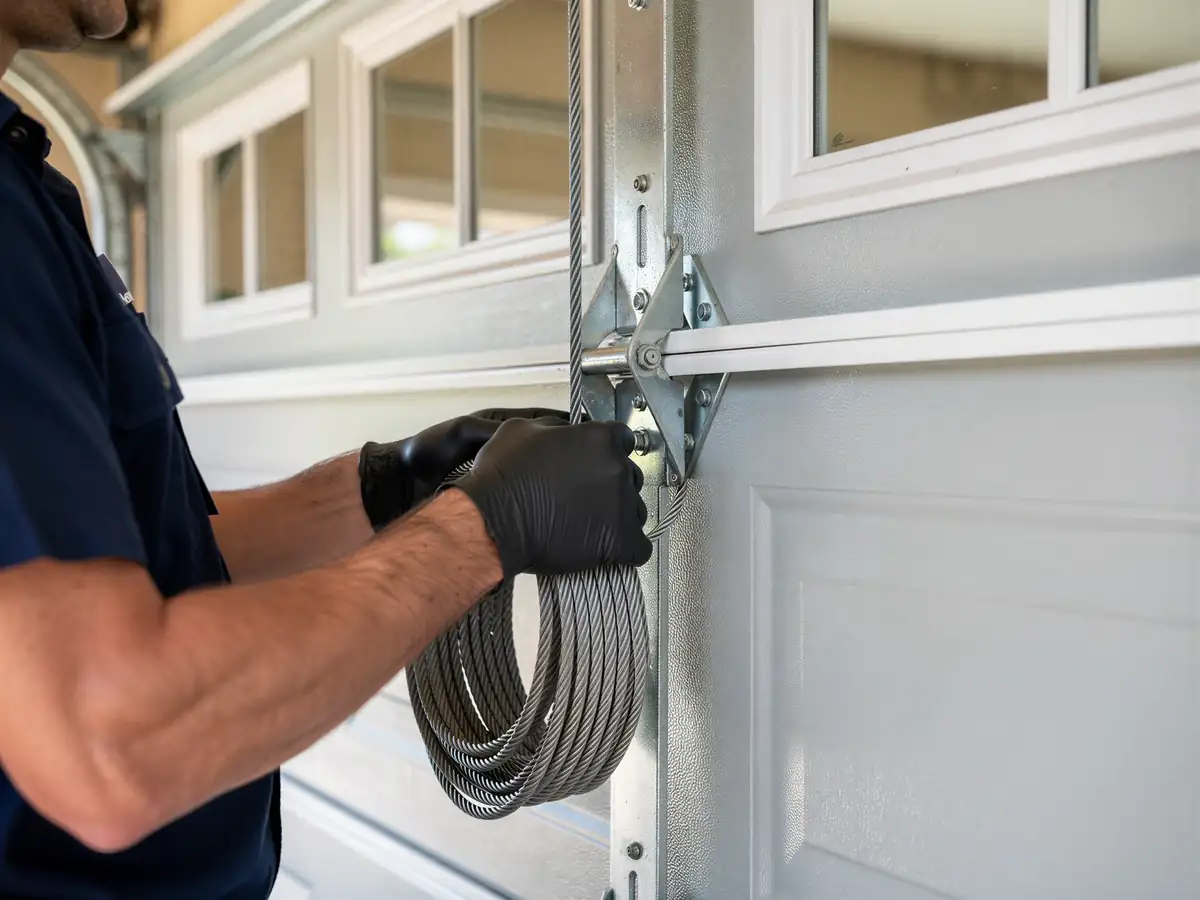
A cable repair starts with the door unloaded safely - the springs still hold tension even with a snapped cable, so step one is always locking that out before anyone touches the drum or track. From there the job is pulling the old cable off the drum, checking the drum itself for a chewed groove where the cable jumped its track, and inspecting the bottom bracket where most cables actually fail first.
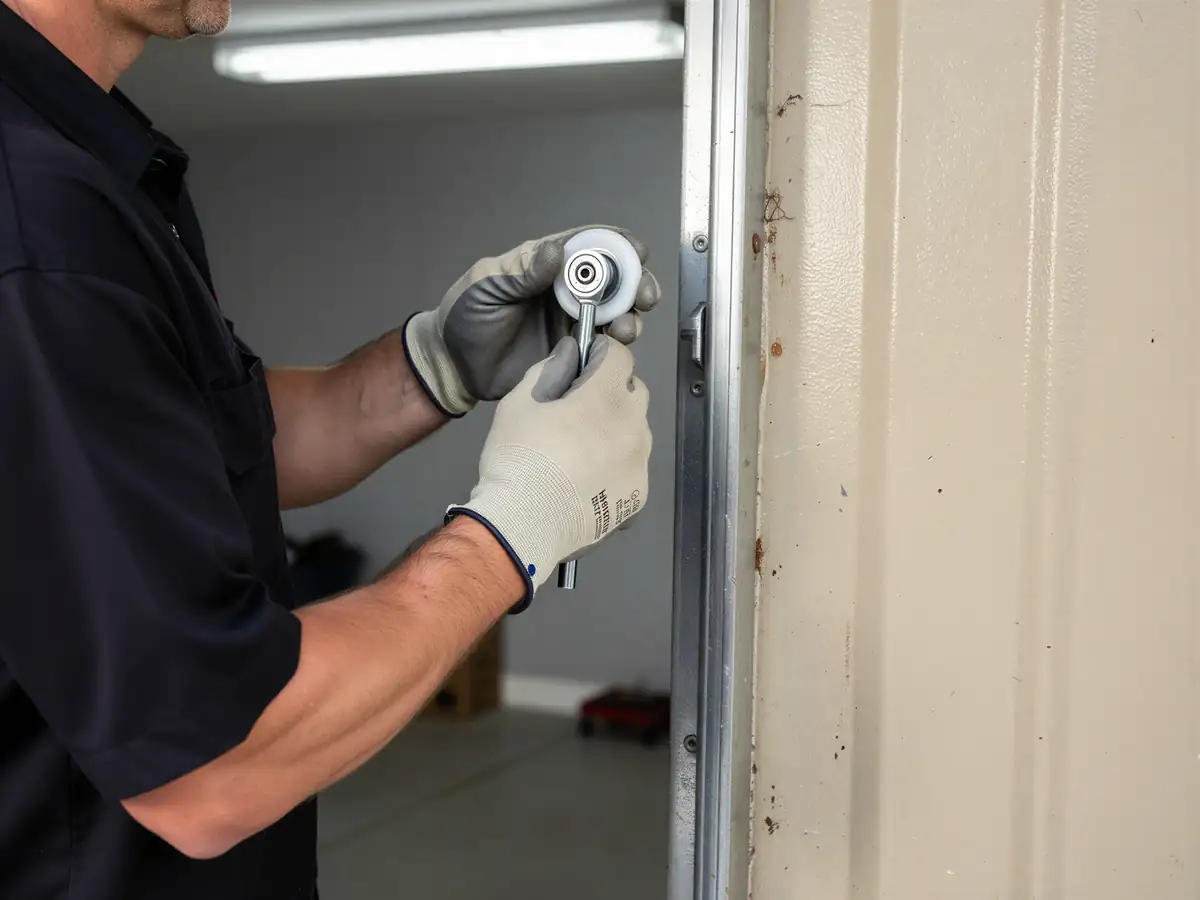
On a standard double door we're replacing both cables as a pair, even if only one broke - uneven cable wear means the second one is close behind, and sending a truck back out in six weeks for the other side isn't a good use of anyone's afternoon. We check roller condition and track alignment at the same time, because a cable that's jumping its drum is often a symptom of a bent track, not the root cause.
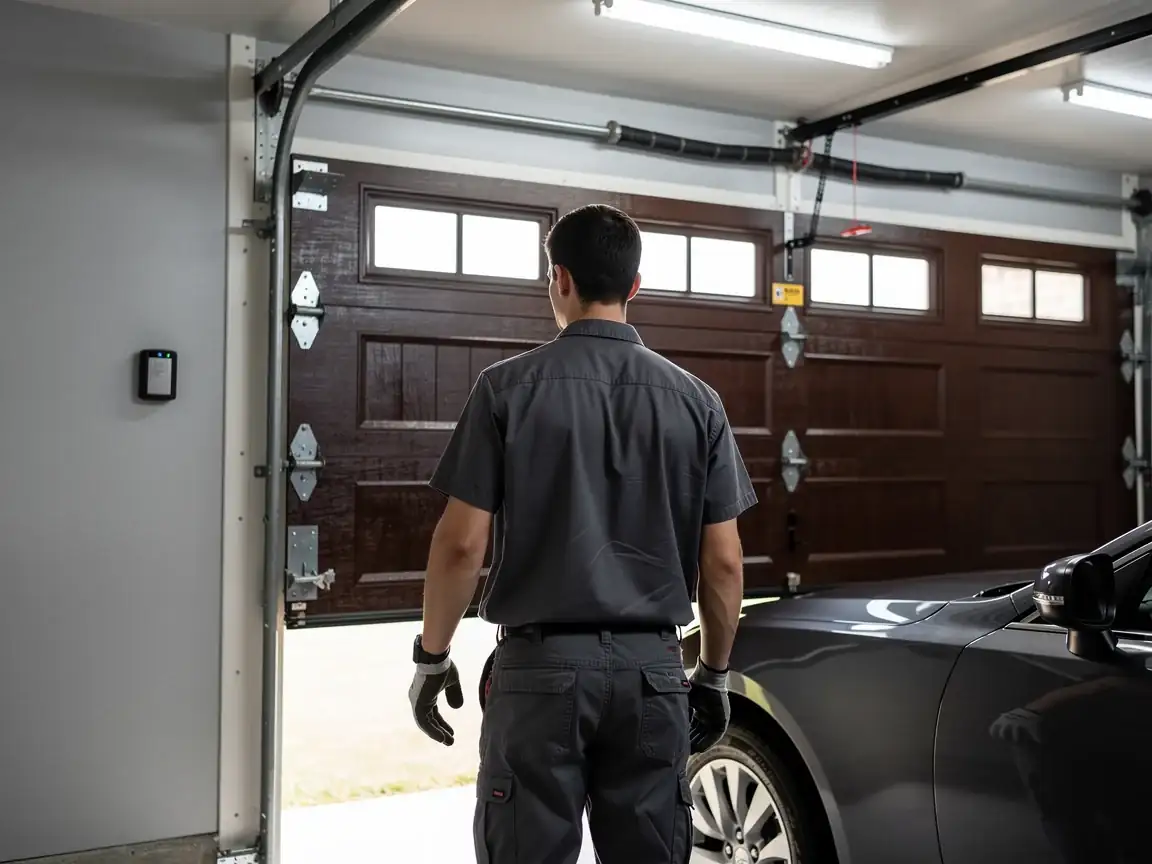
We stock common cable lengths and drum sizes for the door types that make up most of the housing in this area. What we don't carry on the truck is cable for older, non-standard torsion hardware - if your door is original to a house built well before the 1960s with a side-mounted system, that part may need to be special-ordered, and we'll tell you that up front rather than guess.
What You Are Seeing
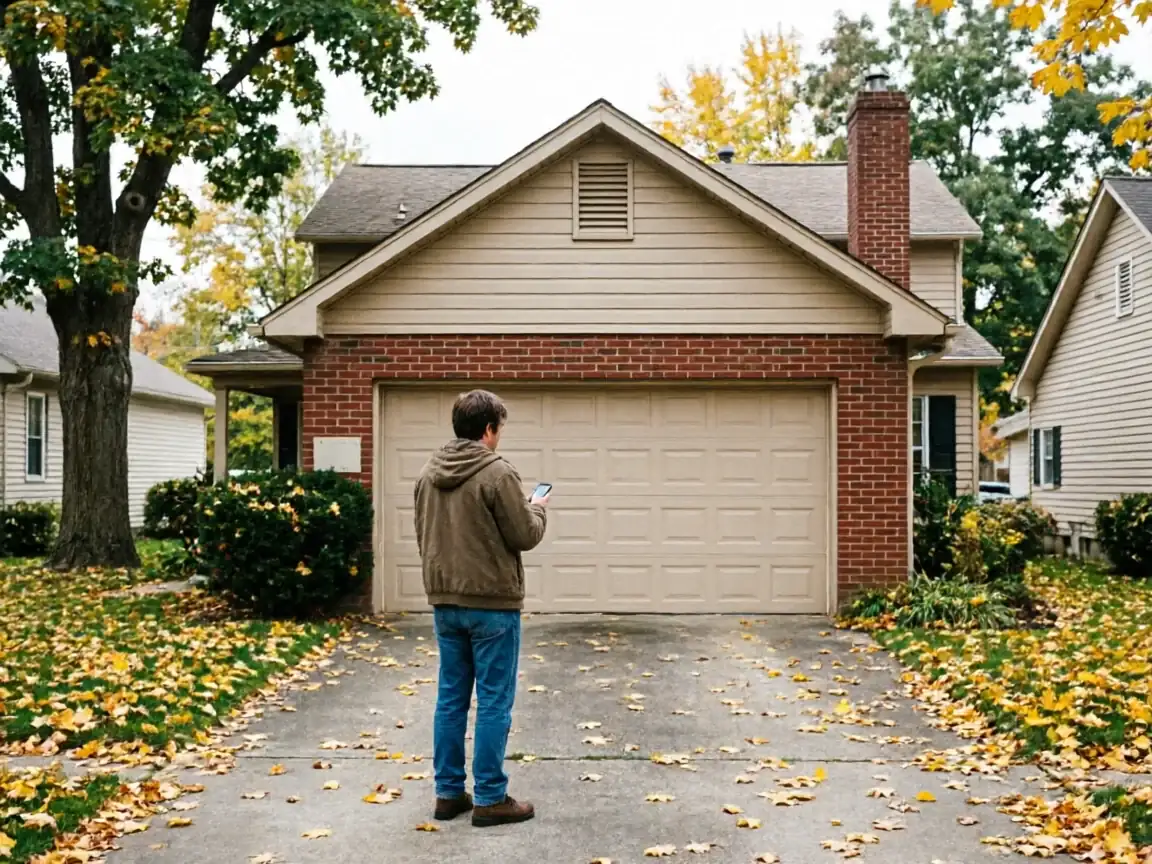
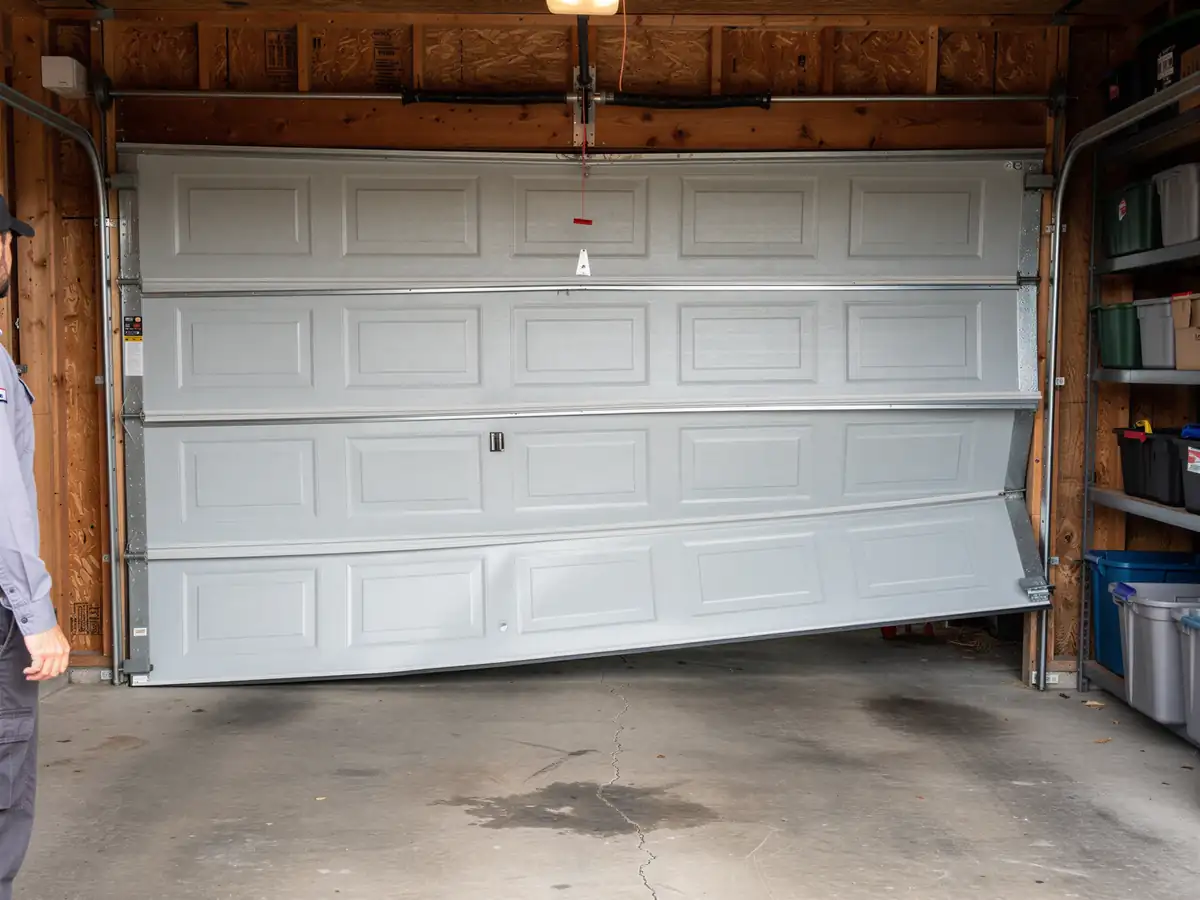
The door looks crooked in the opening, hanging lower on one side than the other. Sometimes it won't move at all - the opener hums but the door sits still, because a cable has come off the drum and the system has nowhere to send the pull. Other times you hear a loud bang before any of this, which is the cable letting go under tension.
A frayed cable usually shows itself first: thin wire strands sticking out like a broken guitar string, rust bloom where the cable rubs the drum, or a door that drifts to one side as it closes instead of coming down level. If you catch it at the fraying stage, it's a planned repair instead of an emergency call with the car stuck inside.
Why This Fails Locally
Most of the garage doors we get called out to in this area are original to houses built between 1966 and 2007
With the heaviest concentration from the 1960s and 70s stock across the seven named areas that make up the service zone. That generation of door came with galvanized cables rated for a service life that's now well past due on a lot of these houses - thirty, forty, even fifty years of winter freeze-thaw cycling on the same wire.
This region sits in a cold, moderate climate band, and that matters for cable life specifically
A cable that gets wet from melting snow on the track, then freezes stiff overnight, work-hardens faster than one that stays dry. Repeated cycling through that freeze-thaw swing is what turns a slightly frayed cable into a snapped one, usually on the coldest morning of the week when nobody wants to deal with it.
With close to 4,928 owner-occupied houses across roughly 13,919 households in the areas we cover
A large share of the doors out there are carrying original cable from a build date decades back. It's not a defect in the house - it's just time and temperature doing what they do to galvanized wire.
- 4,928 owner-occupied
- 13,919 households
How to Book
Call or use the contact page to get a truck out for a cable repair. Tell us whether the door still moves at all or is stuck in one position - that changes how we plan the visit and what we bring. If the opener is still trying to run with a snapped cable, switch it off at the wall before we arrive; that alone prevents a second failure on the opener motor.