What the Fix Involves
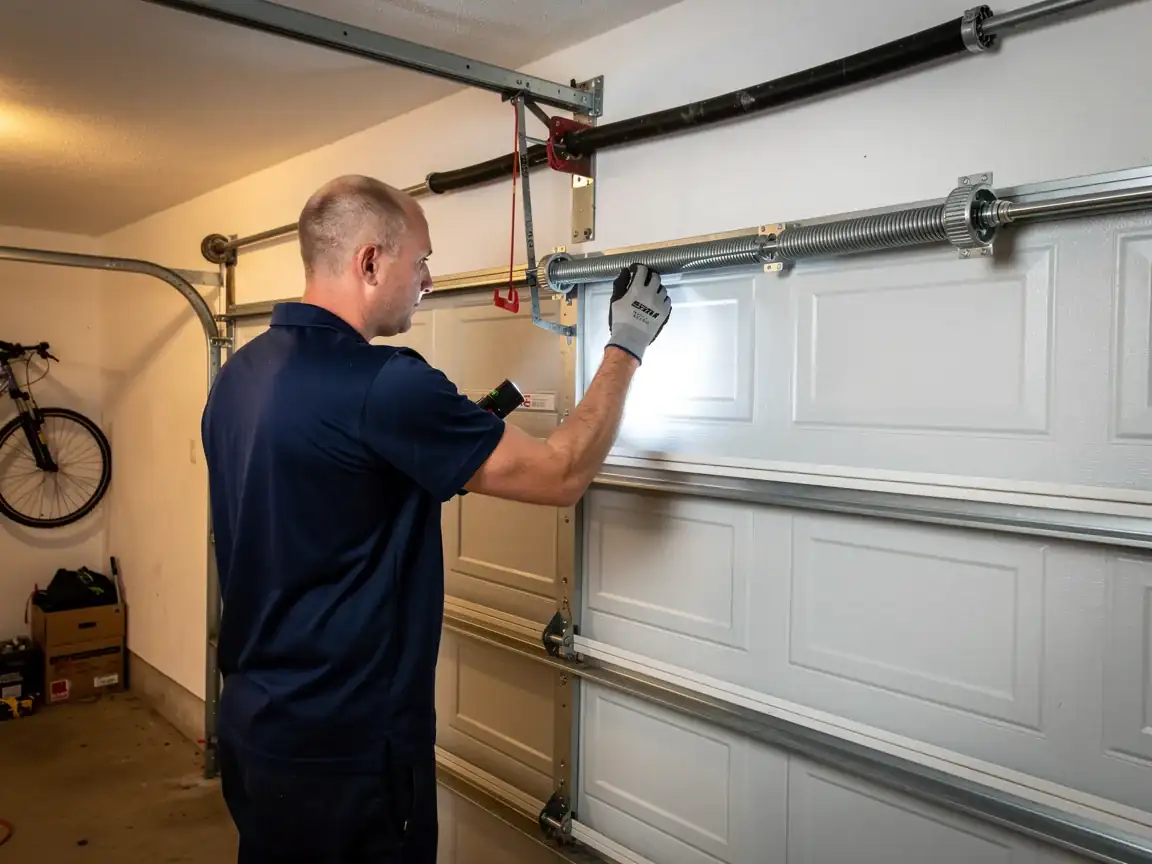
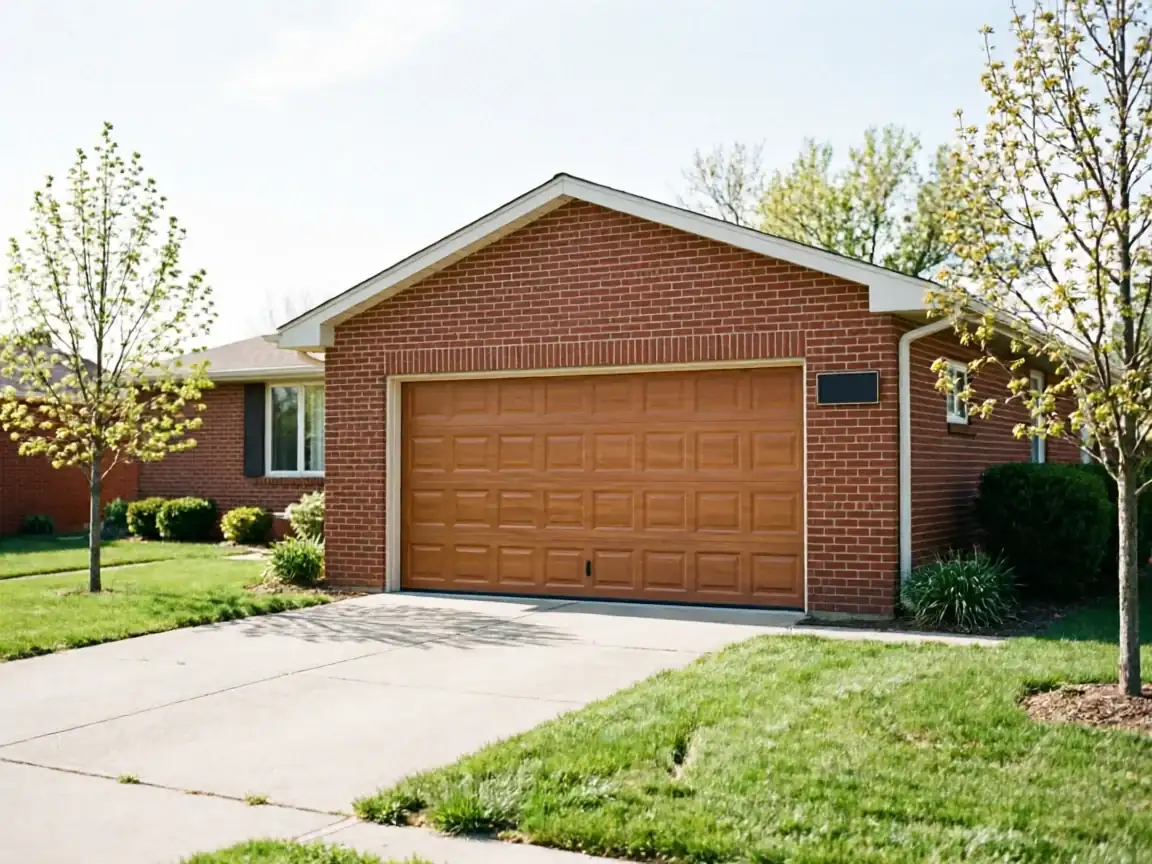
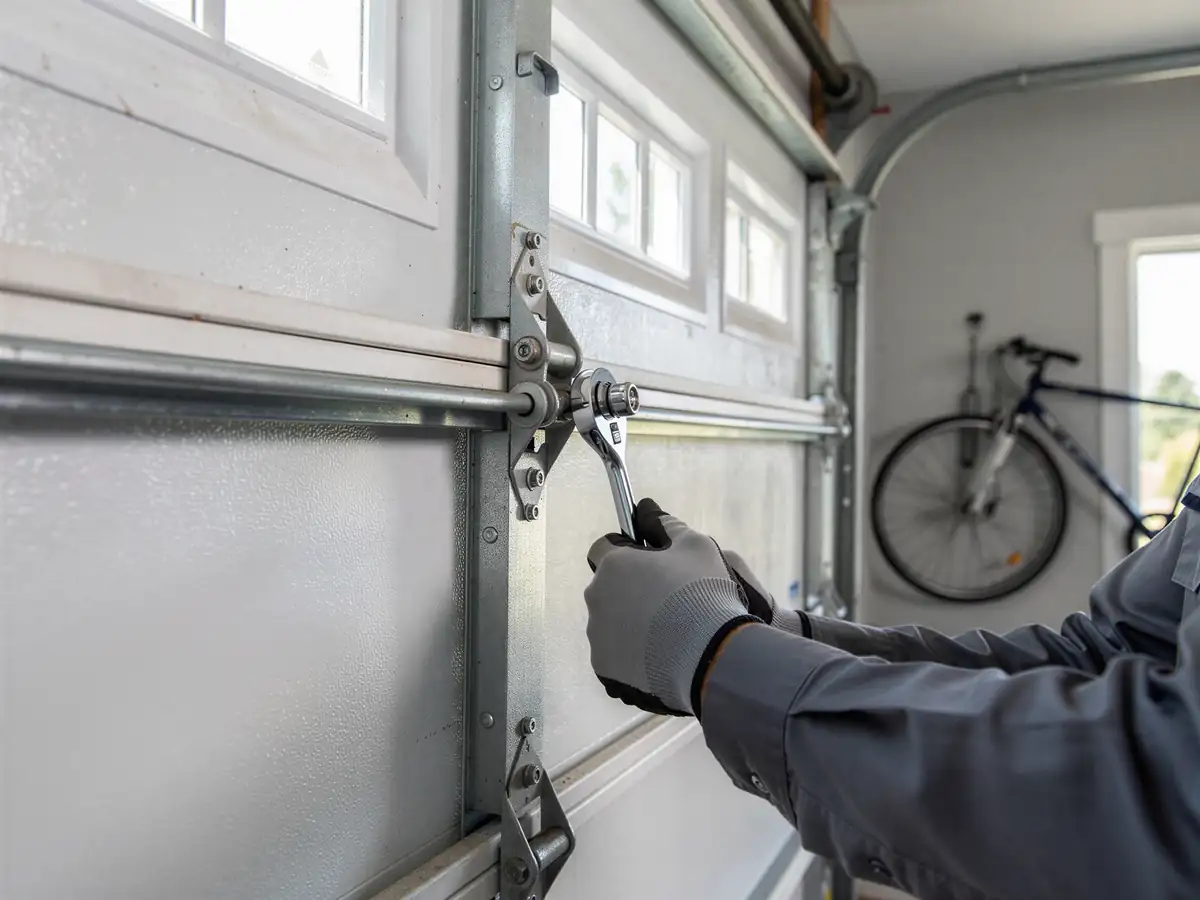
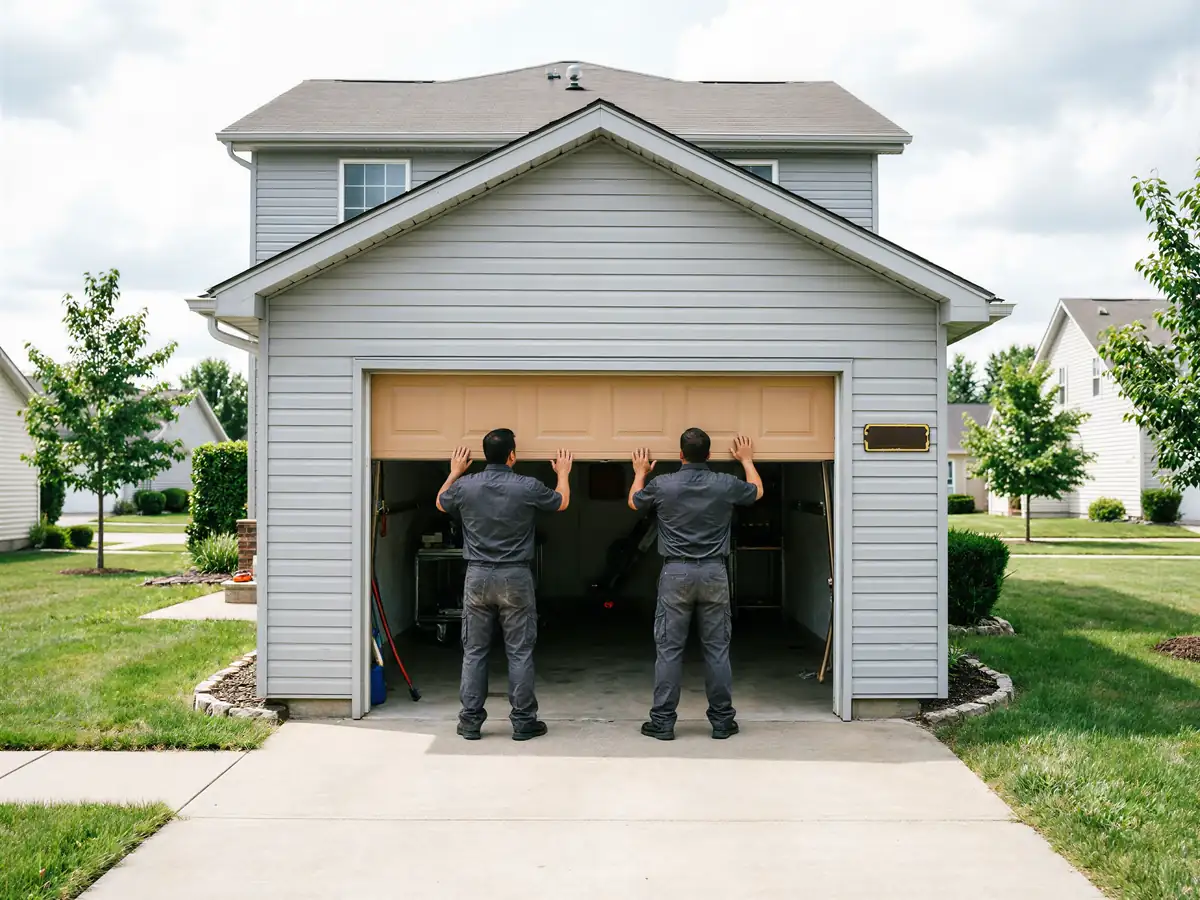
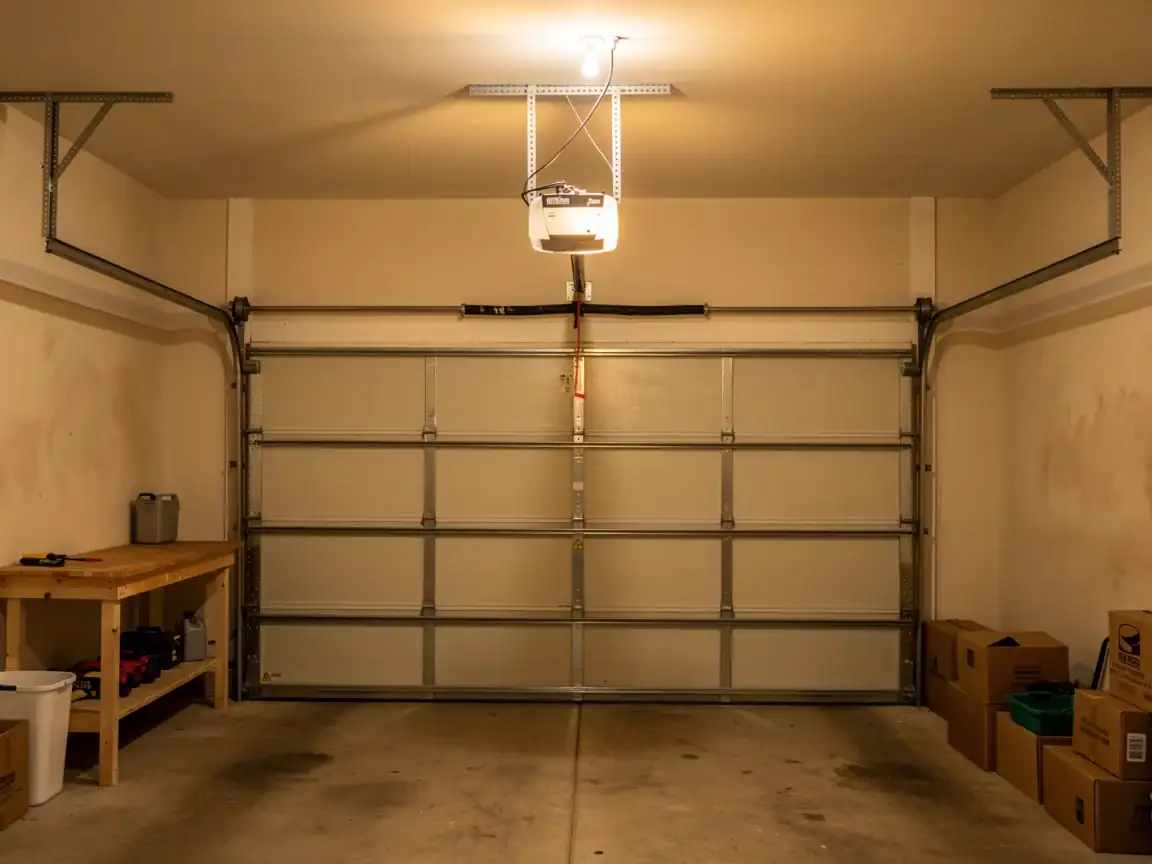
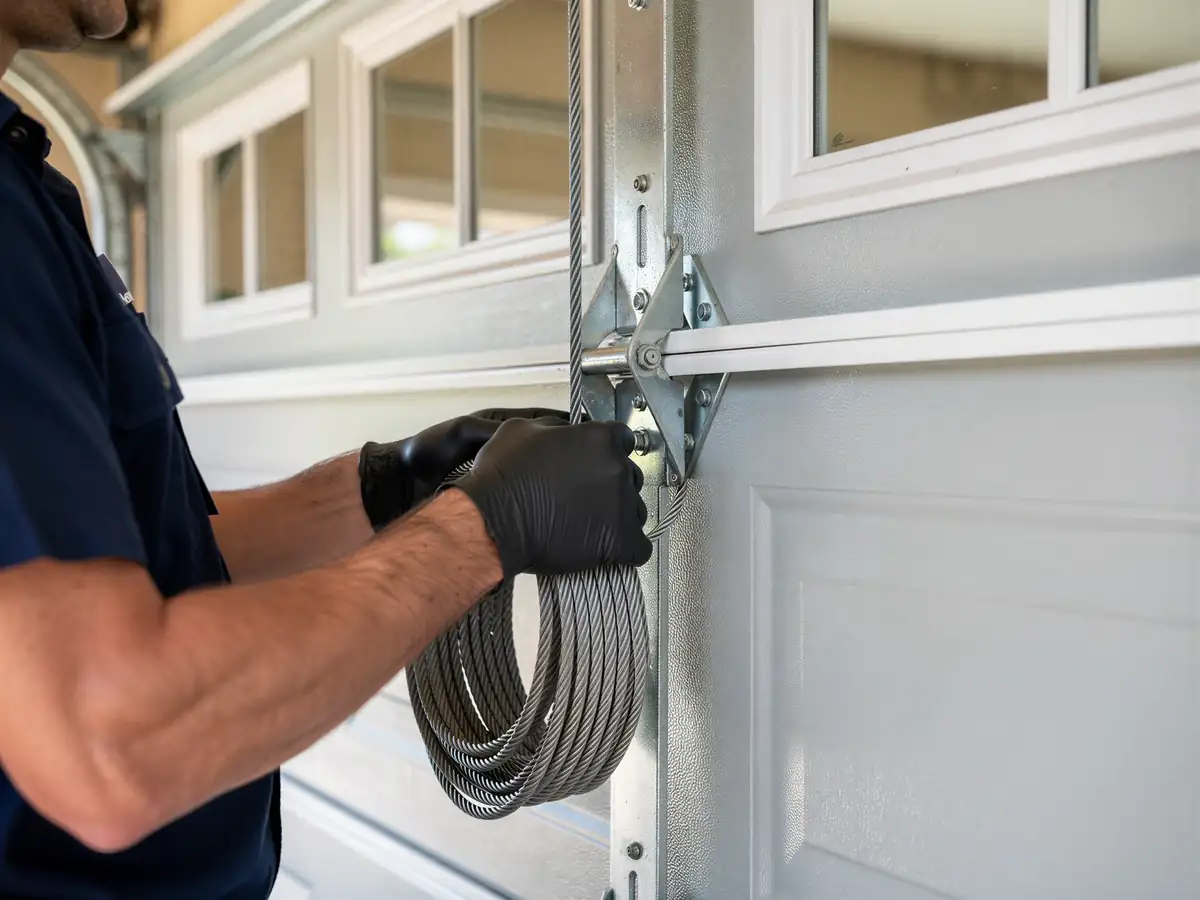
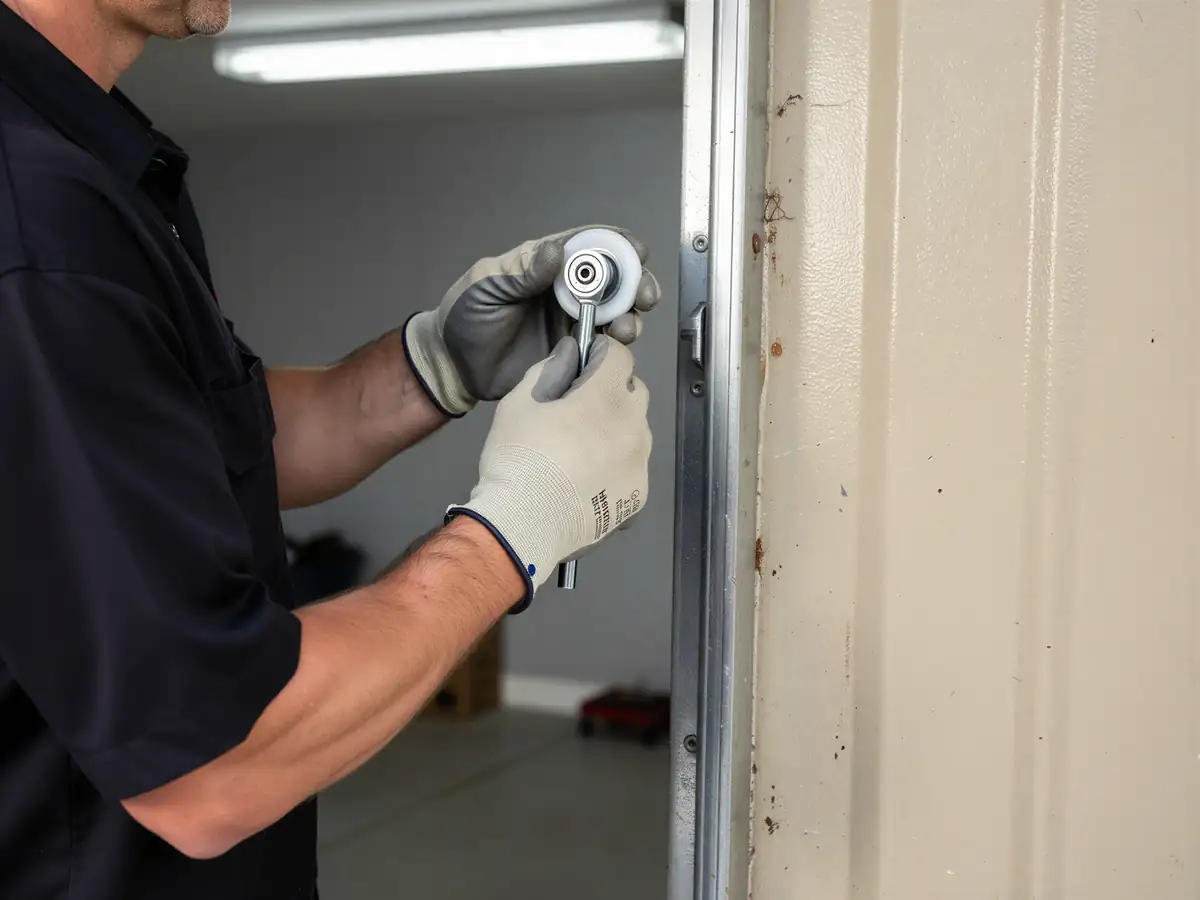
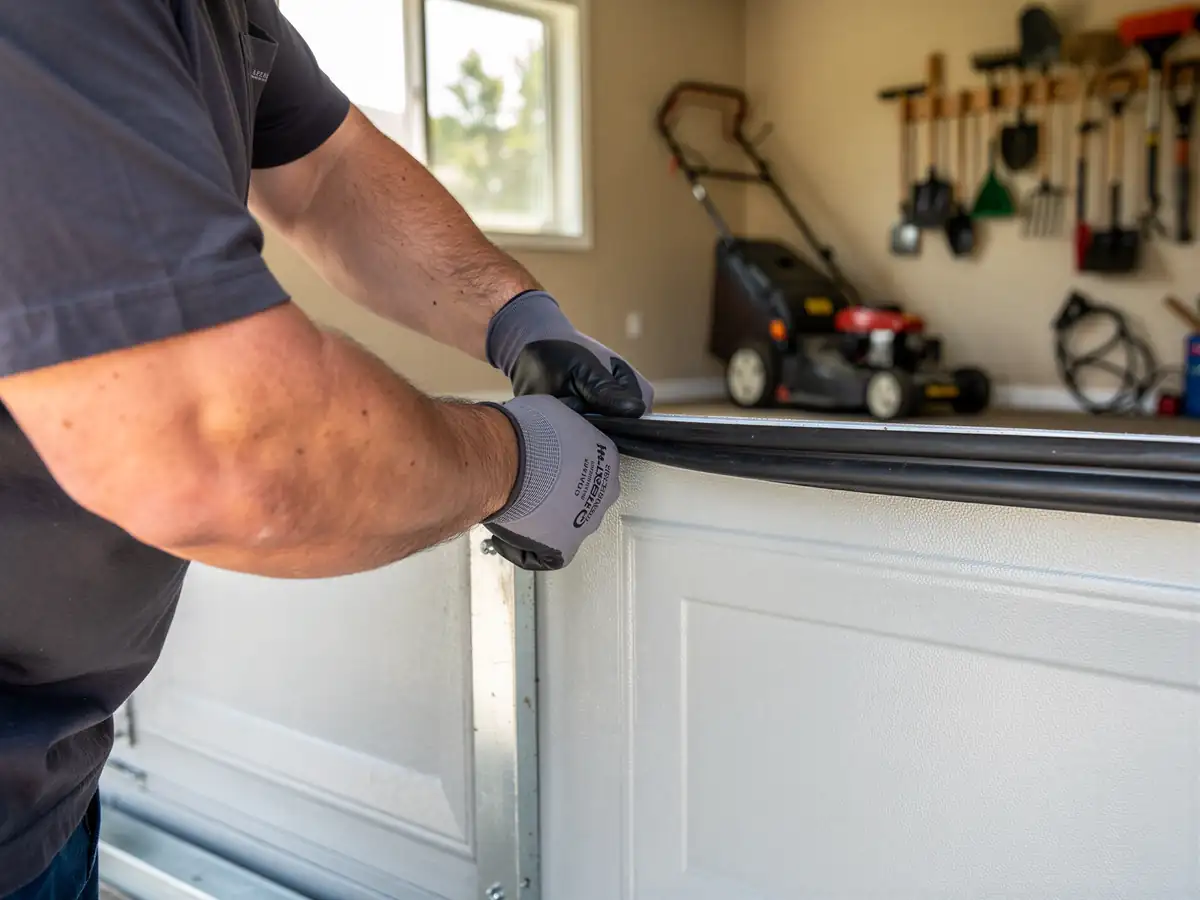
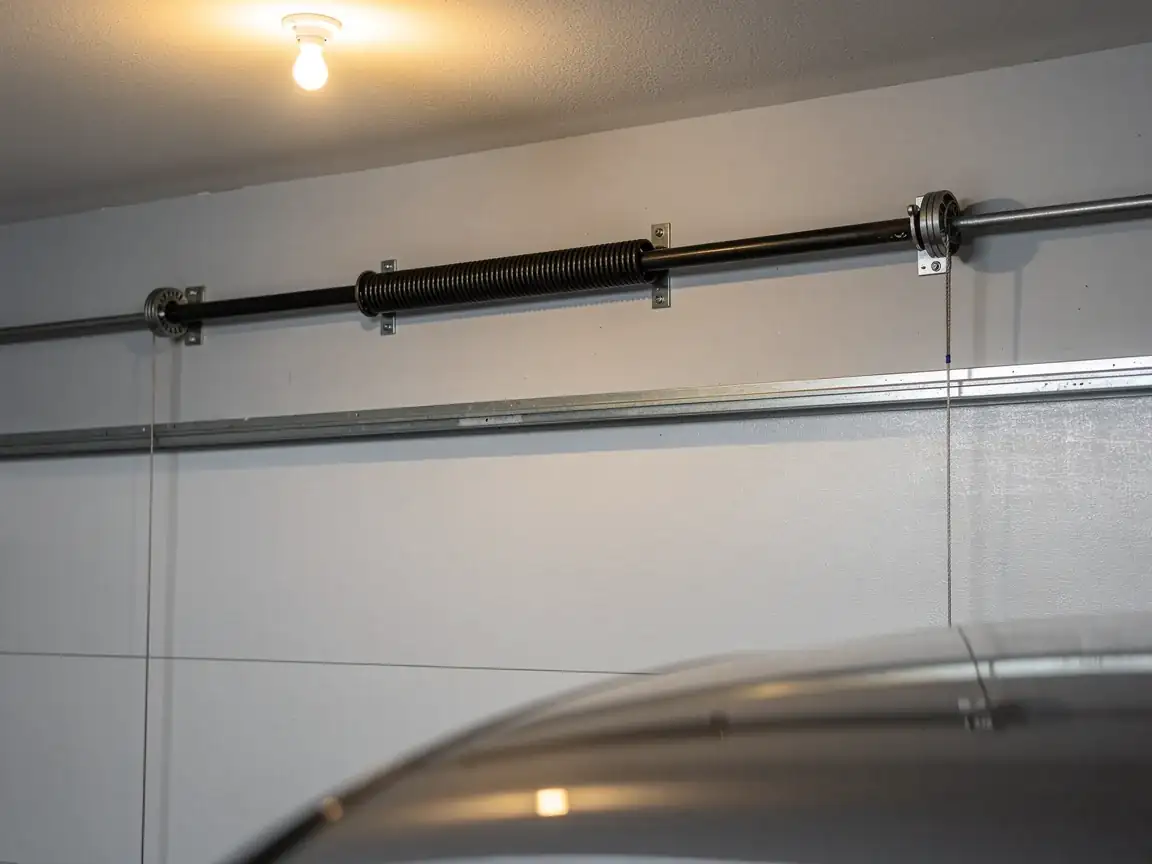
A standard service call covers the parts that actually wear out on a residential door: torsion or extension springs, the lift cables that ride beside them, the rollers in the track, and the opener's drive and limit settings. We check the track alignment, the weatherstripping at the bottom panel, and the hardware bolts that back out over years of use. Most of Manhattan's housing stock went up between 1966 and 2007, with the bulk of it from the 1960s and 70s across the seven residential areas we work in, so a huge share of the doors we touch are original builders'-grade units or a single replacement installed decades ago. That means the service call is rarely just one bad part. A spring that snaps on a 1970s door usually takes a cable or a roller with it, because everything on that door has logged the same mileage. We test the whole system on every visit instead of swapping one part and calling it done, because a door that's cycled that many times for that many winters doesn't fail in isolation. If a door needs more than a tune-up - cracked panels, a bent track, an opener that's seized - we'll say so before we start charging for parts that won't fix the real problem.
What You Are Seeing
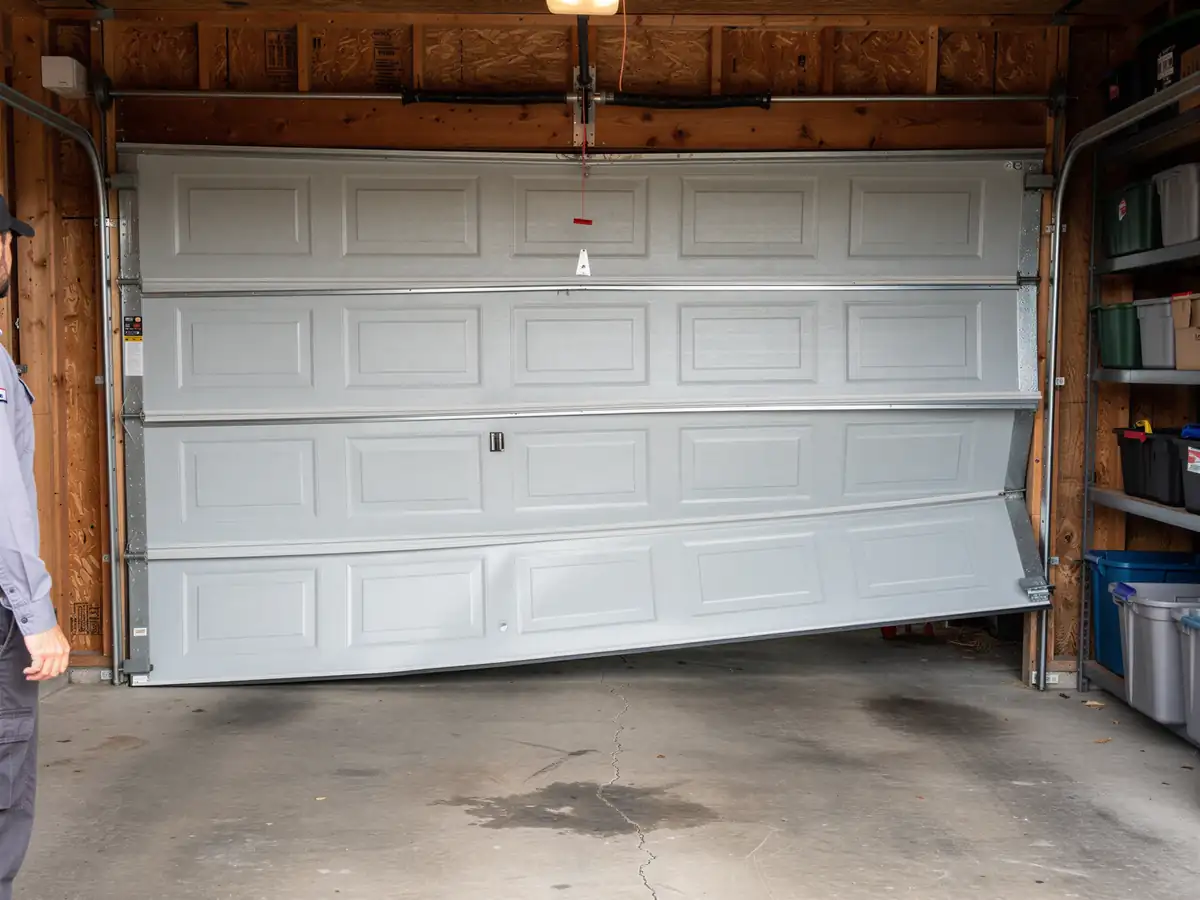
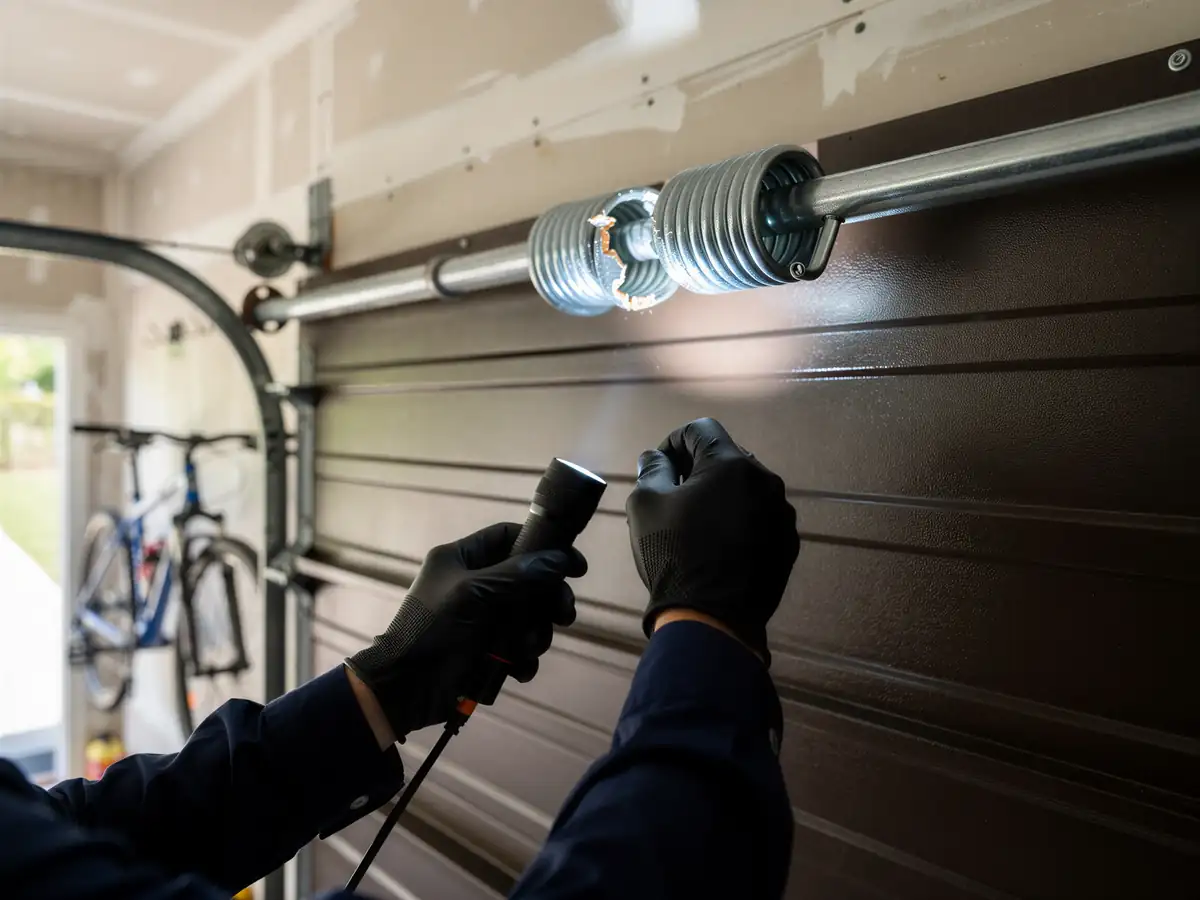
The complaint we hear most is a door that's suddenly heavy, or one that reverses halfway up, or a loud bang followed by the door refusing to move at all - that last one is almost always a broken torsion spring. You might also notice the door shuddering in the track, rollers that look flat on one side, or a gap at the bottom that lets in a draft you didn't used to feel. On older openers, the chain or belt slips before it breaks, so you'll hear grinding a week or two before it fails outright. None of this is dramatic until the day it is, and then the door is stuck shut with a car behind it. Cold mornings make it worse: stiff lubricant and contracted metal mean a marginal spring or a worn roller gives out on the first hard freeze of the season rather than in July. If your door has started making a new noise in the last month, that's usually the early warning, not something to wait out.
How to Book
Call and describe what the door is doing - stuck, noisy, off-track, or dead opener - and we'll tell you what we expect it to be before we show up, based on the age and type of door. We serve Manhattan and the surrounding area, including homeowners near Ogden, Fort Riley, and Riley. One thing we won't do is promise same-day parts for less common opener models; some drive gears and circuit boards have to be ordered, and we'll tell you that up front instead of stringing you along. You can reach us through our contact page to get a visit on the schedule.