How That Shows Up in the Door
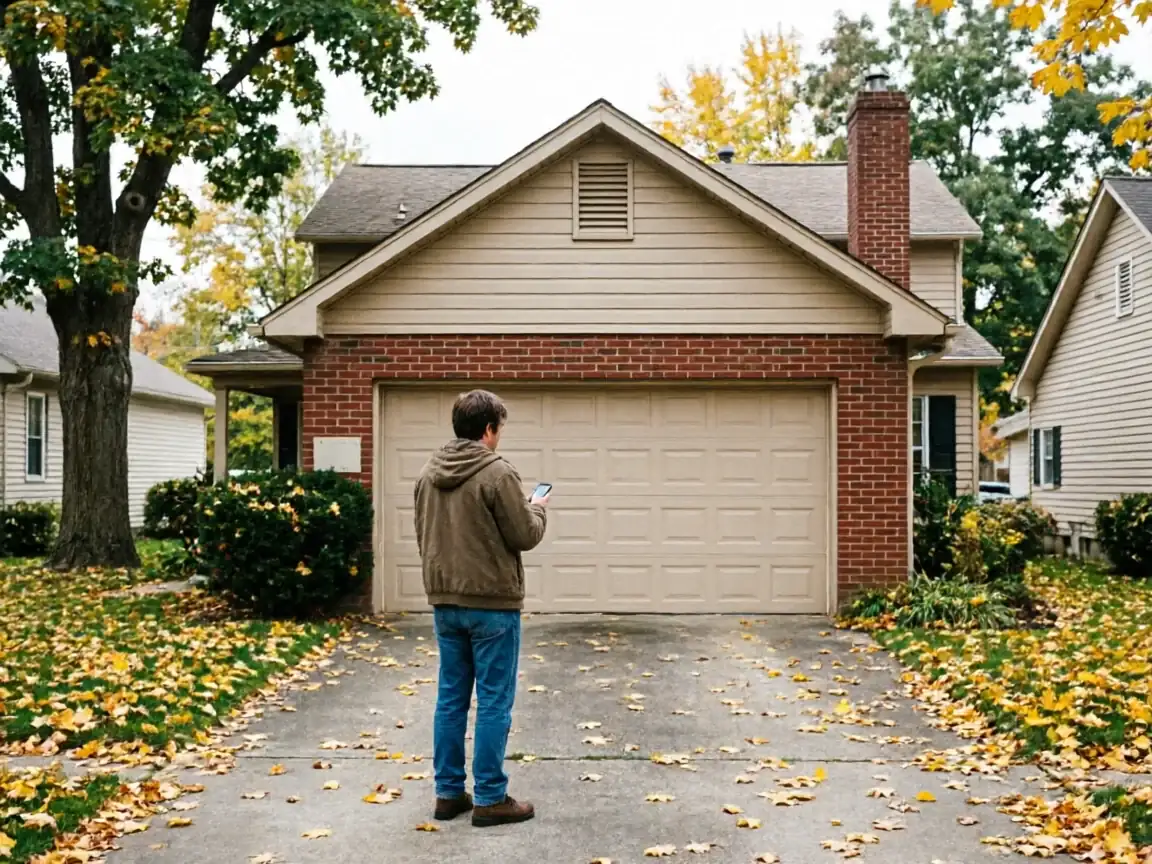
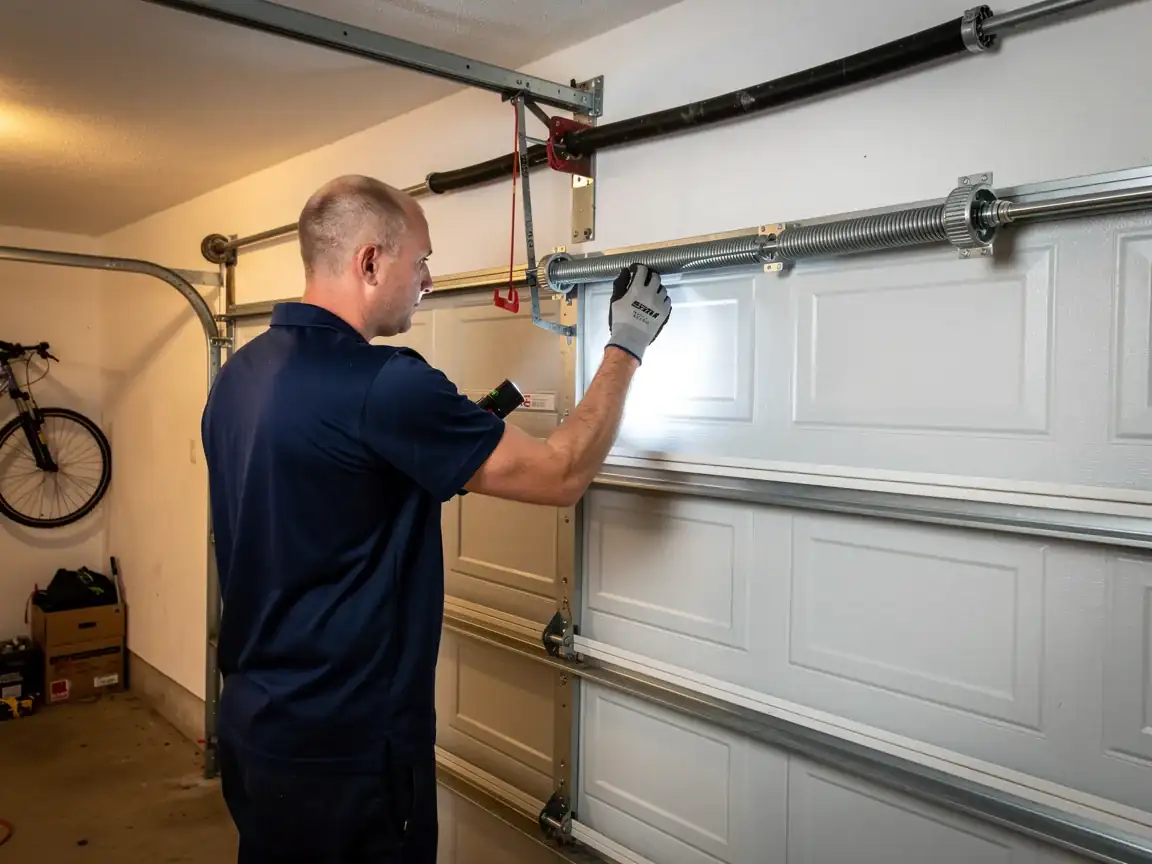
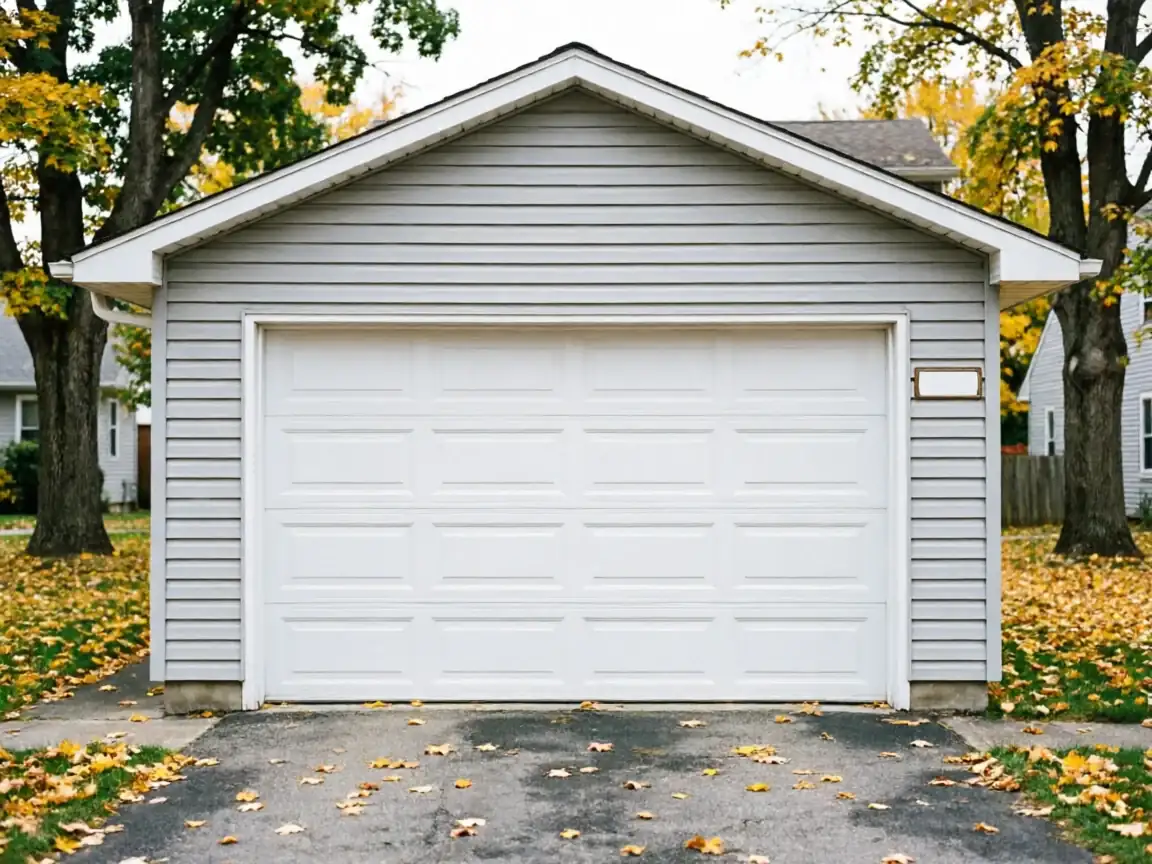
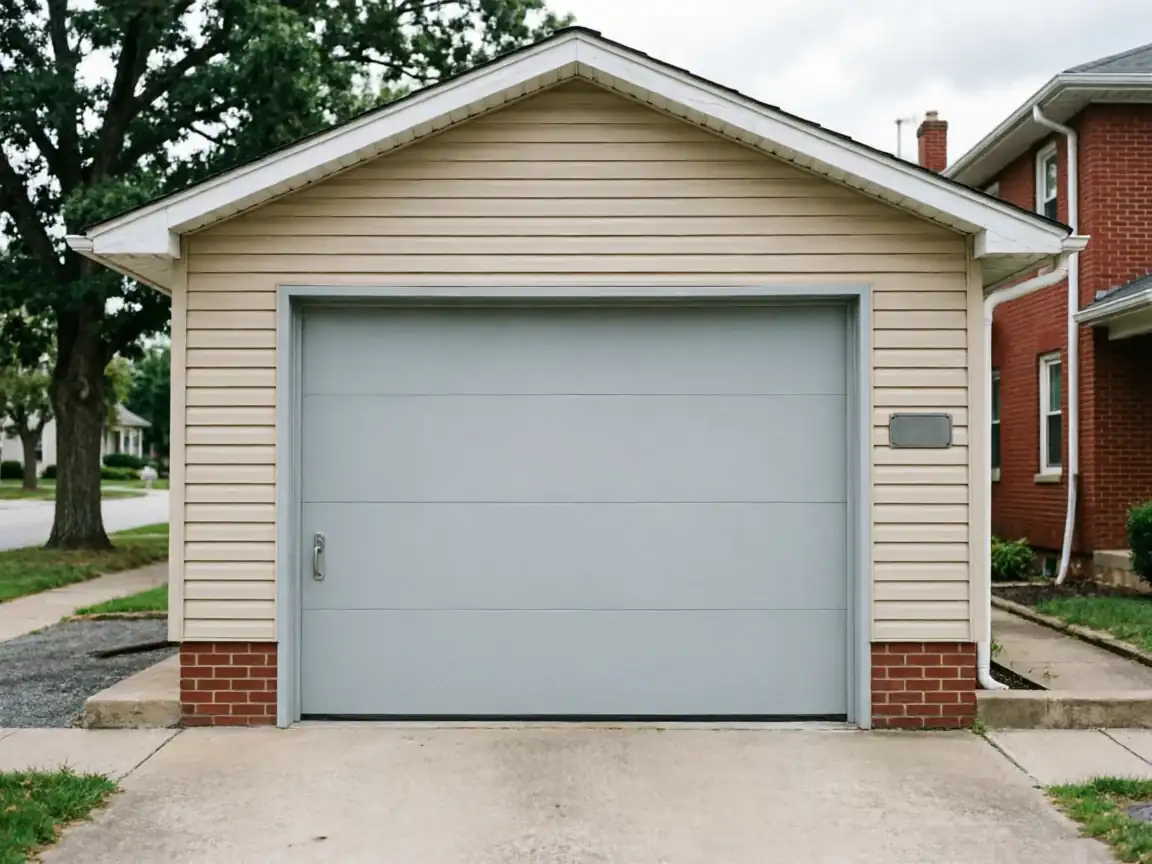
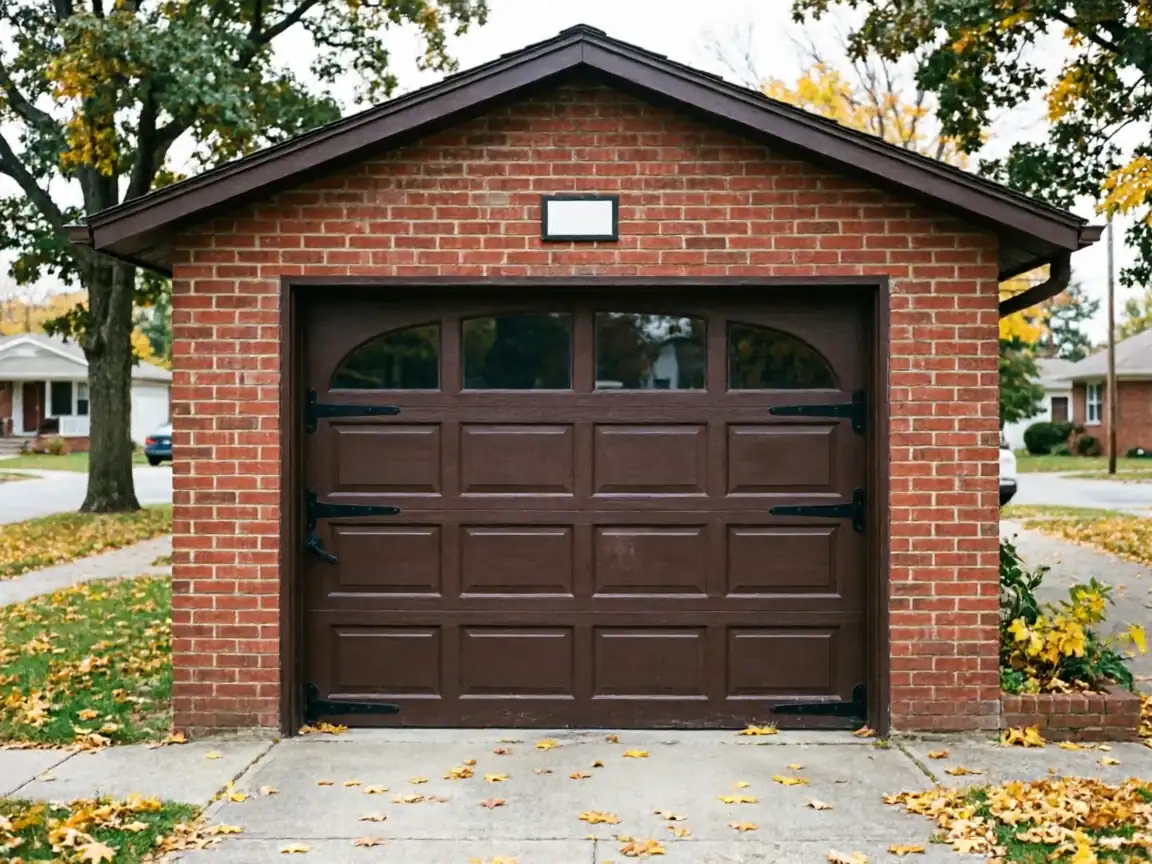
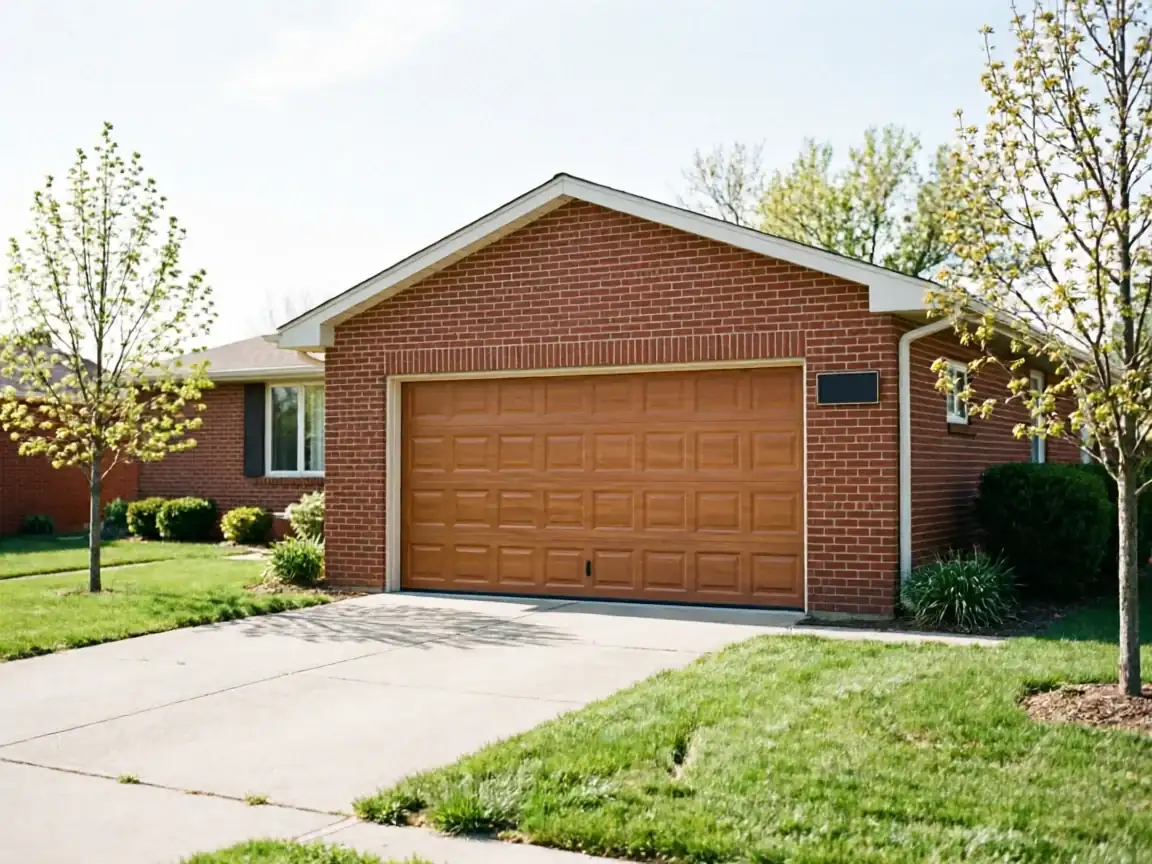
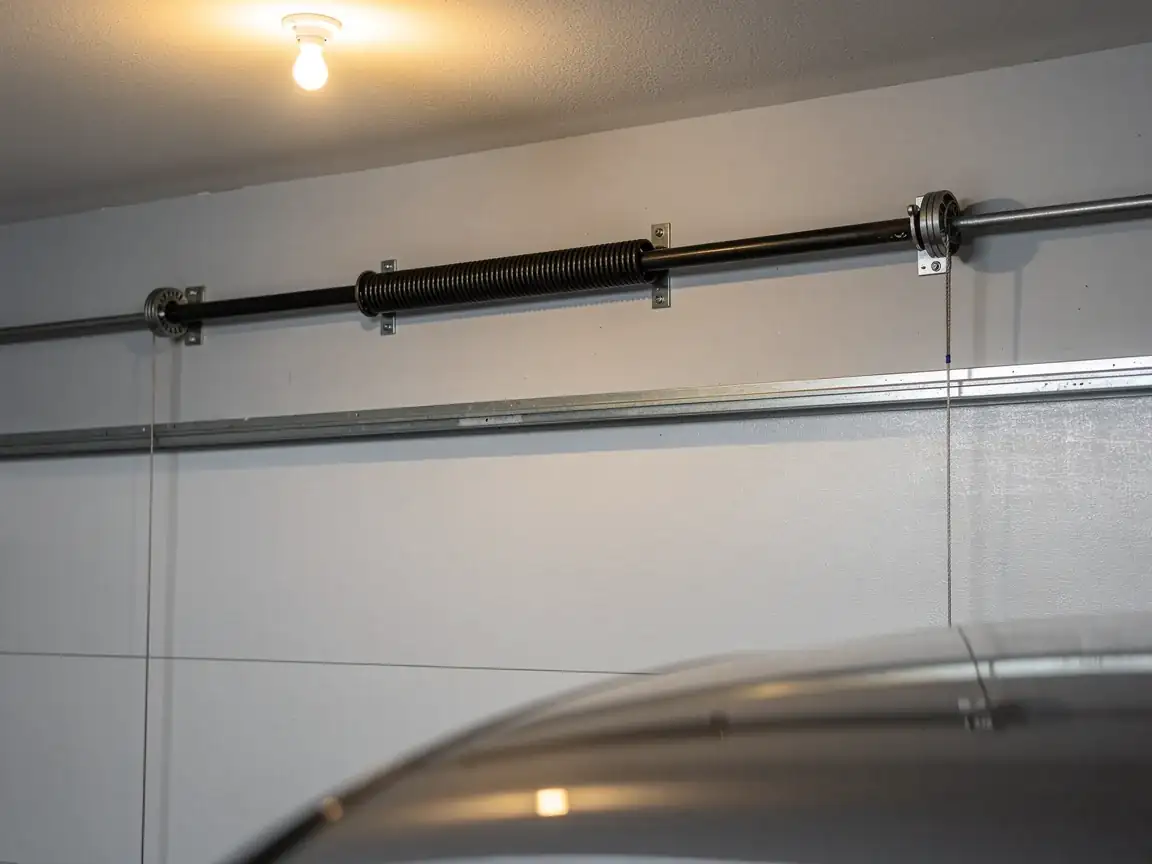
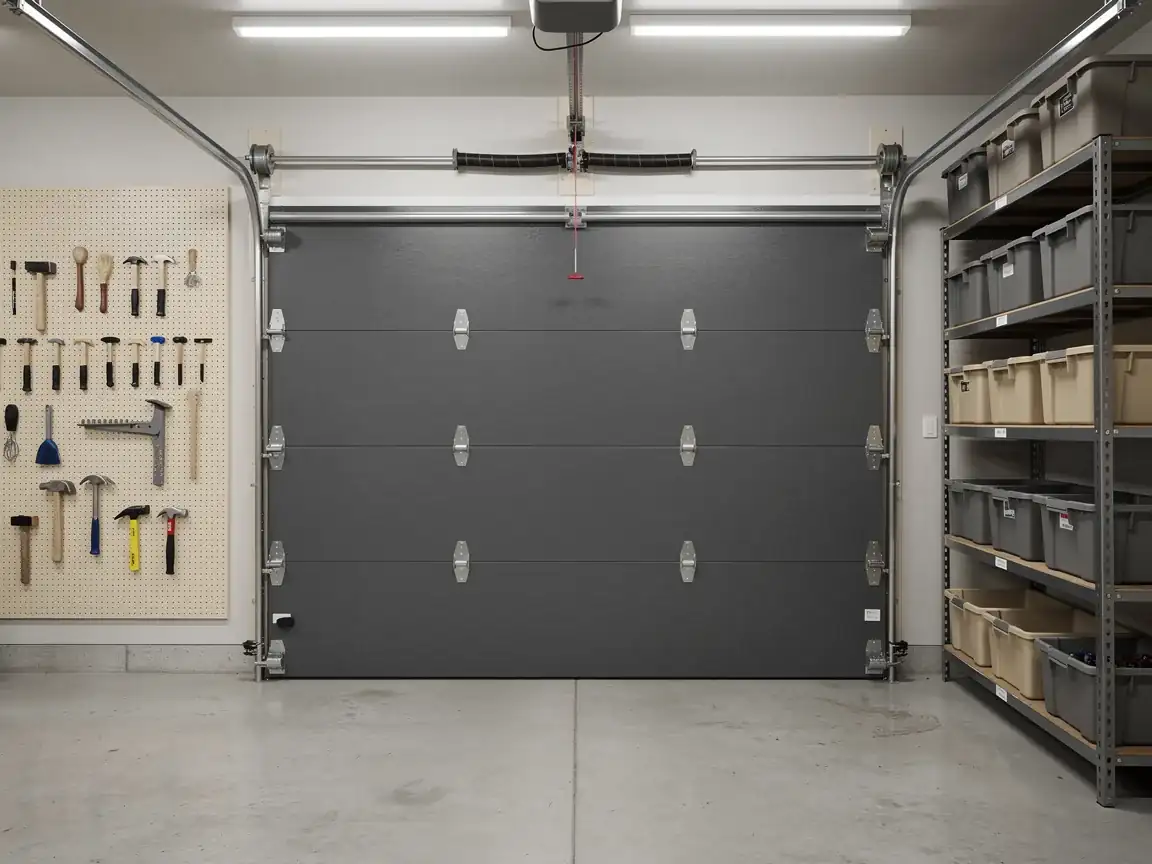
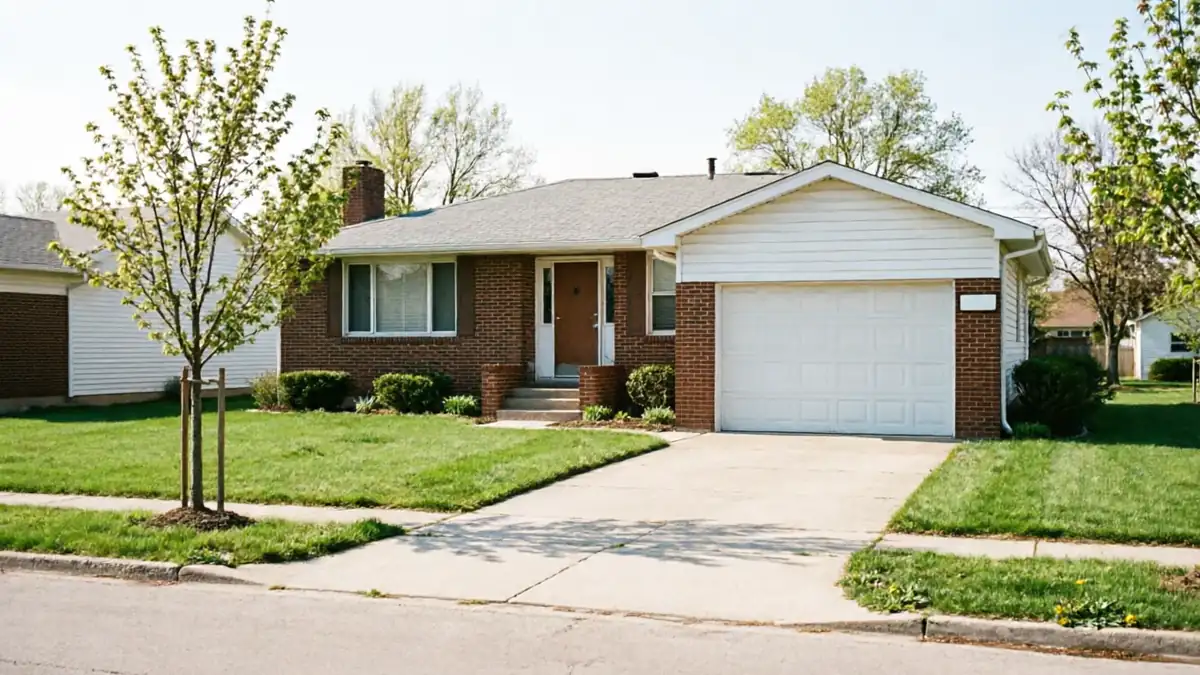
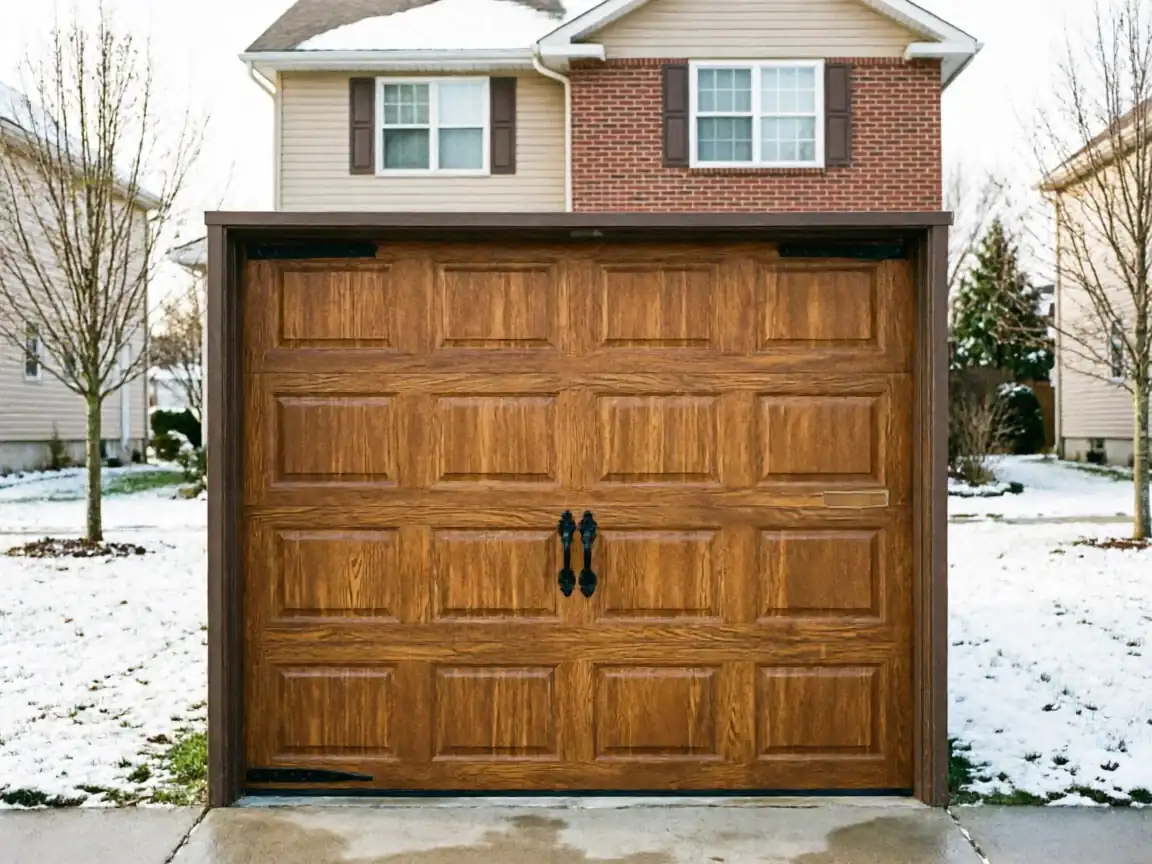
Wamego's housing stock centers on 1972, a few years earlier than the median across our wider service area. That matters more than it sounds like it should. A door installed in the early 1970s is likely on its second or third opener by now, but the original track and hinge hardware is often still bolted to the jamb because nobody saw a reason to replace steel that still holds a door up. What fails on these is usually the stuff you can't see from the driveway: the torsion spring has outlived three openers, the end bearing plate has worn oval instead of round, and the hinges have enough play that the door racks sideways in the track when it travels. We see rollers on steel stems rather than the nylon ones that showed up later, and they wear loud, not slow. If your door sounds like a shopping cart before it looks broken, that's the tell.
The Usual Work Here
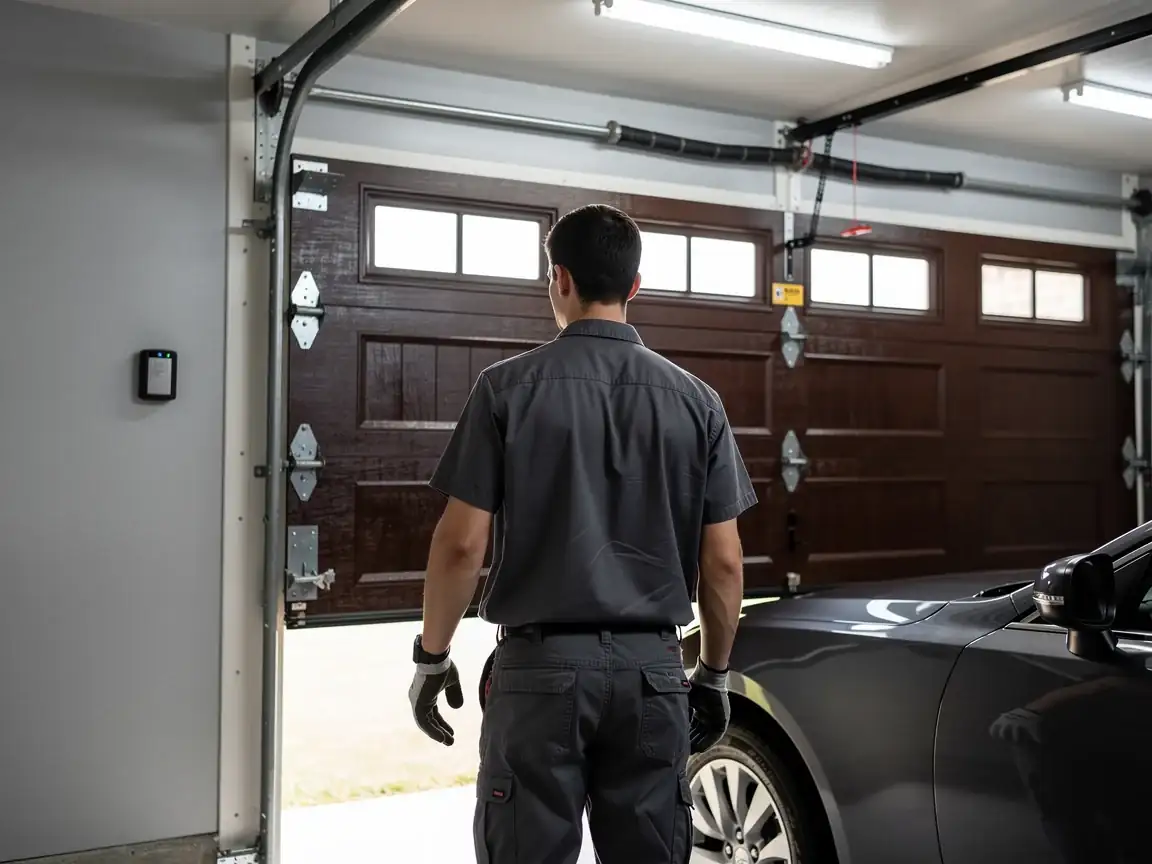
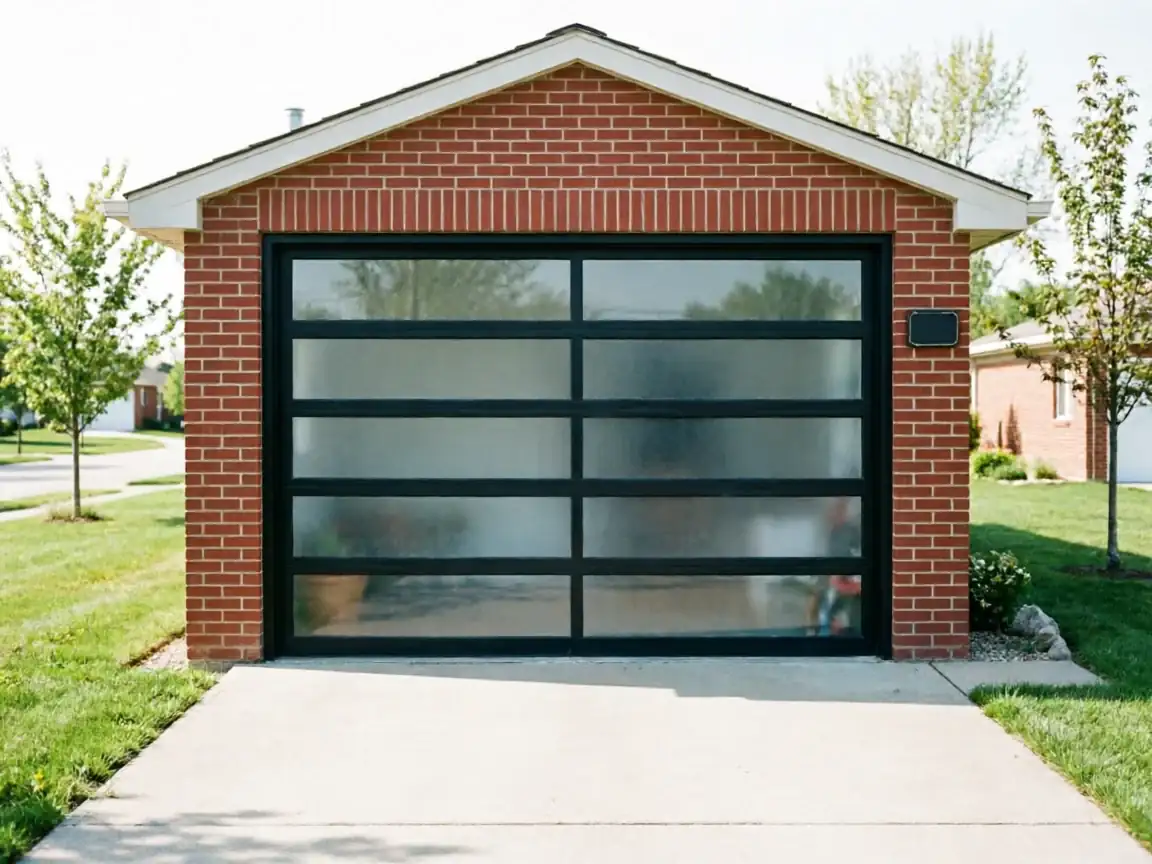
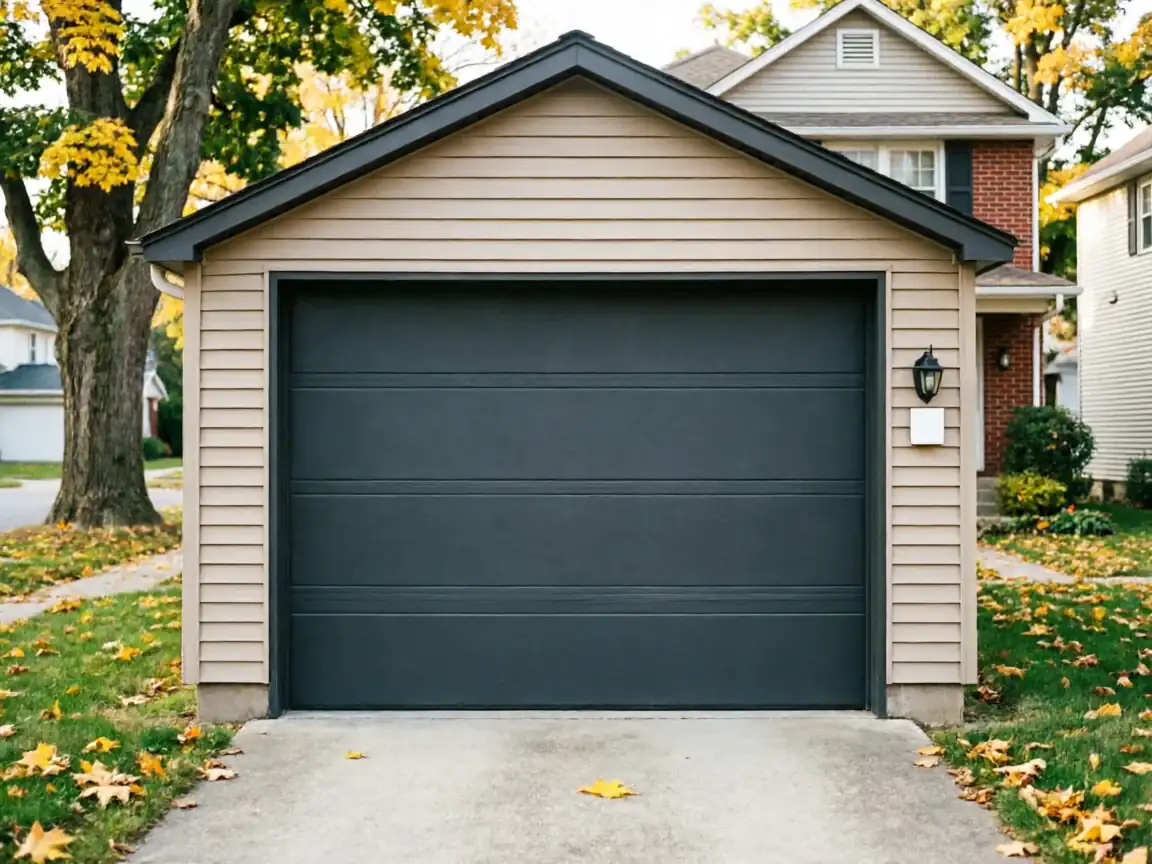
Torsion spring replacement on single and double doors is the most common call, driven by the age of the stock we just described. Behind that: opener swaps where the door itself is fine but the motor and logic board from a decade or two ago have simply quit, and track realignment where a door has walked off true from years of a slightly undersized spring doing more work than it should. We also get cable replacement on older doors where the original galvanized cable has started to fray at the drum - not an emergency until it is one. What we don't do is re-skin a door that's lost structural rigidity across the whole panel; past a certain point of rust-through or impact damage, a full panel or full door replacement costs less over time than patching around a problem that will reopen next winter.
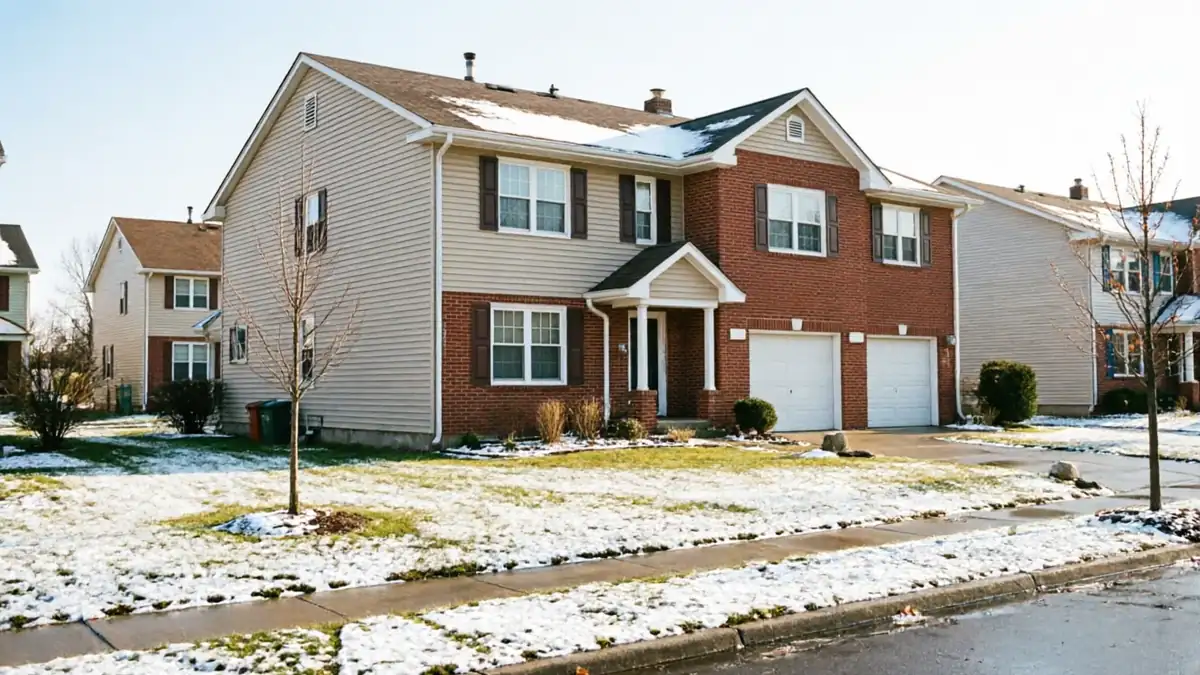
The Houses Here
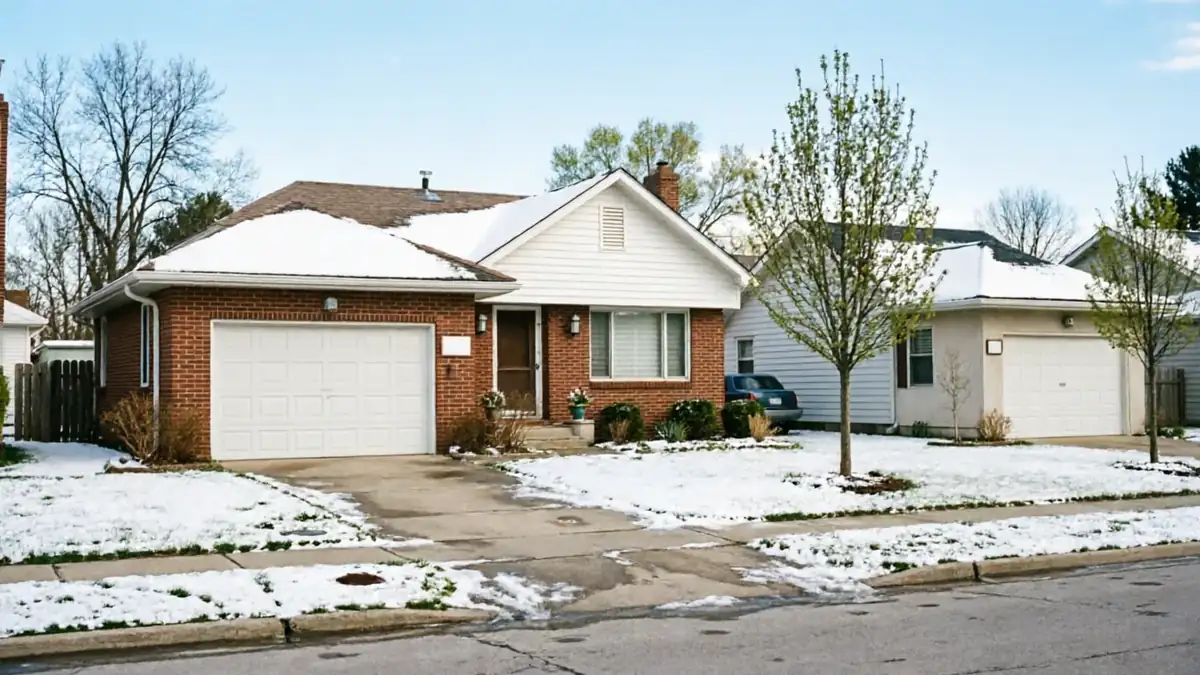
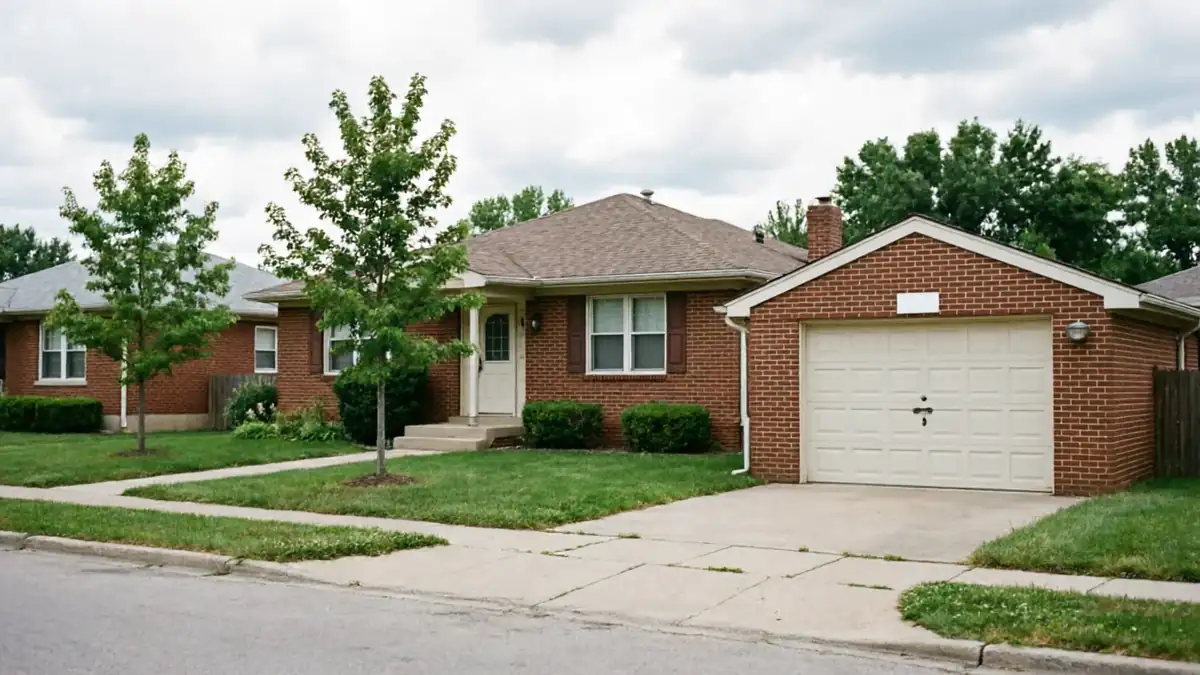
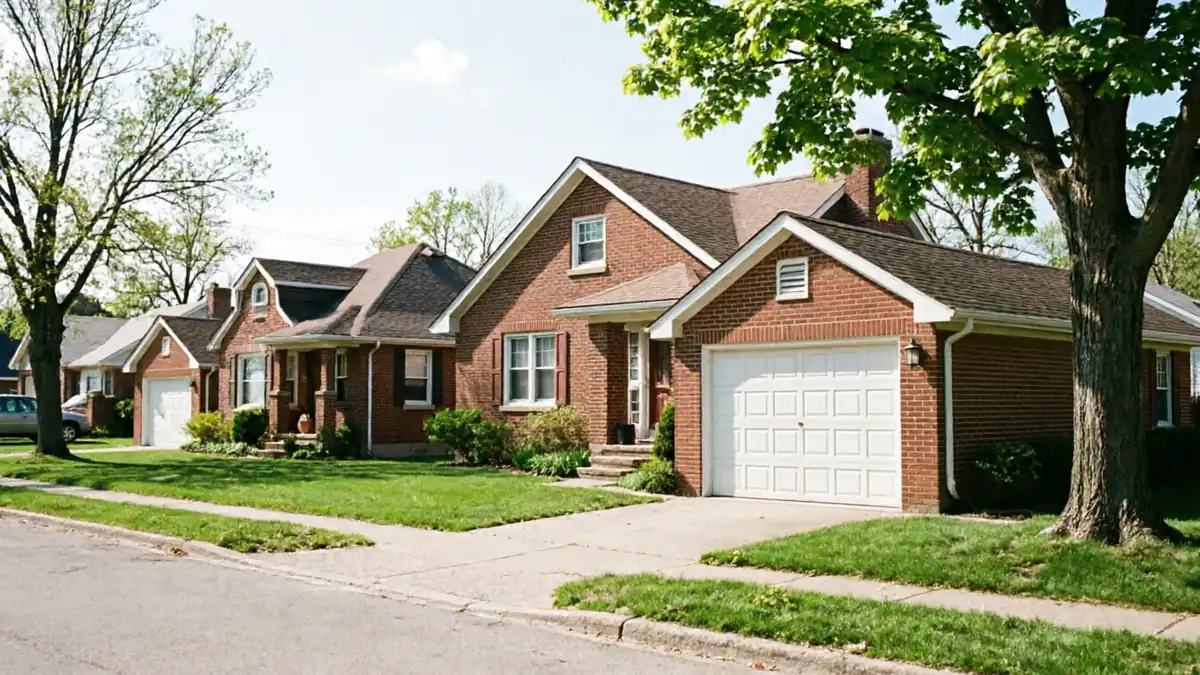
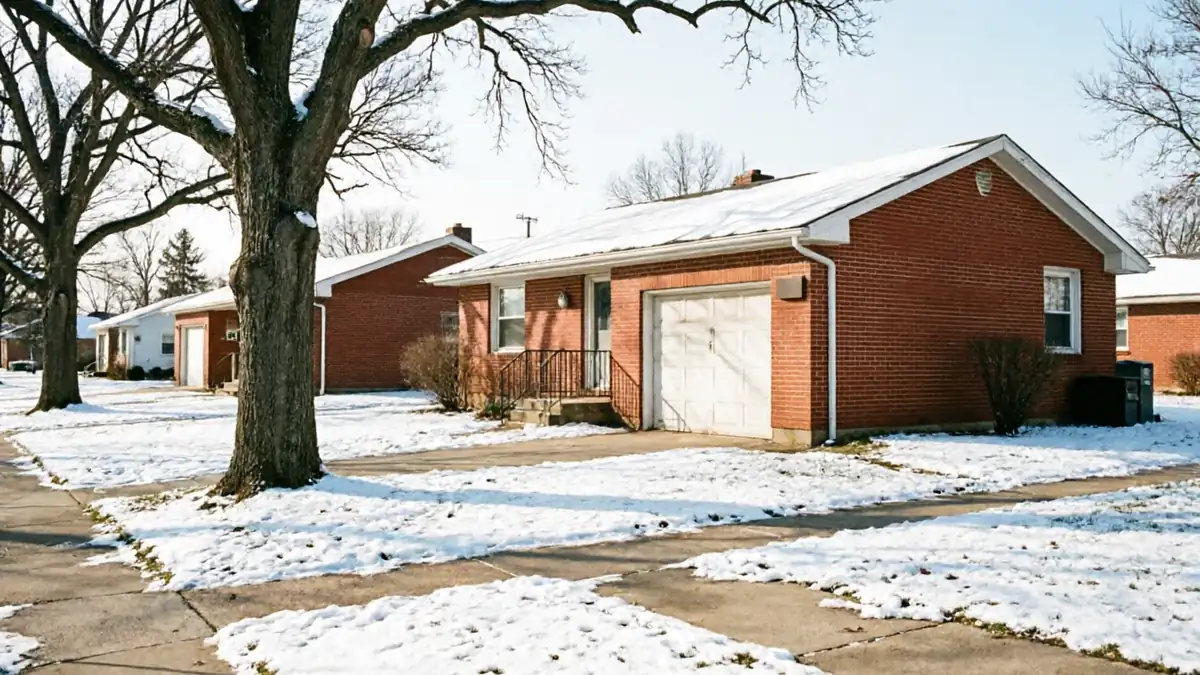
Wamego has roughly 1,587 households, and the median household income here runs noticeably higher than the broader service area figure, at $82,756. That's relevant to the work itself: owners here are more likely to ask for full opener upgrades rather than patch repairs, and more likely to replace a door at the first sign of real structural wear instead of stretching it another winter. We travel 16 miles out from Manhattan for every call here - there's no local depot, no standing truck, just a scheduled trip, so same-day isn't something we promise sight unseen. We'll tell you up front what we can get to and when, rather than guess.