How That Shows Up in the Door
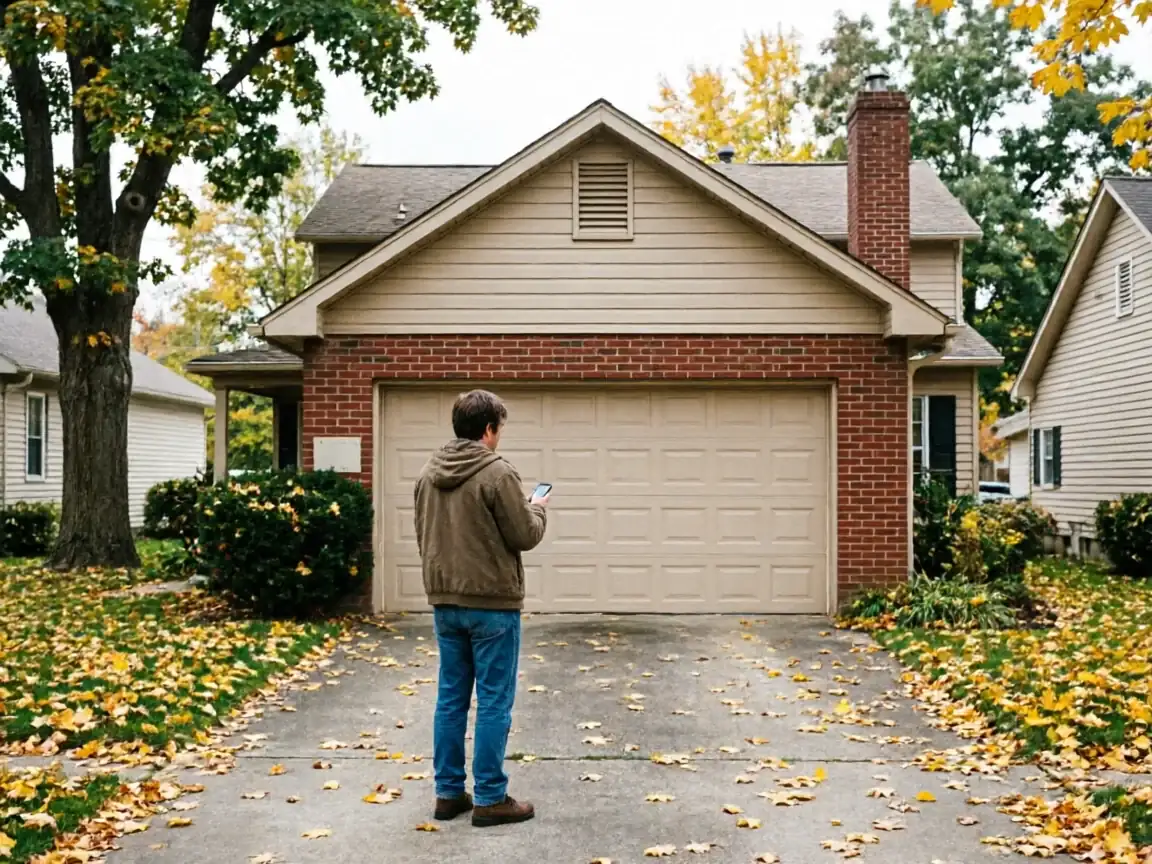
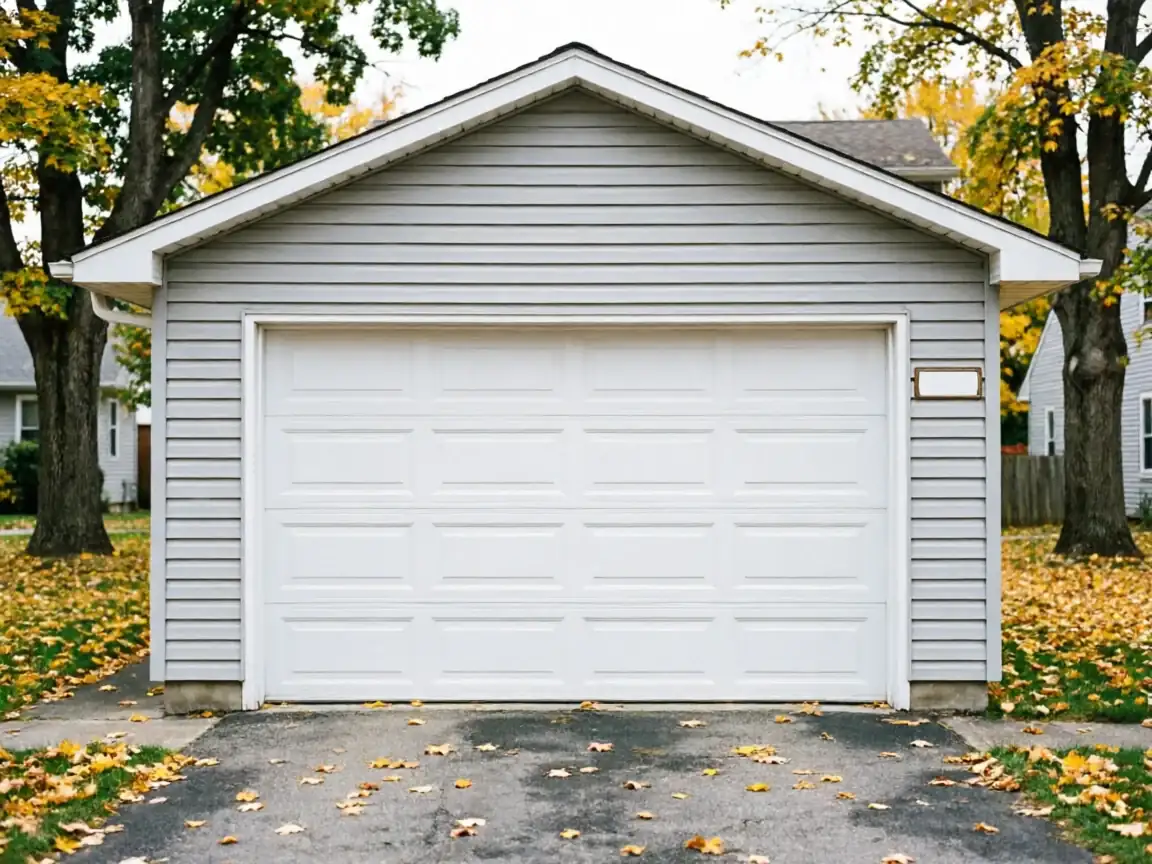
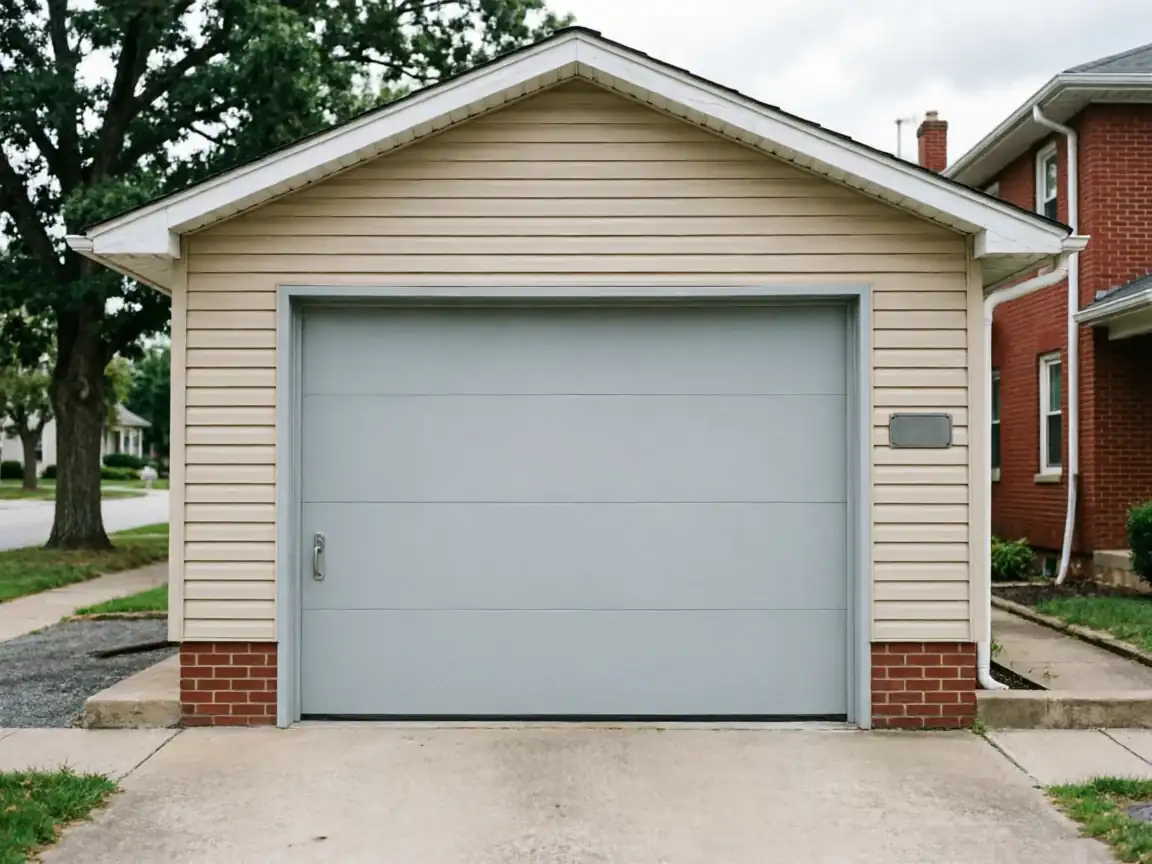
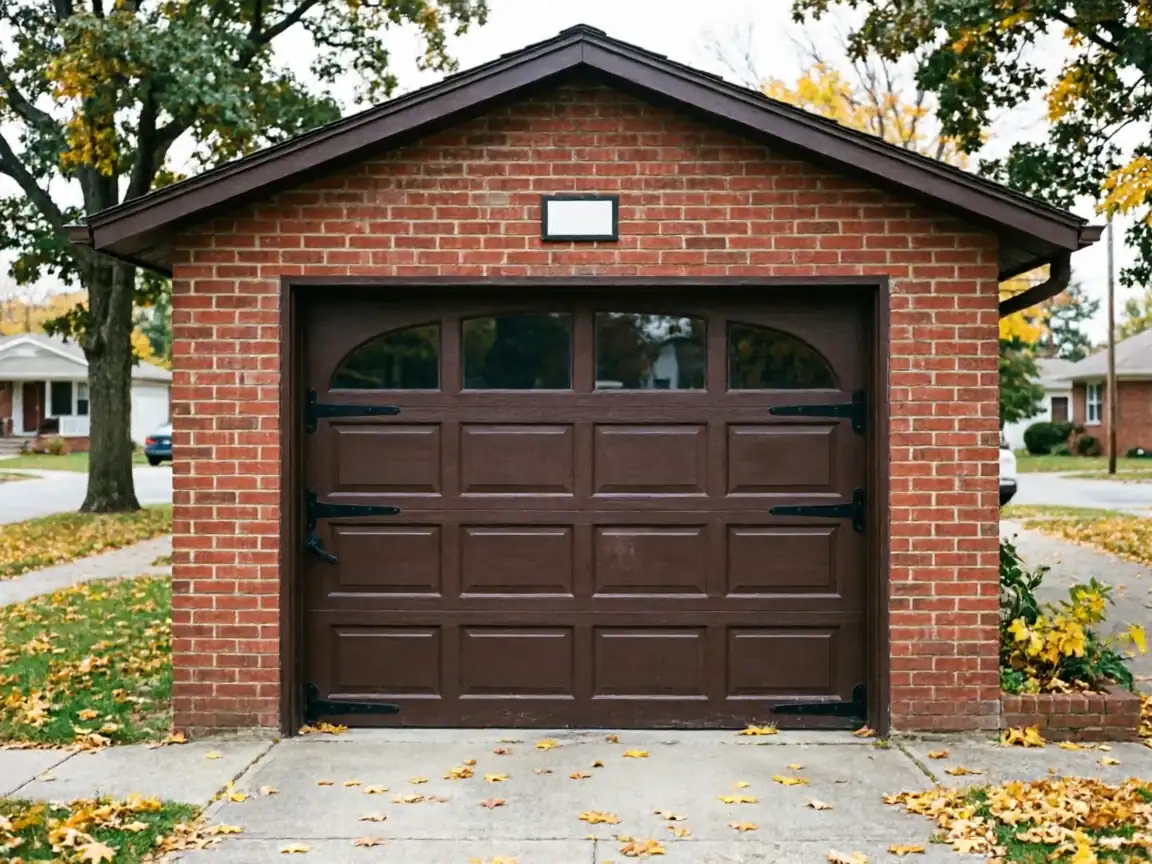
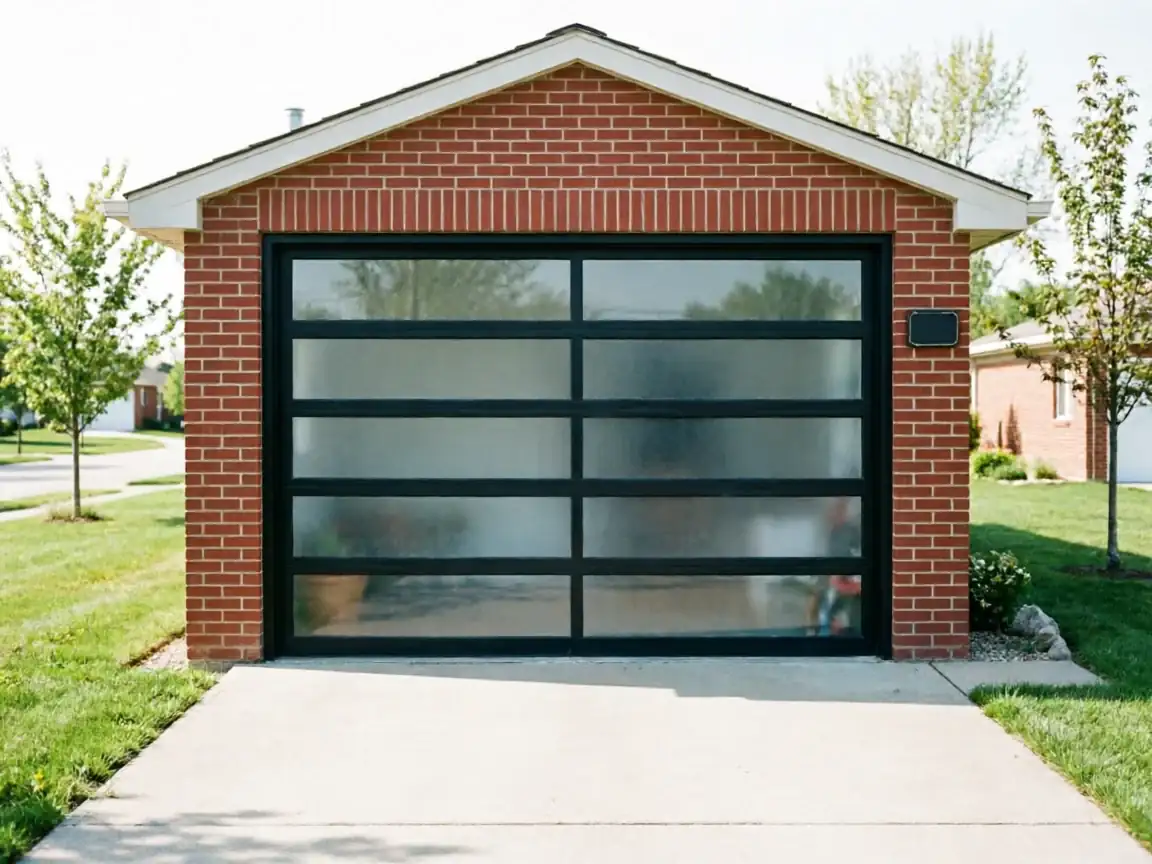
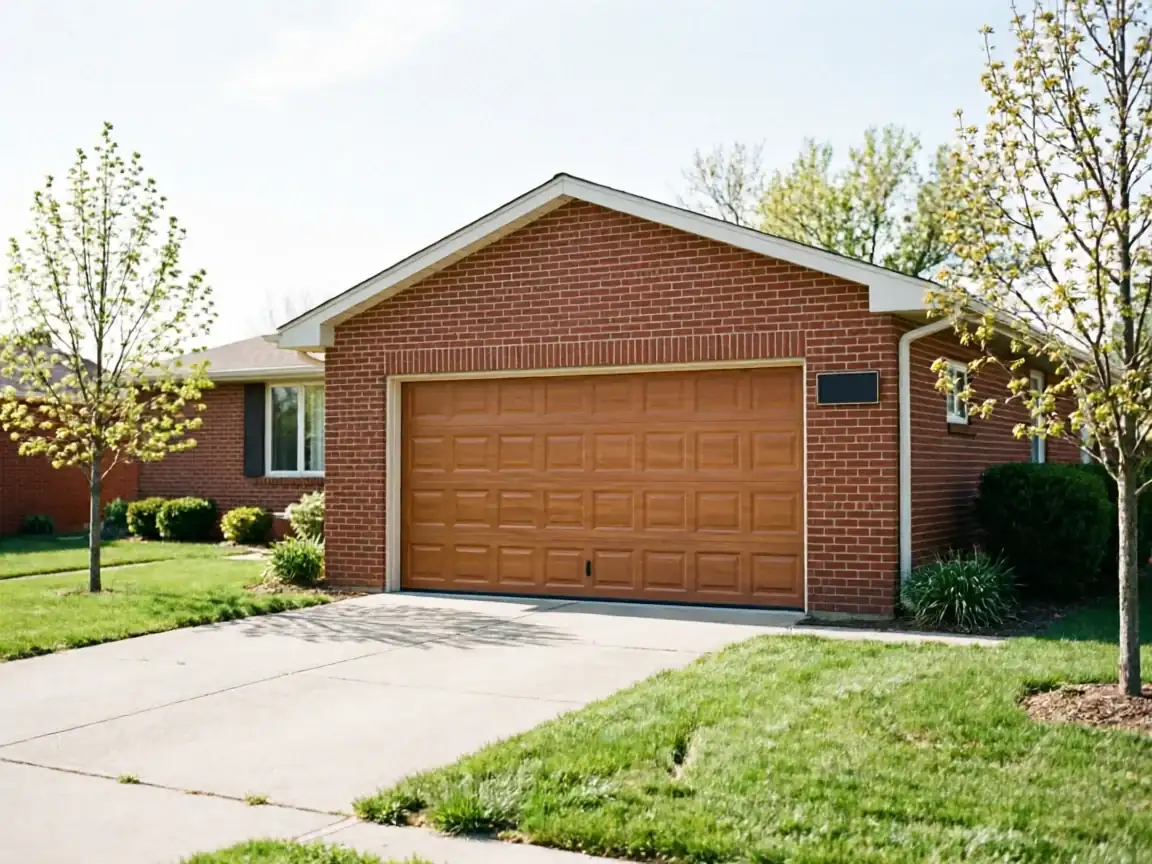
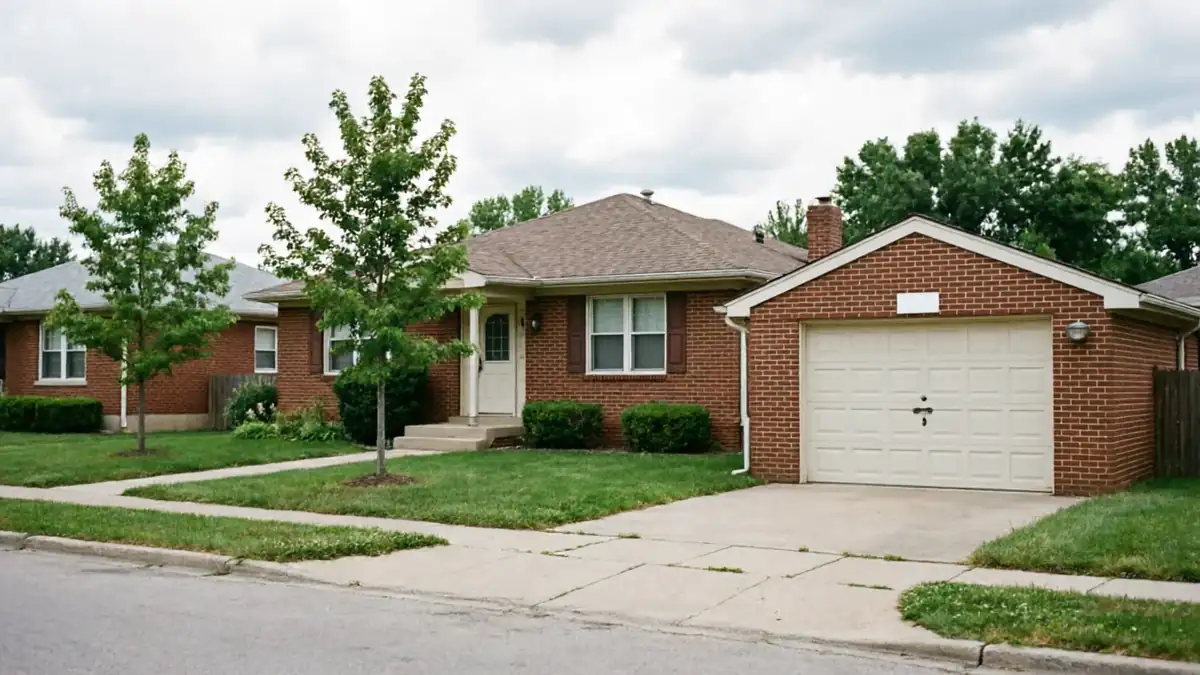
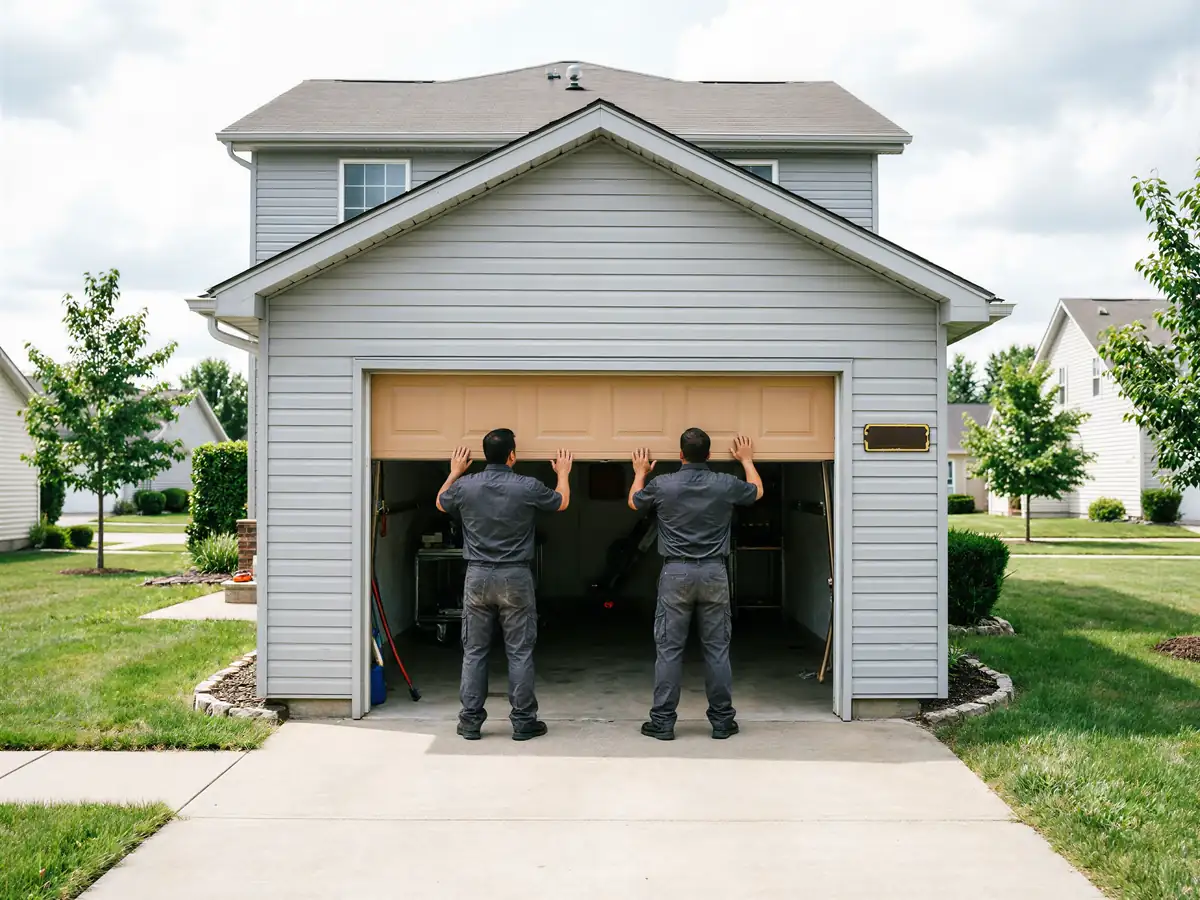
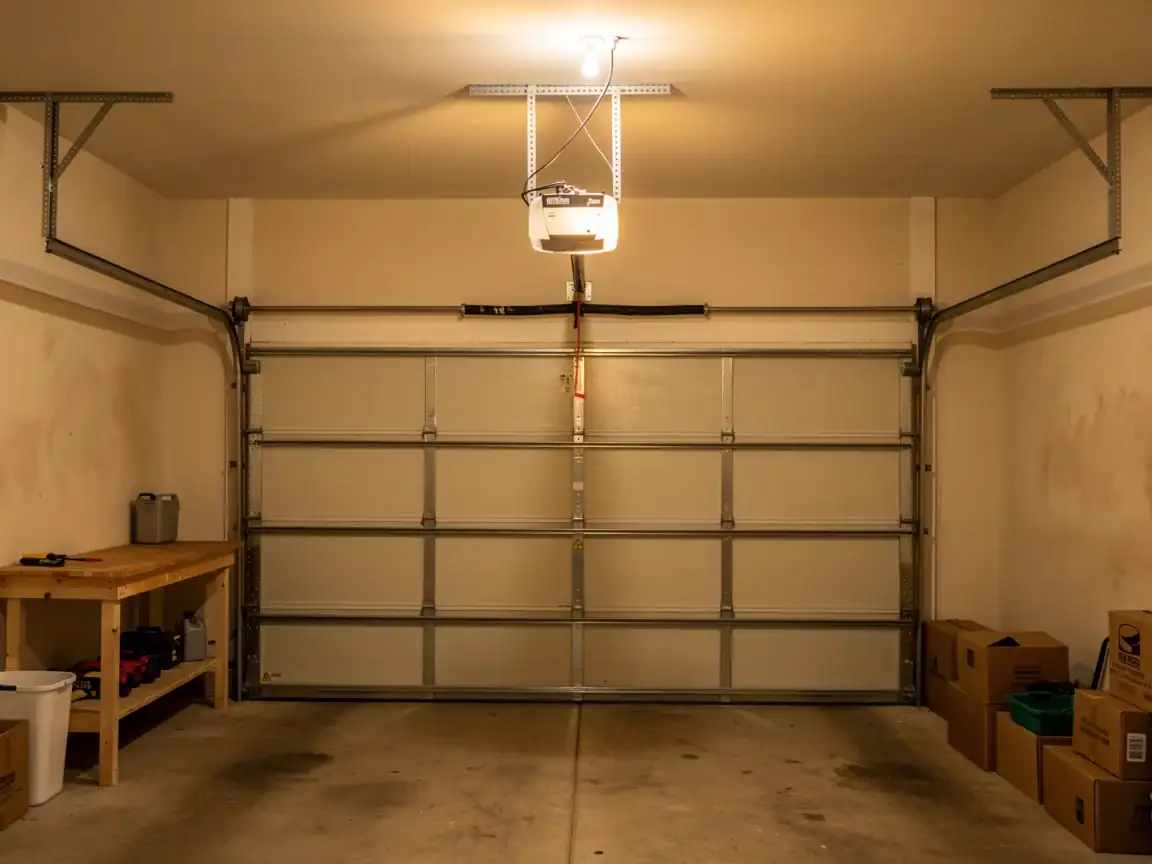
Westmoreland sits about 18 miles out from our Manhattan shop, and the houses here cluster tighter in age than you'd expect for a town this size. The median home here went up around 1972, which puts most garage doors and the hardware behind them squarely in the early-1970s era. That matters because a door from 1972 almost never has the safety features a 2005 door has as standard - no auto-reverse sensors unless someone added them later, and often a single torsion spring doing a job that current code would split across two. If your opener still has a pull-cord light switch wired into the wall instead of a plug-in unit, that's a 1970s install, not a modern one someone cheaped out on. We see a lot of that pattern here specifically, more than in the newer subdivisions closer to Manhattan where builds run into the 2000s.
The Usual Work Here
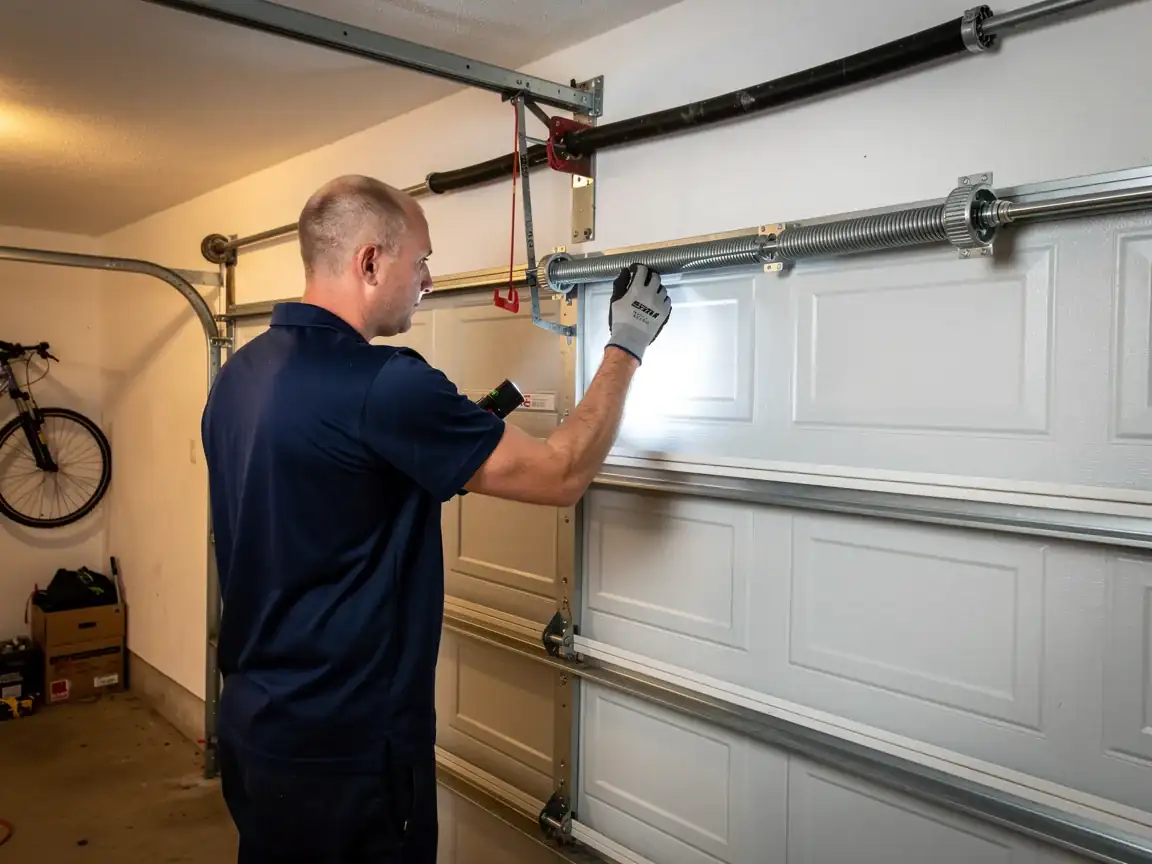
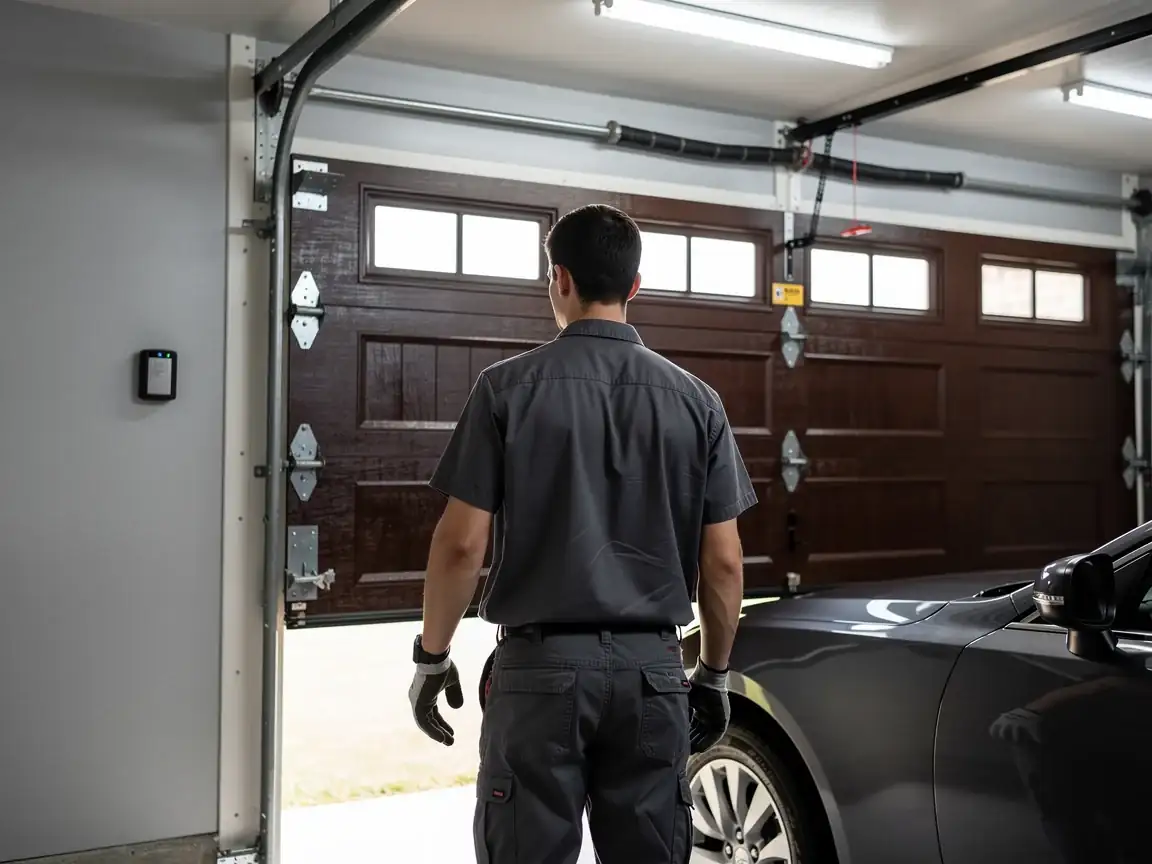
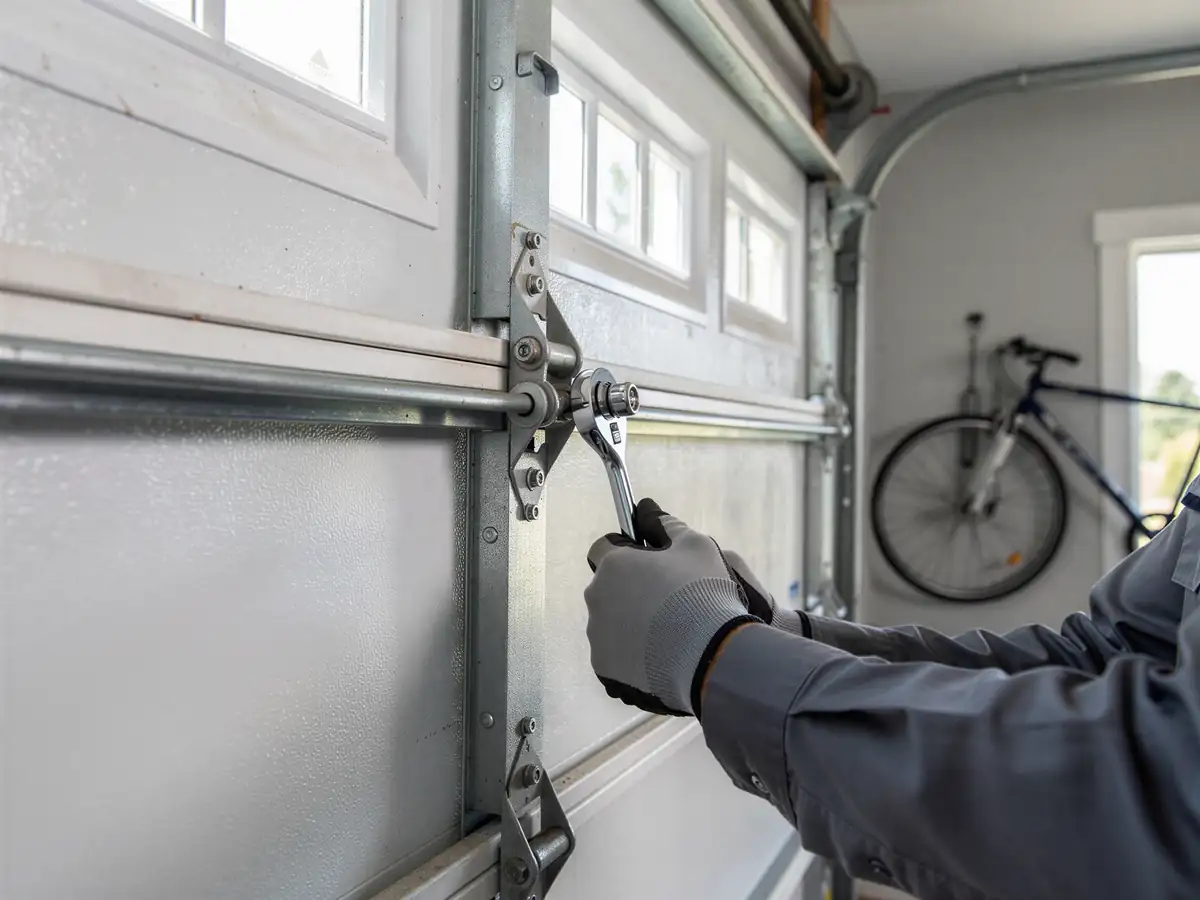
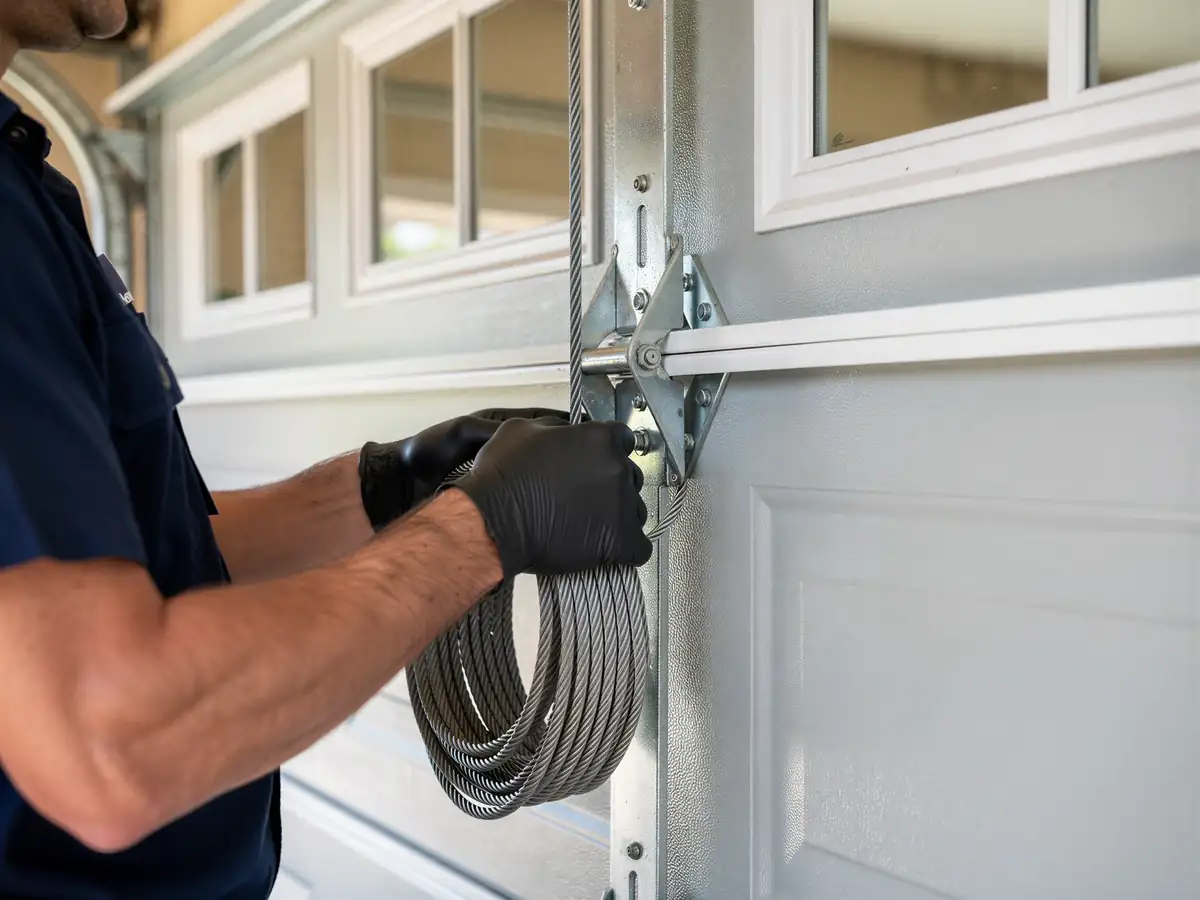
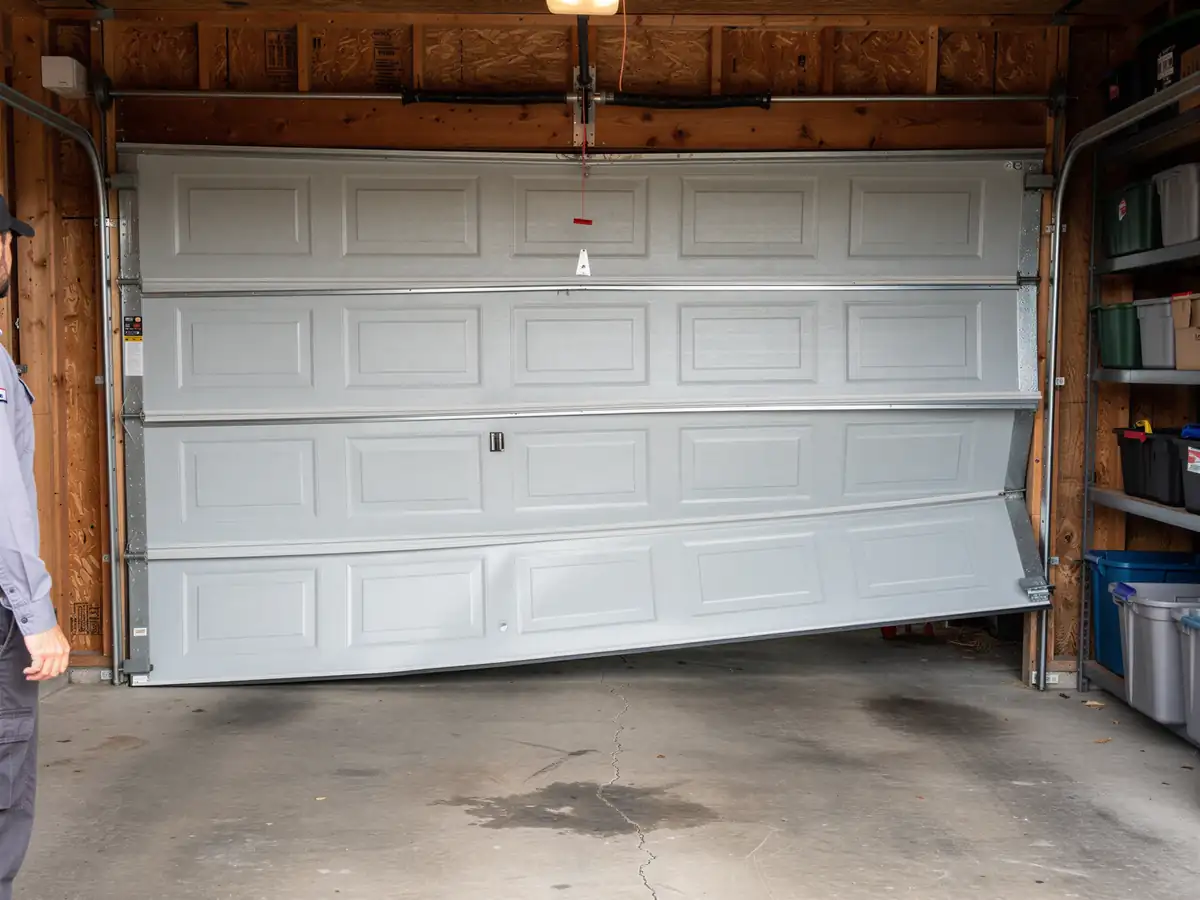
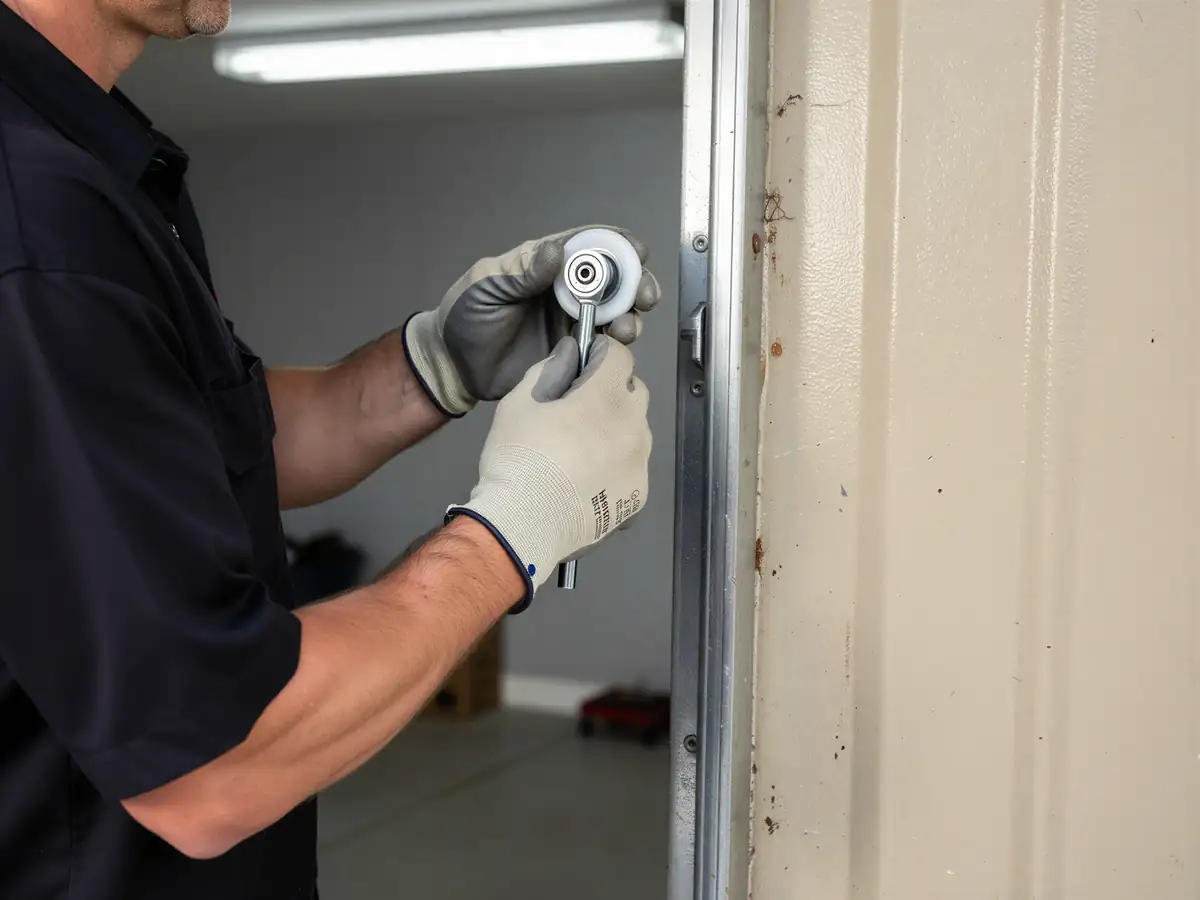
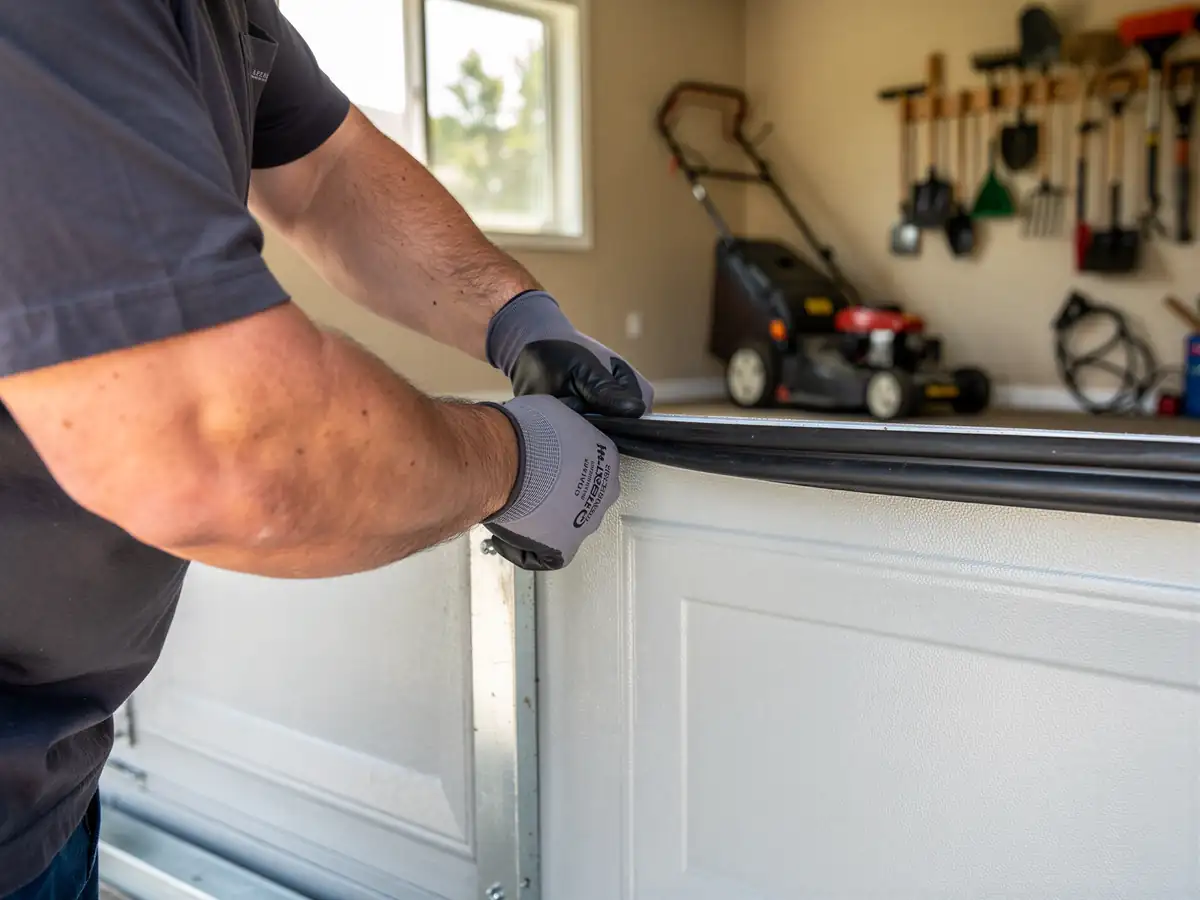
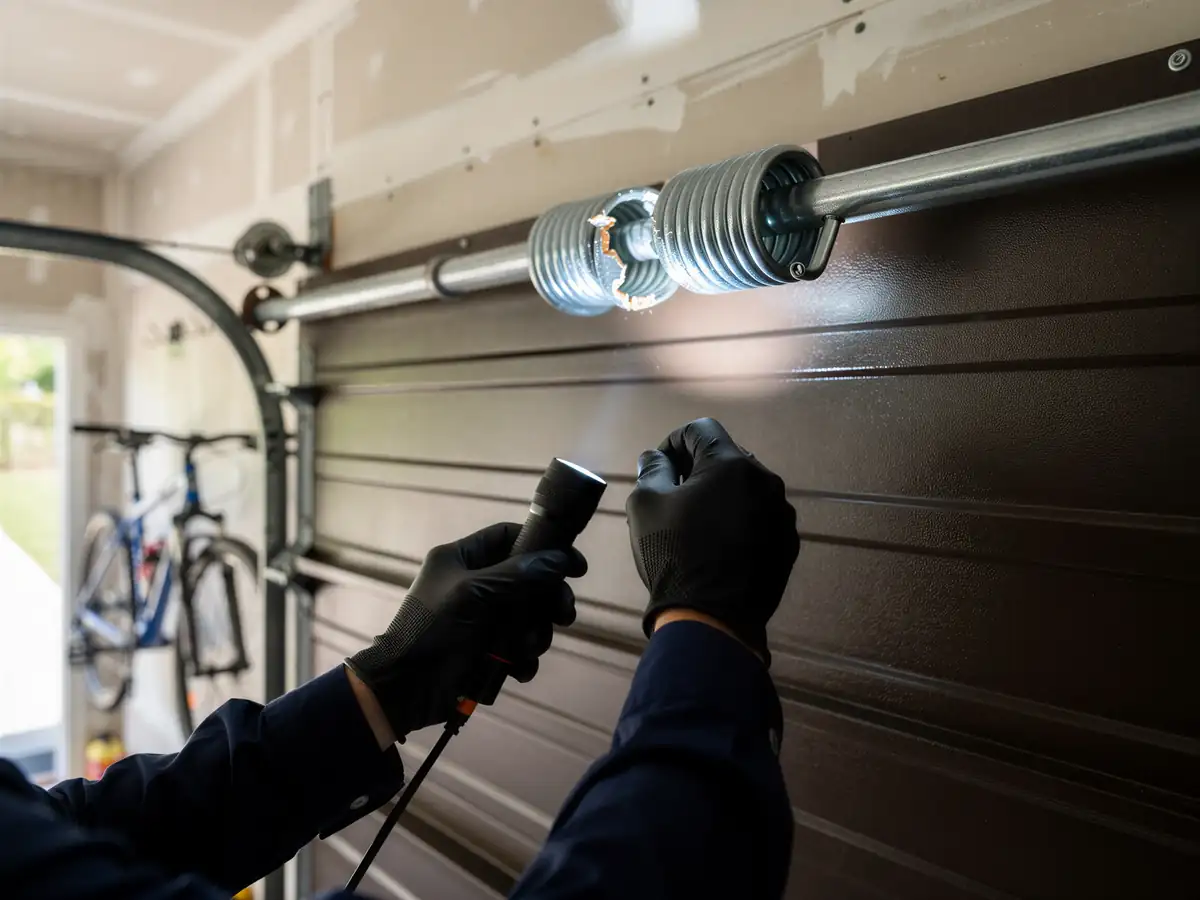
Doors from the early 1970s in this area tend to fail at a few predictable points. The torsion spring itself is usually original or a direct one-for-one replacement, sized for the lighter steel doors common to that build era - which means when it goes, it goes without warning because the wire has had fifty-some years of cycling. Track alignment is another common call; the galvanized track from that period wasn't treated the way current track is, and in our cold winters here the metal contracts enough to work bolts loose at the jamb. We also replace a fair number of rollers that were never swapped out since the house was built. What we don't do is try to rewire a 1970s opener to meet current safety-sensor code - at that point you're better off replacing the opener outright, and we'll tell you that straight instead of patching something that shouldn't be patched.
The Houses Here
Median household income in Westmoreland runs around $59,881, a bit below the wider service area's $61,953, which is part of why we try to be straight about repair versus replacement rather than pushing a new door on every call. A lot of these doors are fixable - new spring, new cable, realigned track - without touching the panel itself, since steel doors from the early '70s were built heavier than people give them credit for. Where it doesn't make sense to keep fixing an old door is when the opener has failed and the door lacks any safety reversal; at that point the honest math favors replacement. We're clear that we travel out from Manhattan for these jobs - there's no local depot here, just a truck that makes the 18-mile drive.