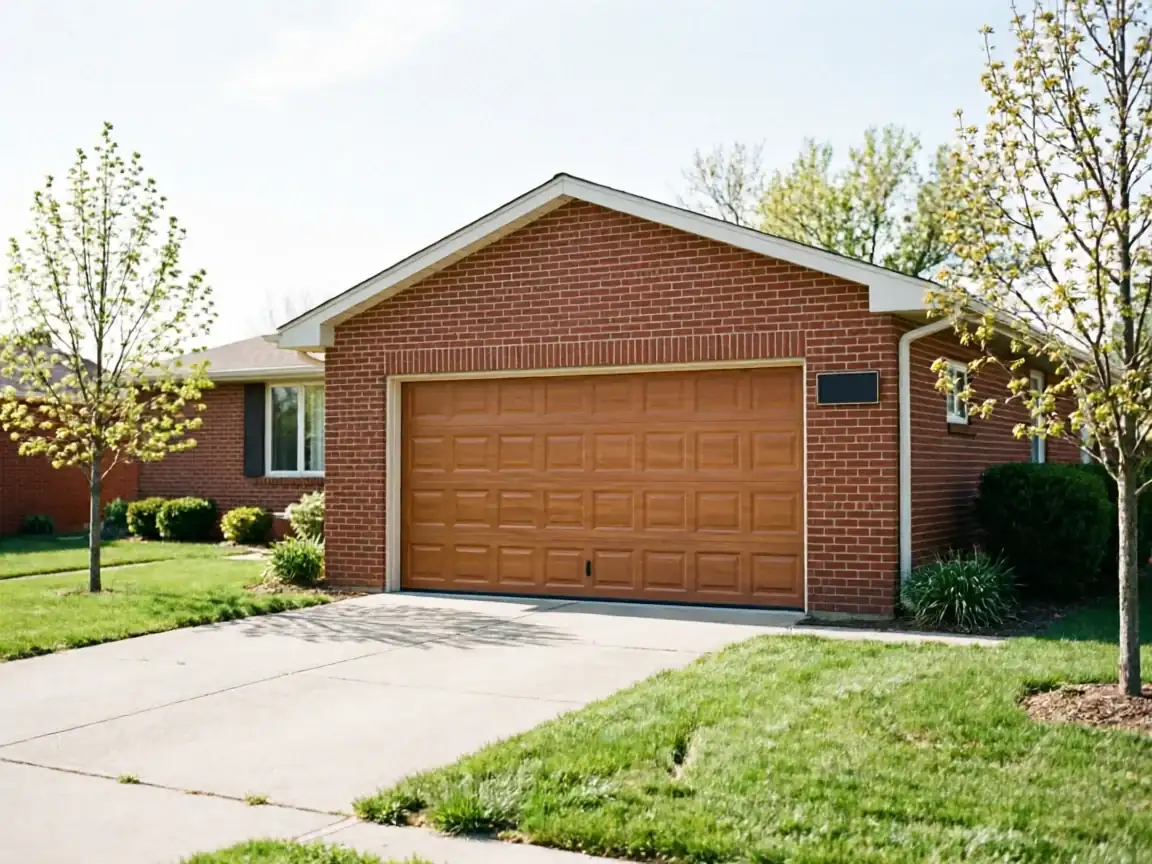
What You Are Seeing
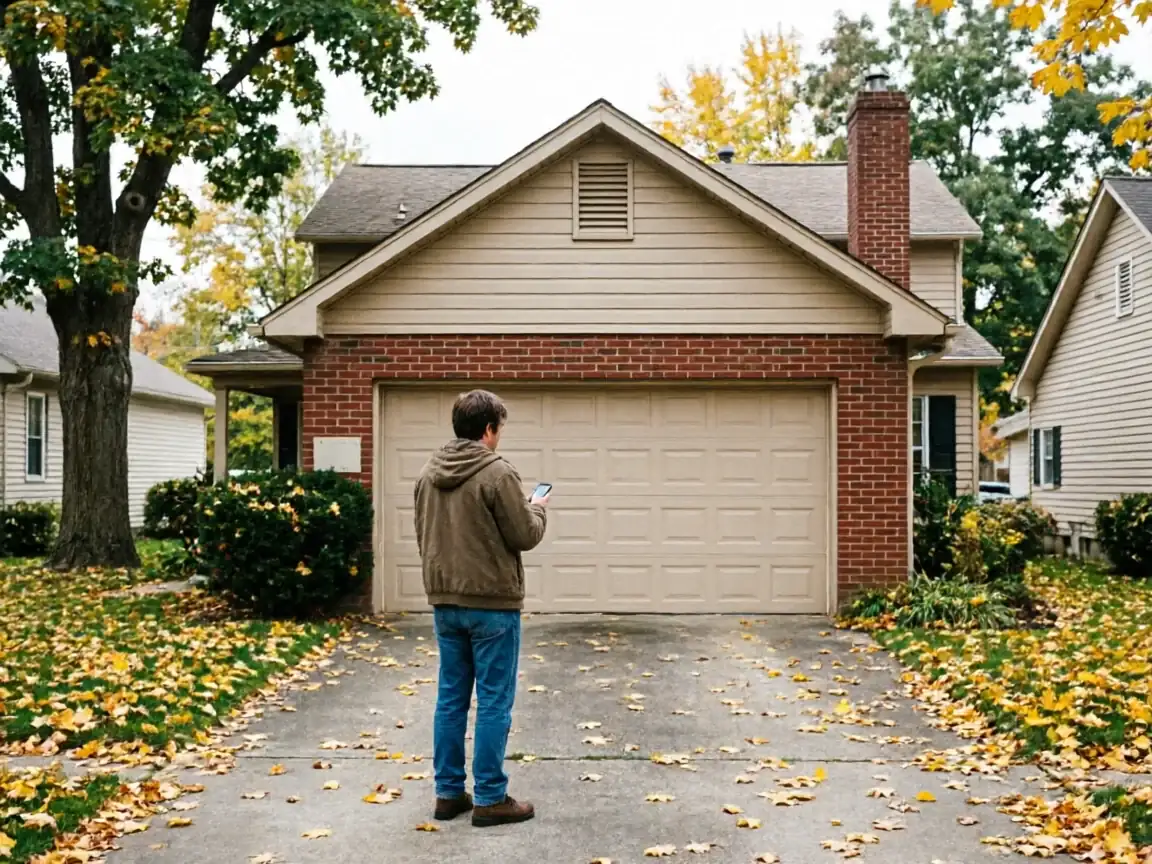
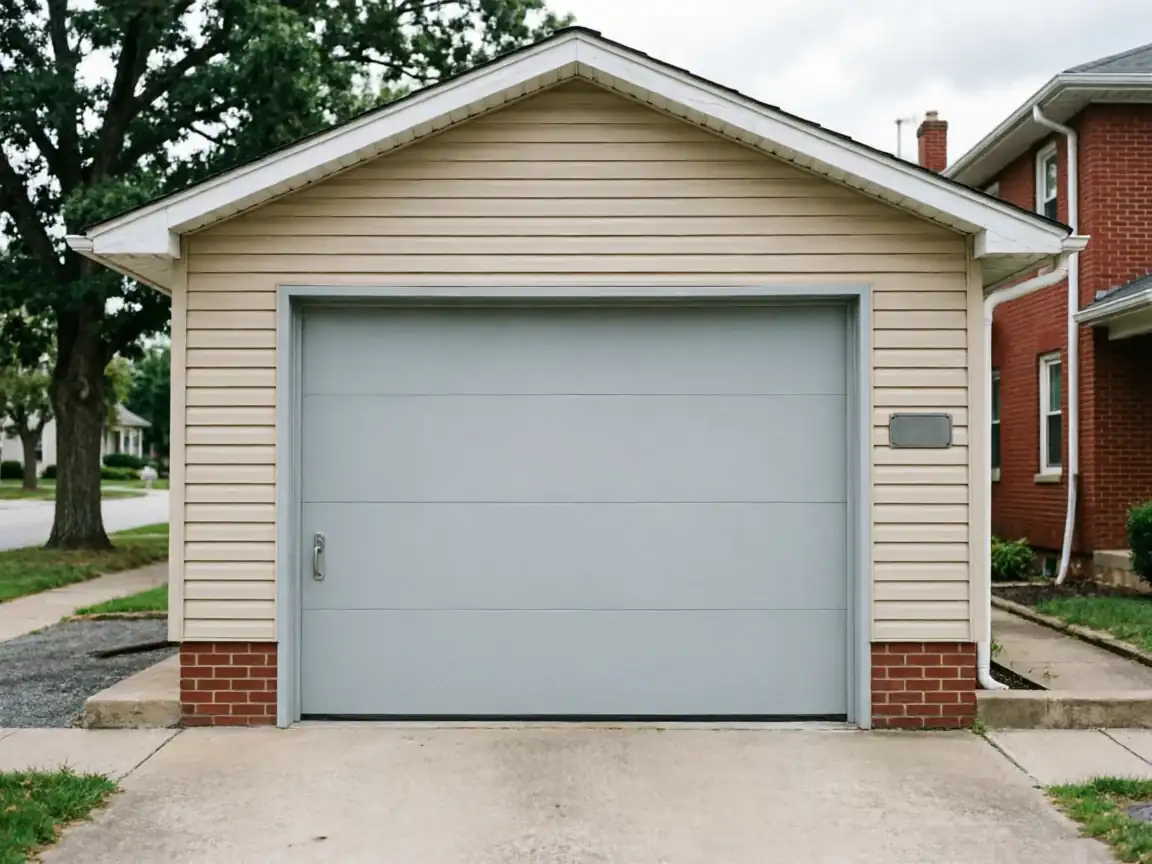
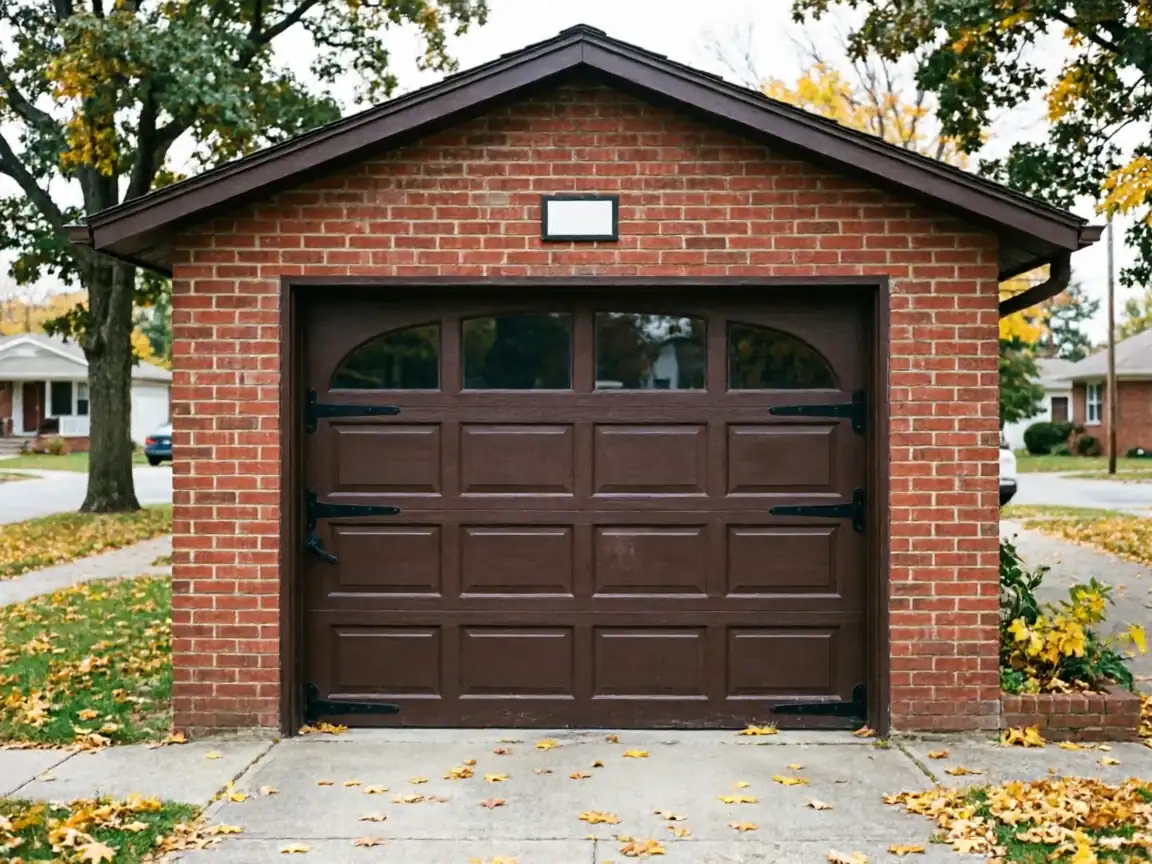
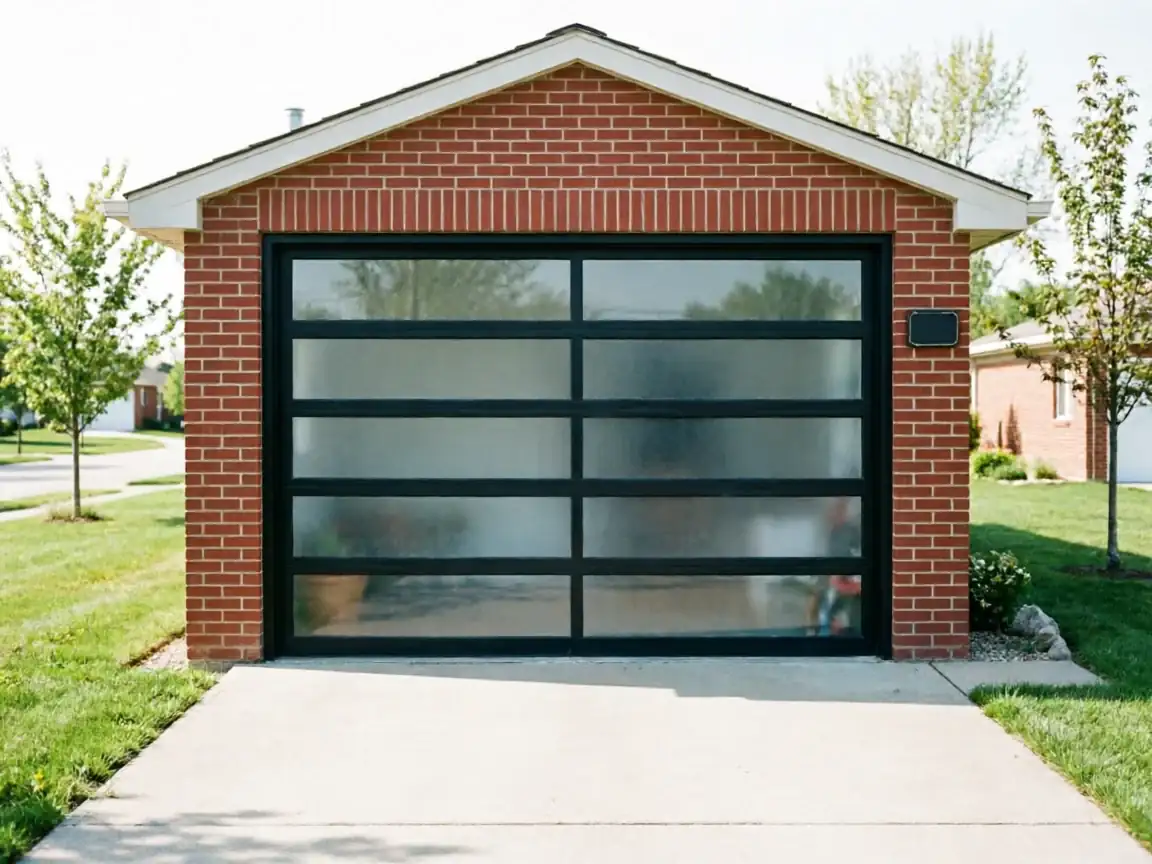
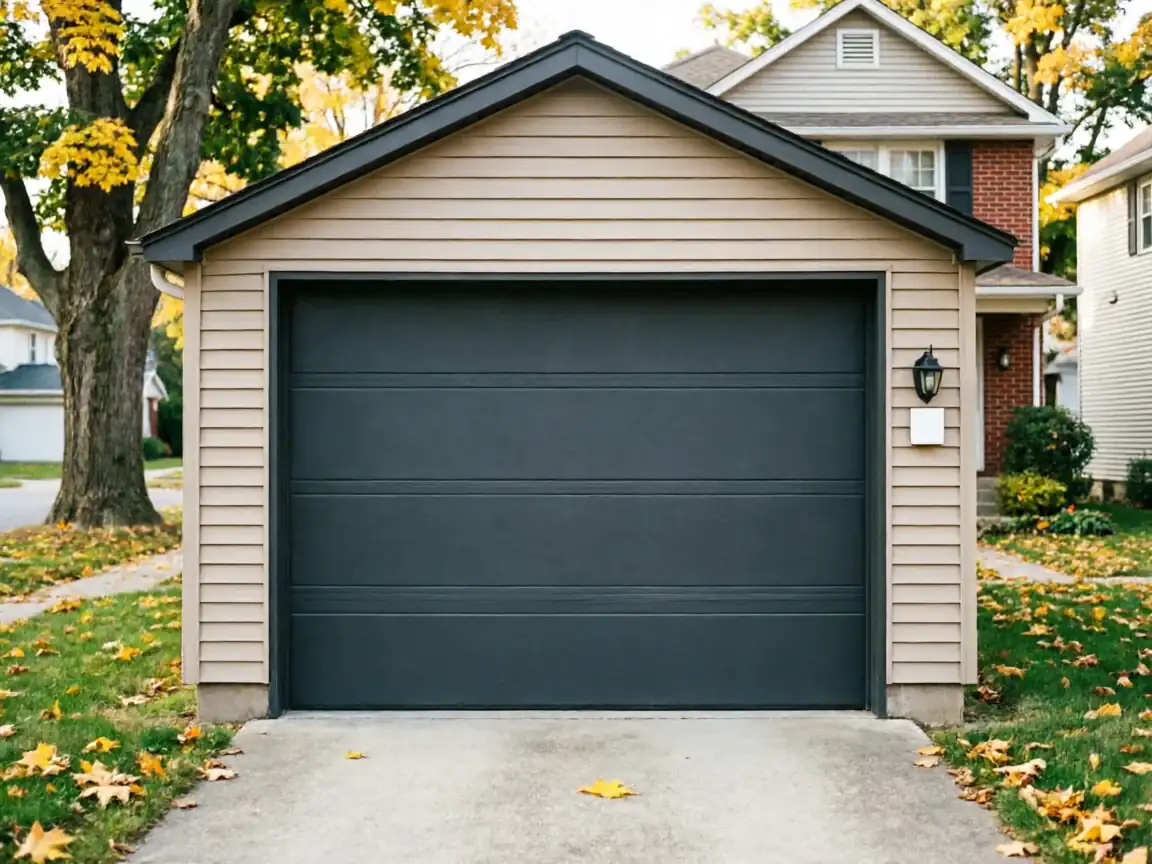
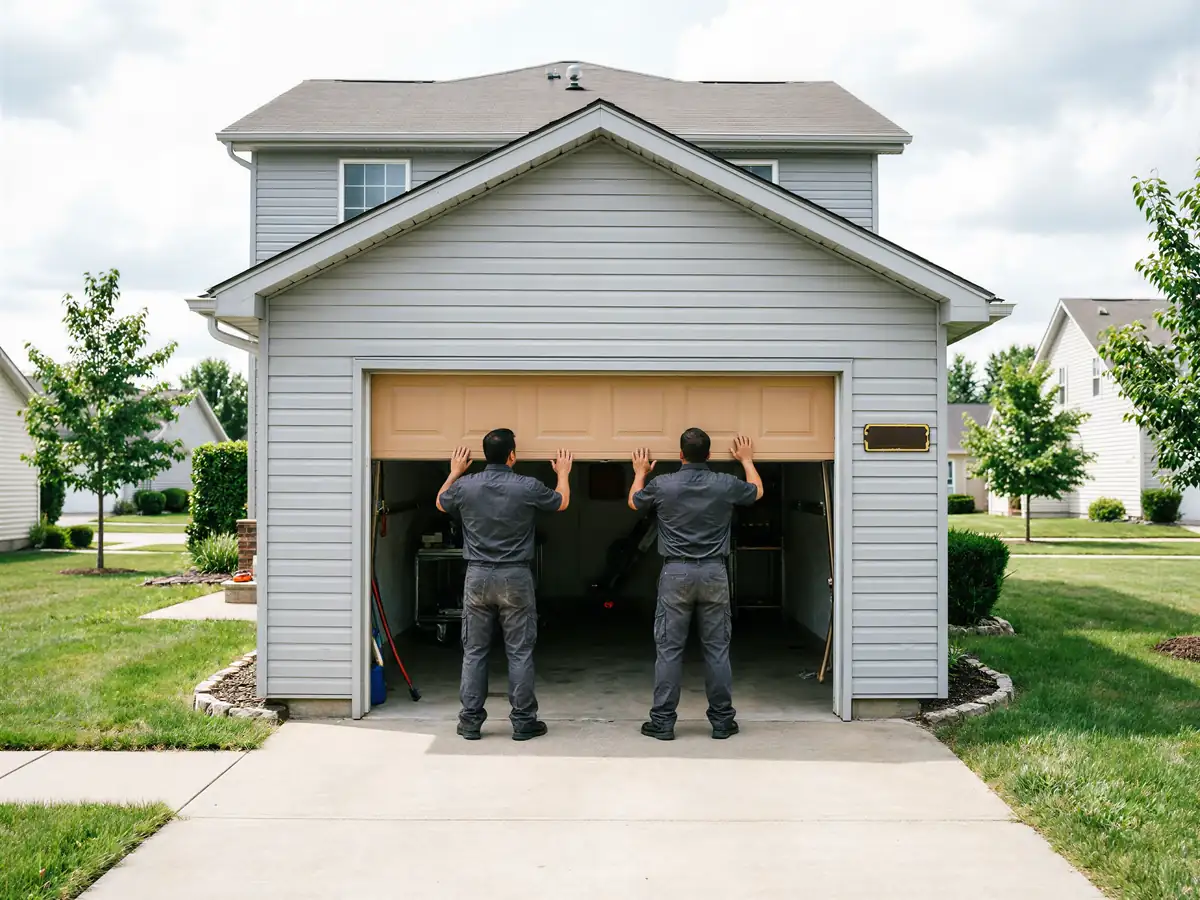
Riley sits 14 miles out from Manhattan, which is the first thing that shapes how a service call here actually runs - it's a drive, not a quick trip across town, so a tech coming out plans the stop rather than swinging by on a whim. The second thing is the houses themselves. Riley's housing stock clusters tight around 1966, which sits at the early edge of the 1966-2007 range you'll find spread across the wider service area and its seven named pockets. That matters because a door built in the late 1960s almost never has the same spring sizing, track width, or opener mounting as something put up in the 1990s. If your door is original to the house, you're likely looking at an extension-spring setup on wood jambs rather than the steel-frame, torsion-spring builds common on newer construction nearby. The climate band here runs cold and moderate, which over fifty-plus years means steel hardware that's cycled through a lot of freeze-thaw swings. None of this is unique to one house - it's a pattern across most of the older stock in and around Riley, and it's worth knowing before a tech even opens the door panel.
What You Pay
We don't have a Riley-specific price list to quote here, and pretending otherwise would be a guess dressed up as a fact. What we can say is that Riley's median household income runs at $78,125, well above the $61,953 median across the broader service area - that's relevant mostly because it tends to correlate with homeowners choosing full hardware replacement over patch repairs when a spring or opener fails, rather than stretching an old part another few years. Riley is also a small slice of the area overall: about 303 households here, against roughly 4,928 owner-occupied houses spread across the full service territory. That scale means a crew isn't running multiple jobs in Riley on any given day the way they might in a denser pocket closer to Manhattan - the trip itself is the fixed cost, parts and labor are the variable one. If you want a number, the honest answer is to get a look at the door first. A worn roller job and a seized torsion spring on a 1966-era door price out very differently, and nobody should quote either sight unseen.
What Can Go Wrong
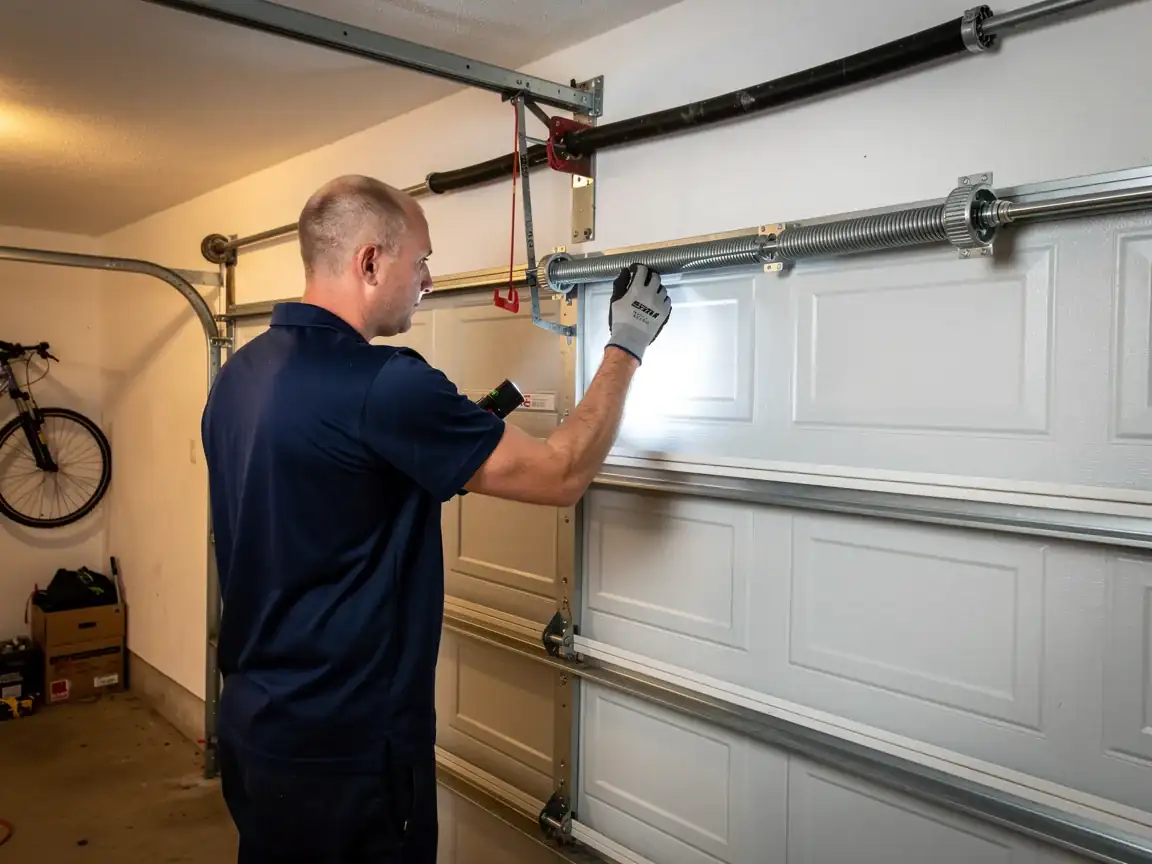
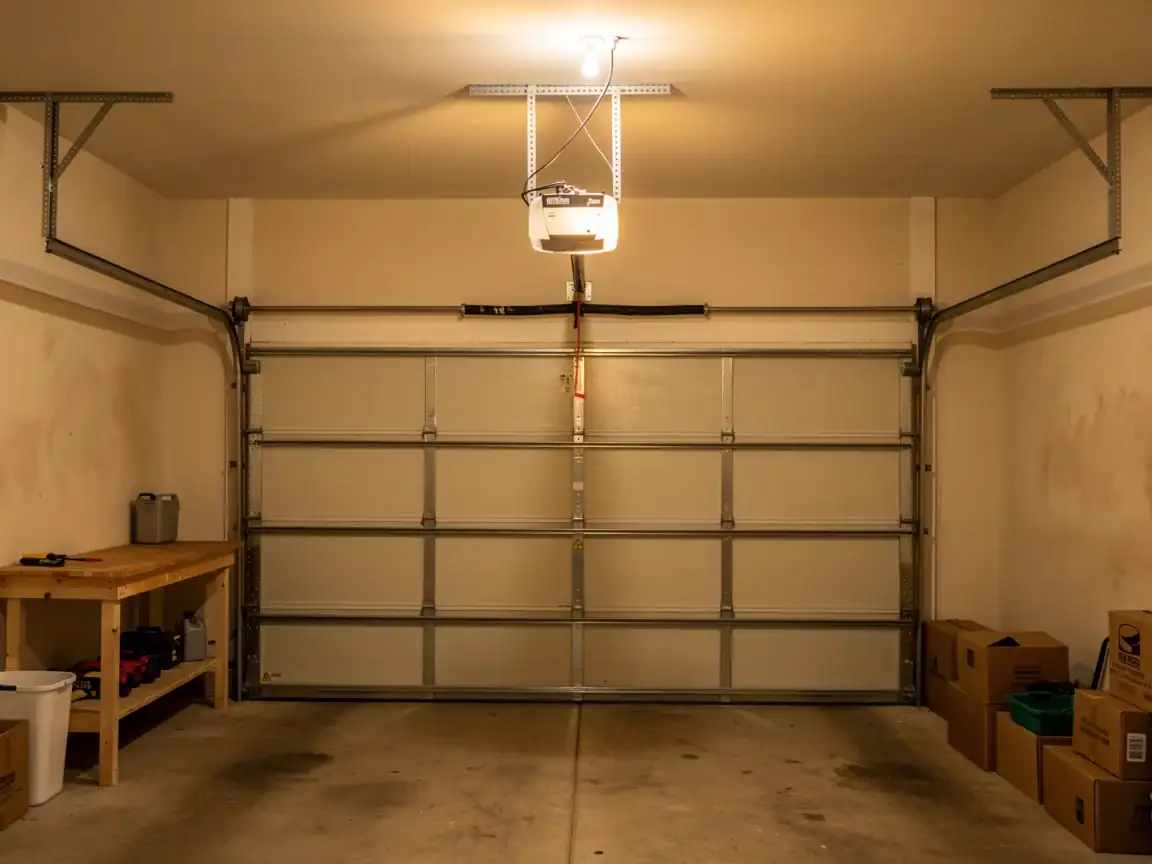
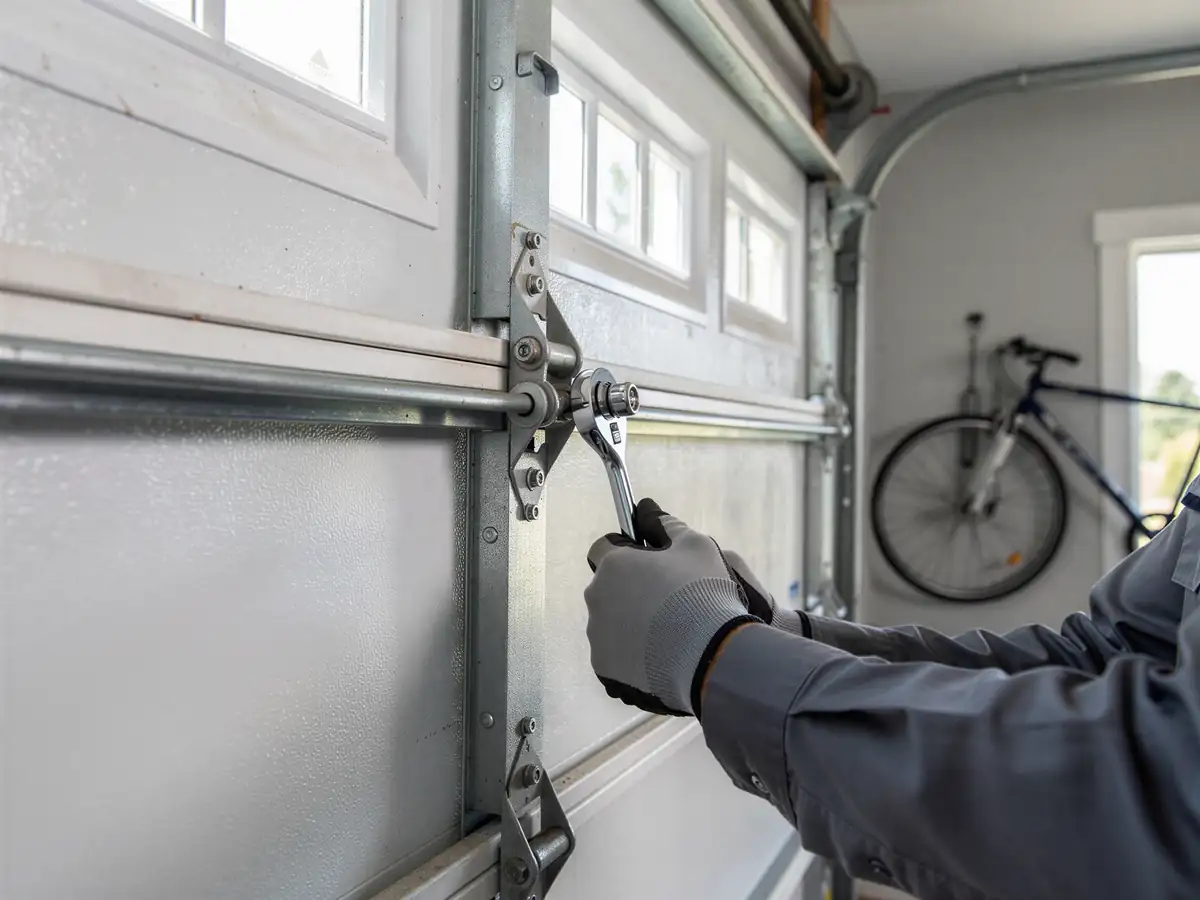
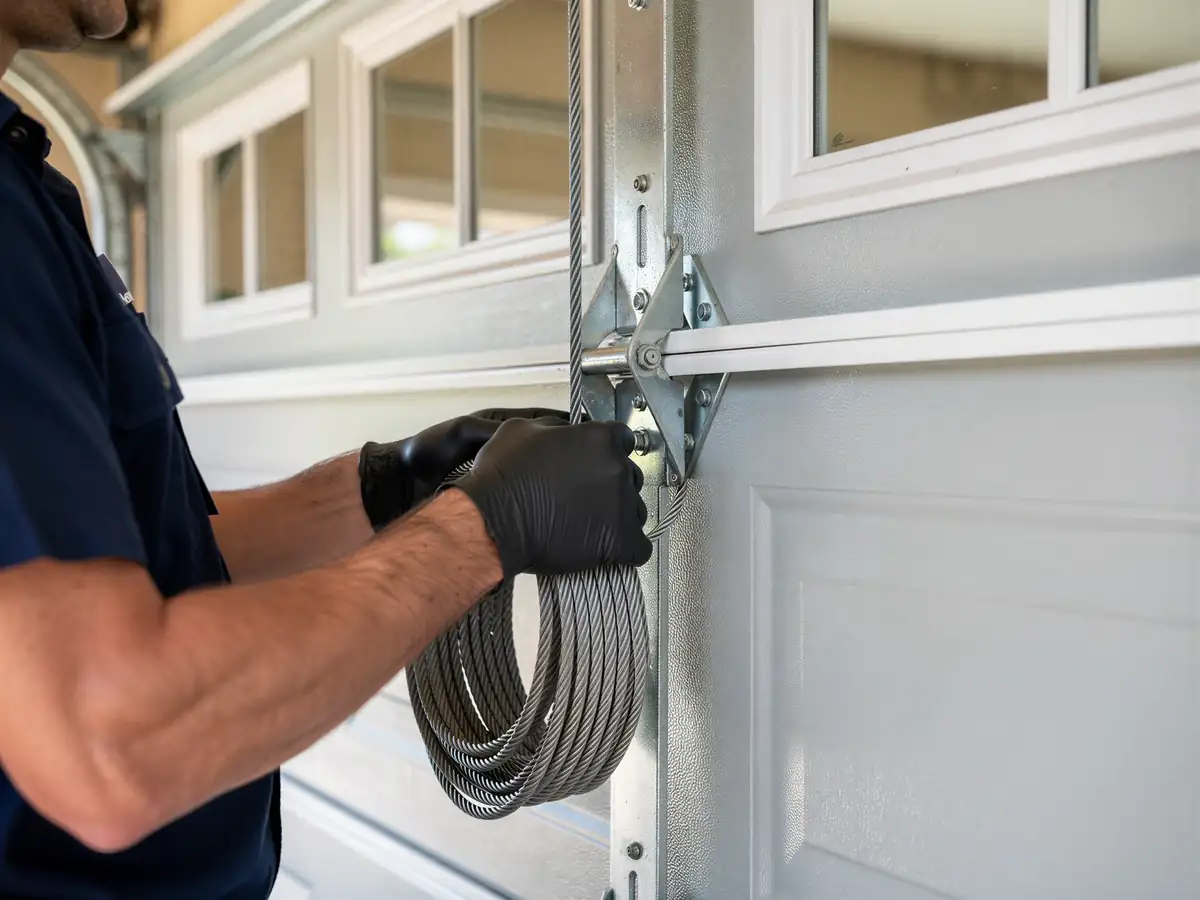
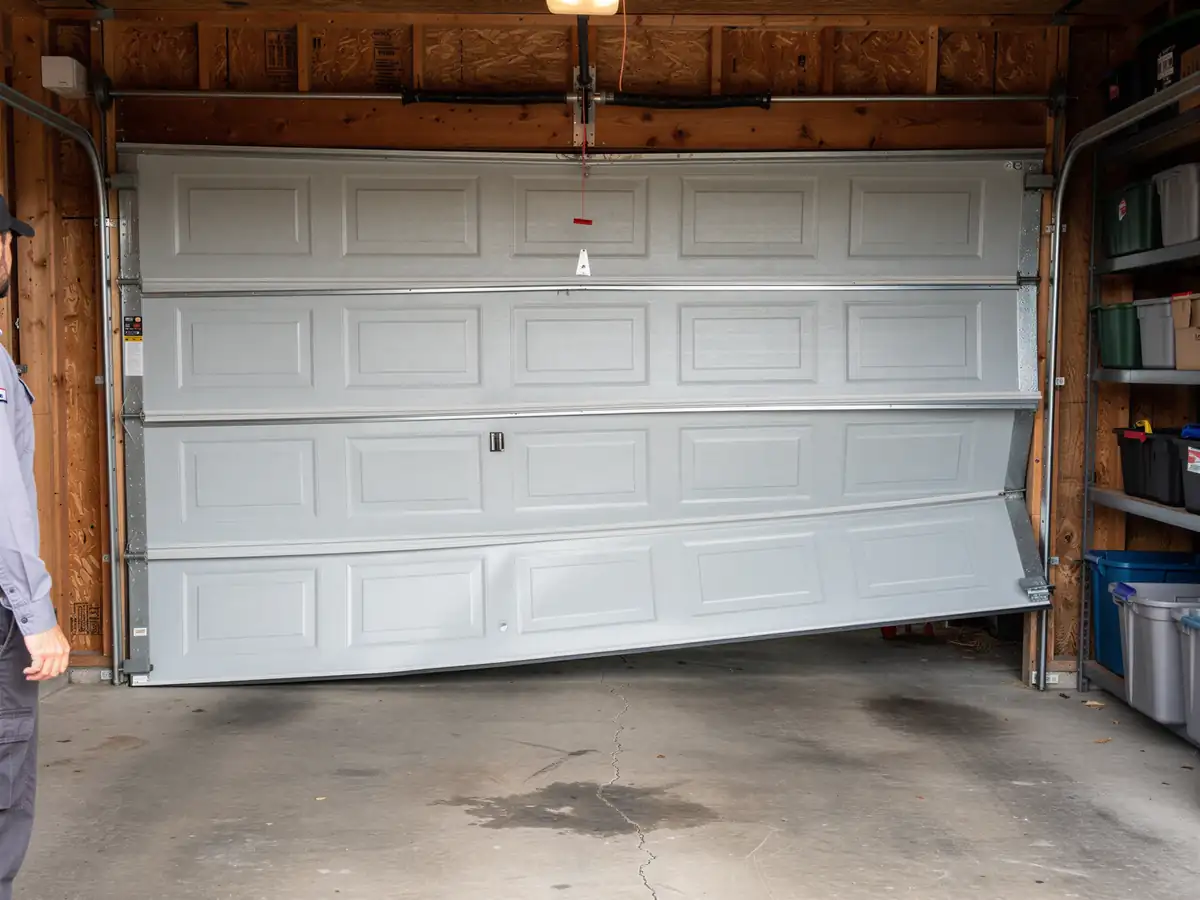
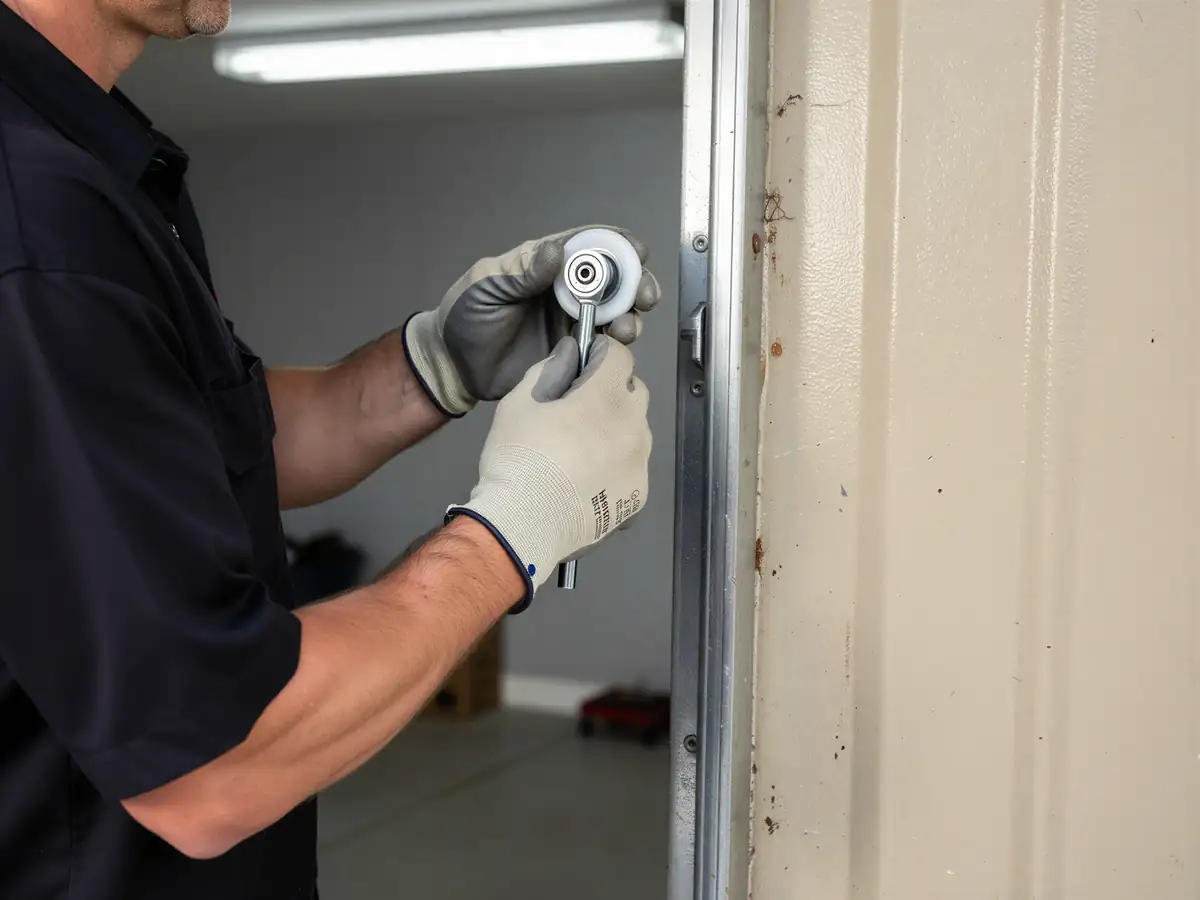
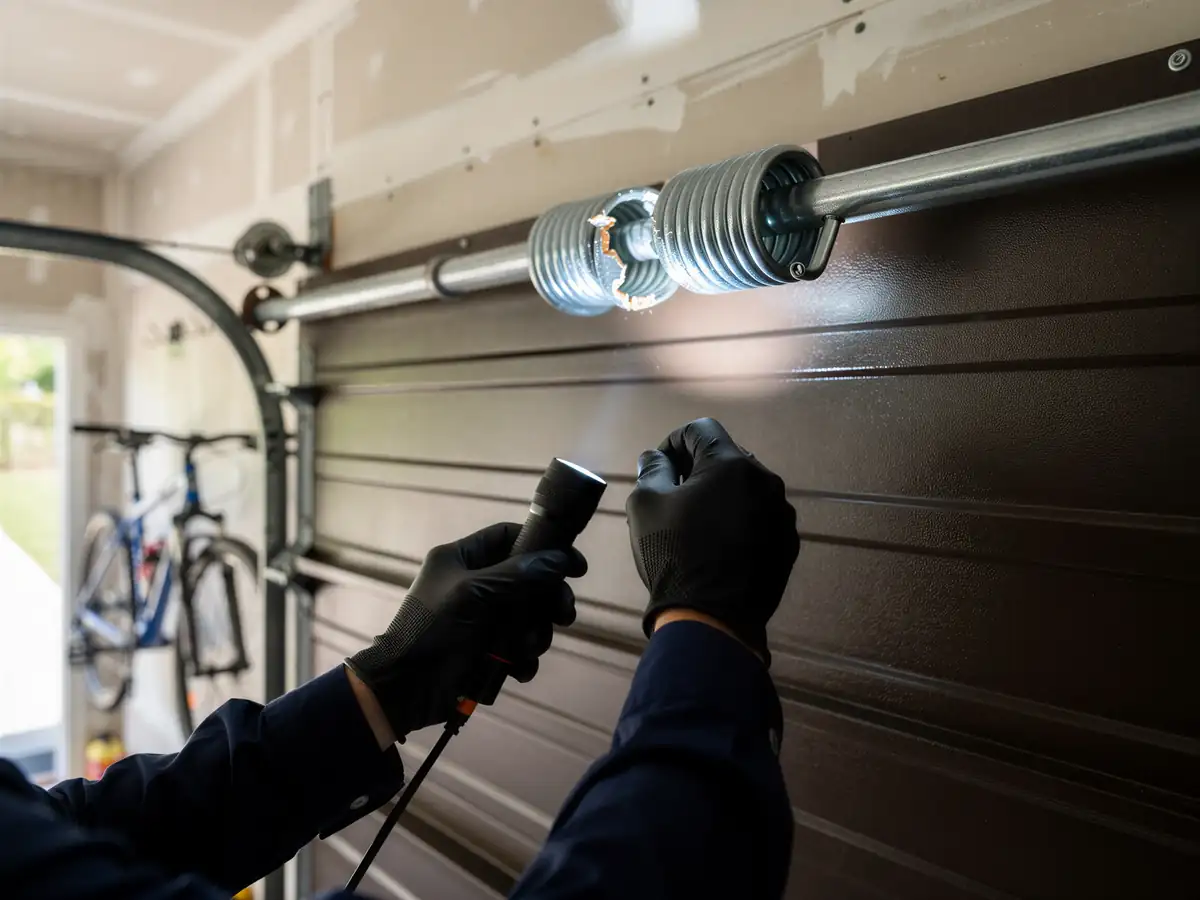
The cold-moderate climate here means steel parts - springs, cables, rollers - go through repeated contraction and expansion every winter, and on hardware pushing fifty-plus years old, that's a lot of cycles. Rust at the spring coils or fraying at the cable where it wraps the drum are the two things that show up most on houses from this era. A second risk is mismatched replacement: putting a newer standard-length spring on an older door with a shorter headroom allowance can leave the door off-balance, which strains the opener motor even if the opener itself is fine. We'll also say plainly that not every old door is worth saving. If the panels themselves are rusted through or the track is bent past straightening, patching the spring and calling it done just moves the next failure a few months down the road. That's not a sales pitch for replacement - it's the honest read on wood-jamb, single-layer doors from the mid-60s once the structure itself starts going.
How to Book
Because the crew travels from Manhattan, 14 miles each way, scheduling a Riley job usually means picking a time rather than expecting someone on the doorstep within the hour. You can see what's covered for Riley specifically on the Riley garage door repair page, or check the full rundown of services offered out of Manhattan on the Manhattan garage door service page. We're not going to promise a same-day window here - that's not a number we have for this town, and we'd rather say that straight than guess.