What You Are Seeing
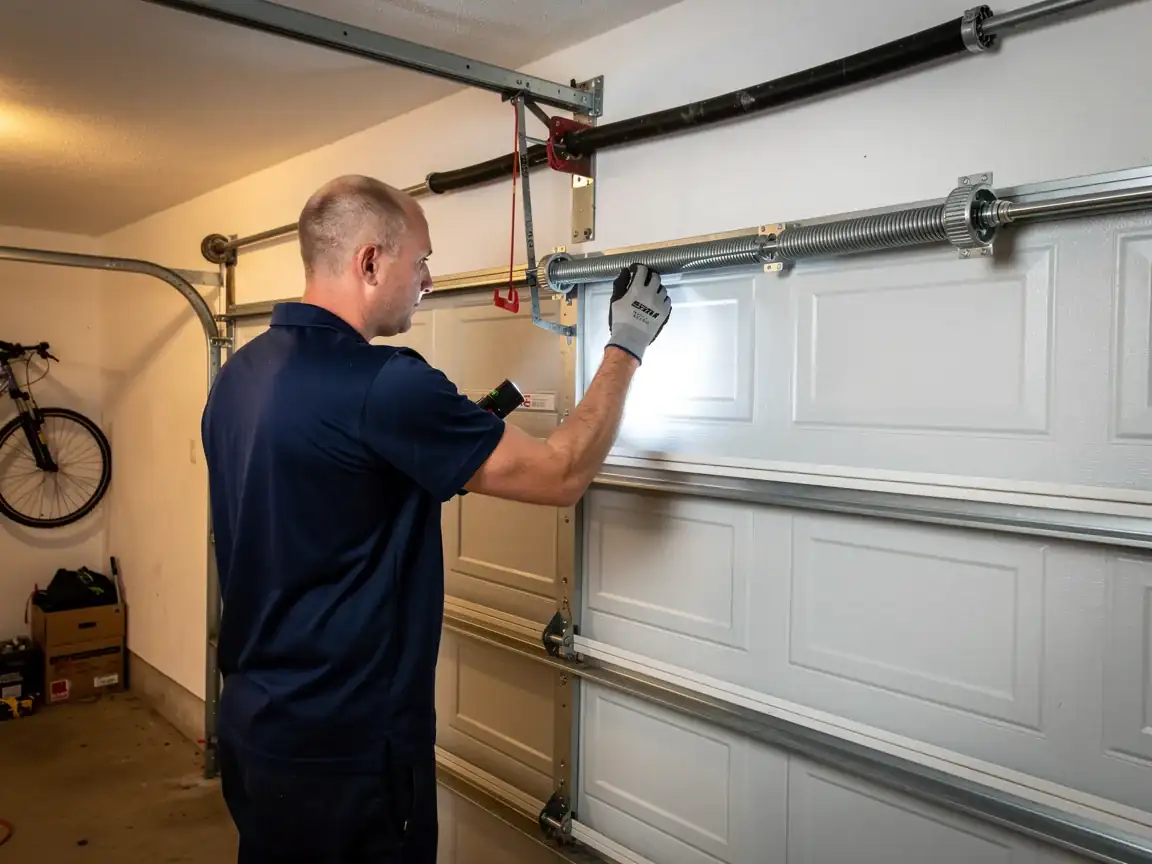
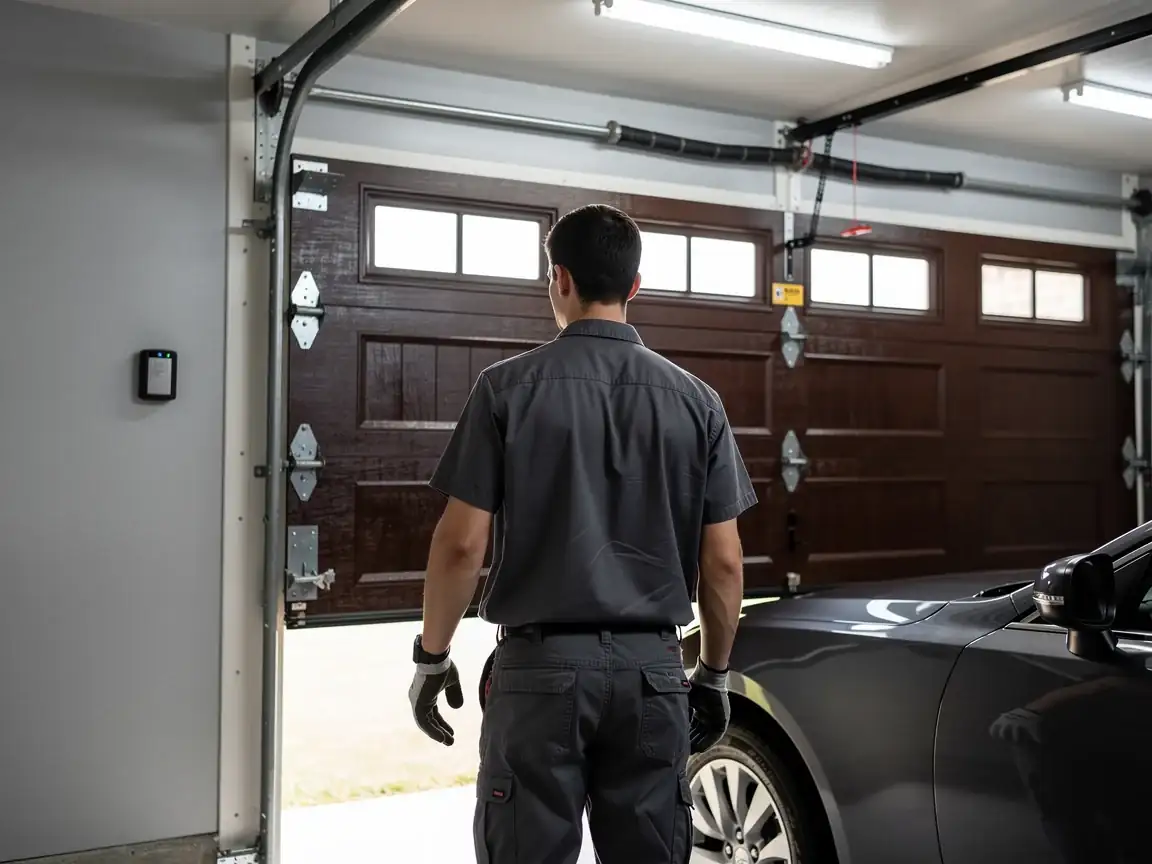
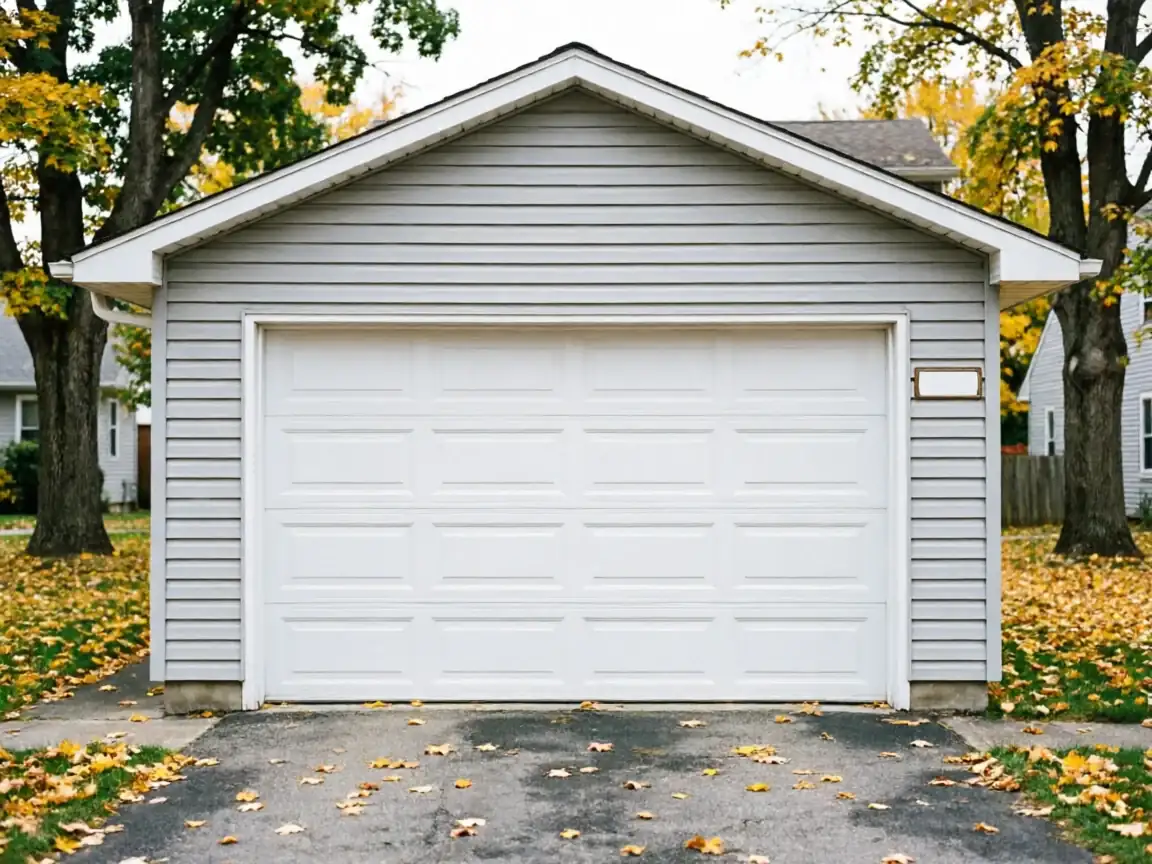
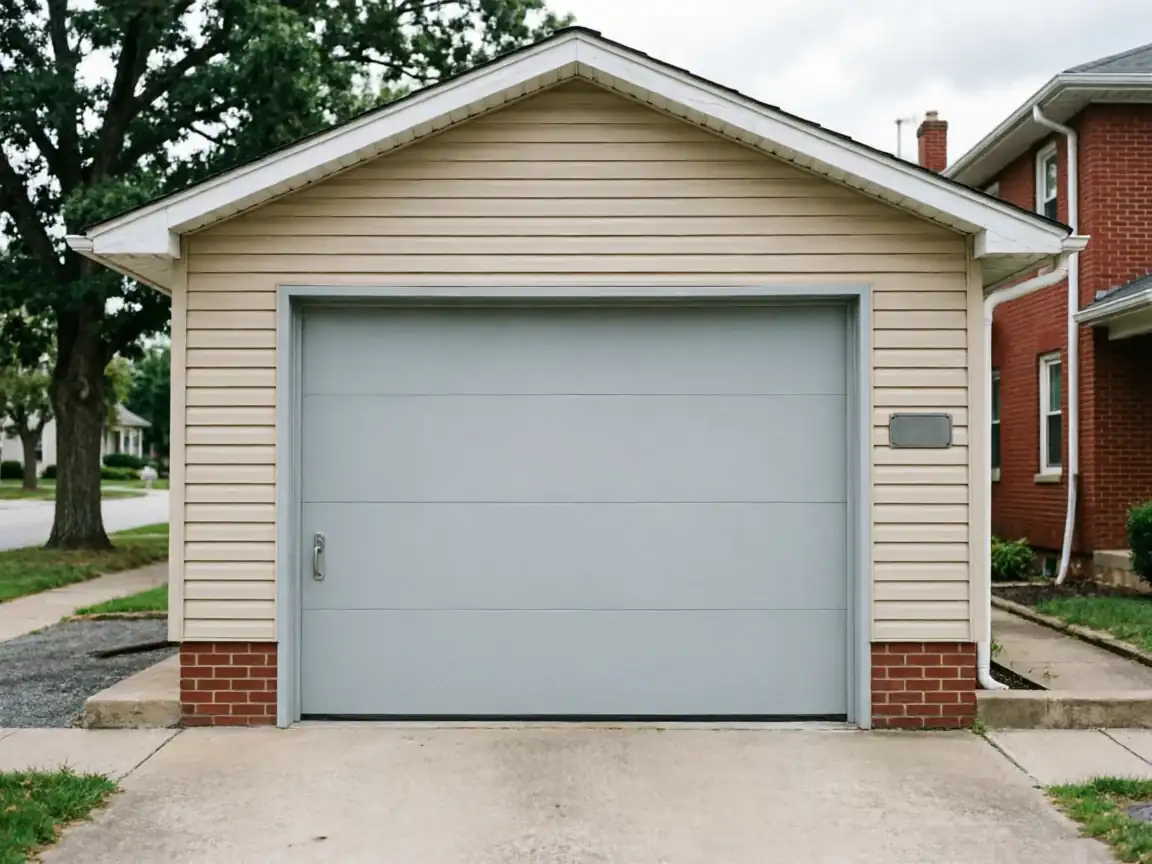
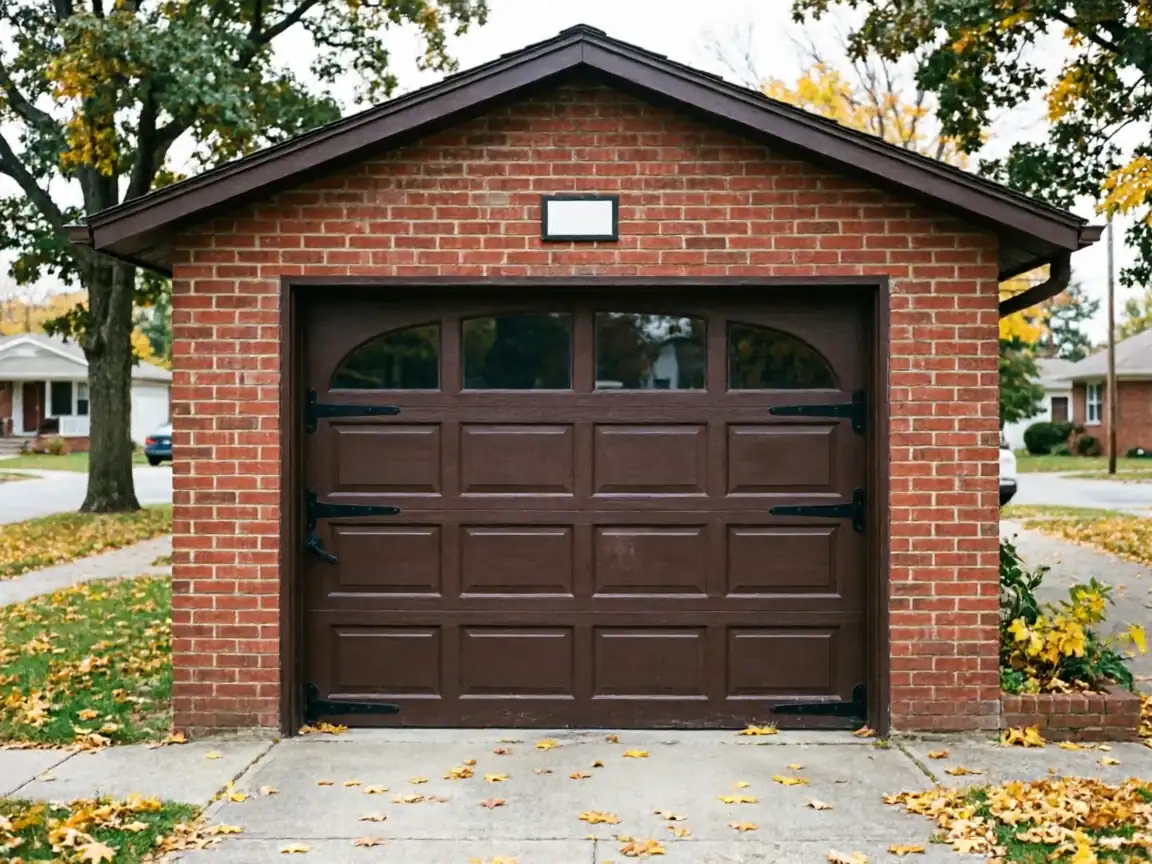
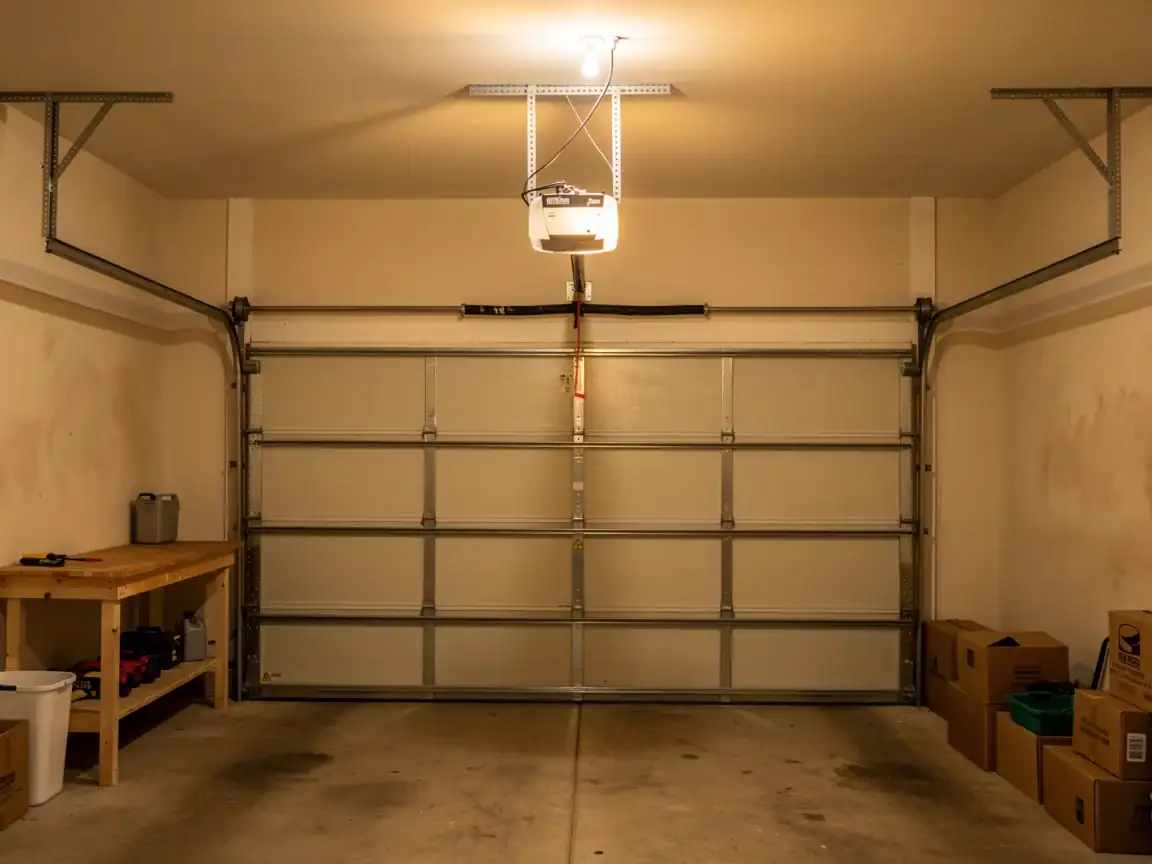
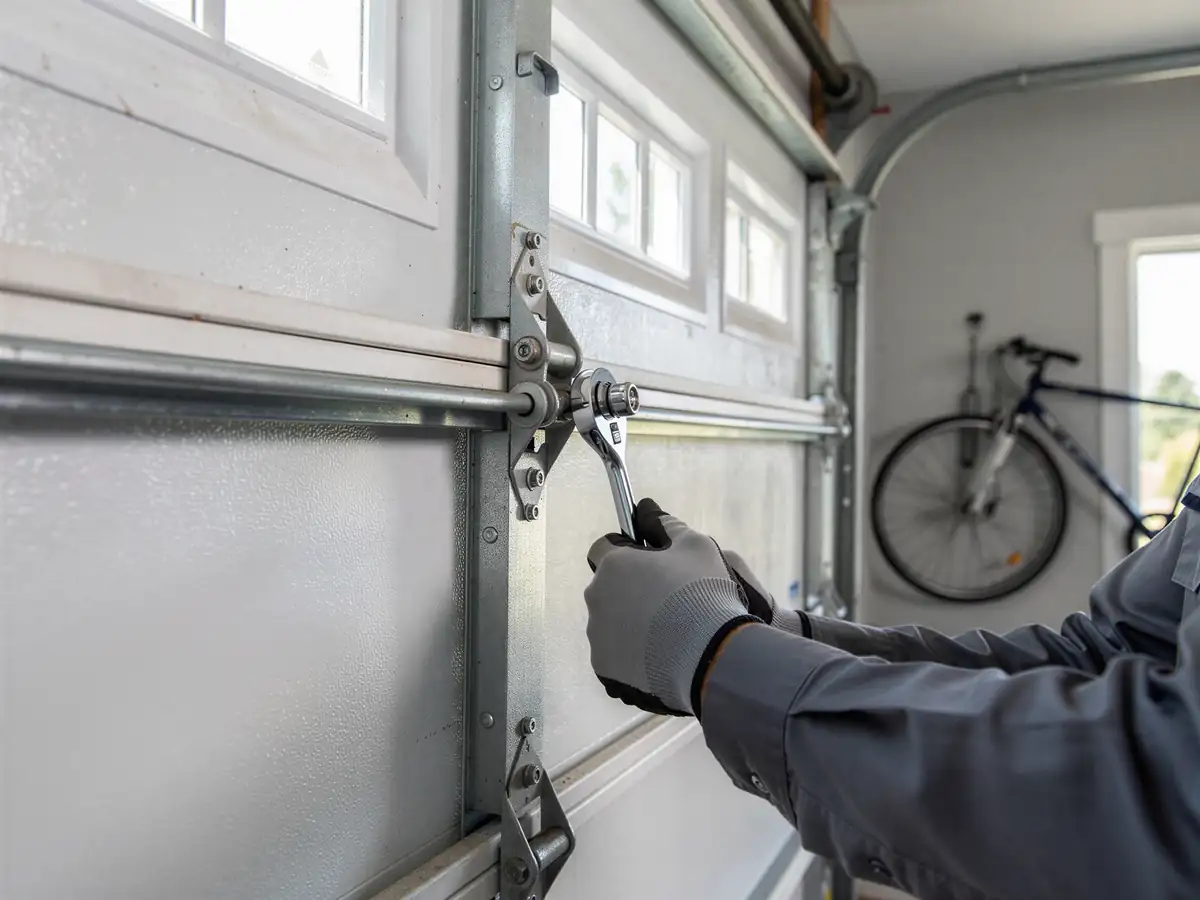
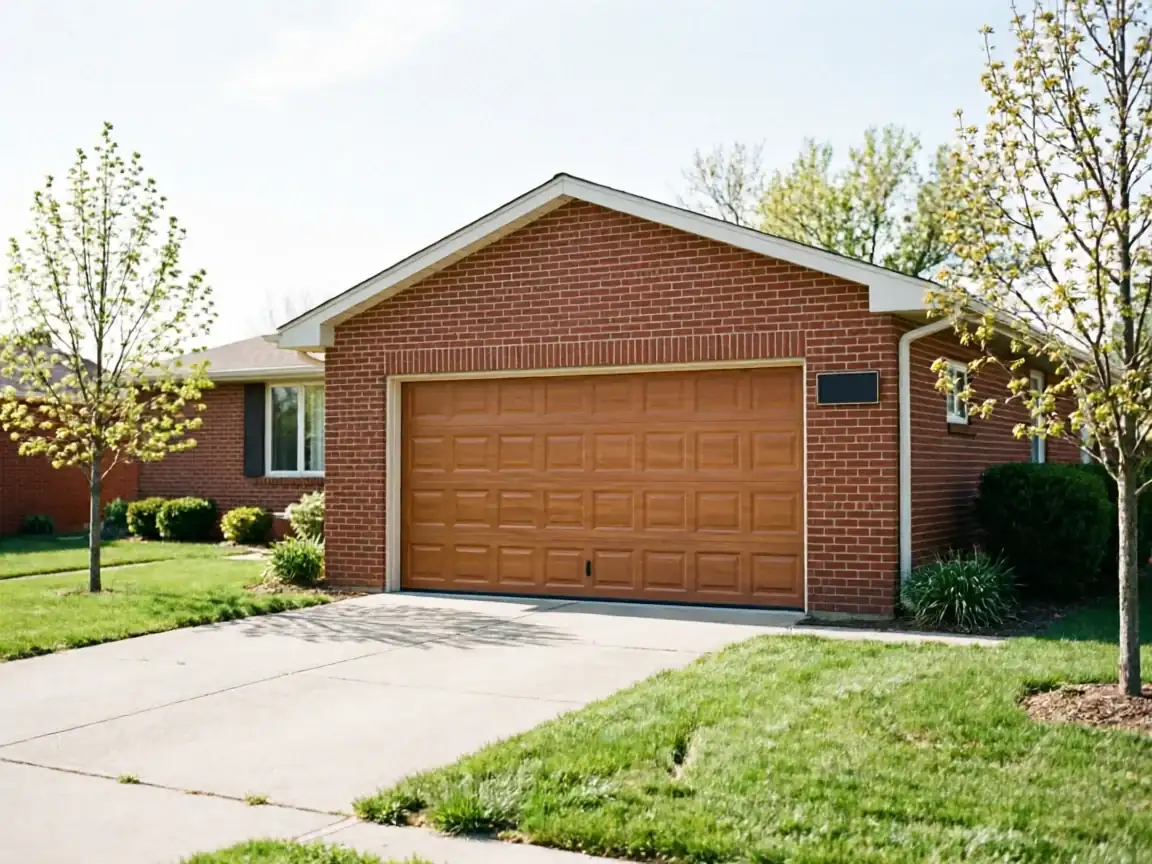
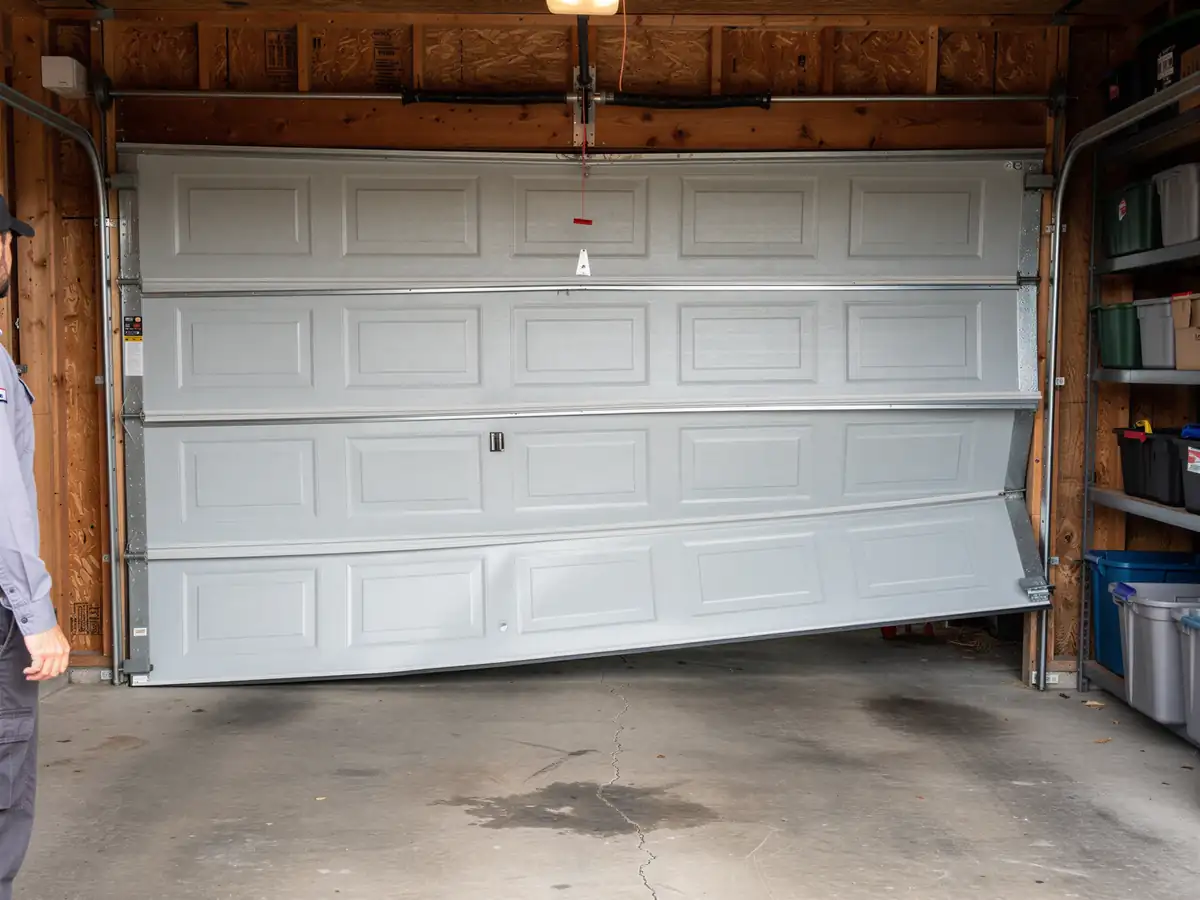
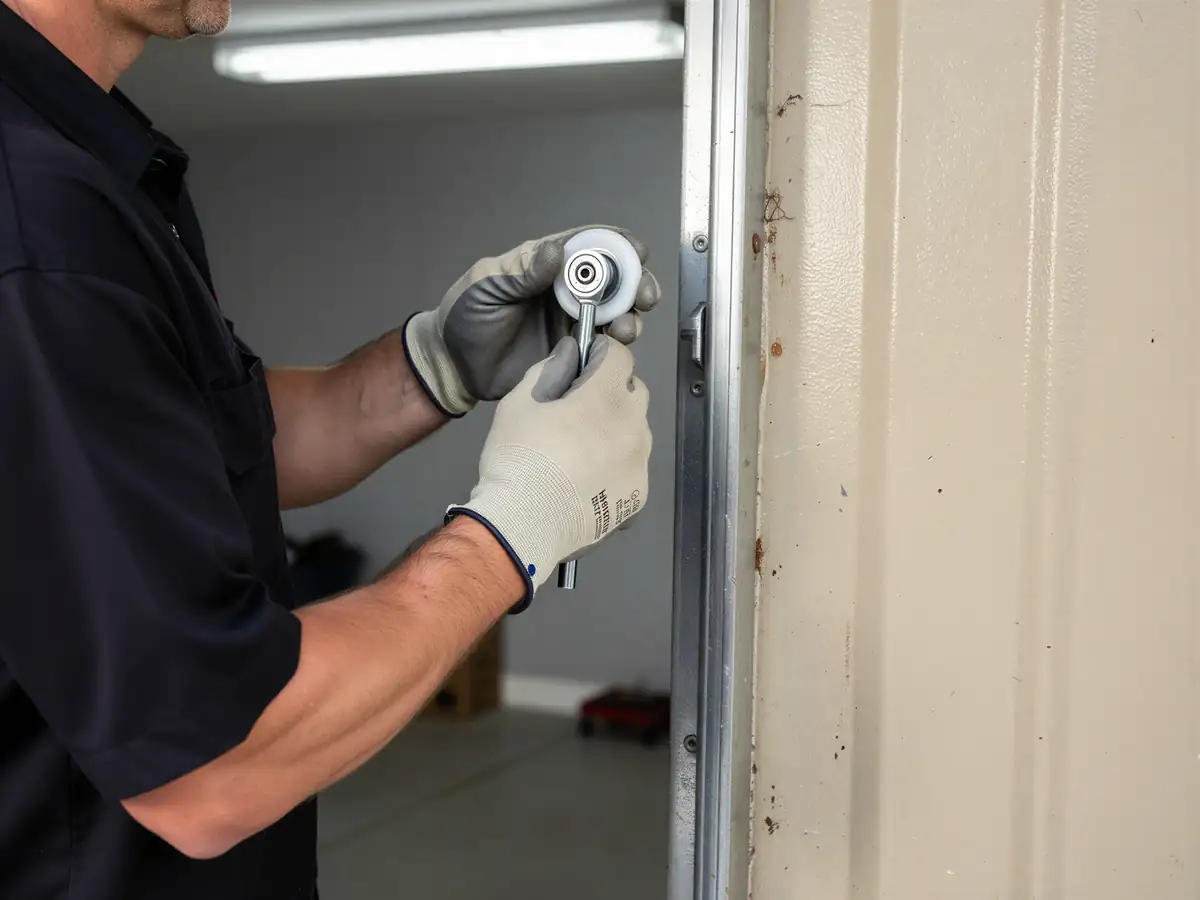
Most garages in Riley went up around 1966, which puts them near the early edge of the service area's overall range of 1966 to 2007. A door from that build year is almost always a steel panel door, single layer, hung on steel track with rollers that were galvanized steel, not the nylon rollers that became standard decades later. Steel rollers ride on steel track with no give between them, so every pit, flat spot, or bit of surface rust on the roller stem turns into noise and resistance you can feel in the opener's pull. If your door growls, shudders at the same spot in the cycle every time, or the rollers look flat on one side instead of round, that's wear, not a fluke. On a door this old, roller failure usually comes with worn track edges too, since the two parts wear together over fifty-some years of the same metal-on-metal contact. We're not guessing the age - Riley's housing is still dominated by that original 1960s-70s stock, and the roller hardware on those doors is original or a prior like-for-like swap more often than not.
What You Pay
We don't have a Riley-specific rate sheet to quote you here - pricing depends on roller count, whether the track needs straightening or replacing alongside the rollers, and whether the door is single or double. What we can tell you is that Riley's median household income sits at $78,125, notably higher than the $61,953 median across the wider service area, which is worth knowing if you're comparing notes with a neighbor in another town and the numbers look different. Steel rollers cost more up front than the cheapest nylon option but outlast them on a door of this vintage, since the track geometry was built around steel-on-steel clearances in the first place. We'll give you the actual number for your door and your rollers before any work starts, not a phone estimate.
What Can Go Wrong
The most common surprise on a 1966-era door is a roller size or stem length that doesn't match anything on the truck, because track spacing varied more between manufacturers back then than it does now. That can mean a short delay while we source the right part instead of finishing the job in one visit - it's an honest limitation of working on hardware this old, and we'd rather tell you that up front than pretend every roller is interchangeable. The other risk is a track that looks fine but is actually bent enough that a new roller will bind within weeks; if we see that, we'll flag it rather than install new rollers into a track that's going to chew through them again. On doors with worn hinges we mentioned above, skipping the hinge replacement to save money usually means a return call within a year.
How to Book
Riley sits about 14 miles from our Manhattan base, so a roller job here gets scheduled rather than walked into the same hour - we travel out with the parts loaded once we know what your door needs. Call or use the Riley garage door repair page to describe what the door is doing - the sound, where in the cycle it sticks, whether it's one roller or several - and we'll bring what a 1966-vintage steel door typically needs. If your door turns out to need more than rollers, we'll talk through it on site rather than add work you didn't ask for.