Can You Do This Yourself
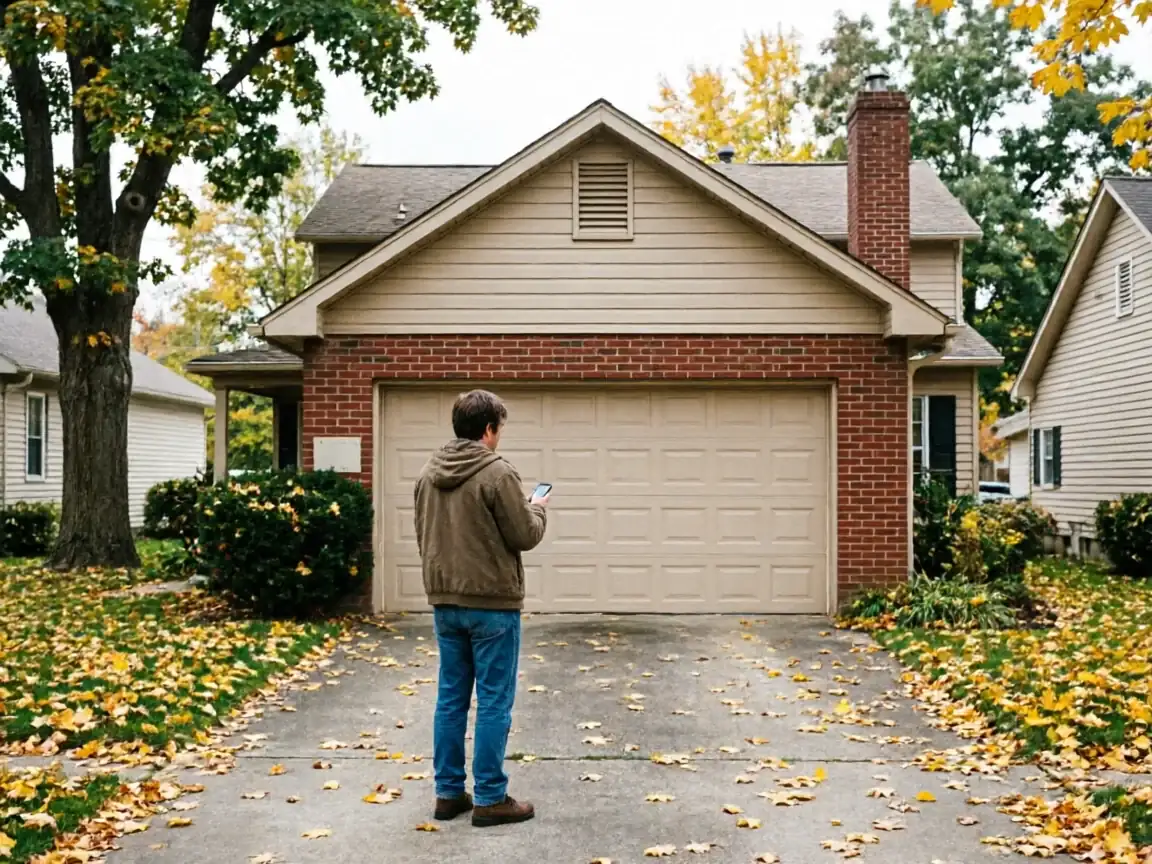
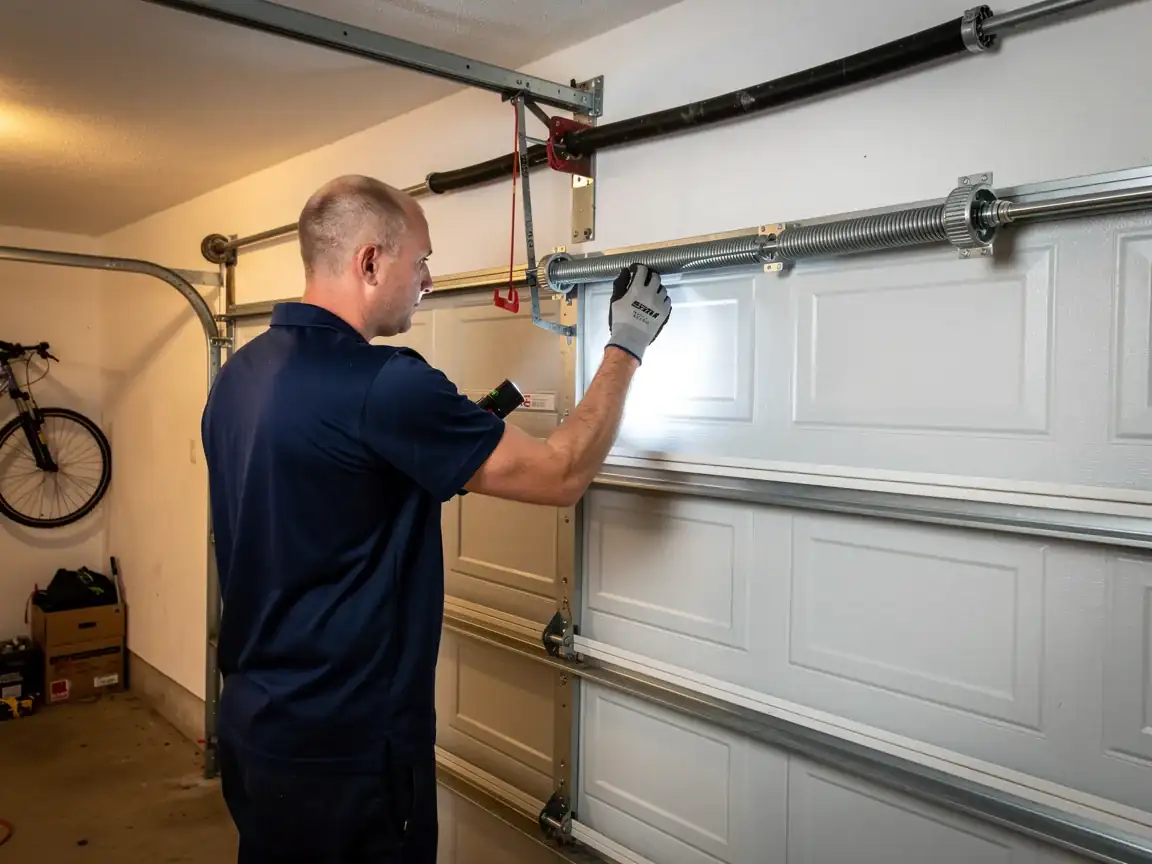
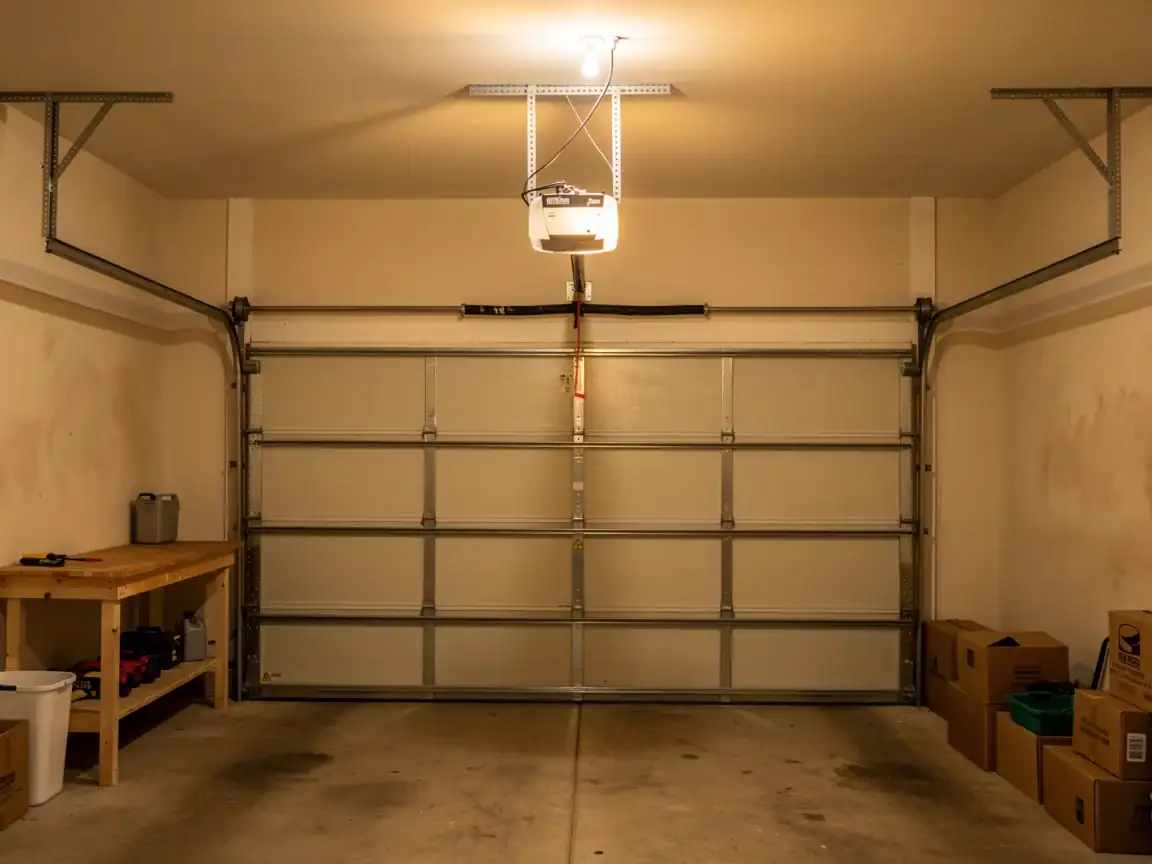
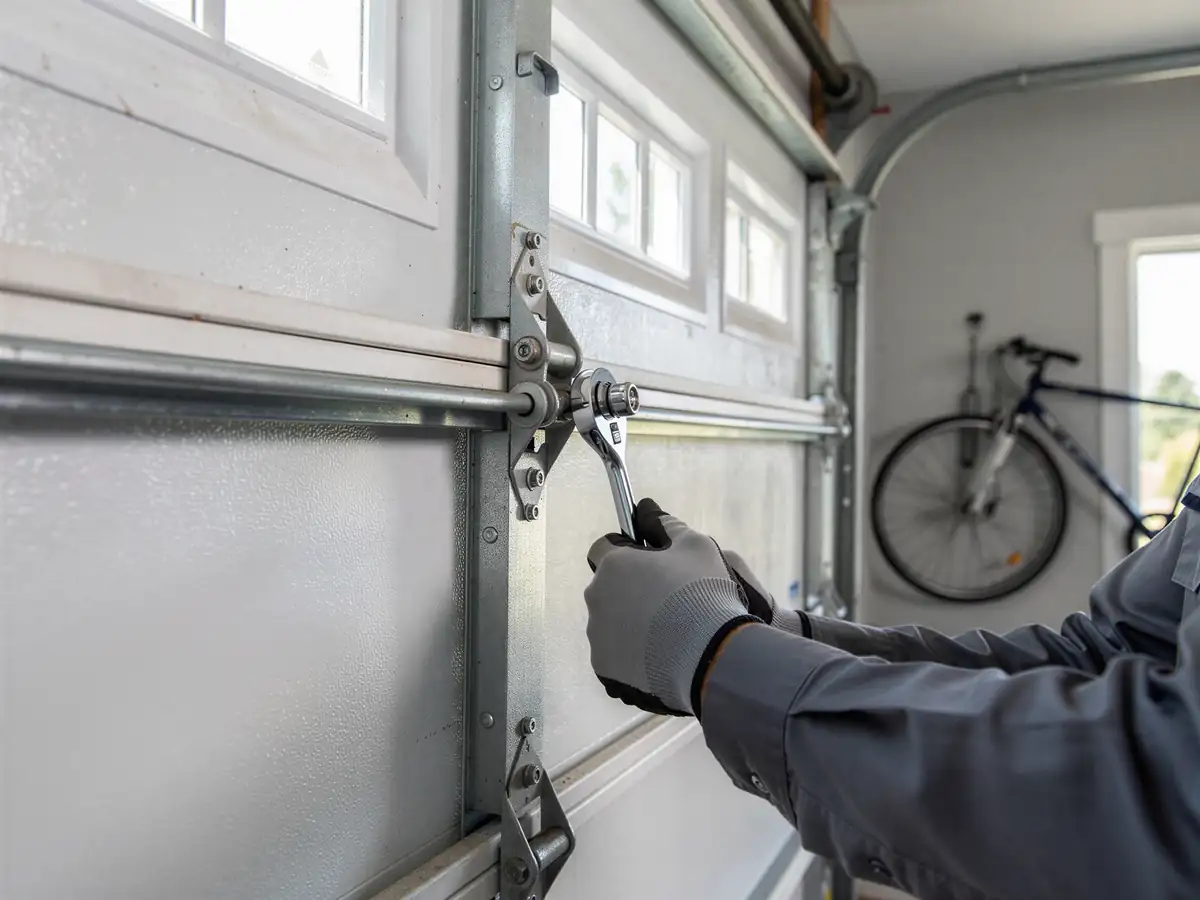
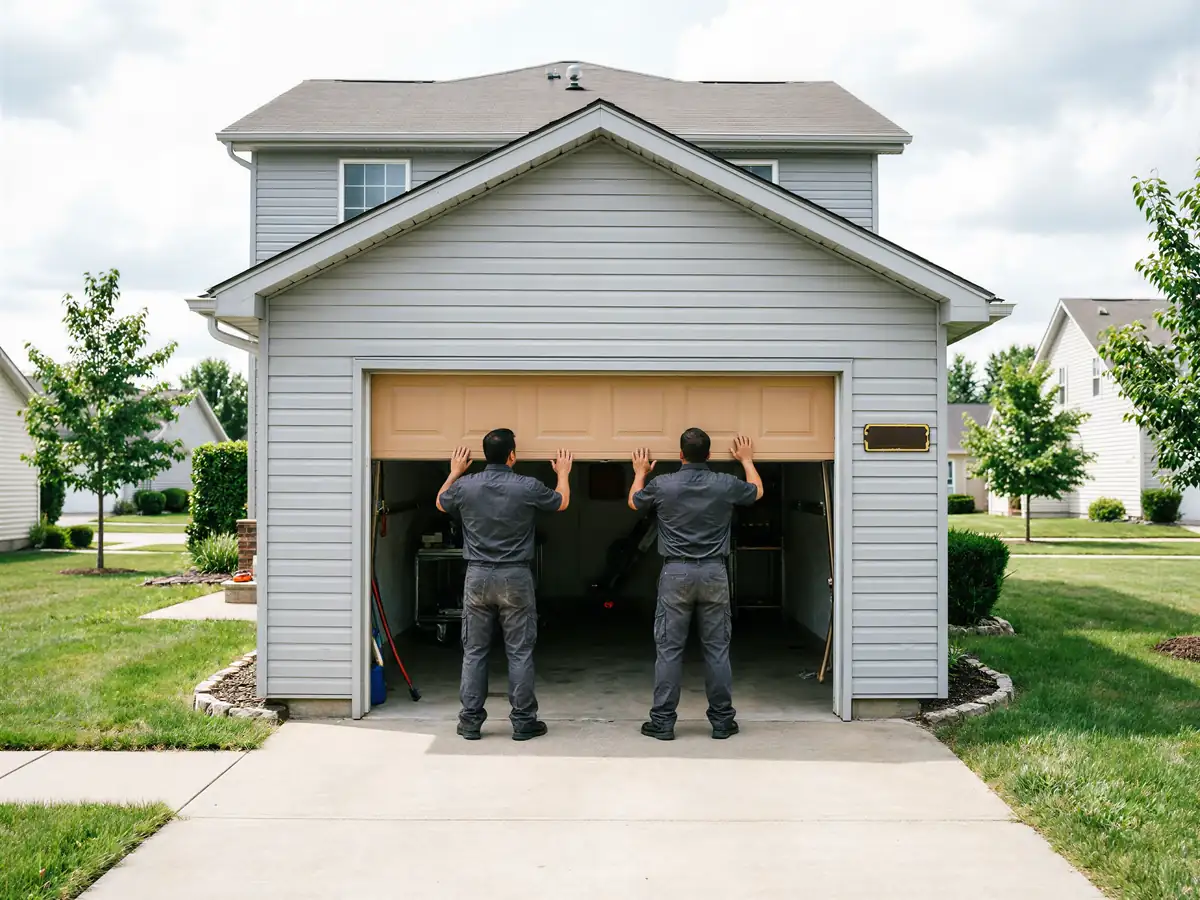
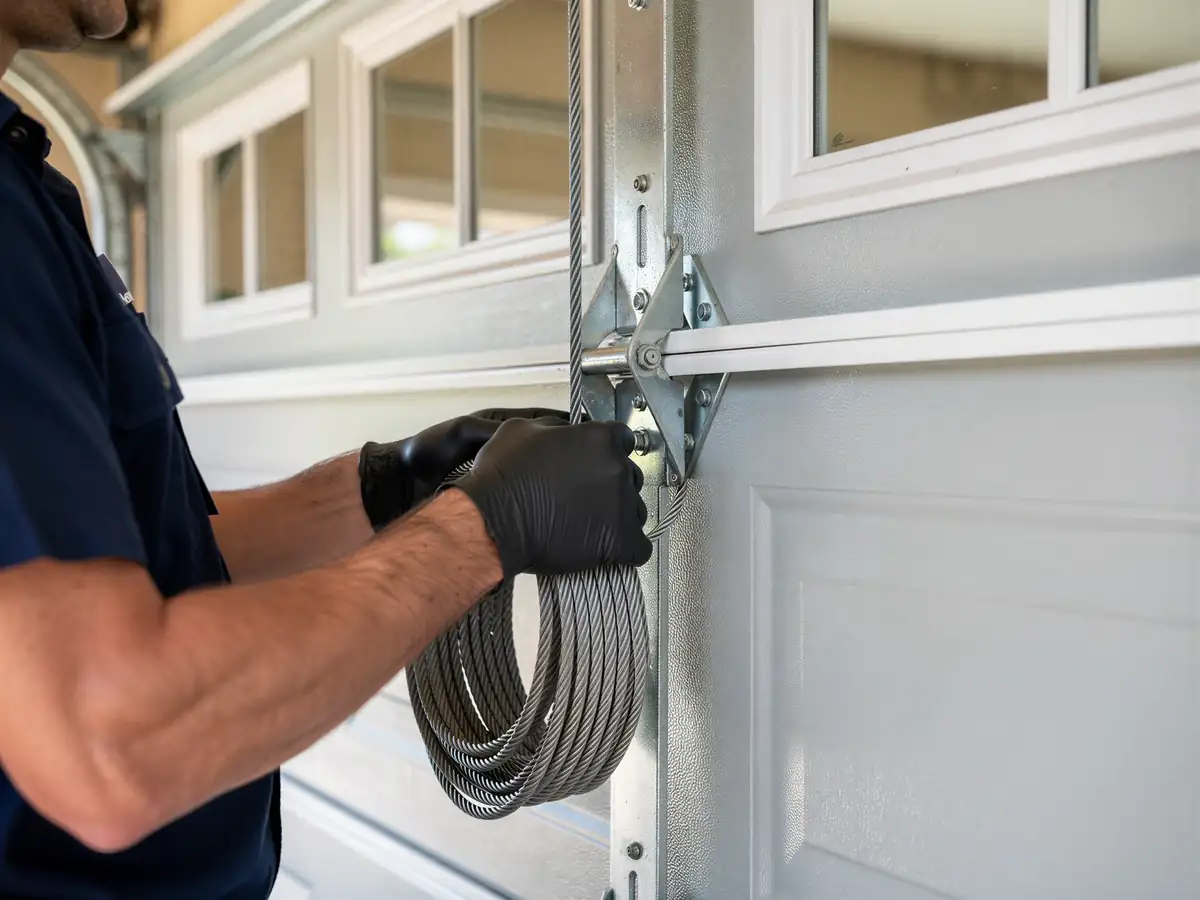
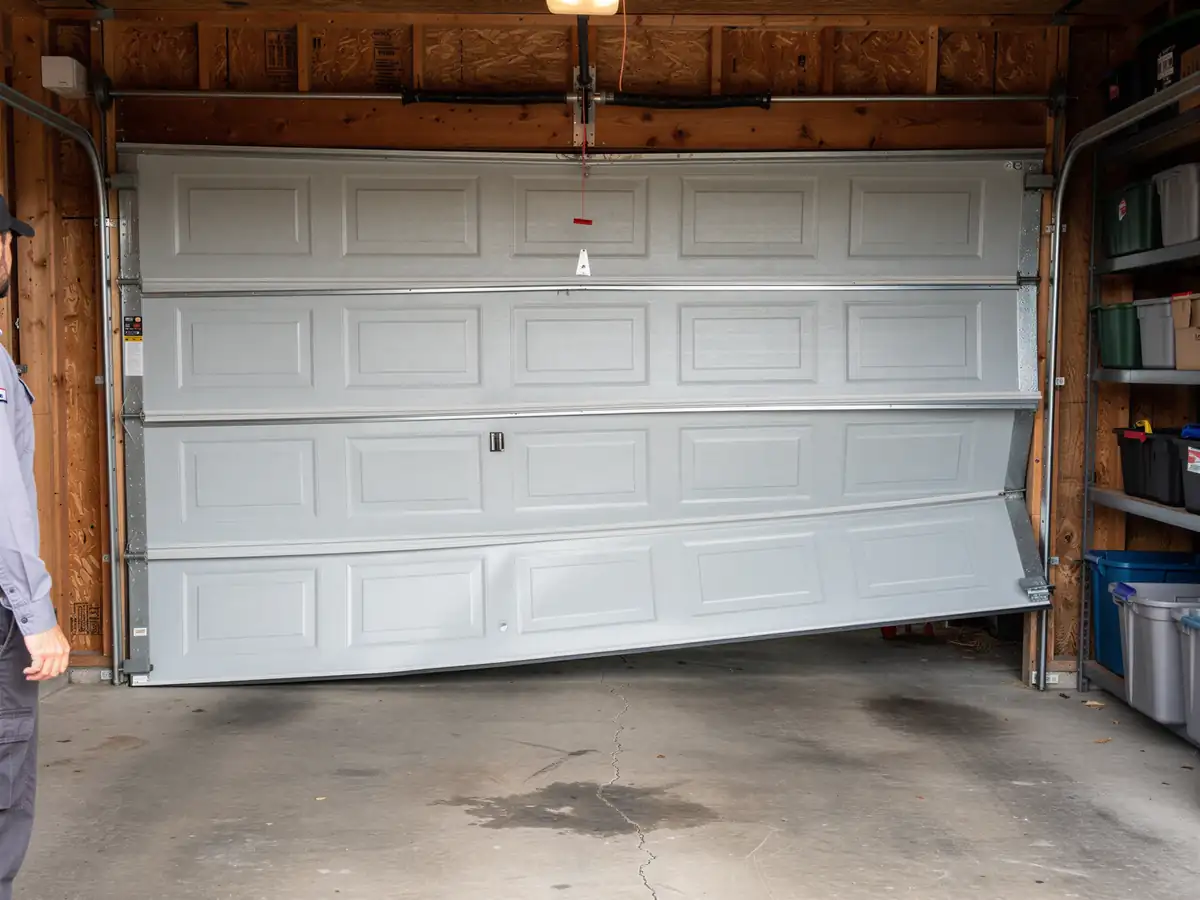
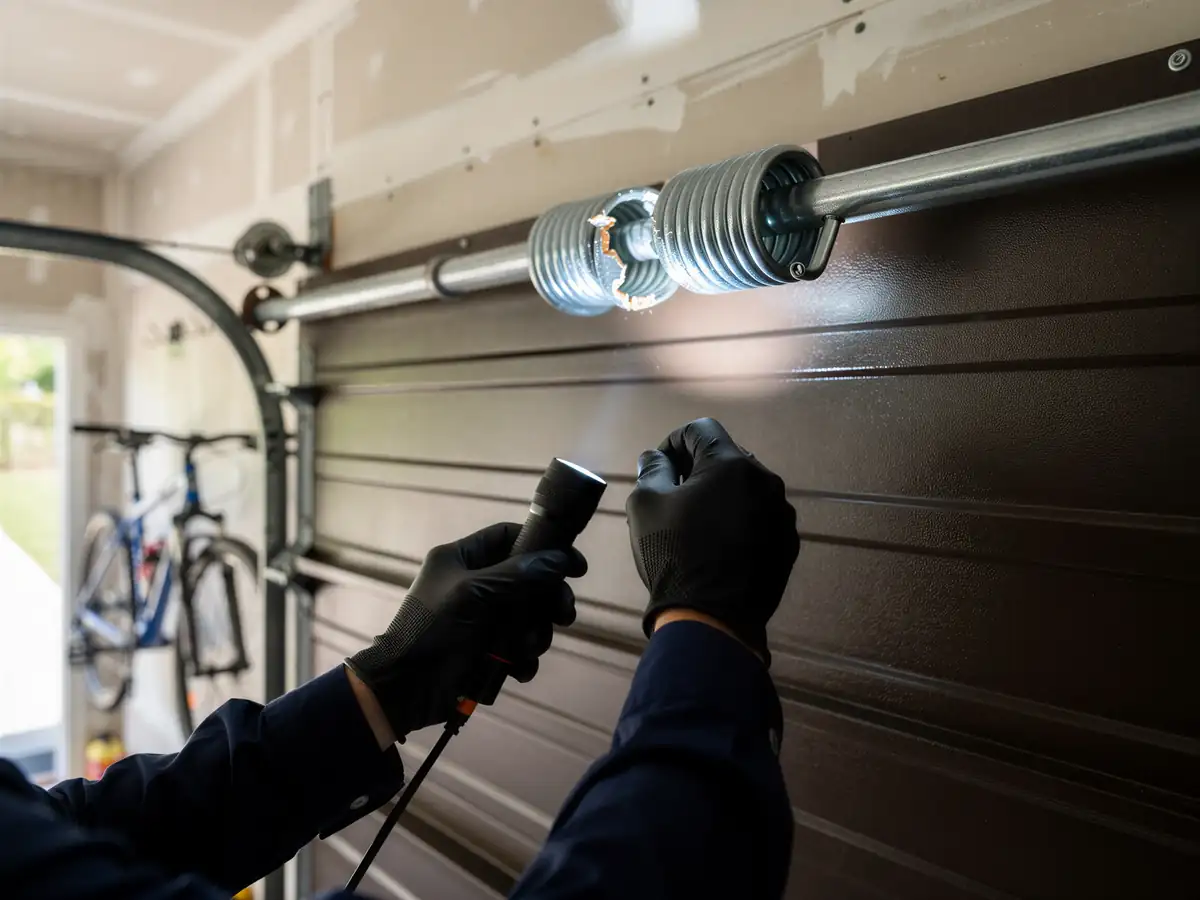
Median household income on this side of the service area runs $52,823, lower than the $61,953 area-wide figure, and that number matters more than people think when a door stops working. At that income level, a $300 DIY spring swap that goes wrong and turns into a bent track or a cracked panel is a bigger hit than it would be elsewhere. The newer builder-grade torsion springs common in houses built around the median year here, 2007, are wound tighter and under more load than the lighter extension springs you'd find on an older garage, and a slipped winding bar on one of these can put you in the ER. Openers from this era are usually chain or belt drive with circuit boards, not the simple relay setups on older doors, so a dead opener is as likely to be a logic board or a safety sensor as it is a motor. Swapping a photo-eye sensor or re-pairing a remote is reasonable to try yourself. Winding or unwinding a torsion spring, or pulling a double-door panel that's racked in the track, is not a reasonable first project, and we'd tell you that even if it cost us the call.
Why This Fails Locally
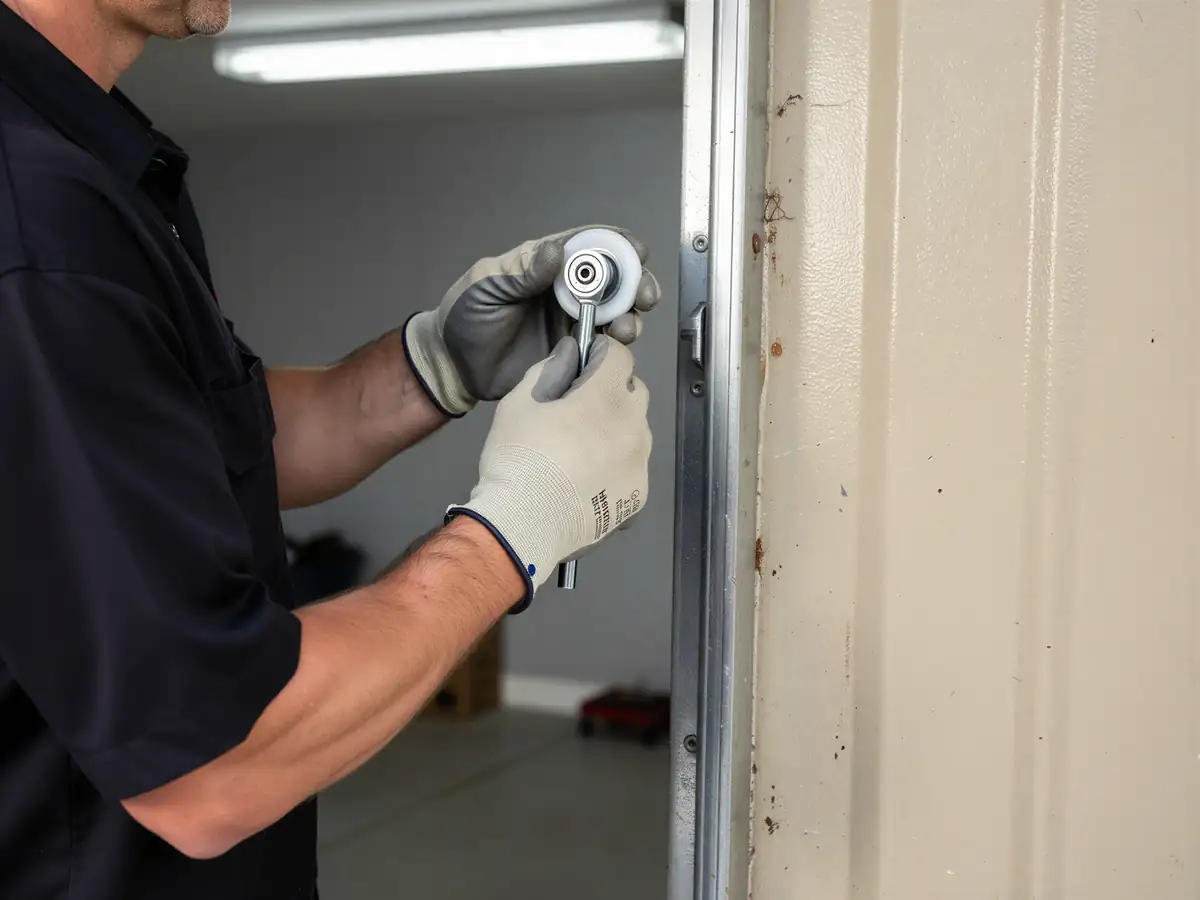
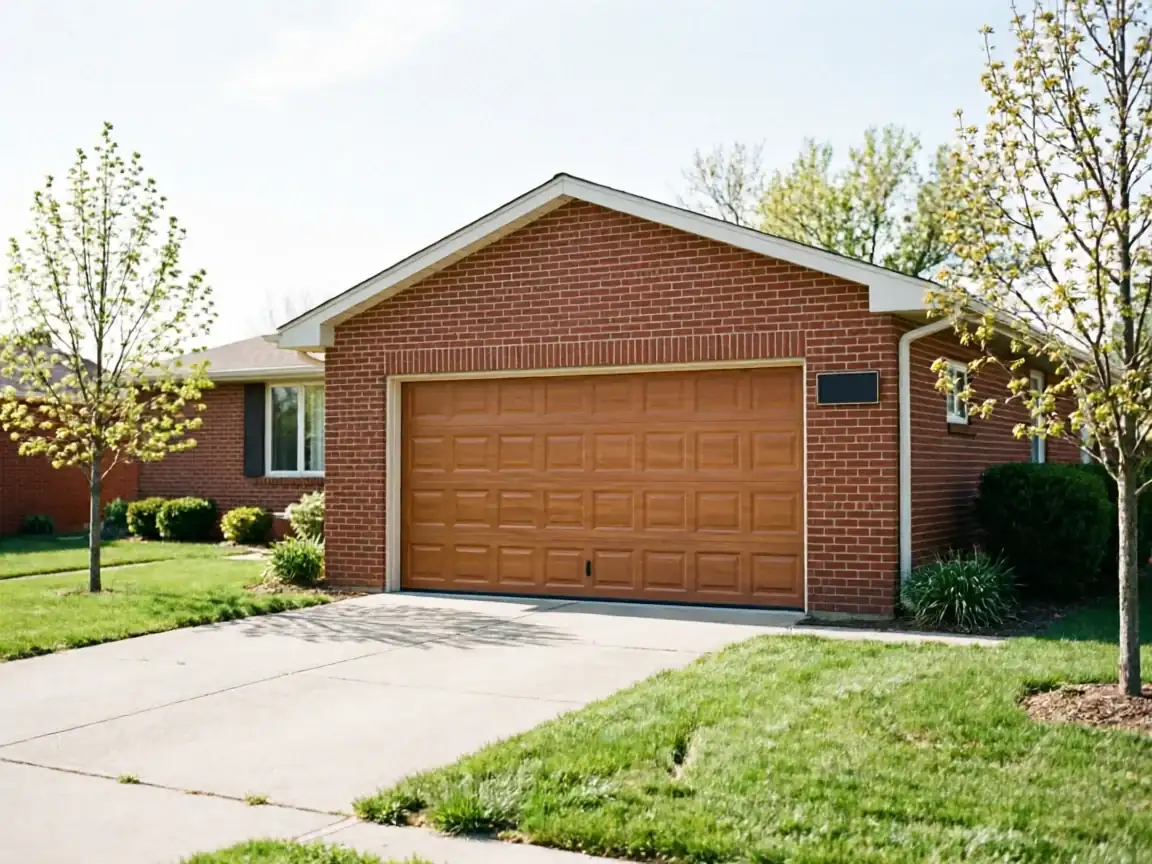
Housing in this part of the service area mostly dates to around 2007, well after the 1960s-70s stock that makes up most of the broader Manhattan market. That difference changes what breaks. Older doors fail at the hardware level: rusted track brackets, worn-out roller bearings, springs that have simply outlived their cycle count. Doors built around 2007 fail at the electronics level instead, worn opener gears, failed capacitors, safety sensors knocked out of alignment, or a keypad that's stopped talking to the opener. With roughly 1,792 households in this immediate area, the call volume here skews toward opener boards and sensor alignment rather than spring replacement, which is the opposite pattern from older neighborhoods closer to Manhattan proper. The cold-moderate climate band this area sits in still matters, since winter temperature swings stiffen opener lubricant and slow belt-drive response regardless of the house's age, but the door itself is less likely to be the problem here than the motor running it.
What You Pay
At a median household income of $52,823 in this area, the repair-or-replace line sits lower than it does in wealthier pockets of the service area. For a door and opener system installed around 2007, most problems are still worth fixing: a new logic board, a sensor pair, or a worn drive gear costs a fraction of full replacement and the rest of the system usually has years left. Where it stops making sense is when the opener motor itself has burned out on a unit that old, since replacement opener models have moved on enough that matching parts can mean a longer wait and a bigger bill than homeowners expect. We'll tell you flat out when a repair isn't worth it rather than billing you for one that won't last. One limitation worth saying plainly: parts for mid-2000s builder-grade openers aren't always on the truck, and some boards take a few days to source.
How Long You Are Without the Door
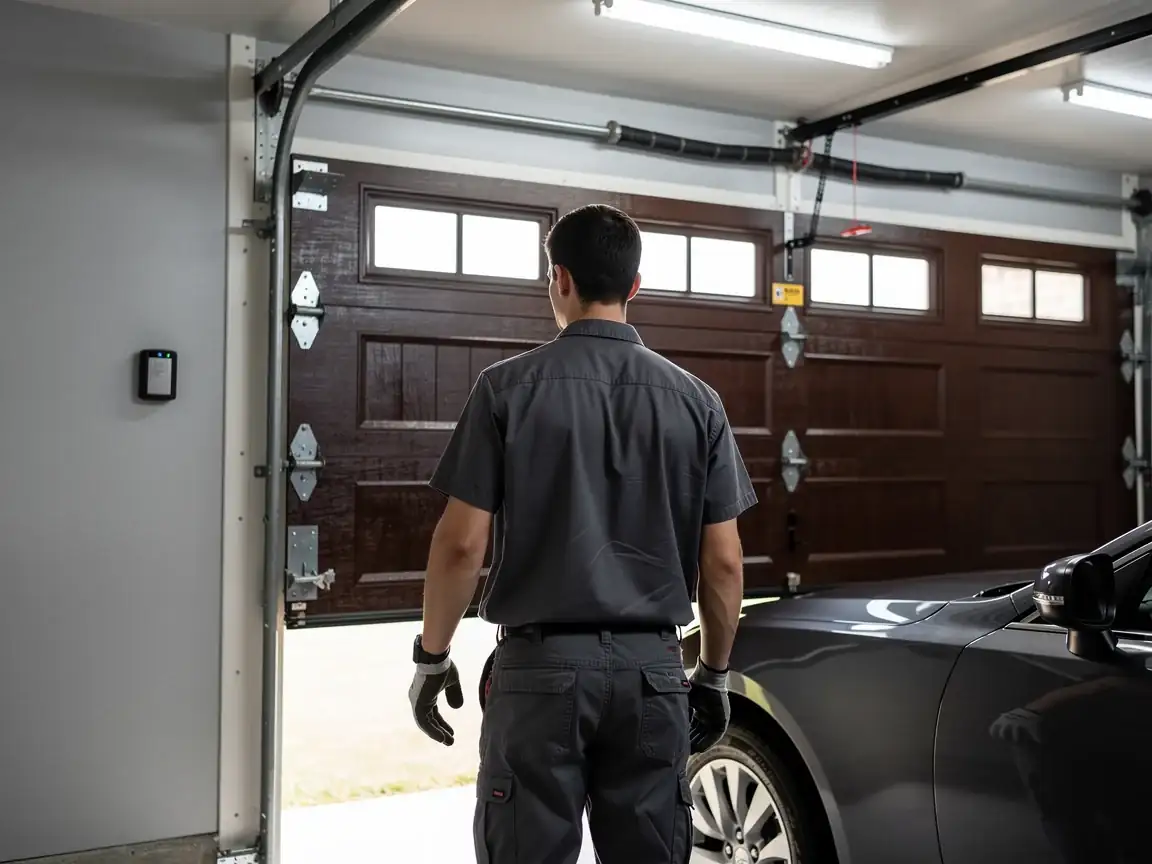
Because we're running the 12 miles from Manhattan rather than working from a shop in town, plan on that drive time being part of the job regardless of what's wrong. For the sensor and opener-board issues that are common in houses from this 2007-era stock, the fix itself is usually quick once we're on site, often under an hour, since it's a part swap rather than a structural repair. The slower cases are the ones needing an ordered part, a specific logic board or a motor assembly that isn't standard stock, where you're waiting on the part more than the labor. We'd rather tell you upfront that a board is backordered than promise a same-day fix we can't deliver from 12 miles away.