Can You Do This Yourself
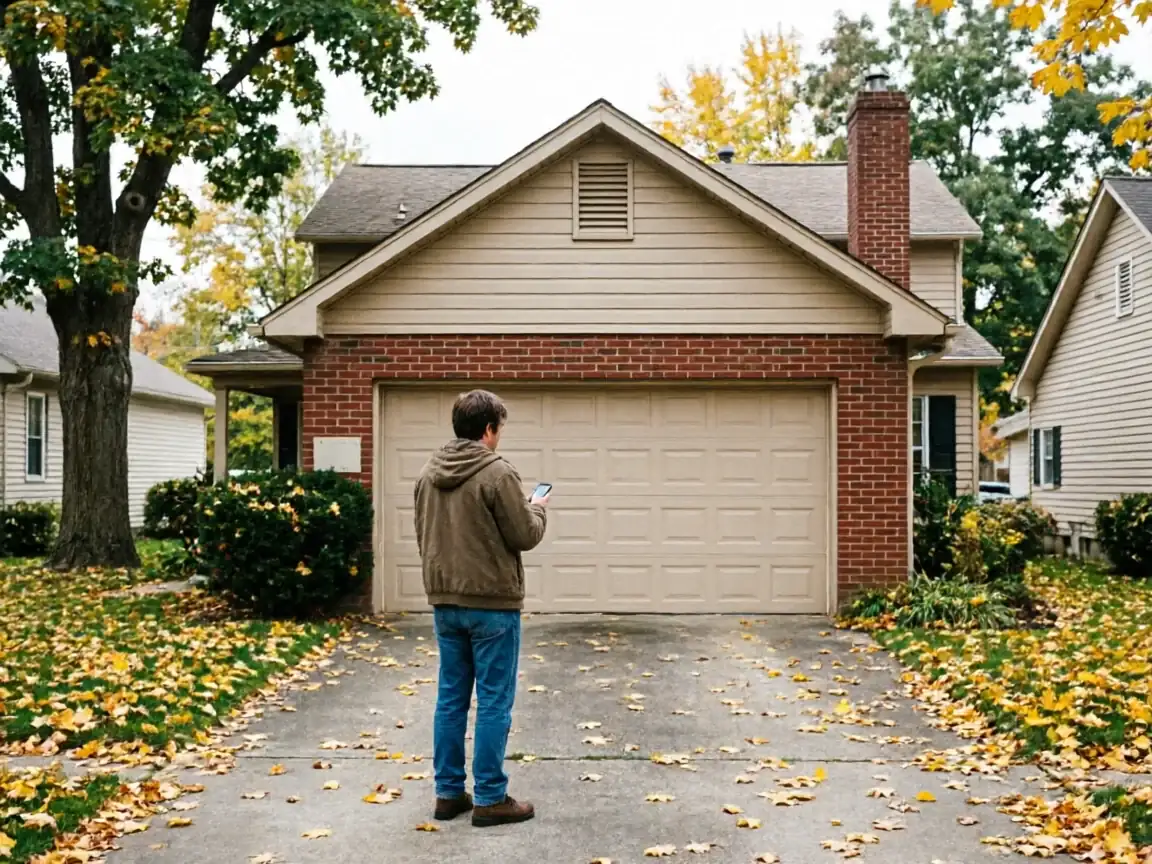
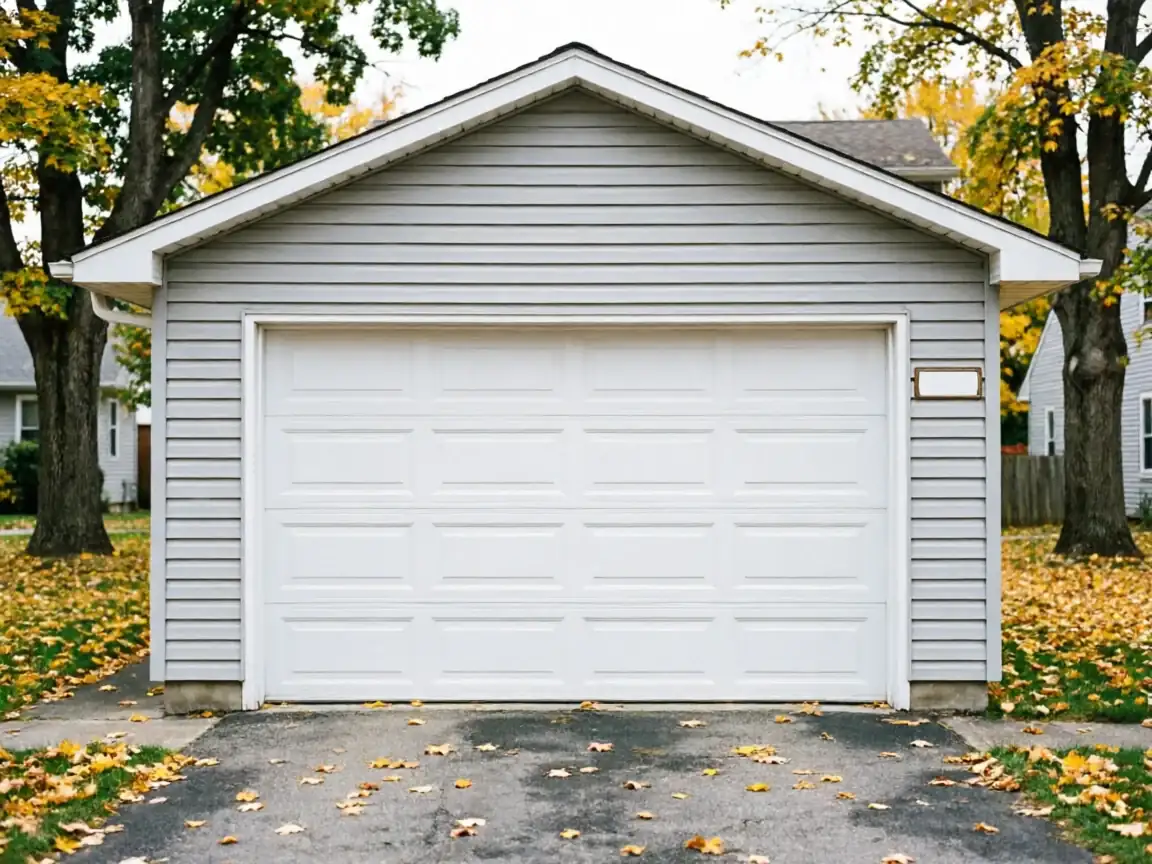
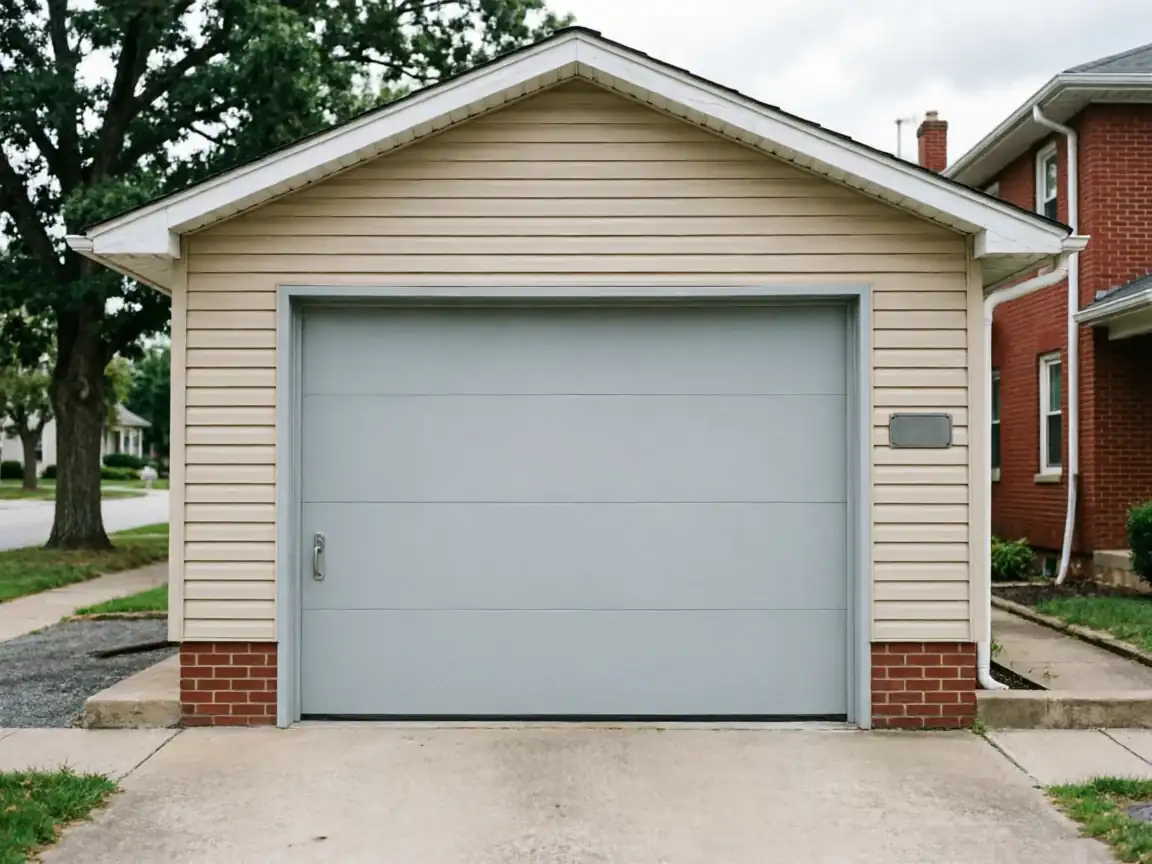
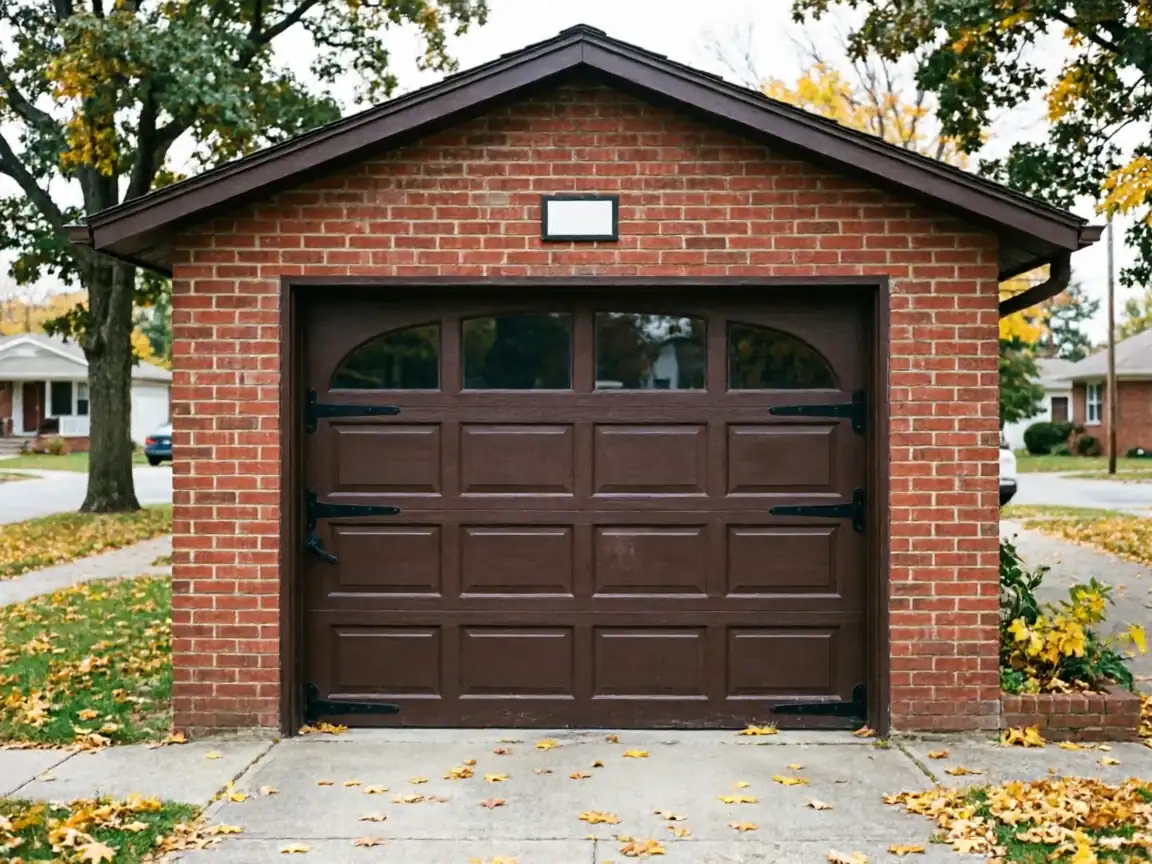
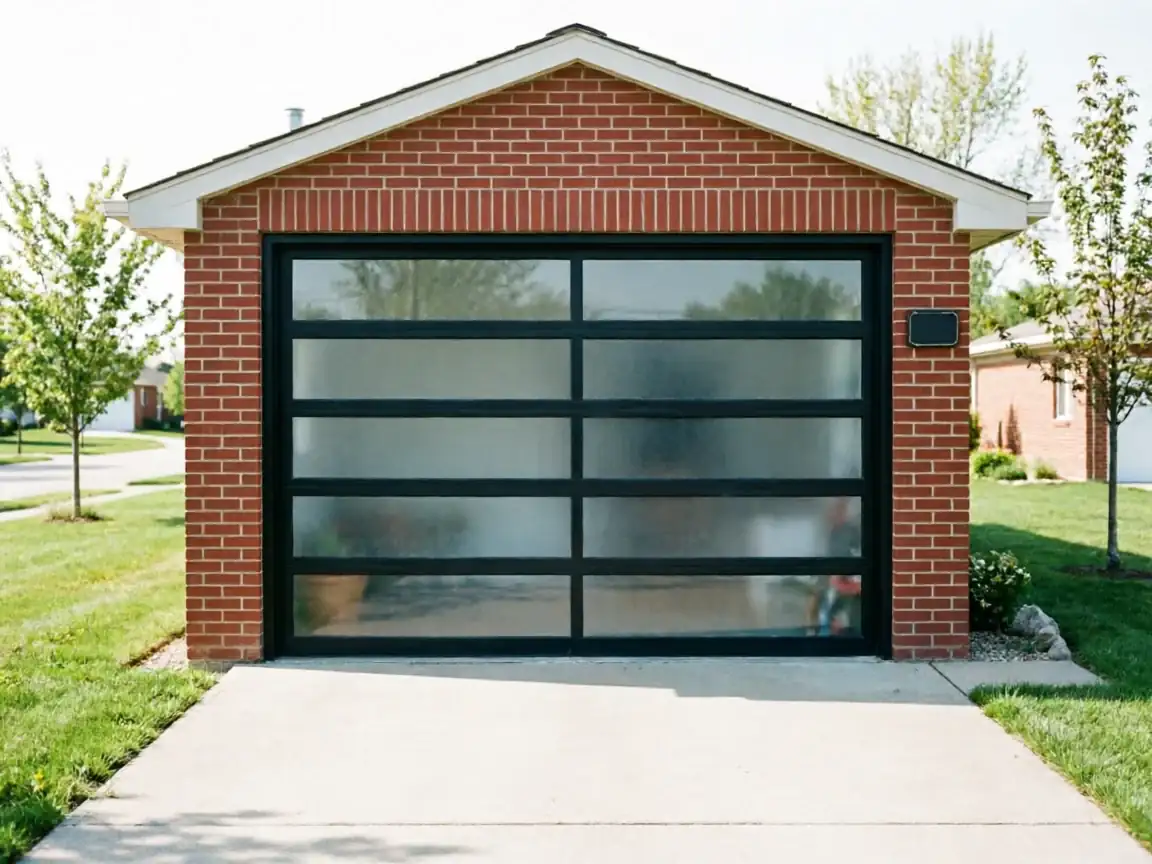
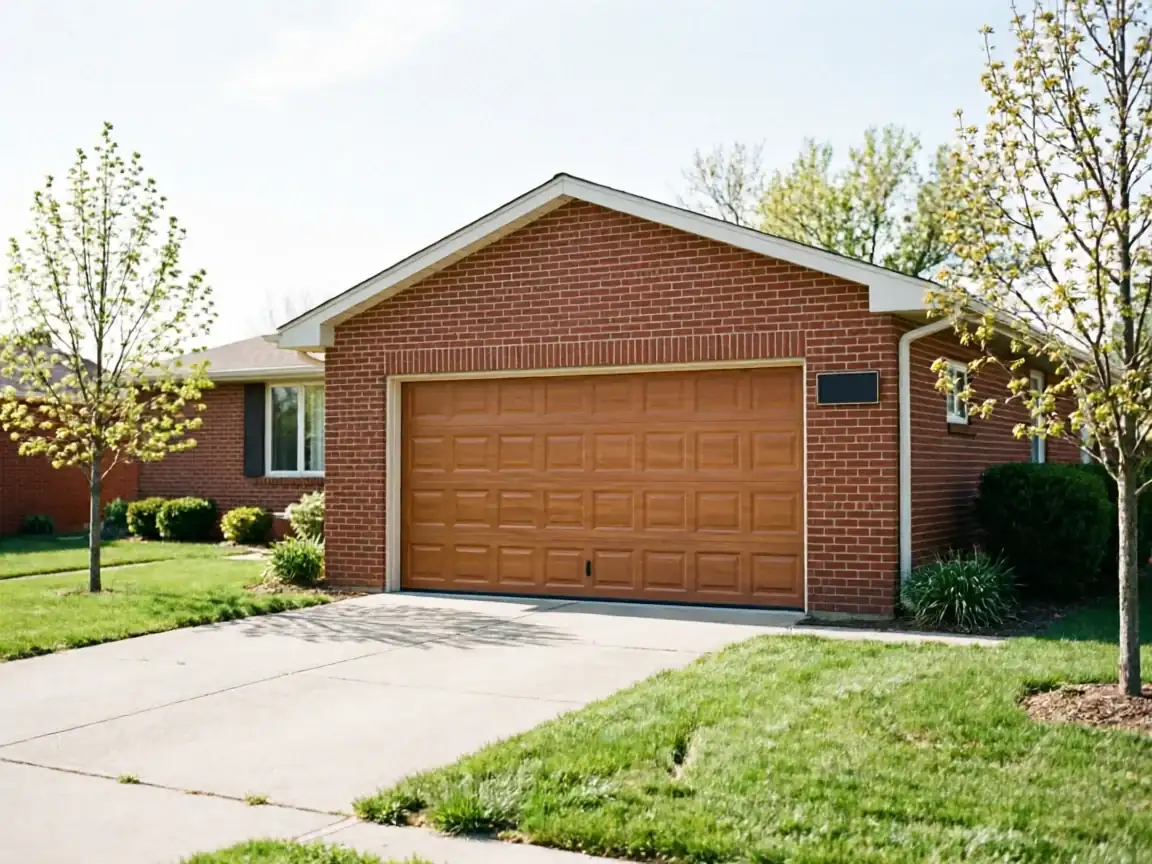
Most of the garage doors in Fort Riley sit on houses built around 2007, which puts them well ahead of the 1960s and 70s stock that makes up a lot of the rest of our service area. That matters for maintenance. A 2007-era door is almost always a steel sectional panel on a factory-sized torsion spring, set up to current code tolerances rather than the older extension-spring rigs you'd find on a 1966 build. The hardware is newer, the tracks are straighter, and the bearings haven't had fifty years to wear an egg shape into themselves.
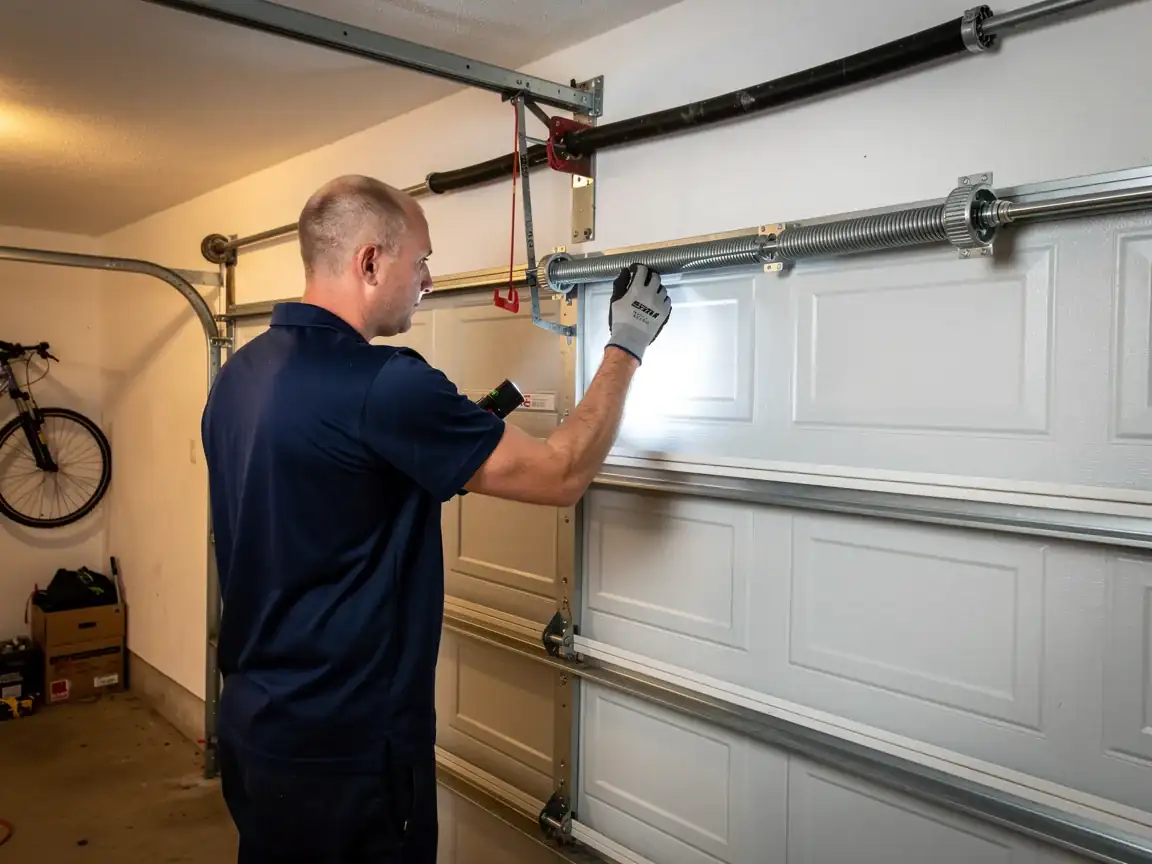
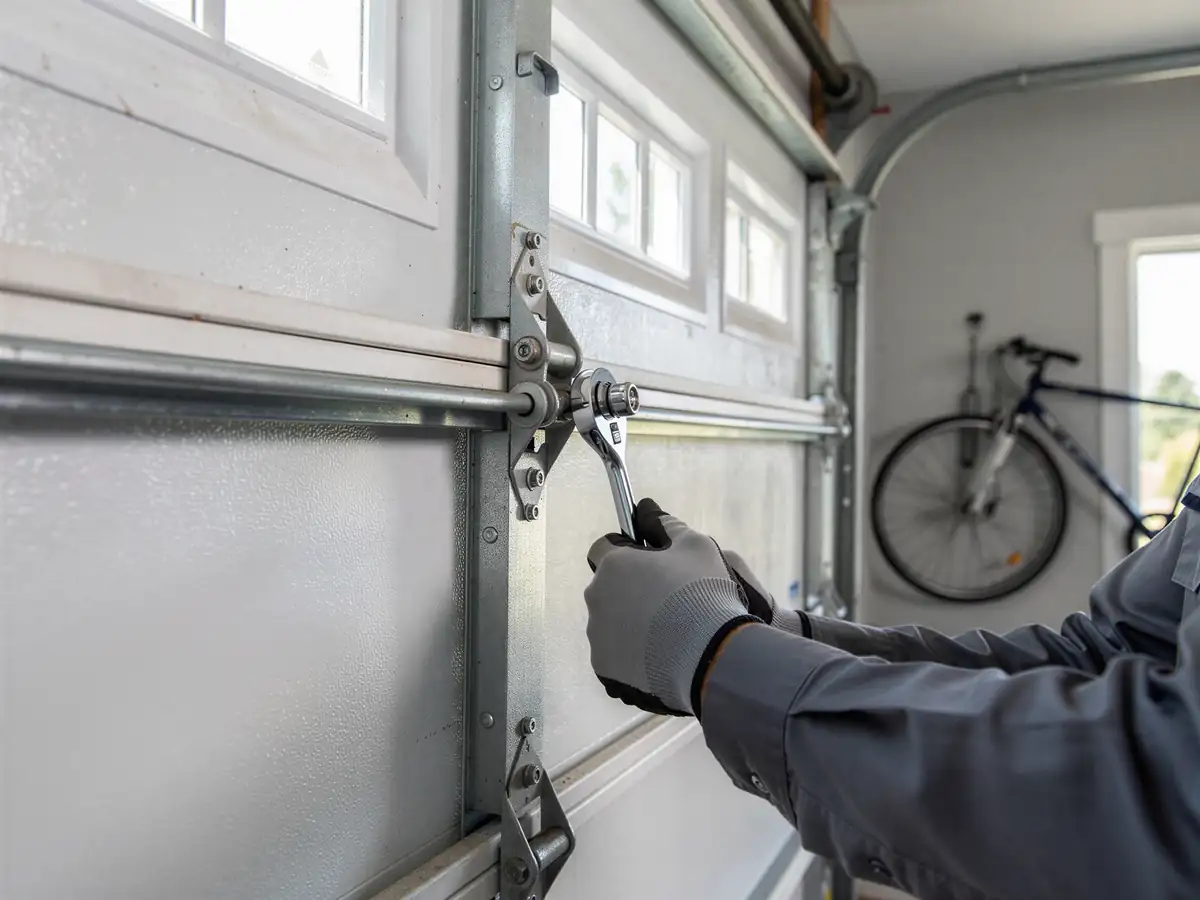
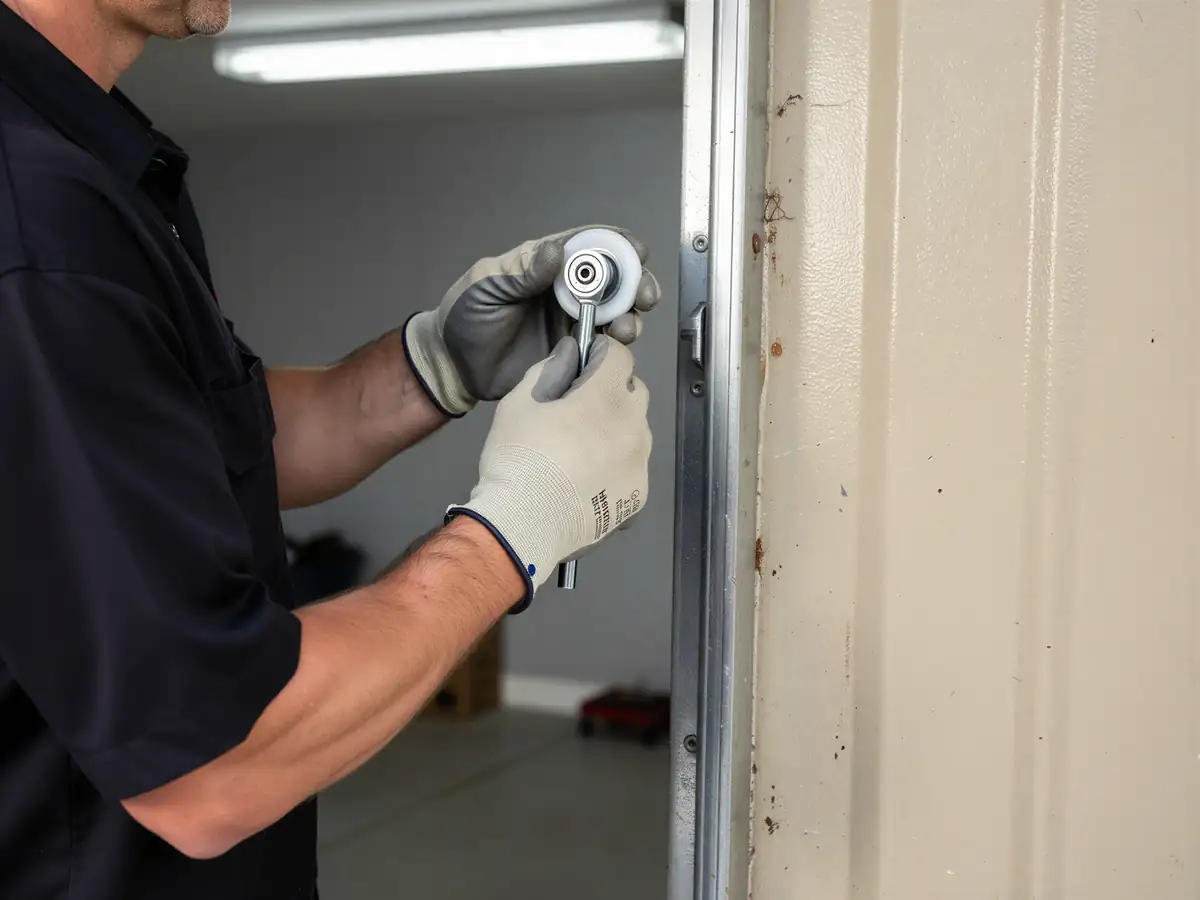
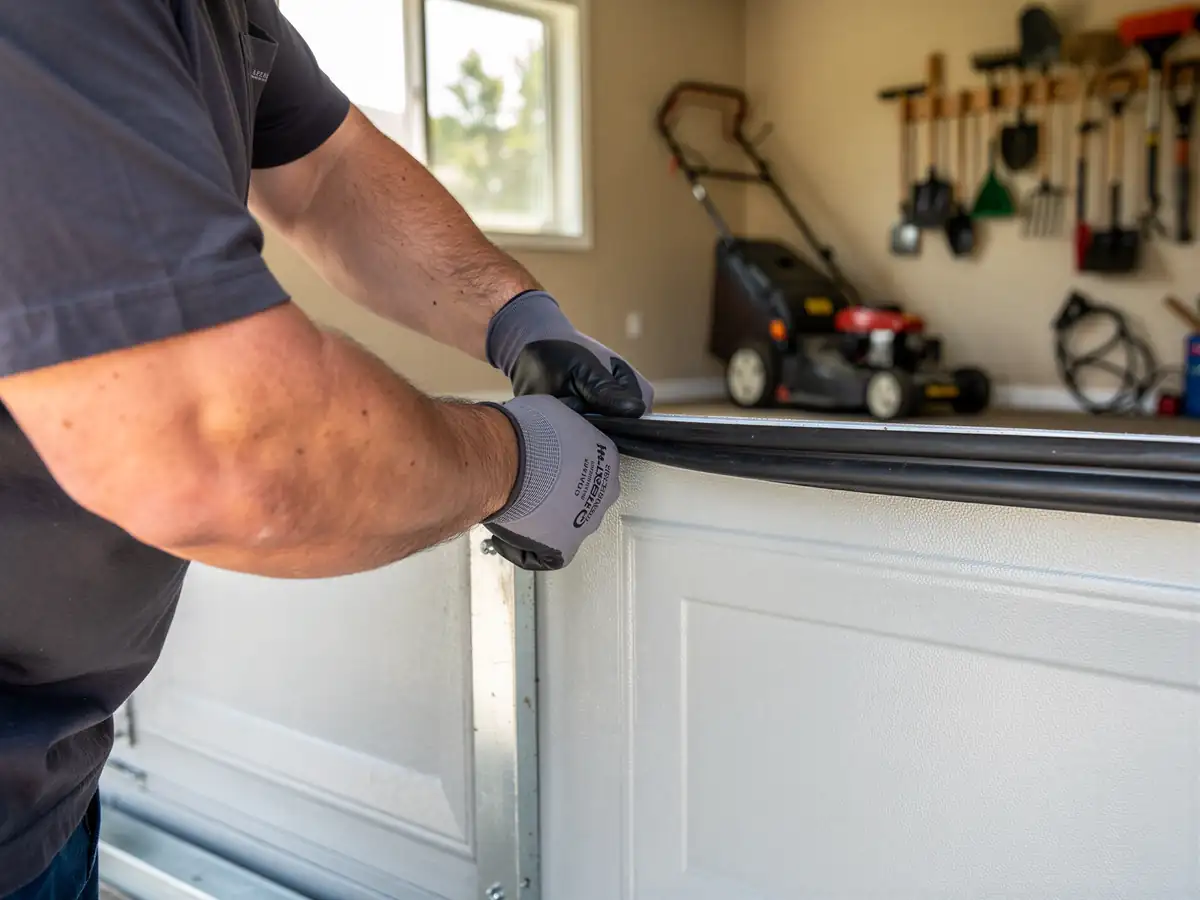
That means a homeowner here can realistically handle the basics: wipe down and lubricate the rollers and hinges twice a year, check that the weatherstripping along the bottom panel hasn't cracked, and run the auto-reverse safety test by placing a 2x4 flat under the door. Tighten any loose lag bolts on the track brackets while you're at it - vibration from regular opener cycles works them loose over years even on newer installs.
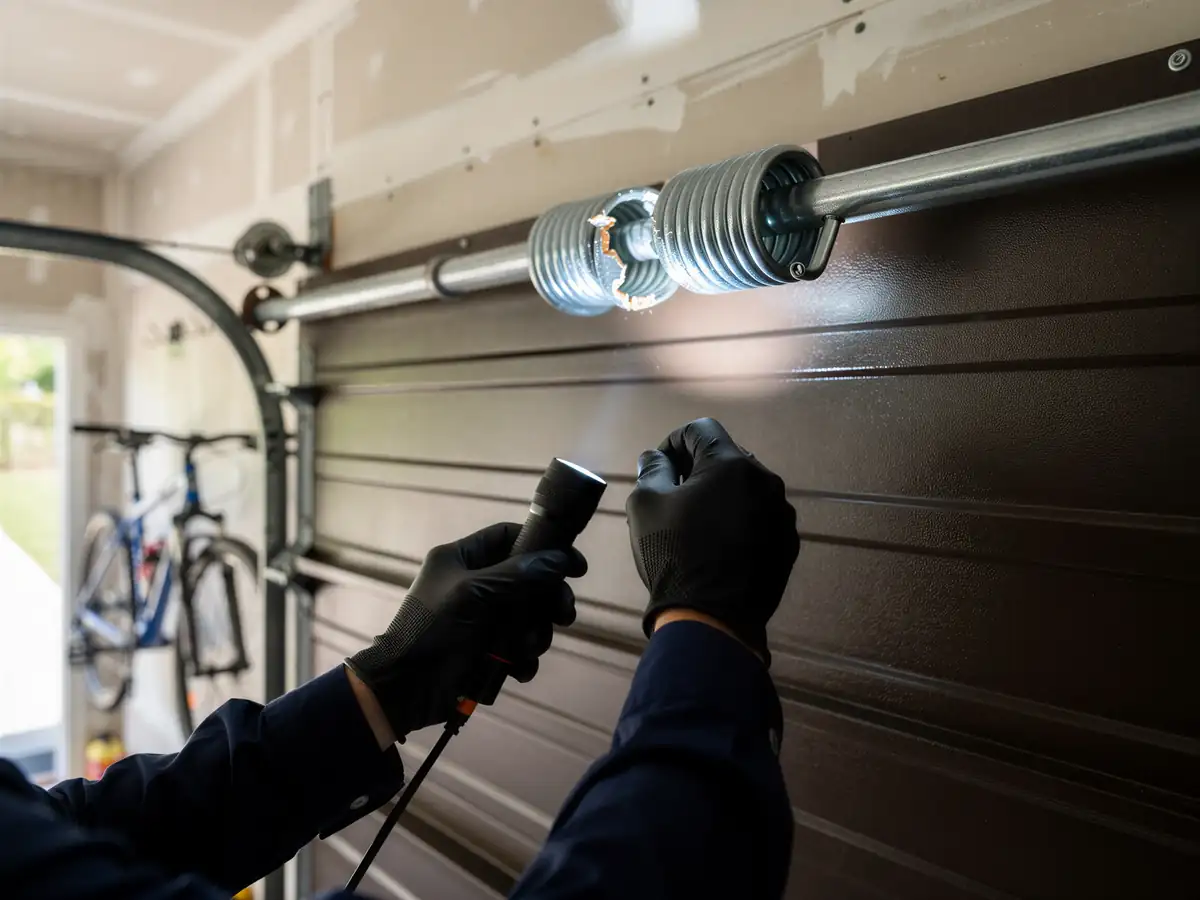
What you shouldn't touch is the torsion spring itself, even a newer one. The spring is under enough tension to cause real injury if it lets go while you're adjusting it, and that risk doesn't go down just because the door is younger.
Why This Fails Locally
The climate here runs cold and moderate, with winter freeze-thaw cycles that stress rubber and vinyl seals no matter how new the door is. On a 2007-build door, the factory lubricant on the rollers and hinges has usually dried out by now, and a door that's never been serviced starts to bind in cold weather even though the steel itself is fine.
With 1,792 households in Fort Riley, this is a smaller pocket than the service area overall, and the housing turned over in a tighter window than the older neighborhoods nearby - most of it going up in the same stretch rather than trickling in decade by decade like the 1960s-70s sections do. That means a lot of these doors are aging in lockstep: if weatherstripping is failing on one house this winter, it's likely failing on several others built the same year.
The other local wrinkle is the median household income here, $52,823, lower than the $61,953 figure across the wider service area. That doesn't change what the door needs, but it does mean more owners here are stretching a repair instead of replacing a door outright, which makes routine maintenance - the kind that catches a worn roller before it takes out a track - worth more than it would somewhere with more room in the budget to just swap the unit.
How to Book
We cover Fort Riley from our Manhattan location, about 12 miles out
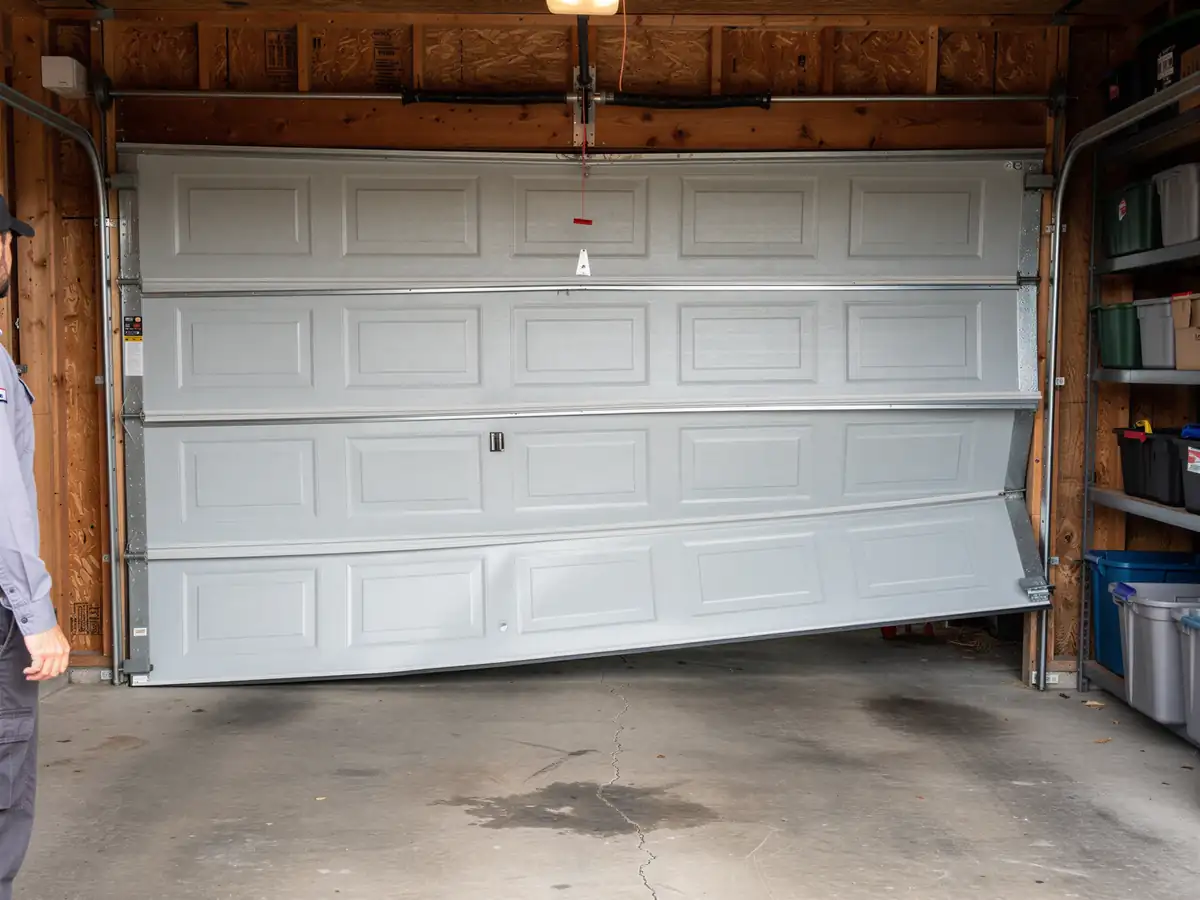
So there's no local depot or drop-in counter here - the truck comes from Manhattan on a scheduled run. If something's actually broken, not just due for upkeep, that's a repair call, not a maintenance visit: see the Fort Riley repair page for that.
- 12 miles
For maintenance specifically, booking works the same as anywhere else we cover
We need the door's age (useful here since most of Fort Riley's stock dates to around 2007), whether it's a single or double door, and whether you've noticed any noise, resistance, or uneven movement when it opens. That lets us bring the right lubricant and hardware instead of guessing.
If you're also curious what we cover for the Manhattan side of the service area
Where the housing stock runs older, that's covered separately. The two pages exist because the doors themselves are different generations of hardware, not because the service changes town to town.
What You Pay
We don't have a published price to quote for maintenance work in Fort Riley specifically, and we'd rather tell you that than guess at a number that doesn't hold up once a tech is standing in your garage. What we can say is that a newer, 2007-era door with torsion springs generally needs less labor on a maintenance visit than an older extension-spring setup, since there's less adjustment and fewer worn parts to work around.
Given that the median household income here, $52,823, runs below the broader service area's $61,953, we understand a lot of owners are weighing whether a repair is worth doing versus letting a problem ride. Our honest answer: a maintenance visit on a door this age is almost always the cheaper path compared to waiting until a dry roller or a cracked seal turns into a track or opener replacement. We just can't tell you the exact number until we're looking at the door.
How Long You Are Without the Door
Because we're coming from Manhattan, 12 miles out, Fort Riley isn't a same-day guarantee the way a job five minutes from the shop might be. We schedule the drive in, which means maintenance visits here get planned rather than squeezed in same-afternoon.
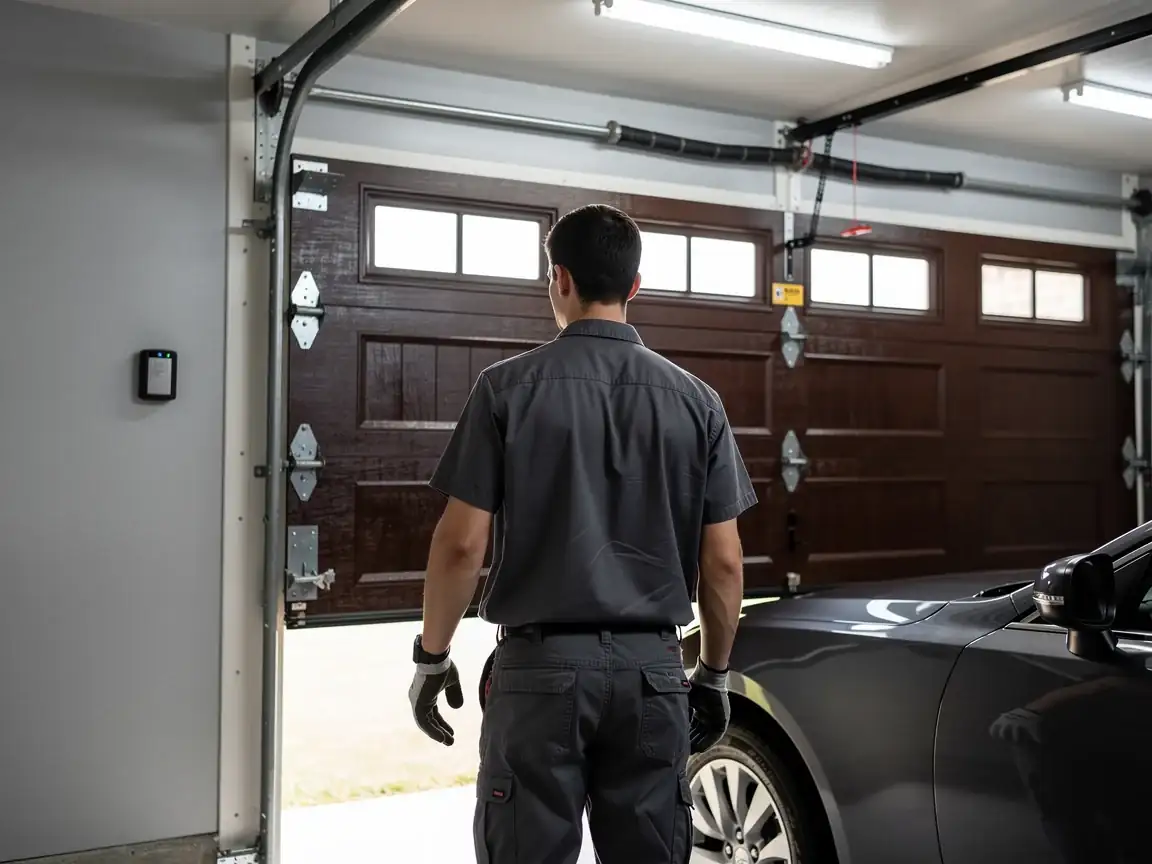
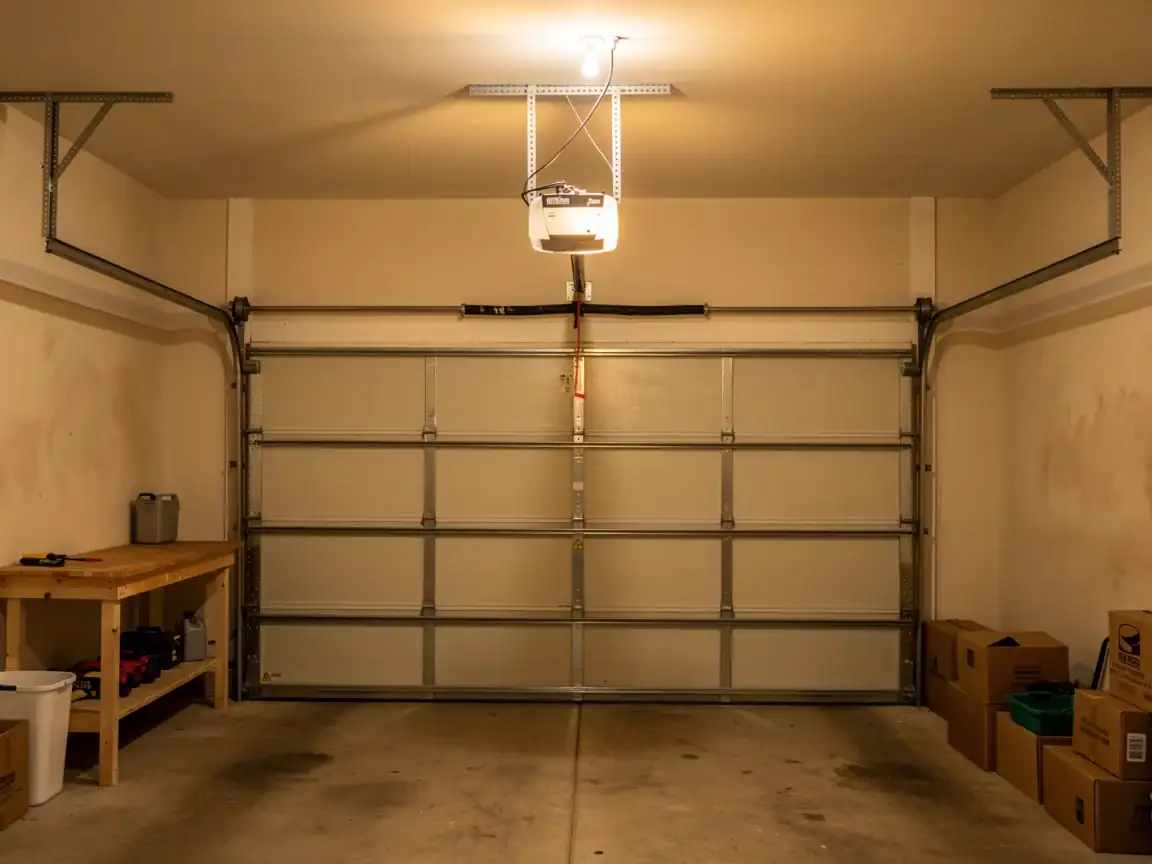
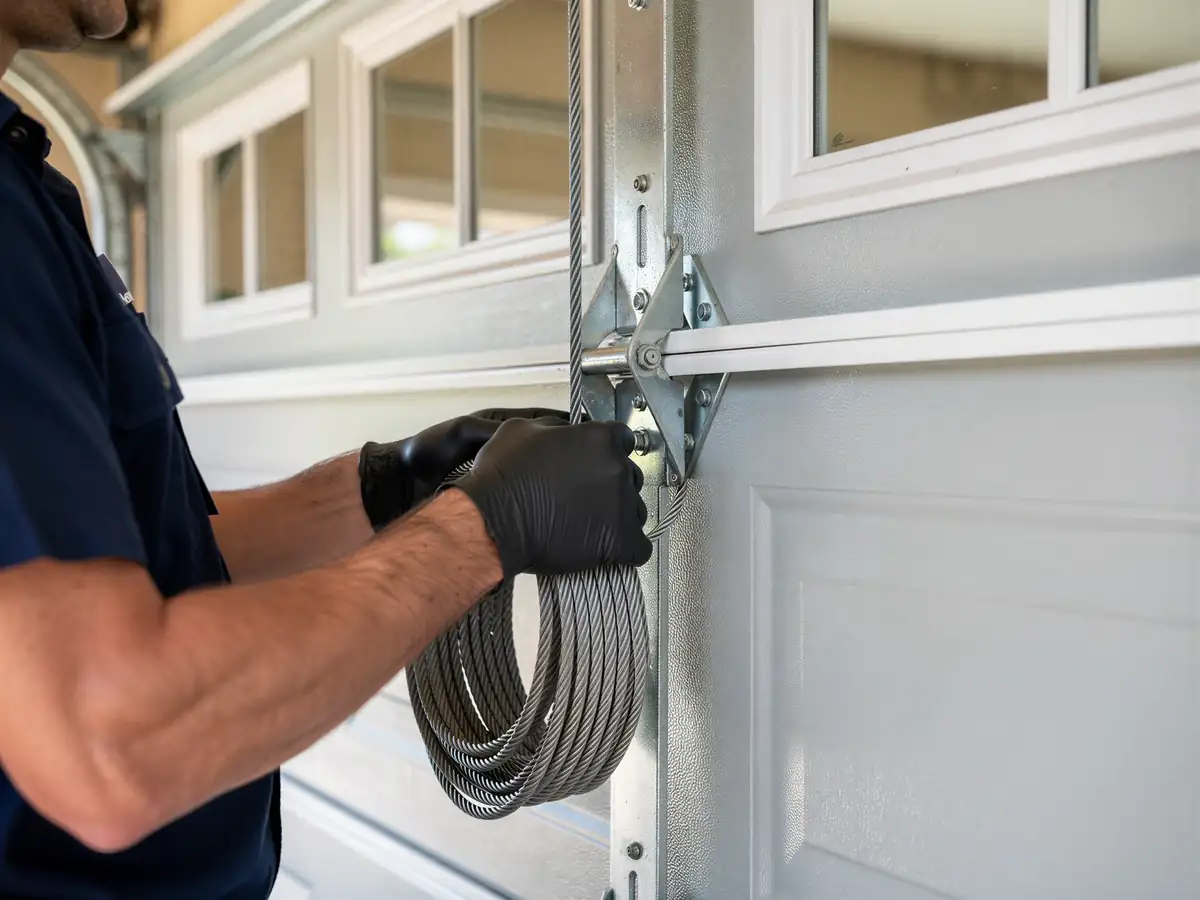
For a door of this era - steel sectional, torsion spring, built around 2007 - a maintenance visit itself usually doesn't take the door out of commission at all. Lubrication, hardware checks, and a balance test can be done with the door functional the whole time. The exception is if the visit turns up something that needs immediate attention, like a spring that's visibly stretched or a cable fraying at the drum. In that case the door goes out of service until the part's replaced, and that's a repair job, not maintenance - worth knowing going in so a routine visit doesn't catch you off guard if it turns into something bigger.