Can You Do This Yourself
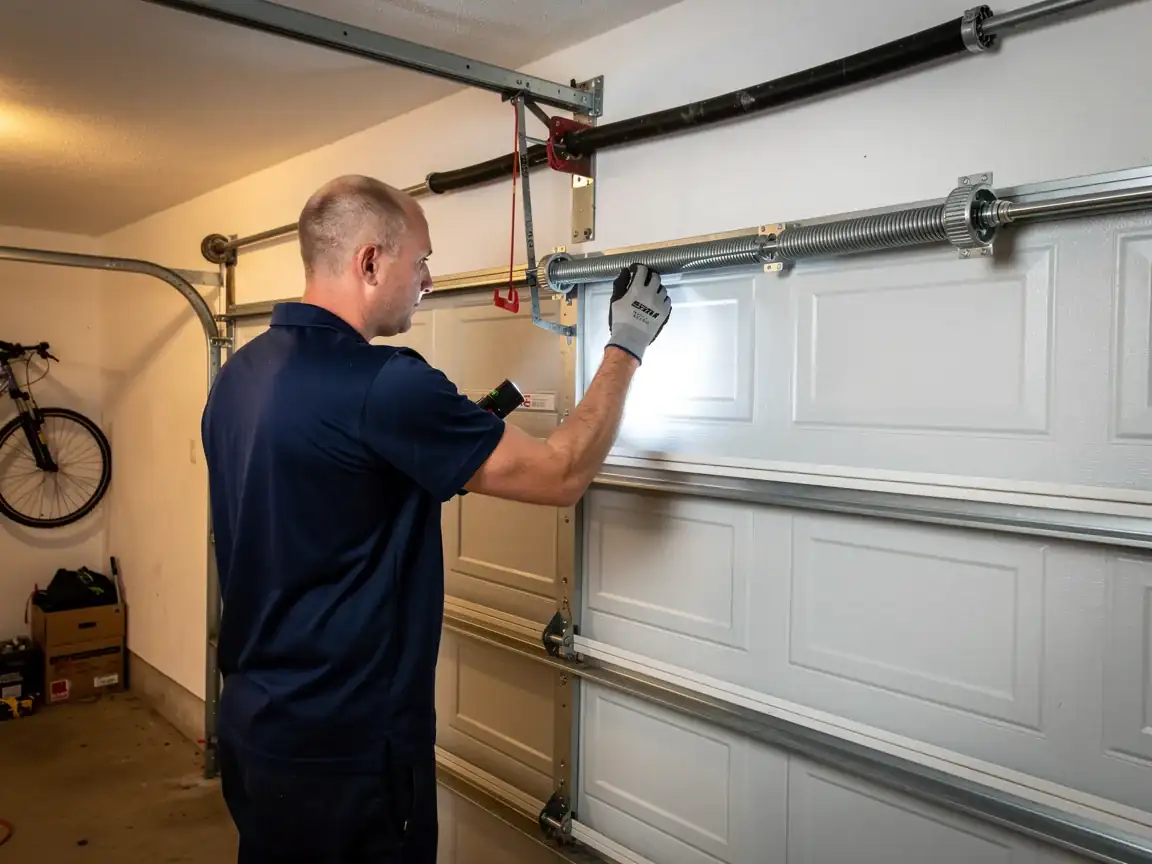
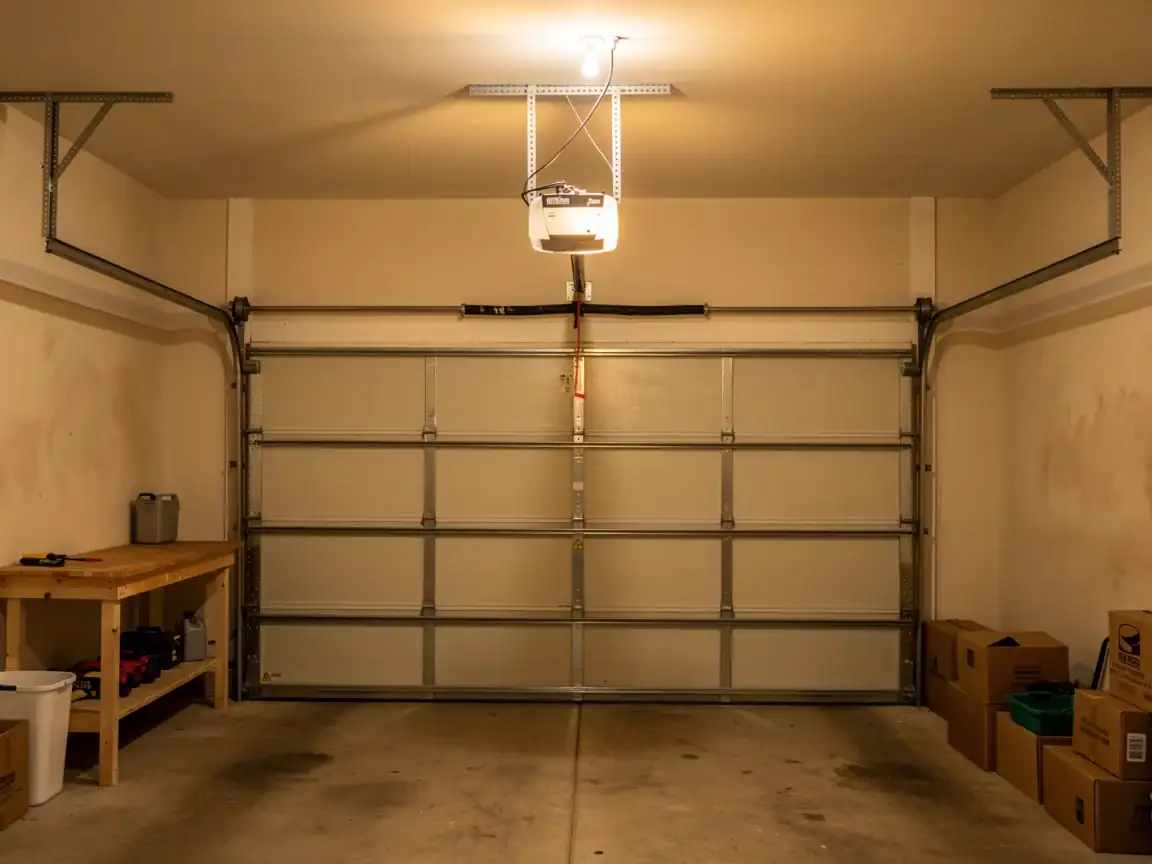
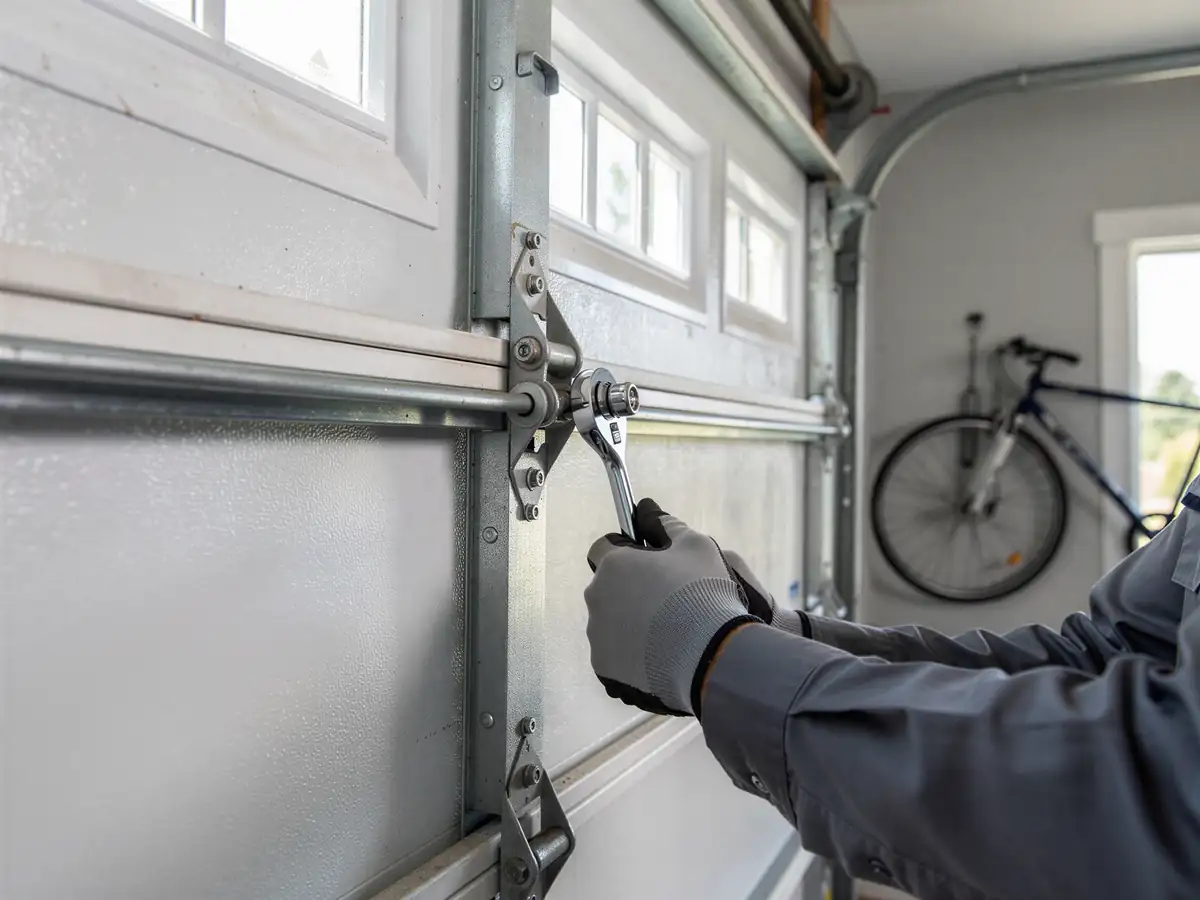
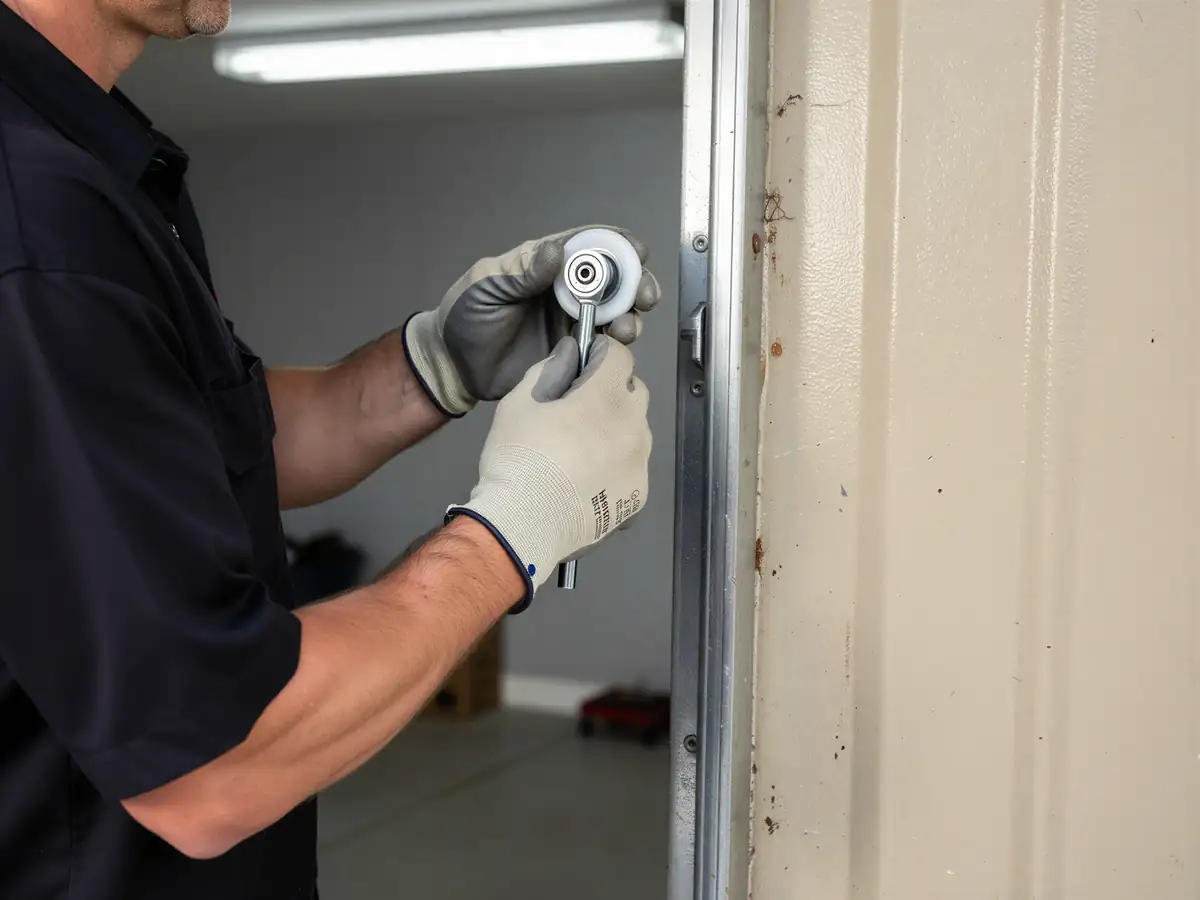
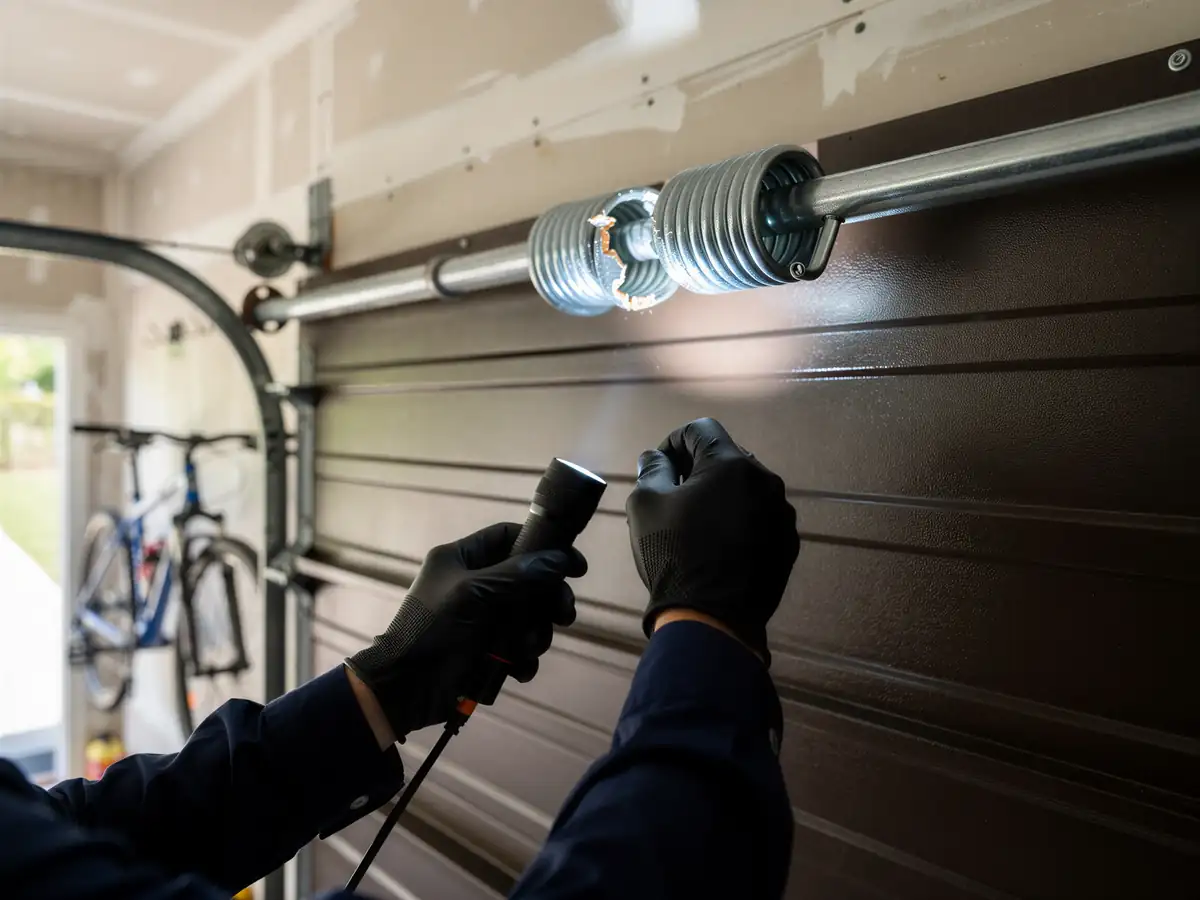
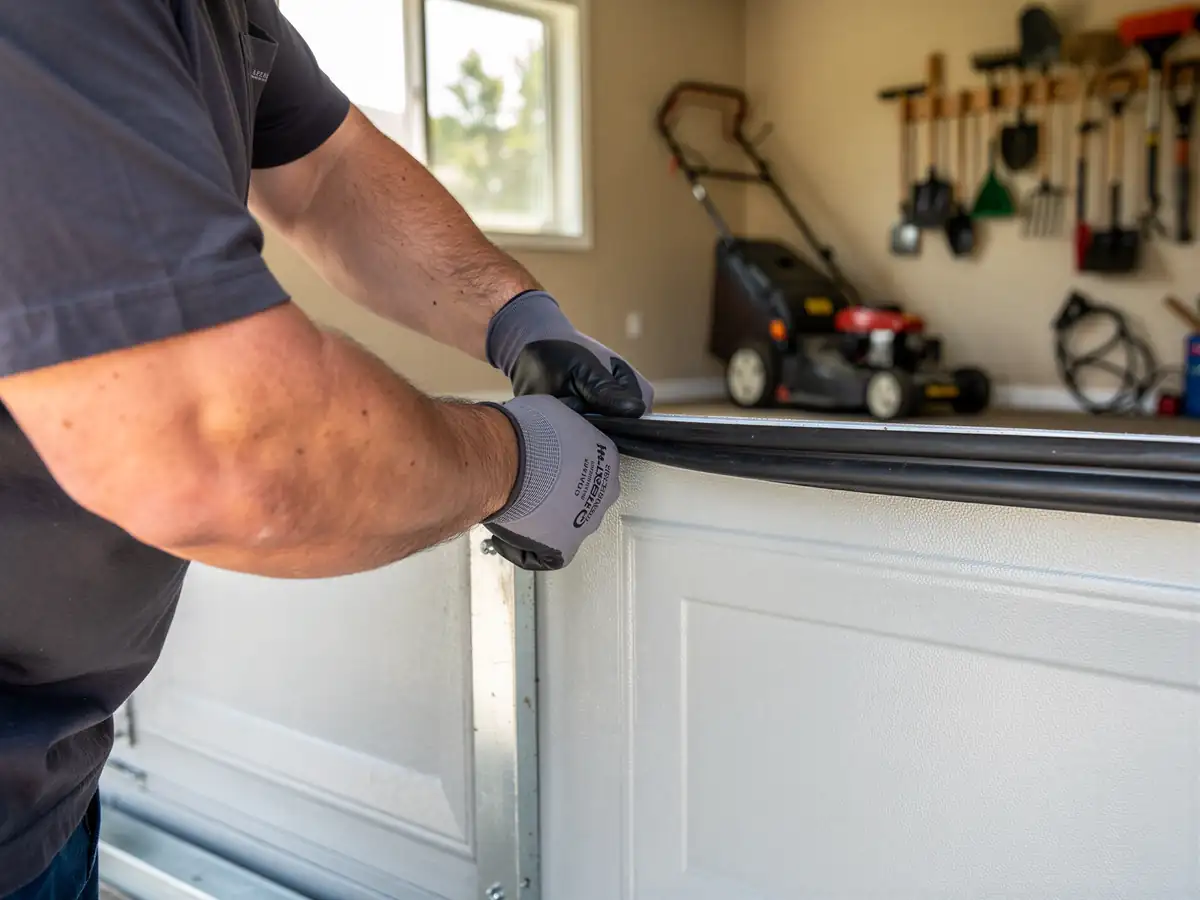
A lot of what a door built around 1996 needs, you can do with a ladder and twenty minutes. Wipe down the tracks, check that the rollers aren't cracked or flat-spotted, and run a bead of light oil on the hinges and the torsion spring coils - not the track itself, which should stay dry. Look at the weatherstripping along the bottom panel; on a door this age it's usually original and starts going brittle right around now. What you shouldn't touch is the spring tension or anything involving the torsion bar's winding cones. That's not a skill-level warning, it's a physics one - the bar is storing enough force to break a bone if the setscrews slip while you're adjusting them. Same goes for the opener's force settings if your door still runs the original circa-1996 chain-drive unit. If you're not sure whether a noise is a roller or a bearing, that's worth a call rather than a guess.
What You Are Seeing
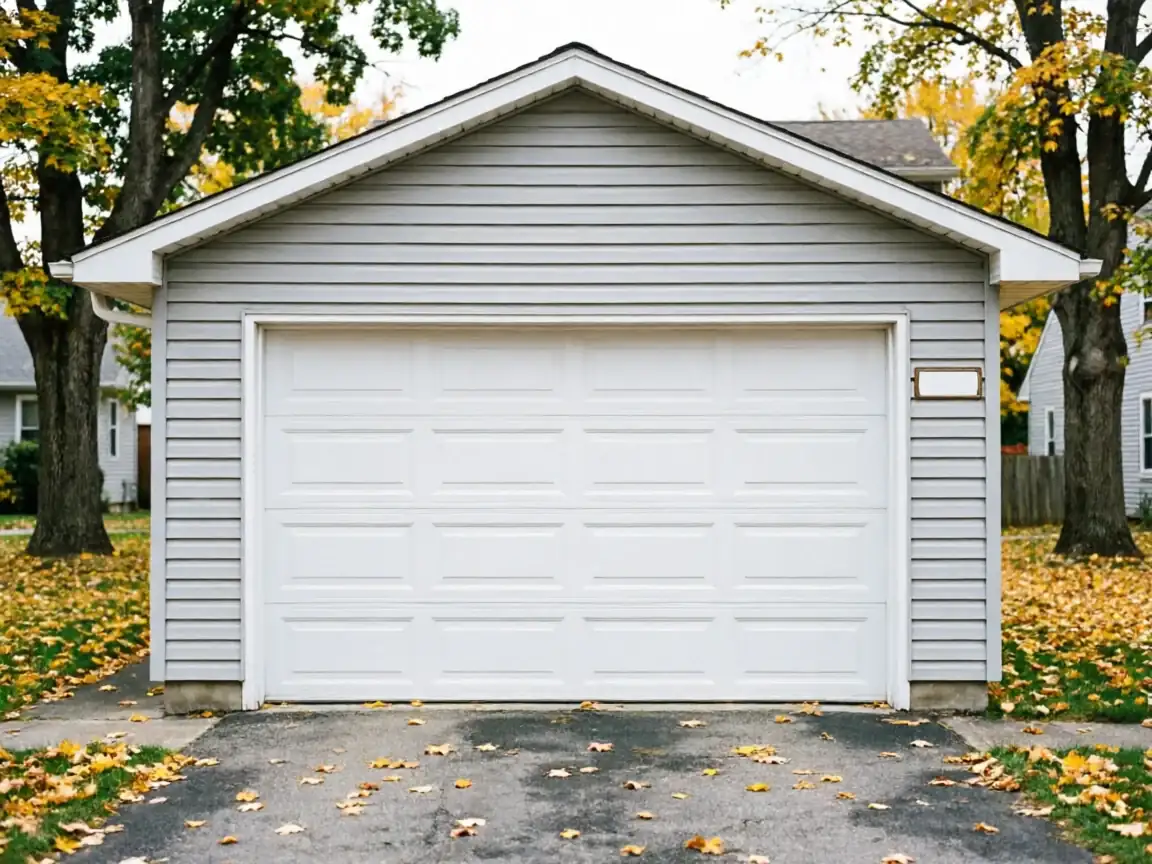
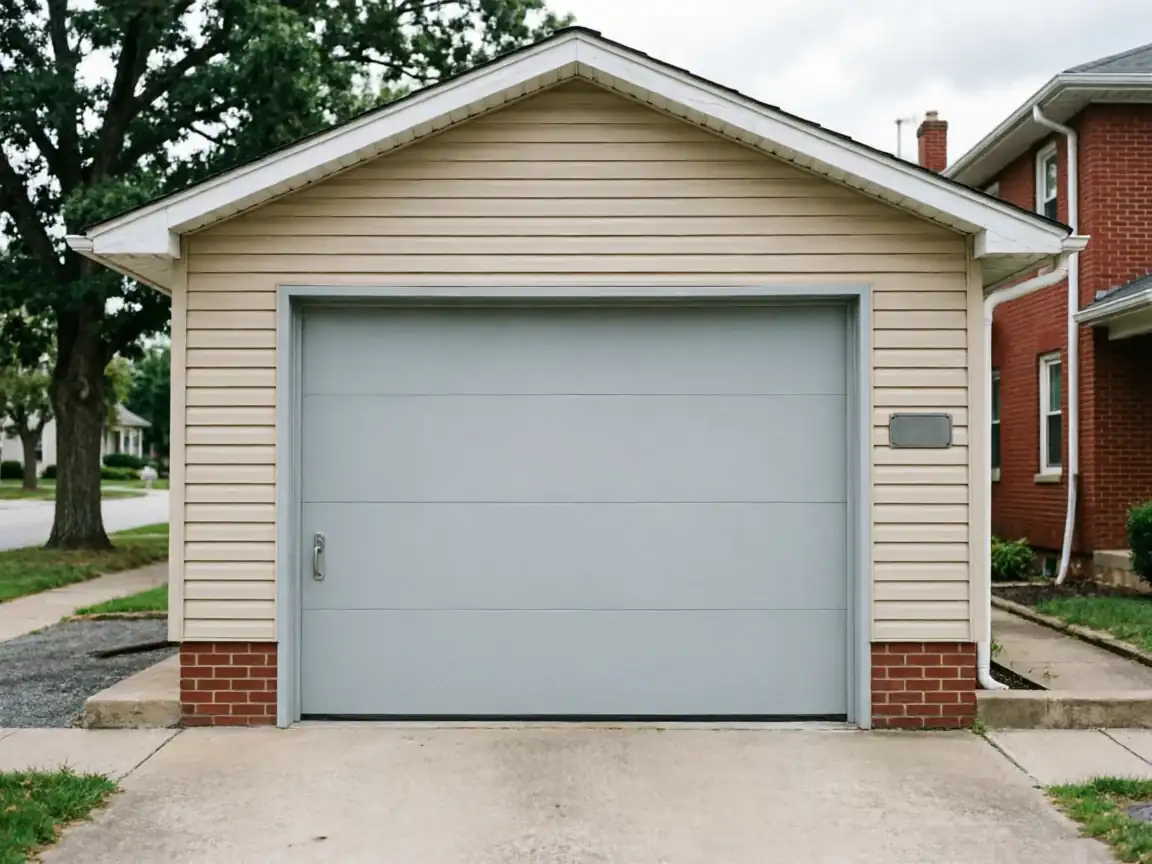
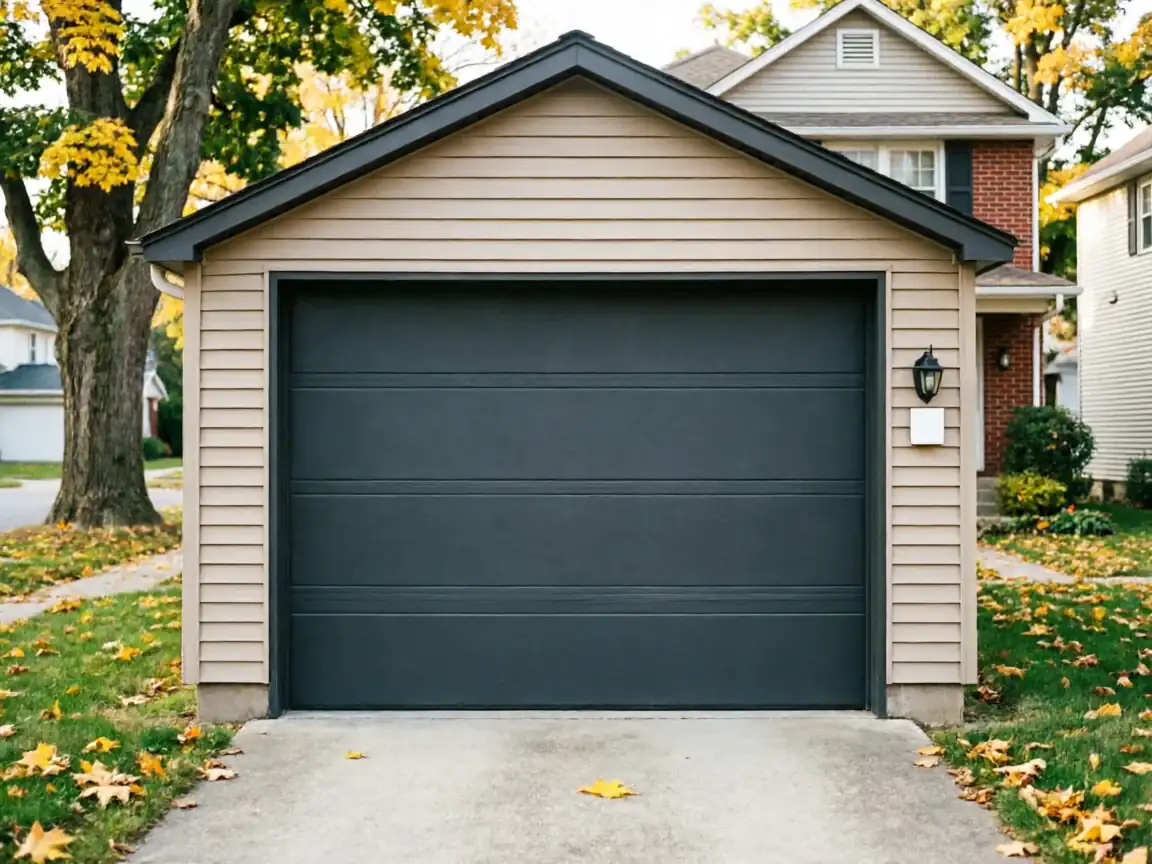
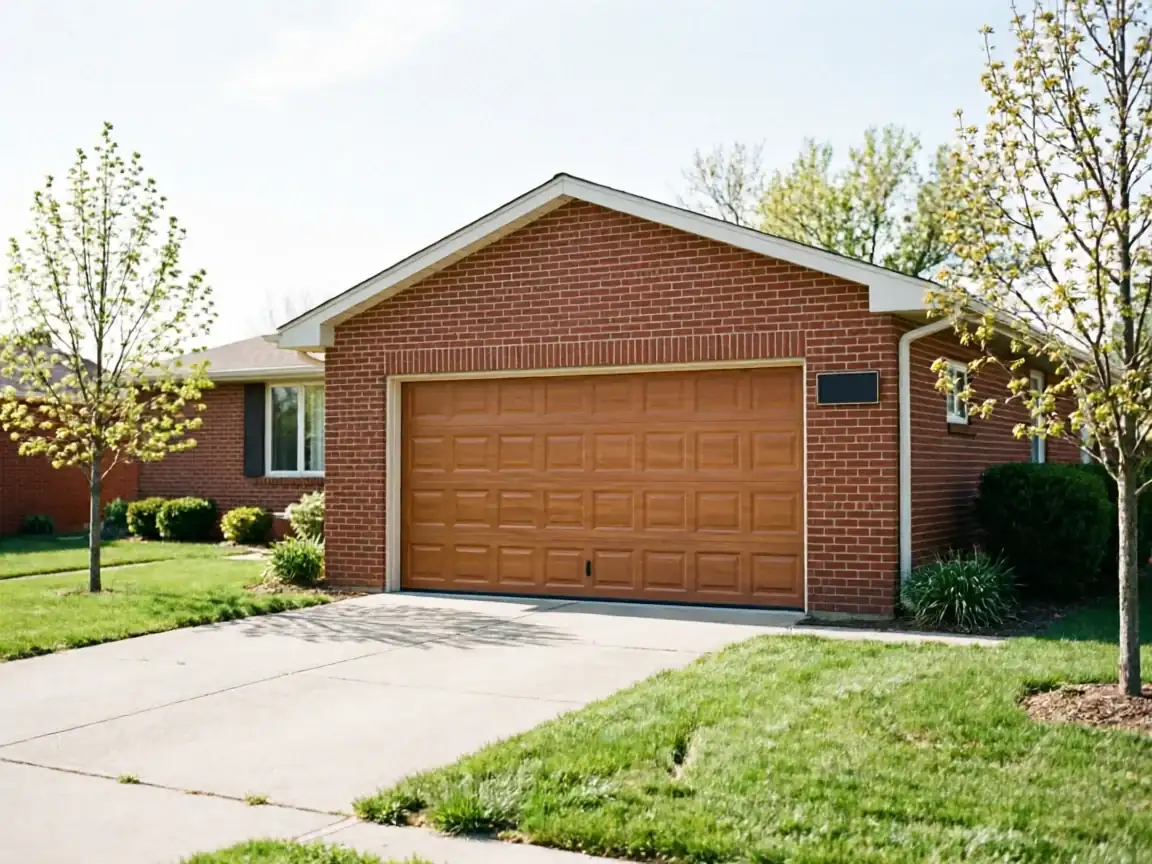
Ogden's homes mostly went up well after the older farmhouse-era construction you'll find closer in toward Manhattan, where doors frequently date back to the 1960s and 70s. Here the typical door is a steel sectional, roughly a mid-90s build, running on a torsion spring system rather than the older extension-spring setups that are more common on that earlier stock. That means the common complaints run differently too: less "the whole door is original and needs replacing," more "the opener's logic board is acting up" or "the spring is nearing the end of its cycle count." A door engineered in the mid-90s was built to tighter tolerances than the one-piece doors from two or three decades earlier, which is good news for maintenance - there's more here worth tuning up than tearing out.
How to Book
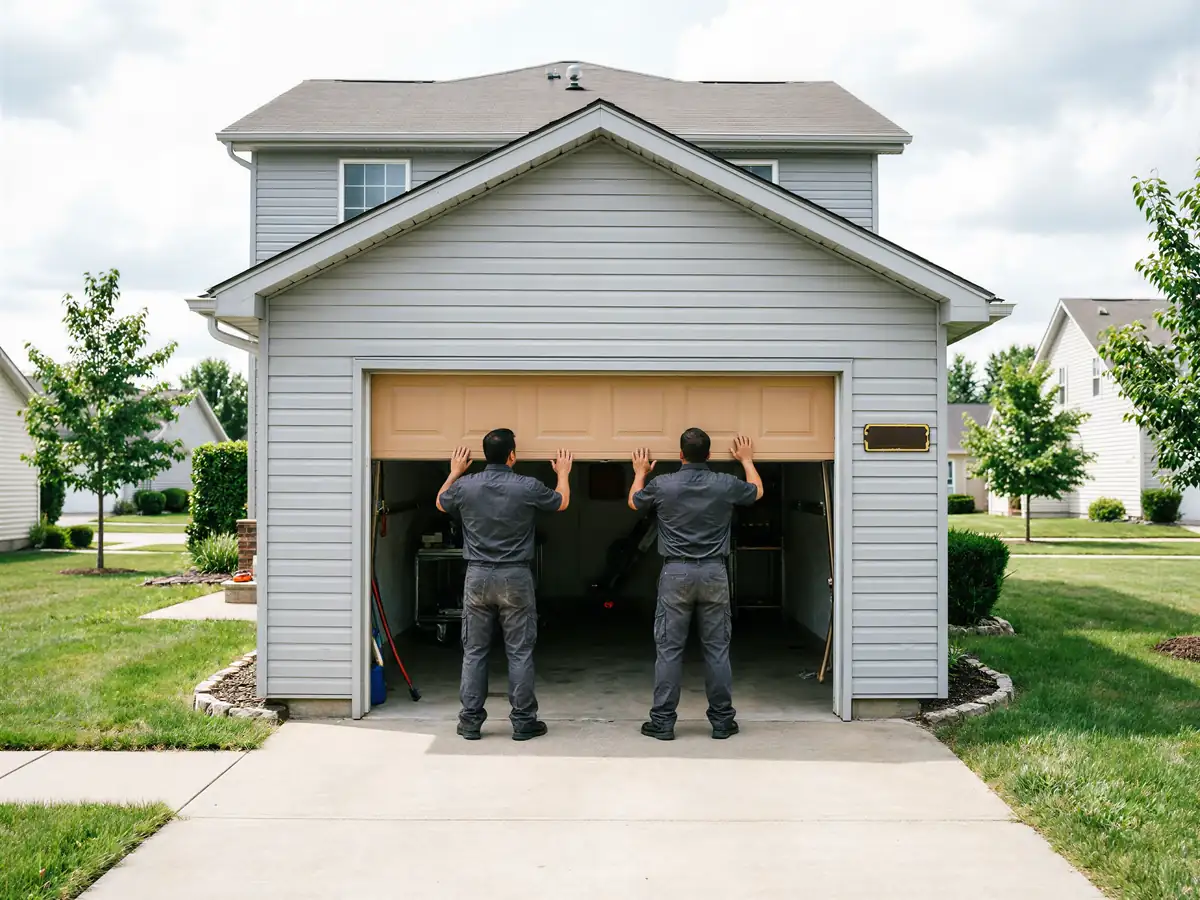
We run maintenance calls out to Ogden from Manhattan, about seven miles up the road, so there's no local branch to call - just the one number and one schedule. Tell us the door's rough age and whether it's chain, belt, or screw drive when you call, and we'll bring the right lubricant and hardware for that generation of opener rather than guessing on site. You can see what a full visit covers, plus the broader service list, on our garage door maintenance page for the whole Manhattan area. If something's already broken rather than just due for a check, our Ogden repair page is the better starting point.
What the Fix Involves
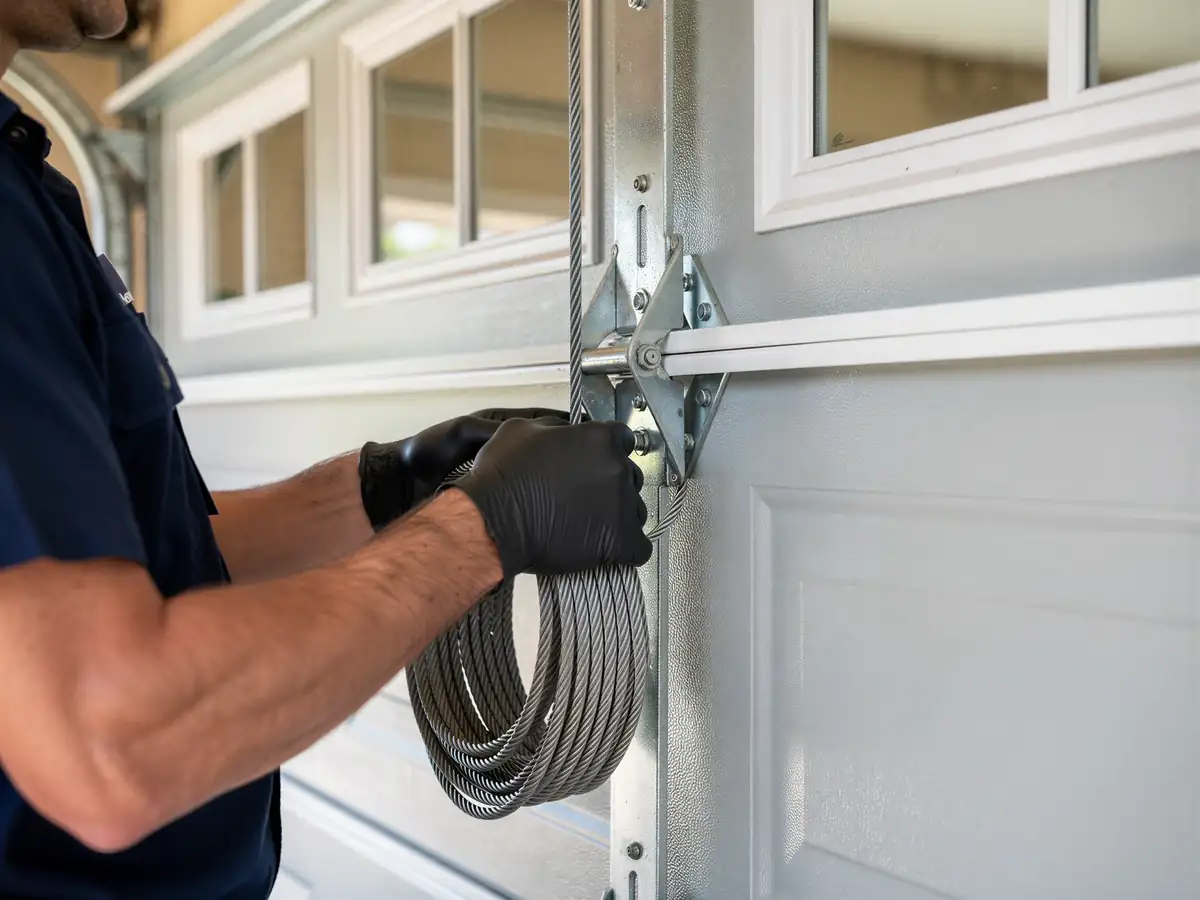
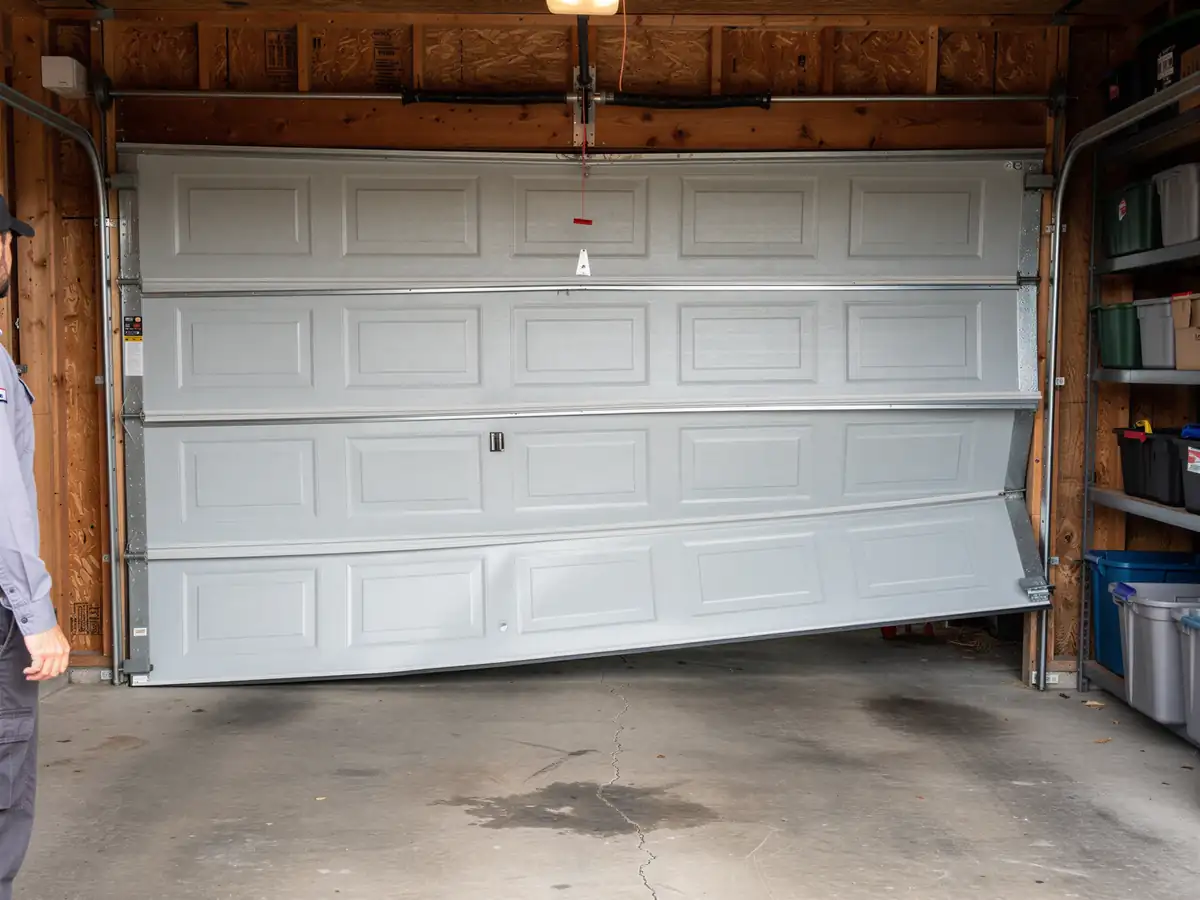
On a typical Ogden visit we're checking torsion spring wind and wear, testing the opener's auto-reverse and sensor alignment, greasing rollers and hinges, and tightening the track brackets that work loose over a few winters of expansion and contraction. We'll also check the bottom seal, since a 1996-era door usually still has its original weatherstrip track even if the seal itself has been swapped once. What we won't do on a maintenance call is rebuild a spring system that's already failed or replace an opener board that's dead - that's a repair call, priced and scheduled separately, and we'll tell you straight if that's what you're looking at instead of running up a maintenance bill on a door that needs parts, not grease.