Can You Do This Yourself
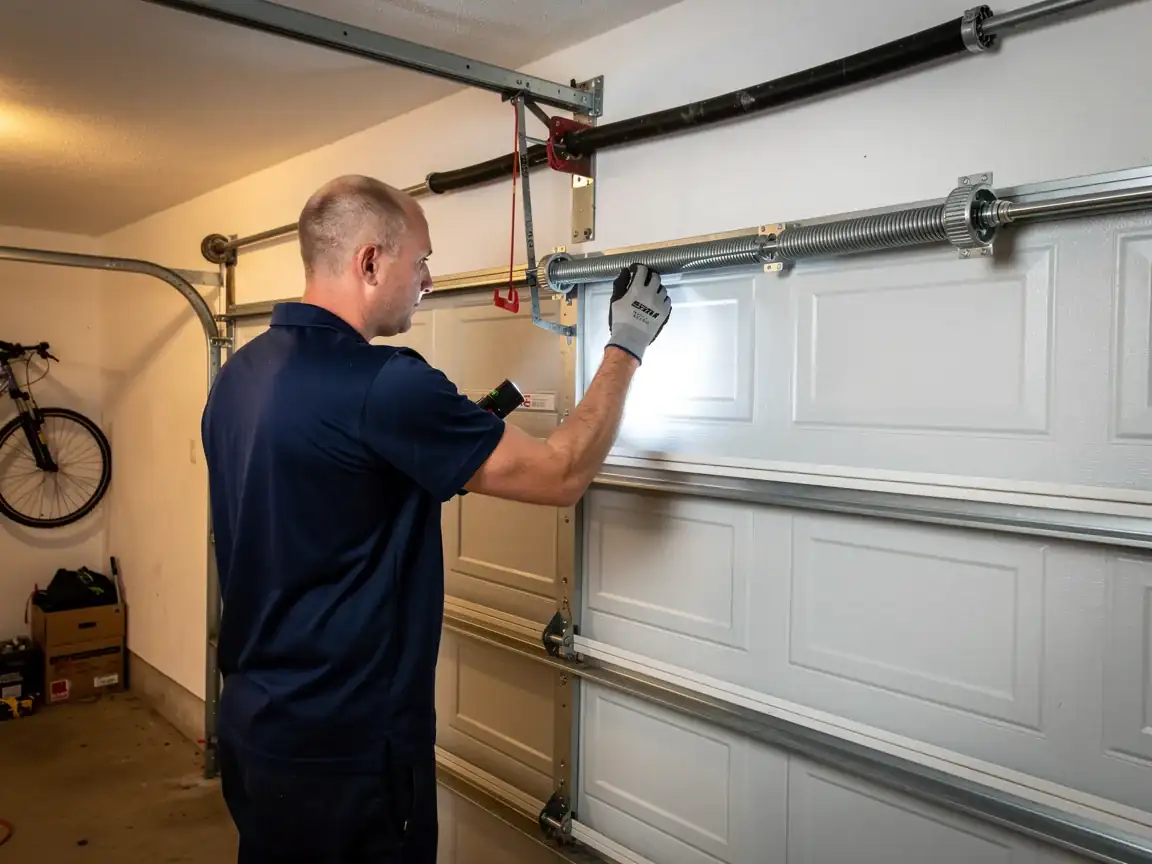
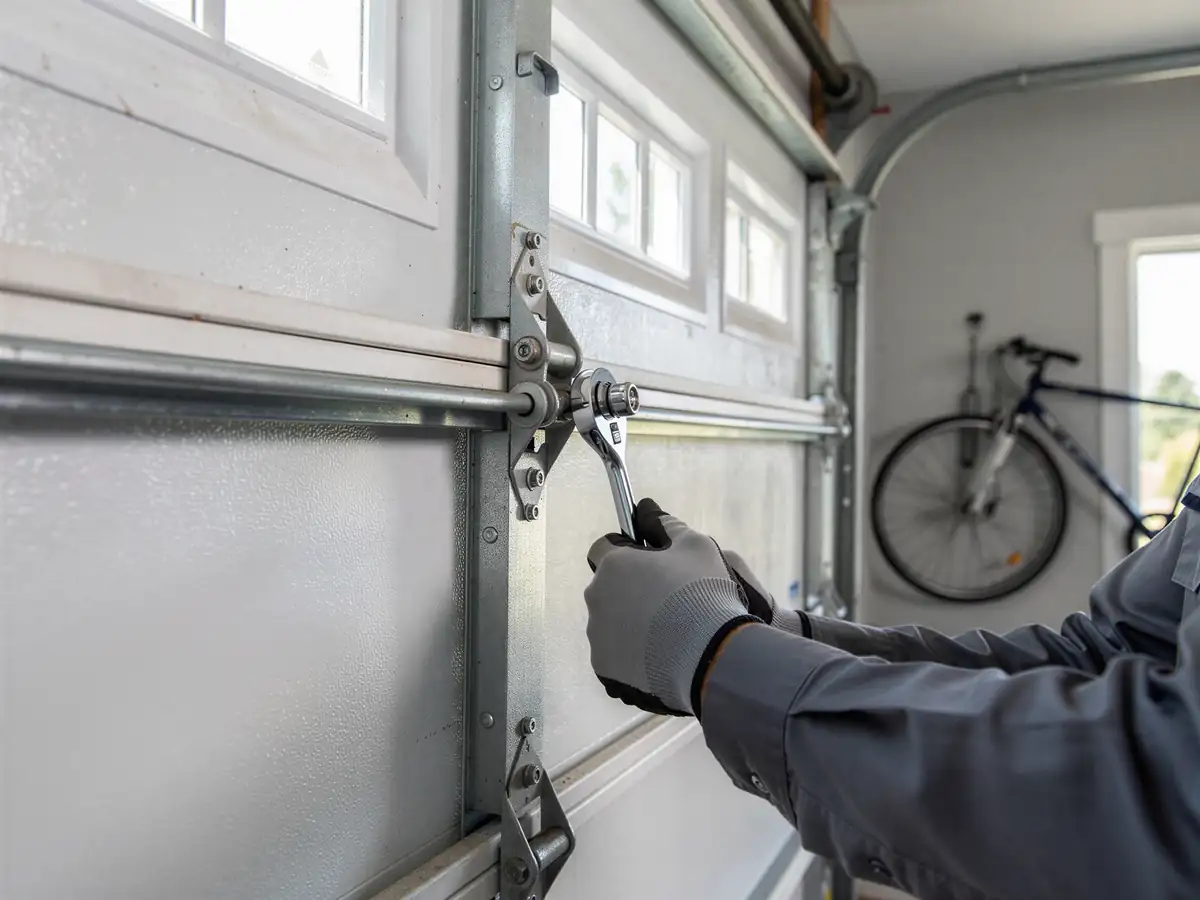
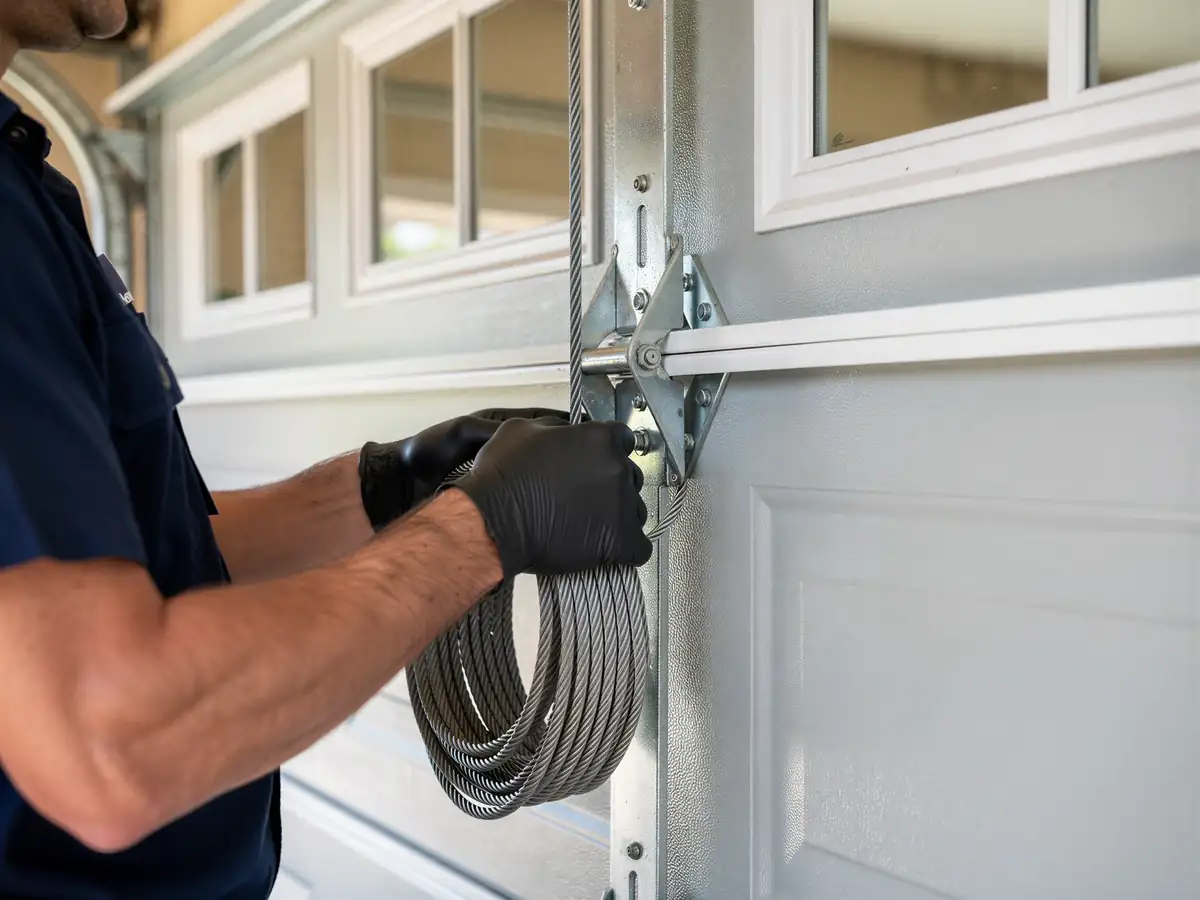
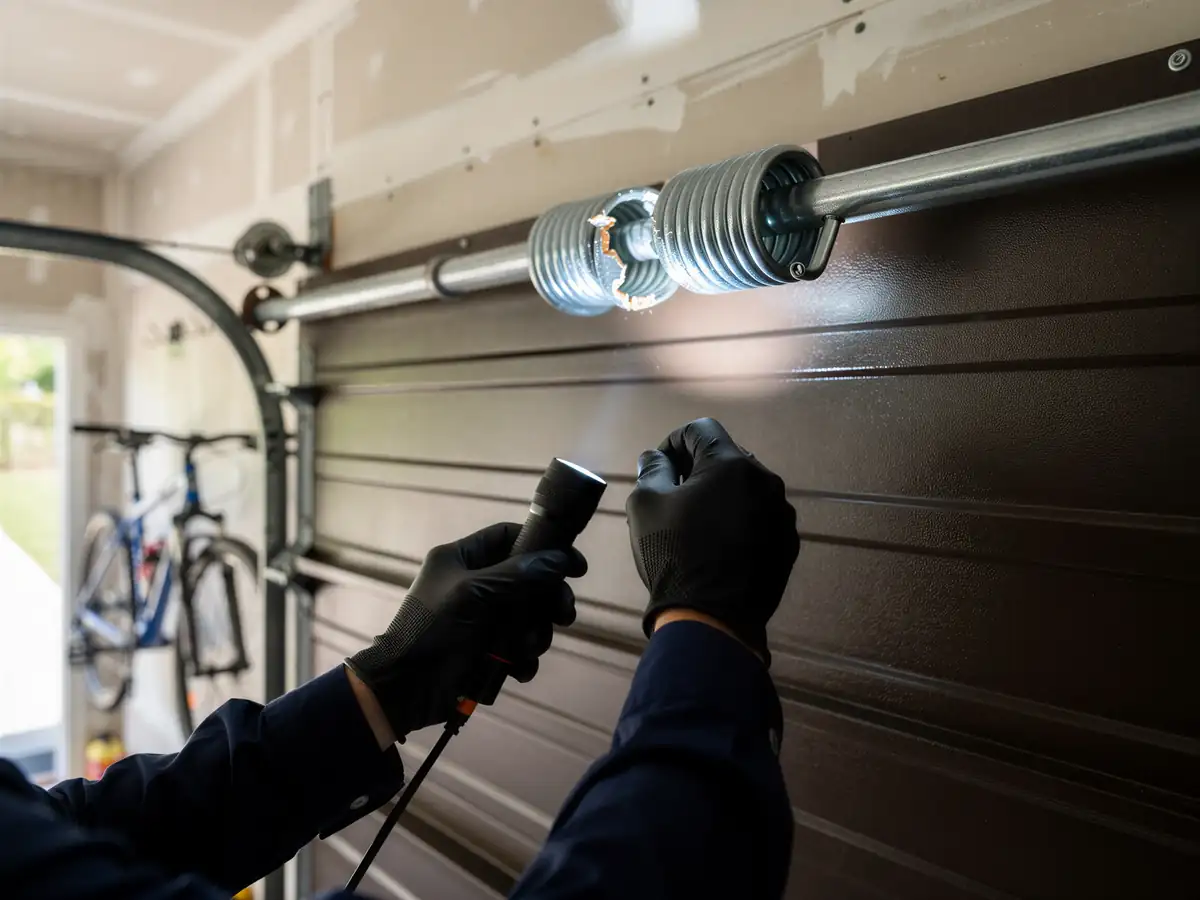
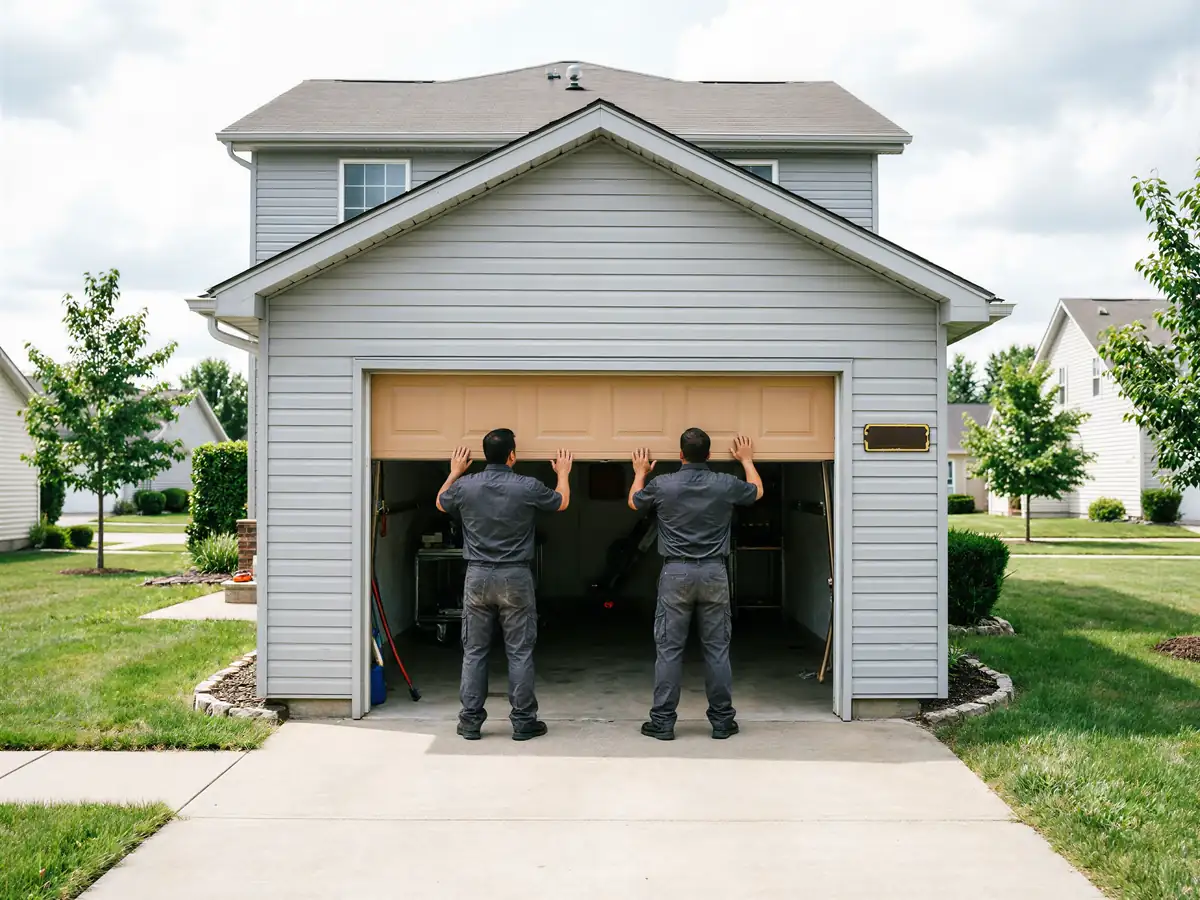
A new garage door install looks simple from the driveway: old door comes off, new door goes on. The part that gets people is the torsion spring and the track alignment underneath, and that doesn't change whether your house is from 1974 or 1996. A double-car steel door with an insulated core weighs more than most people guess, and winding a torsion spring to the wrong turn count is how hands get hurt.
What does change with a 1996-era build is the opening itself. Houses built in that stretch generally have squarer, better-framed jambs than the older stock scattered through the wider Manhattan service area, so you're less likely to be fighting a warped header or an out-of-plumb opening. That's good news if you're set on doing the panel swap yourself - but the spring, cable, and drum work is still the same job that sends people to the ER every year, and we'd rather you call us for that part and do your own touch-up painting.
What You Are Seeing
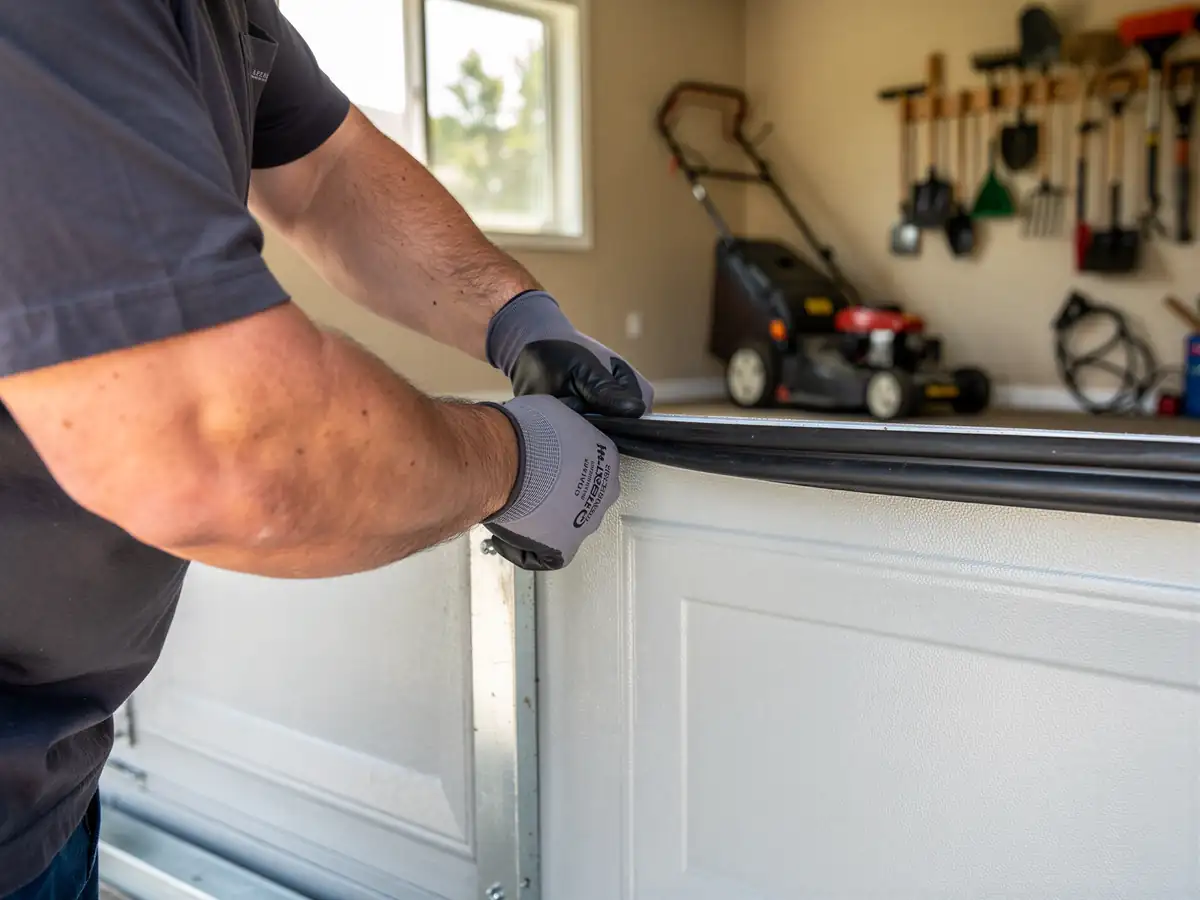
If your house in Ogden is on the older end of that 1996 median, you're likely looking at a builder-grade steel door pushing close to thirty years old. The symptoms show up as a non-insulated or thinly-insulated panel, a bottom seal that's gone stiff and cracked, or an opener straining because the door itself has gotten heavier with trapped moisture in the panel core.
Newer construction in this part of the service area also tended to come with lighter-gauge factory doors meant to meet a price point, not a climate. Thirty winters in a cold-moderate climate band is enough to turn a factory seal brittle and let a door that was fine in 1996 become one that rattles, binds, or lets a visible gap of daylight under the bottom panel. None of that means the opener or the framing is bad - it usually means the door itself has simply aged out.
Why This Fails Locally
The area's housing didn't all arrive with insulated doors as standard
And a cold-moderate climate band is unforgiving toward whatever gap or crack shows up over time. A door built to 1996-era standards wasn't rated the same way a new door is, and over three decades of winters that difference compounds: wood trim swells and shrinks, steel skins fatigue at the hinge points, and the foam core (if there is one) degrades.
Across the roughly 695 households in Ogden, most sit on housing stock from that same mid-90s window
So this isn't a one-off problem with one unlucky house - it's a pattern tied to when the area was built. A median household income of $61,953 here means most owners are choosing between a mid-tier insulated steel door and a basic replacement, not a premium wood-look fiberglass model, and that's the range we plan around when we spec a job here rather than assuming everyone wants the top of the catalog.
- 695 households
- $61,953 median household income
How to Book
We run installs in Ogden out of our Manhattan base, about 7 miles up the road, so there's no local branch or satellite crew - just a truck that comes out on a scheduled day. Because every install includes a site look at your opening, framing, and existing track before we quote a door, we don't price this over the phone sight unseen.
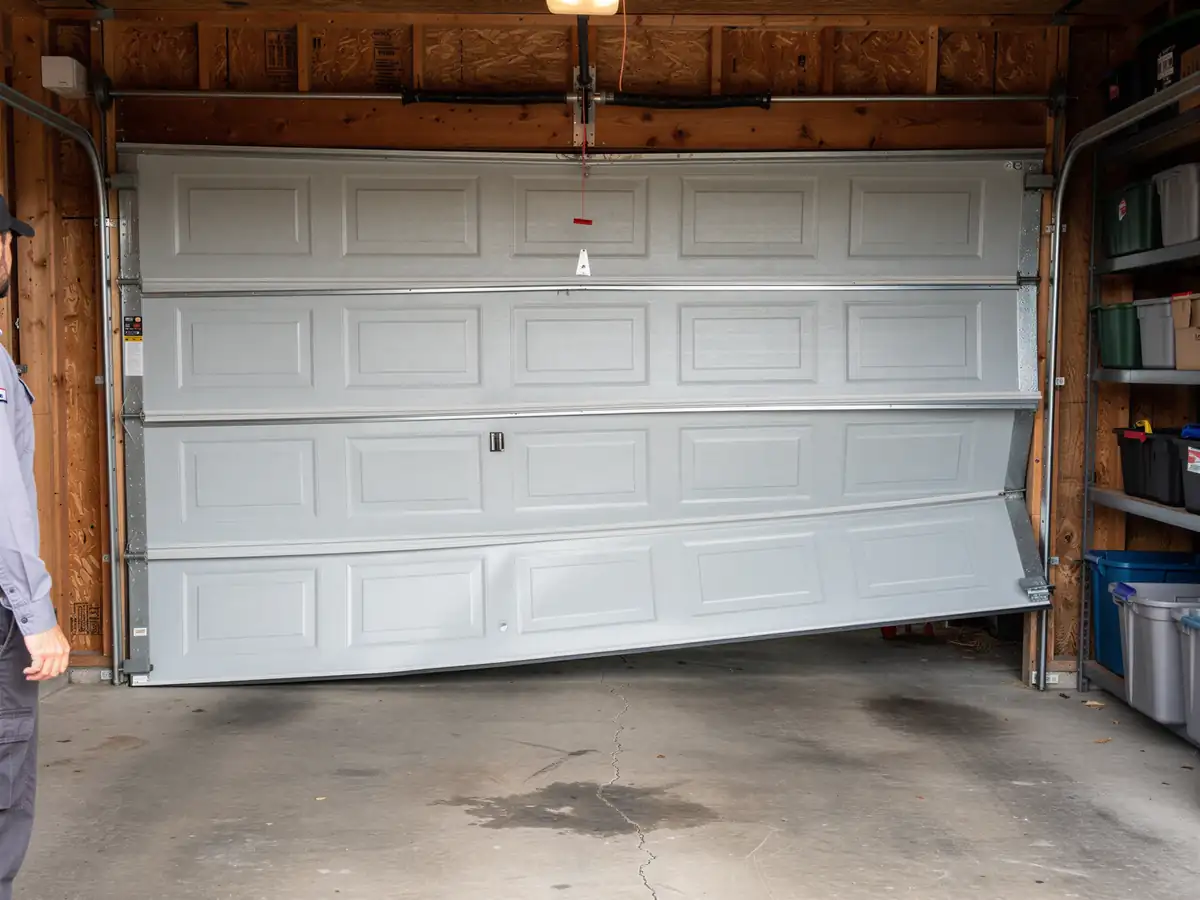
If your current door is more of a repair situation - a bent track, a snapped cable, a spring that let go - that's a separate call and a separate page; see our page on Ogden garage door repair. If you're comparing installation scope across the wider area the company covers, the Manhattan installation page covers that broader service, while this page is specifically about getting a new door into an Ogden opening.
What the Fix Involves
We start by measuring the actual opening, not just going off the door that's coming out, since framing from the 1996-era builds in this area can run slightly different from older stock elsewhere in the service area. From there it's picking a door rated for a cold-moderate climate - meaning a real insulated core and a bottom seal built for a Kansas winter, not just a bare steel skin.
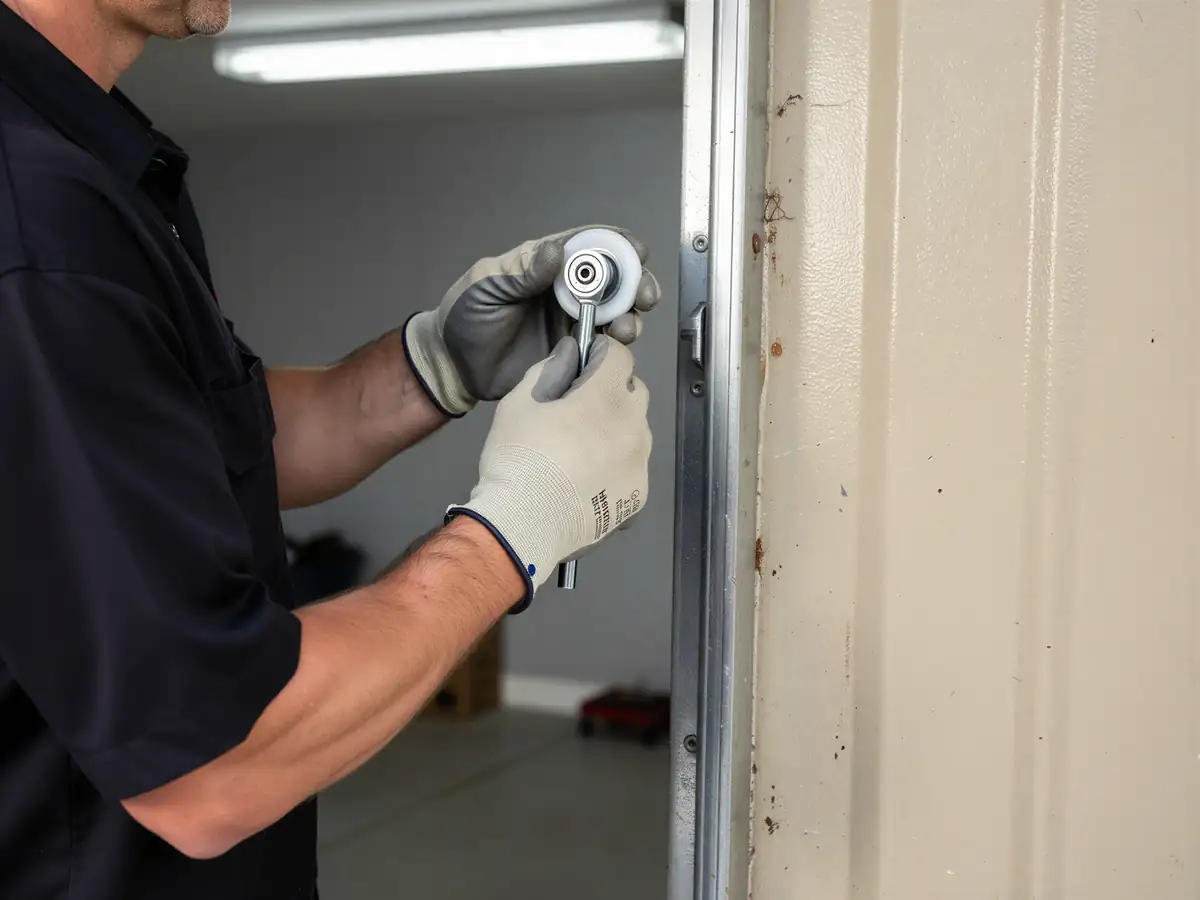
We size new torsion springs to the door's actual weight rather than reusing old spring data, since swapping a non-insulated door for an insulated one changes the lift calculation. If your opener is more than a few years old, we'll check whether it can still handle the new door's weight and travel; sometimes that's fine, and sometimes replacing the opener alongside the door is the honest recommendation rather than forcing an old unit to work harder than it should.