Can You Do This Yourself
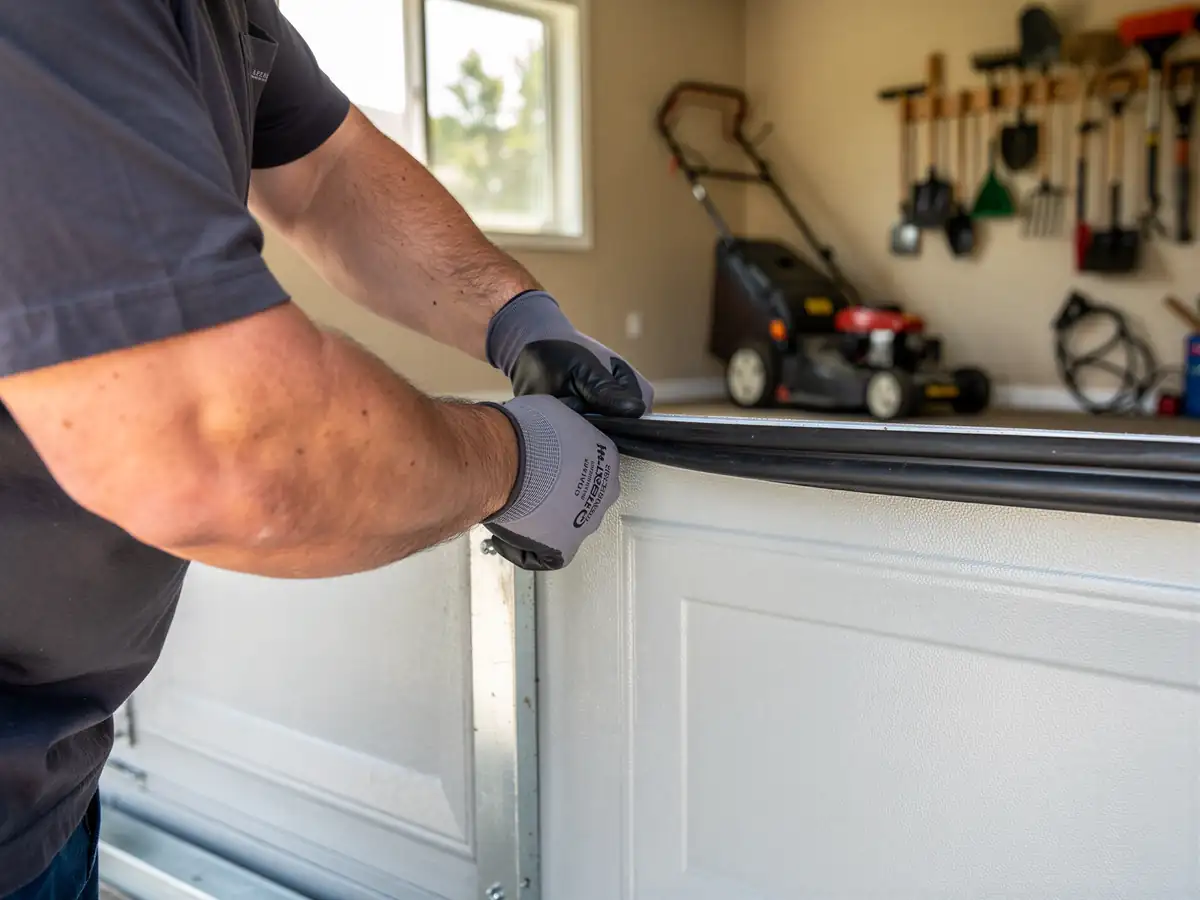
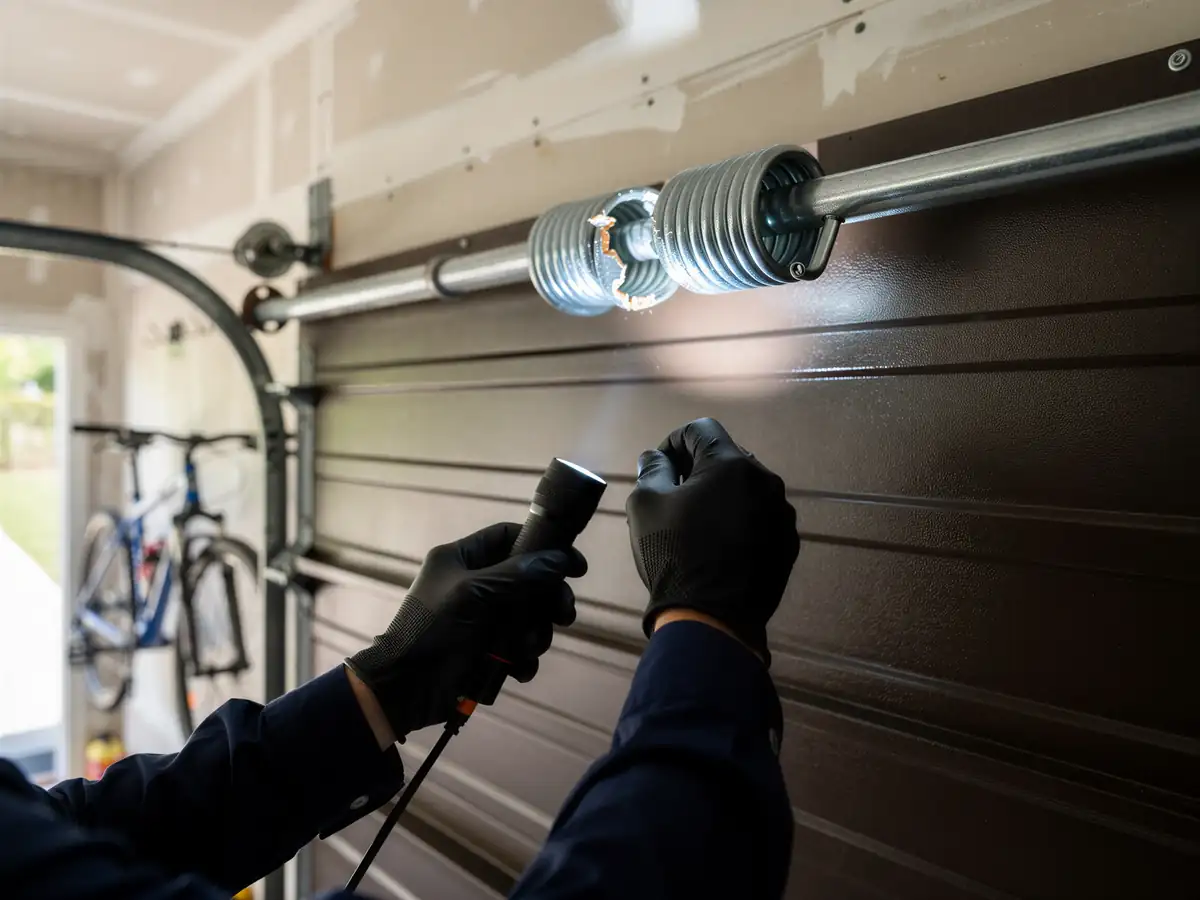
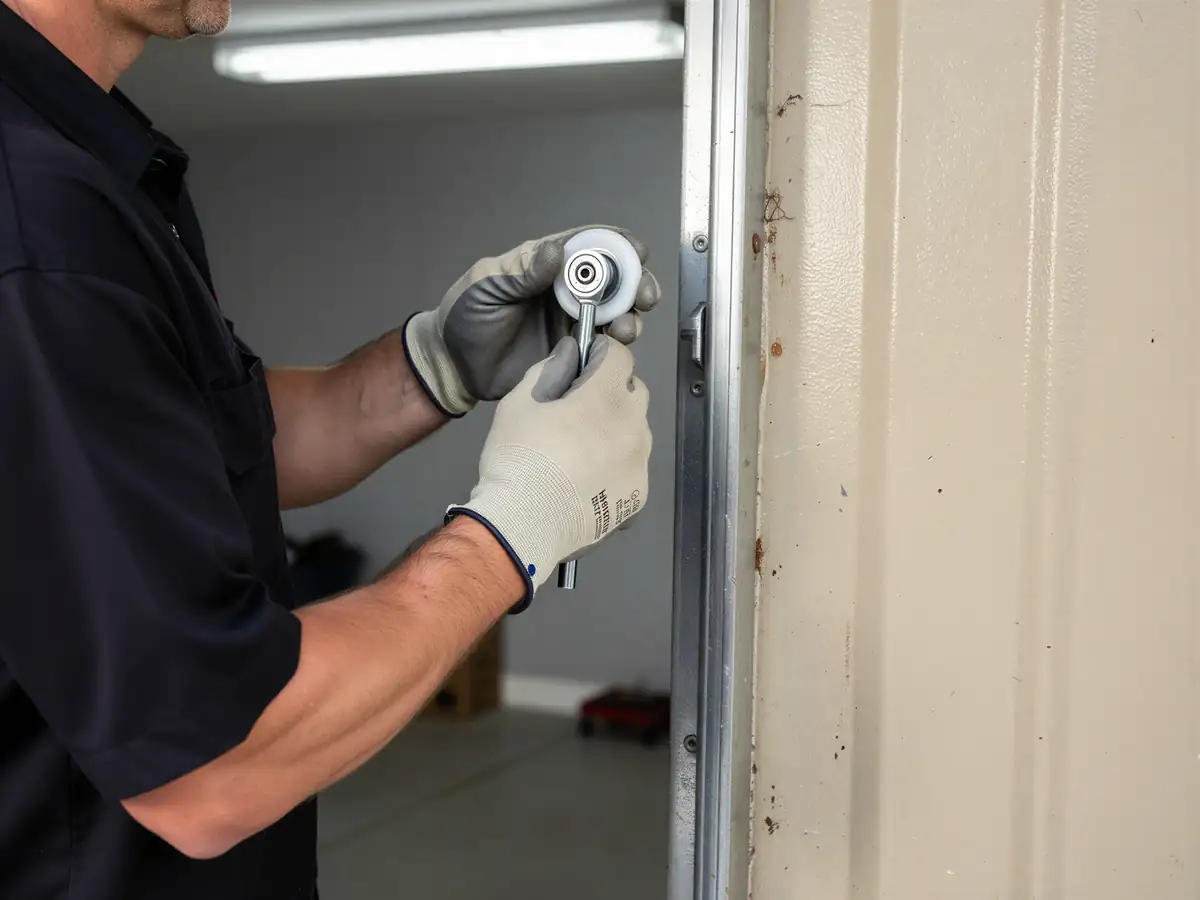
Swapping rollers is one of the more doable garage door jobs for a homeowner with basic tools, and we won't tell you otherwise. If your door is newer - and a lot of Ogden's housing stock is, built well after the 1966-2007 run that covers most of our service area, with Ogden's own median landing around 1996 - the rollers are likely nylon stem rollers on a standard track, and replacing one side is a matter of releasing the track bracket, sliding the old roller out, and sliding the new one in. Where it stops being a solo job: if a cable is also frayed, if the track itself is bent from the roller riding rough for months, or if you're dealing with the bottom bracket near the spring side. Those carry real risk. We're honest that a straightforward roller swap on a newer door doesn't need a truck from Manhattan - but if you're not sure which kind of job you're looking at, that's exactly what the call is for.
What You Are Seeing
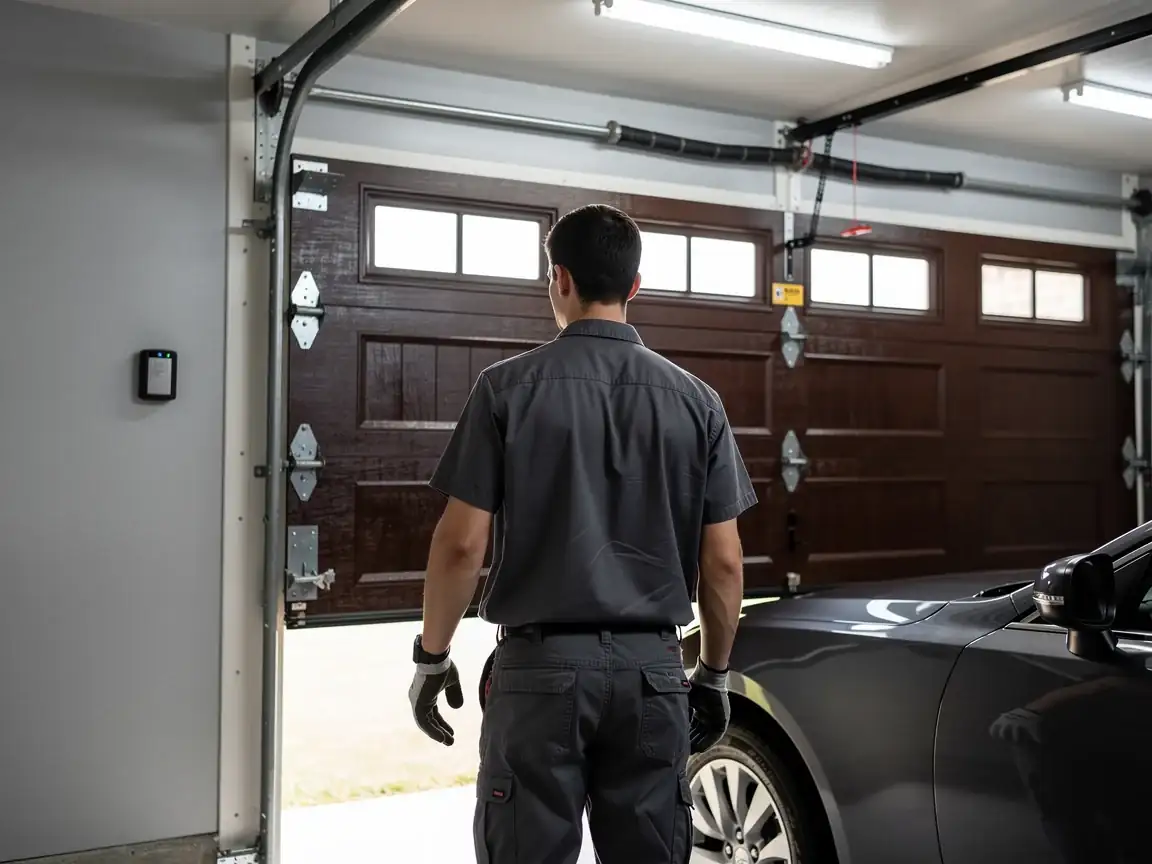
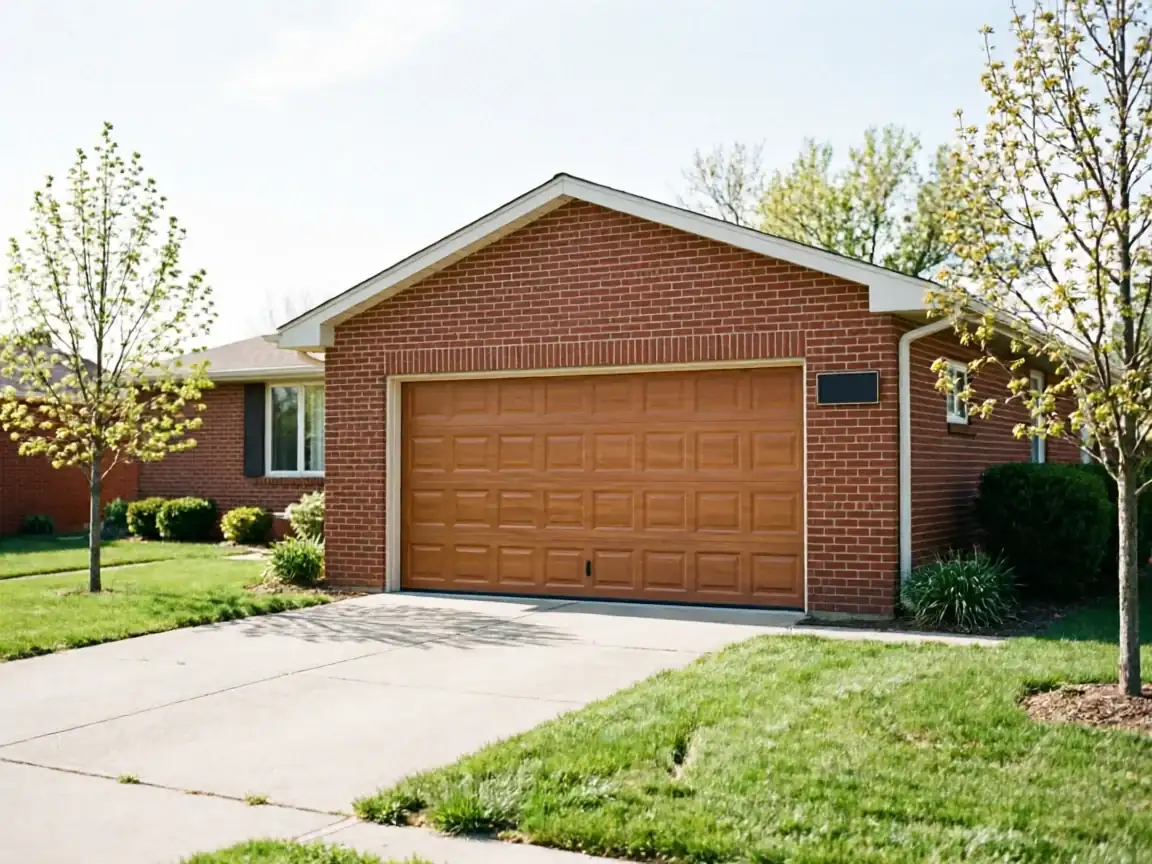
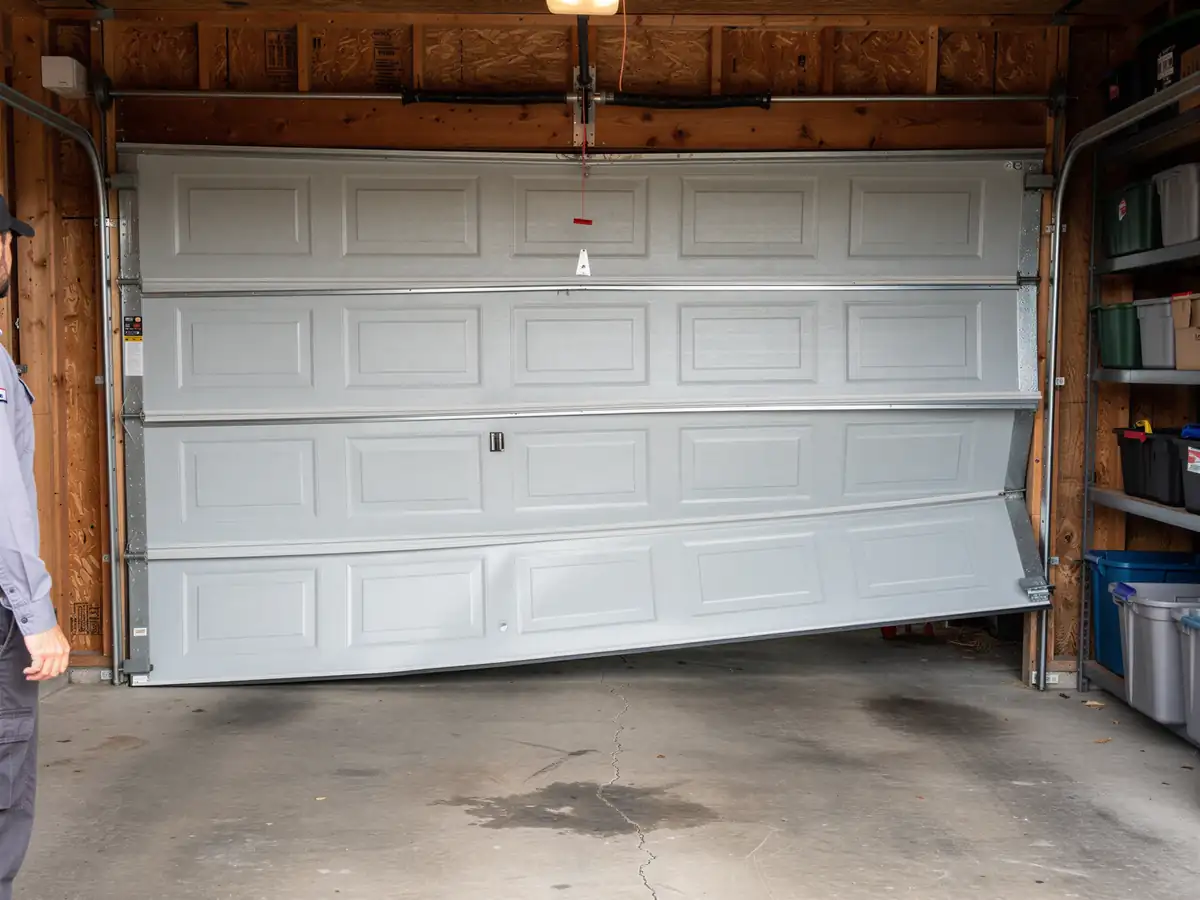
A roller that's failing usually tells you with sound first - a grinding or clunking as the door travels, worse at the same spot in the track each time. On a door from the 1990s building wave that covers a lot of Ogden, the original rollers are typically plastic or nylon, and after close to three decades they develop flat spots or crack at the stem. You'll also see the door hesitate or jump slightly as it passes a bad roller, and sometimes a visible wobble in the section near the track. This is different from what we see on the older 1960s-70s stock closer to Manhattan, where steel rollers on worn bearings are more common and the failure mode is a dry, screeching sound rather than a jump. Knowing which one you've got before a truck ever leaves the shop saves you a second call.
How to Book
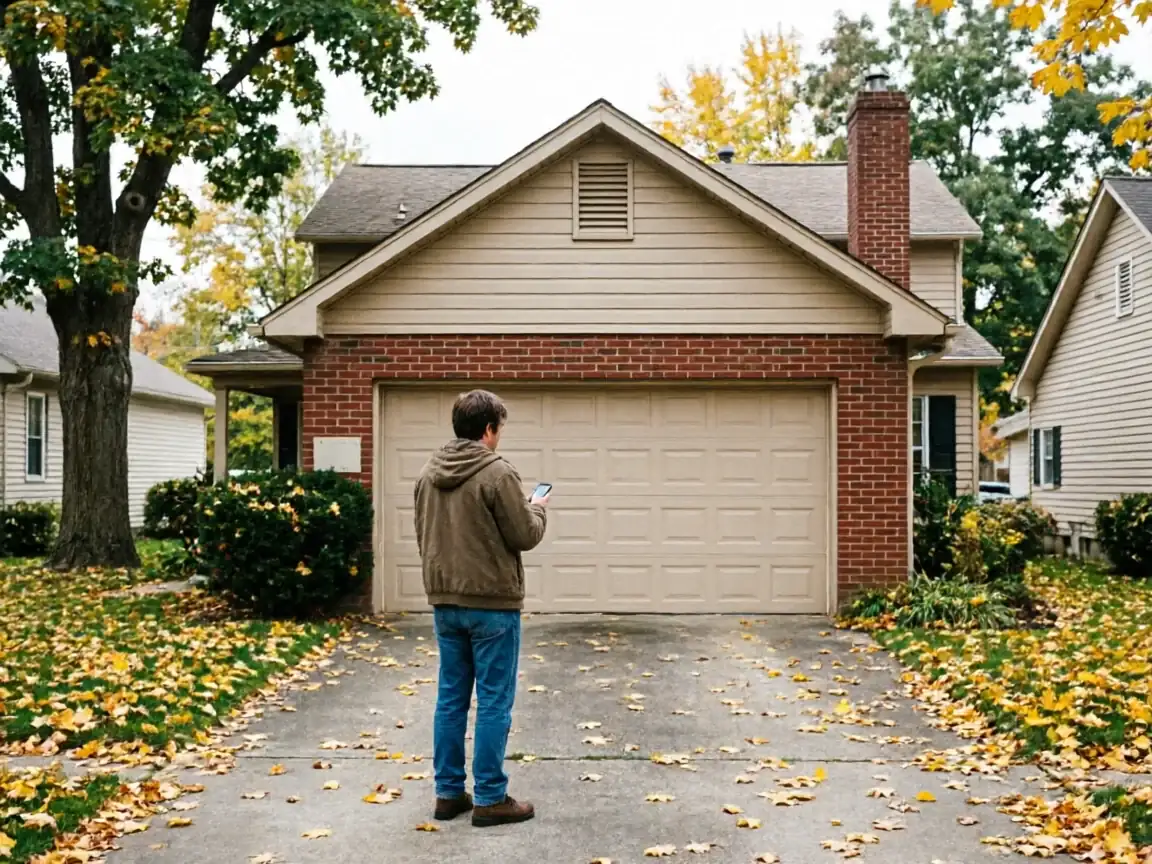
We run out of Manhattan, and Ogden is about 7 miles from the shop, which means a roller job here gets scheduled on the route rather than dispatched the second you call. That's a trade-off worth being upfront about: we're not a branch office in town, we're a truck that comes this way. Tell us what you're hearing and seeing on the phone - the grinding, the hesitation, which side of the door - and we'll bring the roller stock most likely to match a door from your build era rather than guessing at the house. You can also start from our Ogden garage door repair page if rollers turn out to be one symptom among a few.
What the Fix Involves
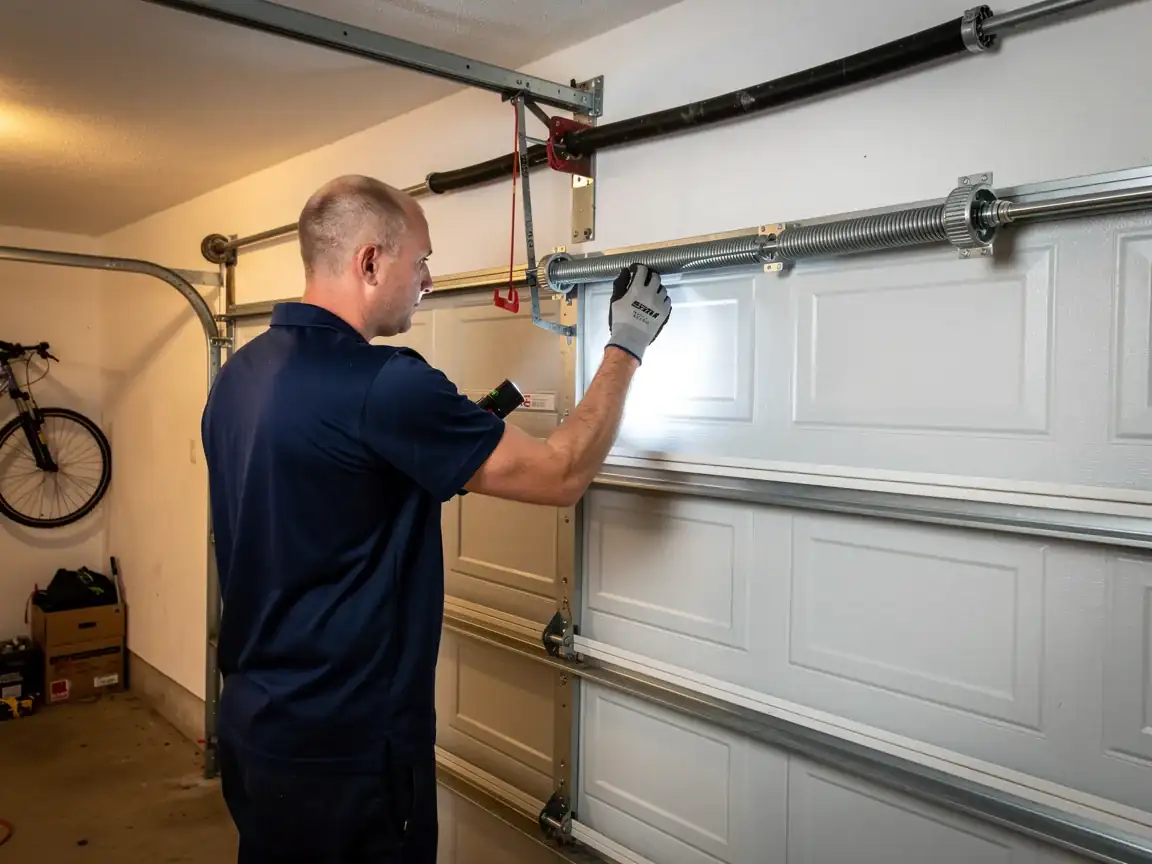
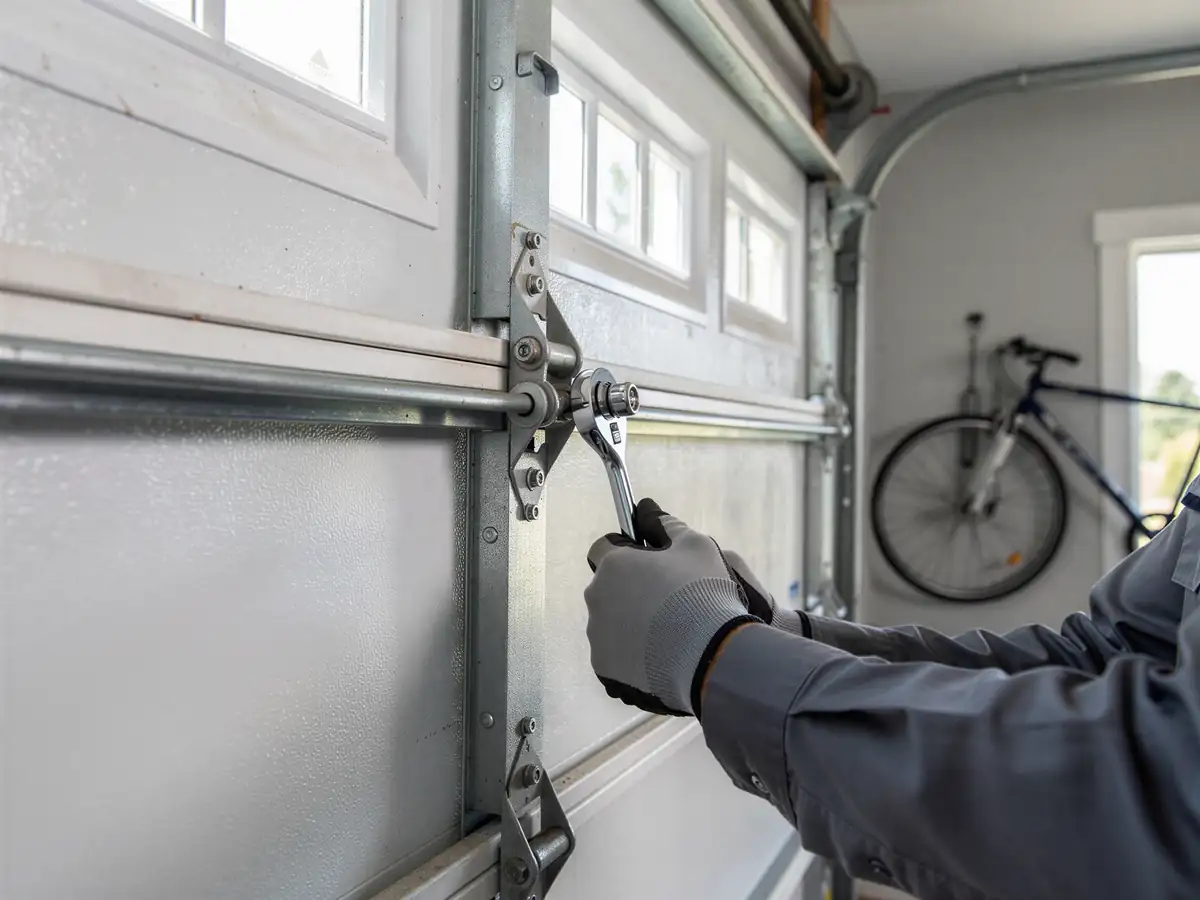
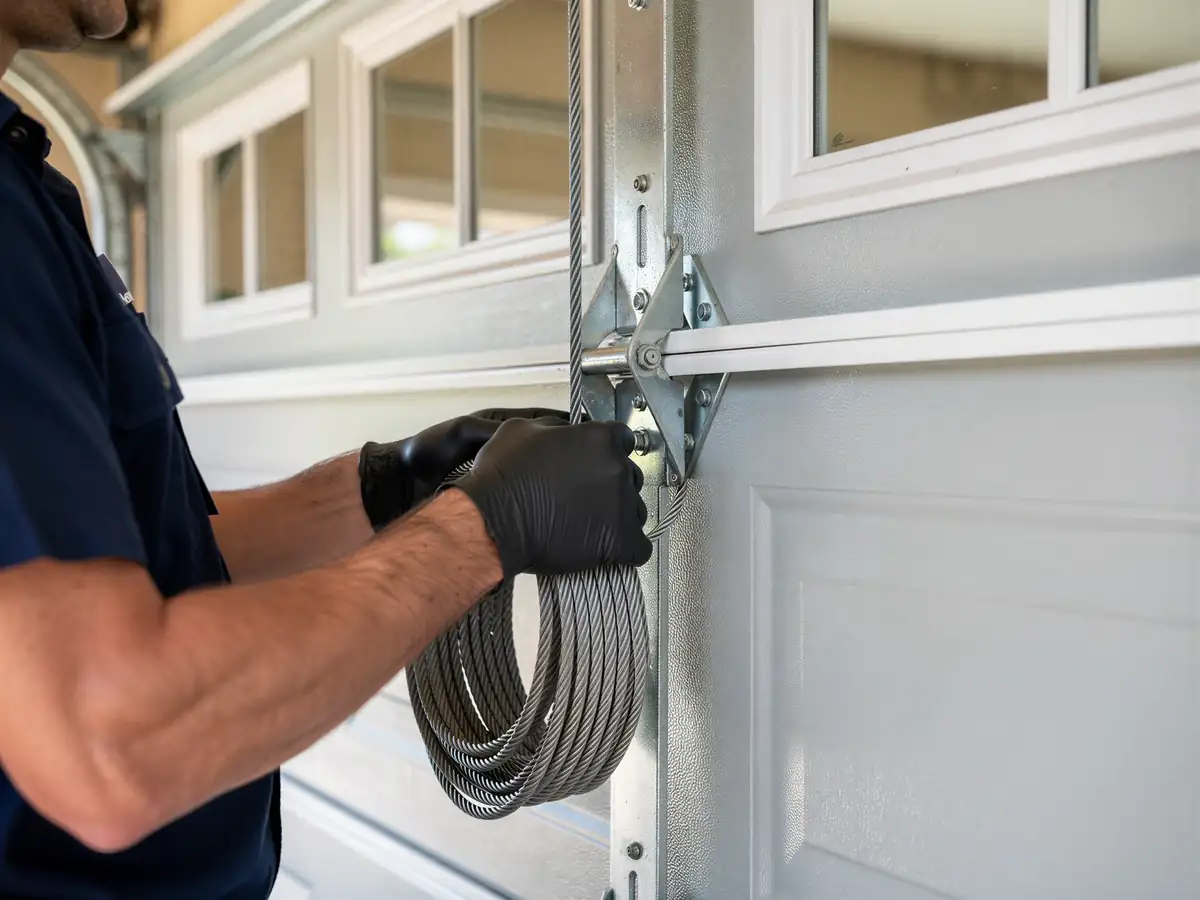
A standard roller replacement means clamping the door shut, releasing the track section at the affected bracket, pulling the old roller and stem, and fitting a new one - nylon or steel depending on what's already on the door and what you want going forward. We check the track for scoring while we're in there, since a chewed track lip is the main thing that turns a small roller job into a bigger one. On a full set of rollers, we also check cable condition and bottom bracket fasteners, since on a door built around the mid-90s those are original hardware too and due for a look. One honest limit: if the track itself is bent rather than just worn, roller replacement alone won't quiet the door - that's a track repair or replacement conversation, and we'll tell you straight if that's what we're looking at rather than selling rollers that won't fix the real problem. For the broader roller service across our coverage area, see garage door roller replacement in Manhattan.