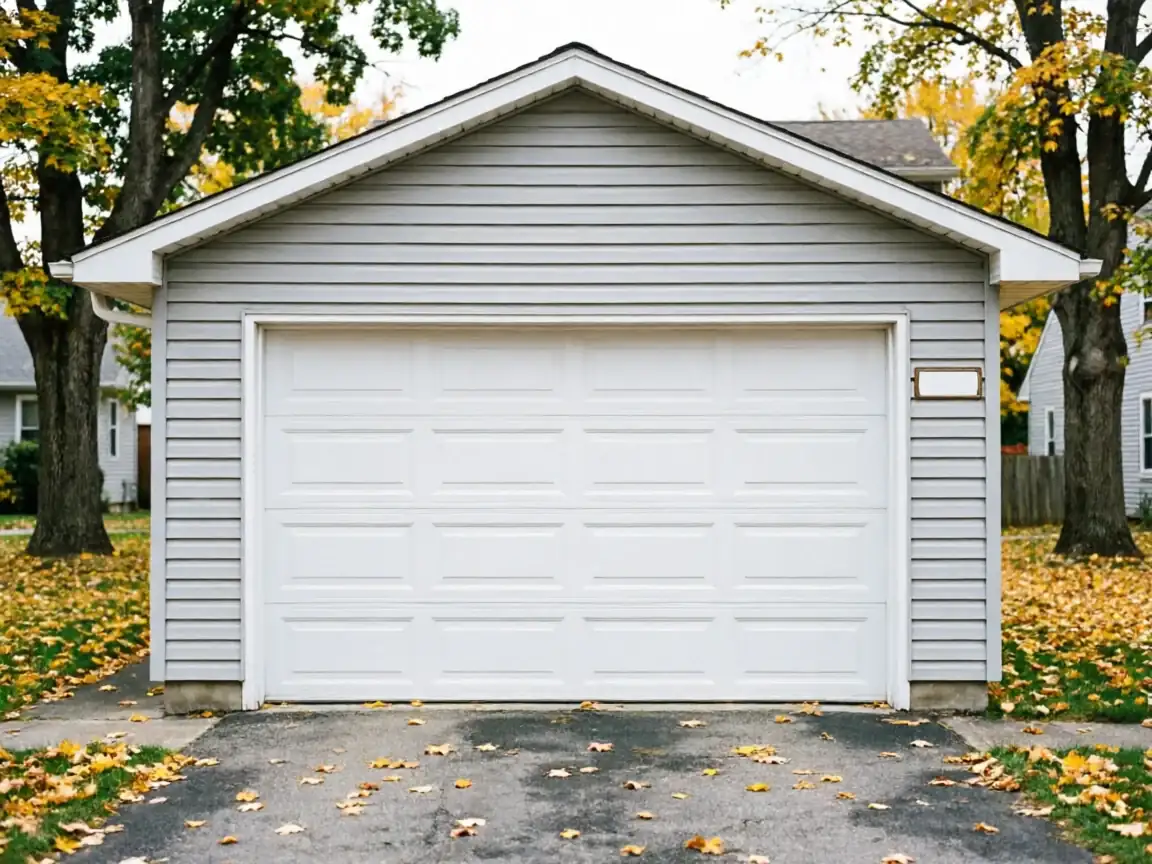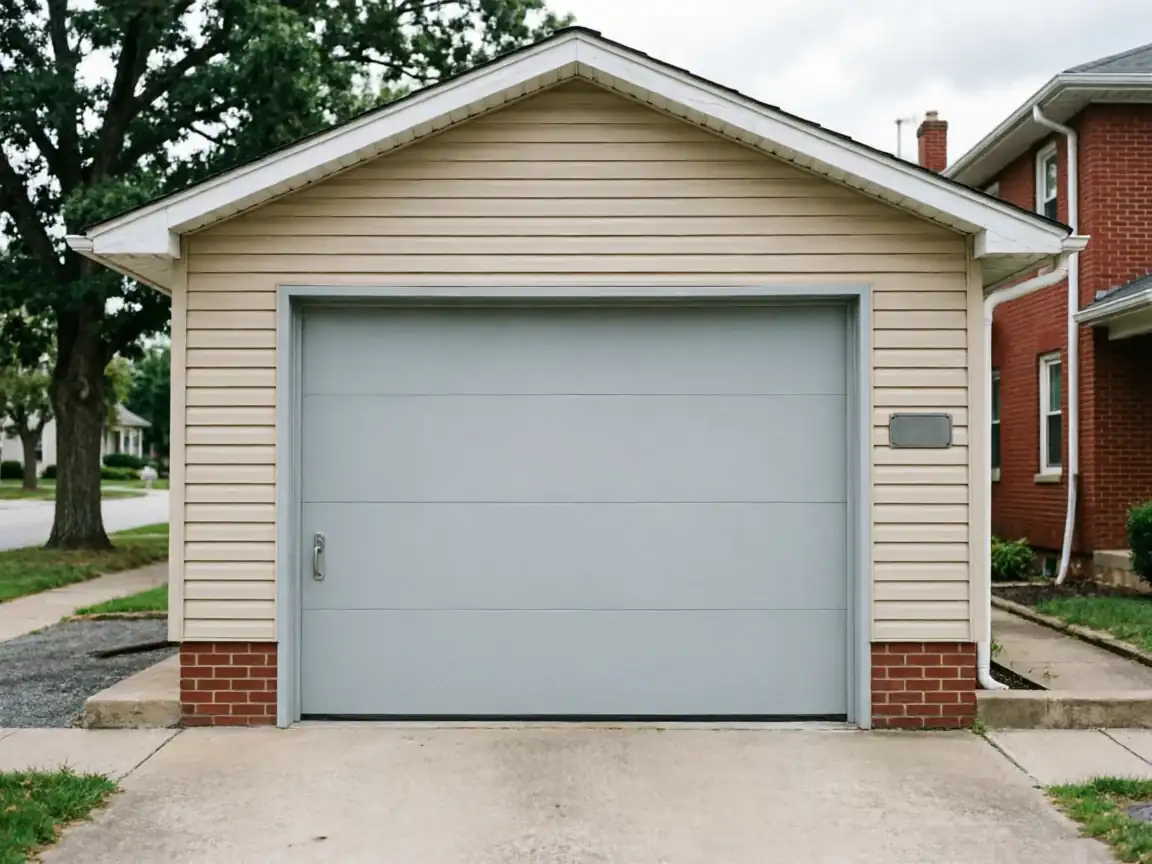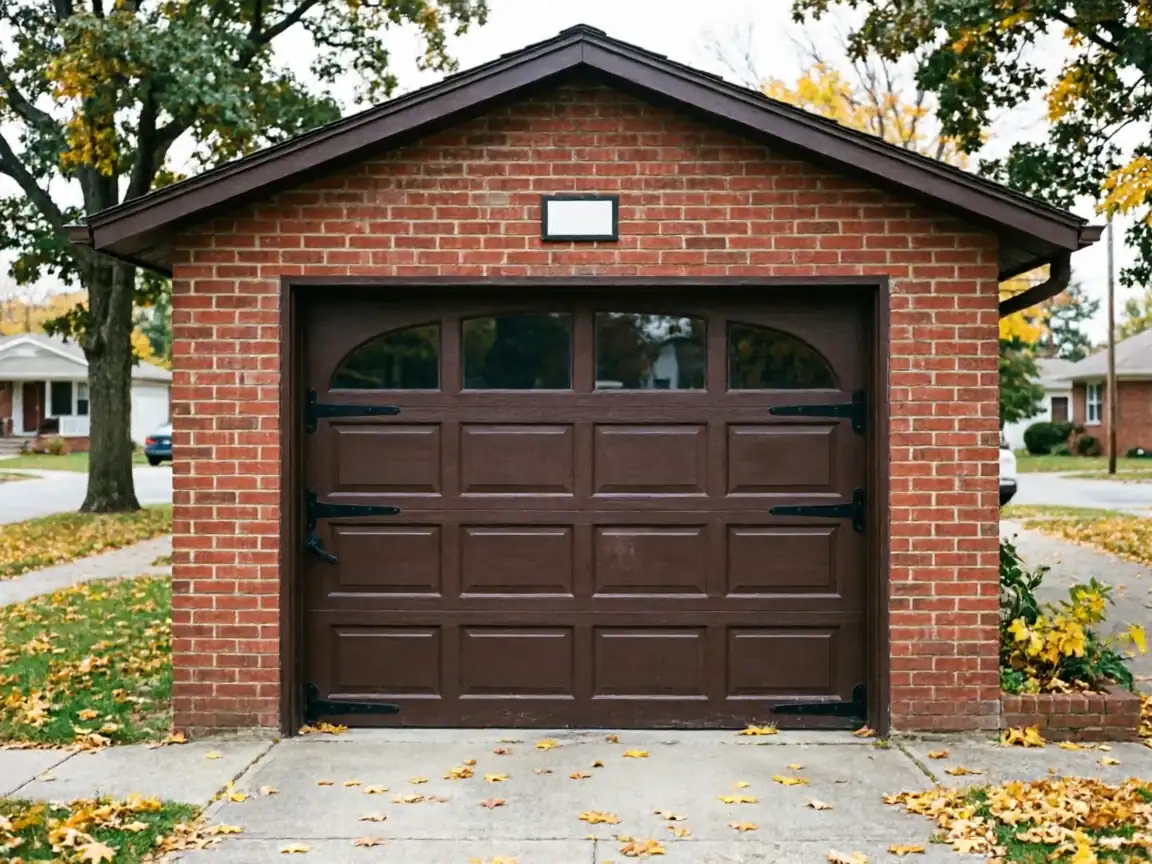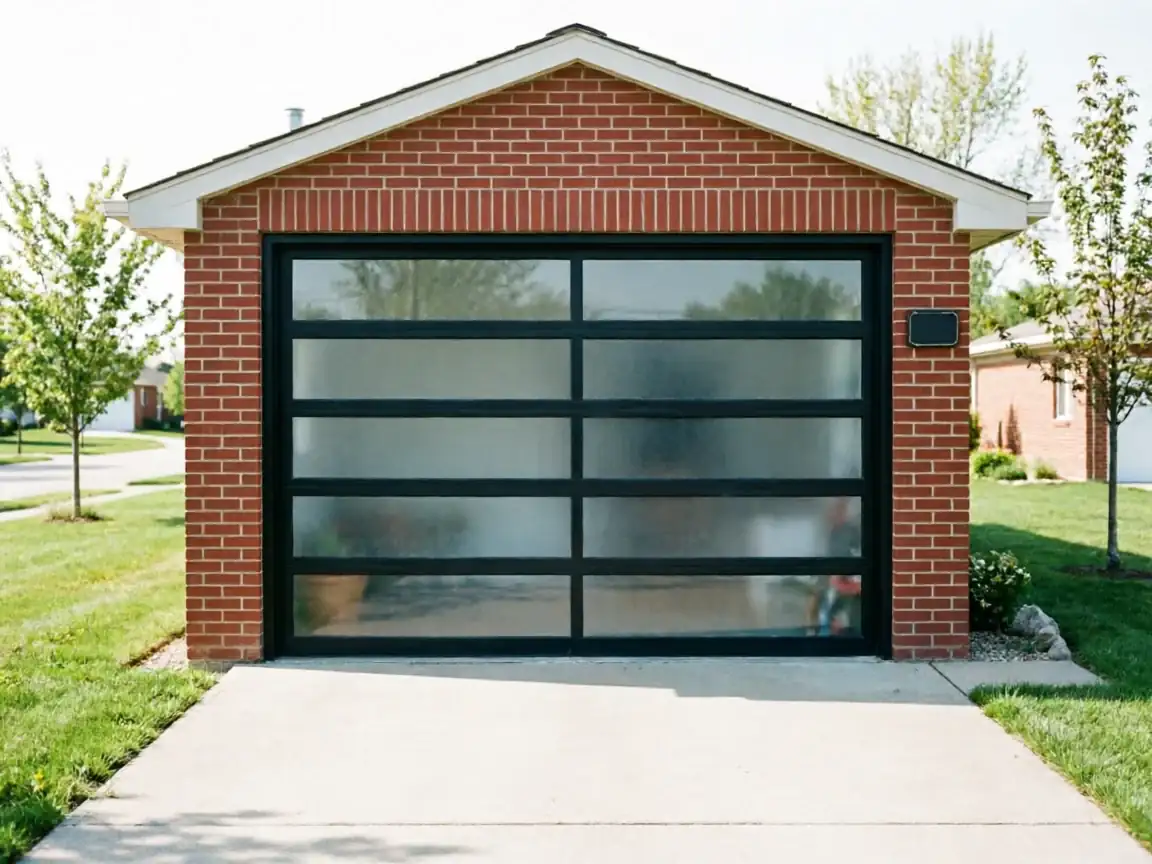
Parts We Carry
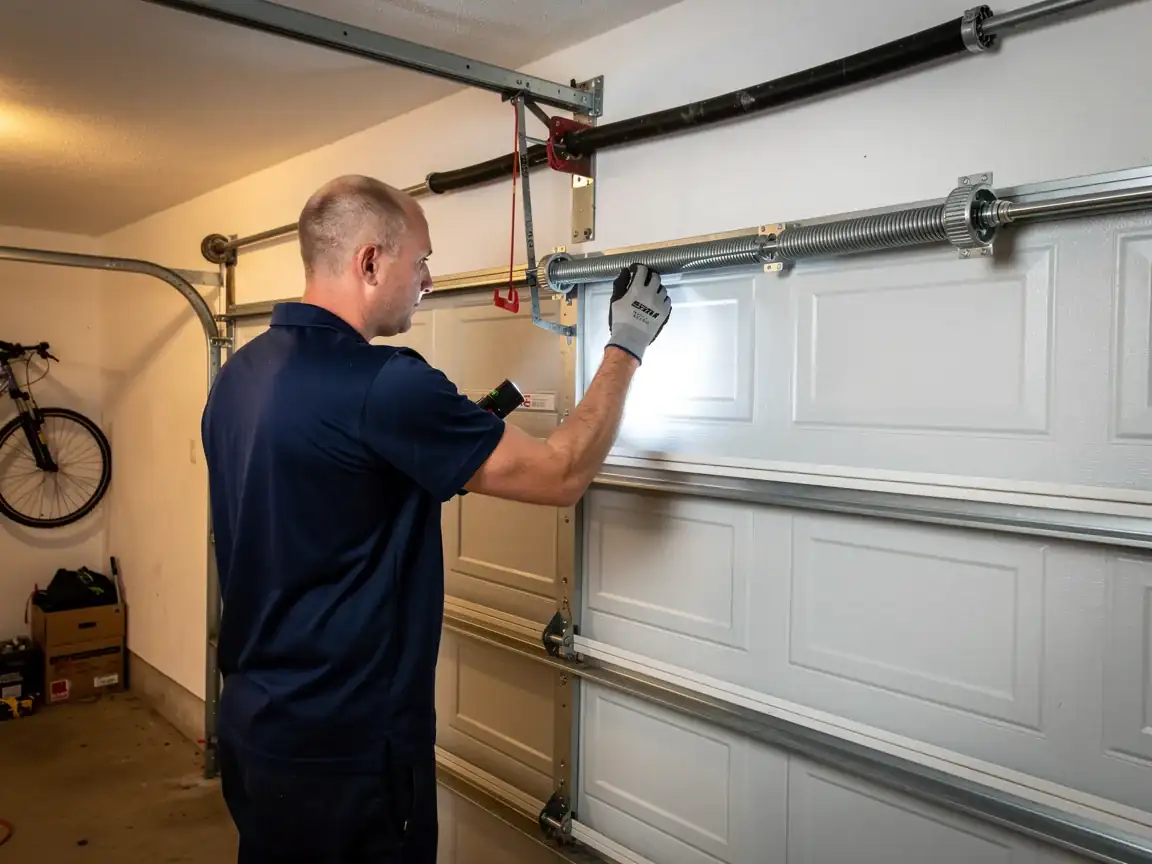
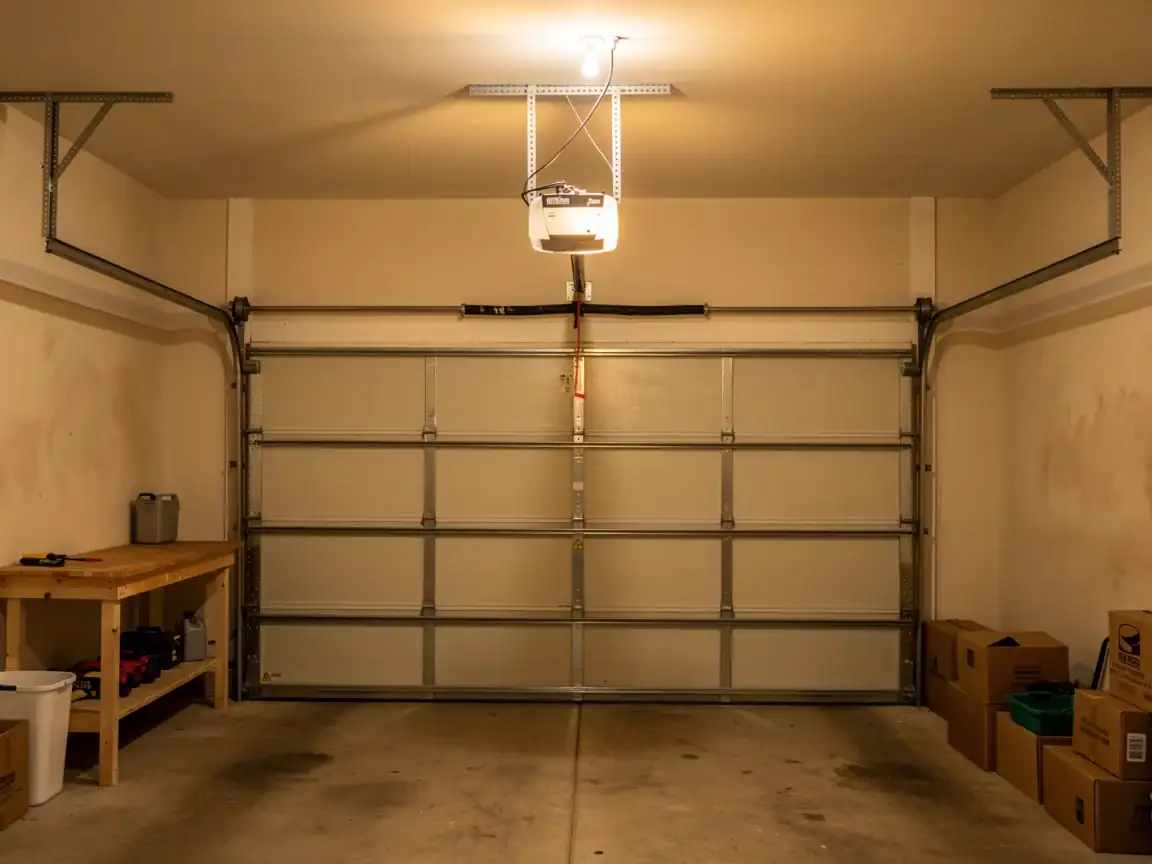
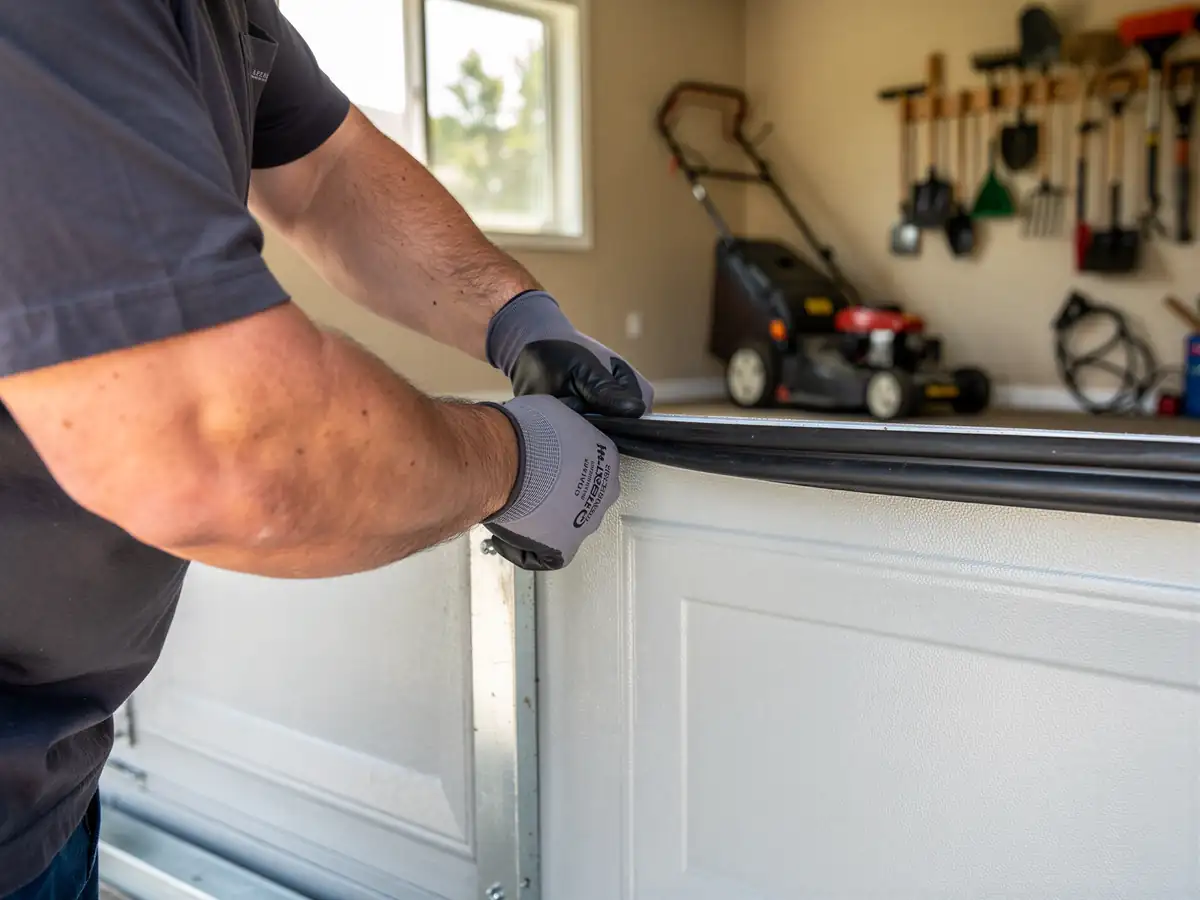
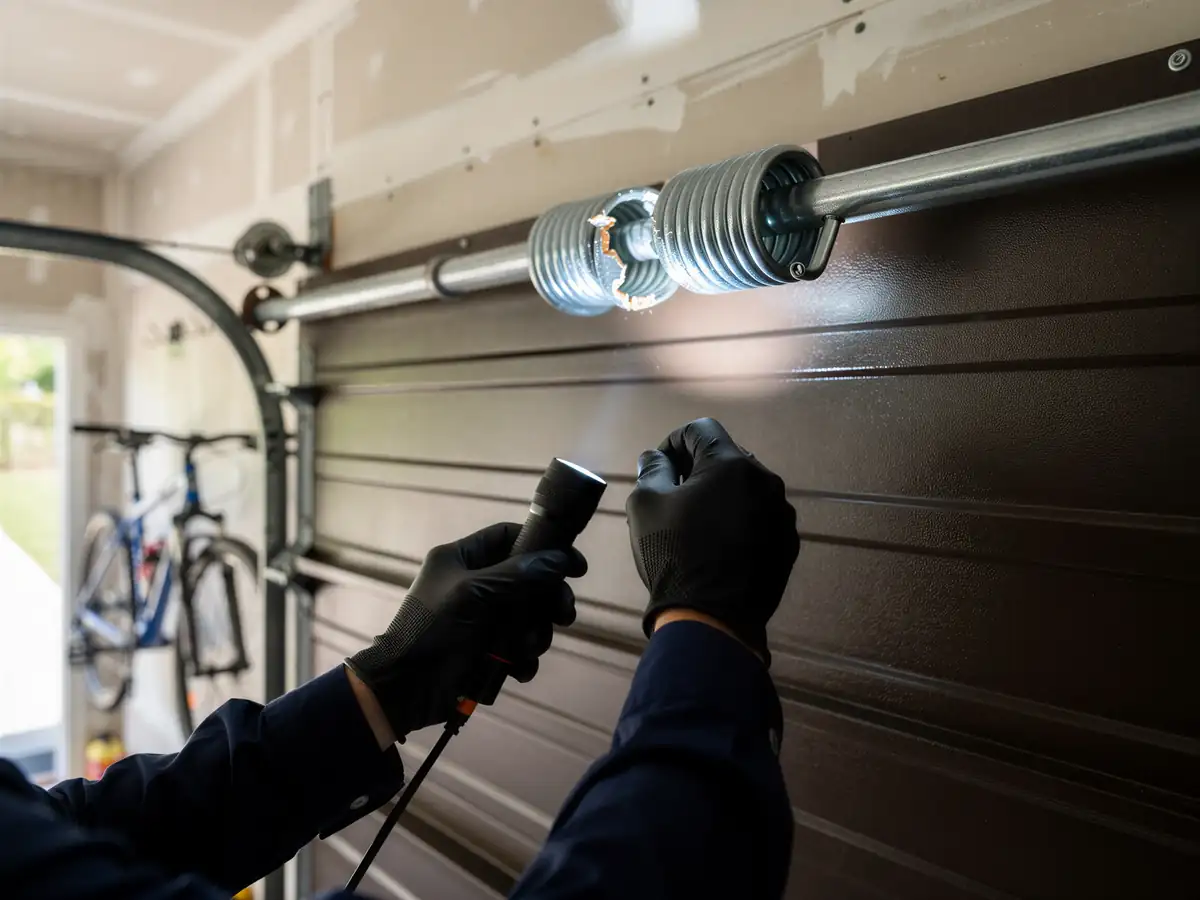
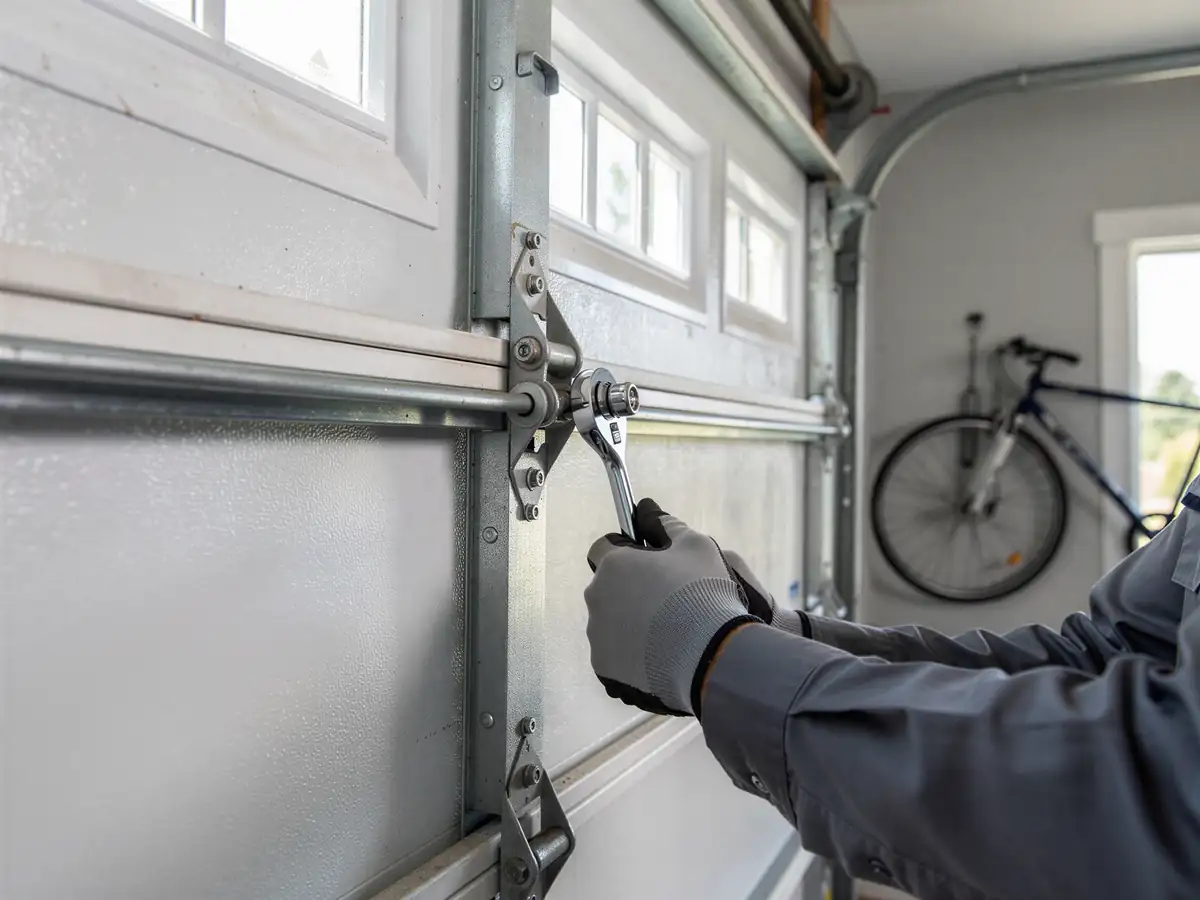
Randolph's median build year sits right at 1974, which lines up with the rest of the territory we cover out of Manhattan - most of the housing stock here went up somewhere between 1966 and 2007. That means the hardware we see most often is the same family of parts: torsion springs sized for steel sectional doors, chain-drive openers from the 80s and 90s that are still running on original rail, and the occasional older extension-spring setup on a door that's never been touched. We keep common spring sizes and roller hardware on the truck because that's what this era of door actually needs. What we don't carry stocked is anything for a door outside that range - a newer insulated door with a proprietary opener board, for instance, can mean a parts order with a short wait before we're back out to finish the job. With only 72 households in Randolph, we're not swinging by on a guess; if your door needs something uncommon, we'll tell you that on the first visit, not after we've already made the trip twice.</p>
Why This Fails Locally
The climate band here runs cold with real seasonal swings, and that's hard on the exact hardware Randolph has the most of: torsion springs that have been cycling through freeze-thaw for forty-plus years. Cold steel loses flex, lubricant thickens, and a spring that was already near the end of its coil count lets go on the first genuinely cold morning of the season - usually with the door half up. Openers from that era don't help either; force settings were often tuned once, years ago, and never touched again, so a door that's slightly heavier in the cold starts straining a worm gear that was never built for that load. None of this is unique to any one house in Randolph - it's what you'd expect from housing built in the 1966-2007 window sitting in a cold-moderate climate for decades. The fix is usually a spring replacement and a force adjustment together, not one or the other.
What You Are Seeing
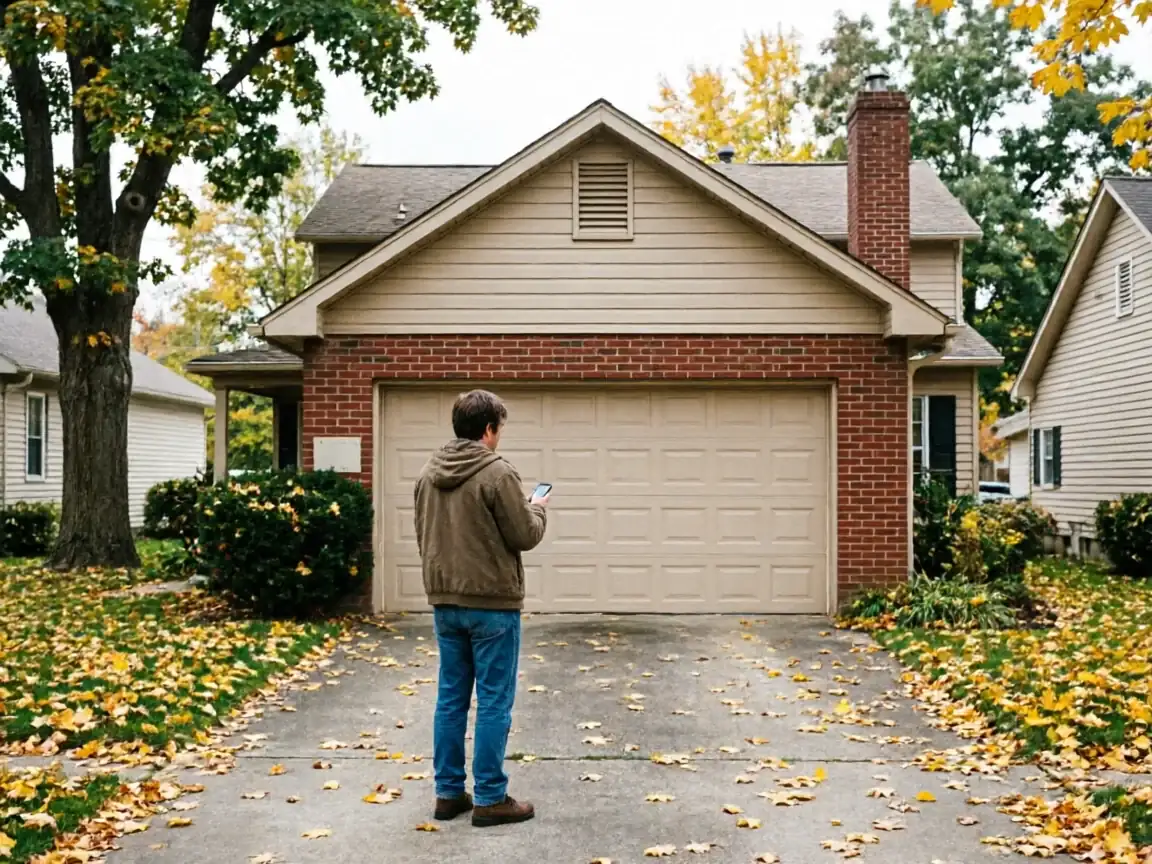
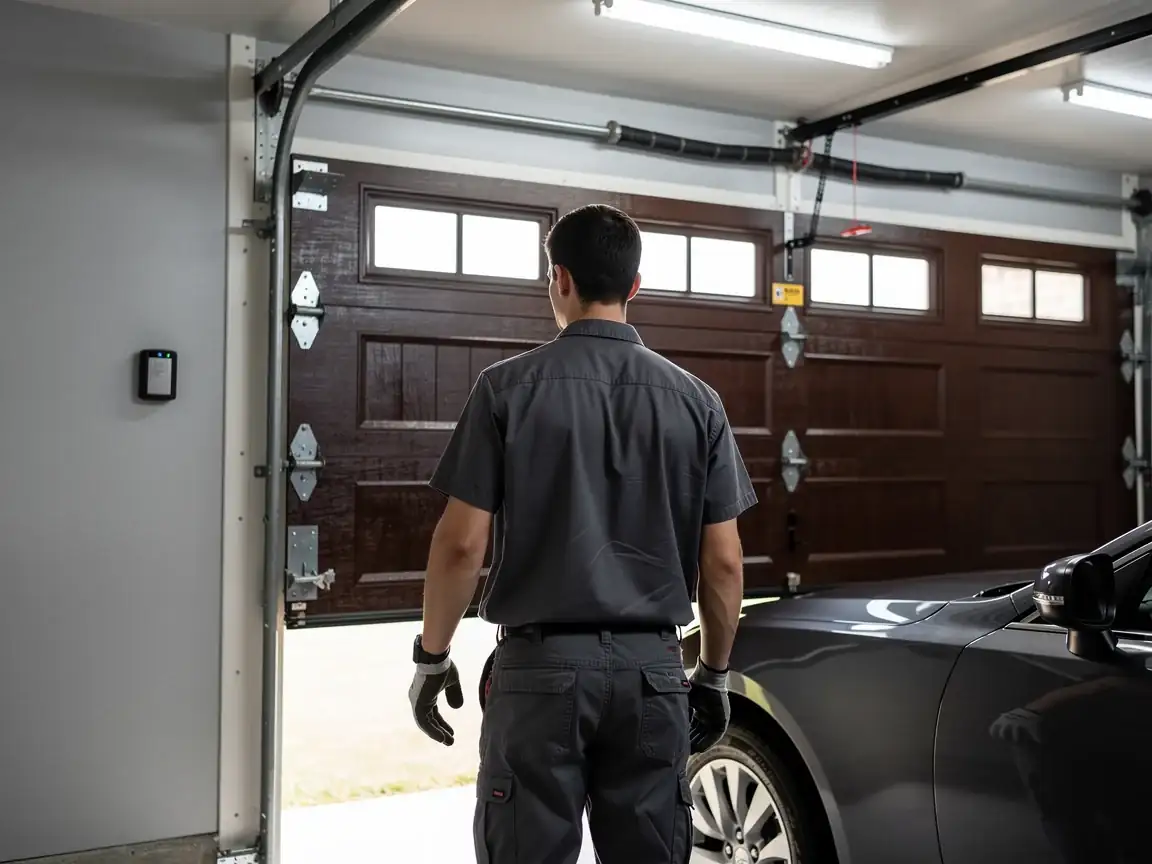
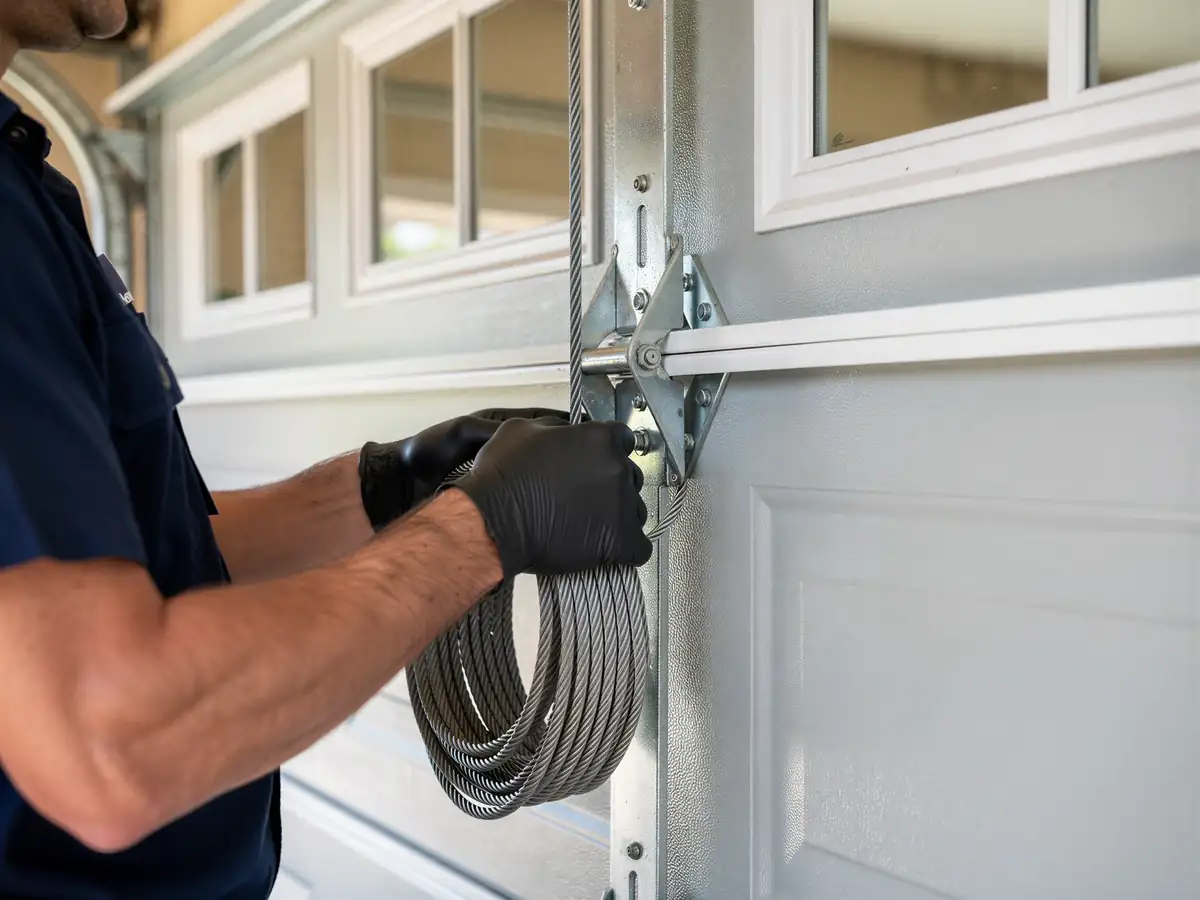
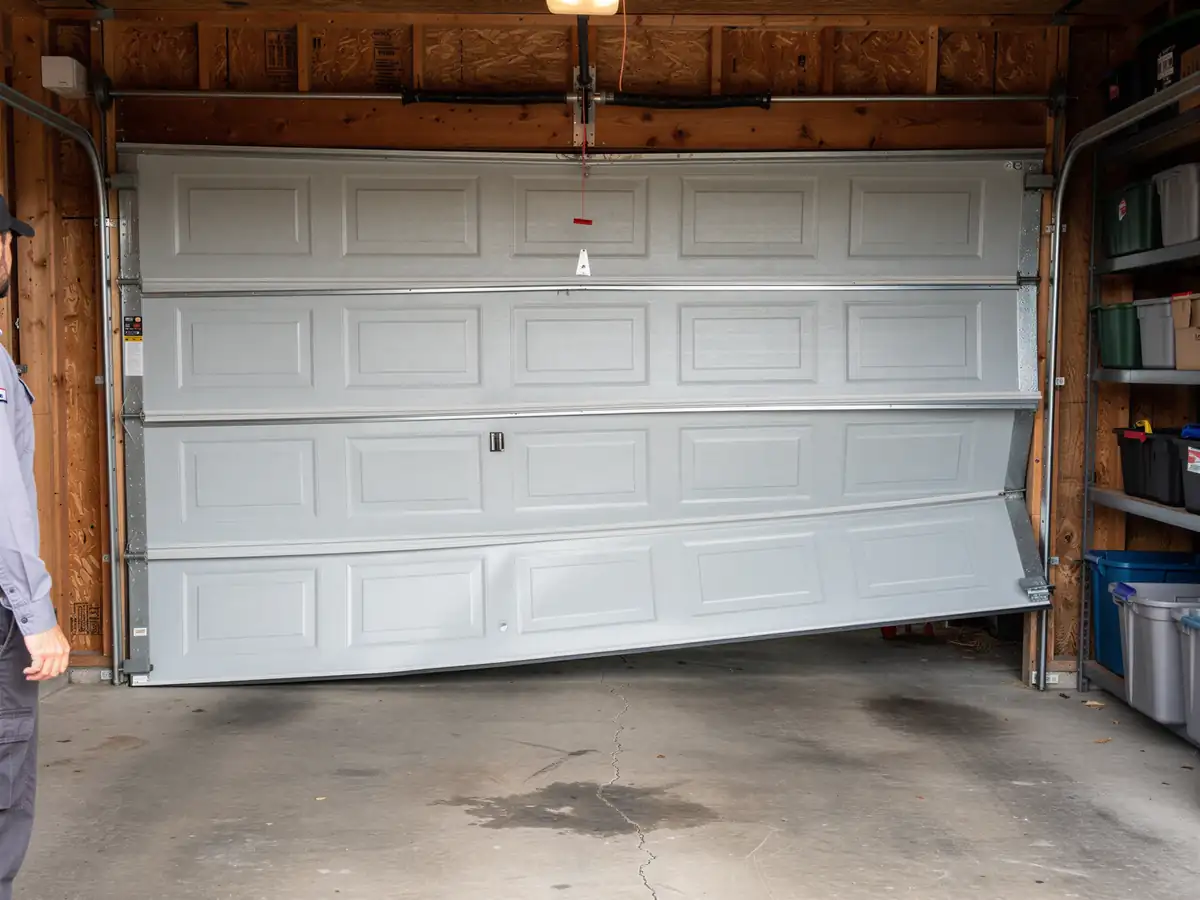
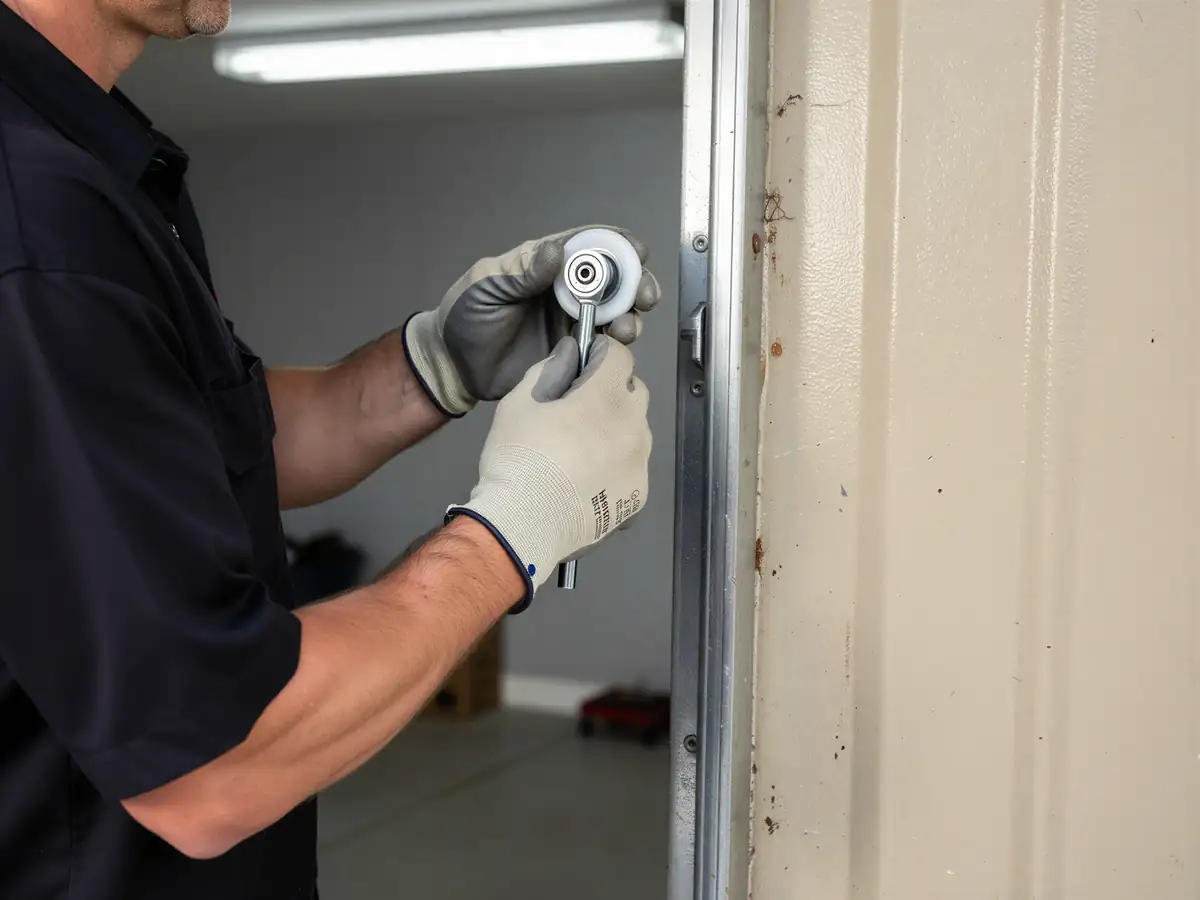
On a door from the 1966-2007 stock, the usual complaints are a spring that's let go overnight, a door that's noticeably heavier to lift by hand than it used to be, or an opener that strains, reverses, or just stalls partway up. Rollers worn smooth after decades of winters will make the door rattle or jump in the track, and a cable that's starting to fray usually shows up as the door hanging crooked on one side. At Randolph's median build year, we also see original steel panels that have started to sag at the bottom section - not a safety issue by itself, but it's often the first sign the door is due for more than a spot repair. If you're seeing the door reverse right before it closes, that's almost always the safety sensors or the opener's force setting, not the door itself, and it's worth ruling that out before anyone talks about replacing panels.
How to Book
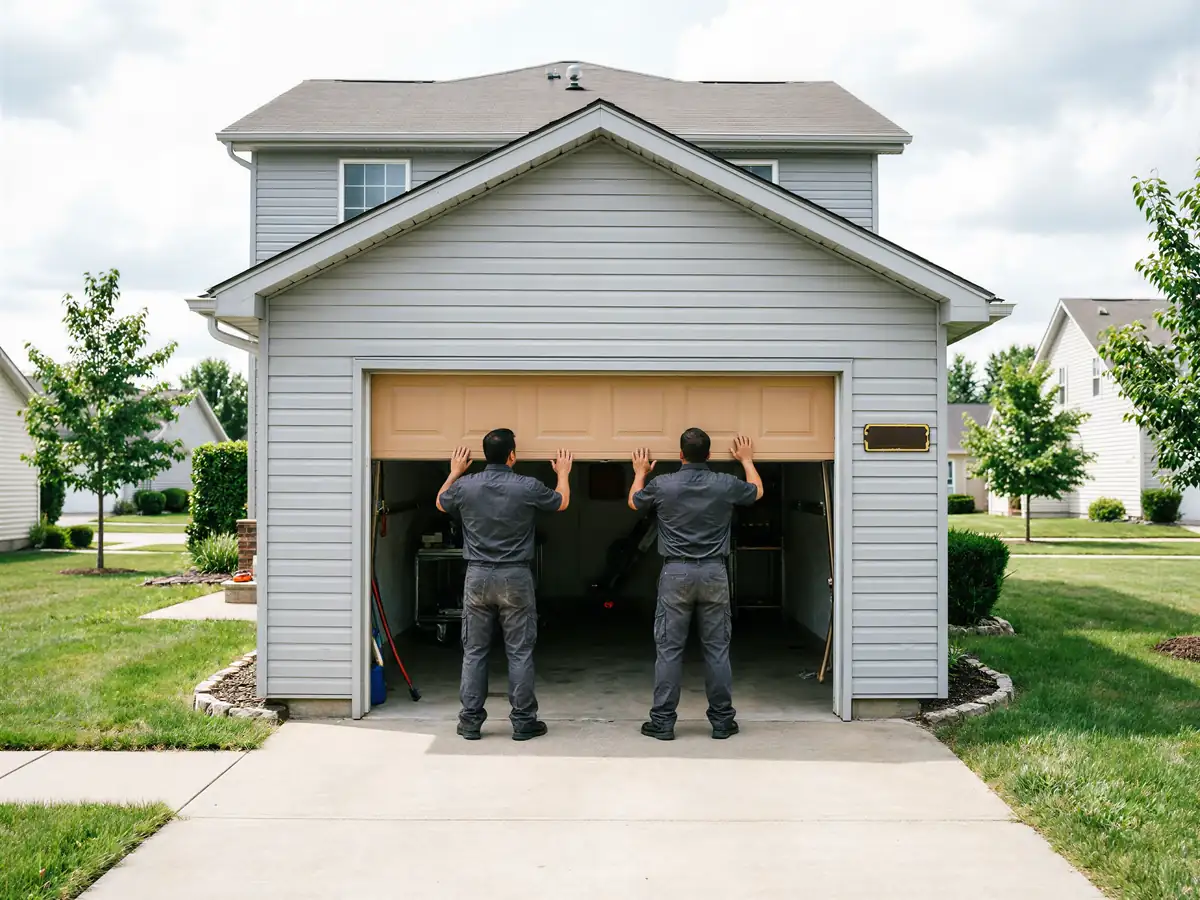
Call it in and tell us what the door is doing - stuck open, stuck shut, off track, or just loud and slow. Because the trip out is 19 miles, giving us a clear description up front (what you hear, what you see, when it started) lets us bring the right spring size and hardware the first time instead of guessing. You can see more on what we cover for Randolph specifically on the Randolph page, and if you're comparing us against the broader service out of Manhattan, the Manhattan garage door repair page covers that side of the business. Either way, the call is the same first step.