Parts We Carry
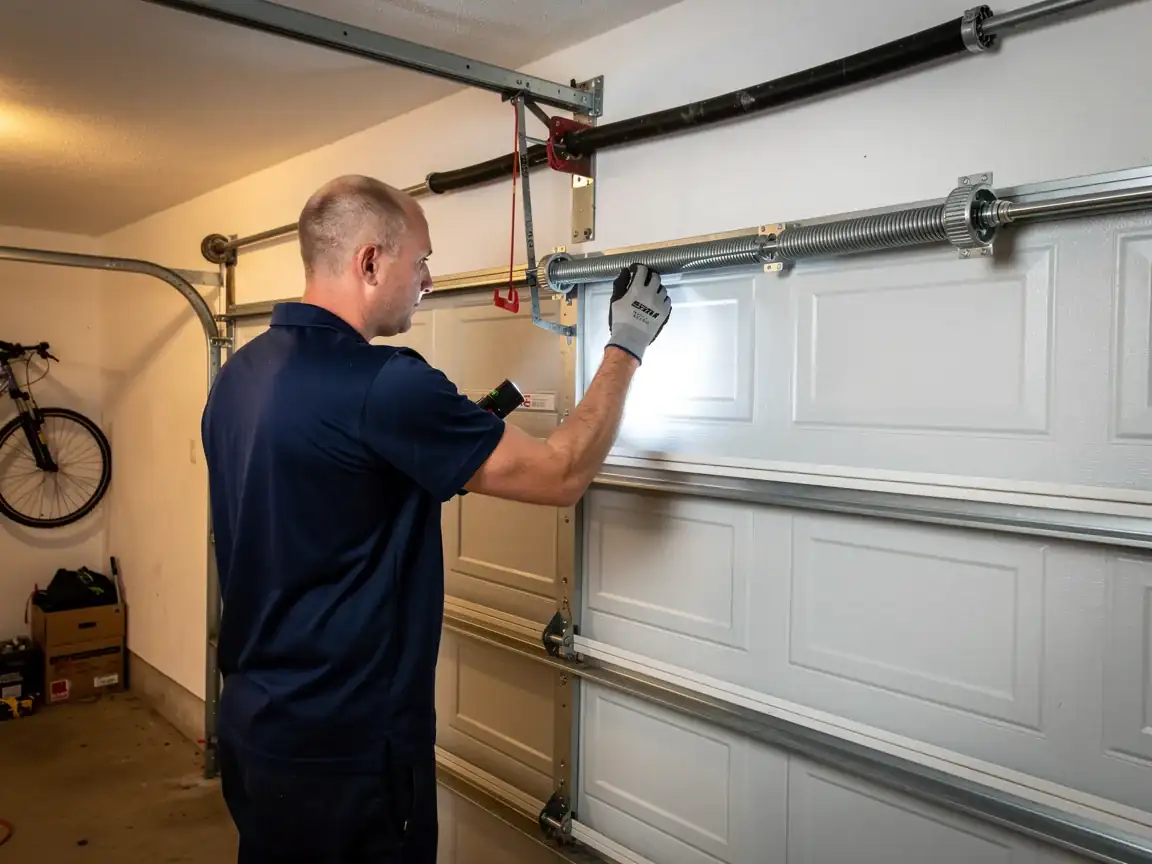
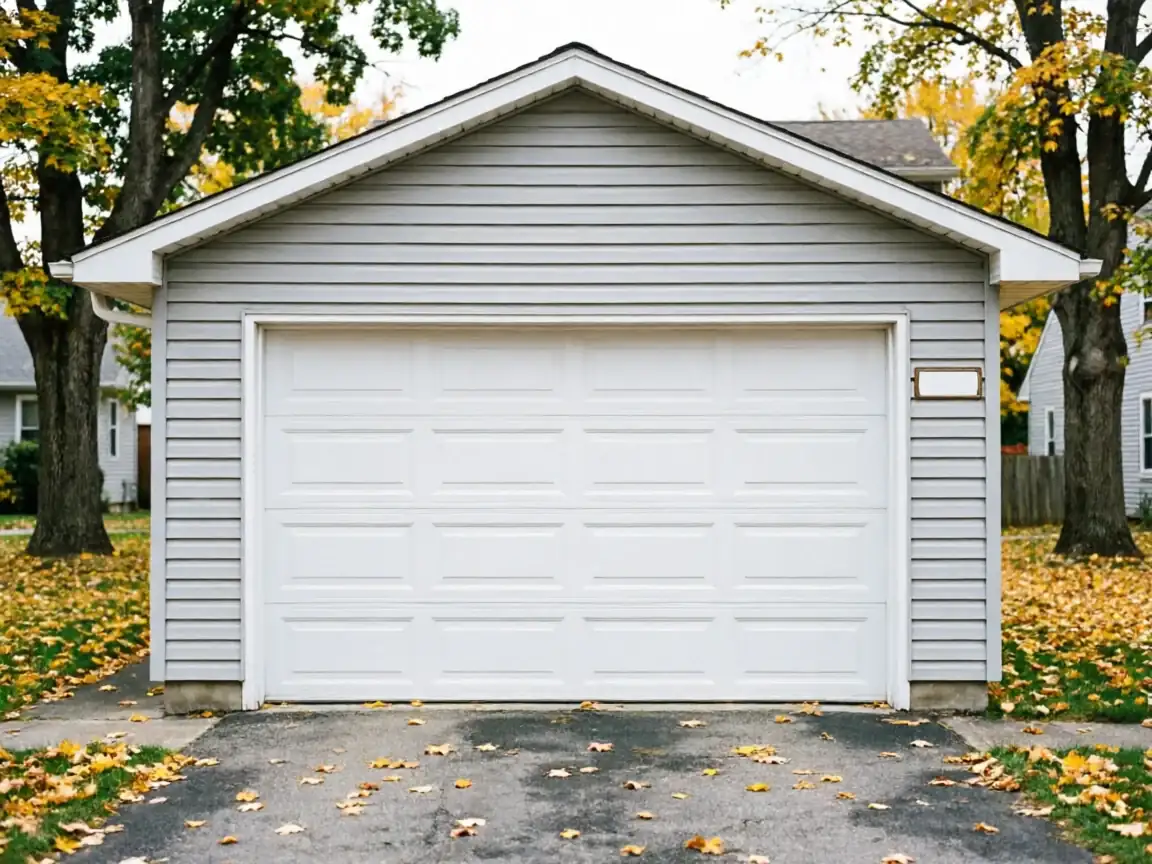
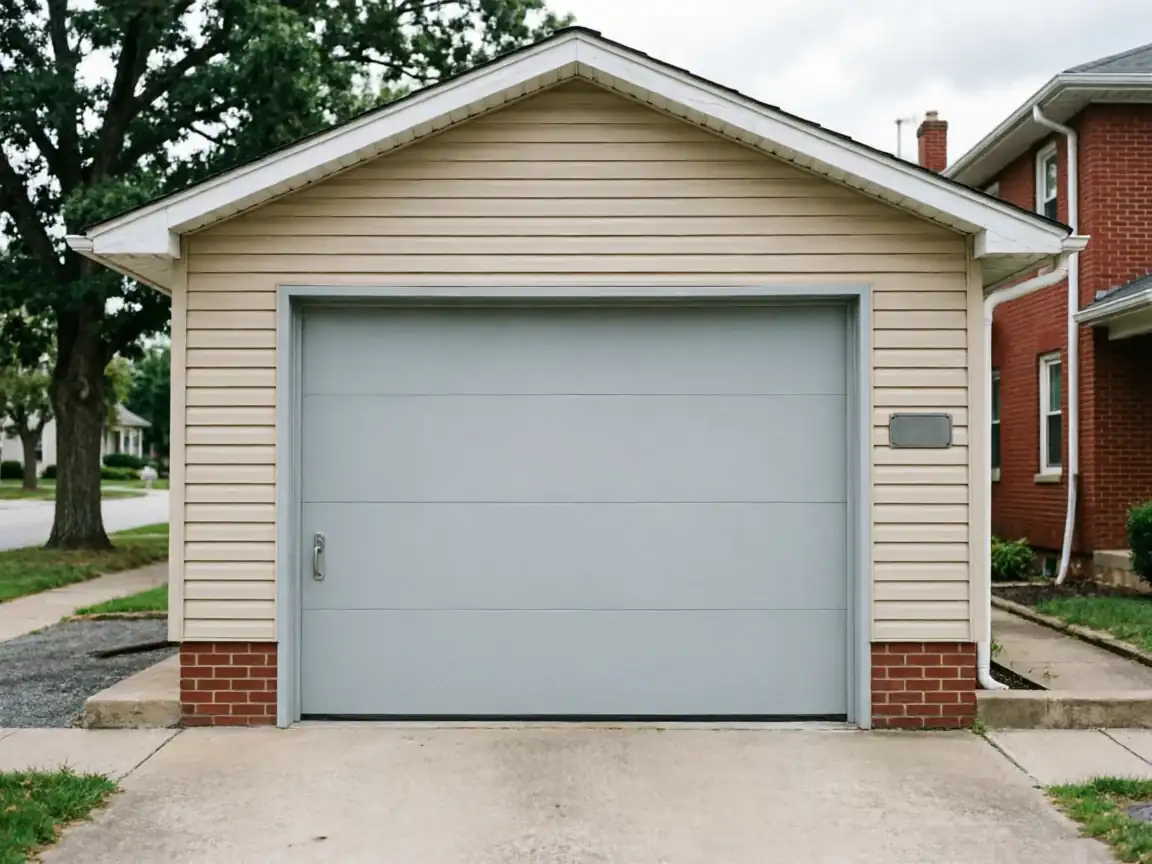
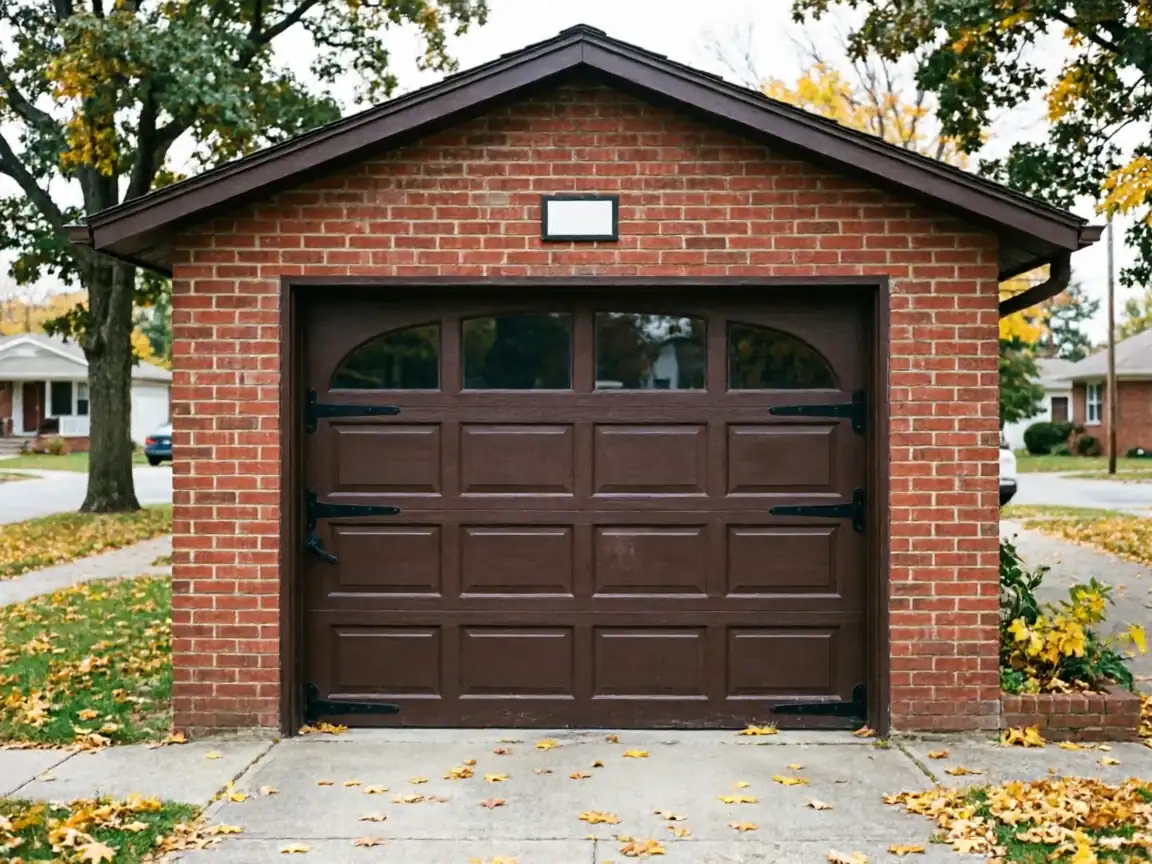
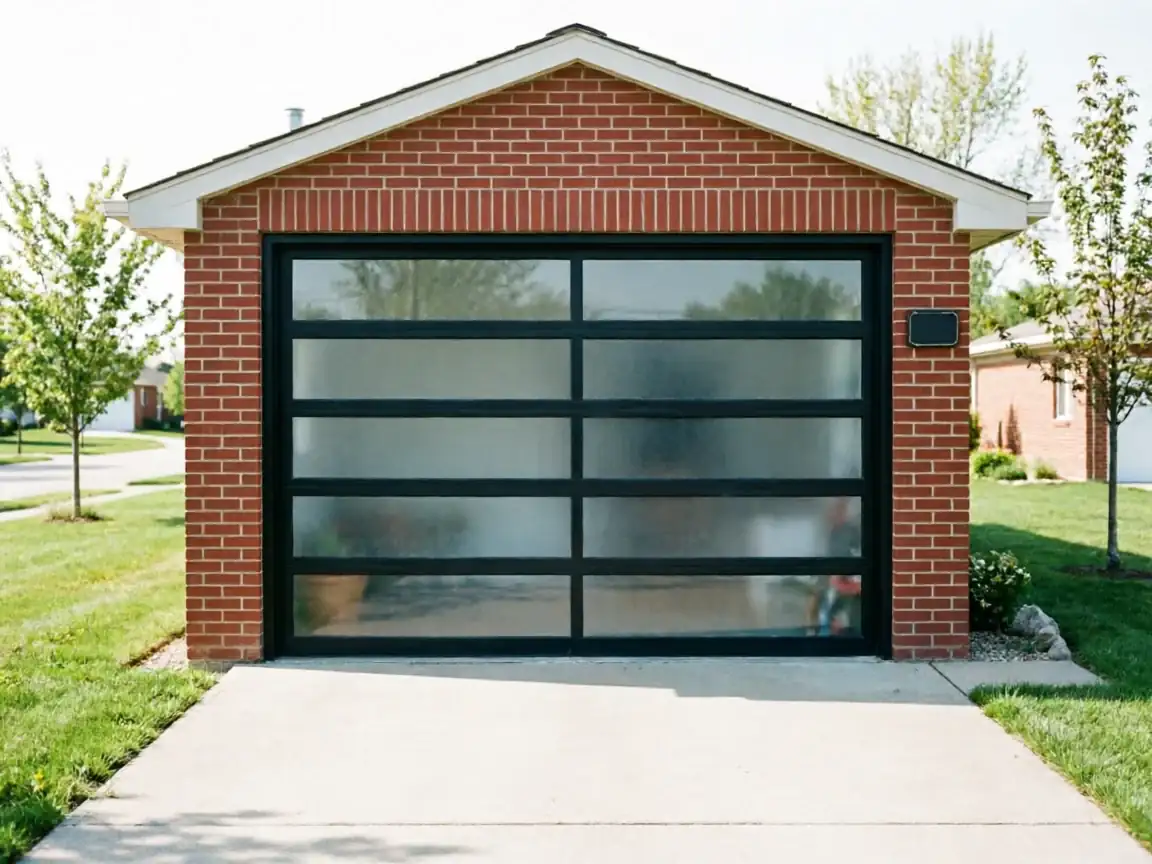
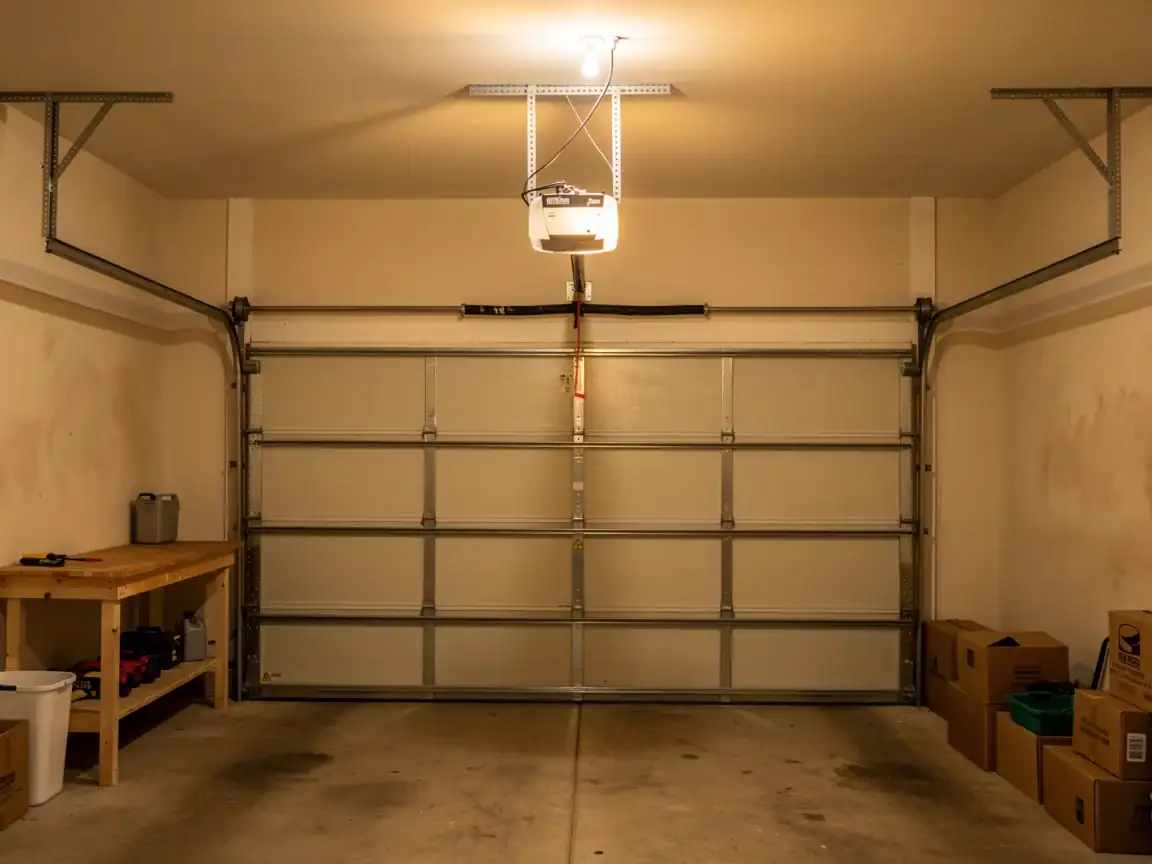
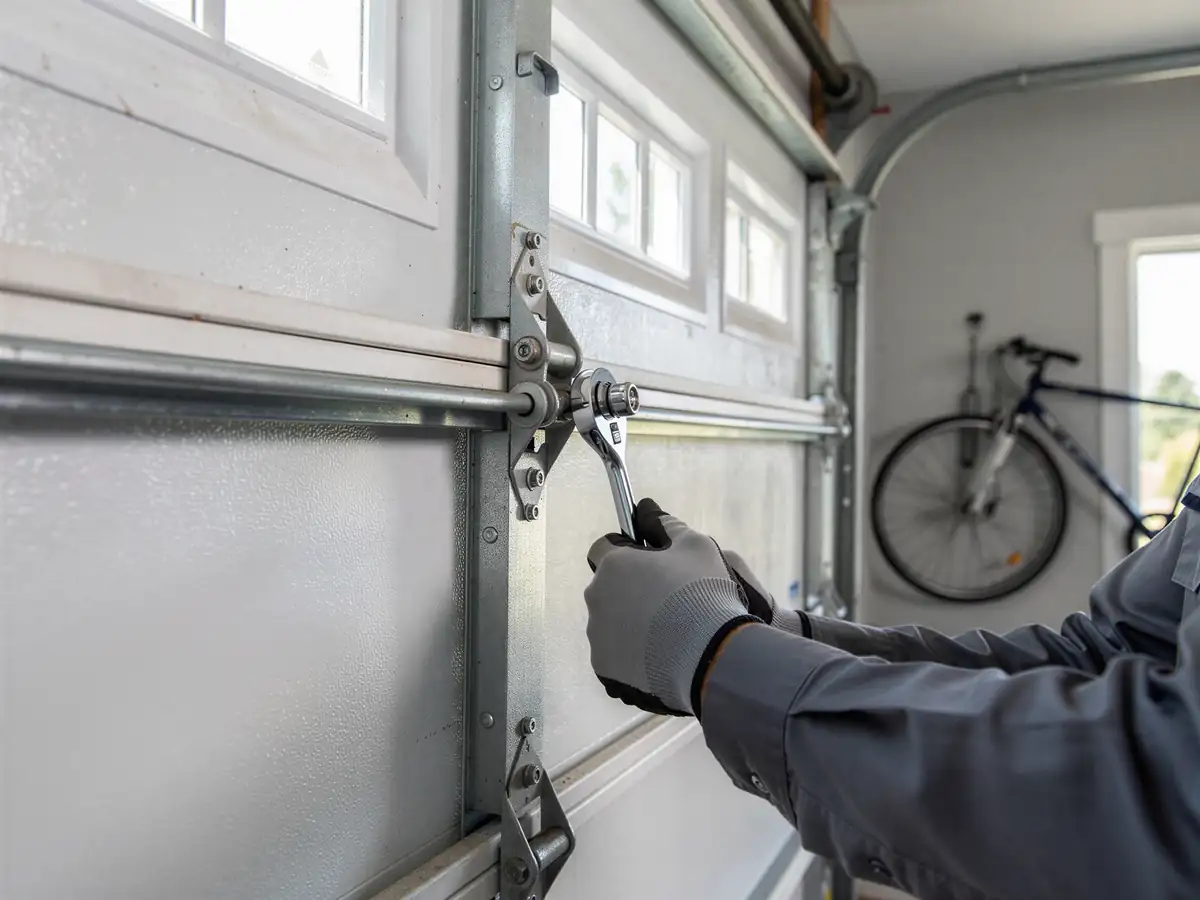
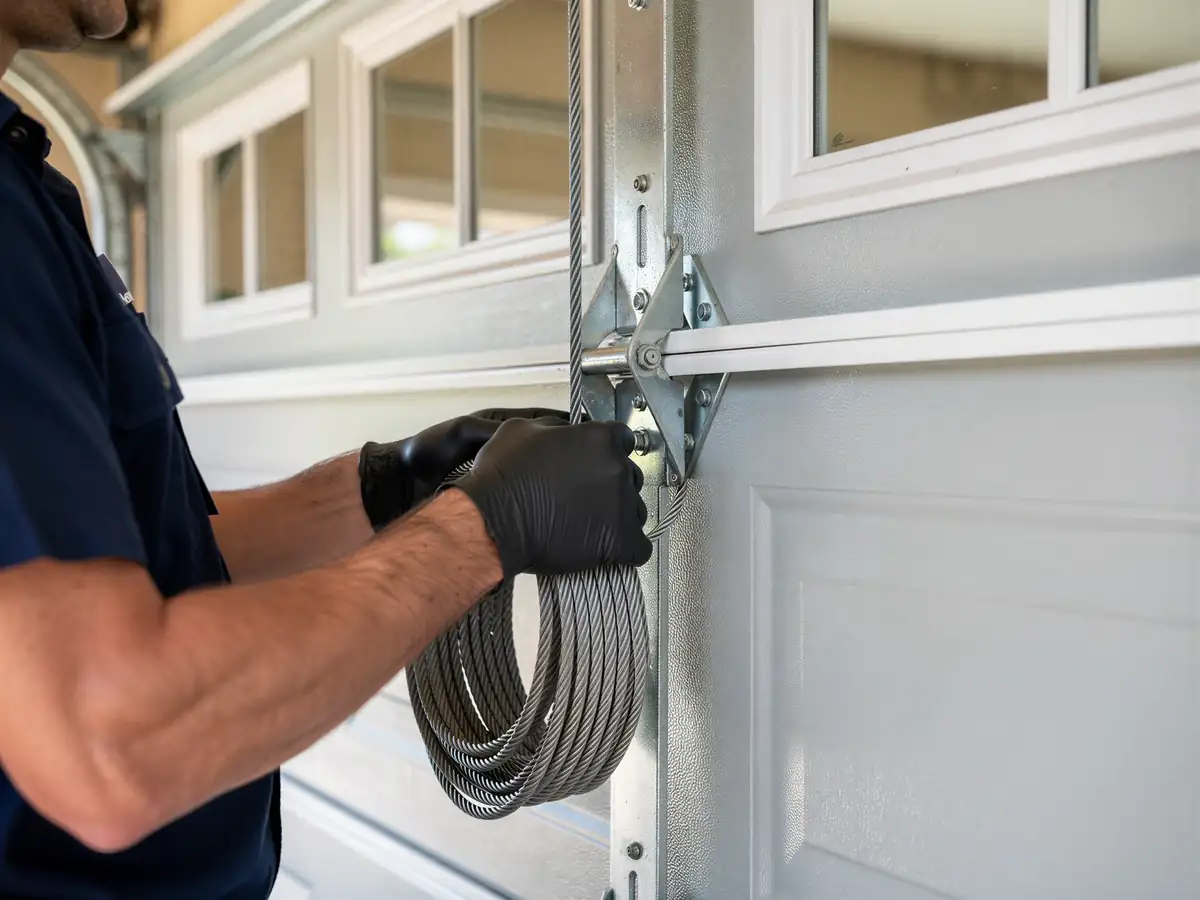
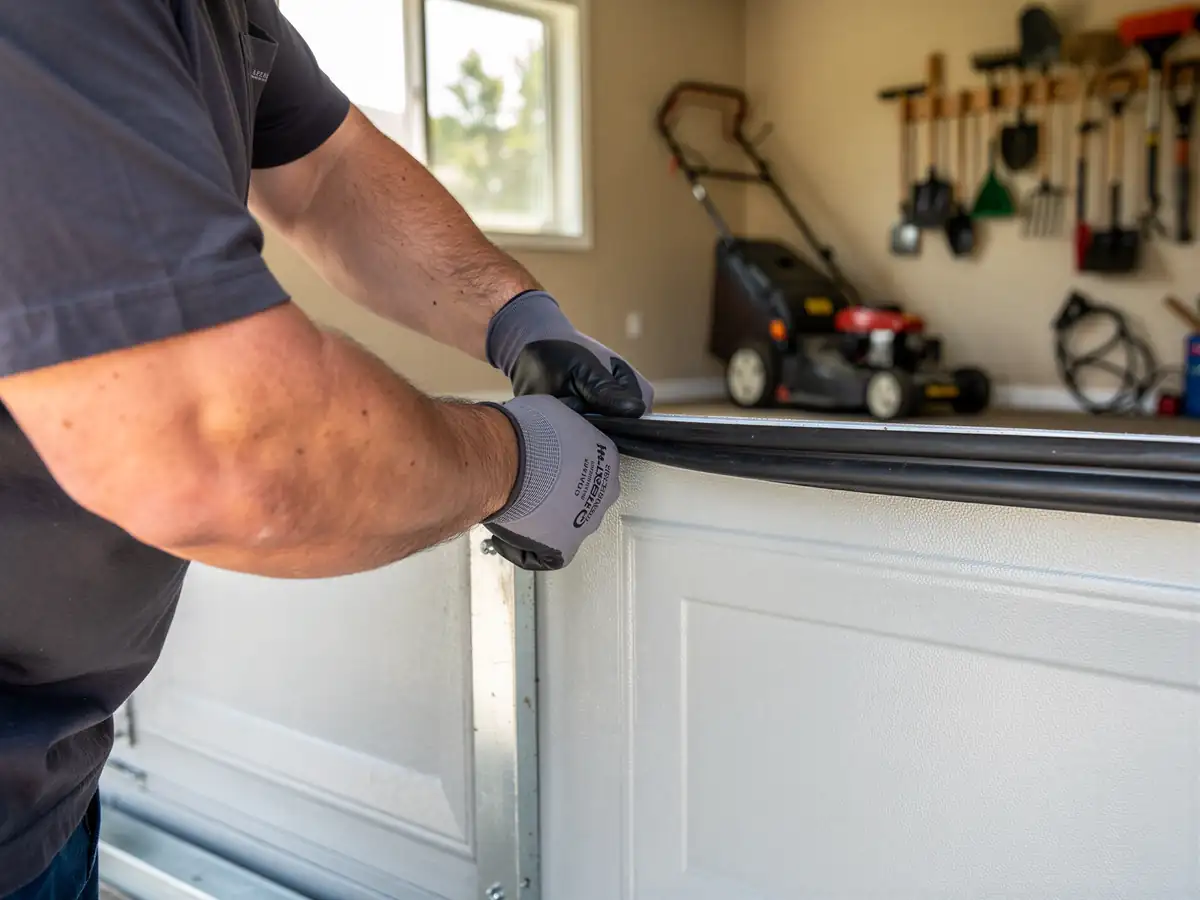
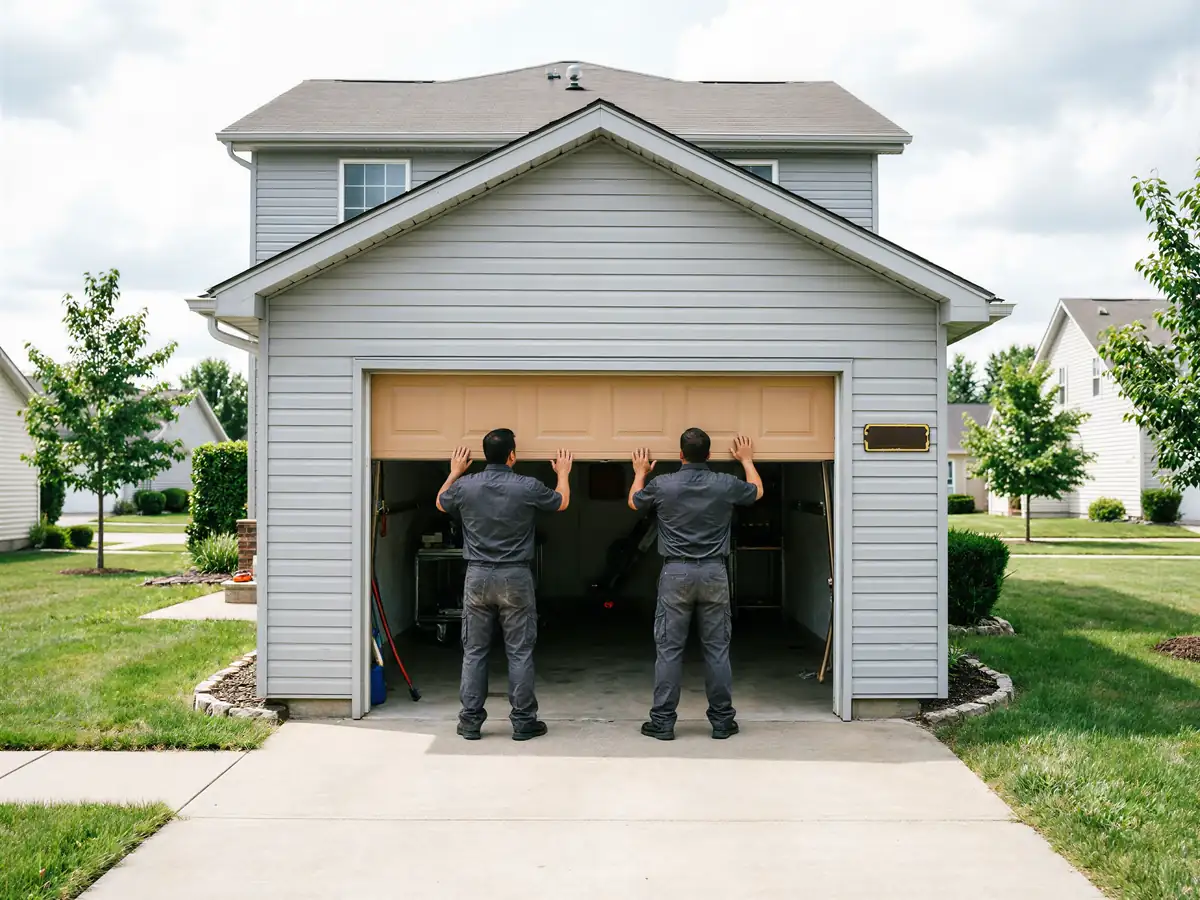
The median house in Randolph went up in 1974, which puts a lot of garages here on hardware that's never been touched since the day the slab cured. That's the starting point for any install here - not the door itself, but what's bolted around the opening. A lot of these garages still run the original jamb brackets and track angle iron, sized for doors that haven't been made in decades. When we bring a new door out, we bring the brackets, the end bearing plates, and the track sections sized to match what a 1974 opening actually needs, because standard off-the-shelf drop-in kits assume a newer rough opening. We carry torsion springs rated for the taller sectional doors that have replaced the old one-piece style, along with low-headroom track kits for the garages that were framed before anyone worried about ceiling clearance. What we don't carry on the truck is anything custom-cut to an opening we haven't measured - those orders go out after the first visit, not before.
Why This Fails Locally
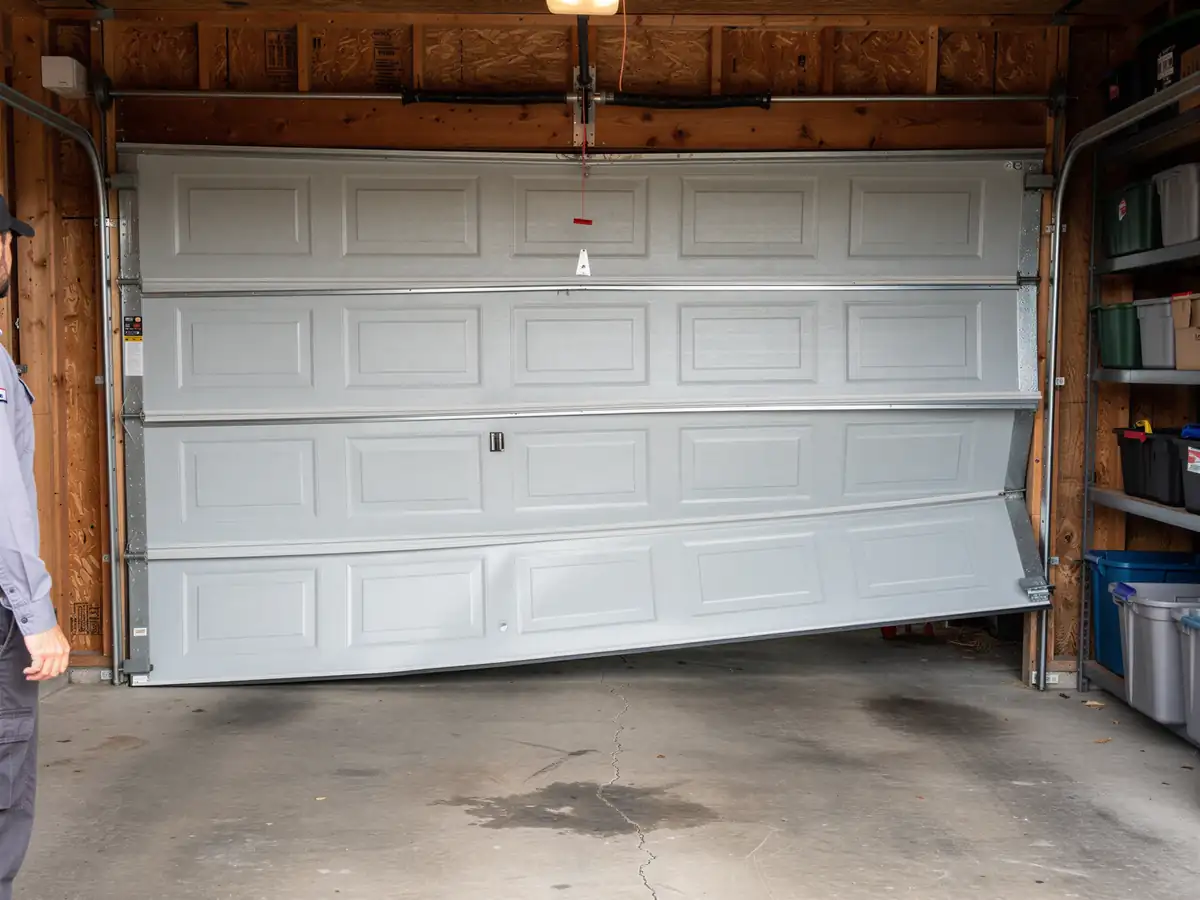
A door built to the opening standards of 1974 doesn't fail the way a door from 2005 fails. The springs on these old setups were sized for lighter, single-layer doors, not the insulated double-layer sections most homeowners want now. Drop a modern door onto old spring hardware and you get a door that's too heavy for the wind, which shows up as a cable that jumps the drum or a torsion spring that burns out in a season instead of a decade. With a median household income here of $71,071 - several thousand above the $61,953 median across the rest of the area we cover - more Randolph homeowners are choosing full replacement over patch repairs when the old setup finally gives out, and the install has to account for that mismatch between new door weight and old hardware spec from the start.
What You Are Seeing
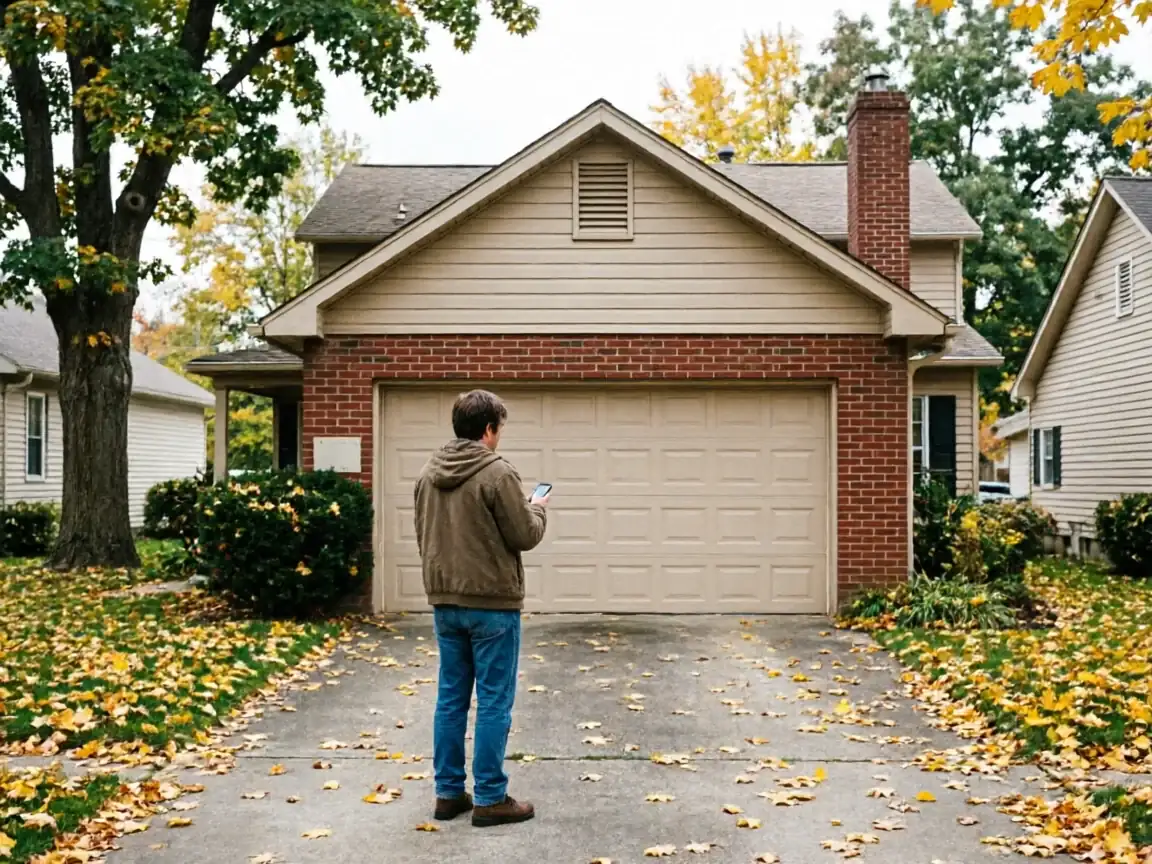
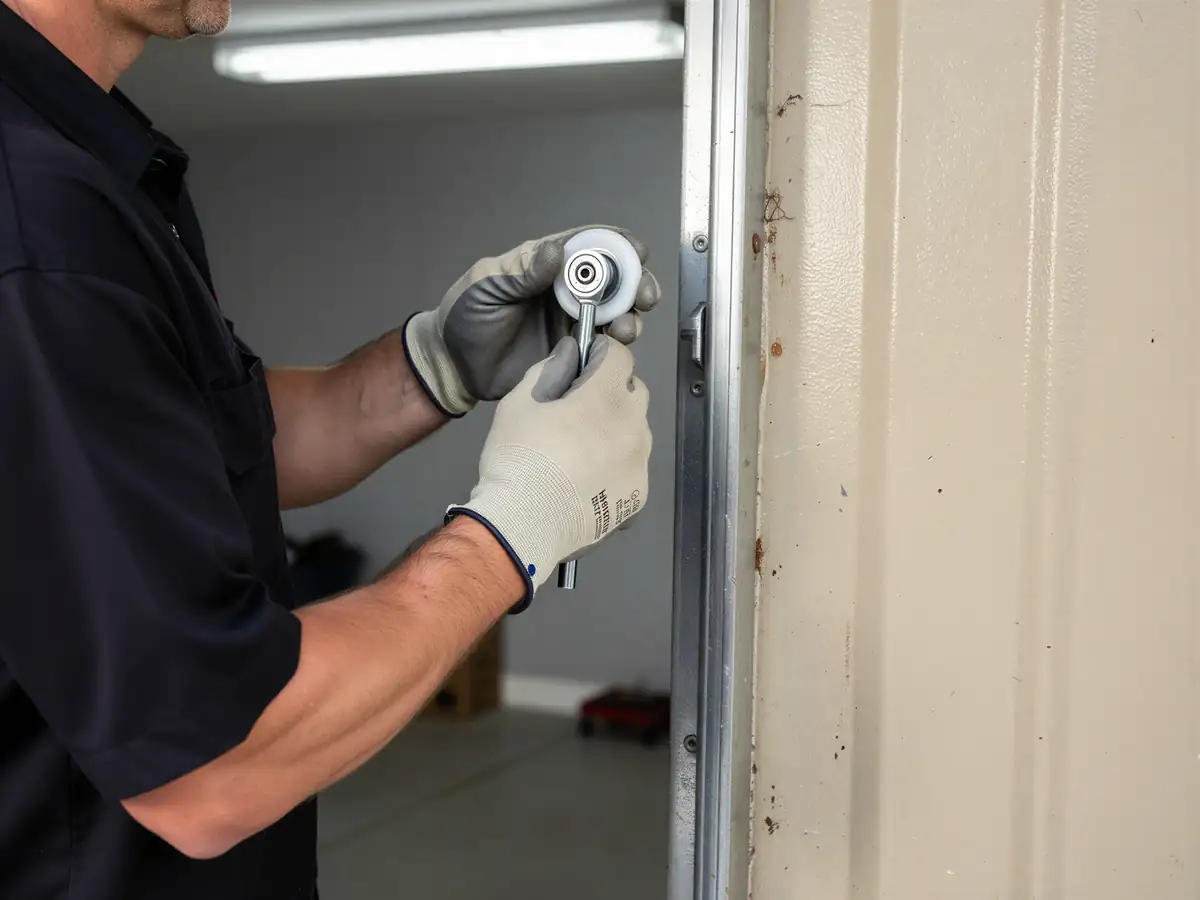
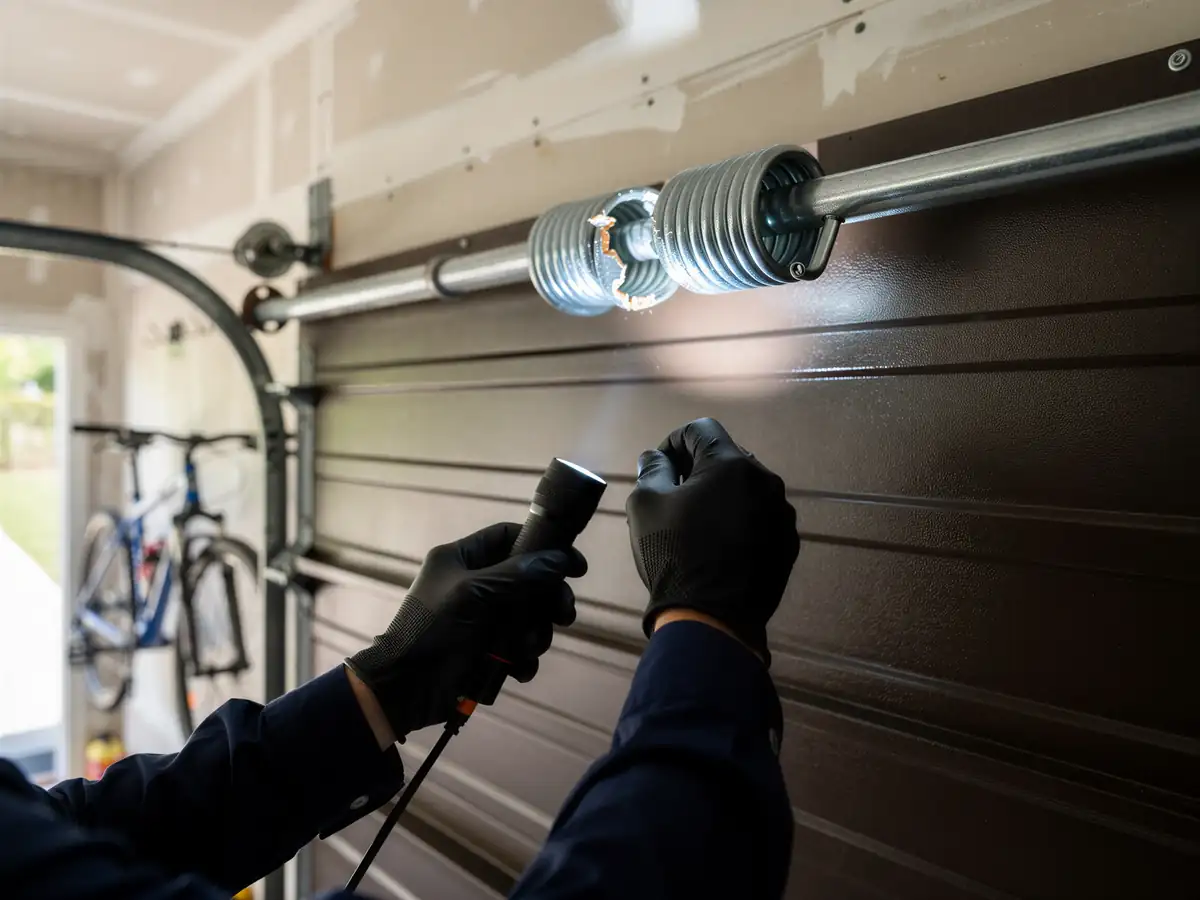
If you're noticing a door that's hard to lift by hand, a spring that looks stretched or gapped at the coils, or an opener straining on a door it used to handle fine, that's usually the 1974-era spring sizing showing its age rather than a defect in the door panels. Rust on the drum or a track that's pulled slightly away from the jamb points to the original bracket hardware working loose over fifty years of seasonal temperature swings. In a cold-moderate climate band like this one, that many freeze-thaw cycles since 1974 is enough to work screws loose and crack old composite rollers that were never upgraded to steel. None of that means the door panel itself is bad - often it's the track, the springs, and the brackets that have aged out while the door still looks fine from the driveway.
How to Book
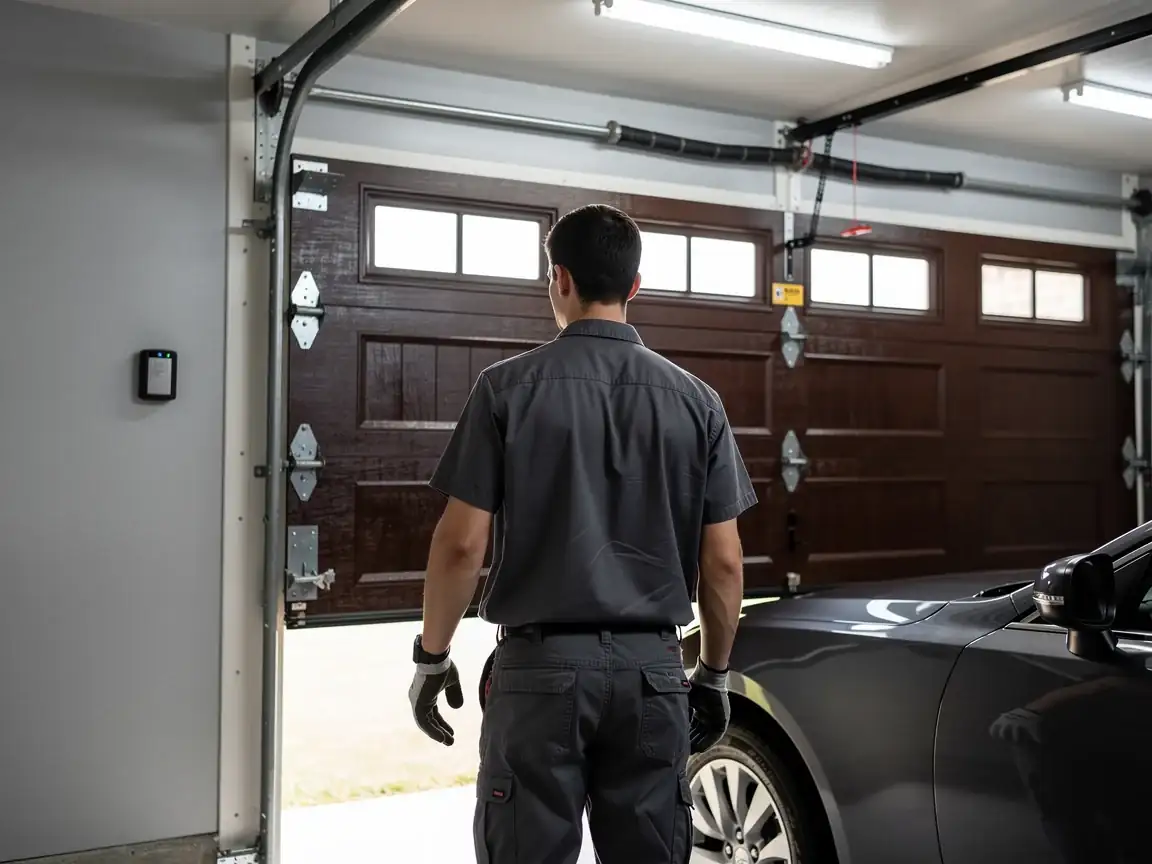
With a service area this spread out - Randolph is one of a handful of small towns we reach from Manhattan, and with roughly 72 households in town, a bad call here gets talked about fast - we'd rather get the measurements right on the first visit than rush a quote over the phone. Call to set up a time for someone to come measure the opening, check what the existing track and header can support, and quote the job based on what's actually there, not a guess. If your door is still working but acting up, our Randolph garage door repair page covers that side of things. For the full rundown of installation options and process out of our Manhattan shop, see garage door installation in Manhattan.