Parts We Carry
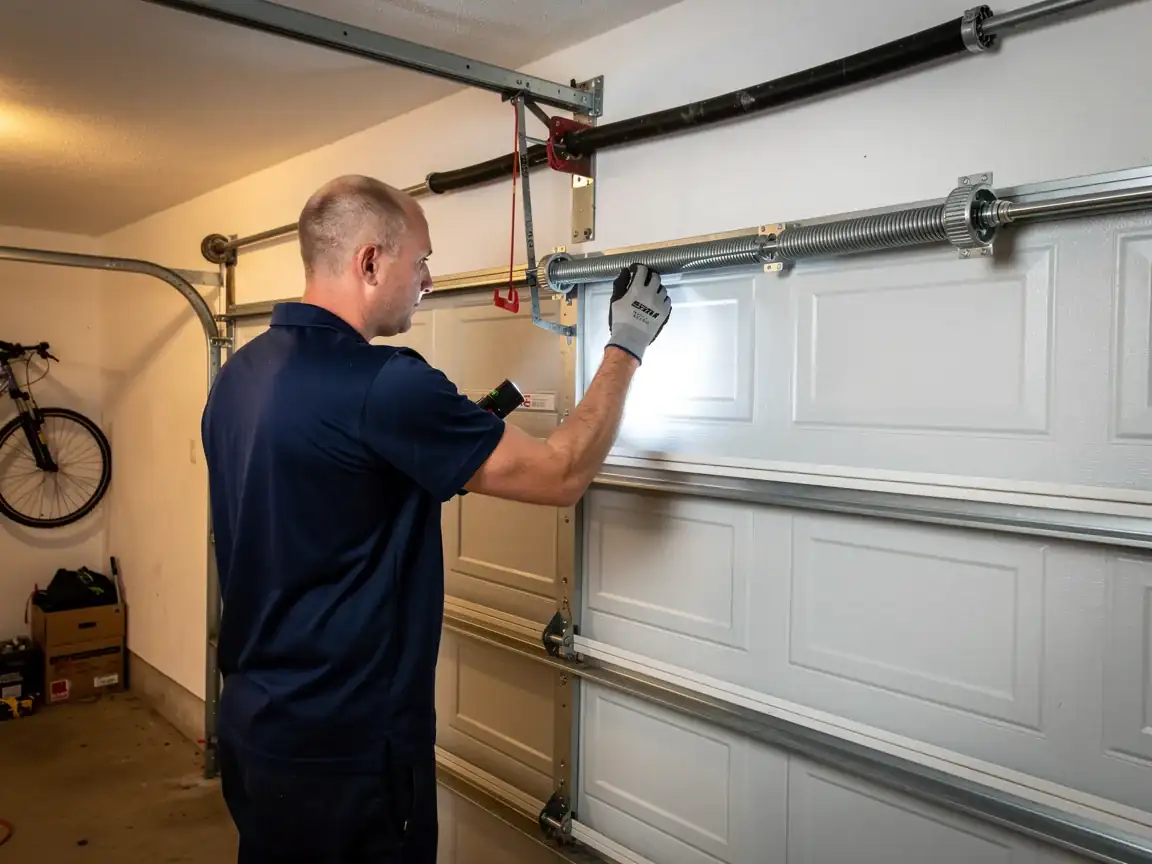
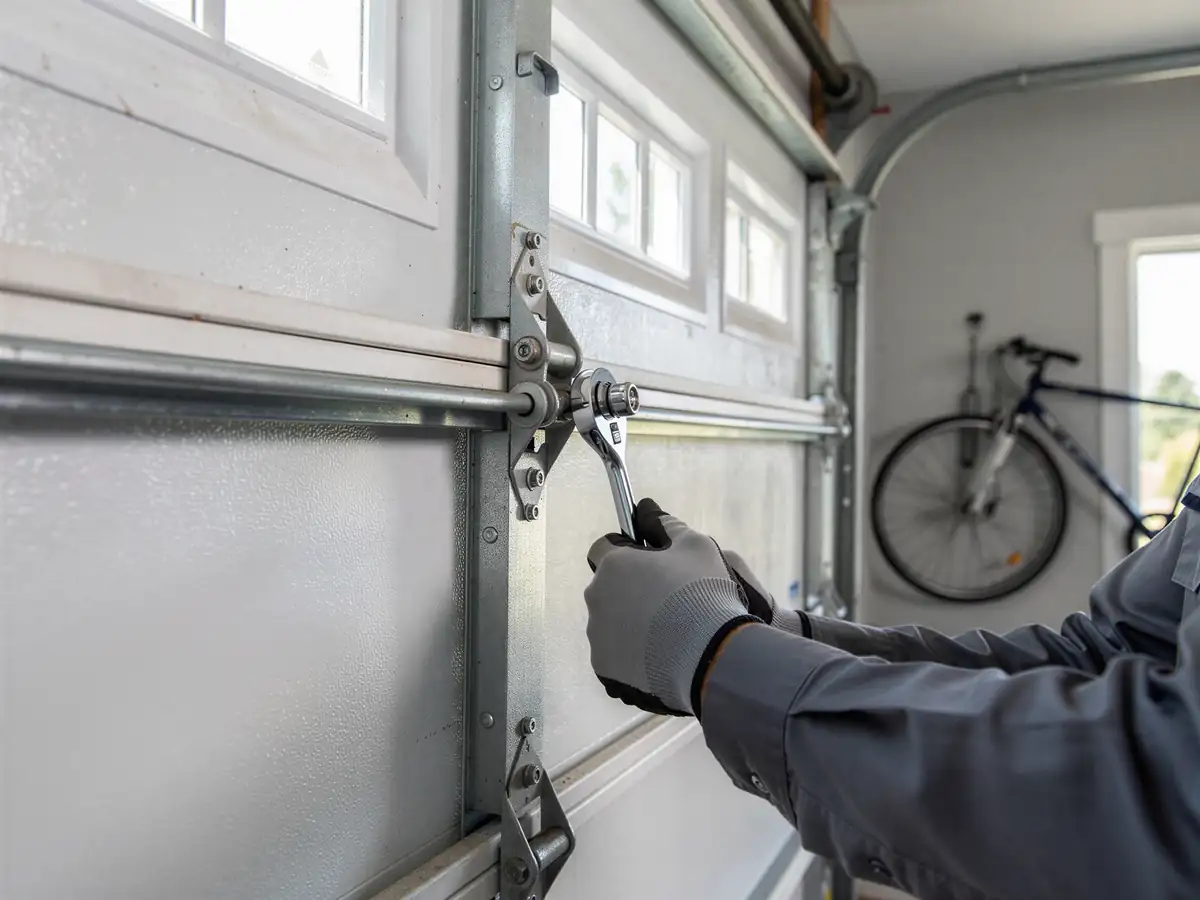
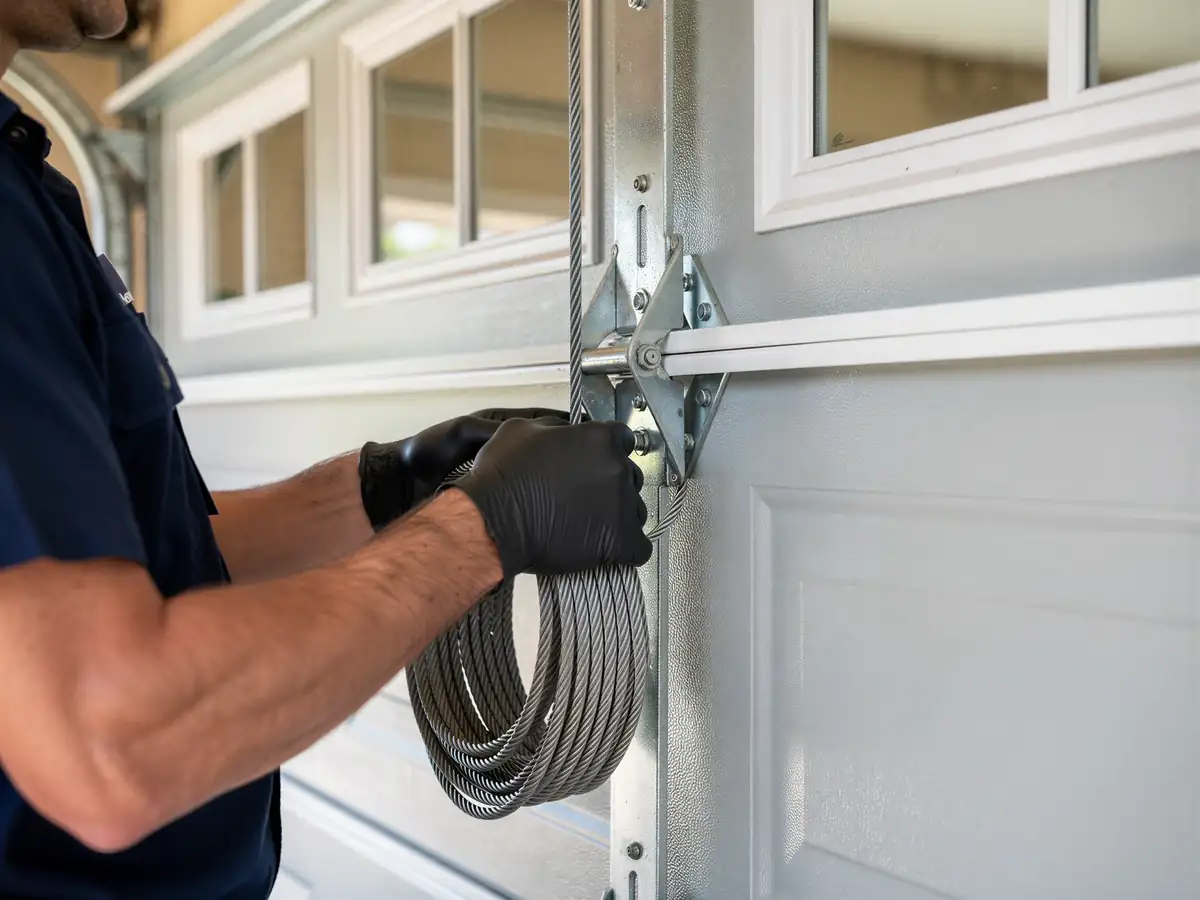
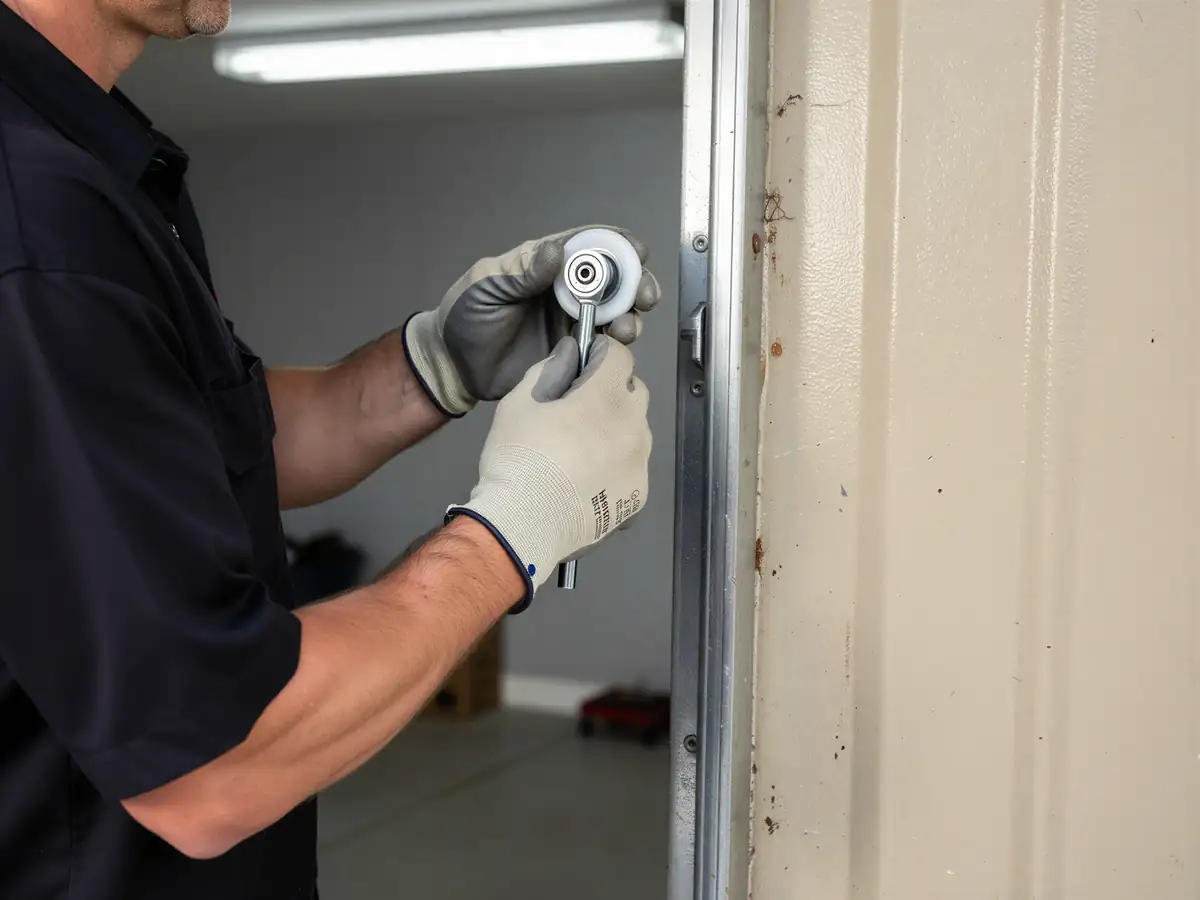
Randolph is small - 72 households, not a few thousand - so we don't stock a warehouse of parts specific to this town. We carry what fits the hardware that's actually out there: standard-gauge steel track sections in the common widths, nylon and steel rollers, track brackets, and the hinges that tend to crack before the track itself fails. Most houses here were built around 1974, median year, which means the track hardware is the older bolt-pattern style rather than the newer lift-off brackets you'd find on a house built in the last fifteen years. We bring both styles on the truck because we don't know which one we're looking at until we're standing in front of it. One limitation worth saying plainly: if the track itself is bent rather than just knocked loose, we can usually straighten or replace the section on site, but a severely warped track on an older jamb sometimes means the jamb needs attention too, and that's carpentry, not garage door work. We'll tell you straight if that's what we're looking at instead of forcing a fix that won't hold.
Why This Fails Locally
A door comes off its track for one of two reasons almost everywhere, but which reason is more common depends on the age of the house. In Randolph, with most construction centered on 1974, you're looking at track hardware that's had fifty years to work its bolts loose, its brackets to rust a little at the welds, and its rollers to wear oval instead of round. That wear doesn't announce itself - the door runs fine for years, then one cold morning a roller finally pops free of a track that's a quarter-inch out of alignment, and the whole panel jumps the rail. The cold matters here too. This part of Kansas sits in a moderate-cold climate band, and the freeze-thaw cycle through a Randolph winter works on track fasteners the same way it works on fence posts - a little looser every year until something gives. We don't see a flood of these calls out here simply because there aren't many houses to generate them, but the ones we do see tend to be this exact combination: older hardware, a cold snap, and a roller that finally lets go.
What You Are Seeing
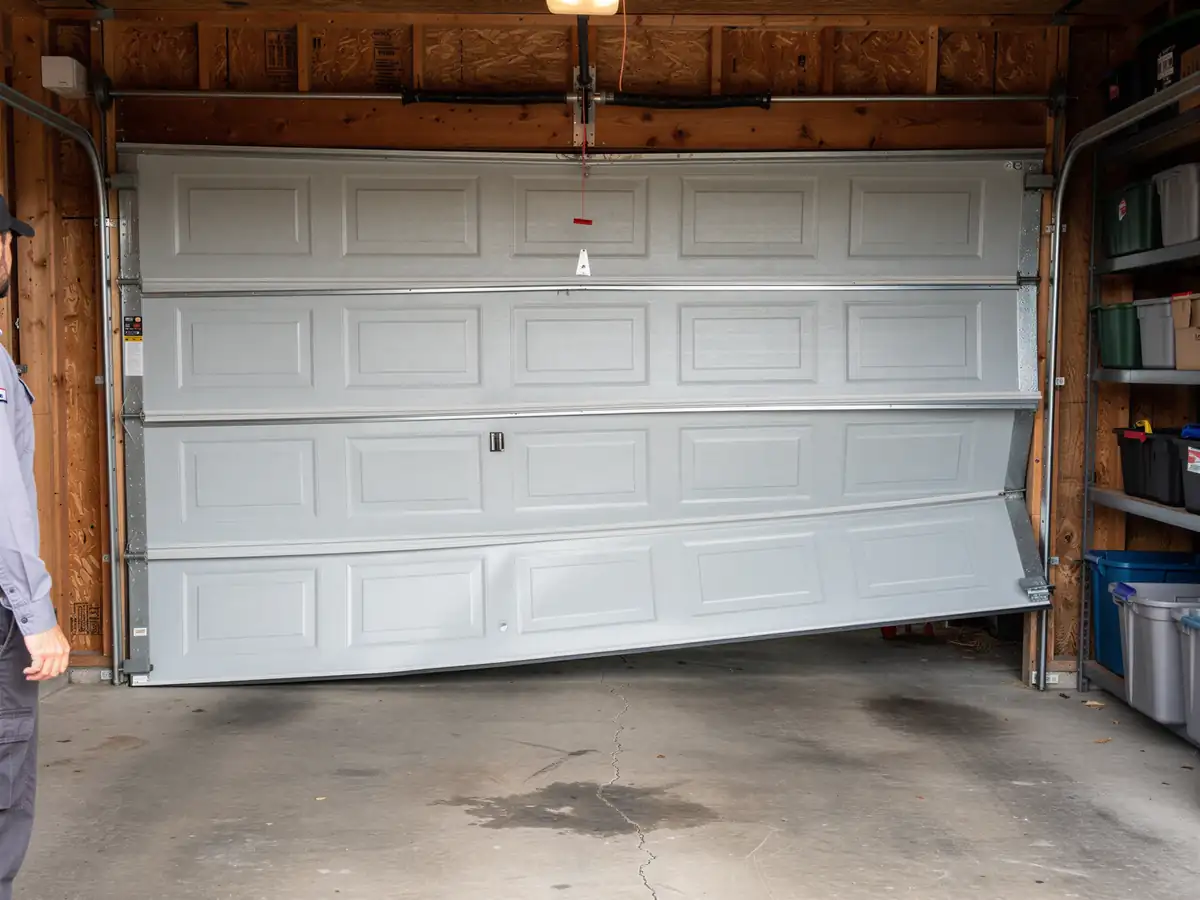
If the door is off track, you'll usually notice one of a few things: the door hangs crooked in the opening, a cable looks slack on one side, or you can see a roller sitting outside the track channel rather than inside it. Sometimes the door will still move a few inches before it binds and stops, grinding instead of rolling. Don't keep running the opener when this happens - that's how a bent track turns into a bent panel, and panels cost a lot more than track sections. On houses from the 1974 era common around here, the failure point is most often a bottom roller or the bracket just above it, since that's the hardware taking the weight when the door is at its heaviest point of travel. If you can get to it safely, pull the emergency release cord and leave the door where it is until we're there - moving it further by hand can do the same damage the opener would.
How to Book
Call and describe what you're seeing - crooked door, visible roller, grinding noise, door stuck partway. That tells us whether this is a same-visit track realignment or something that needs a part we should bring from the shop, which matters more here than it would closer to Manhattan since we're making the drive either way. We cover Randolph as part of our regular service area, not as a special trip, so there's no separate call-out charge tied to the distance. If your door has other trouble beyond the track - a spring, an opener that won't respond, panels that need replacing - that's a different job and a different page, not something we're trying to fold into this one.