Parts We Carry
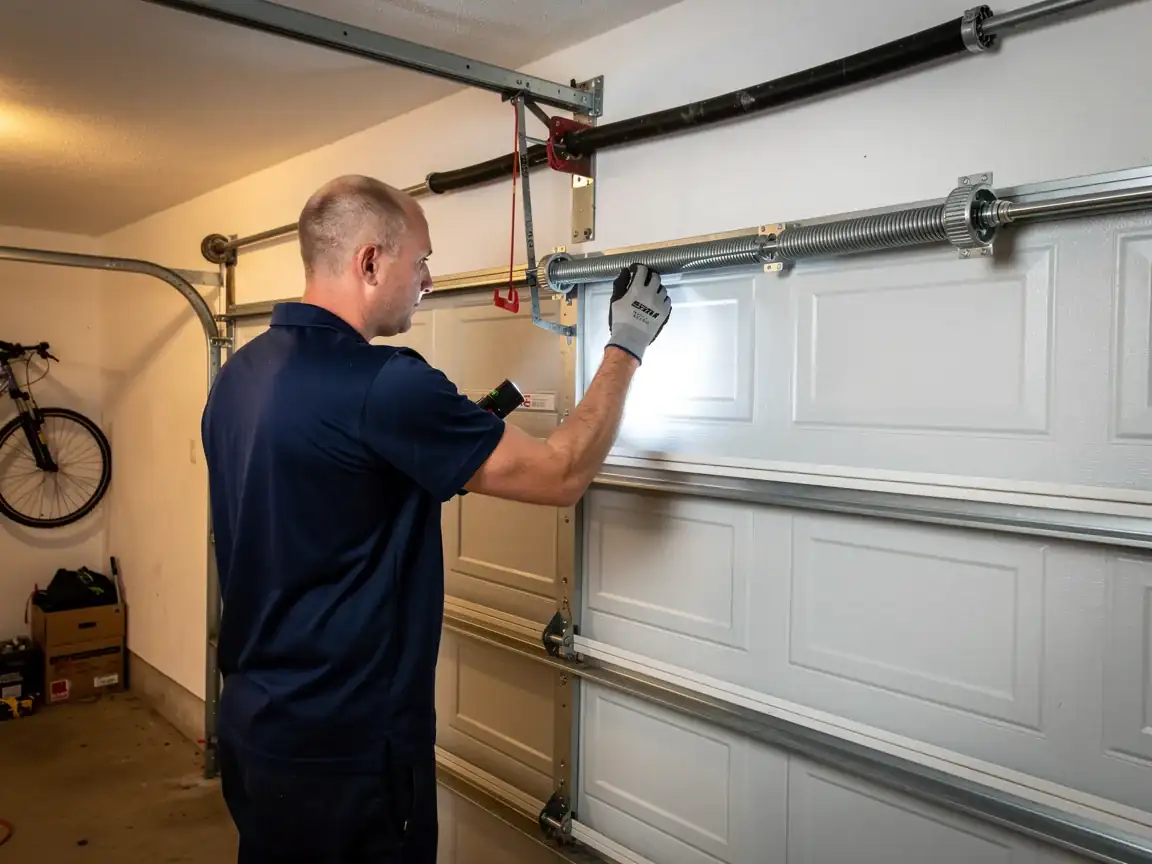
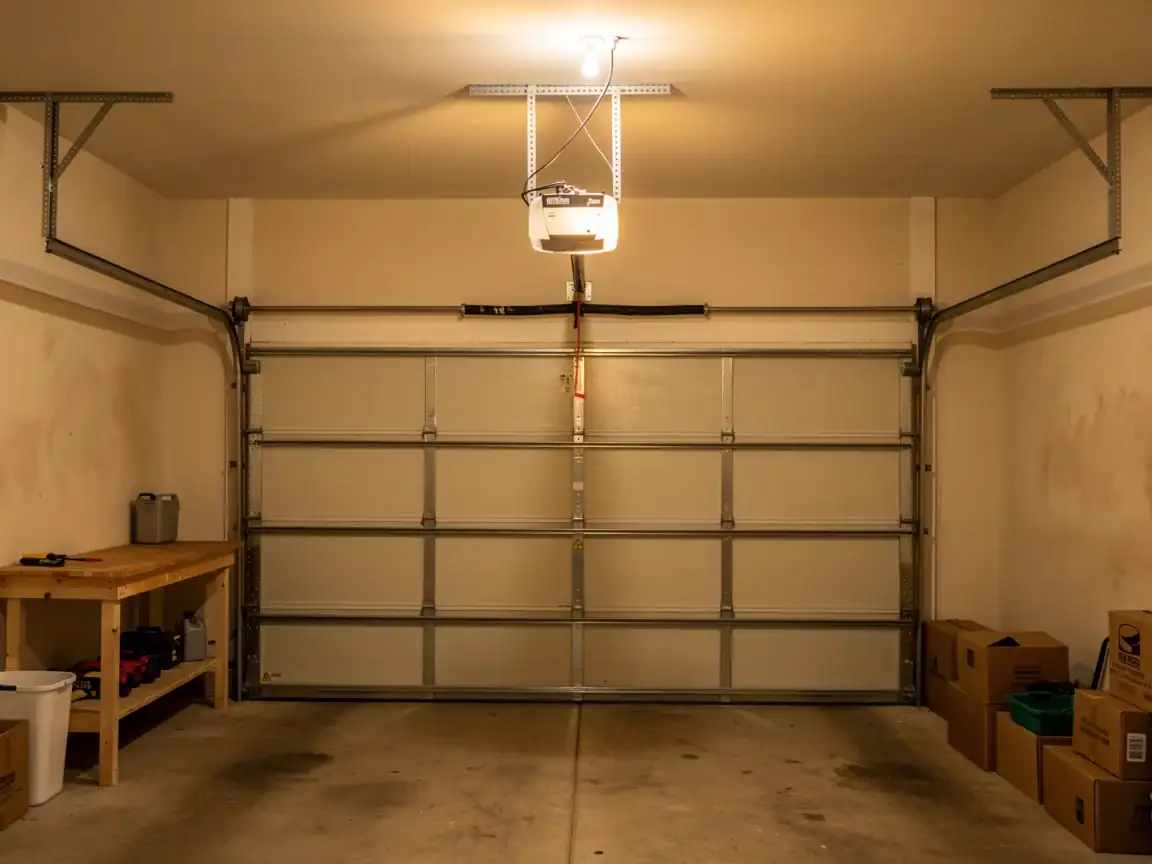
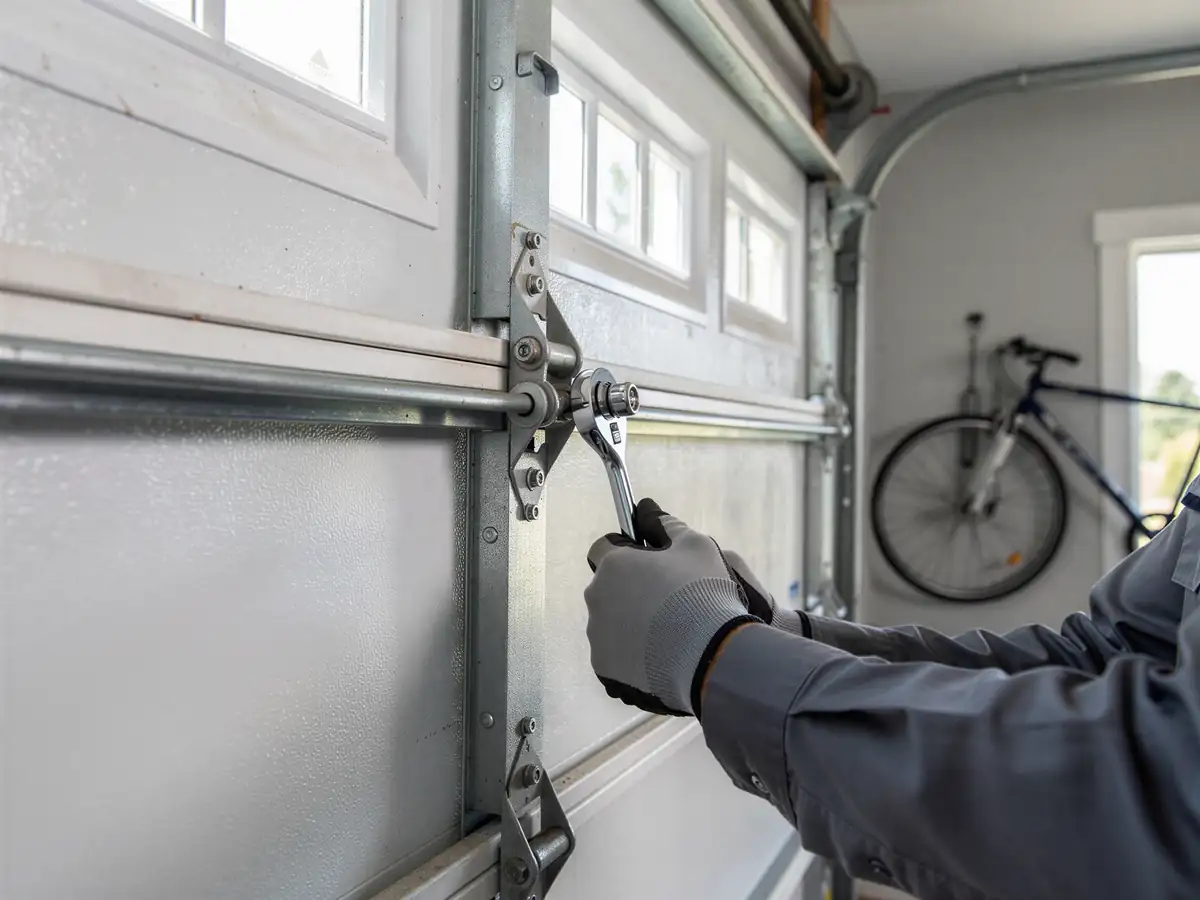
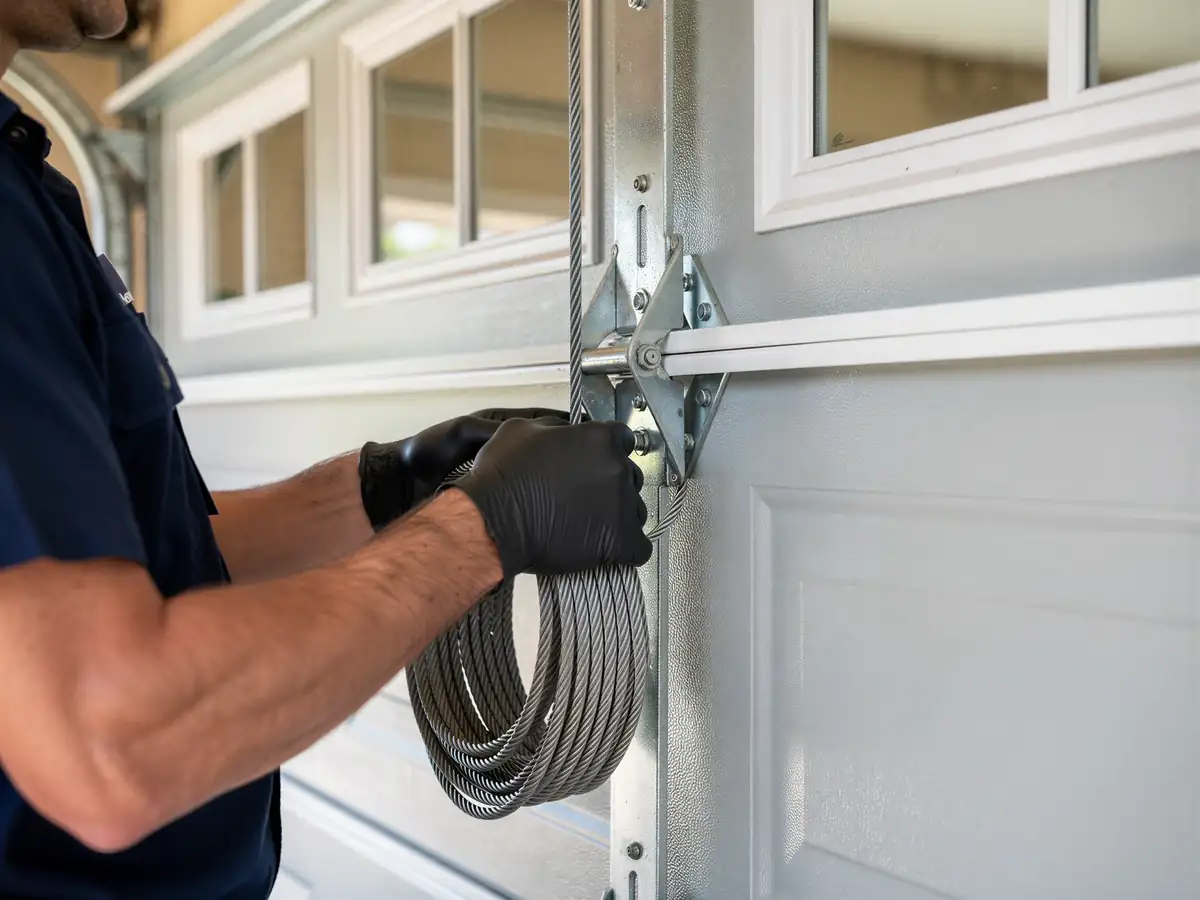
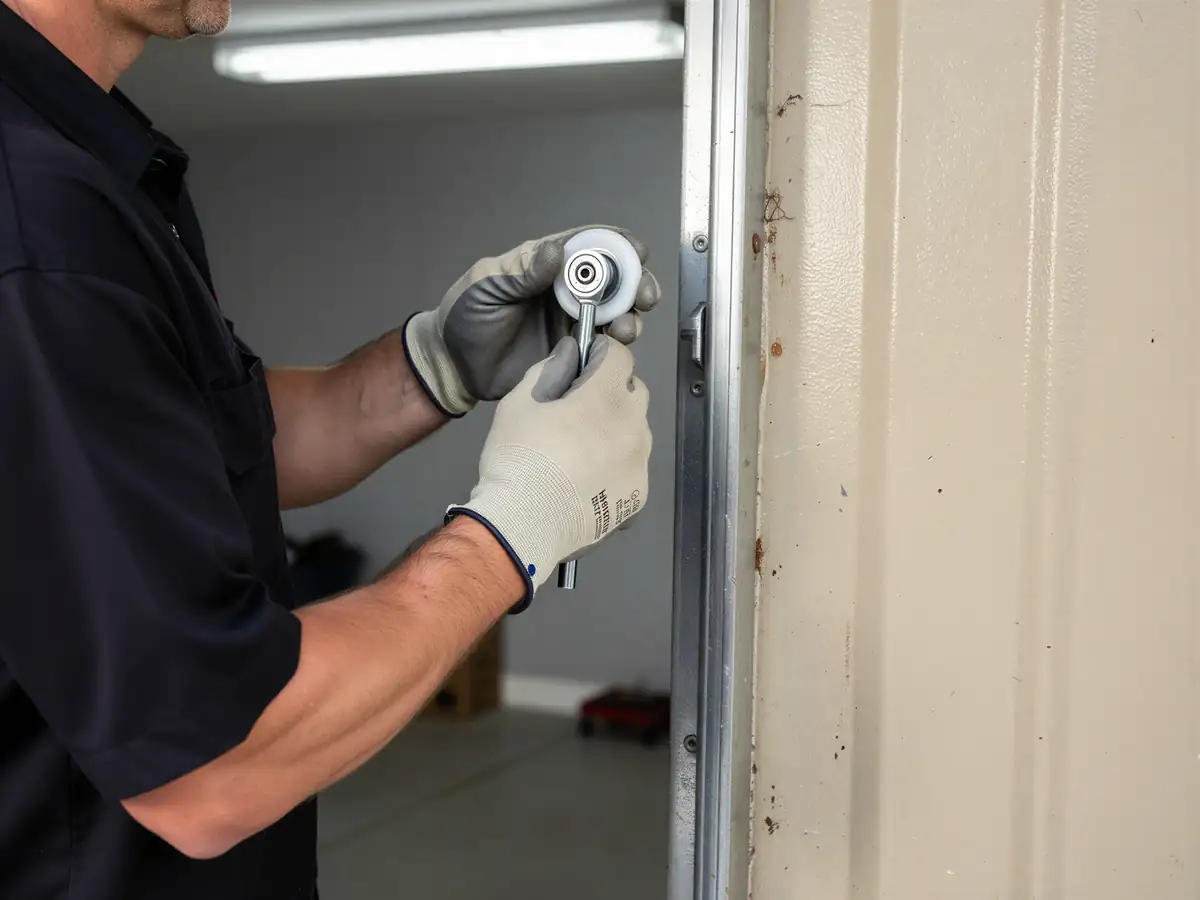
The truck that comes out to Randolph carries what fits the hardware actually on these doors: torsion springs sized for the single and double doors common to houses built around 1974, standard rollers, hinges, cable, and the track hardware that era used. That covers the bulk of what wears out on a door this age.
What we don't carry on every run is the oddball stuff - a discontinued opener board, a non-standard panel someone special-ordered twenty years back. If your door has one of those, we'll tell you straight that the part has to be ordered, and that adds a few days before a second trip is worth making. Given the drive out here, we'd rather diagnose everything in one visit and order parts once than make a guess and come back twice for a part we should have brought the first time.
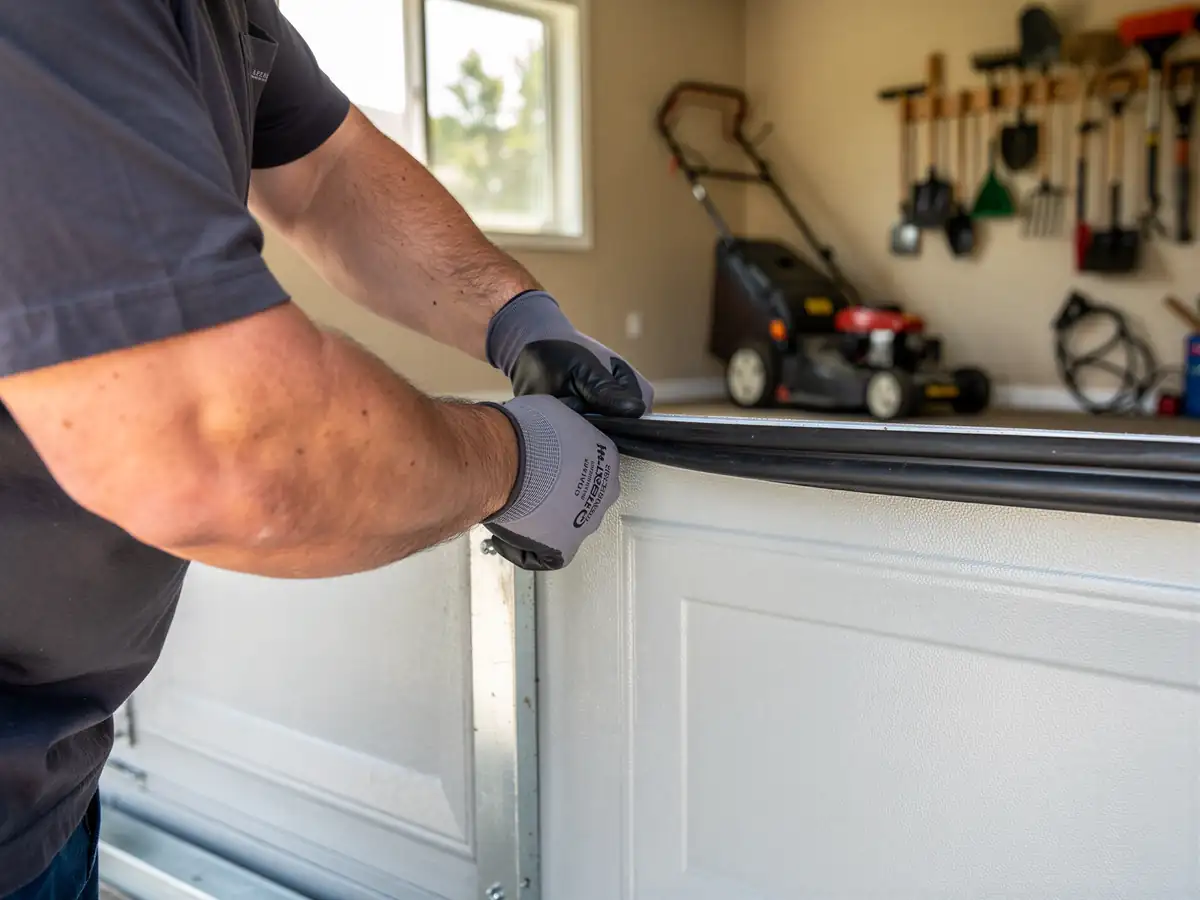
For a door still running original 1970s hardware, the maintenance visit usually means spring tension check, track alignment, and hardware replacement where the metal has fatigued - not a full teardown unless something's already failed.
Why This Fails Locally
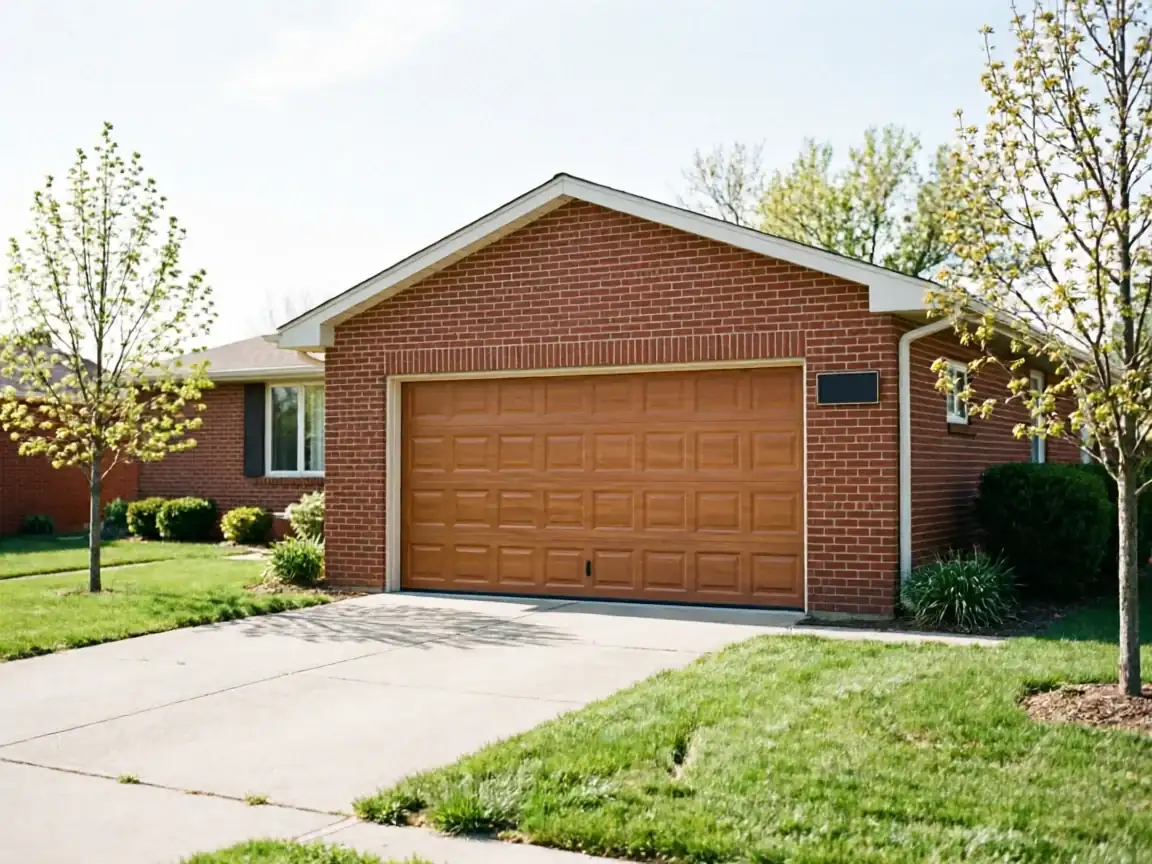
Most houses in Randolph went up around 1974, which puts a lot of the original torsion spring and track hardware on these doors at close to fifty years of duty cycles. Springs are rated in cycles, not years, and a door that's been opened twice a day since the Ford administration has used up what it was built for even if it's never technically broken.
This region sits in a cold climate band, and cold is hard on old grease and old steel. A track that was fine in July gets tight and sticky in January, and a spring that's already near the end of its rated cycles is more likely to let go on a cold morning than a mild one. That combination - hardware this old, winters this cold - is why maintenance here is less about tune-ups and more about catching fatigue before it becomes a break.
We're not going to tell you every door in Randolph is on borrowed time. Plenty of owners have already replaced springs once. But if yours hasn't been touched since the house was built, the math on cycles alone says it's closer to the end than the middle.
How Long You Are Without the Door
Randolph sits about 19 miles from our shop in Manhattan
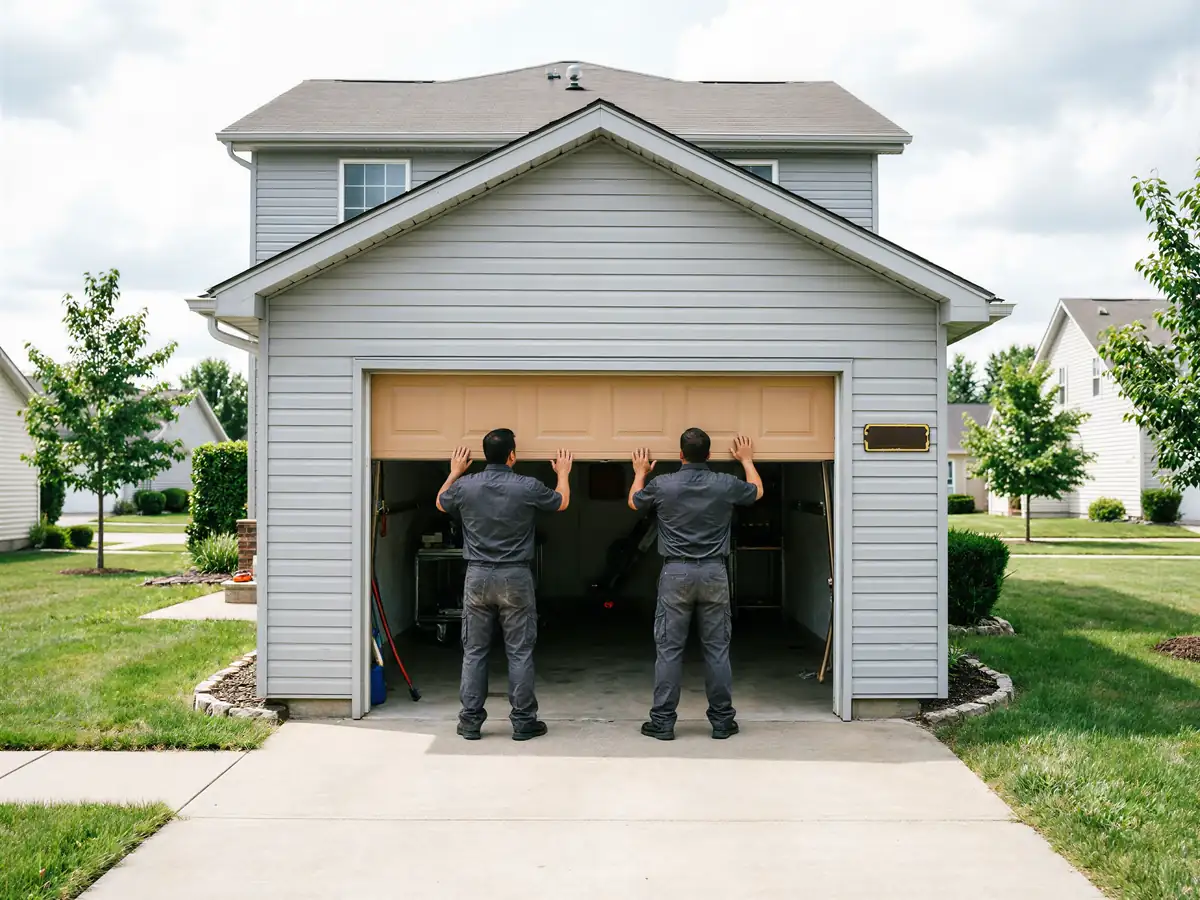
And that distance is the honest answer to how fast a maintenance visit happens. We're not running a truck through Randolph daily - with roughly 72 households out here, there isn't the call volume to justify it - so maintenance work gets scheduled rather than squeezed in same-day.
- 19 miles
- 72 households
That means booking ahead works better than waiting for a problem
If we're already coming out for a scheduled tune-up, that's the time to flag a noisy roller or a door that's started sagging on one side, so it gets handled in the same trip instead of a second drive.
If something actually breaks between visits
A spring lets go, the door won't open - that's a repair call, not a maintenance one, and it's handled on its own timeline based on the drive and what's on the truck that day. We won't promise a response window here that we can't back up from 19 miles out.
- 19 miles
What You Are Seeing
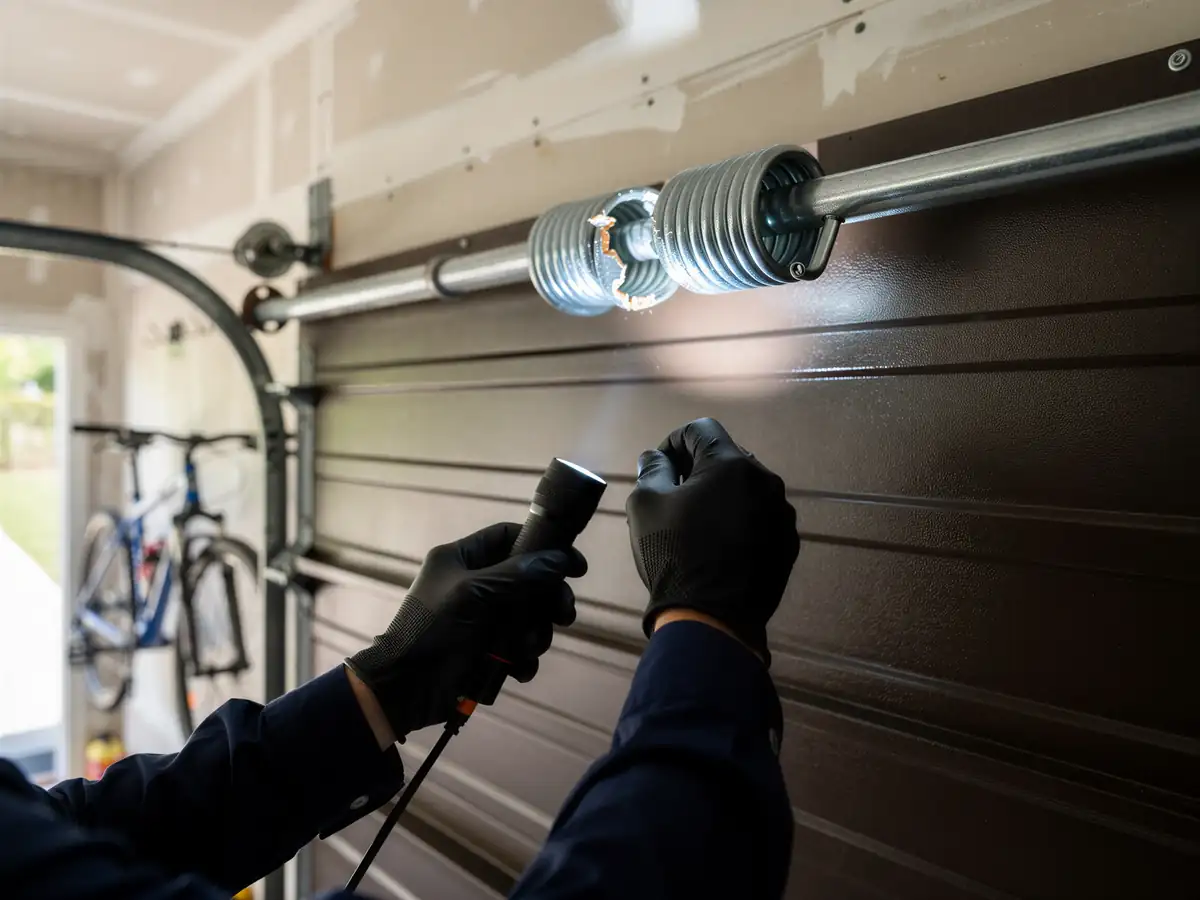
On a door built around 1974, the first signs of trouble are usually small and easy to write off. A roller that's started squealing instead of rolling. A door that slams the last six inches instead of settling. A spring that looks fine but has visibly stretched gaps between coils when the door's down.
In cold weather, old grease thickens and tracks that were smooth in summer start binding, which makes the opener work harder than it should - you'll hear the motor strain before you see anything wrong with the door itself. That strain is often blamed on the opener when the real cause is friction in fifty-year-old track hardware.
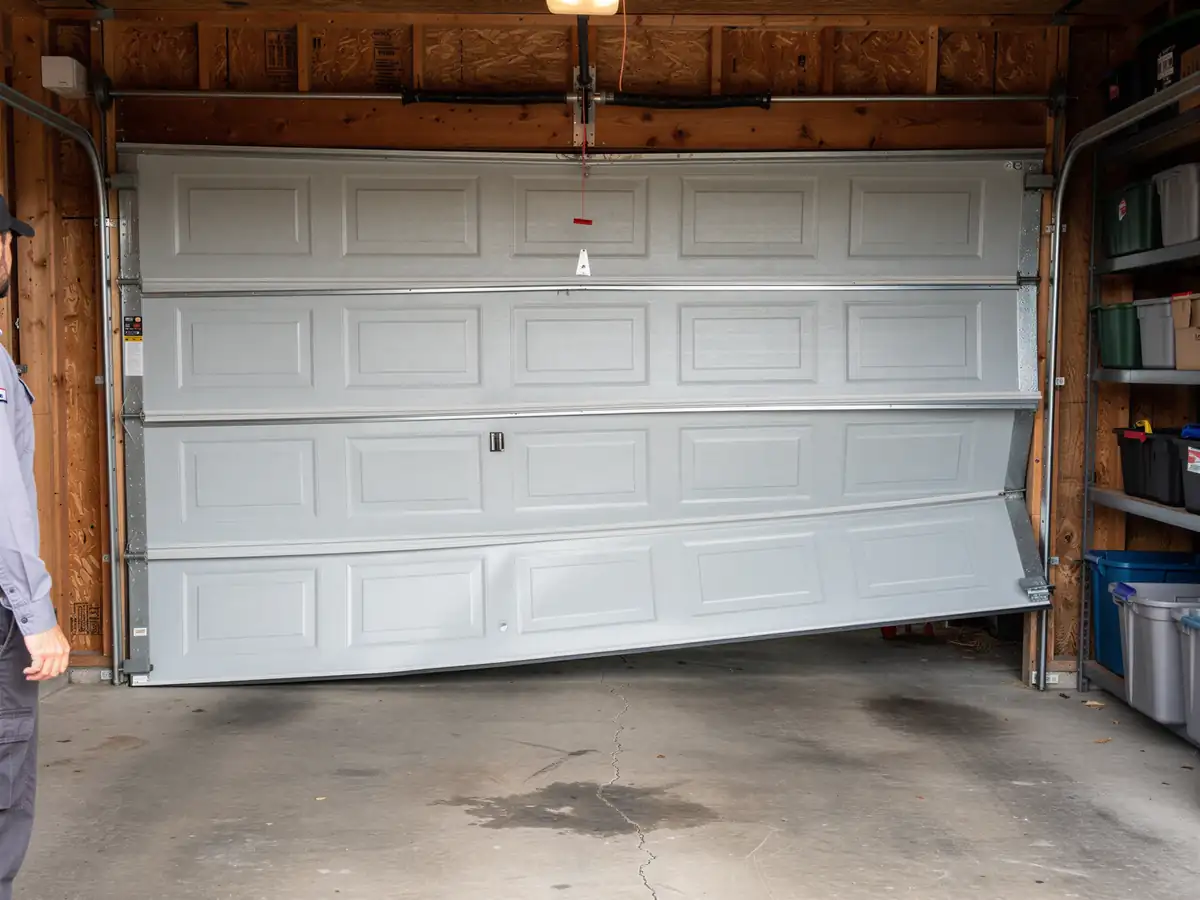
If the door is noticeably heavier to lift by hand than it used to be, or one side drops faster than the other when you pull the release cord, that's spring fatigue, not something a little oil fixes. Oil on a stretched spring buys you a little quiet, not more life.
How to Book
For scheduled maintenance on a Randolph door, the visit gets planned around the drive from Manhattan, so booking ahead of a problem is the way to get it handled efficiently rather than waiting until something breaks. If your door is already showing the signs above - strain on the opener, uneven lift, visible spring wear - that's worth mentioning when you call so we bring the right parts the first trip.
If the door has already failed, that's a repair situation rather than maintenance - see Randolph garage door repair for that. For the broader rundown of what maintenance covers across the service area, including work closer to the shop, see garage door maintenance in Manhattan, KS.