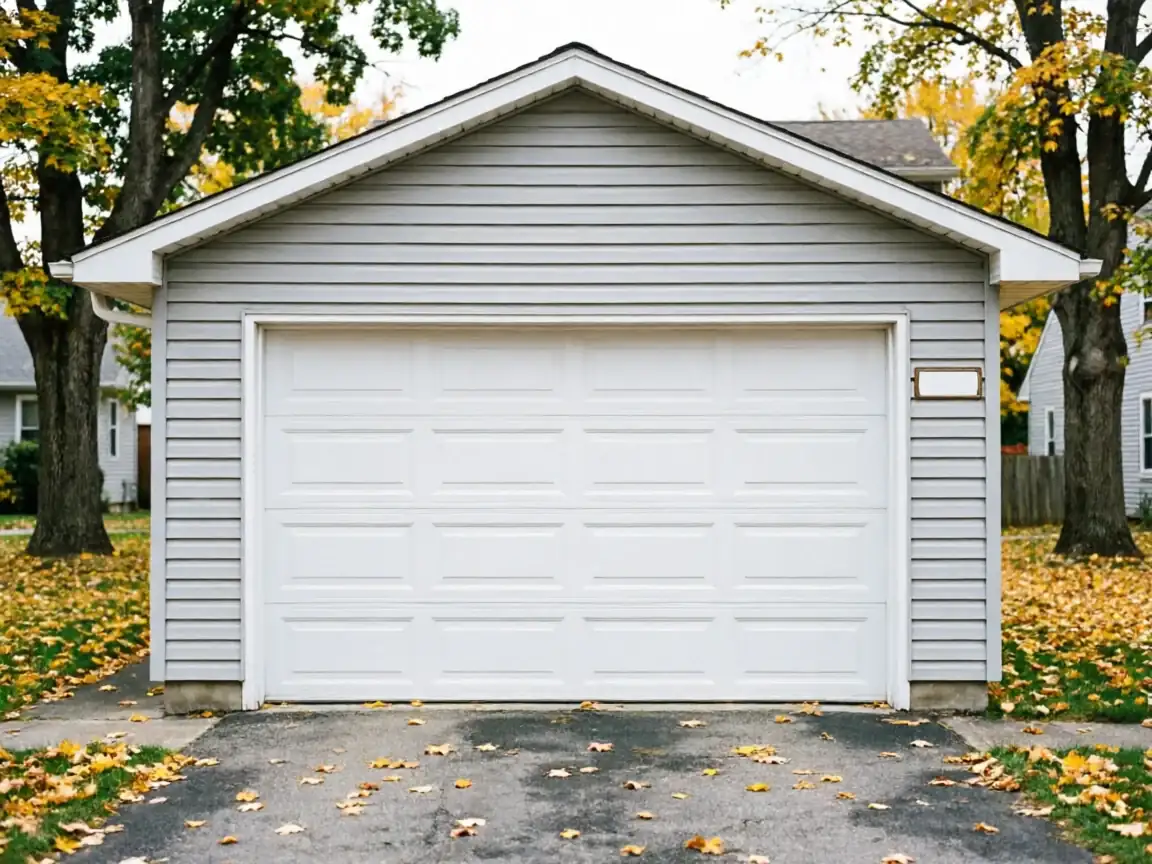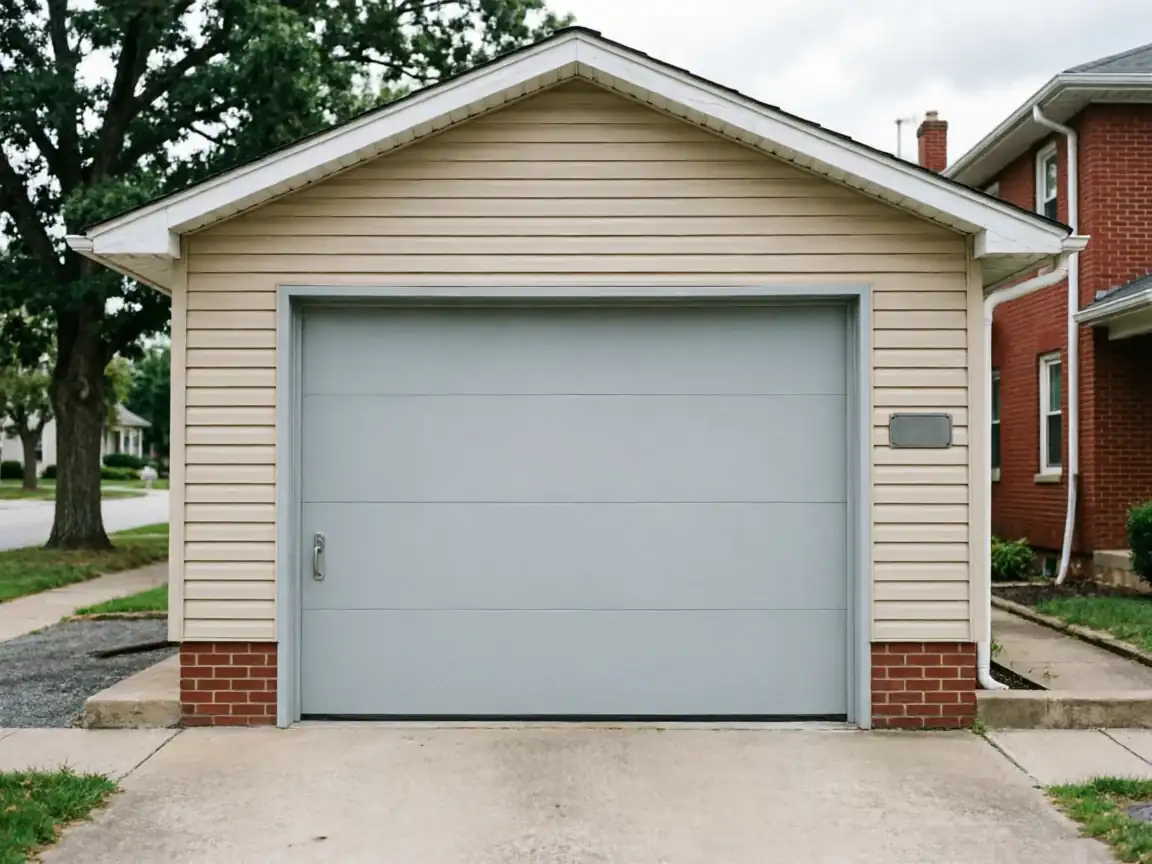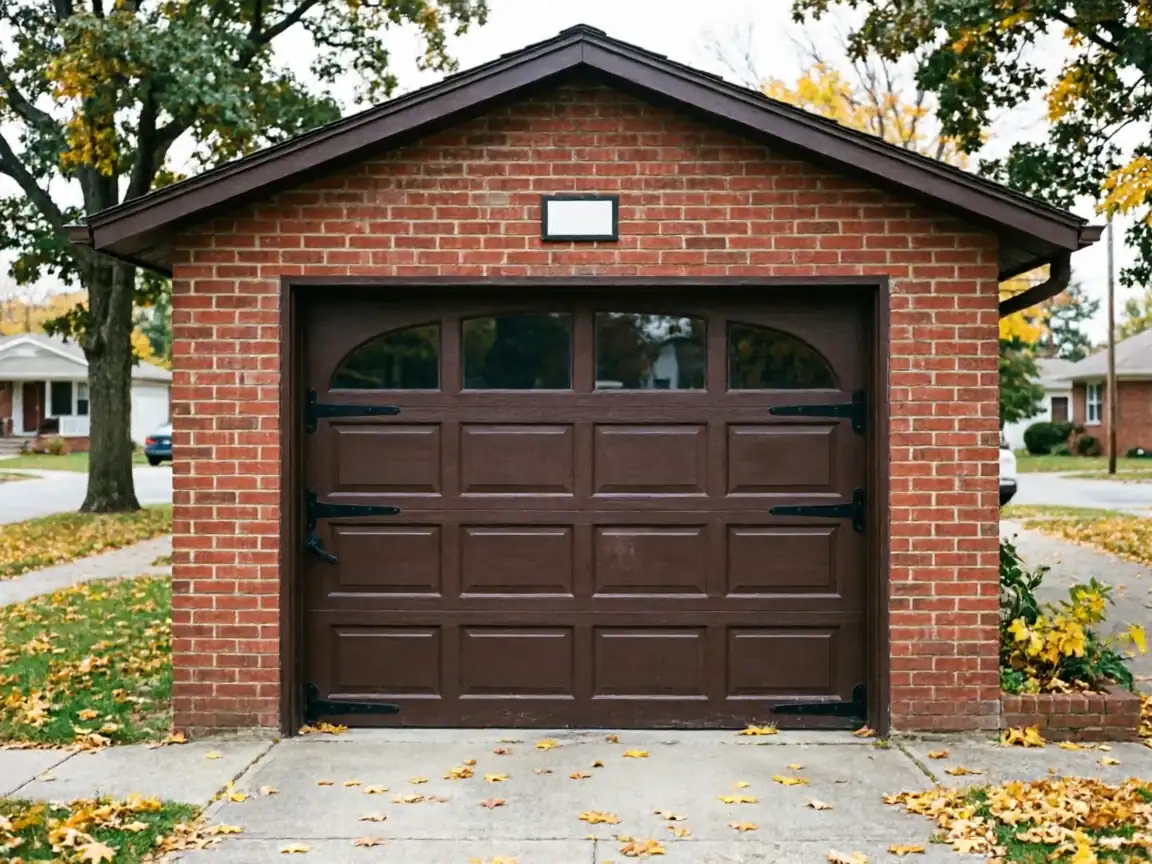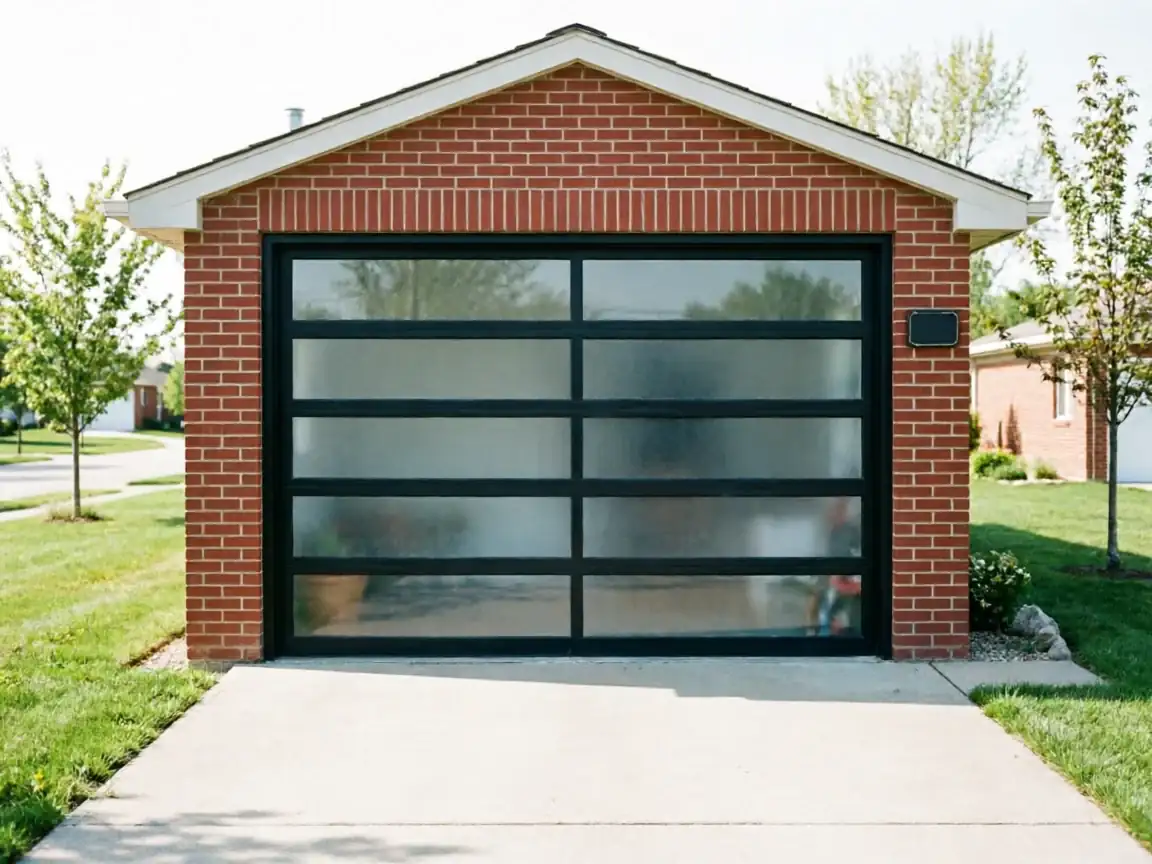
Parts We Carry
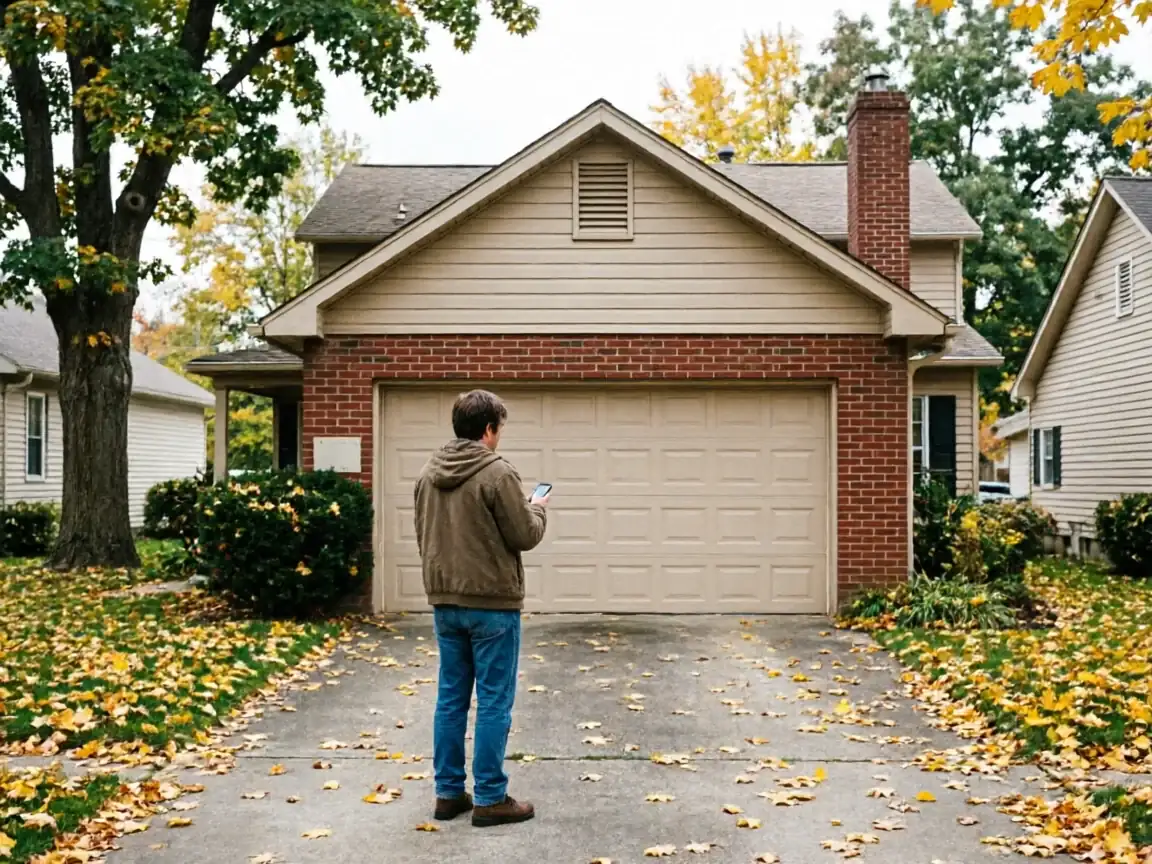
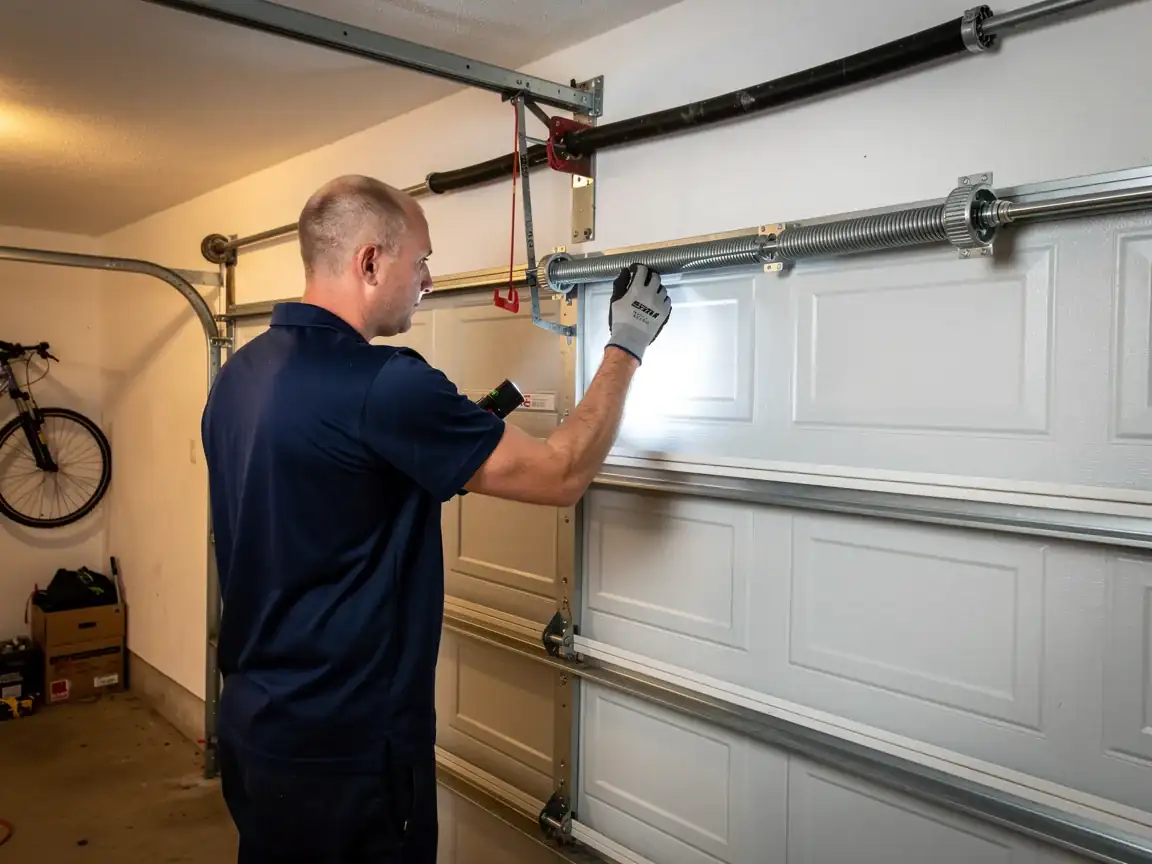
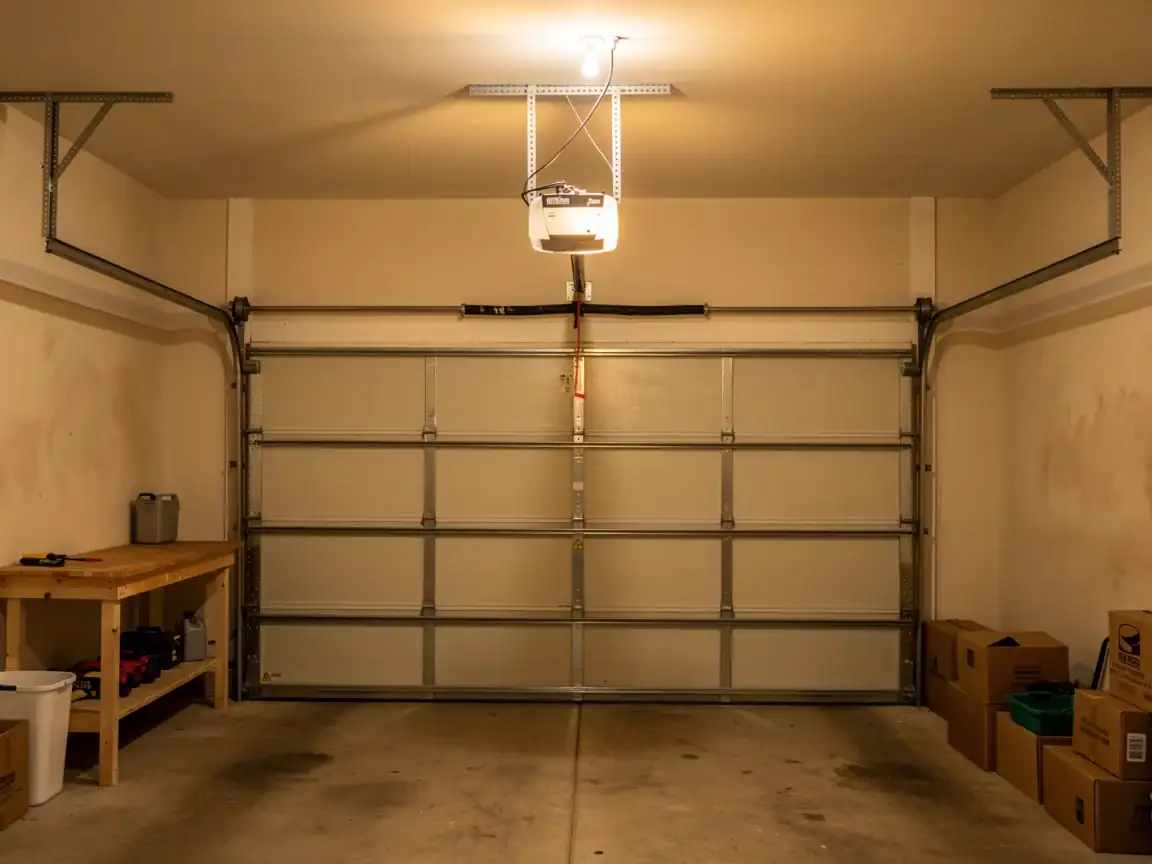
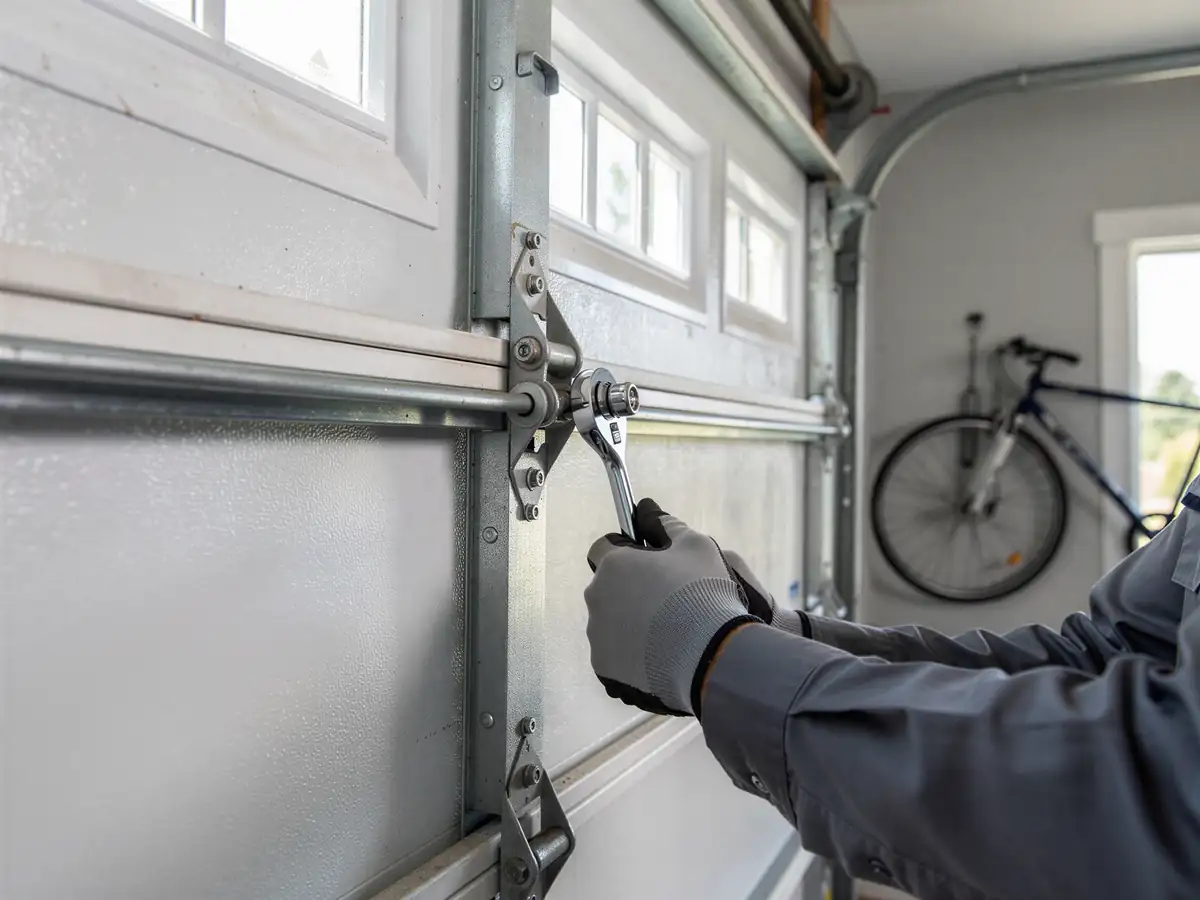
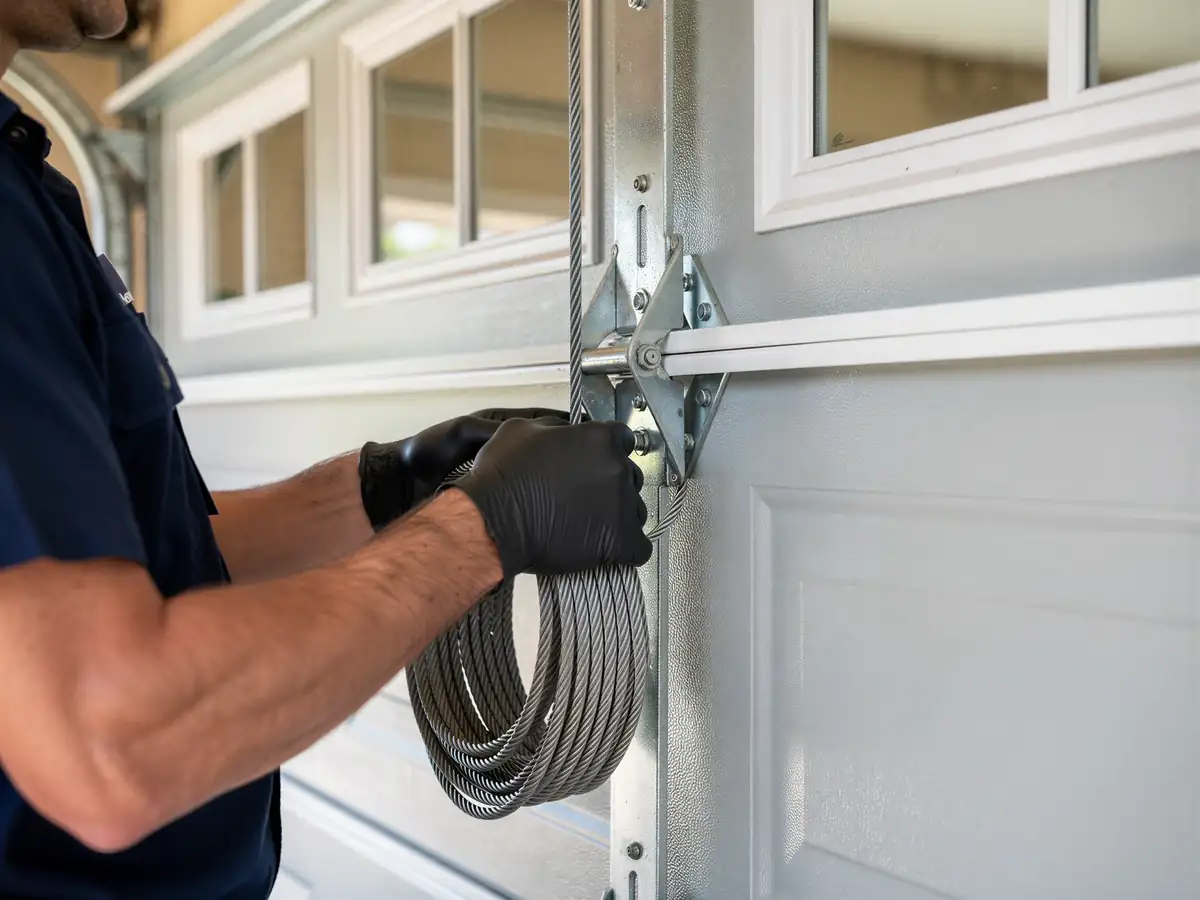
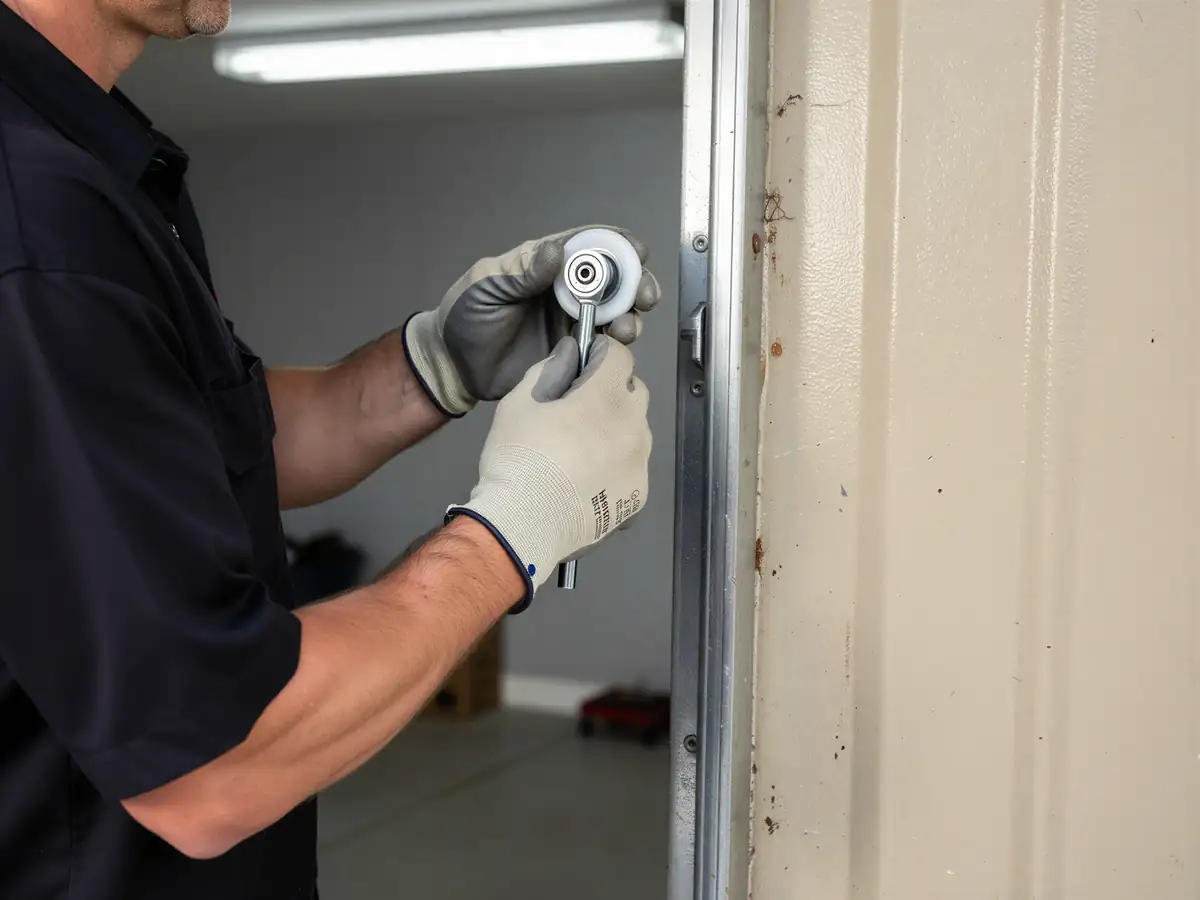
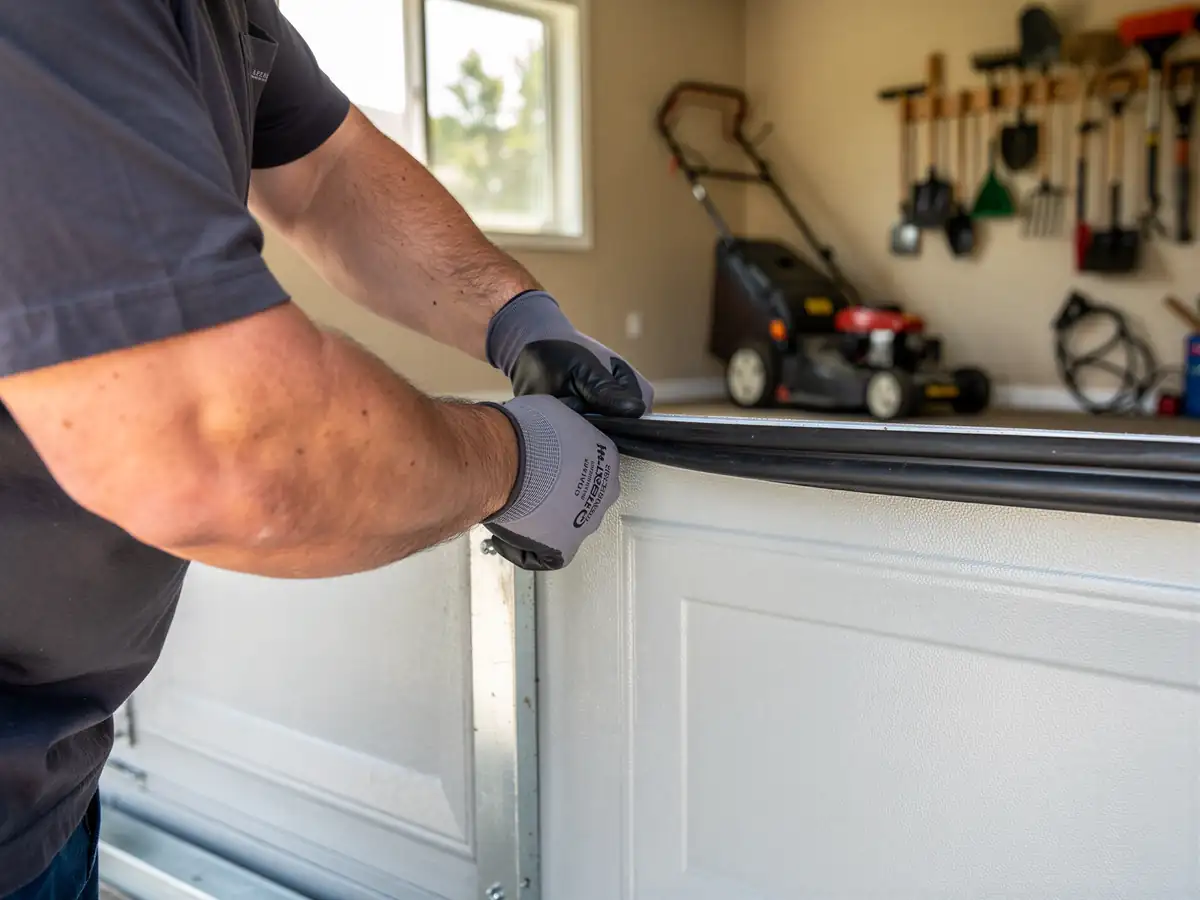
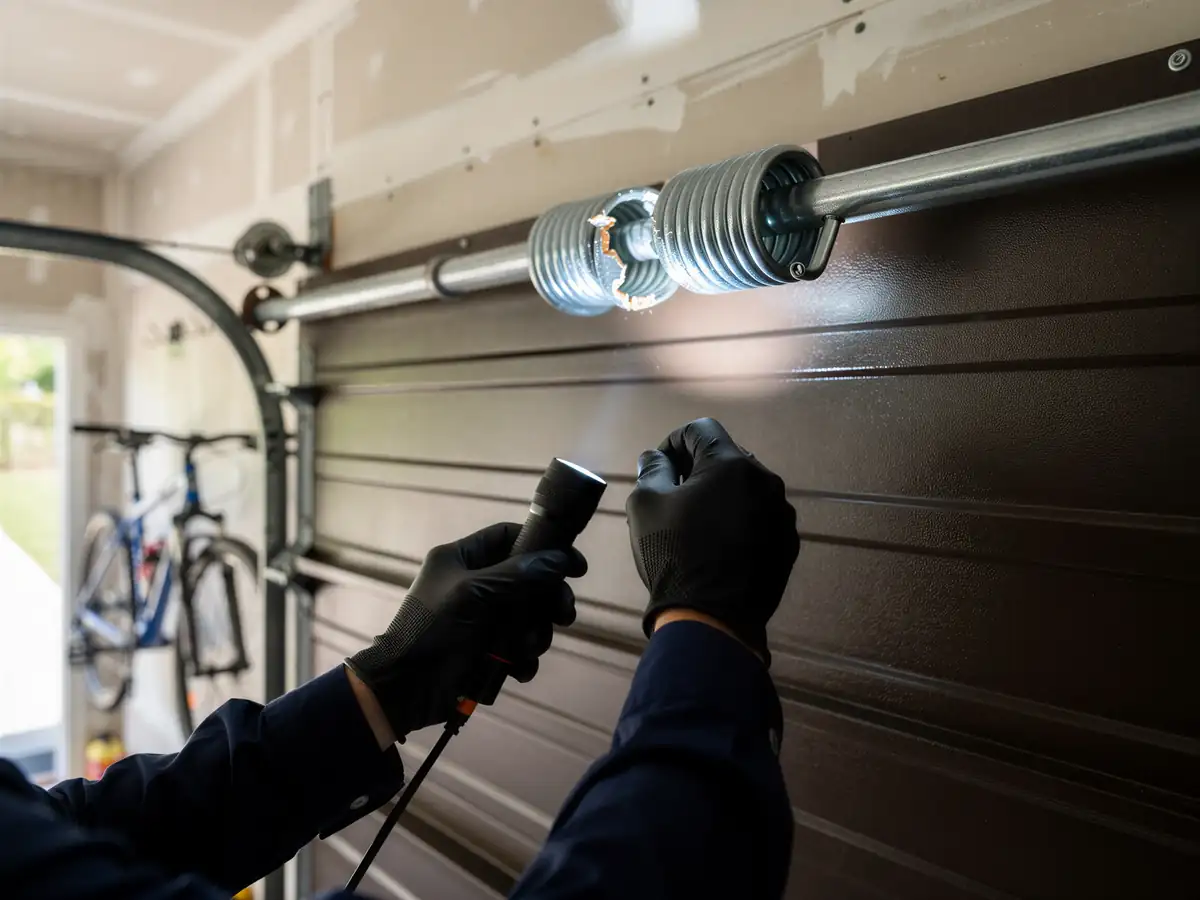
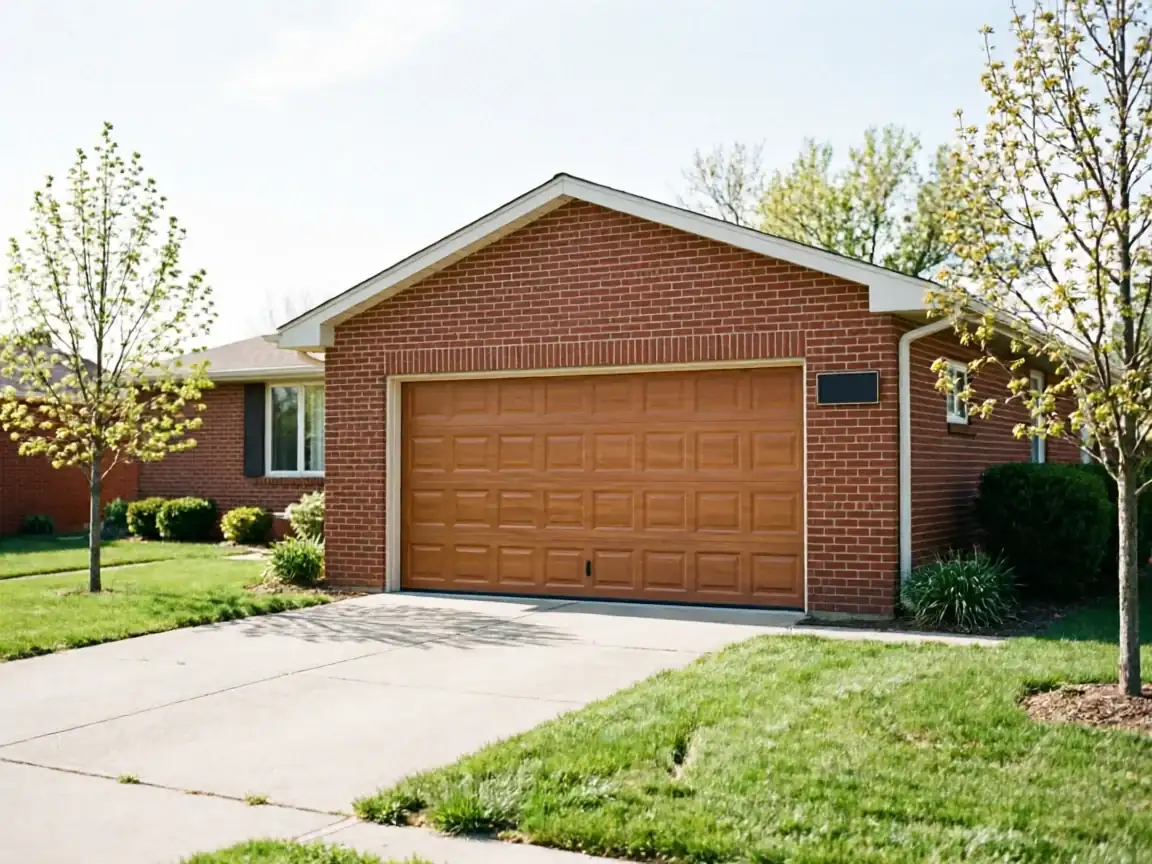
The median home in Randolph went up in 1974, and that number matters more than it sounds like it should. A door from that build year almost never has torsion springs mounted the way doors are built today. You're more likely looking at an extension spring setup running along the horizontal track, sometimes with no containment cable, because that wasn't code when the house was framed. We carry extension spring sets sized for those older sectional doors, the safety cables that should have been added decades ago, and replacement rollers and hinges that fit the narrower stile doors common to that era. What we don't stock on the truck is anything custom to a nonstandard opening - some of these original openings run odd widths that later manufacturers stopped making doors for, and those jobs need an order placed before we can finish the work.
Why This Fails Locally
Extension springs don't fail gracefully the way torsion springs do. They stretch, fatigue, and let go without much warning, and on a door that's been opening and closing since 1974, that clock has been running a long time. Layer on the climate here - a cold, moderate band with real winter swings - and the cycle of contraction and expansion works the metal harder every season. A spring rated for a certain number of cycles in a mild climate doesn't get that many years in one that freezes and thaws repeatedly. Add that most of Randolph's housing sits in that same mid-century window with the same hardware, and you get a pattern: not a one-off failure, but a whole run of homes hitting the same fatigue point within a few years of each other.
What You Are Seeing
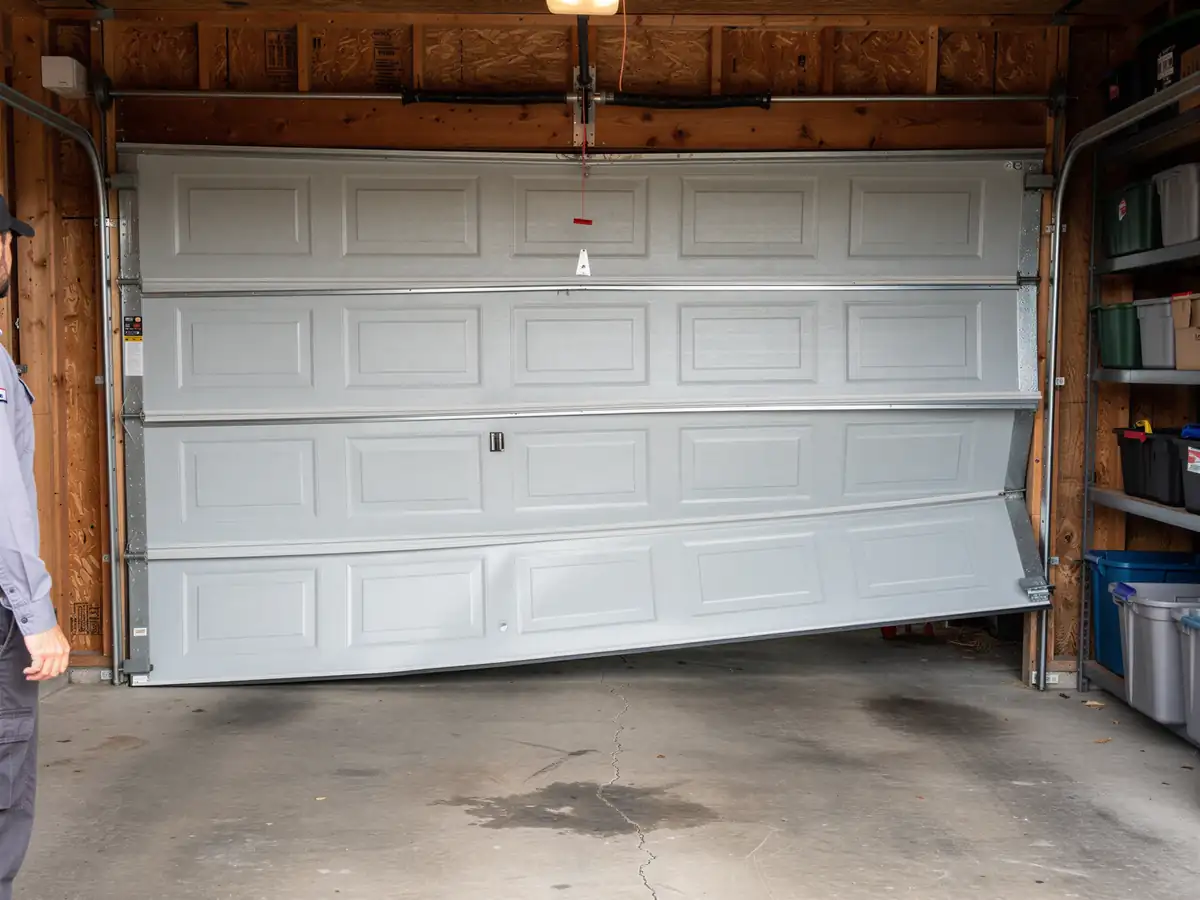
If your garage door is original to a house built anywhere near 1974, here's what tends to show up first: the door sags at one corner when it's halfway open, because an extension spring has lost tension unevenly against its partner. You'll hear a bang from the spring itself more often than a clean snap - extension springs don't always break clean, they sometimes just stretch out and quit holding weight. Rollers from that era are often steel with no bearing, so a grinding or squealing sound as the door travels the track is common and usually means the roller, not the opener, is the problem. None of this is dangerous to leave alone for a day or two, but a door that's binding or sagging on one side puts uneven strain on the opener and the remaining spring, which turns a $150 part replacement into a full spring and cable job if it's ignored.
How to Book
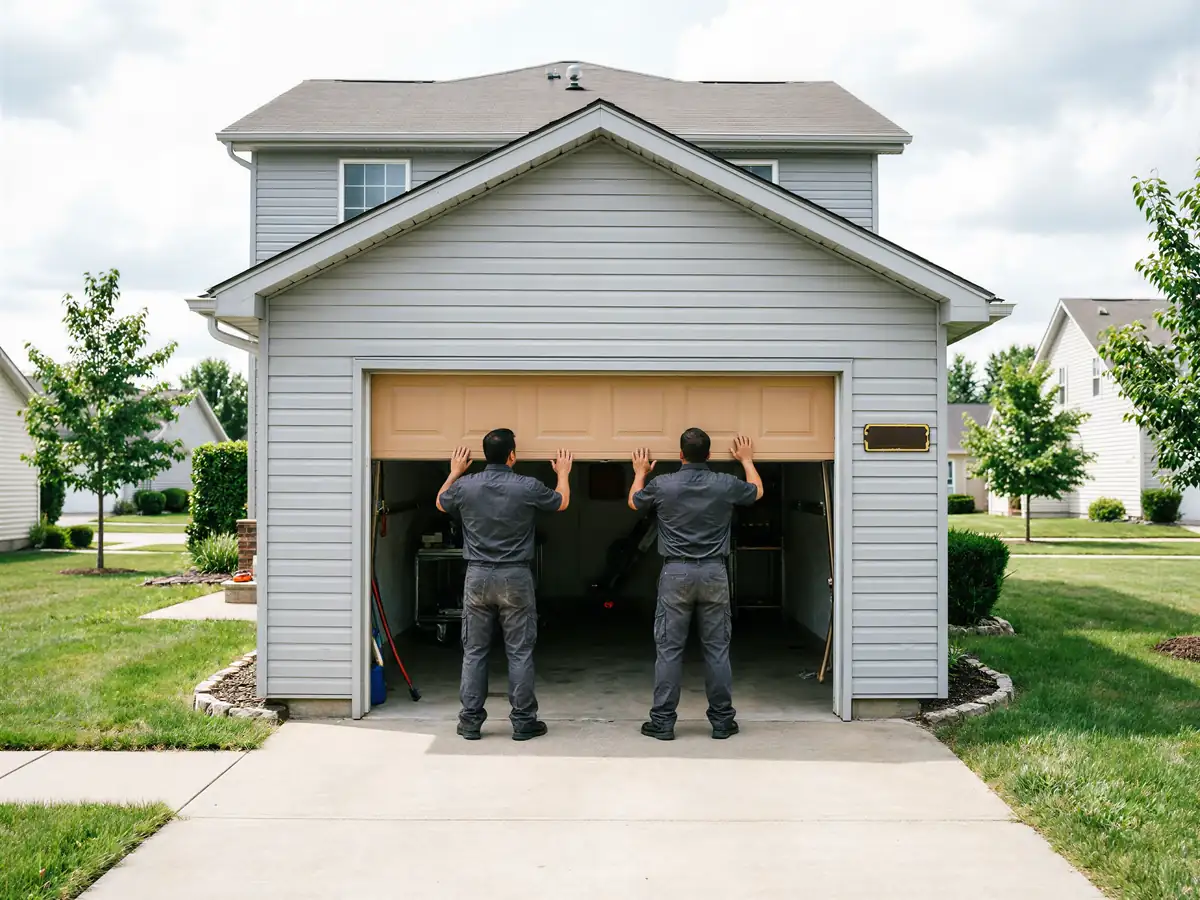
Call it in and tell us what you're seeing - whether the door is sagging, grinding, or just stopped moving. Because we're coming from Manhattan, we schedule Randolph calls rather than treat them as drop-ins, so having a rough description ready (extension spring versus torsion, approximate door width) helps us bring the right parts the first trip. You can see the Randolph page directly for repair details, or check the main Manhattan service page for the full range of work we do across the area.