Parts We Carry
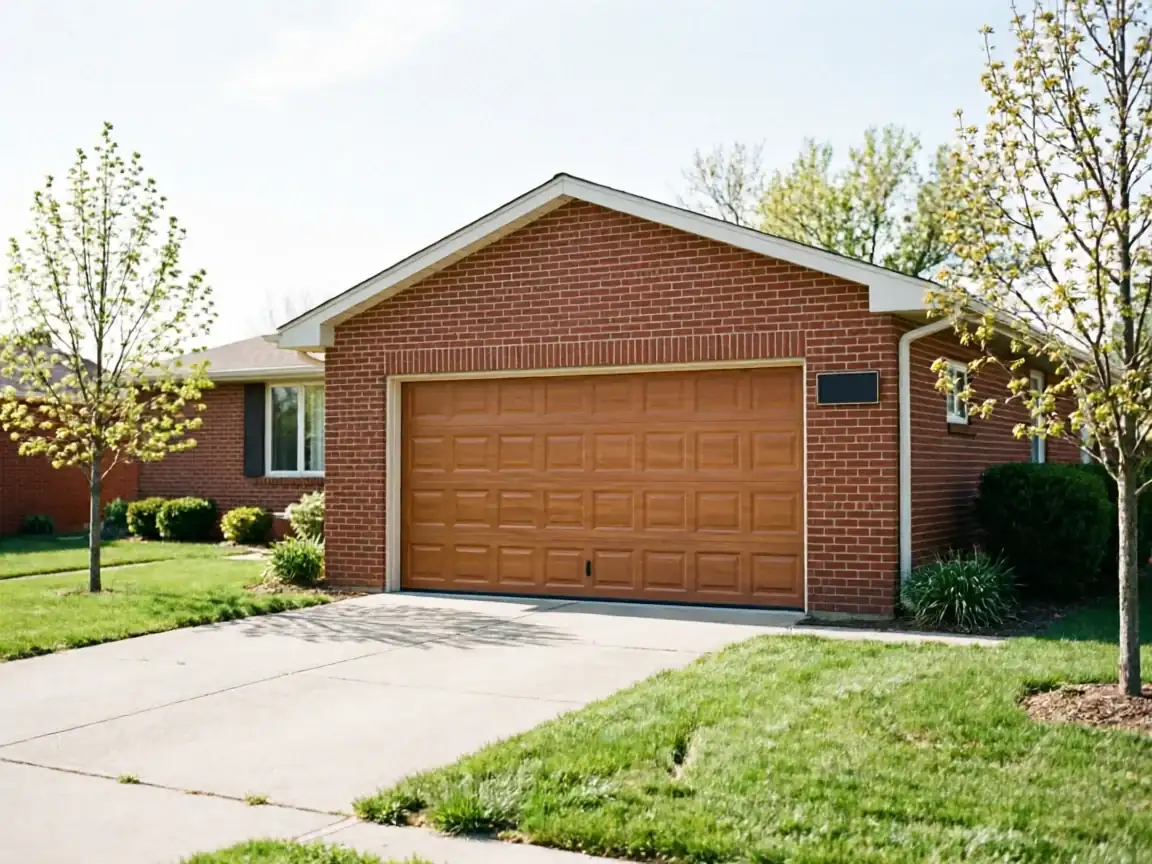
Randolph sits at the upper end of the income range we cover from Manhattan - median household income here runs $71,071, well above the service-area figure of $61,953. That number matters for one reason: it changes where the repair-or-replace line falls. A roller job on a sound door almost always pencils out at this income level, because the labor and parts cost is small next to what a homeowner here can absorb for a full door replacement later if it's not actually needed yet.
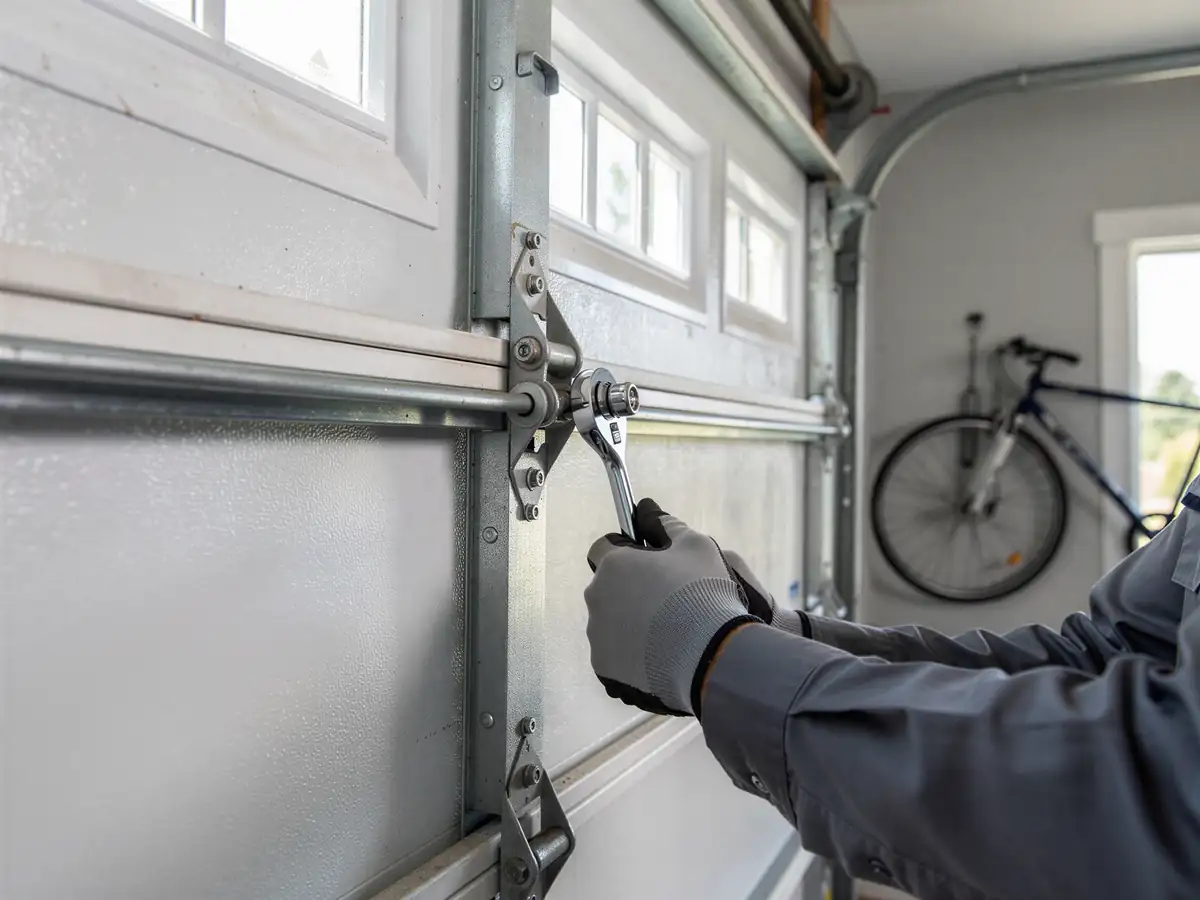
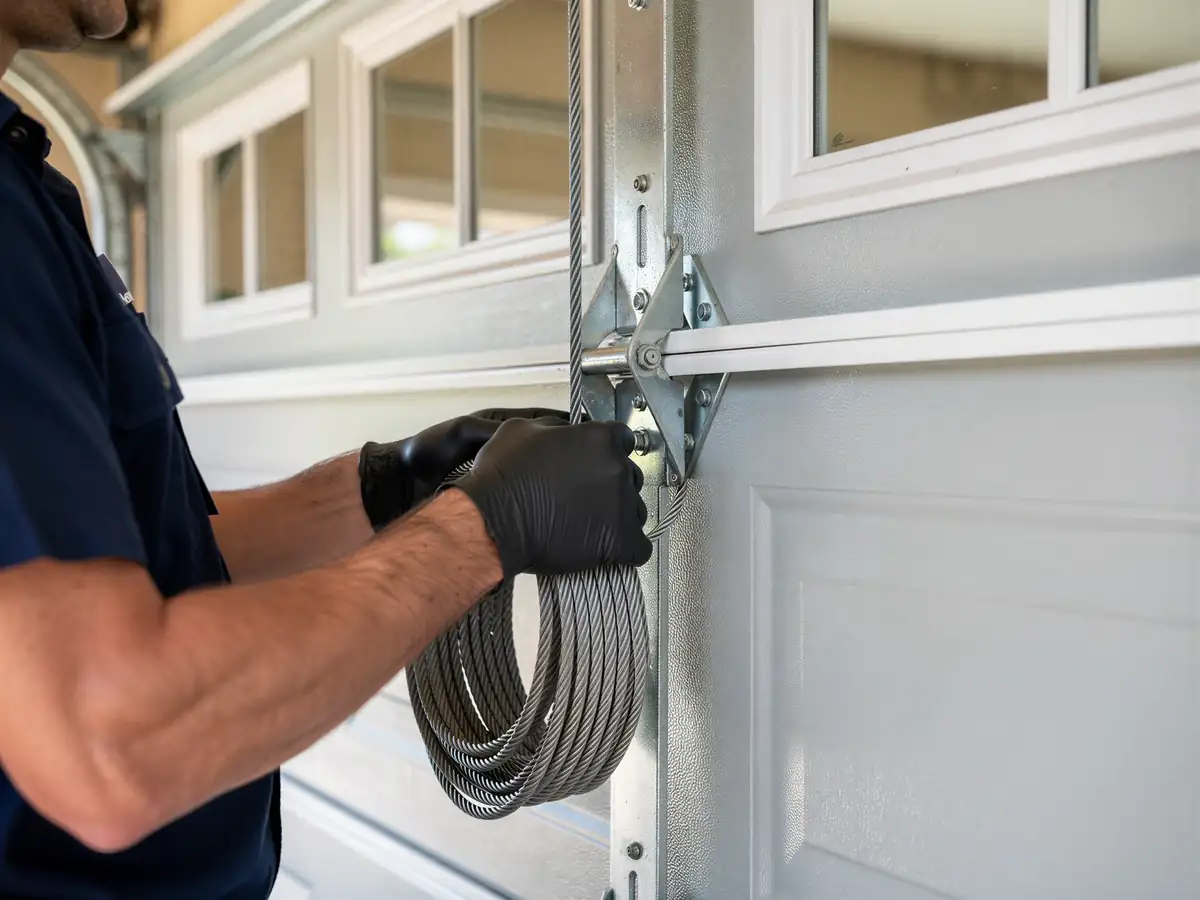
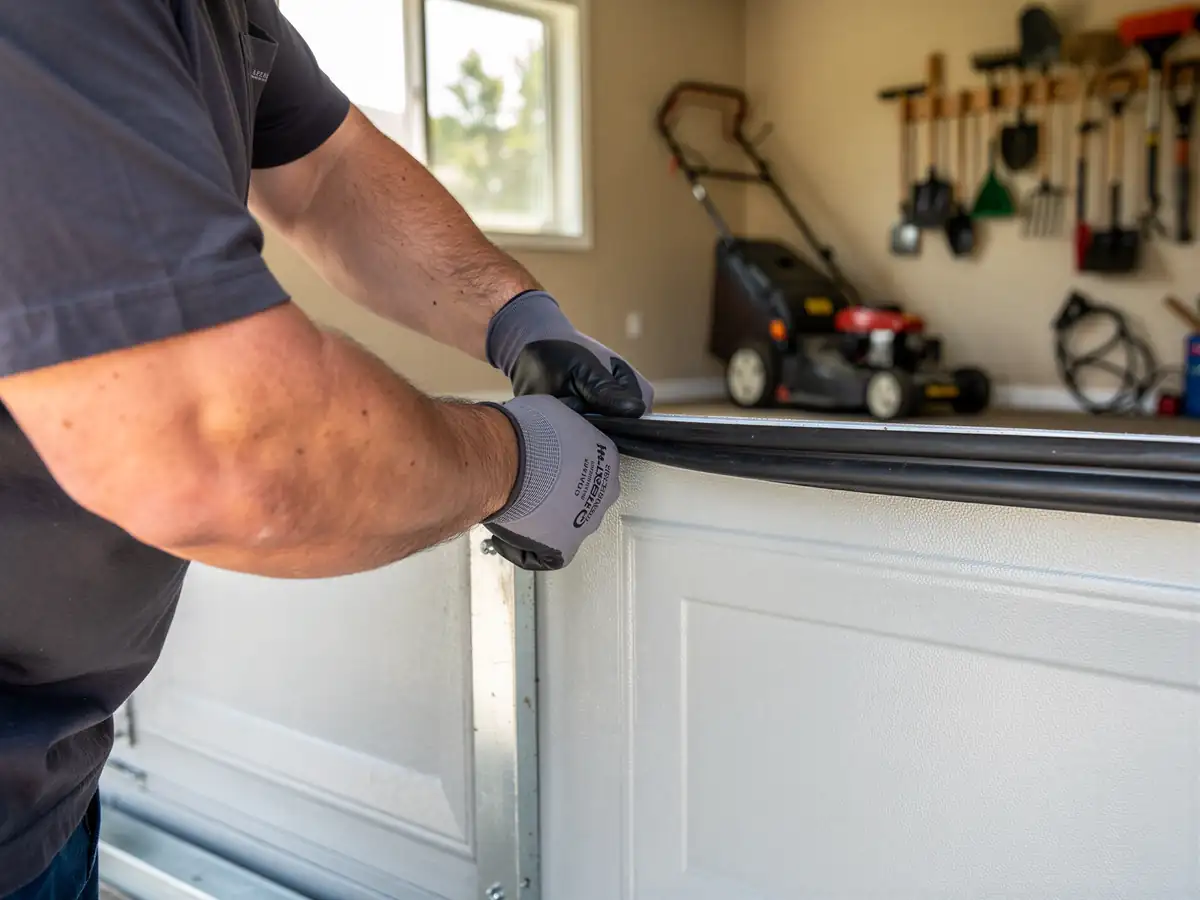
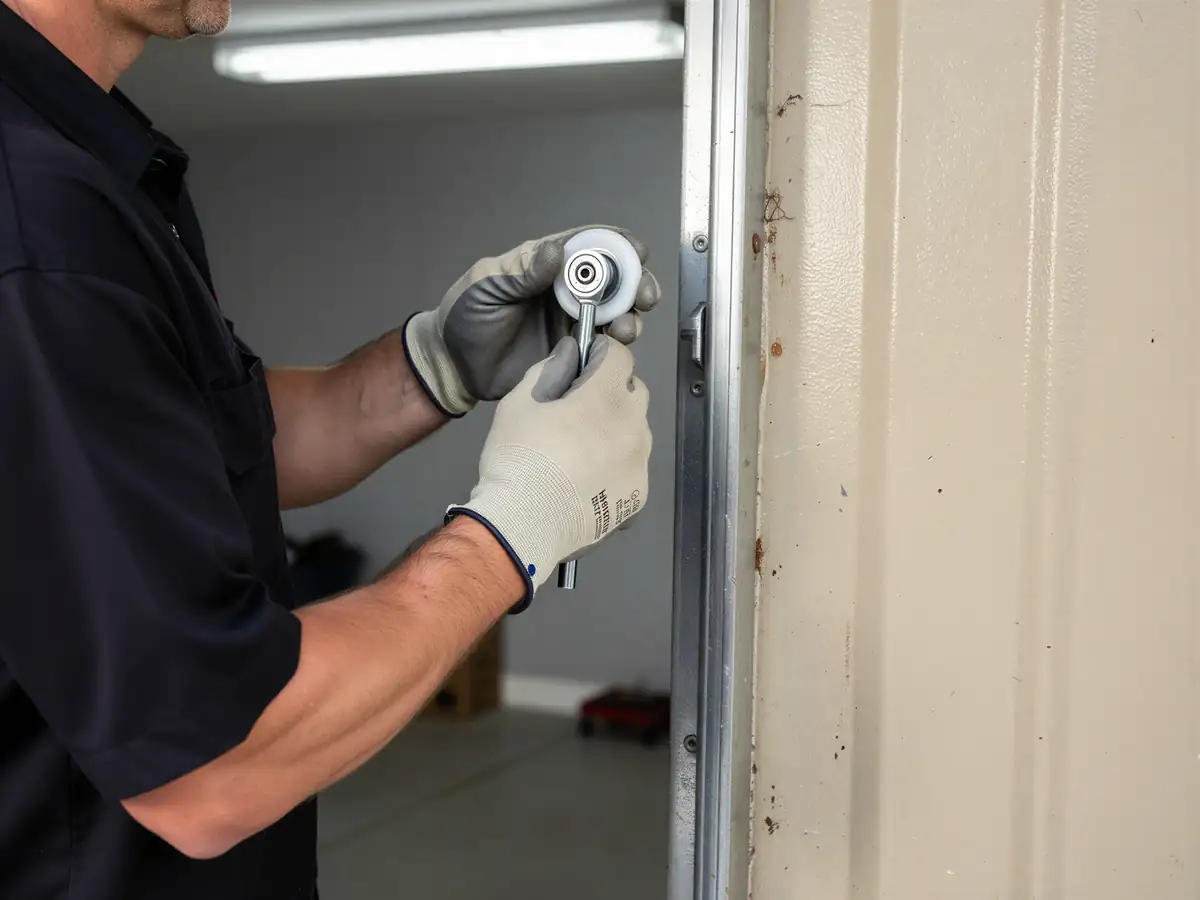
We carry nylon rollers with sealed bearings as the standard swap for steel rollers, plus the 10-ball and 13-ball bearing options for heavier doors. Randolph's housing stock mostly dates to the 1960s and 70s, with a median build year of 1974 across the wider area, so we also stock the shorter-stem rollers that fit the narrower track common on doors from that era. We don't carry every obscure roller size on the truck - if a door has a track width outside the standard runs, that part gets ordered and the job becomes a two-trip visit.
Why This Fails Locally
A door built around 1974 almost always shipped with plain steel rollers riding directly in a steel track, no nylon bushing between them. In a cold climate - and this area sits in a cold-moderate band - that steel-on-steel contact stiffens up every winter morning. The grease dries out, the roller stem wears oval instead of round, and the door starts binding at the same spot on the track every time.
This isn't a Manhattan problem translated onto Randolph; it's specific to how many doors here are still running original or first-generation-replacement steel rollers from that build era. Newer doors elsewhere in the service area, going up as late as 2007, came standard with nylon rollers and don't show this pattern the same way. Here, the fix is almost never the opener or the spring - it's rollers that have worn enough to let the door walk sideways in the track, which eventually chews up the track itself if it sits too long.
How Long You Are Without the Door
We're coming from Manhattan, 19 miles out
So there's no walk-in counter or local branch to swing by. If the rollers on the truck match what your door needs, the swap itself takes under an hour once we're on site. If your door needs the less common stem length, that part gets ordered and we come back for a second visit - we won't pretend otherwise. With only 72 households in Randolph, this isn't a route we run daily, so scheduling a roller job here usually means picking a day rather than getting a same-morning slot.
- 19 miles
- 72 households
In the meantime, a door riding on worn rollers can usually still be opened and closed by hand or opener
Just louder and rougher than it should be. We'd rather you keep using it carefully than leave the car stuck inside waiting on us, as long as it's not jumping the track.
What You Are Seeing
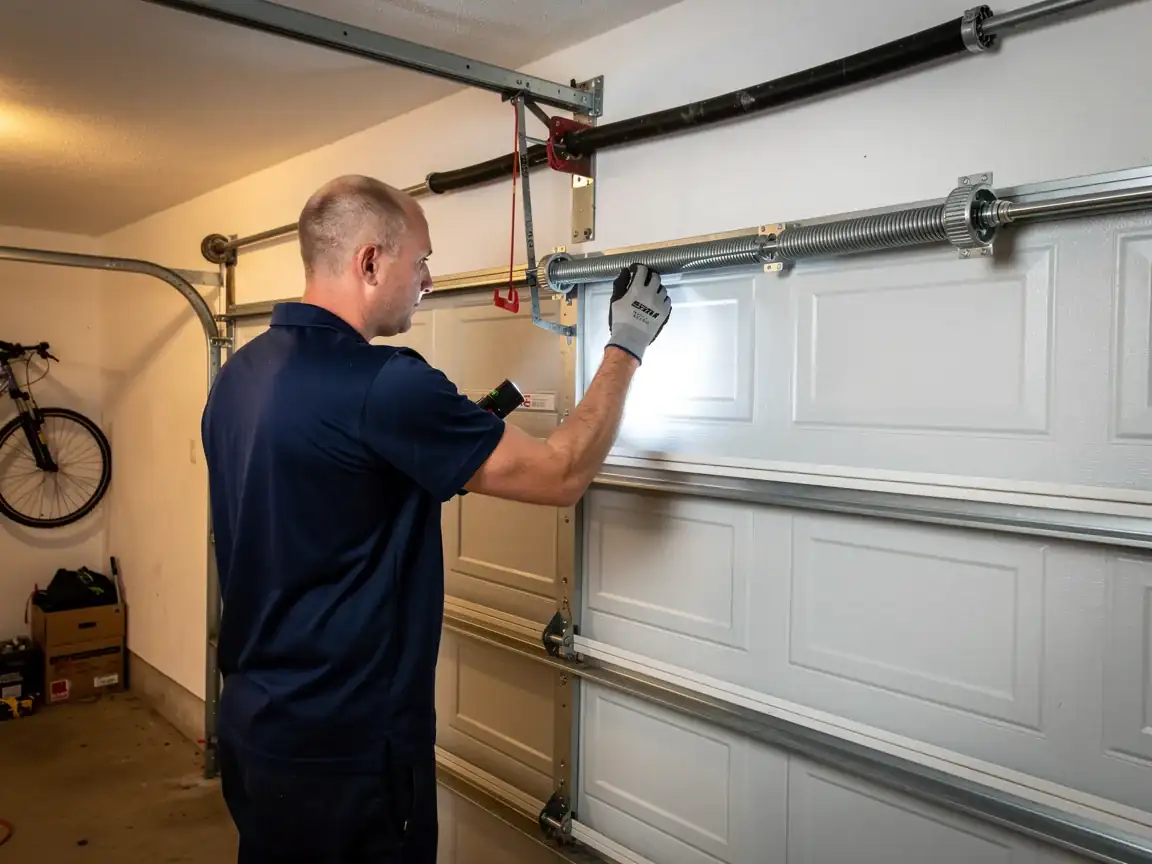
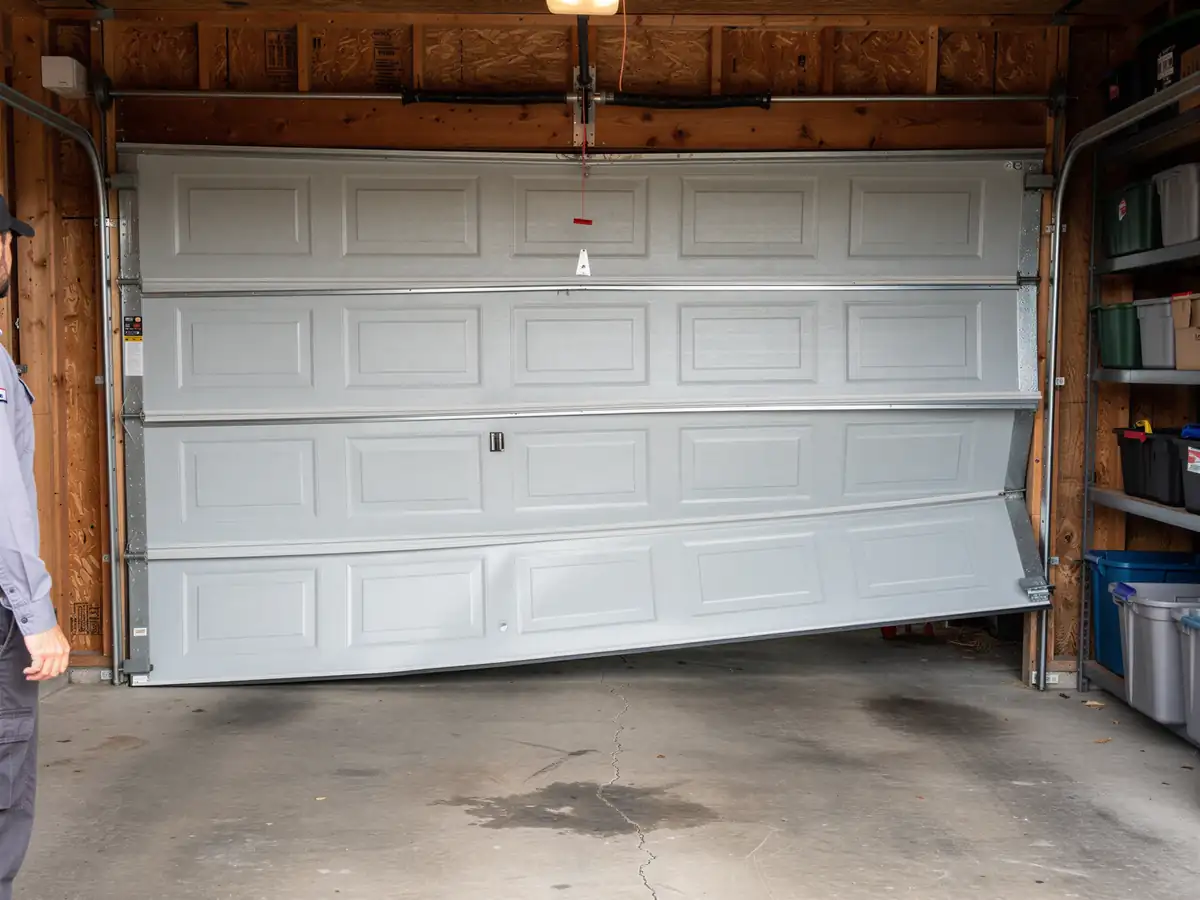
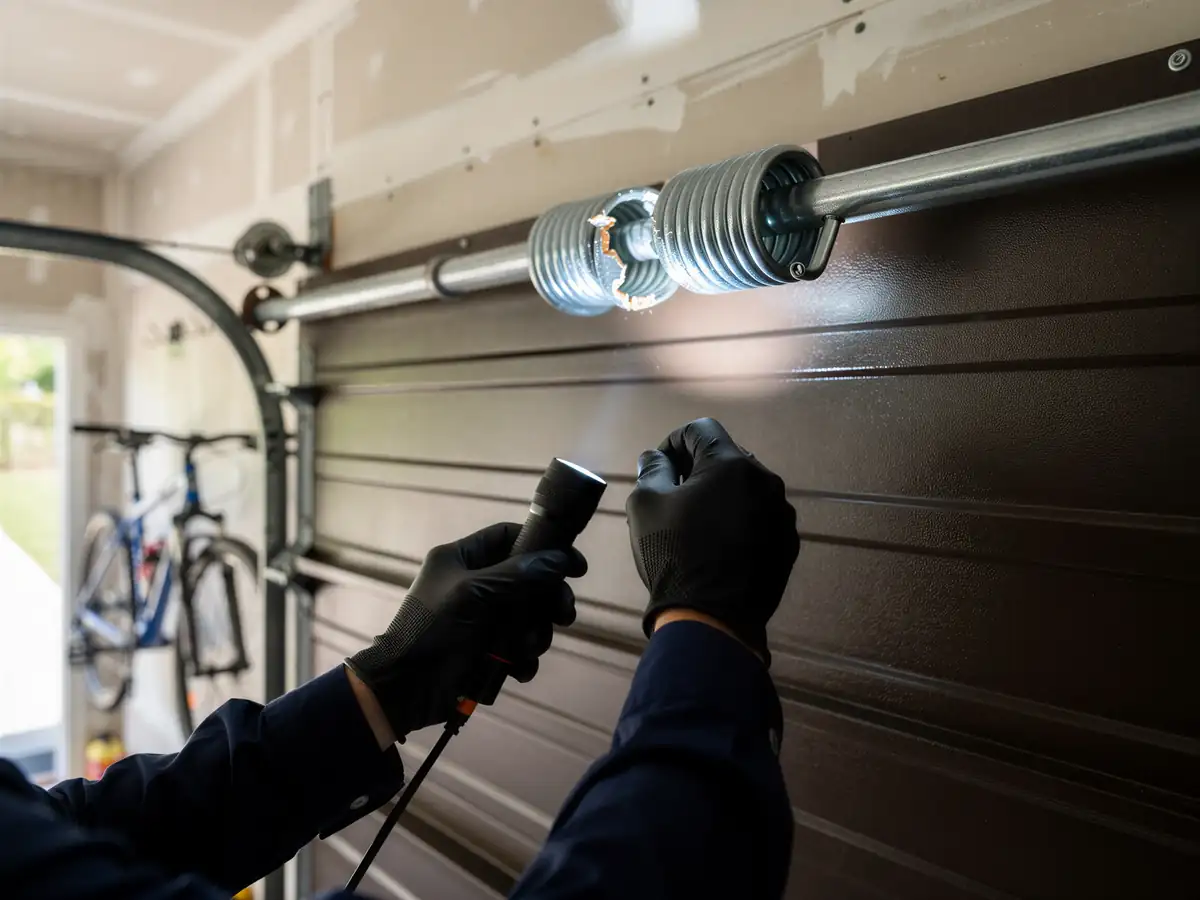
The usual signs on a 1970s-era door: a grinding or scraping sound as the door travels, especially right where the track curves from vertical to horizontal. You might see the door hesitate or jerk at that same spot every cycle. Look at the rollers themselves if you can get a flashlight on them - flat spots worn into what should be a round wheel, or a stem that's gone shiny and loose in its bracket, both point to roller failure rather than a spring or opener problem.
If the door has started to lean or rock side to side as it moves, that's usually one or two rollers gone bad on one side while the others still hold, which puts uneven strain on the track and the hinges next to those rollers. Left alone, that unevenness bends the track, and then you're paying for track replacement on top of rollers.
How to Book
If what you're seeing matches worn rollers rather than a spring or opener fault, the Randolph repair page has the full rundown on how we handle calls out this way: /randolph-garage-door-repair/. If you're comparing this against a full door replacement decision for a house in the wider Manhattan area, that comparison lives on our main roller replacement page: /garage-door-roller-replacement-manhattan-ks. Either way, tell us what you're seeing and whether the door still opens smoothly by hand - that detail alone usually tells us whether to bring standard rollers or plan for a second trip.