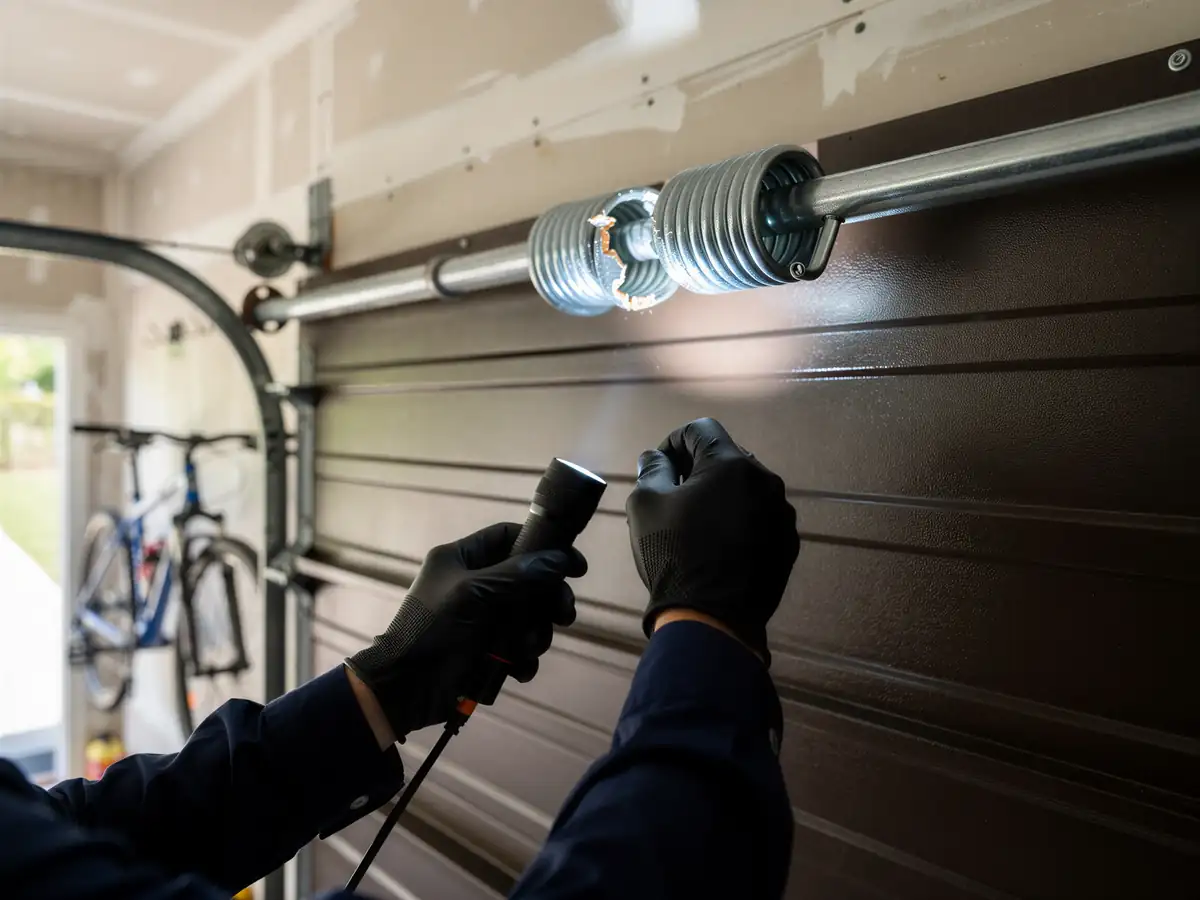
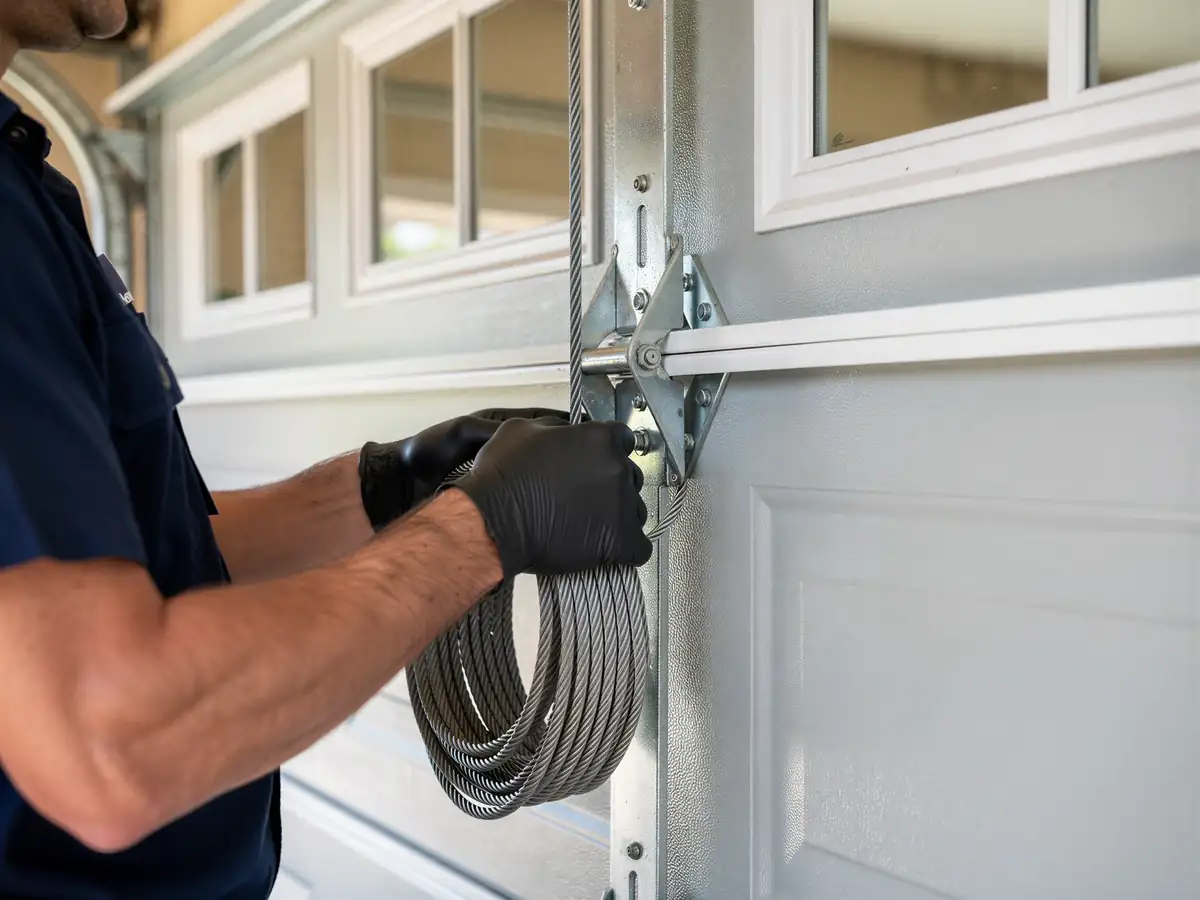
What You Are Seeing
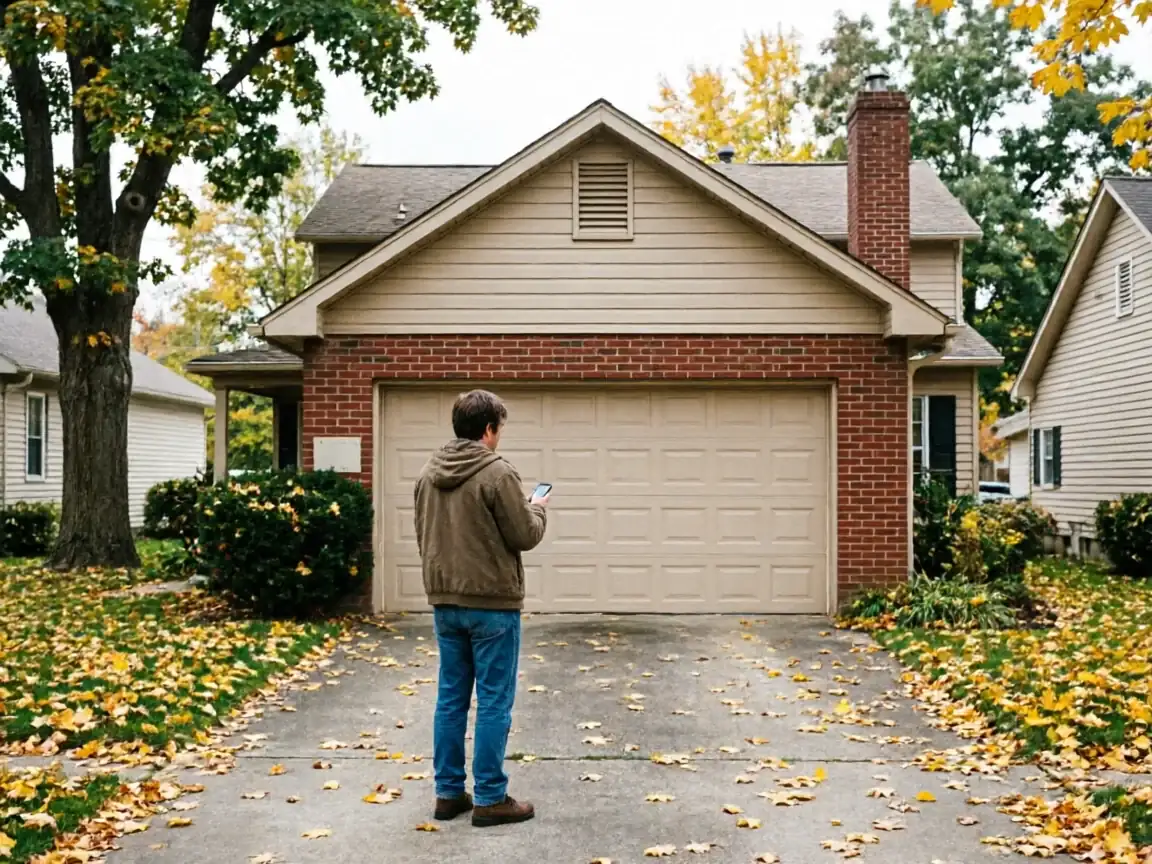
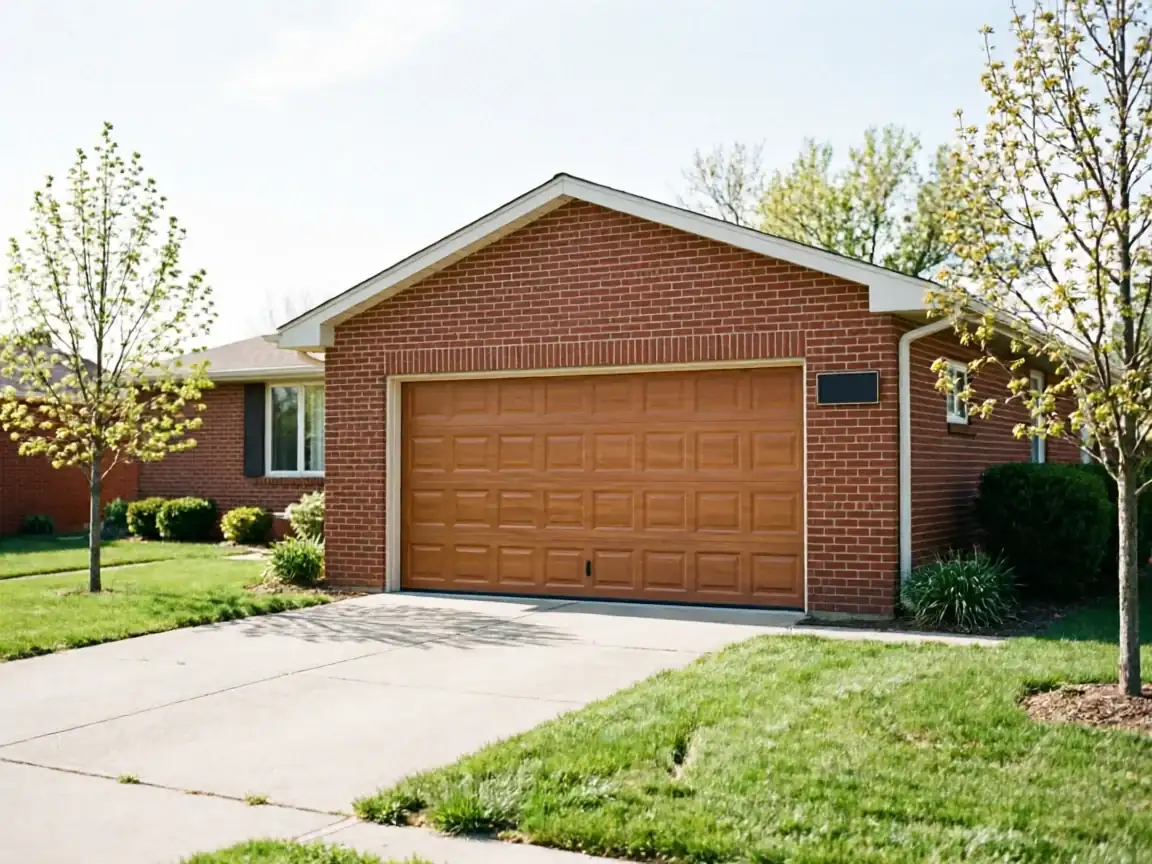
Junction City's housing stock runs younger than a lot of what we see closer to Manhattan - the median home here was built around 1983, which puts most garages into a specific hardware window. A door installed in the early-to-mid 1980s almost never got its lift cables swapped unless something already broke. Galvanized aircraft cable from that era wasn't rated for forty years of winter flex, and in this part of Kansas the cold snaps hard enough, often enough, that the steel fatigues at the drum and at the bottom bracket long before the door itself looks worn. If your door is original to a house built in that window, the cable on it is original too, and it's past the point where "it still works" means much. We cover this town from our Manhattan shop, about 17 miles out, so when we come out we bring what a house from this era typically needs rather than guessing on site.
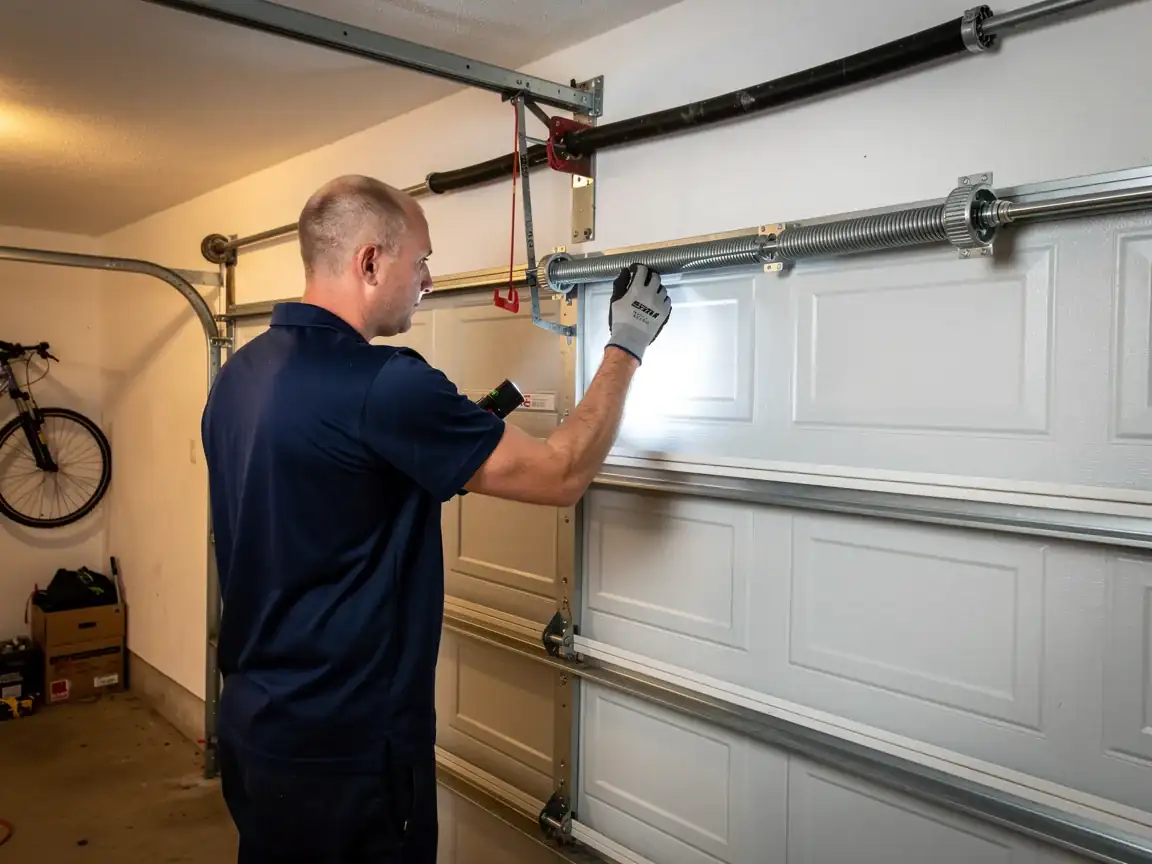
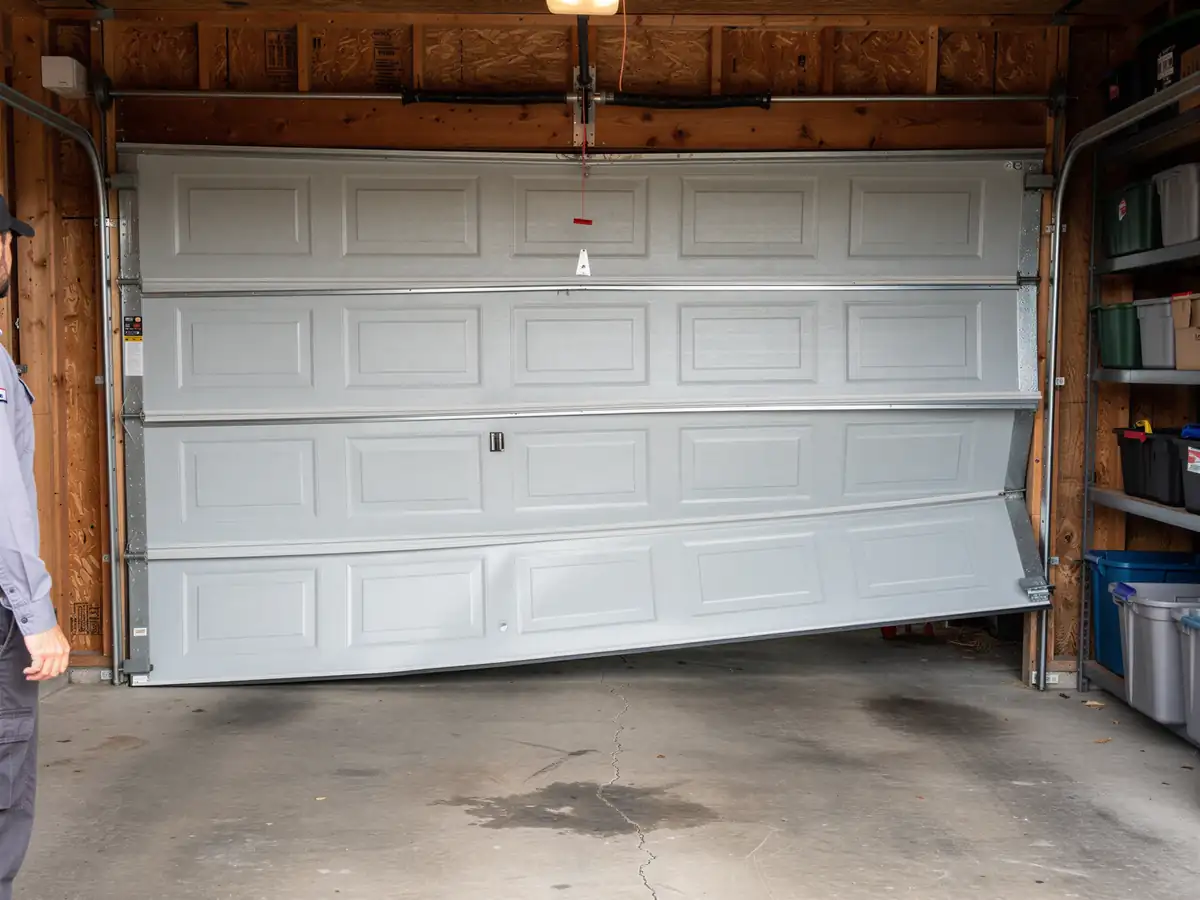
What you're usually seeing is one cable stretched longer than its pair, a door that sits crooked when it's down, or a loud bang at the top of the track when a cable finally lets go under tension. None of that is rare for a door this age - it's just due.
Parts We Carry
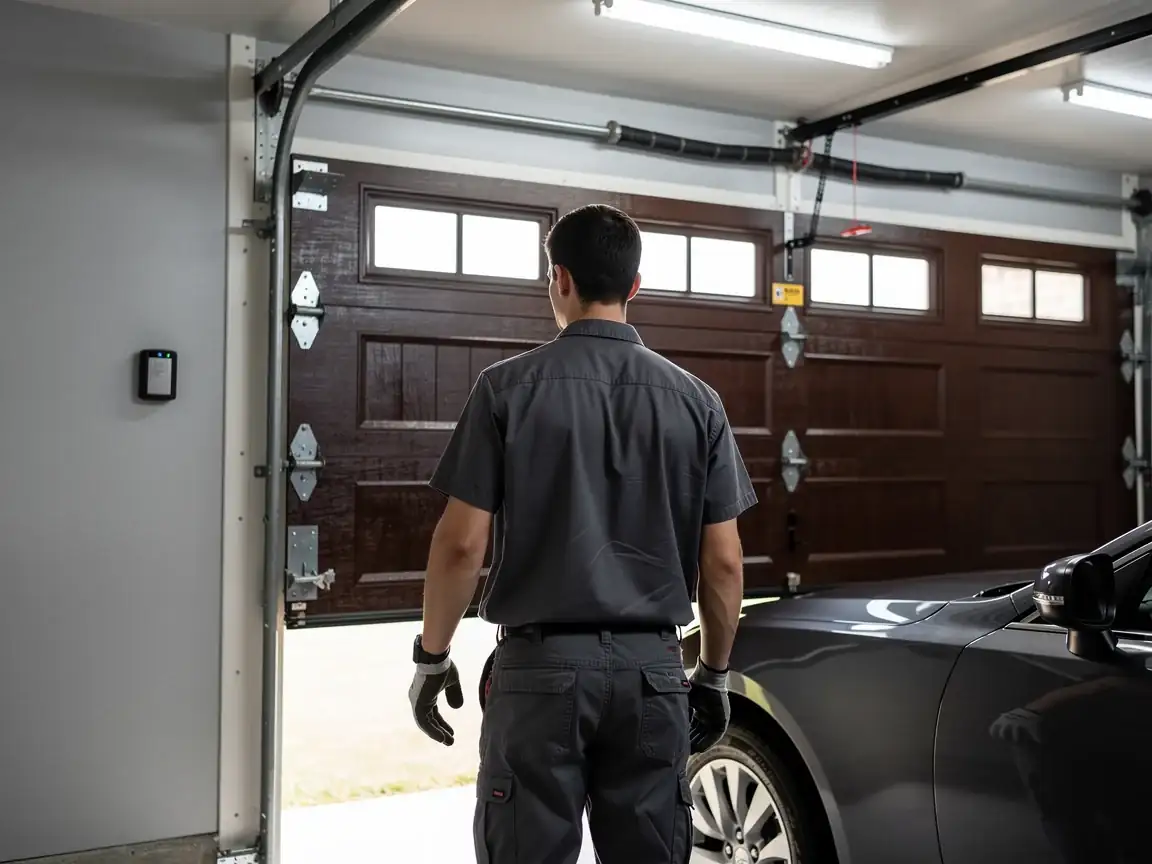
For houses built in the early 1980s we stock galvanized lift cable sized to the drums and extension or torsion setups common on that generation of door - most of Junction City's garages run one or the other, not the single-spring residential systems you see on much older construction. We carry standard bottom brackets and the small aluminum ferrules that crimp the cable end, since those wear out alongside the cable itself and swapping cable without them is a half-repair. We also keep drums on hand, because a cable that's been fraying for a while often chews a groove into the drum before it snaps, and replacing cable onto a damaged drum just buys you another failure in a year.
What we don't carry on the truck is anything proprietary to a specific door brand's low-production opener-cable kits - those are special order, and if your door turns out to need one, we'll tell you that up front rather than making a return trip look routine.
What the Fix Involves
First we release the tension
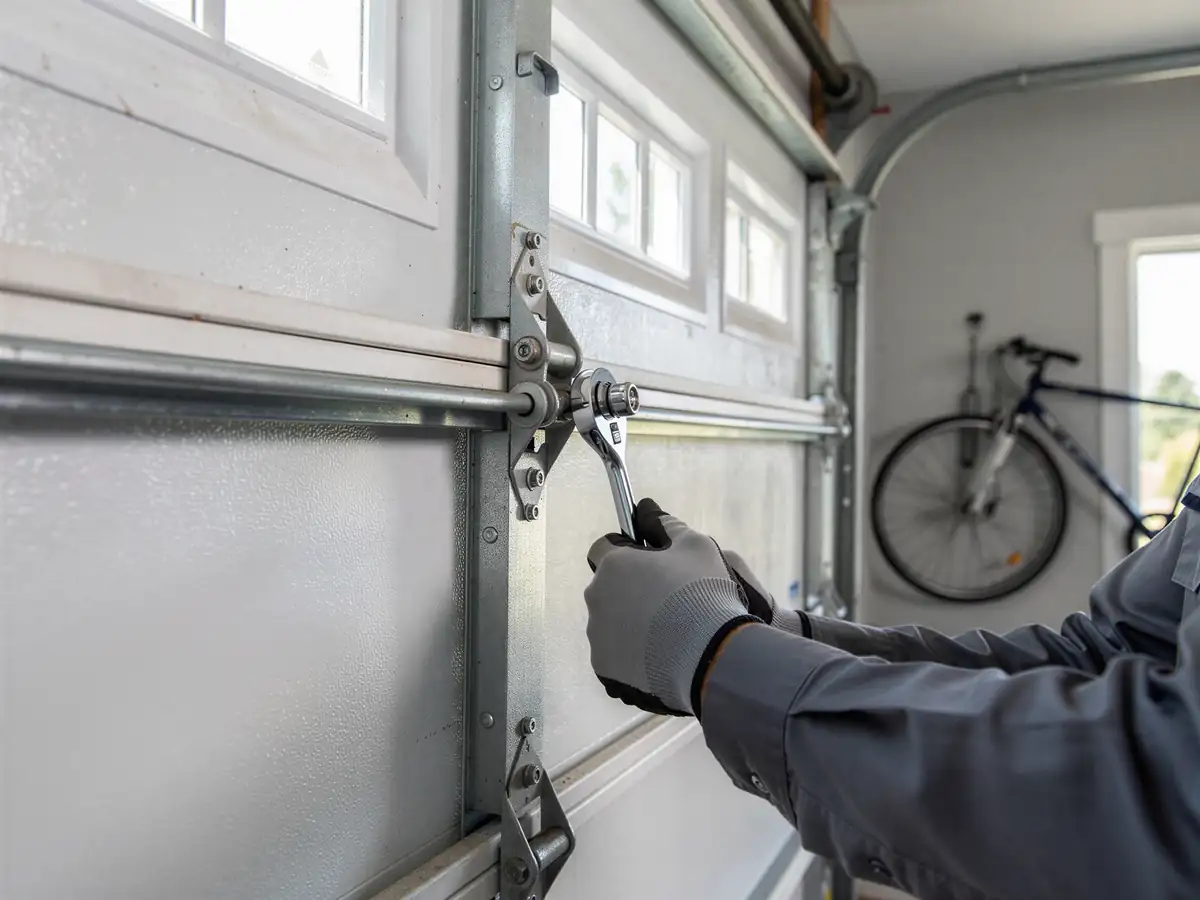
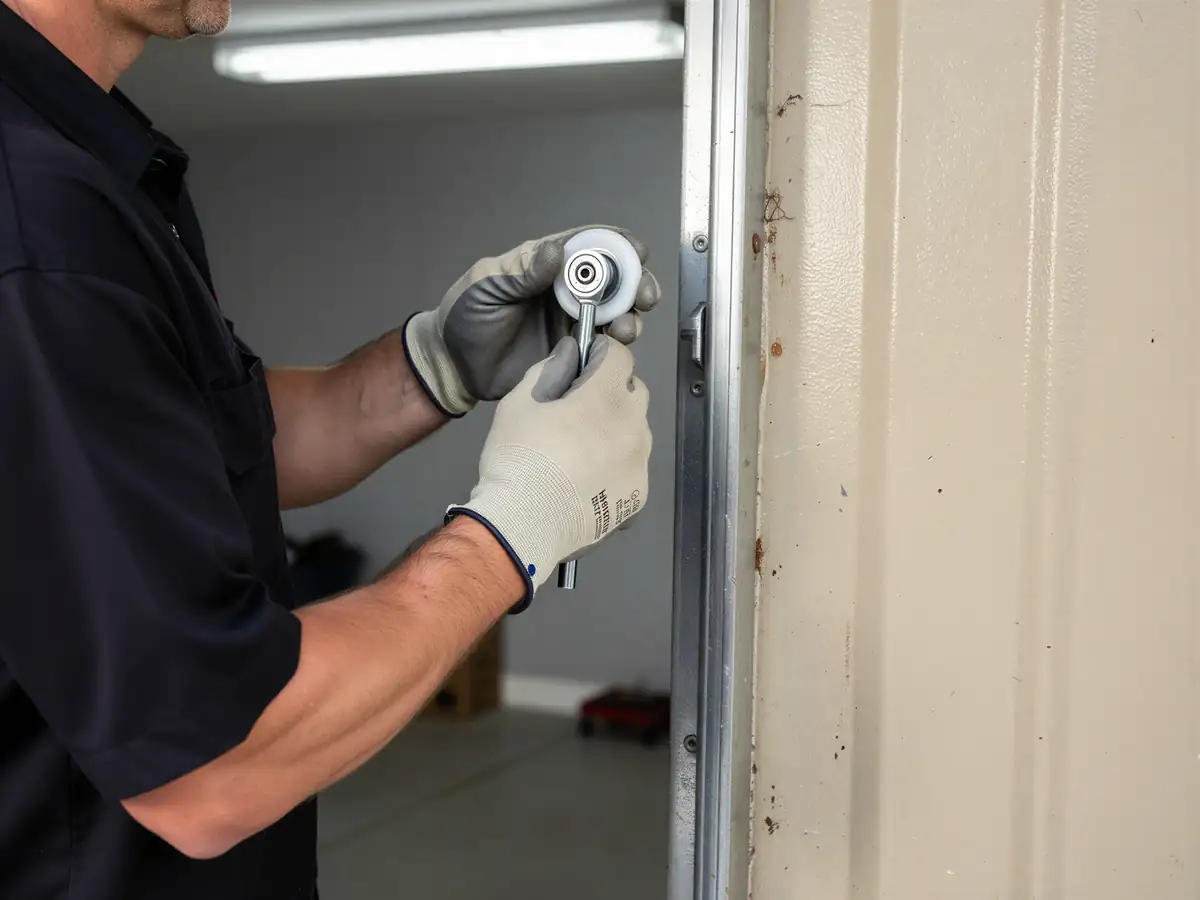
On a torsion system that means clamping the spring bar before anything else happens, because a cable job on a loaded spring is how people get hurt. On extension-spring doors, tension comes off differently but the order matters the same way. Once the door's hardware is safe, we pull the old cable off the drum and bracket, check the drum groove and the bottom bracket for wear, and run new galvanized cable sized to match.
With houses from the early 1980s, we also check the other cable even if it hasn't failed yet
Cable comes in pairs for a reason - if one side is forty years old and frayed, the other side is the same age and just hasn't gotten there yet. We'll show you the wear before we touch it, not after.
What You Pay
We don't have a posted price for cable repair specific to Junction City, and we're not going to invent one here - labor, parts, and whether a drum or bracket needs replacing alongside the cable all move the number. What we can tell you is that a cable job on its own, without spring or opener work layered on, is one of the more contained repairs we do. If you want a number before we drive out, call and describe what the door's doing; a cable that's frayed but intact quotes differently than a cable that's already snapped and let the door drop.
Can You Do This Yourself
Honestly, no - not on a loaded system. The cable is almost never the whole problem; it's holding tension against a spring, and releasing or resetting that tension wrong is how people lose fingers or get hit by a door panel. If you're comfortable and the door is already fully down with the opener disconnected, you can safely inspect the cable for fraying, check the bottom bracket for rust, and decide whether it's worth a call - that part's fine. Past that point, this is a job where the tool for the work is a winding bar and an unloaded spring, not a pair of pliers and good intentions.