What You Are Seeing
Junction City has roughly 9,240 households, which is enough volume that roller failure shows up as a recognizable pattern rather than a one-off. The median home here was built around 1983, which puts most garage doors on steel track with the nylon or plain-steel rollers that were standard on builder-grade doors of that era. Those rollers were not made to run forever. After 20-plus years of cold-weather cycling, the stem bends, the roller wheel flattens on one side, or the bearing just seizes.
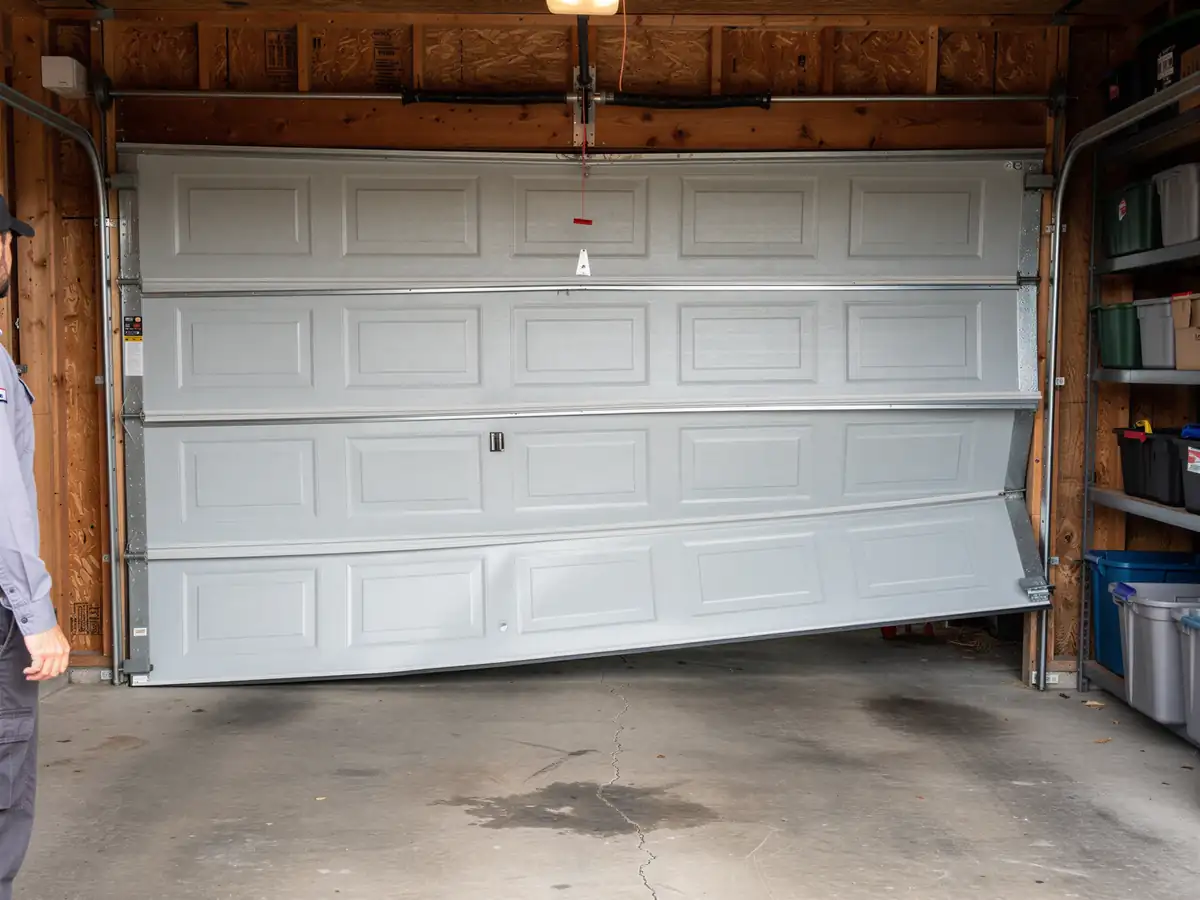
You'll hear it before you see it: a grinding or popping noise as the door travels, usually worse on one side than the other. Sometimes the door hops slightly in the track at the same spot every time. That's a worn roller catching on a seam in the track, not a spring or opener problem, even though homeowners often assume it's the motor. If the door still opens and closes but sounds rough doing it, rollers are the first thing we check, not the last.
Parts We Carry
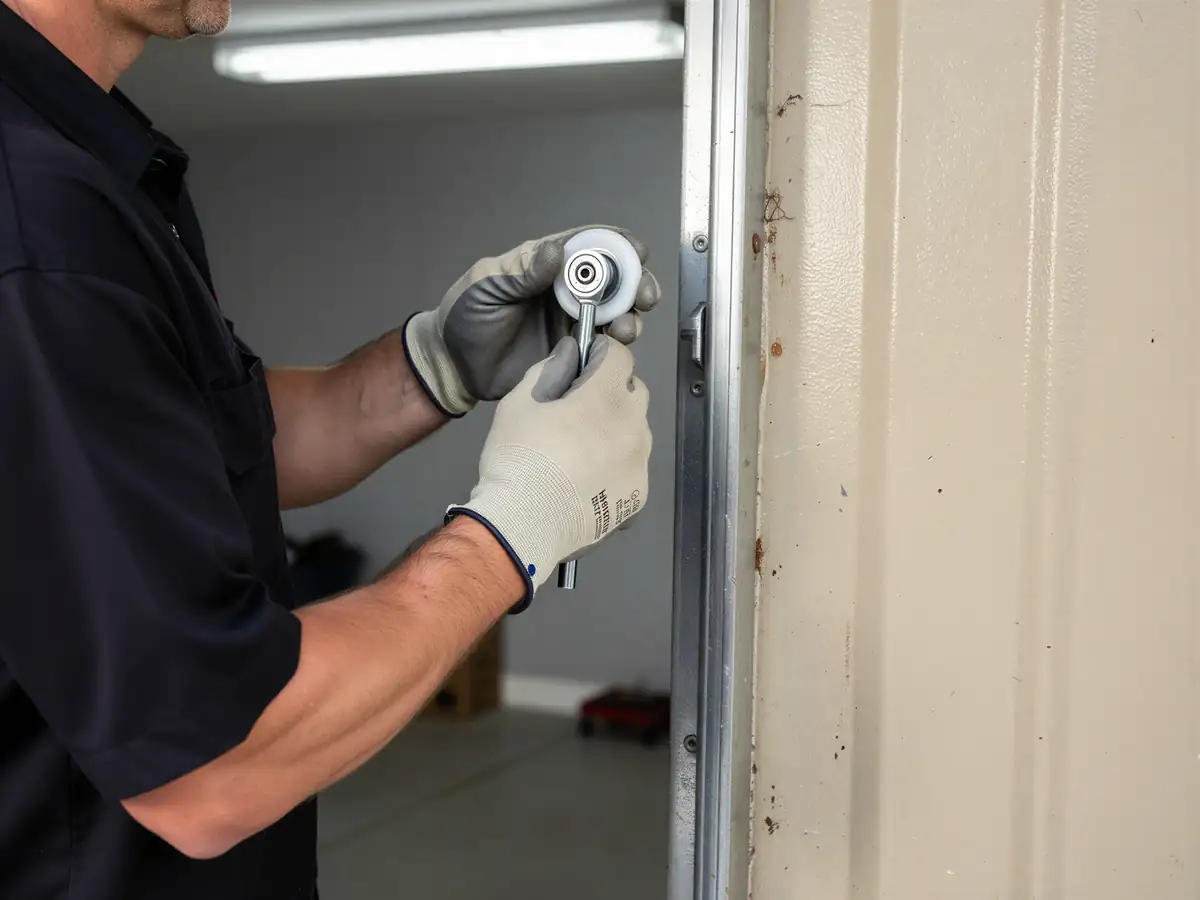
For 1980s-era doors like most of what's in Junction City, we stock steel-stem rollers with sealed ball bearings in the sizes that fit standard residential track - 2-inch and 3-inch stem lengths cover nearly everything from that build period. We also carry nylon rollers for owners who want a quieter door and don't mind swapping them again sooner.
We don't stock every proprietary roller from every door manufacturer. If your door uses an odd-sized or branded roller system, we may need to order the exact part, and that can add a day or two to the job. We'll tell you up front if that's the case rather than installing something that doesn't quite fit.
What the Fix Involves
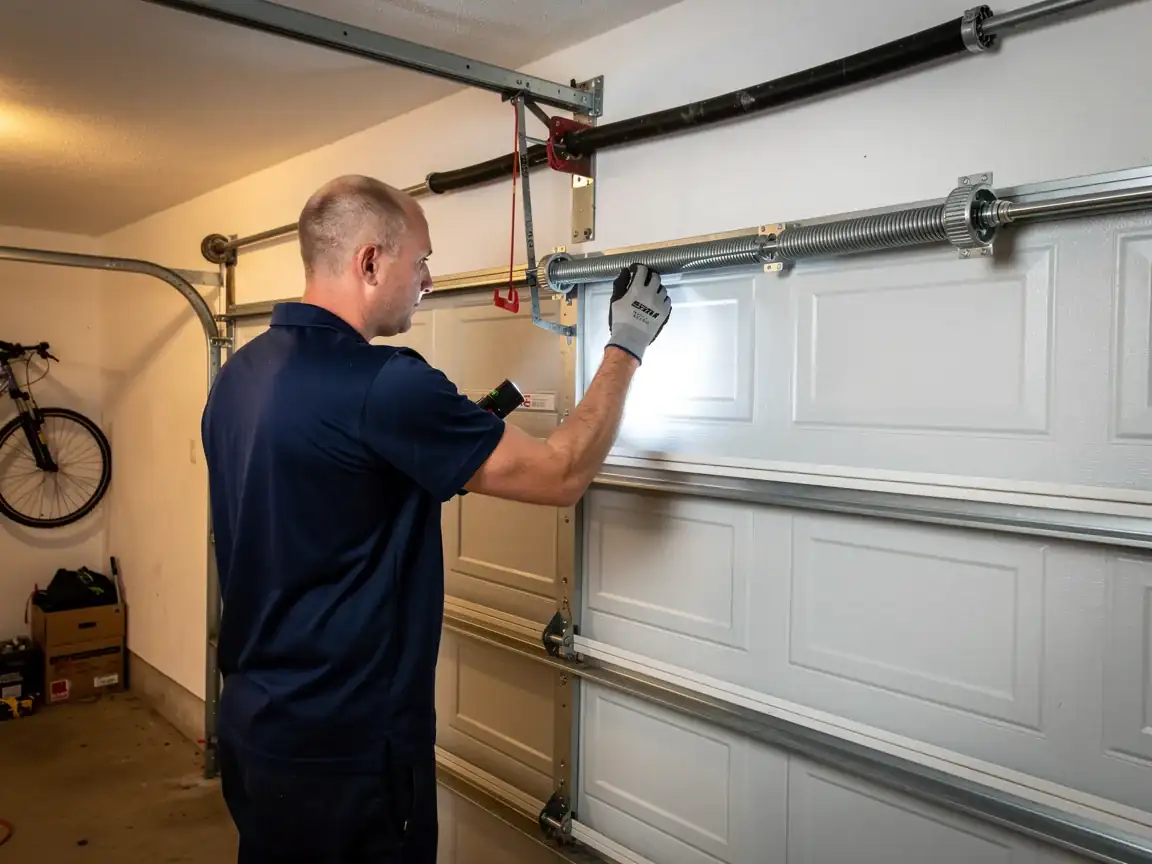
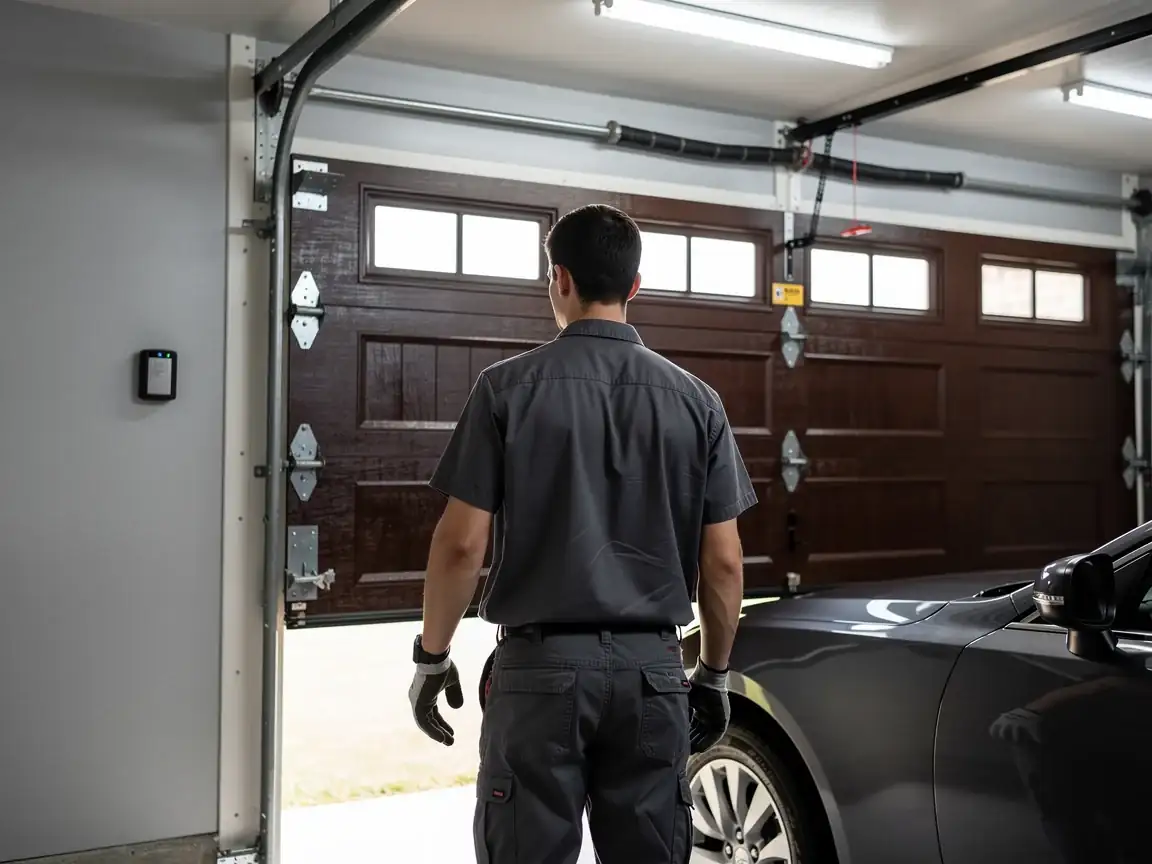
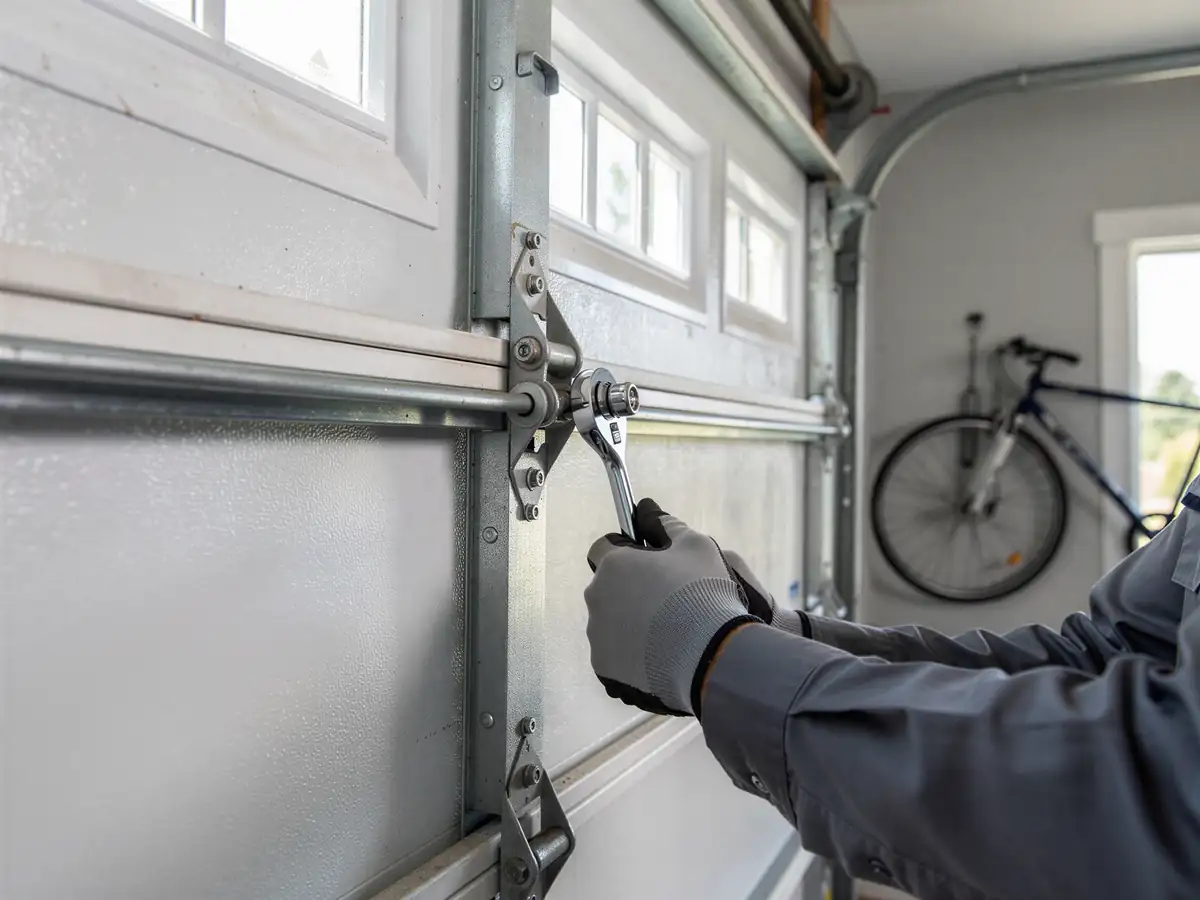
We release tension on the door, pull the roller out of the track bracket by bracket
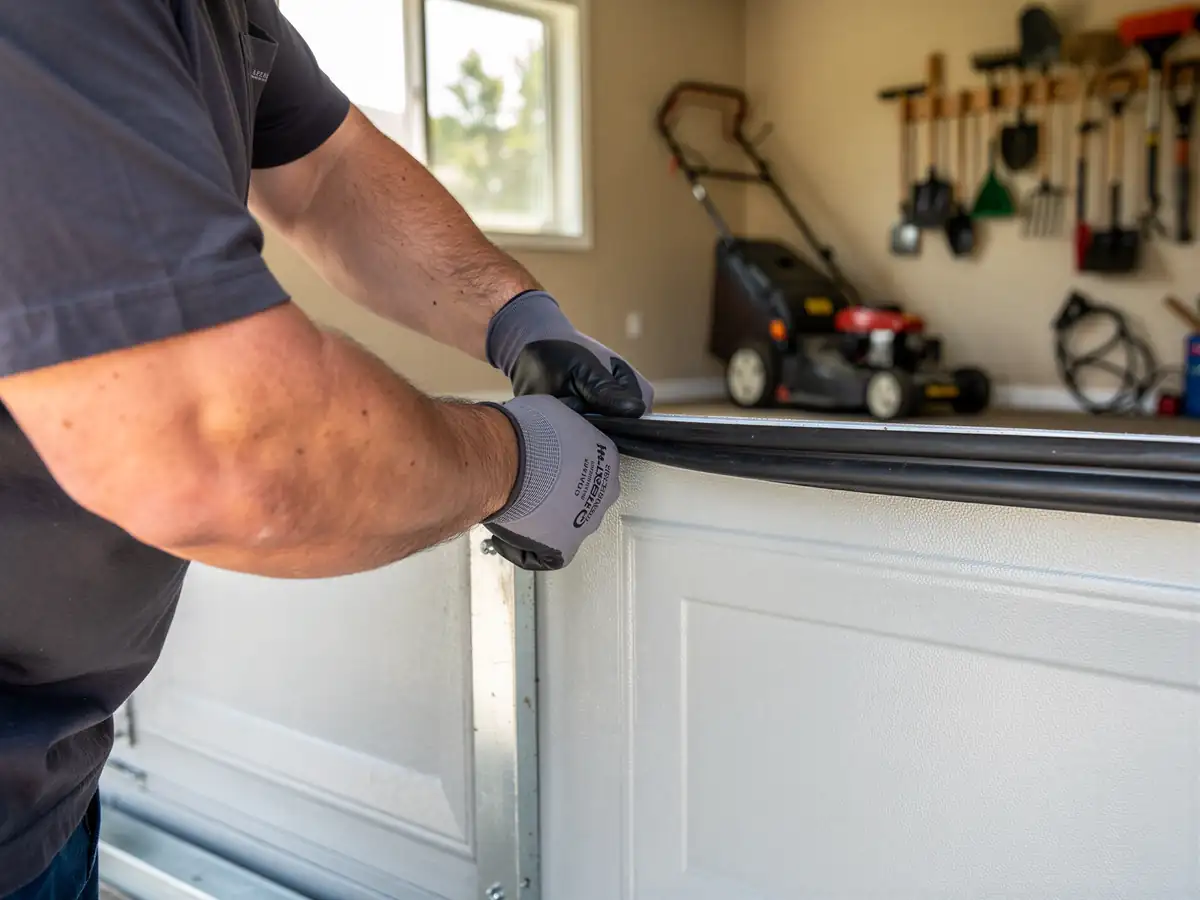
And replace them one at a time so the door never comes fully off the track. On a standard double door that's eight to ten rollers; a single door usually runs six to eight. We check the track alignment while we're in there, since a bent track section is often what wore the old rollers out faster than it should have.
We also look at the hinges the rollers sit in
On a door built around 1983, those hinges have usually taken 40-plus years of flex and can be bent or cracked, which puts uneven load on a brand-new roller and wears it out again in months instead of years. Replacing a hinge while we're already in the track costs little extra and saves a second visit.
What You Pay
I don't have a published price list for roller jobs in this service area, so I won't quote a number here. What I can tell you is what drives the cost: how many rollers need replacing, whether you want steel or nylon, and whether hinges or track sections need attention at the same time. A full set of steel rollers runs less than you'd expect given how long they last - it's the labor to get the door apart safely that takes the time, not the parts themselves.
Can You Do This Yourself
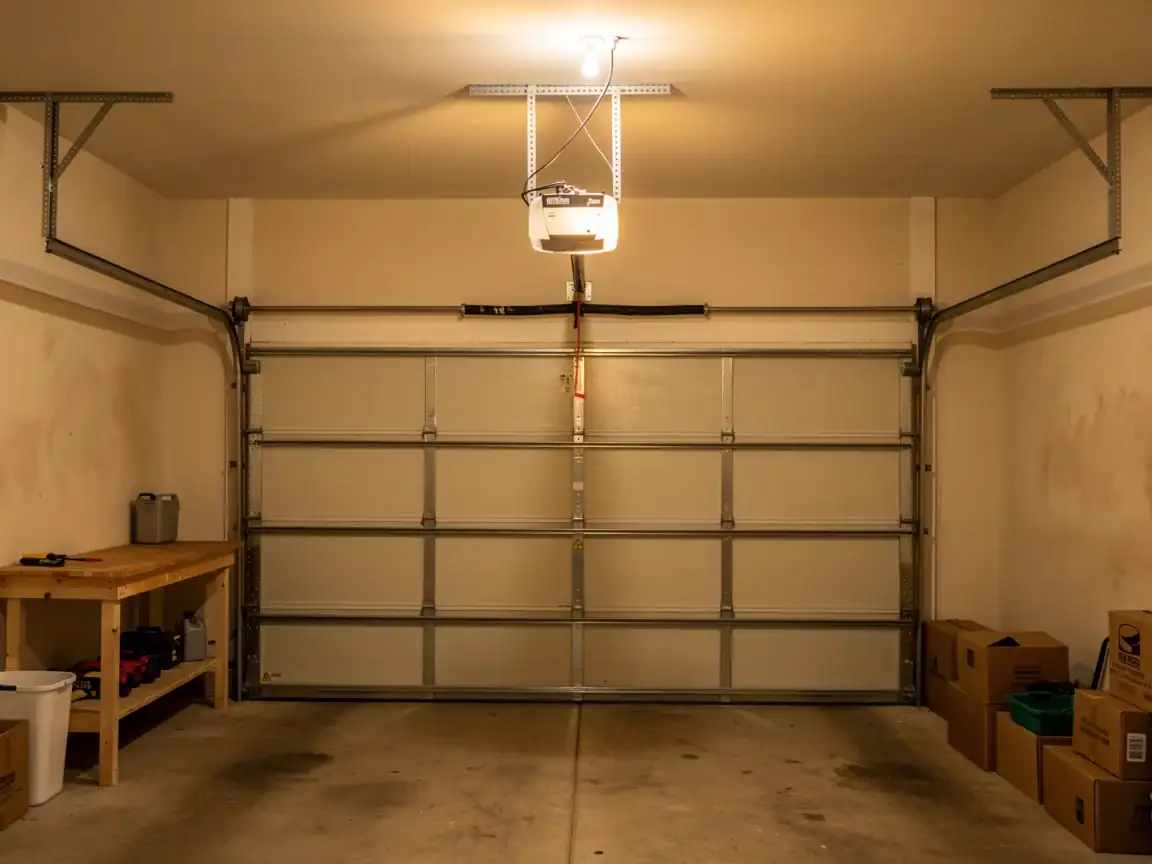
Rollers on the bottom two panels of a door are reachable without releasing spring tension and are a reasonable DIY job if you're comfortable on a ladder and have the right roller size. Rollers higher up the track, especially near the top bracket where the door meets the opener arm, are a different story - the door is under more leverage there and a slipped bracket can drop a panel on your hand.
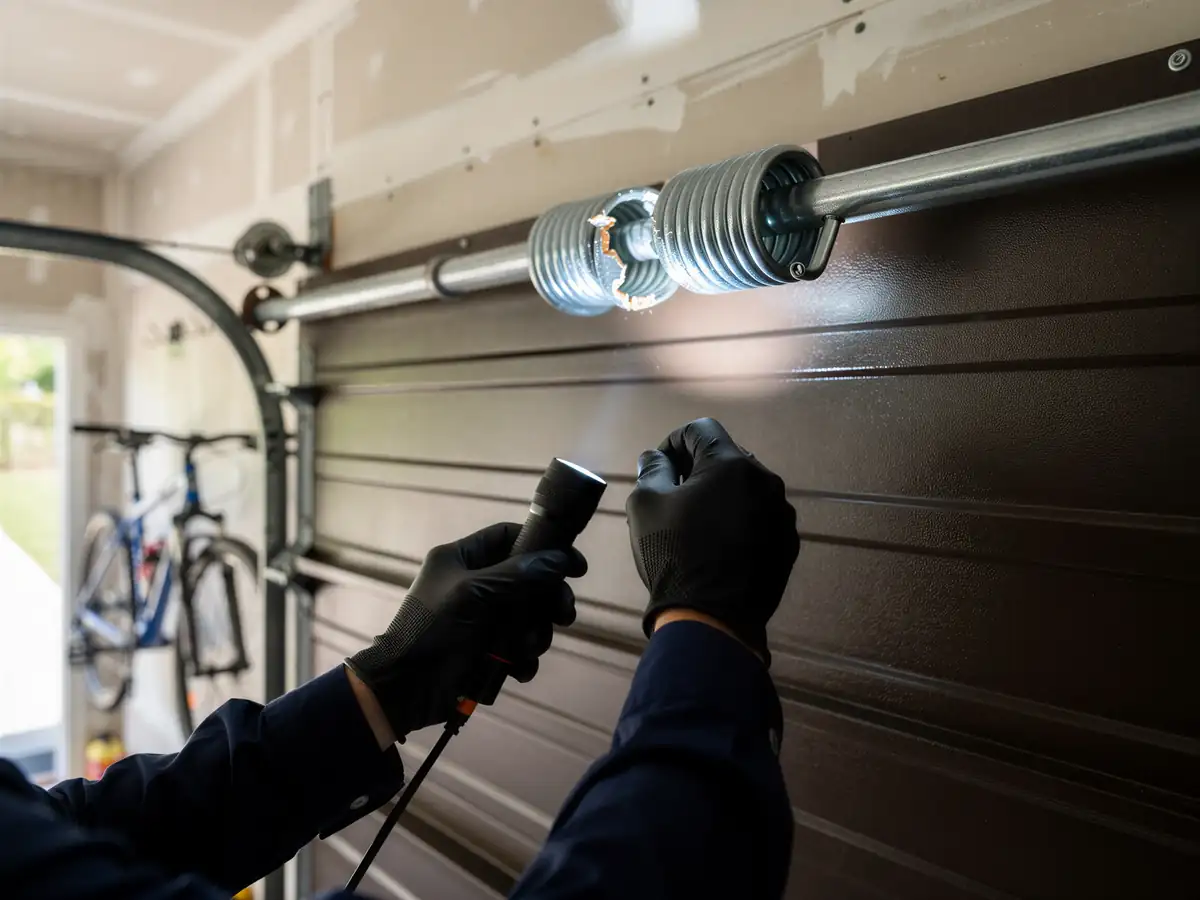
If your door has a torsion spring (the horizontal bar above the door, not two long springs on the sides), leave the top rollers to someone with the clamps for it. The spring doesn't need to come off for a roller swap, but working that close to it without the right tools is how people get hurt.
What Can Go Wrong
The most common mistake is replacing rollers without checking the track behind them
A track bent even slightly from the roller's own wear will chew through a new roller in weeks, and the owner ends up thinking the parts were bad instead of the fitting. We straighten or shim the track as part of the job when it needs it.
The other issue is mixing roller stem lengths
A 2-inch stem roller in a bracket built for 3-inch throws the door out of plumb in the track, which shows up as new noise within a month. It's an easy mistake to make buying rollers off a shelf without measuring first, which is one more reason to have someone pull the old one out and match it before ordering.