What You Are Seeing
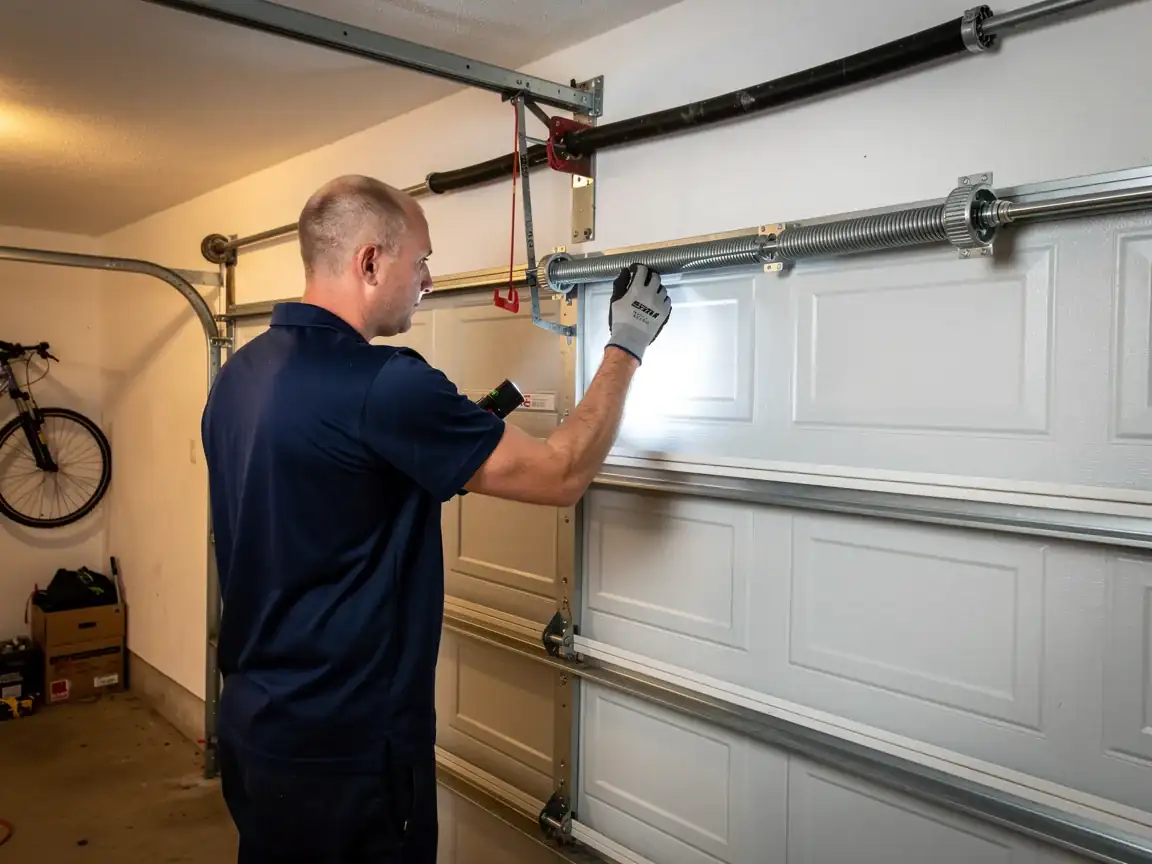
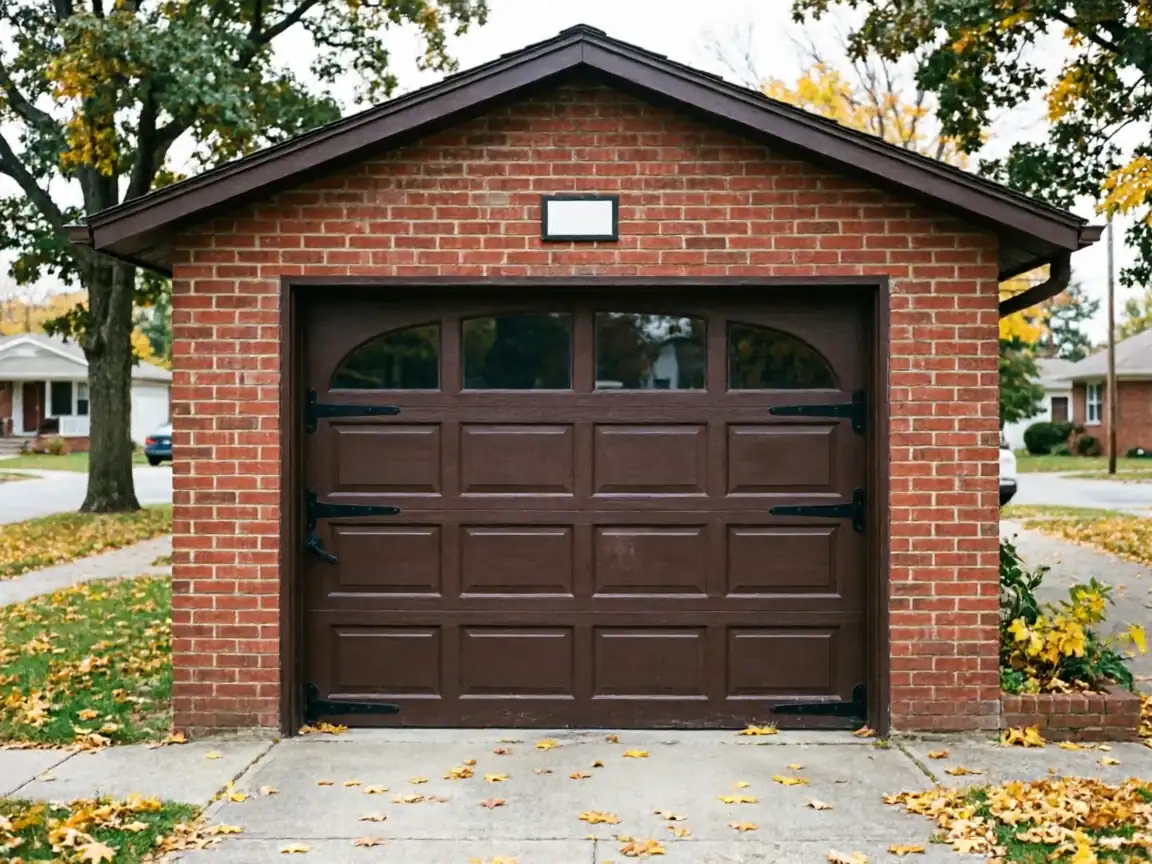
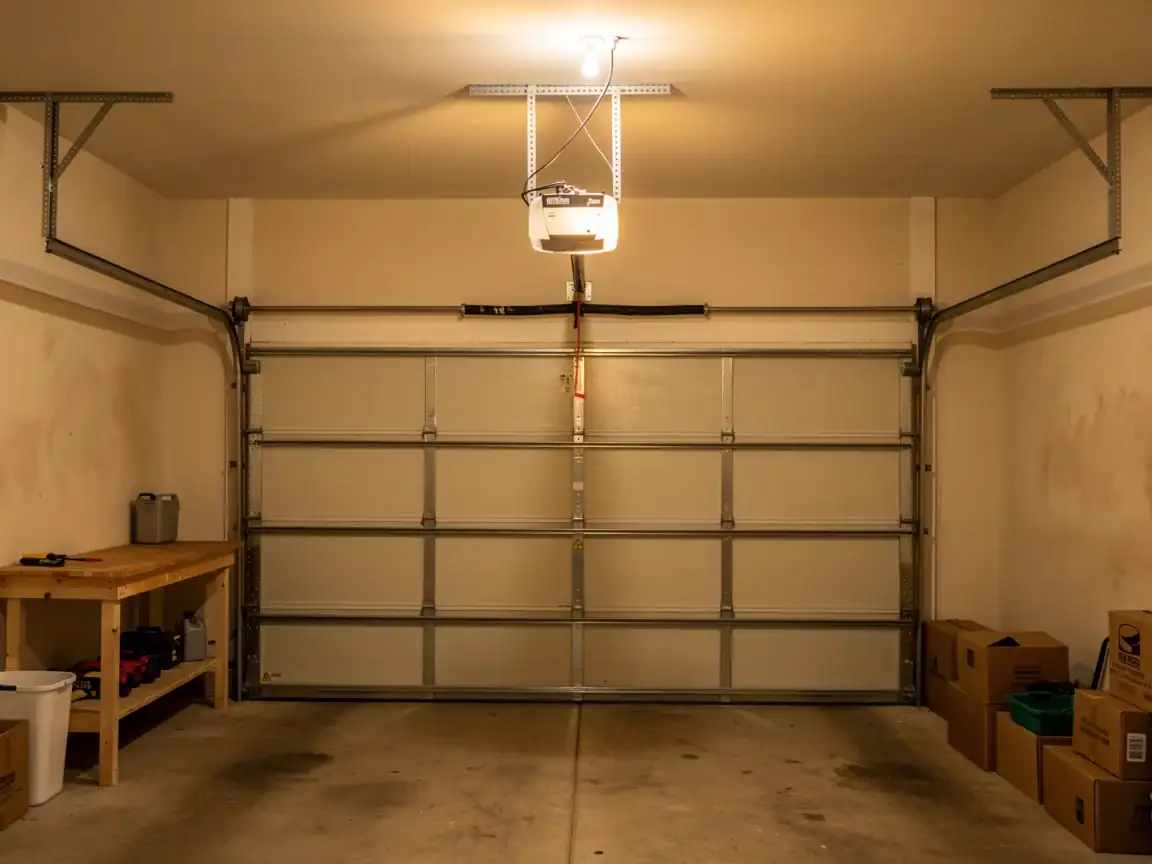
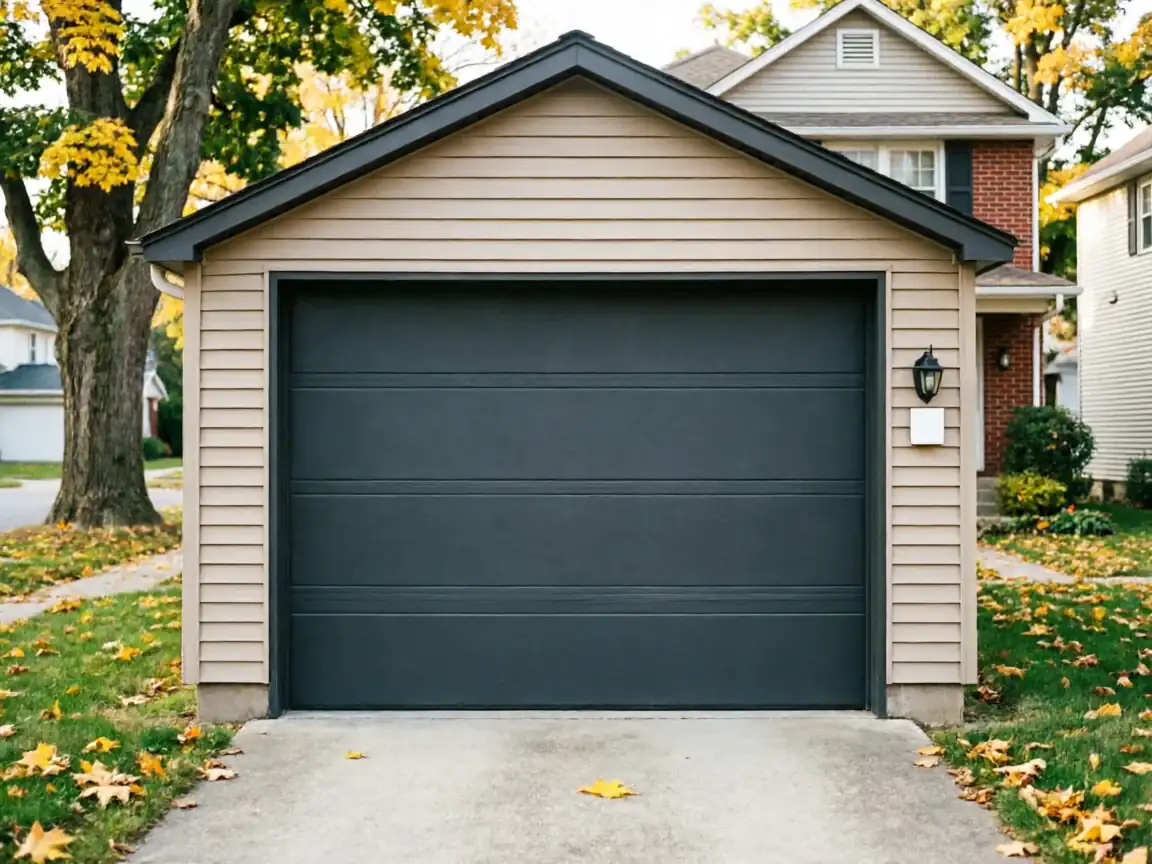
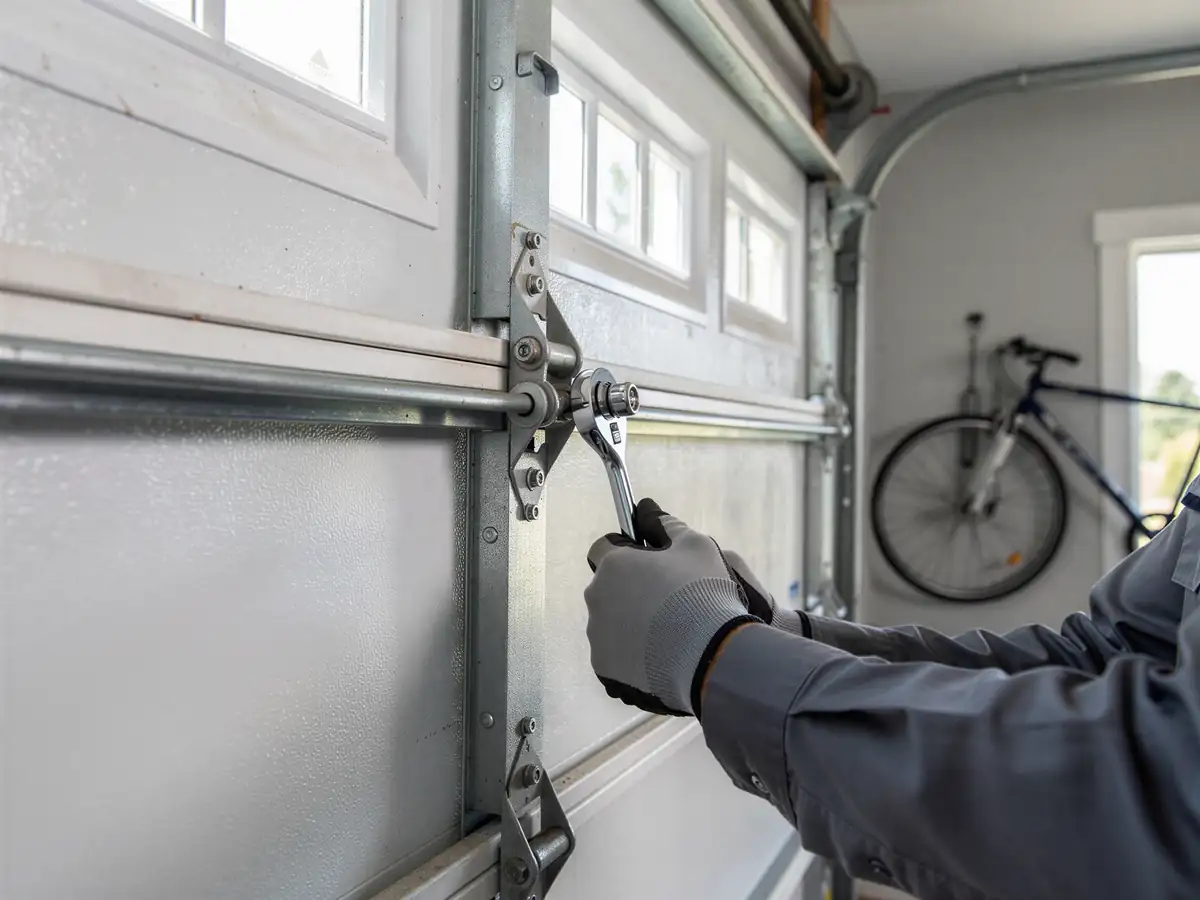
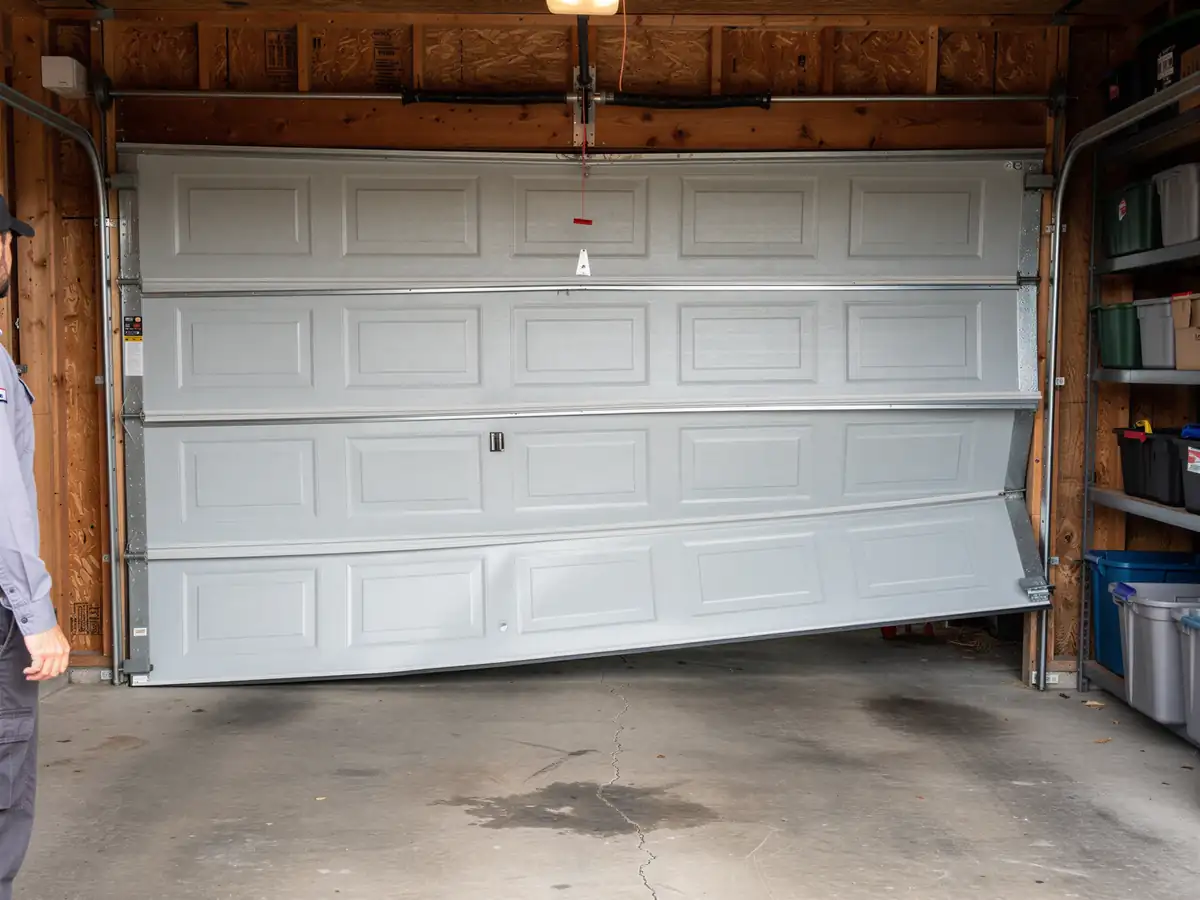
Junction City sits 17 miles out from our shop in Manhattan, so when a call comes in from here, the first thing we're doing is loading the truck for a real drive, not a quick trip across town. That distance matters less for how fast we can get there and more for what we expect to find once we do. Across the wider Manhattan service area, most garage doors date back to the 1960s and 70s stock, built between 1966 and 2007 with a median around 1974. Junction City runs newer than that average - the typical house here was built around 1983. That decade of difference shows up on the track. Doors from the early 80s were more commonly set up with lighter-gauge steel track and roller brackets fastened with carriage bolts that have usually backed out a little by now, rather than the heavier angle-iron track you see on older stock elsewhere in the area. When a door jumps the track on a house this age, it's often that bracket pulling loose rather than the track itself being bent, though both happen. We look for both before we touch anything.
Parts We Carry
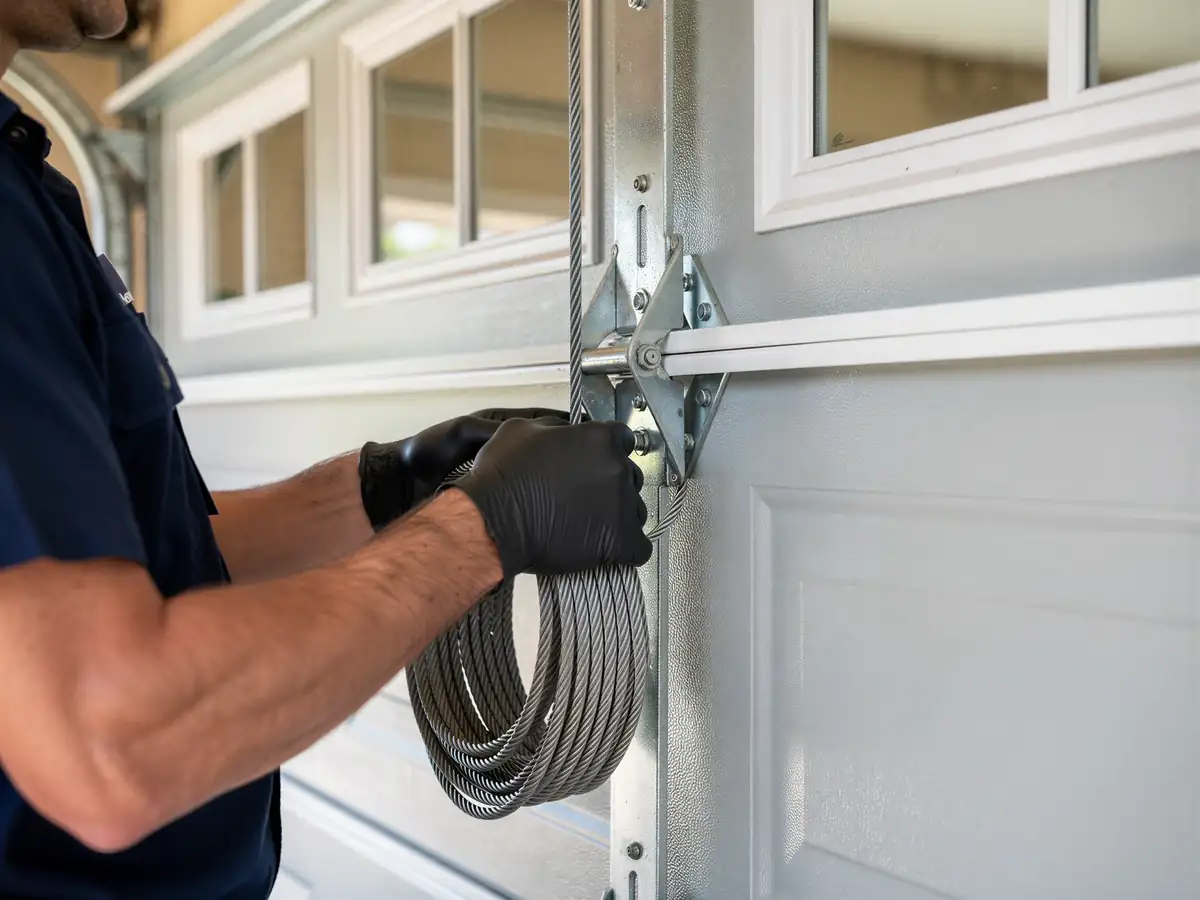
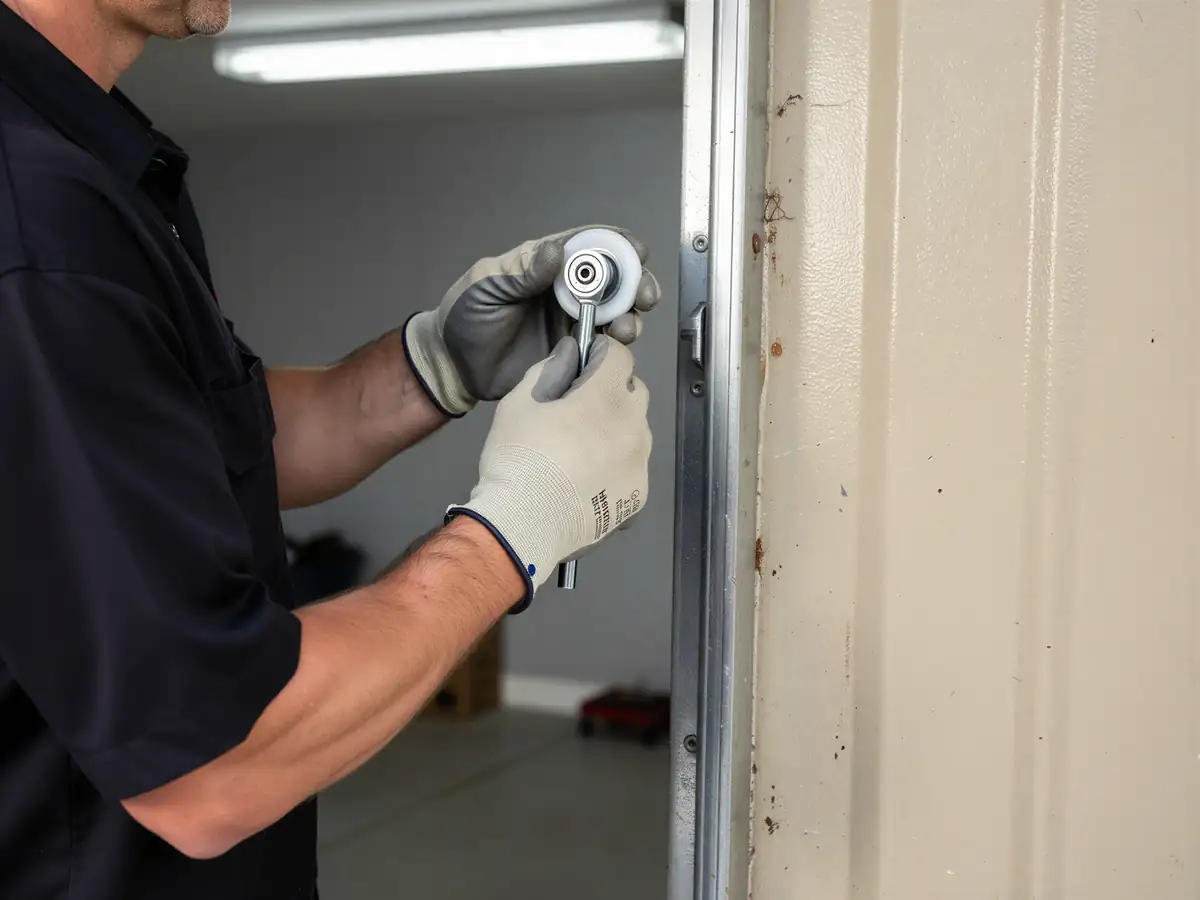
For the roller and bracket style common to houses built in the early-to-mid 1980s, we carry standard 2-inch track sections, sealed and unsealed rollers, and the lag-style brackets that replace the original carriage-bolt setups once they've worked loose. We also stock the cable and pulley hardware that goes with torsion and extension spring systems from that era, since a door off its track has often also dropped a cable or bent a pulley fork at the same time. The region sits in a cold-moderate climate band, which means steel track contracts and expands enough over a winter that bolted connections loosen faster than they would somewhere milder - one reason brackets on a house like this need checking every few years regardless of whether the door has ever come off the rail. What we don't carry on the truck is obsolete track profile from doors manufactured well outside the common range for this area; if a door turns out to be an unusual width or an older imported system, that part gets special-ordered and the job becomes two visits instead of one.
What You Pay
We don't have a flat number to quote here. An off-track repair that's just a bracket and a bent section of track is a different bill than one where a cable has also come off the drum or a roller has seized and scored the track. What we can tell you is that the 17-mile drive from Manhattan gets built into the estimate as a trip charge, not hidden into the labor line, so you know up front what's travel and what's the actual fix. If you've had a quote from a shop closer to town, it's worth asking them to break out the same way so you're comparing the repair cost and not just two different bundled numbers.
Can You Do This Yourself
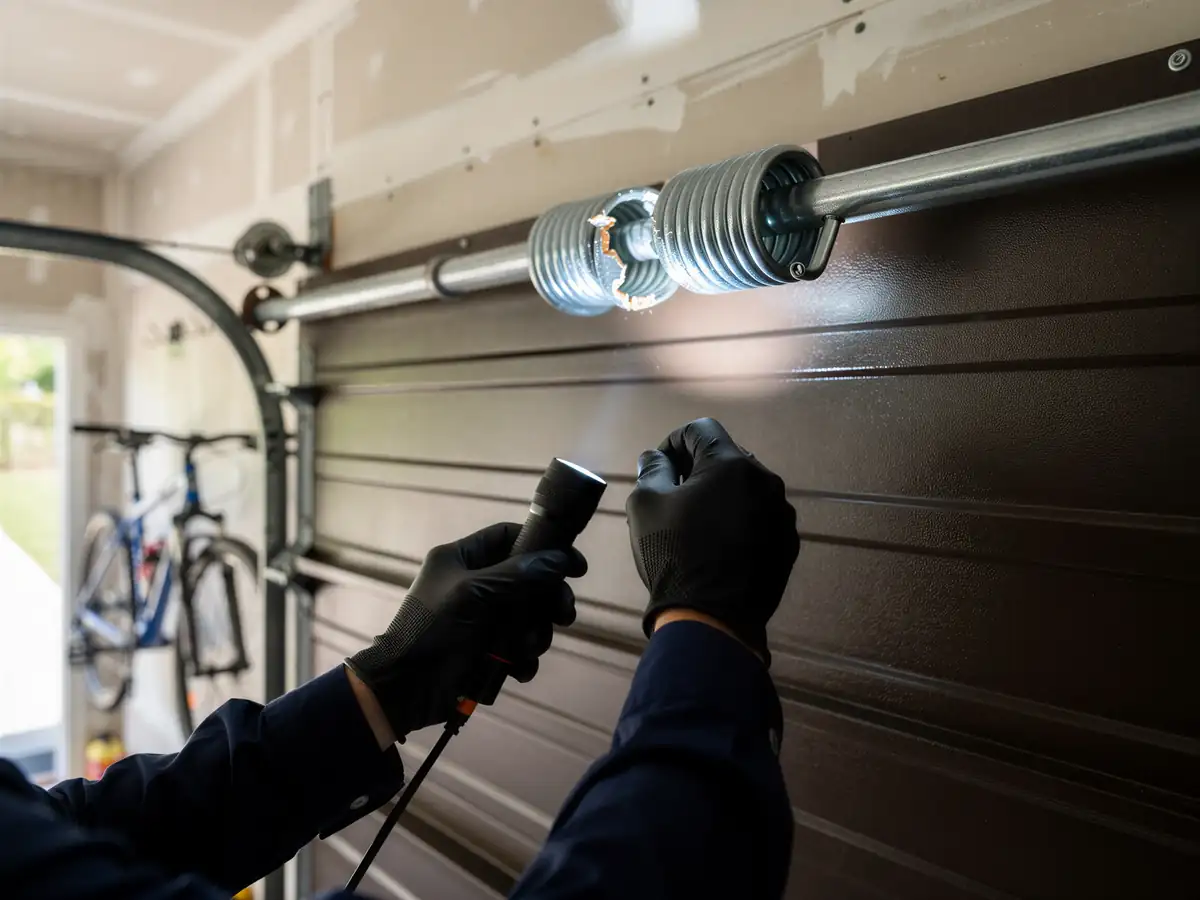
If the door has only come off the track on one side and the opener is disconnected, some homeowners can re-seat a roller back into the rail by hand - it's one of the few garage door jobs that's genuinely low-risk. Where we'd stop you is anything involving the spring or the cable. A torsion spring under tension and a cable that's come off a loaded drum can put real force into a wrench or a hand in a way that's sent people to the ER, and it's not a job where a video tutorial substitutes for having done it before. If the track is bent rather than just loose, you're also fighting metal that wants to spring back, and a cheap fix now usually means a repeat call later. We'll walk you through what's safe over the phone, but a spring or cable job is one we'll tell you to leave to us, plainly, and that's not upsell.