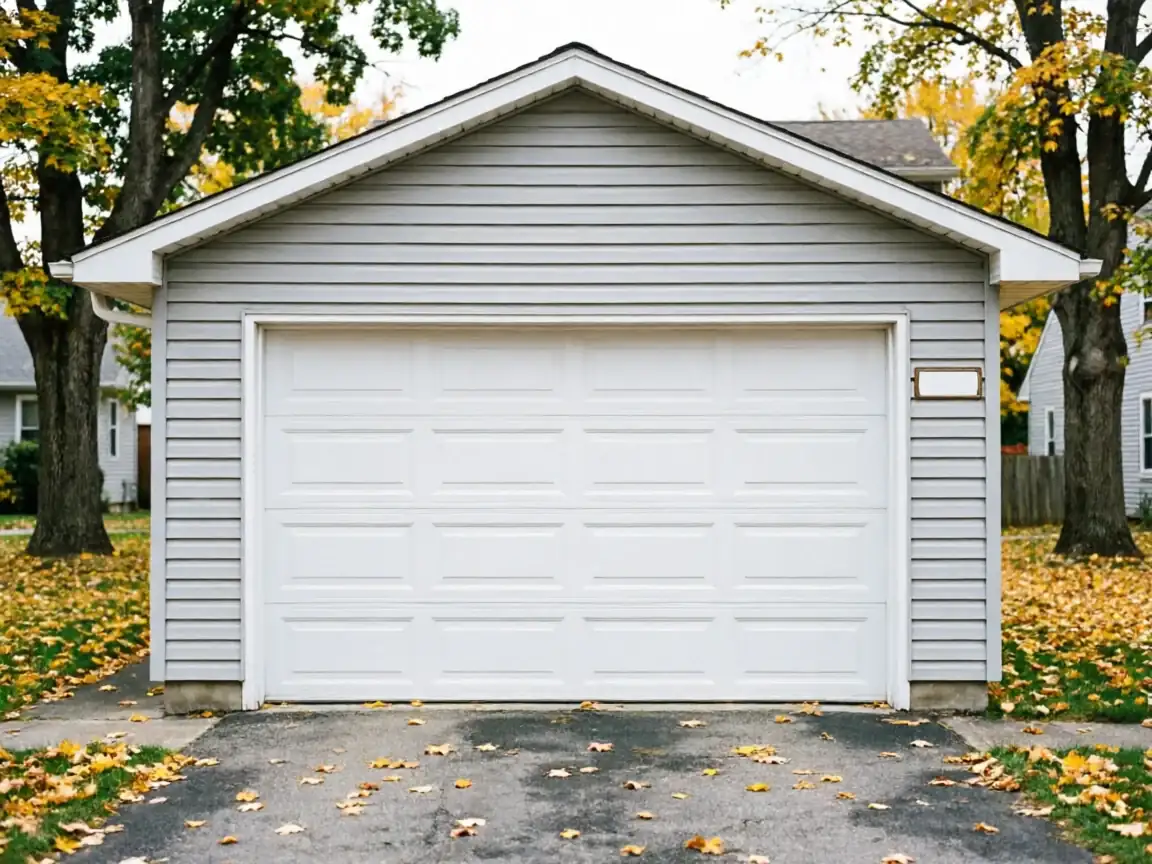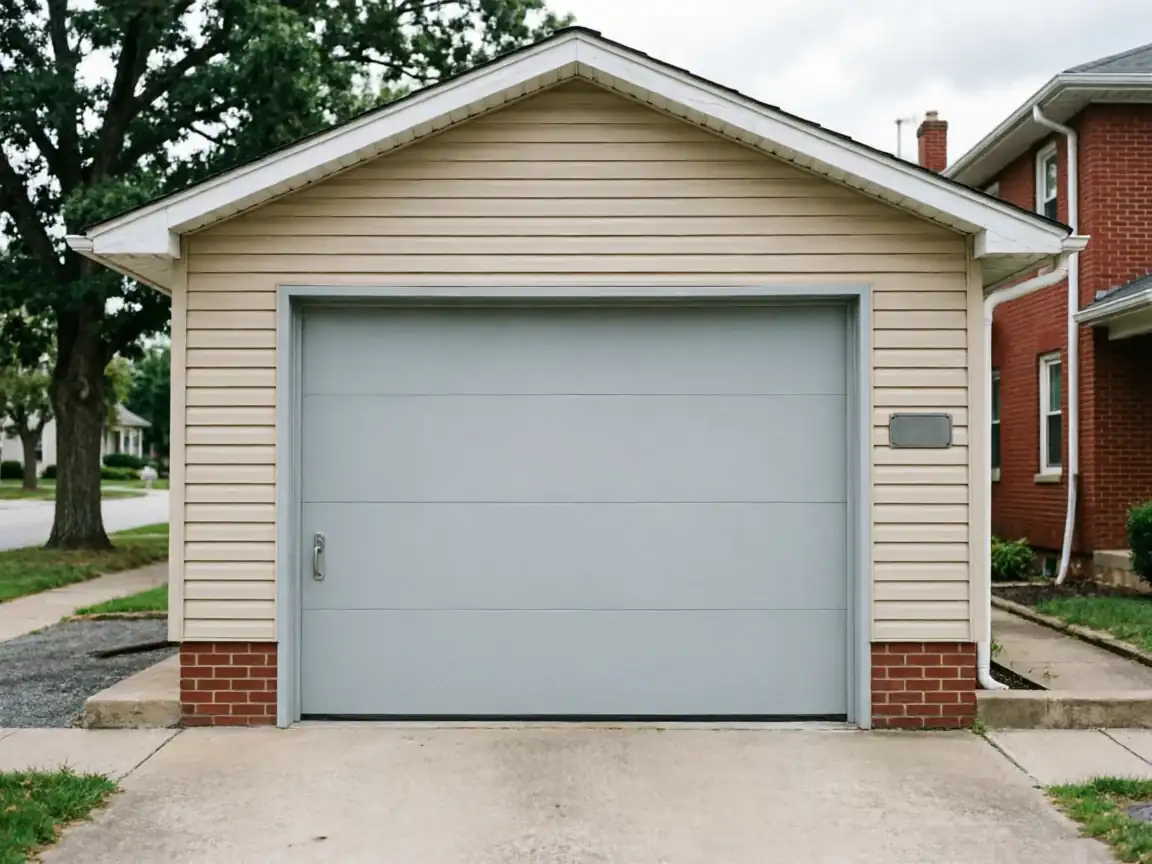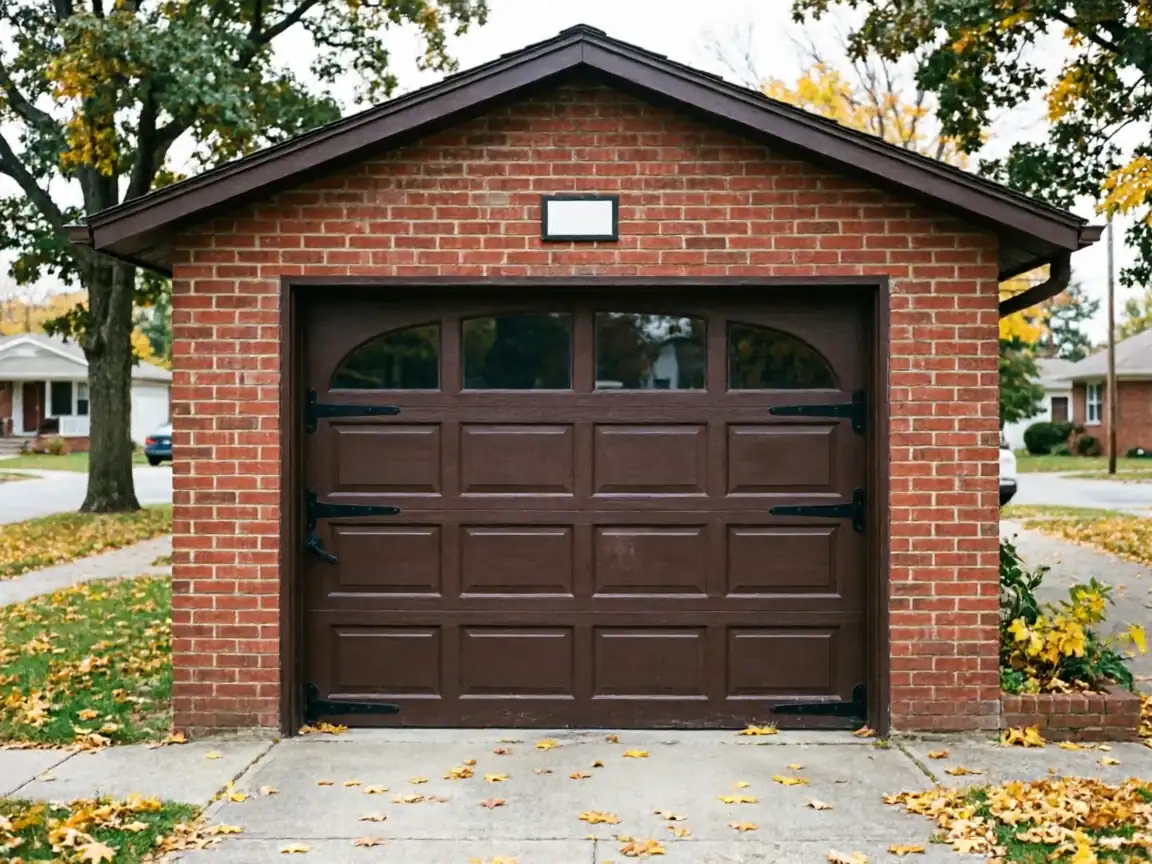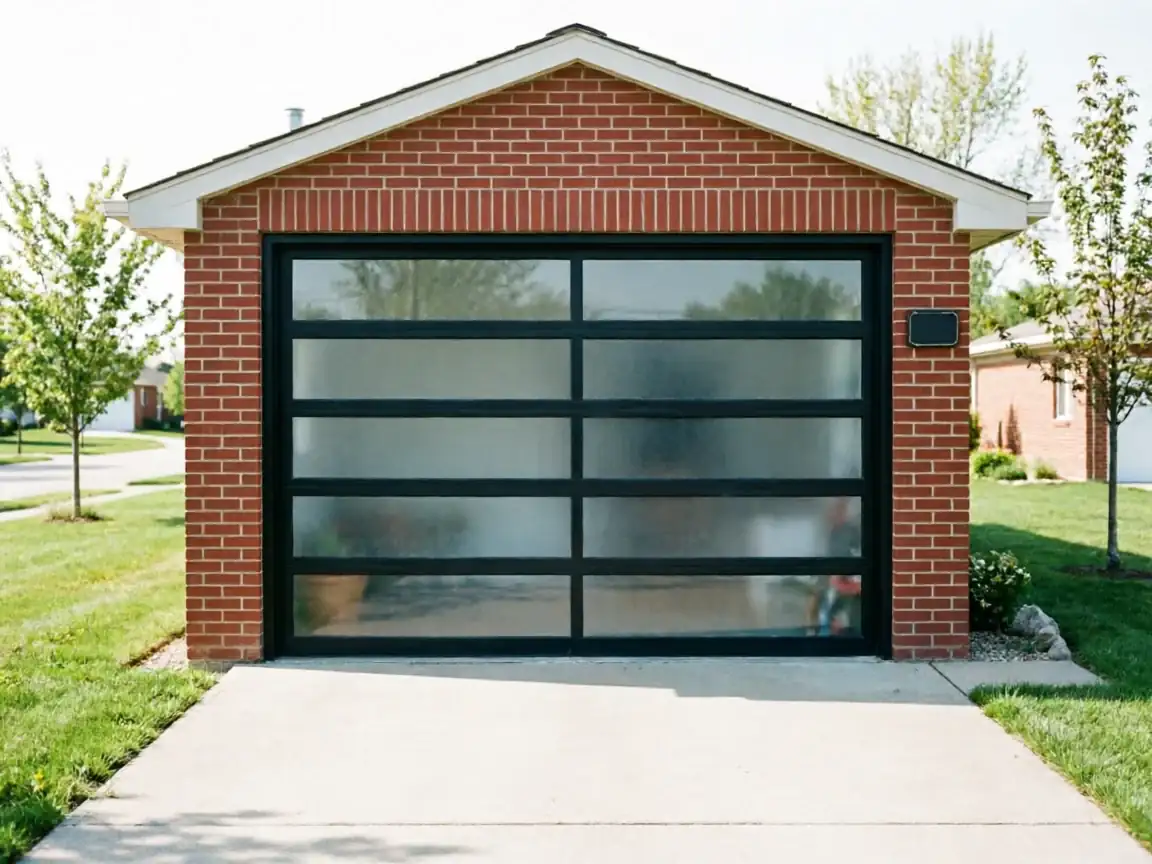
What You Are Seeing
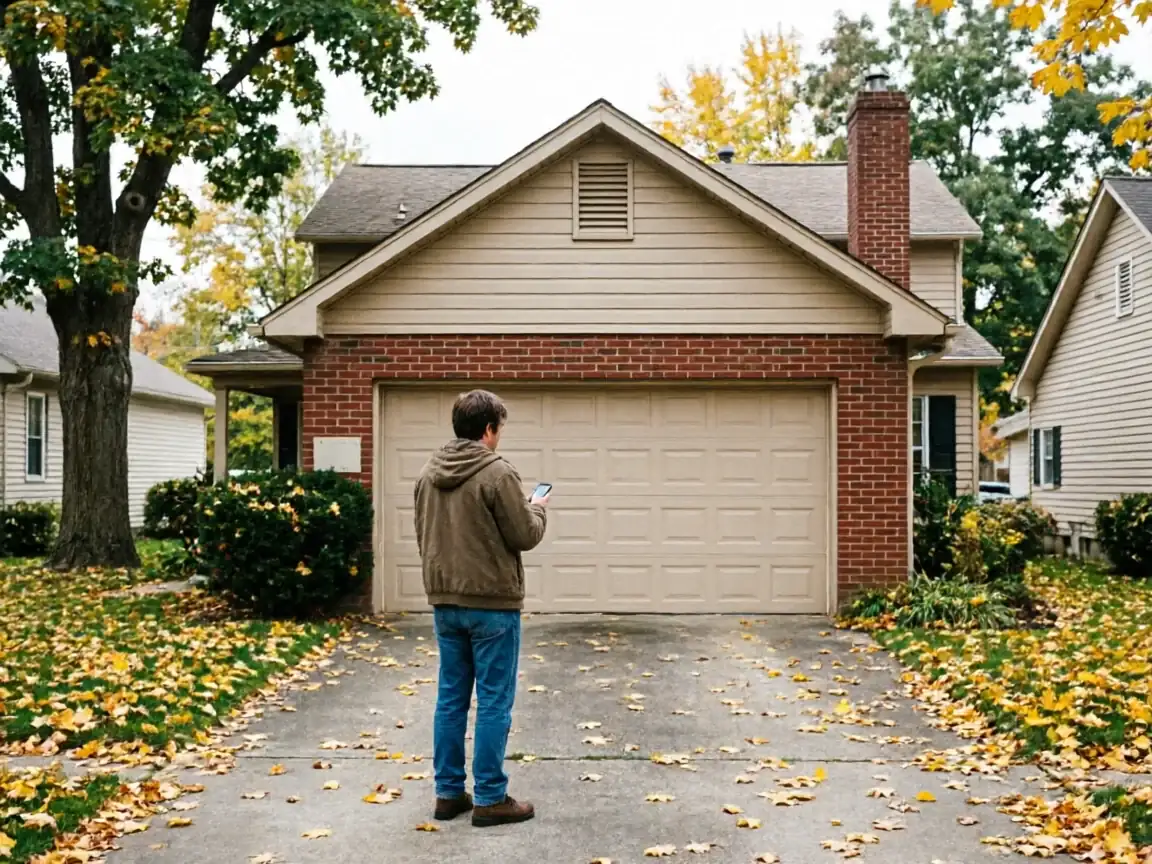
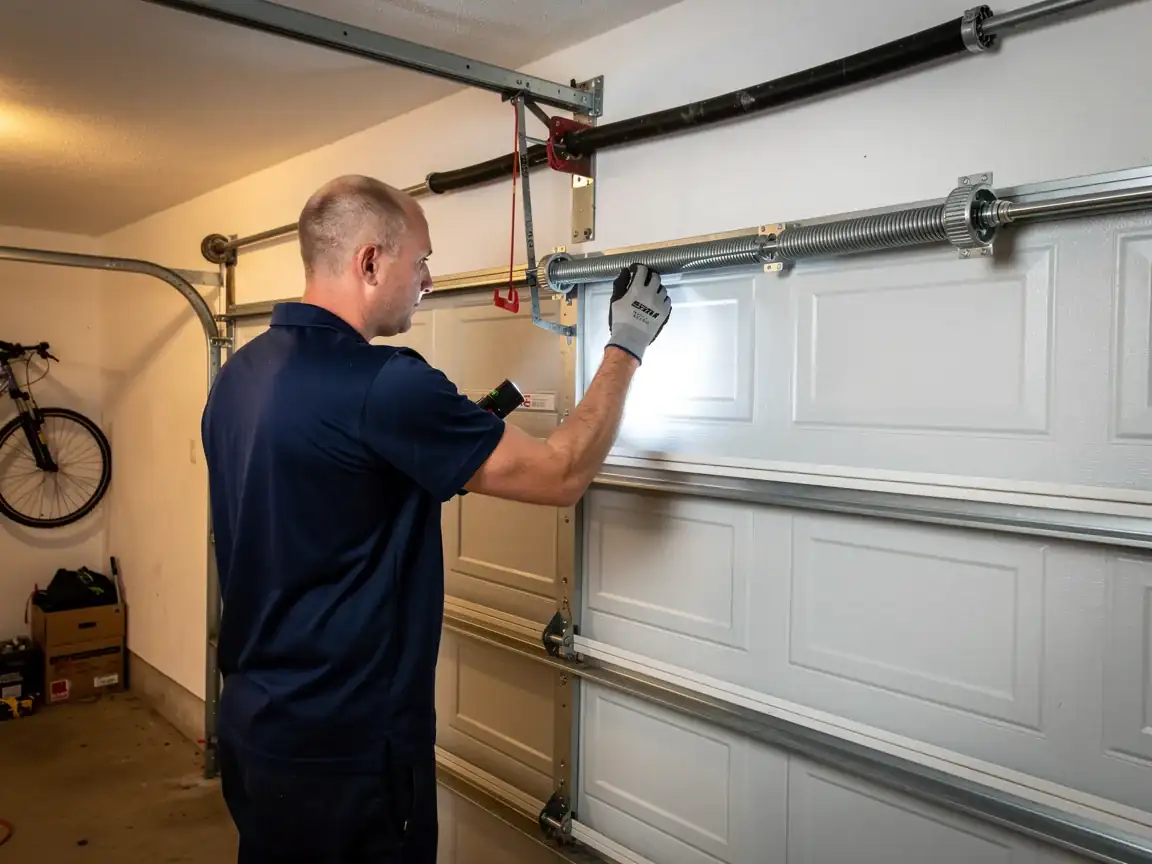
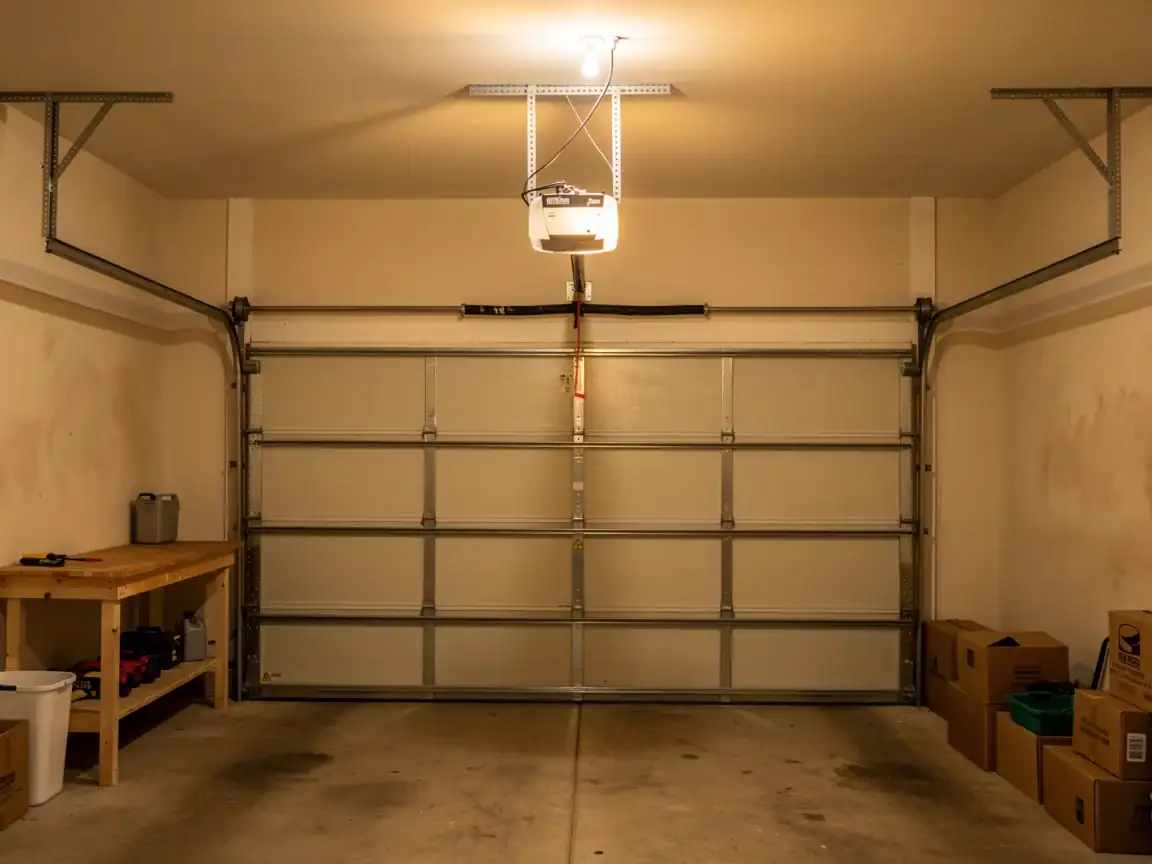
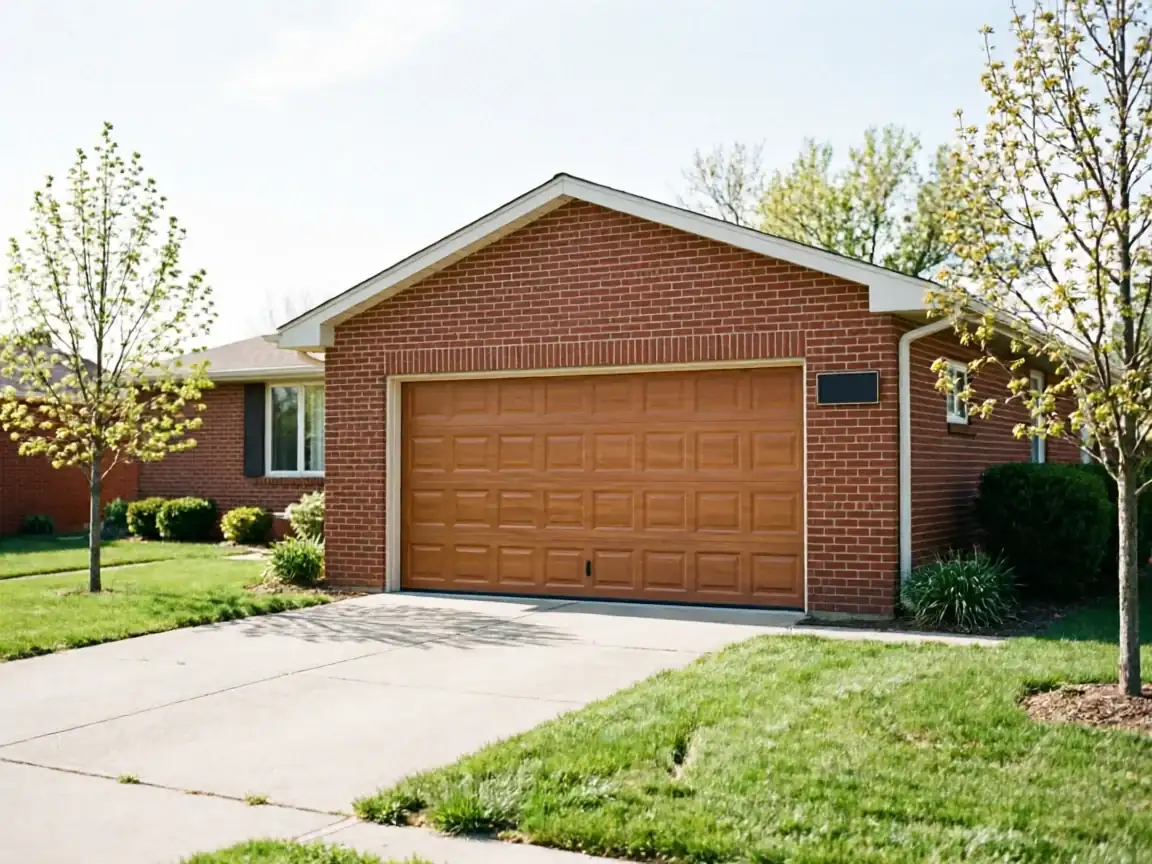
Start with the year, because it changes everything else on this page. Junction City's housing stock centers on 1983, which is noticeably newer than the 1966-2007 spread that covers much of the rest of the area we work, and newer than the 1974 median that stock skews toward overall. That ten-year gap matters on a garage door call. A house built in 1983 almost never has the side-mounted extension spring setup you still find on 1960s builds elsewhere in the territory - it's far more likely to have come with an overhead torsion spring from the factory, a steel sectional door instead of a wood one, and a chain-drive opener bolted on sometime in the 1990s or 2000s as the first one wore out. We drive the 17 miles out from Manhattan knowing that going in, so we're not guessing at what's behind the panel when we get there. With roughly 9,240 households in Junction City, this isn't a quick side errand on the route - it's one of the bigger pockets we cover, and the hardware here reads as a set, not a grab bag of eras.
Parts We Carry
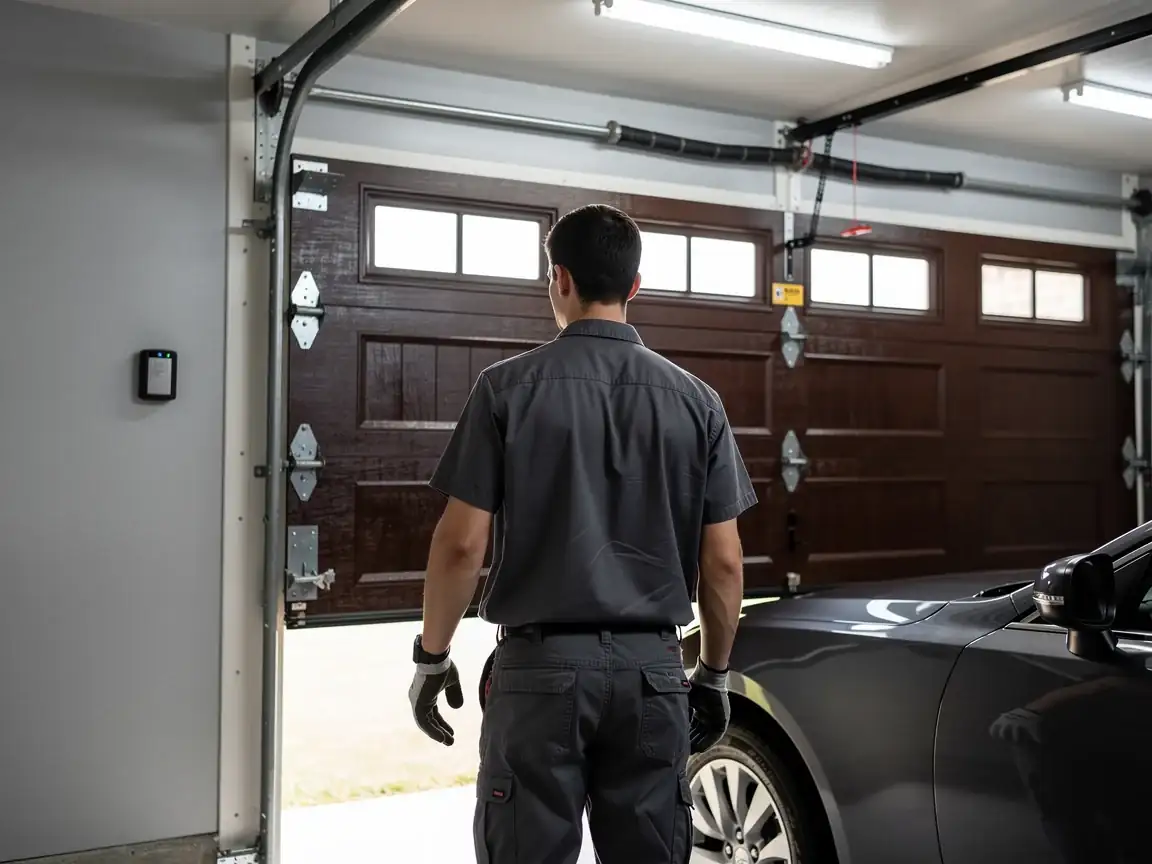
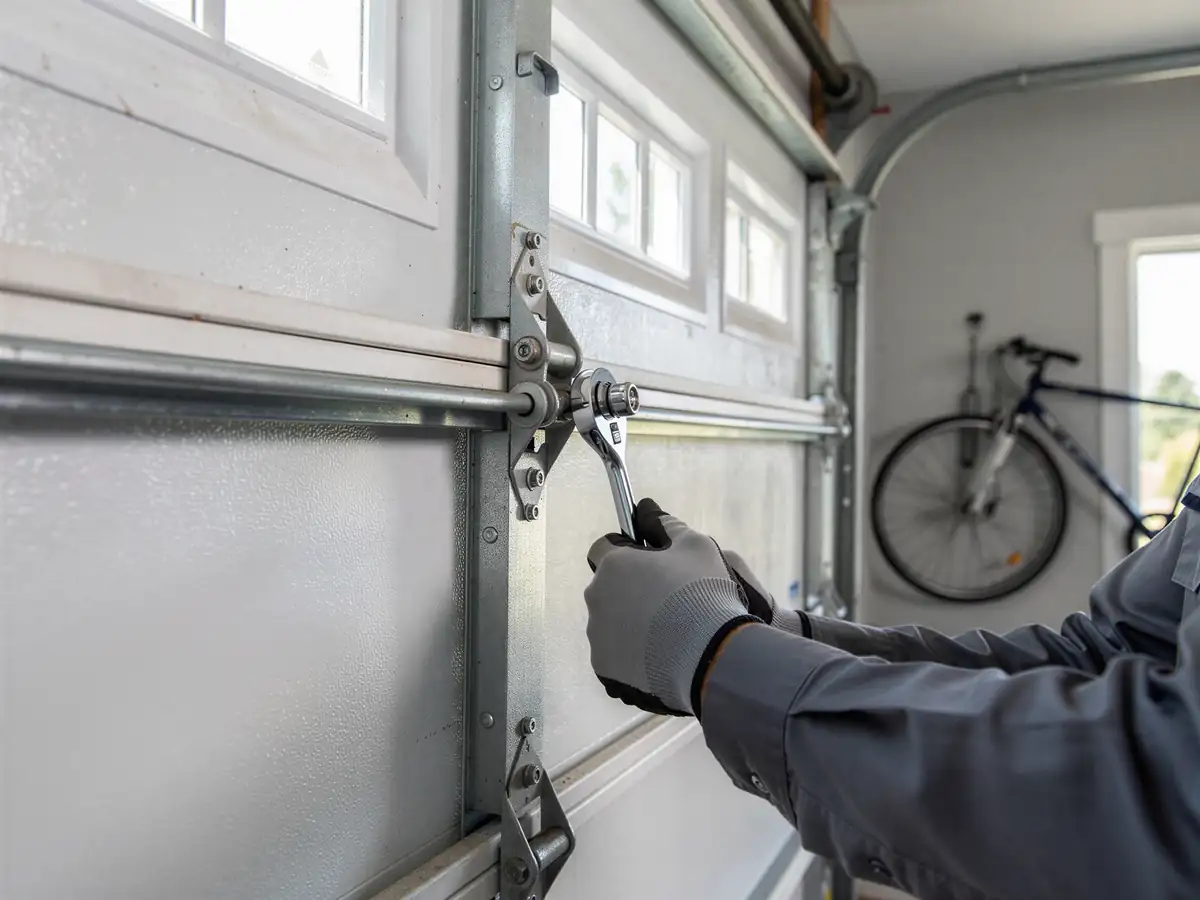
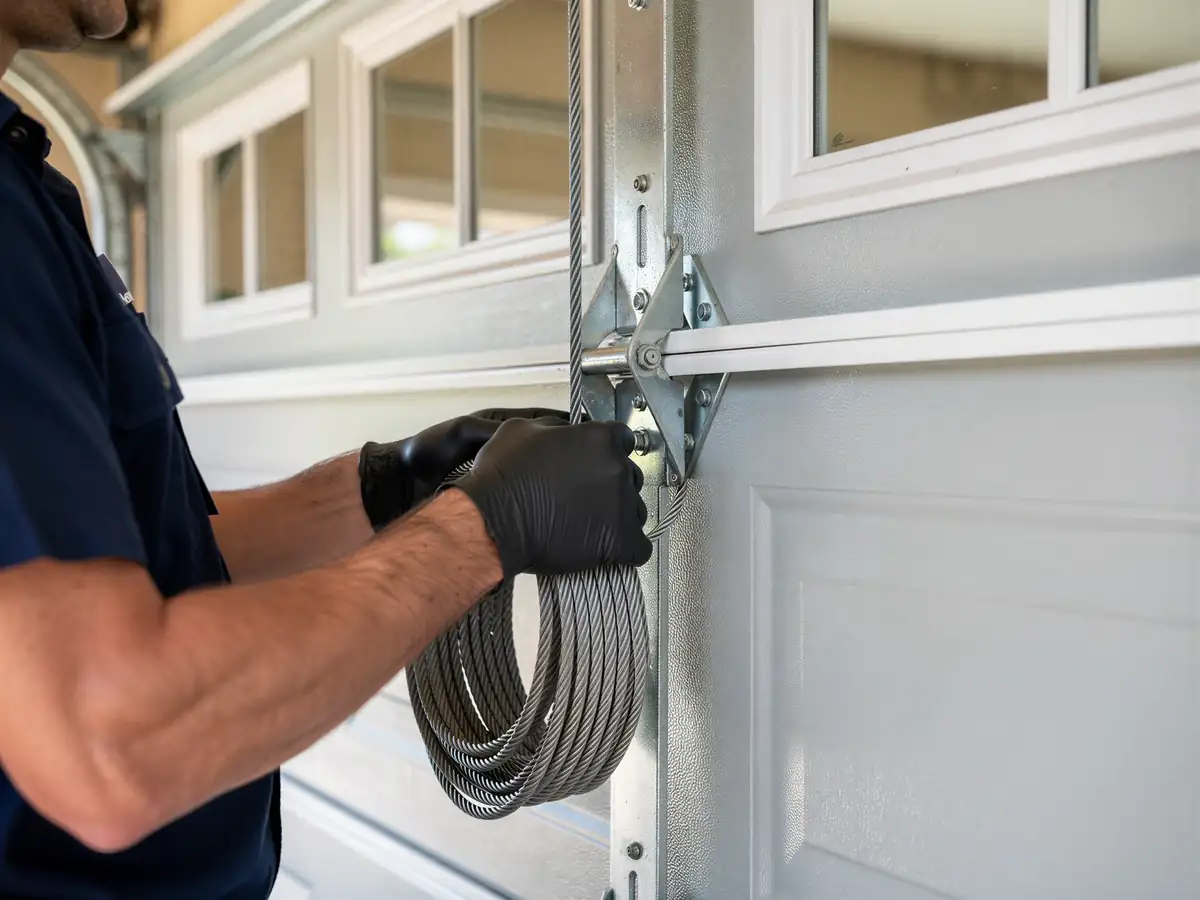
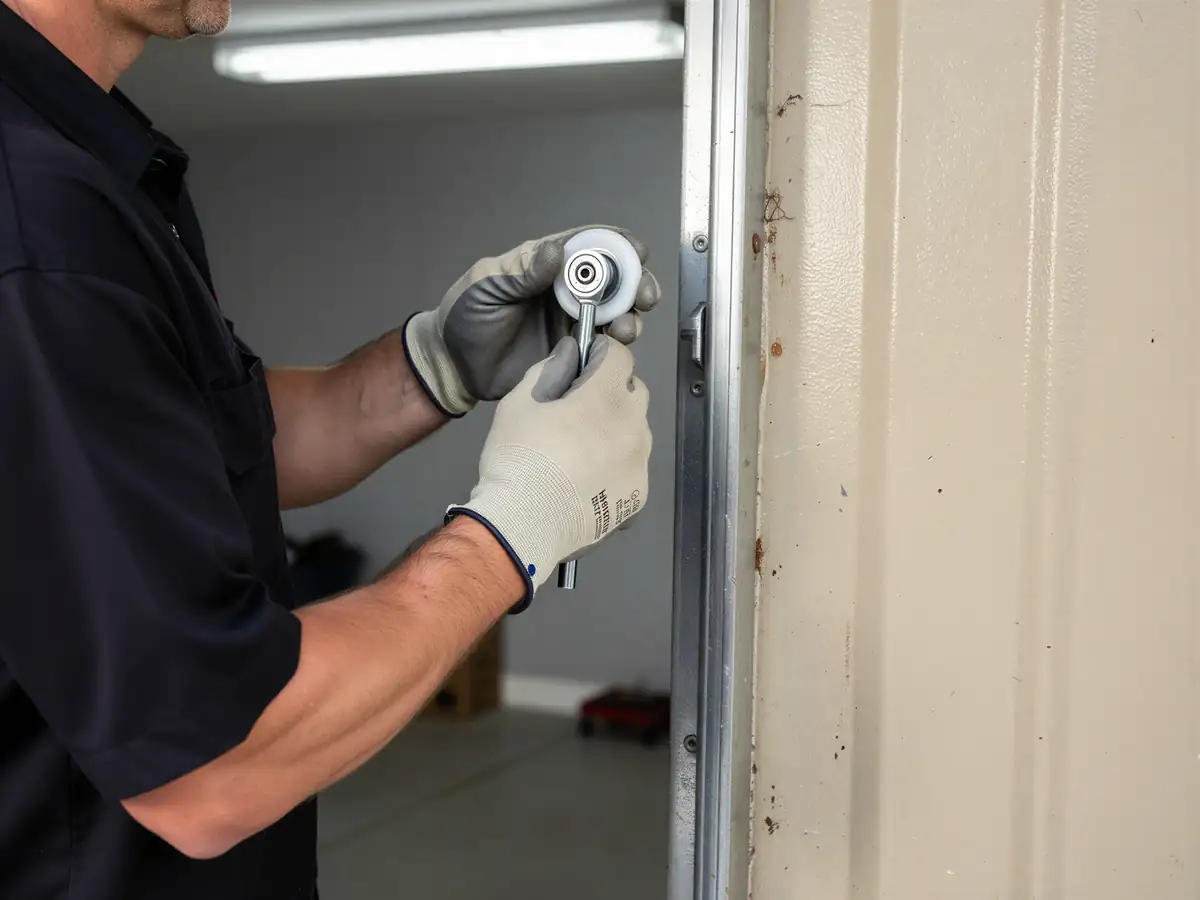
Because the build year clusters around the early 1980s, the truck stock we bring out here leans toward torsion springs sized for steel sectional doors rather than the lighter extension springs you'd need for an older wood door. We carry standard torsion spring sizes, nylon and steel rollers, galvanized lift cables, and the hinges and end bearings that wear out on a door that's now pushing forty years old if it's still original equipment. Openers from that build era are mostly chain-drive, so we stock drive gears and sprockets for the common chain-drive units, plus the safety sensors that get added or replaced when a door from that period gets brought up to current eye-sensor standards. What we don't carry on the truck is anything custom-milled - a nonstandard panel width or a discontinued opener logic board means a special order, and that's a lead time we're upfront about rather than papering over.
What You Pay
We don't have a posted price list to quote here, and we're not going to invent one - what a job costs depends on the spring size, the opener model, and whether it's a single repair or a stack of worn parts coming due at once. What we can say is that median household income in Junction City runs $60,317, a bit under the $61,953 figure for the wider area, and that gap shows up in the calls we take: more owners here ask us to fix the spring and leave the opener alone a while longer, rather than replacing both at the same visit. That's a reasonable call on a door that's otherwise sound. Where it stops being reasonable is when the track is bent and the opener is grinding - at that point patching one part just delays a bigger bill.
Can You Do This Yourself
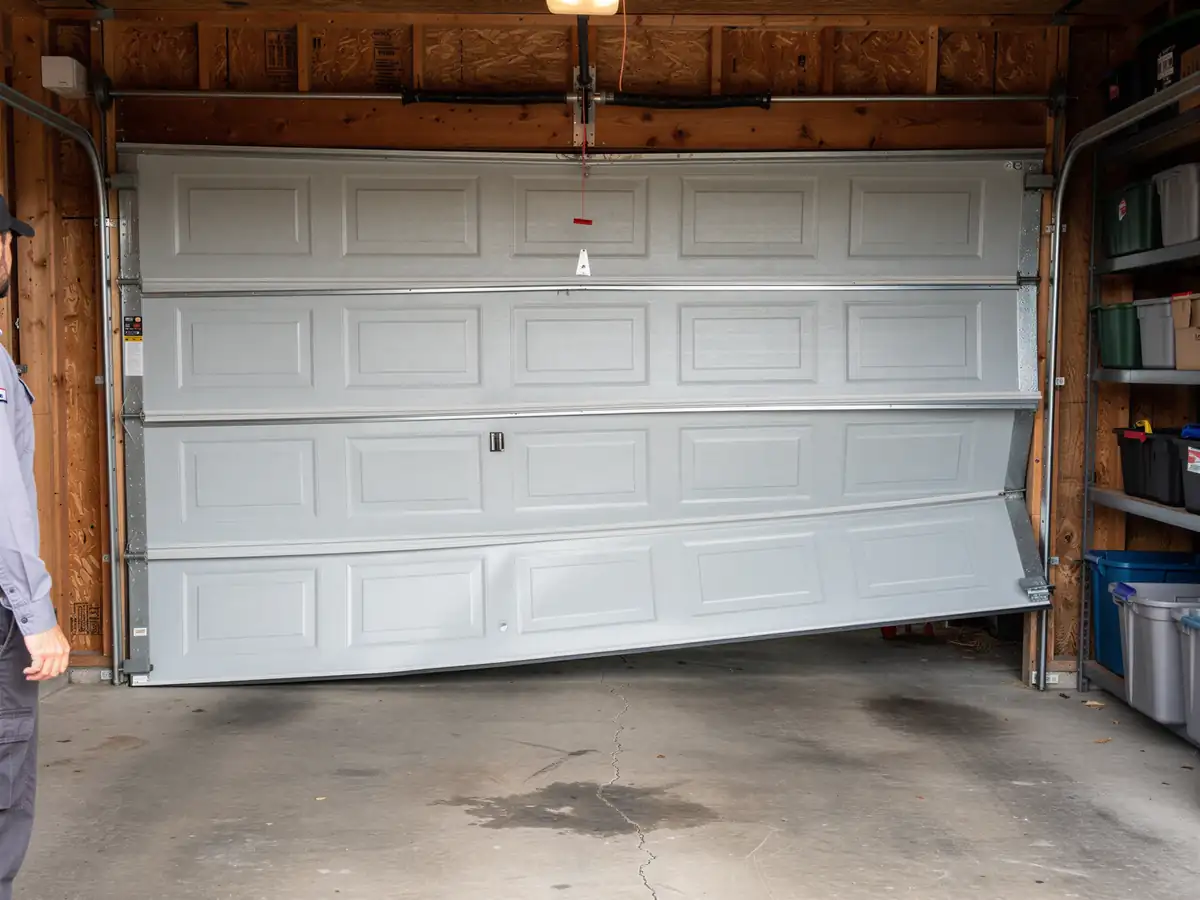
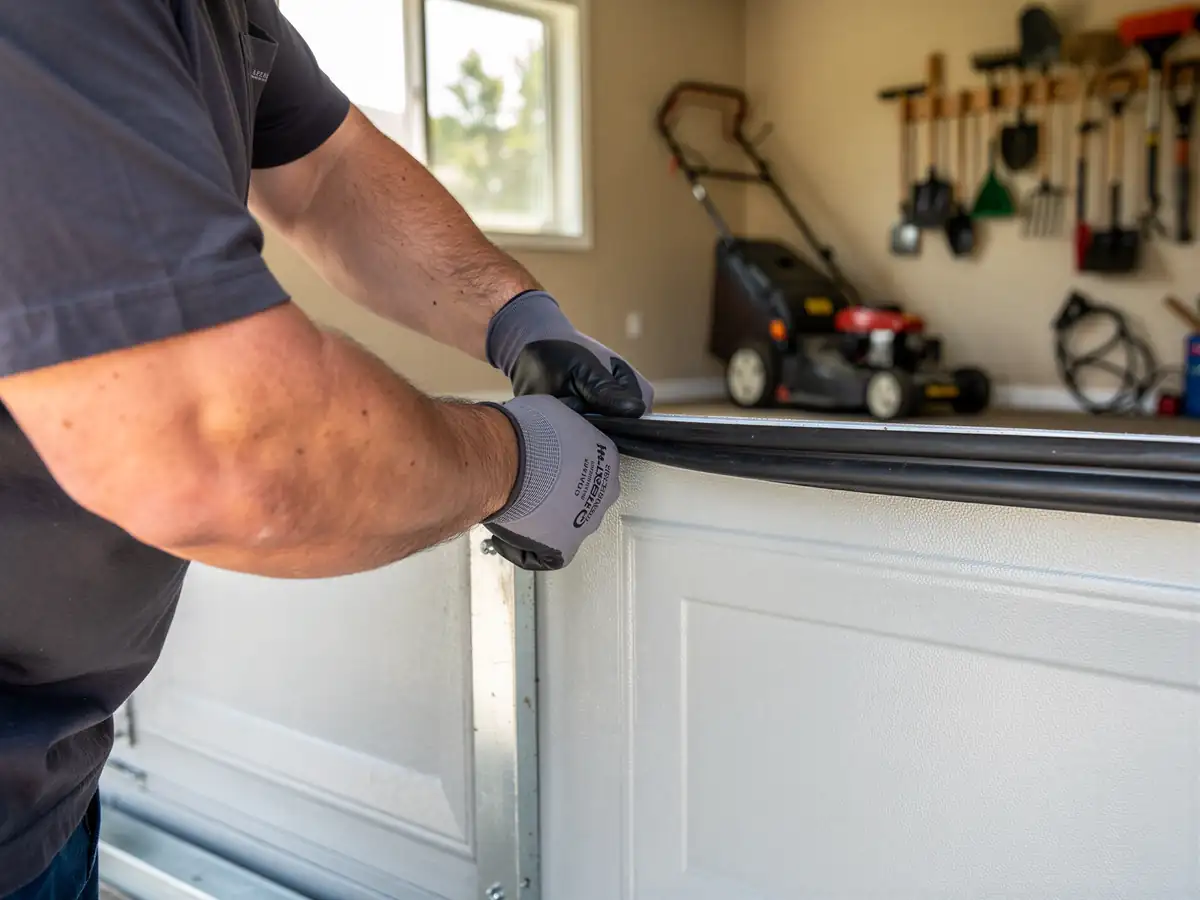
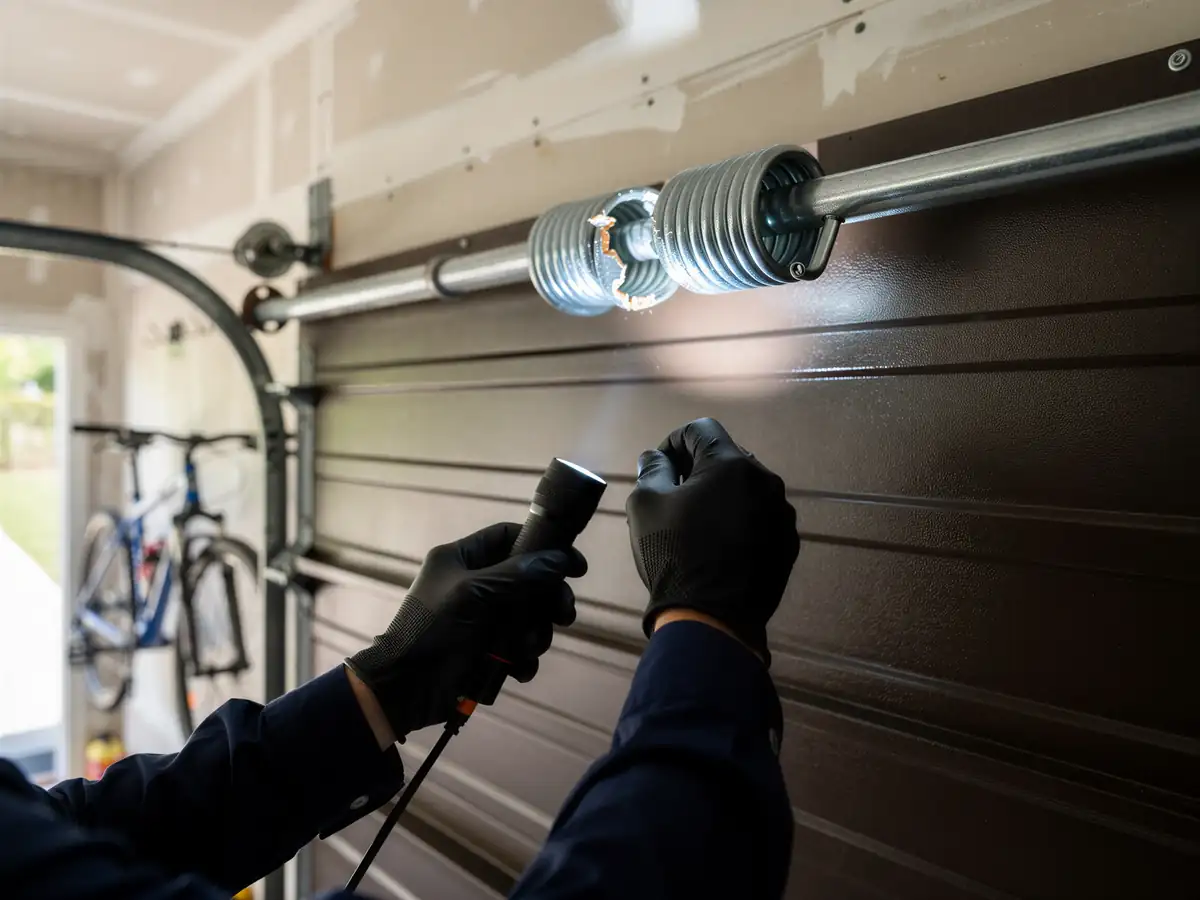
Rollers, weatherstripping, and tightening loose hardware are fair game for an owner with basic tools, and on a door from the early 1980s those parts are standard sizes you can find without much hunting. A torsion spring is not a DIY repair - it's wound under enough tension to break a bone or worse if the winding bars slip, and that risk doesn't go down because the door is newer. If your garage door won't open and you can see the spring is split in two above the door, that's a call-us job, not a weekend project. We'd rather tell you that plainly now than meet you at the ER.