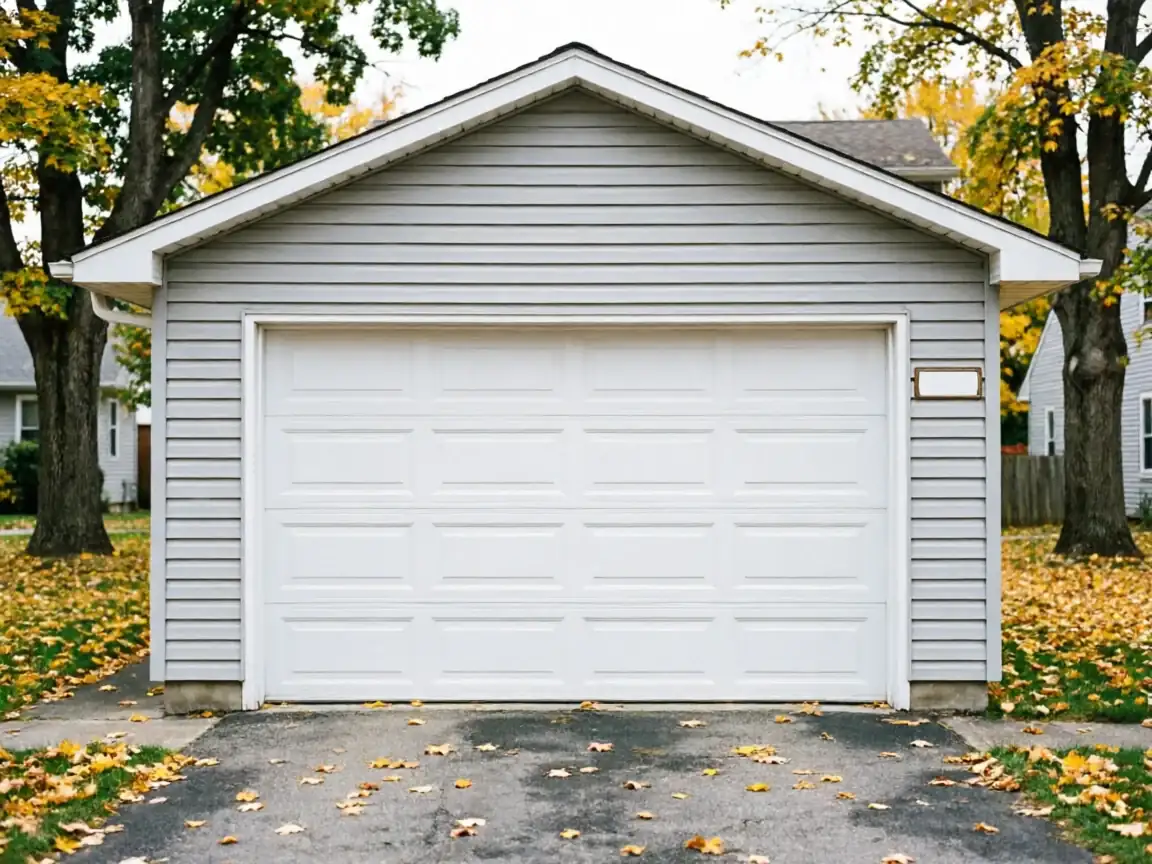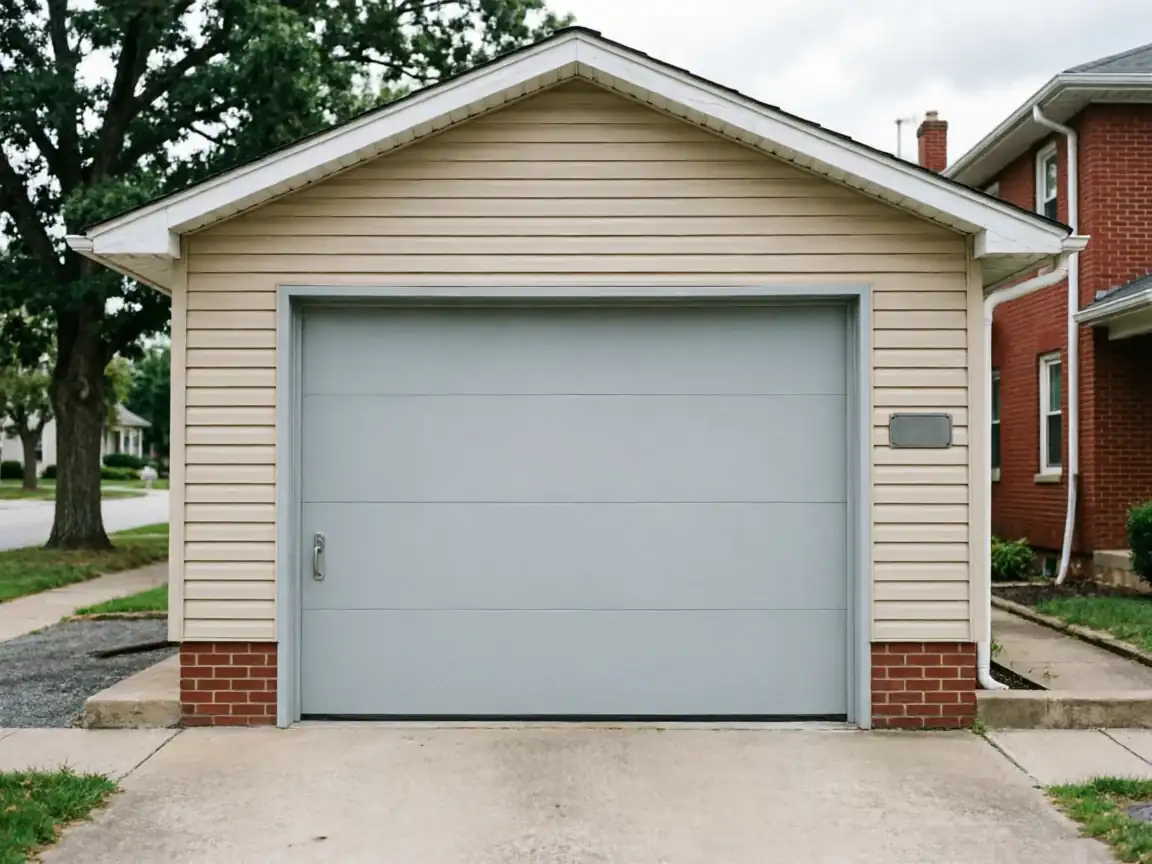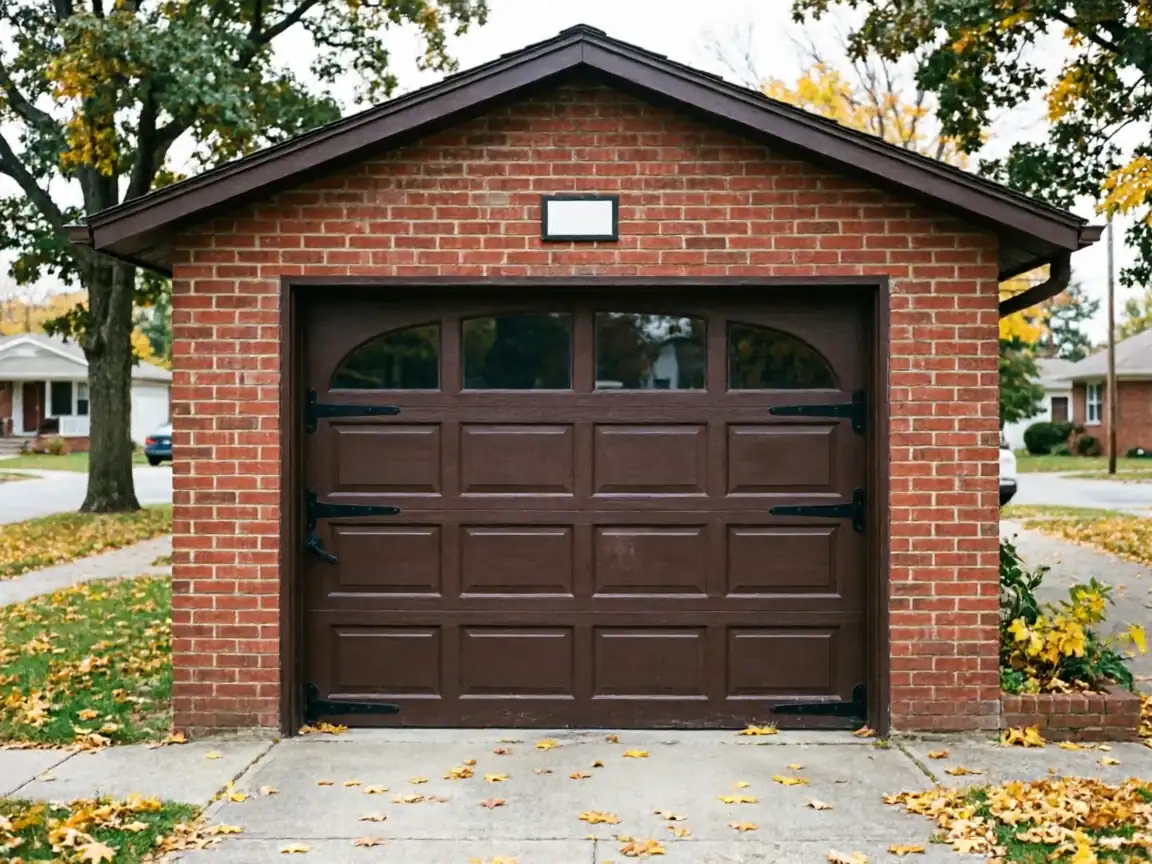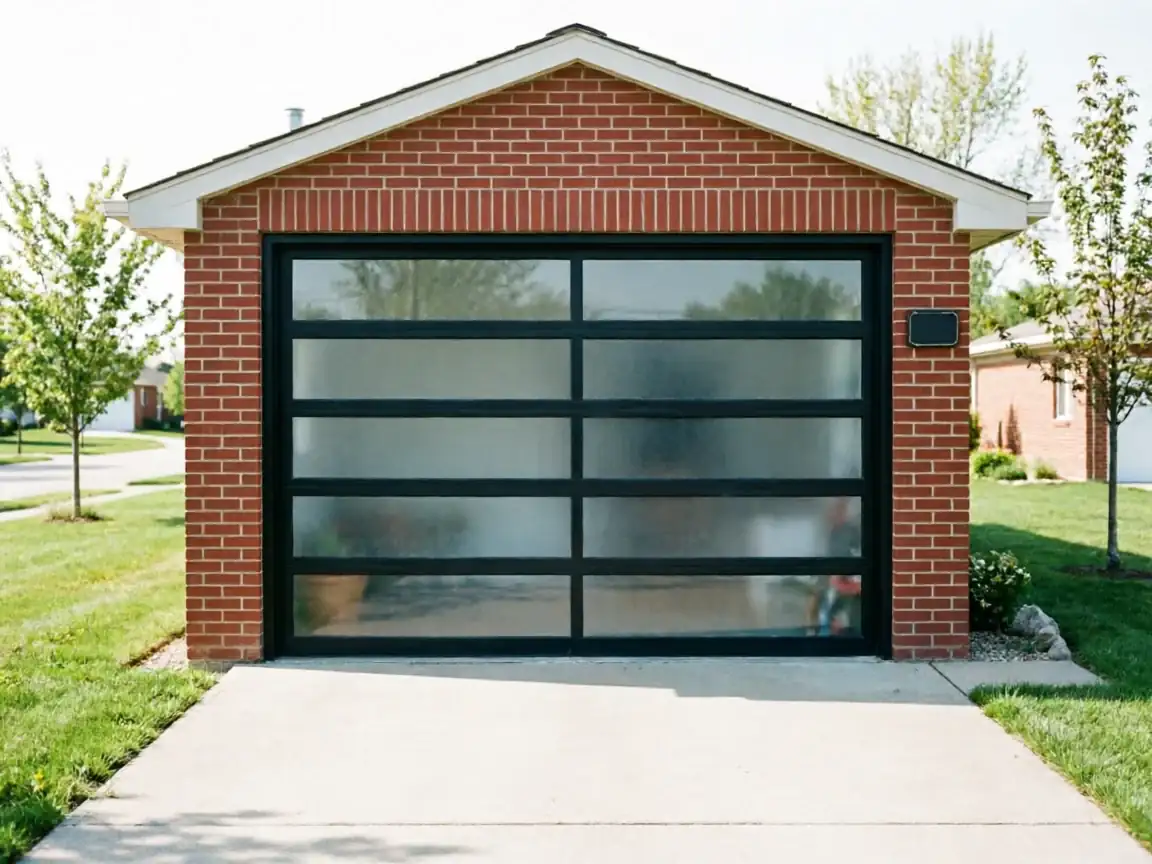
What You Are Seeing
Junction City's median household income sits at $60,317, a shade below the wider Manhattan service area's $61,953. That number matters more than people think, because it sets where the line falls between fixing a door and replacing it. At this income level, a $300-$500 spring or opener repair is a reasonable expense; a $2,000+ full door replacement is a decision that gets put off, sometimes until the door fails in a way that's dangerous rather than just annoying.
The houses here also run newer than you'd guess if you're used to older Kansas housing stock - the median build year in Junction City is 1983, which puts a lot of garage doors in the generation right before and right after steel sectional doors with torsion springs became the standard install. That means you're more likely dealing with a factory torsion setup that's simply worn out from age and cycles, rather than the older extension-spring, side-mounted hardware you'd find on a house from the 1950s. Different failure, different fix, different parts on the truck.
Parts We Carry
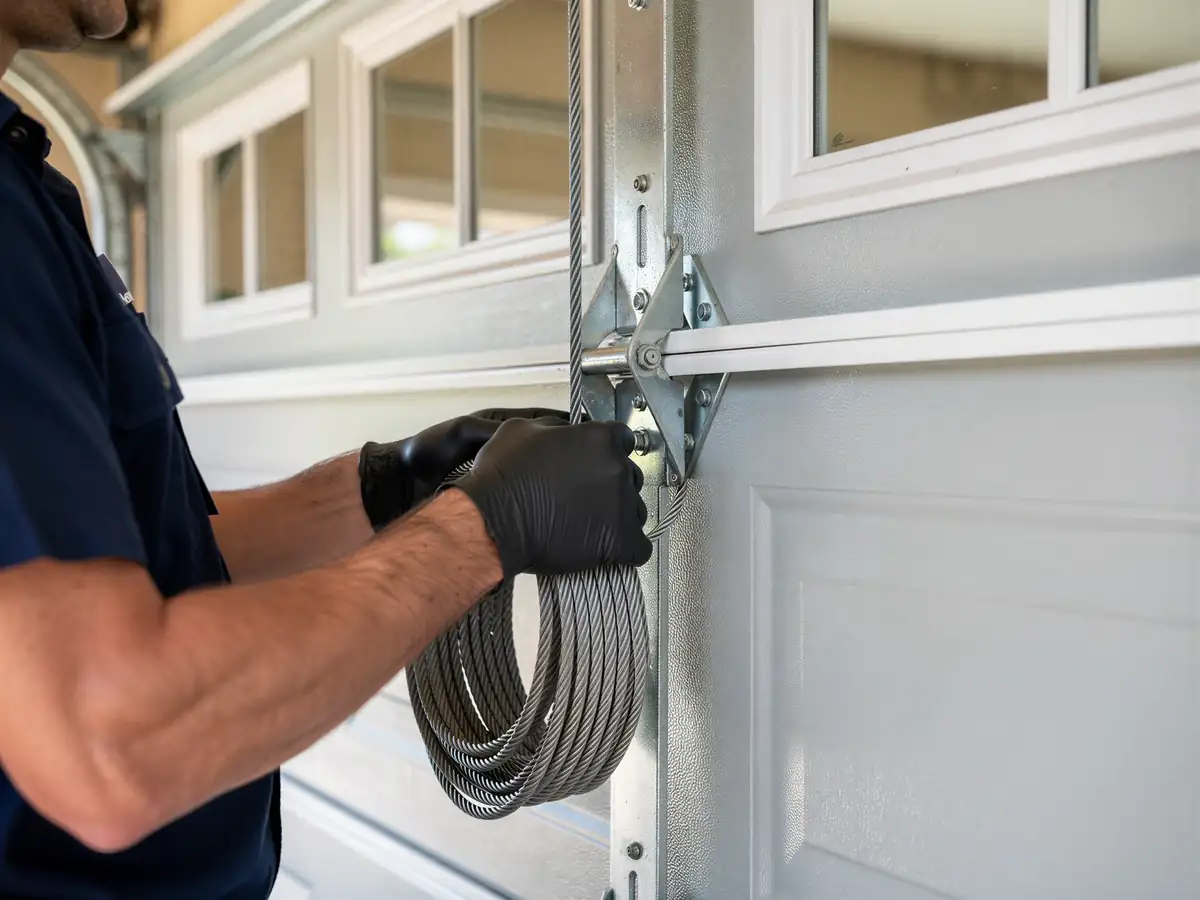
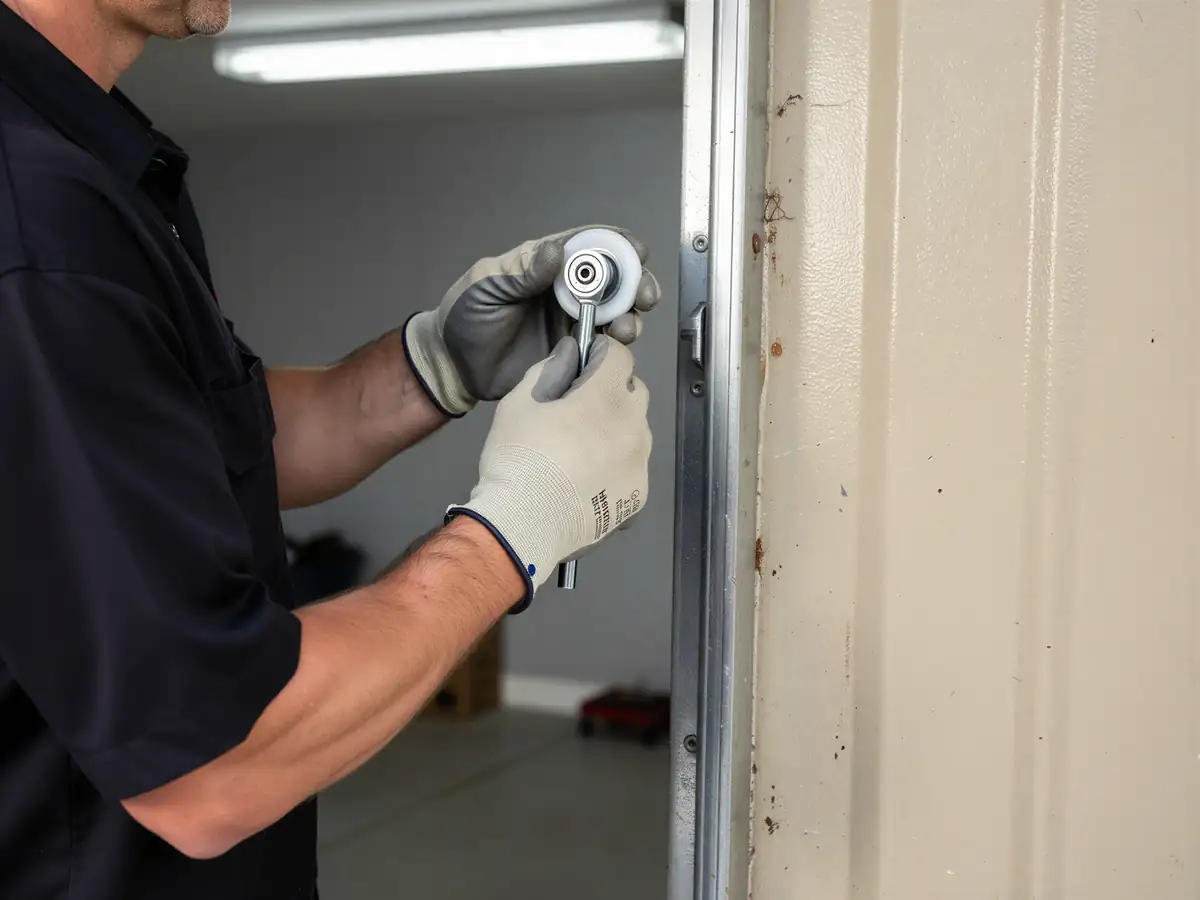
For a 1983-median housing stock, the common failures are predictable: torsion springs rated for a standard 7-foot double door, nylon and steel rollers worn from three decades of cycles, and openers original to a 1990s or early-2000s remodel that are finally giving out. We carry standard torsion springs and roller sets on the truck, along with common cable and bottom bracket hardware.
One honest limit: if your door is an uncommon size or an older low-headroom track setup, the exact spring or bracket may need to be special-ordered, which adds a day or two. We won't guess on spring wire size over the phone - getting it wrong means a spring that fails again in a year or snaps under load, which is worse than the original problem.
What the Fix Involves
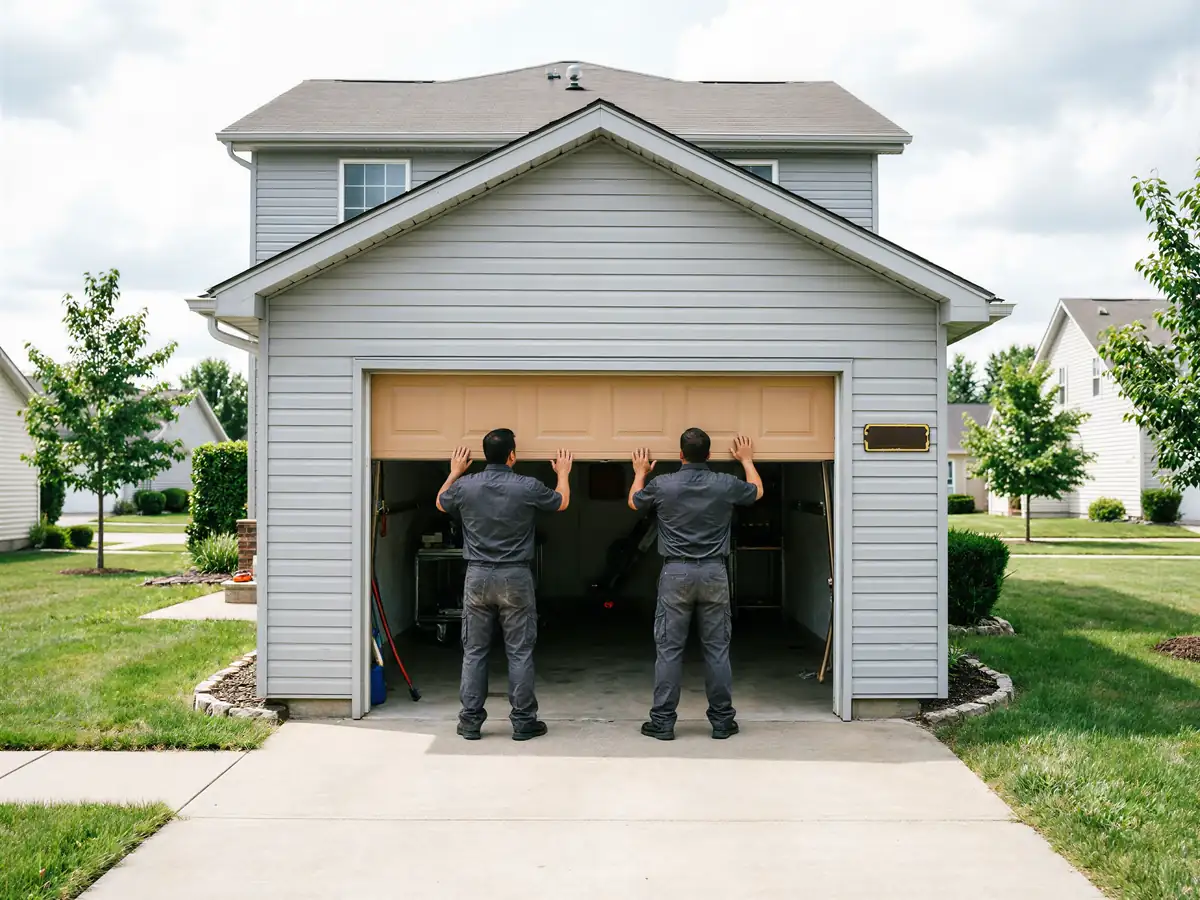
A torsion spring replacement on a standard double door takes a tech out to disconnect the opener
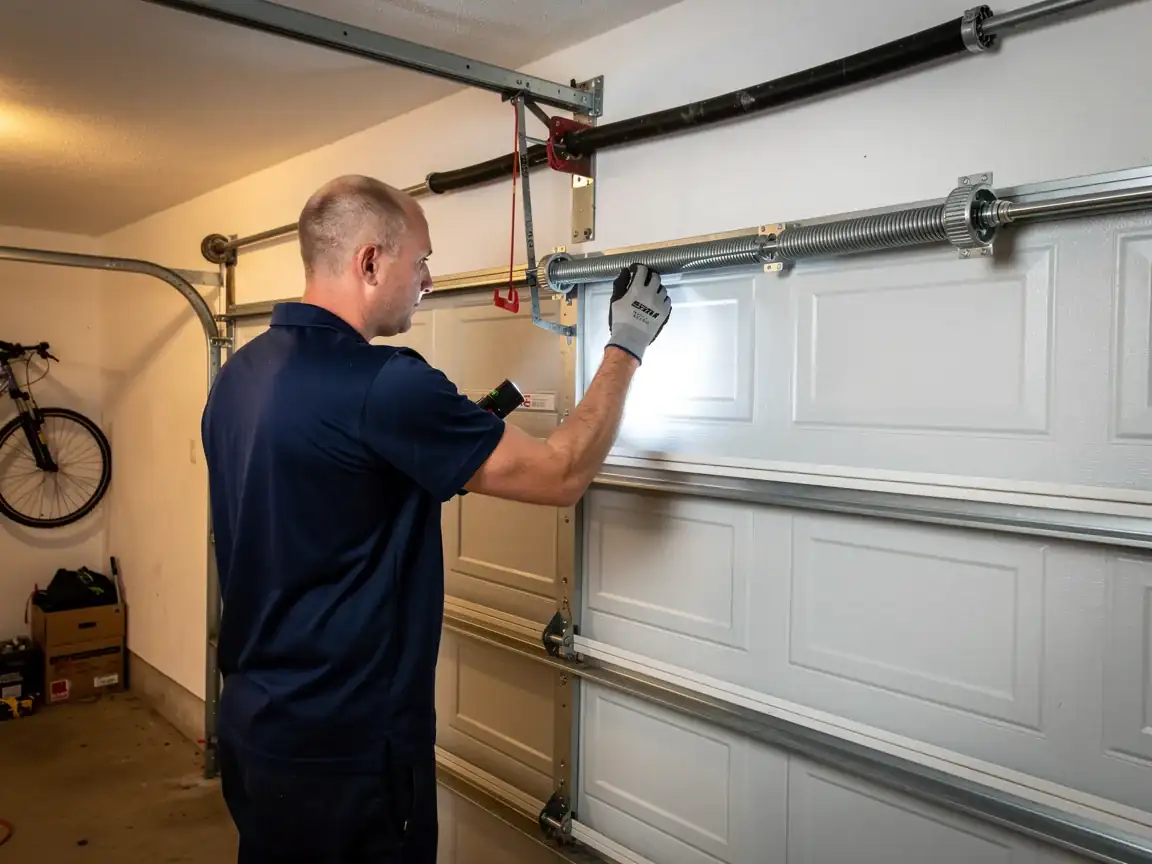
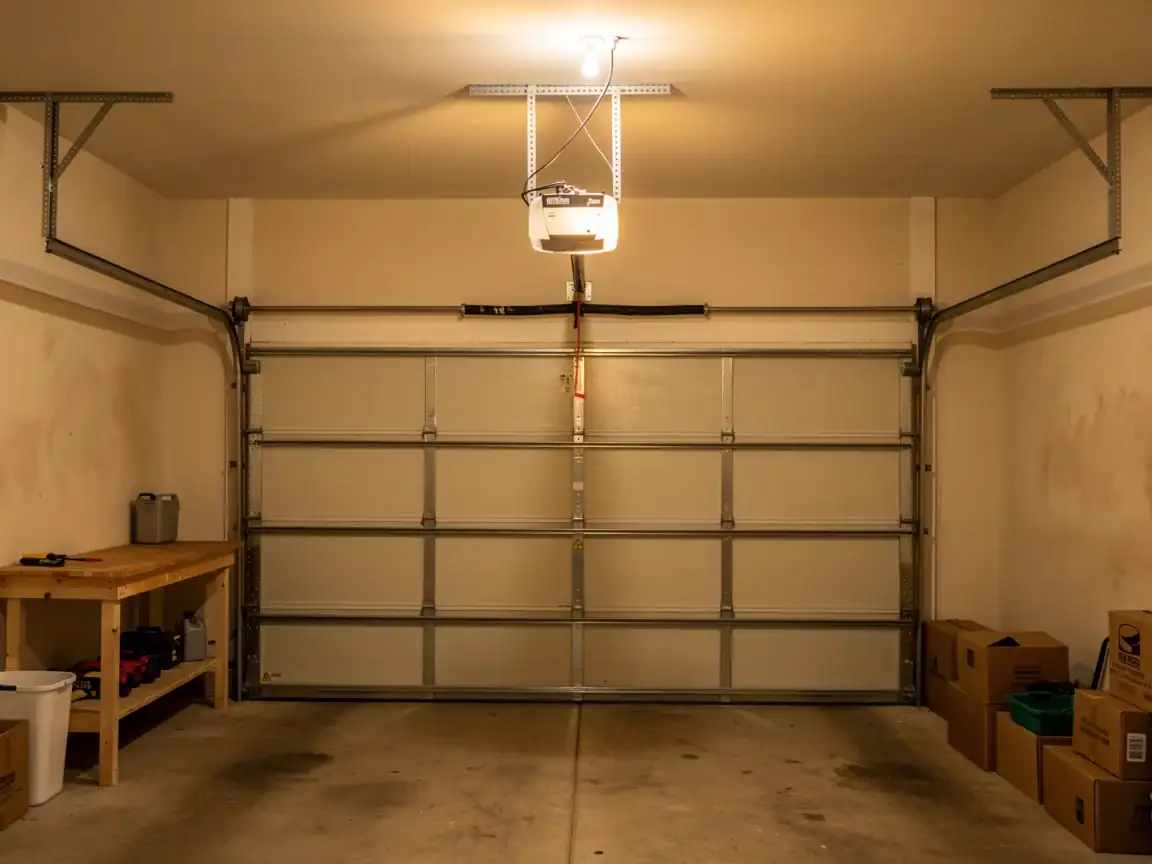
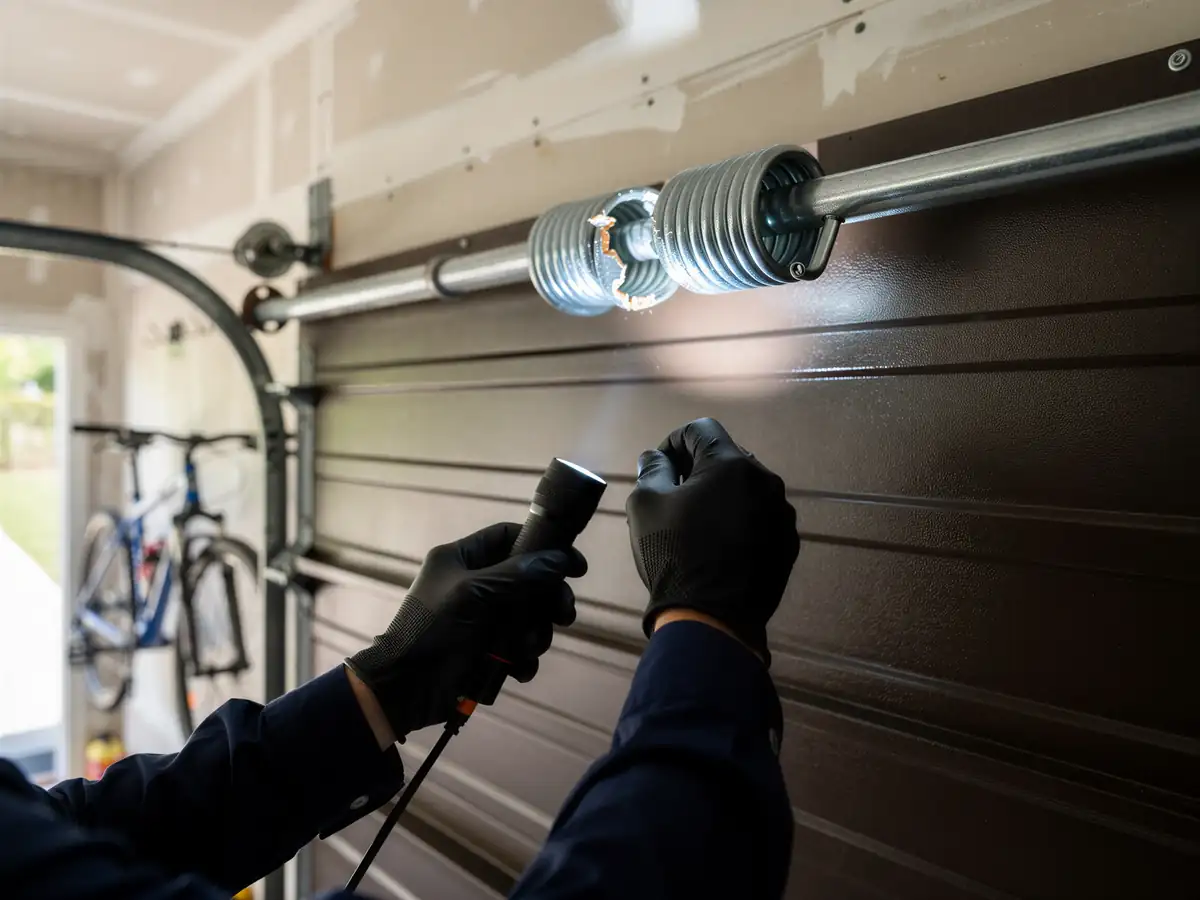
Unwind and remove the old spring under controlled tension, measure the drum and shaft for the right wire size, and install and wind the new spring to the door's actual weight. On a 1983-era door that's never been serviced, we're also checking rollers, cables, and the bottom bracket while we're in there, since parts that age together tend to fail close together.
Opener repairs on units from that same build era usually come down to a worn drive gear, a failed circuit board, or logic boards that have simply reached end of life
At that point replacement is often cheaper than chasing parts for a 20-plus-year-old unit. We travel out from Manhattan, about 17 miles, so the job is scheduled rather than walk-up, and we bring what the job needs based on what you tell us about the door on the phone.
- 17 miles
What You Pay
Given the $60,317 median income in Junction City, most of the repairs we see here land in the range homeowners can absorb without financing: a spring, a roller set, or a cable replacement. Full door replacement is the bigger decision, and it's one we'd rather talk through honestly than push - if the frame, track, and opener are sound, replacing just the panels and springs is usually the better value than a whole new system.
We don't publish a flat price list here because spring wire size, door weight, and opener model all change the number, and guessing before we've seen the door does nobody any favors.
Can You Do This Yourself
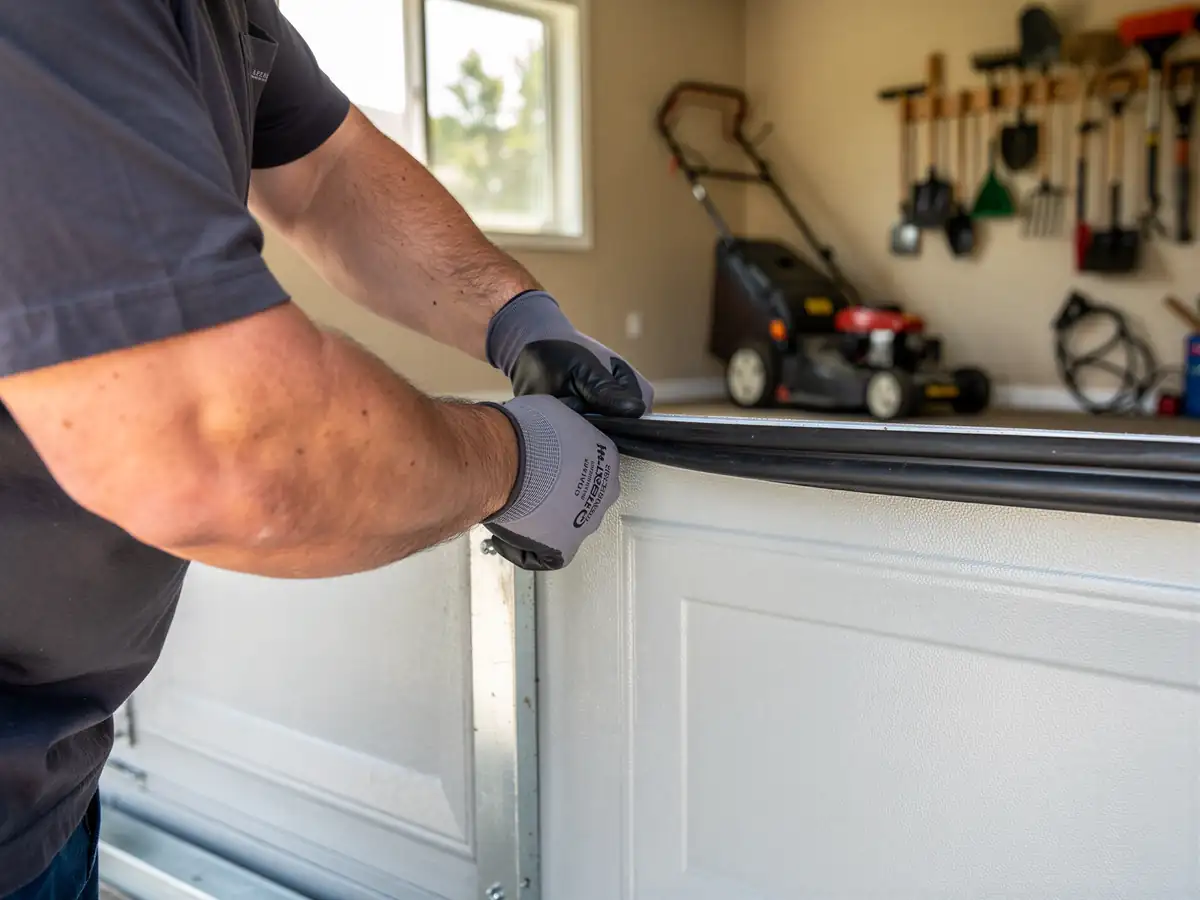
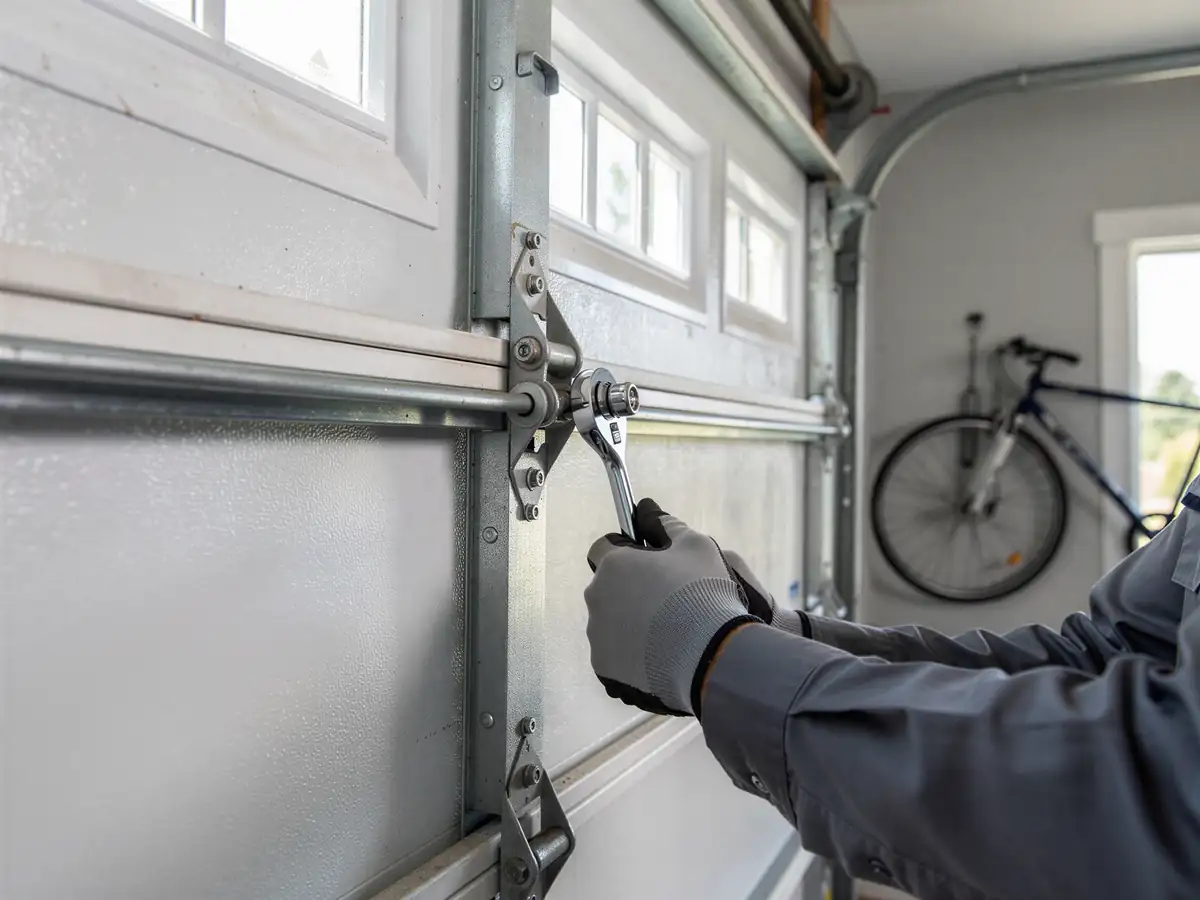
Rollers, weatherstripping, and tightening loose hardware are reasonable DIY jobs if you're comfortable on a ladder. Torsion springs are not. A door built for a 1983-era house is still under enough tension to cause serious injury if the winding bars slip, and the wire sizing has to match the door's actual weight, not a guess from a parts-store chart.
If the opener is just not responding, check the wall switch, the breaker, and whether the safety sensors at the bottom of the track are aligned and clear - a knocked sensor is a common, free fix. Beyond that, especially anything involving the spring or cables, it's not worth the risk to save a service call.
What Can Go Wrong
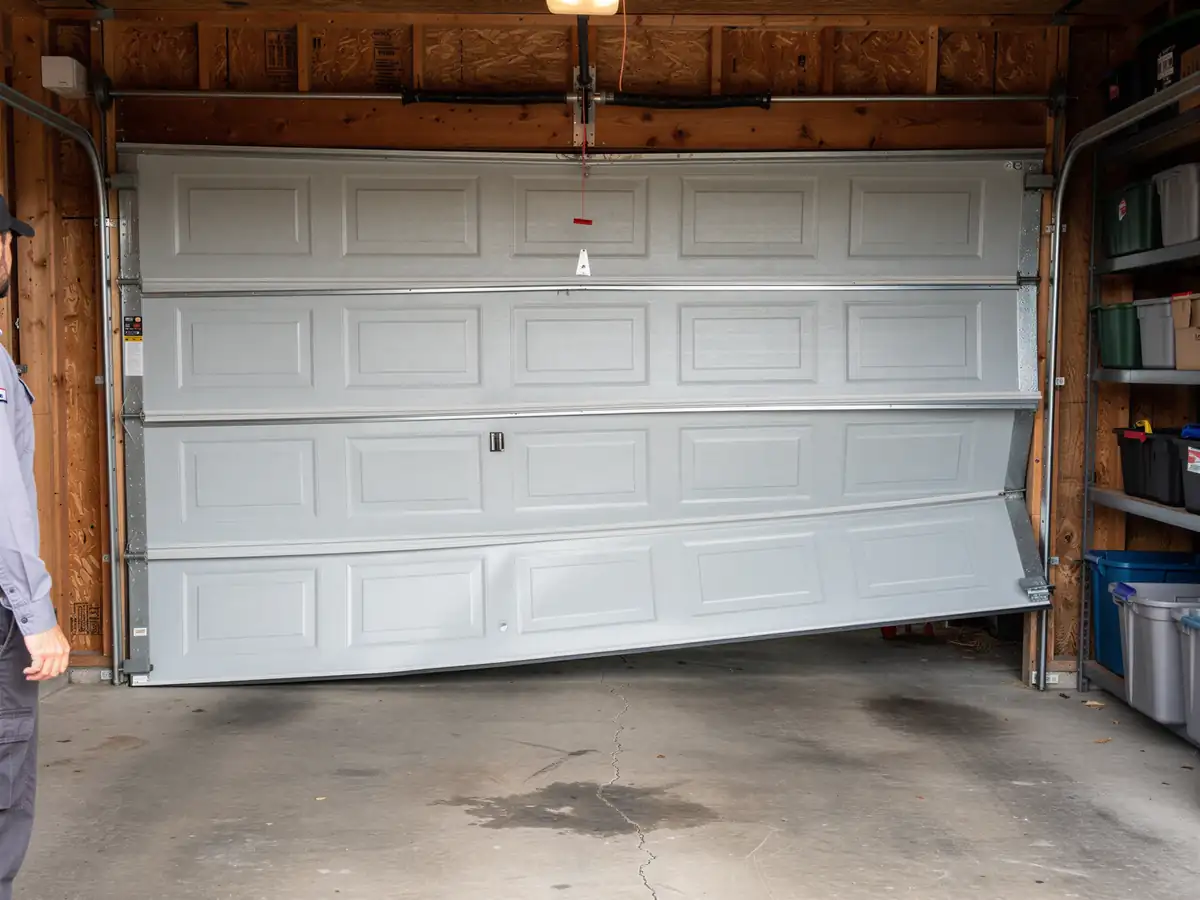
The most common failure we see on Junction City doors from this housing era is a torsion spring that's simply reached its cycle limit
It doesn't announce itself, it just snaps, usually when the door is going up. A close second is an opener's drive gear stripping after years of use, which looks like a dead opener but is actually a $20-30 part.
Less common but worth knowing
On a handful of older homes here with original 1960s-70s construction, you'll still find extension springs and side hardware that predates the torsion-spring standard - that setup needs different parts entirely, and we won't force a modern torsion kit onto an old track system that wasn't built for it.