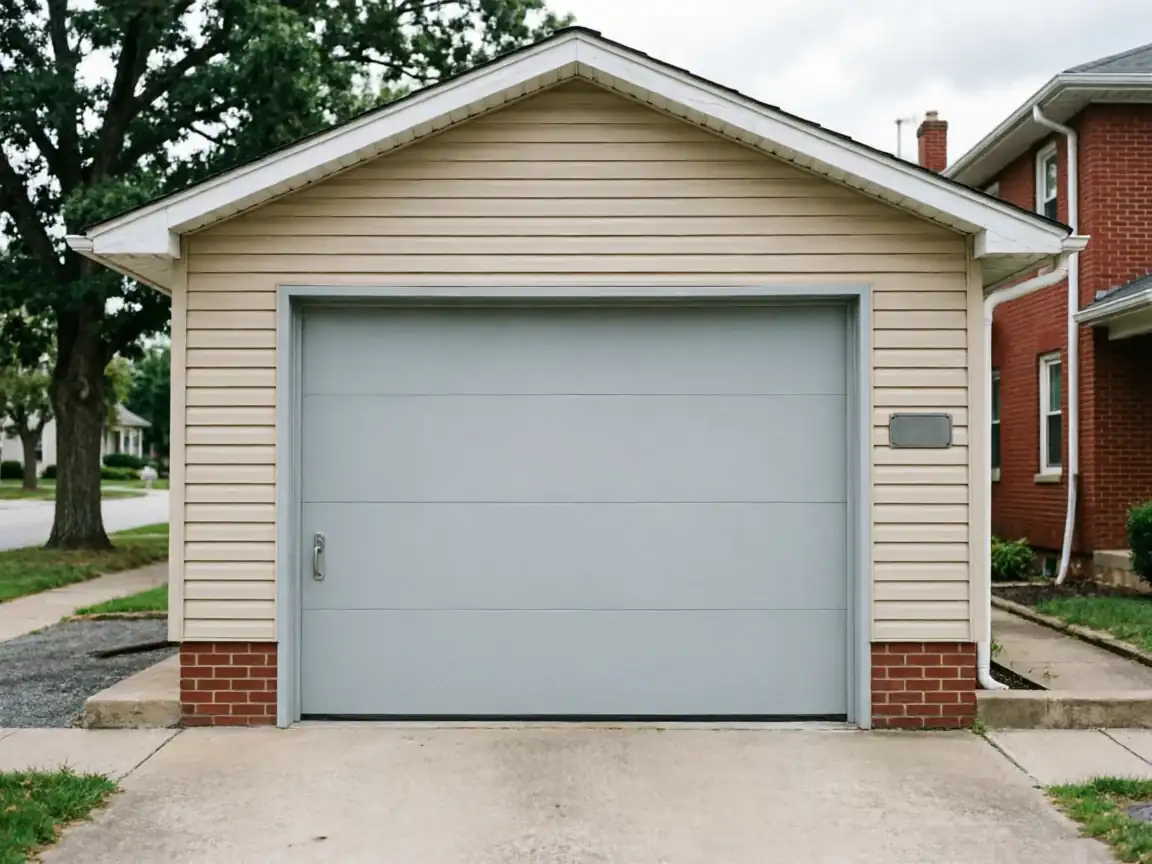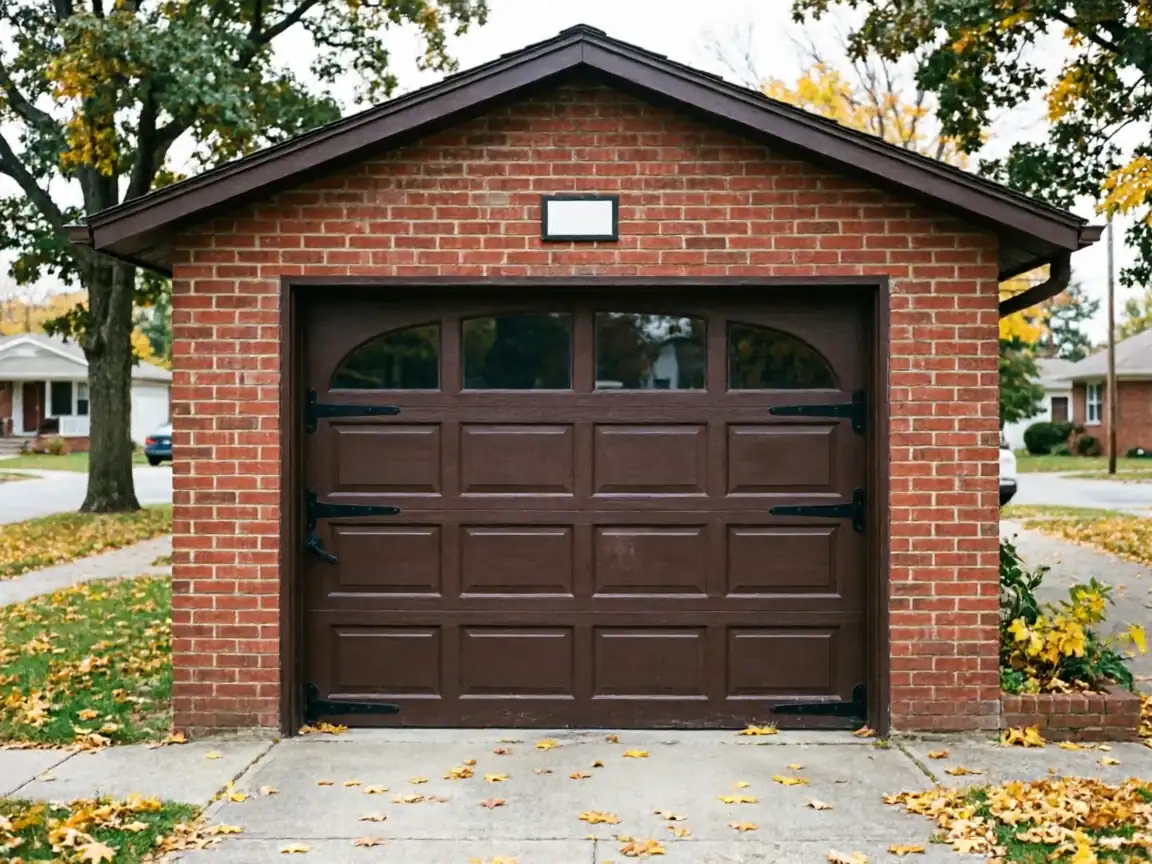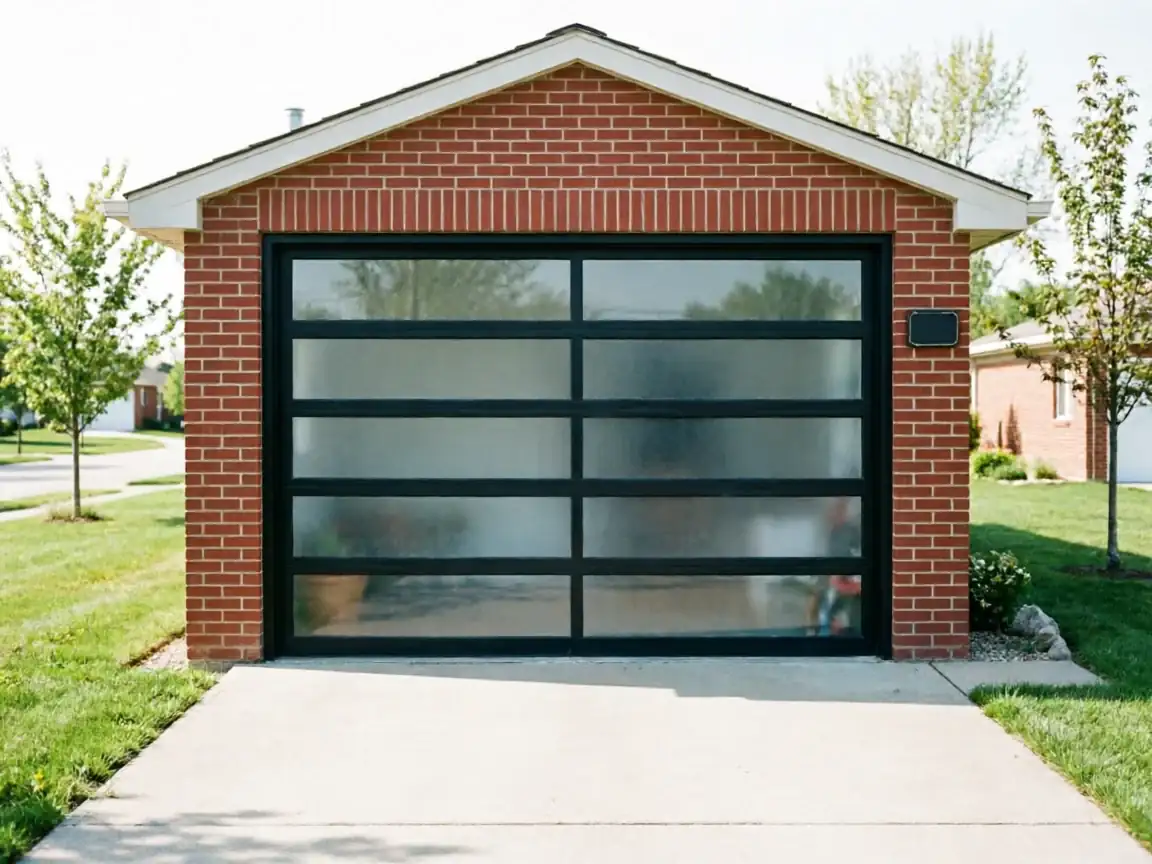
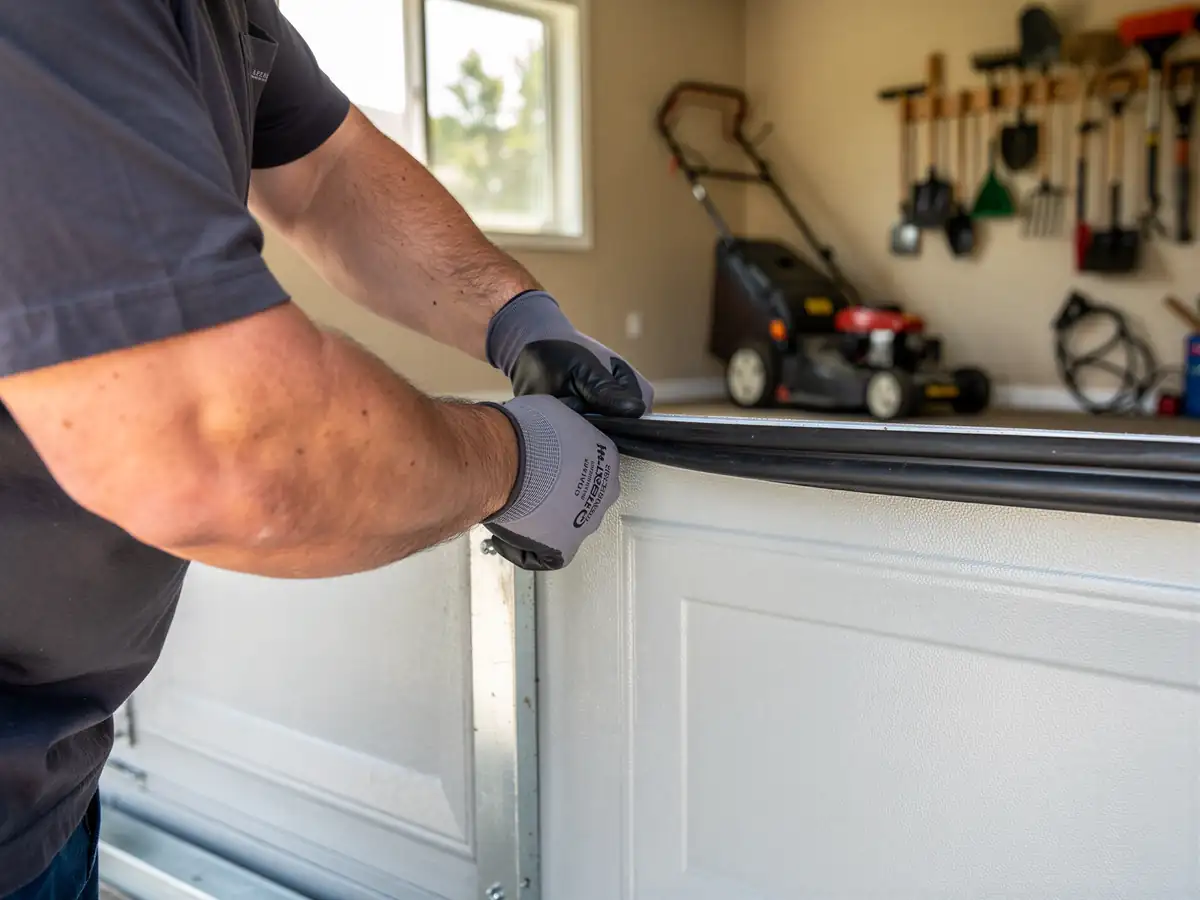
What You Are Seeing
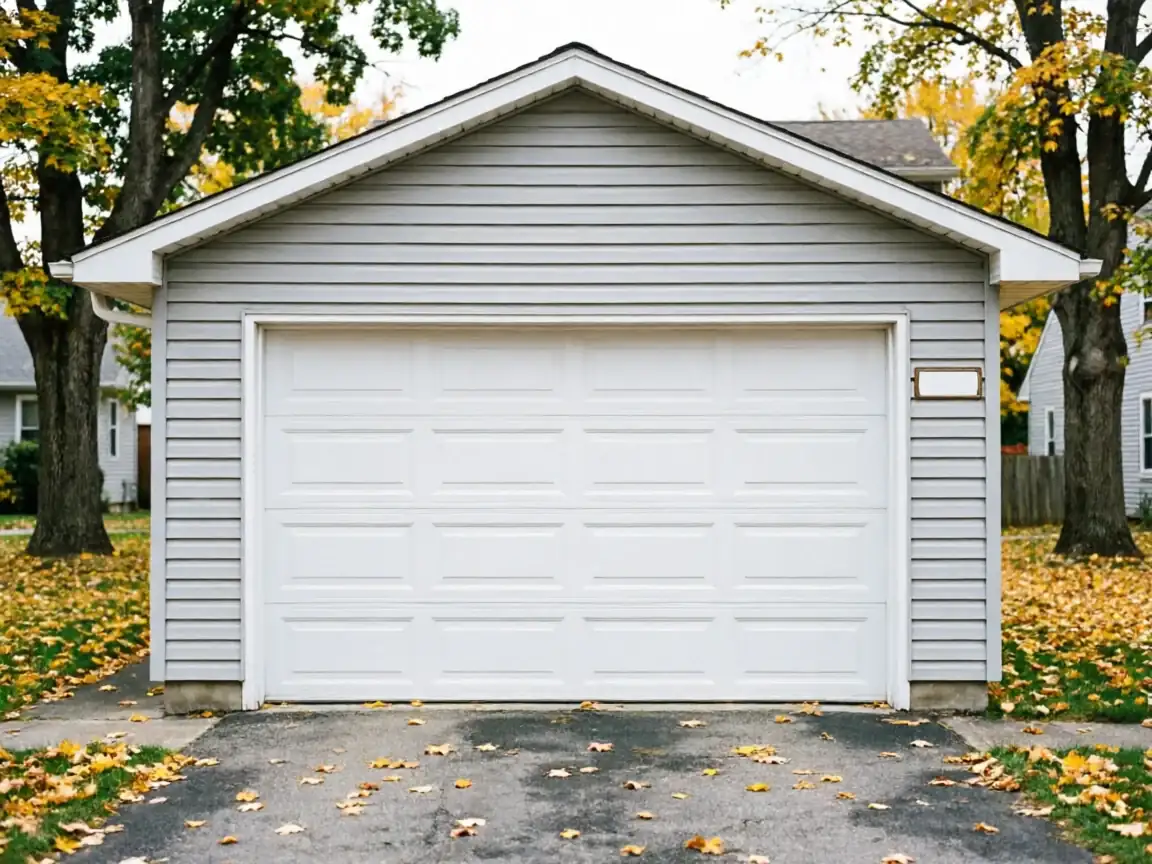
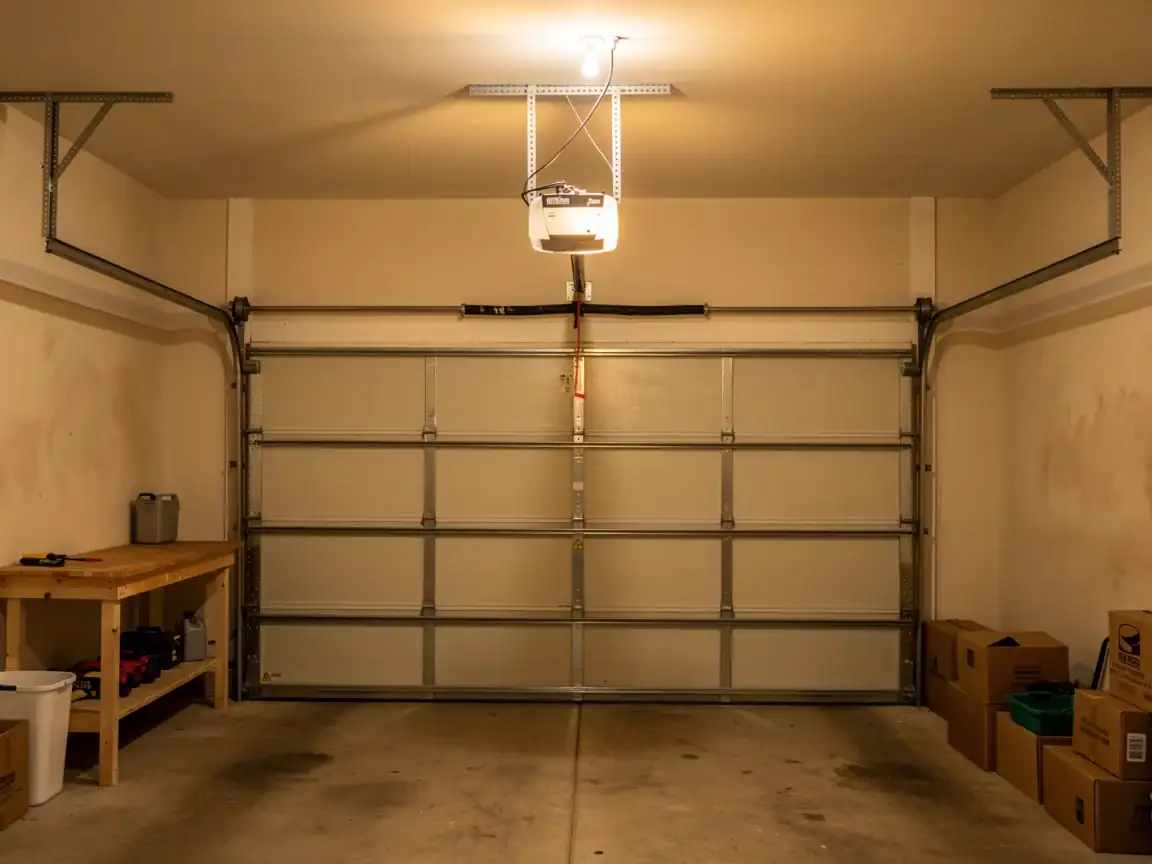
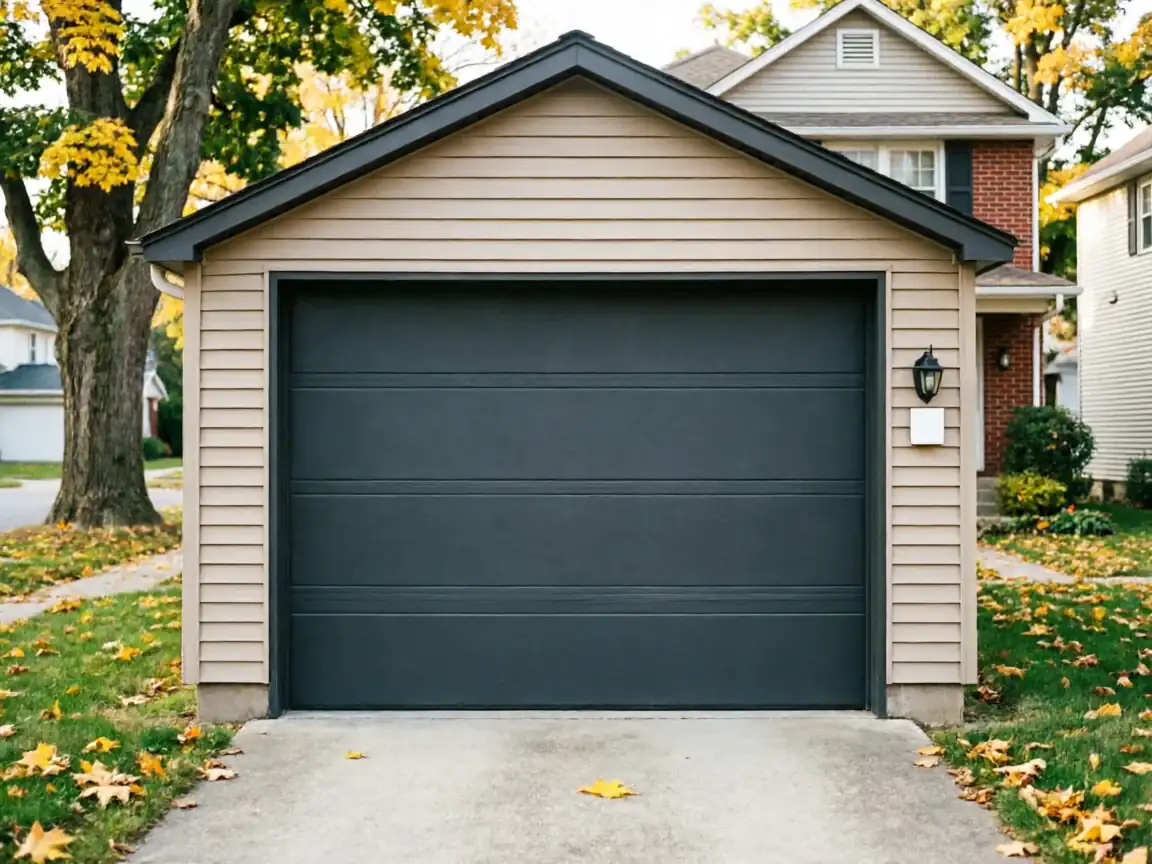
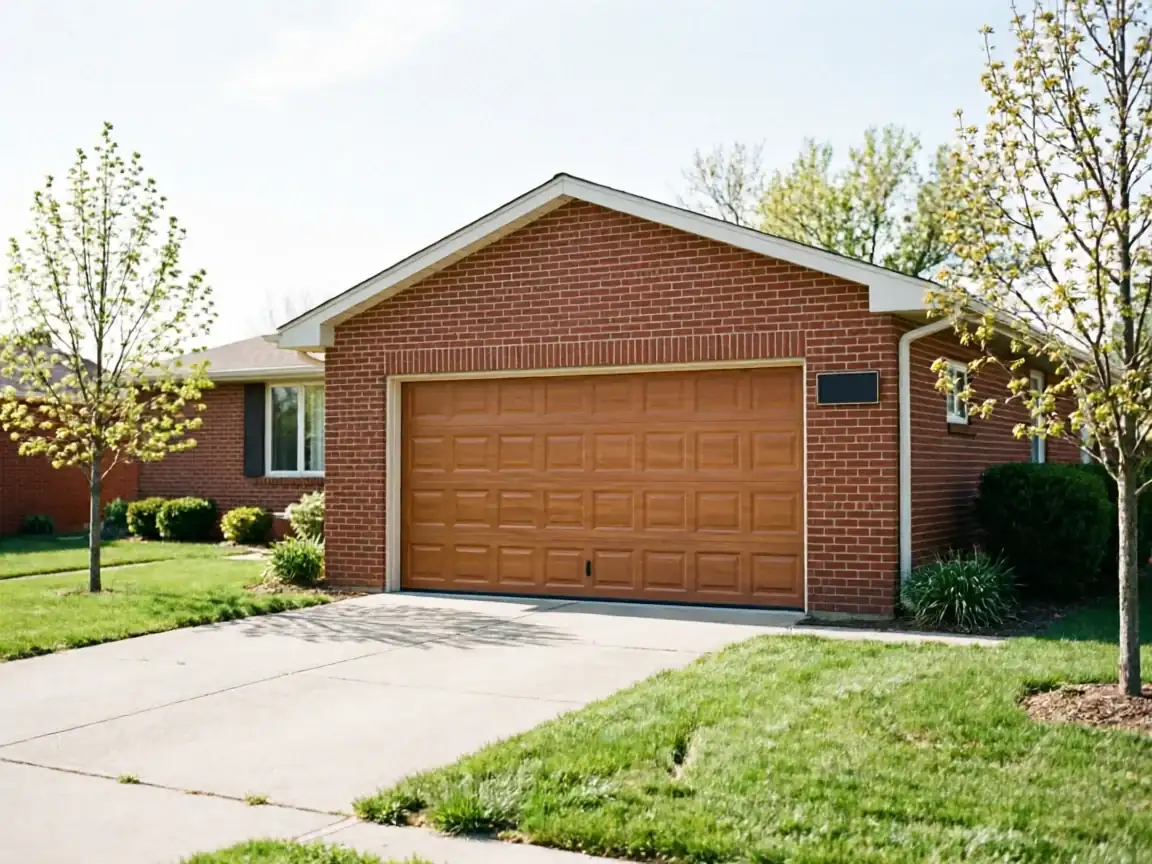
Most houses in Junction City went up around 1983, roughly a decade after the 1974 median that covers the wider service area. That gap matters more than it sounds. Doors installed in the early-to-mid 80s were almost always steel sectional panels on extension or torsion springs, not the plank-and-rail doors that showed up in the 1960s batch of houses closer to Manhattan. If your door is original to the house, you're looking at hardware pushing 40 years, which is past the design life of most springs and well past it for the original rollers and cable ends.
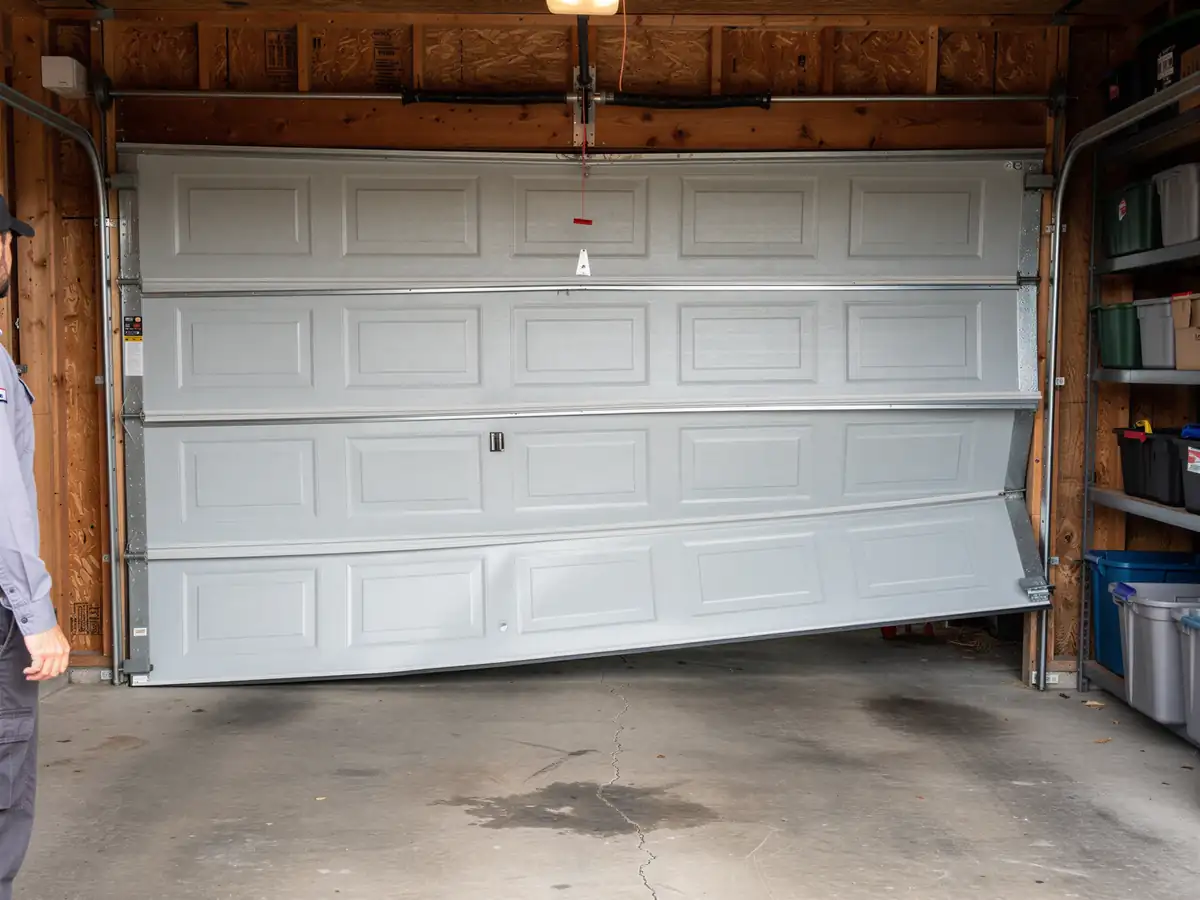
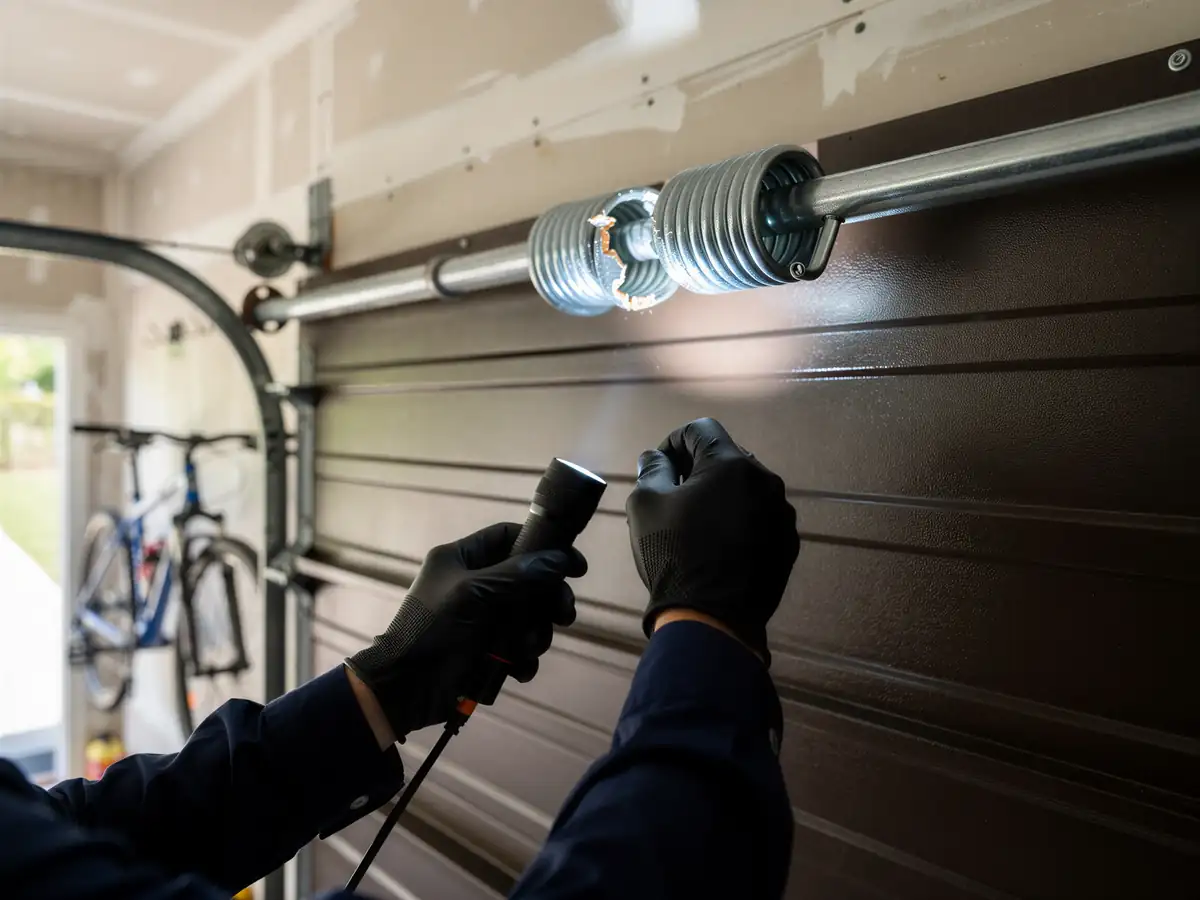
What you're seeing day to day: a door that's noisier than it used to be, a spring that looks fine but is visibly stretched or sagging on one side, or an opener chain with more slack than it had a few years back. None of that is an emergency by itself. It's wear showing up on schedule for hardware this age, and it's the kind of thing a maintenance visit catches before it becomes a dead spring on a Saturday morning.
Parts We Carry
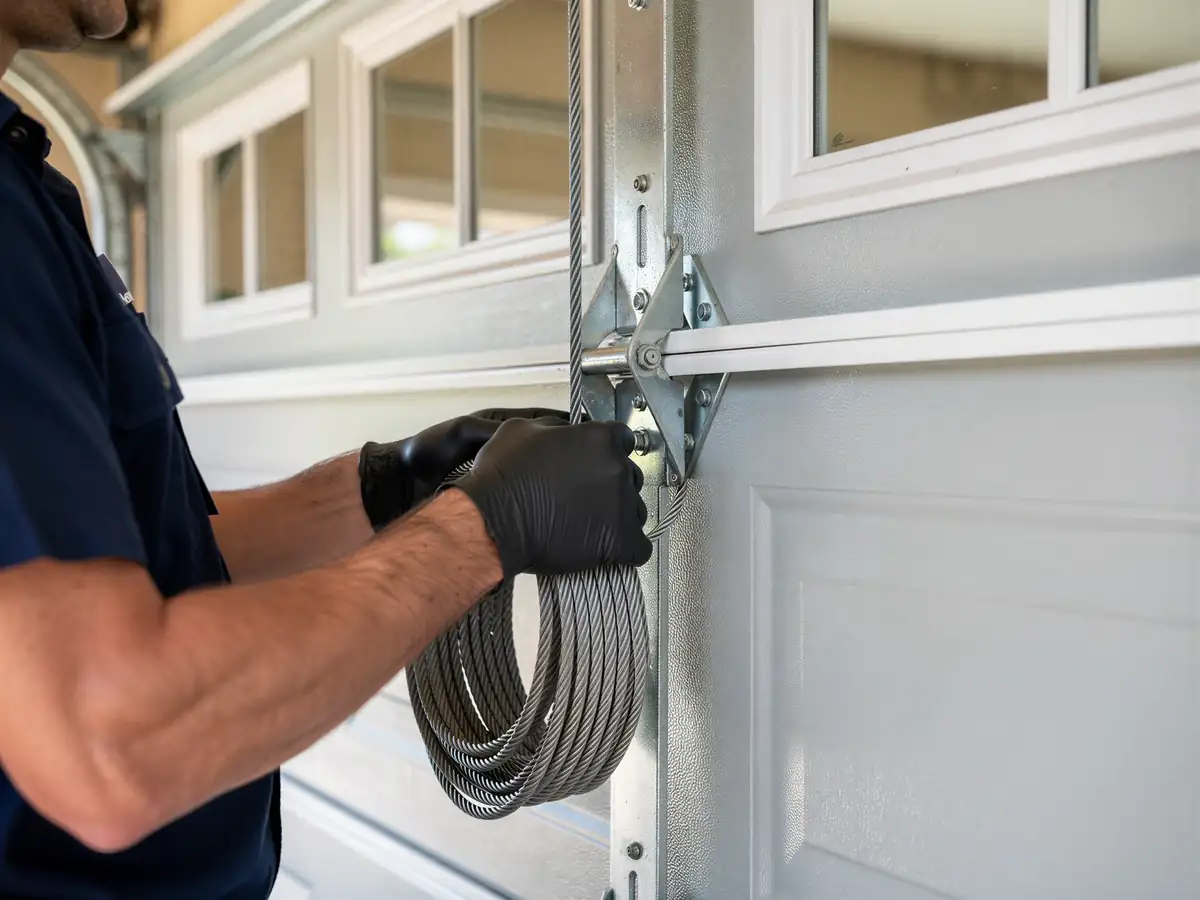
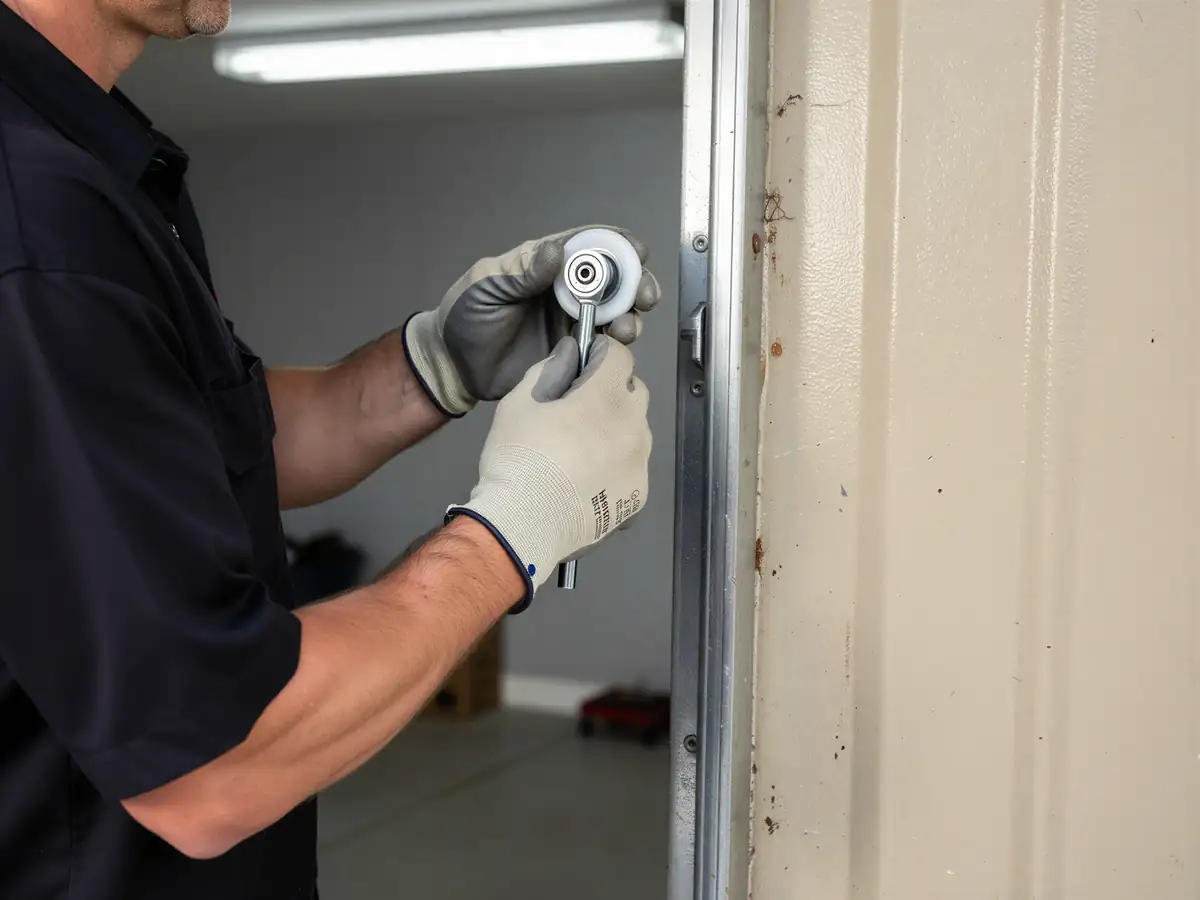
For doors from the early-80s wave, the parts that fail first are the torsion or extension springs, the stamped-steel rollers (plastic rollers weren't standard yet on most of this stock), and the cable drums at each end of the torsion bar. We carry standard spring sizes that fit the common 7-foot and 8-foot double-door openings from this era, along with galvanized lift cable and steel hinges sized for the heavier gauge panels builders used at the time.
We don't stock every obsolete bracket or the specific drum size for every opener brand that's since gone out of production. If your door has a less common setup, we'll tell you that on the visit rather than force a part that's close enough - close enough on a spring is how you get an imbalanced door inside a year.
What the Fix Involves
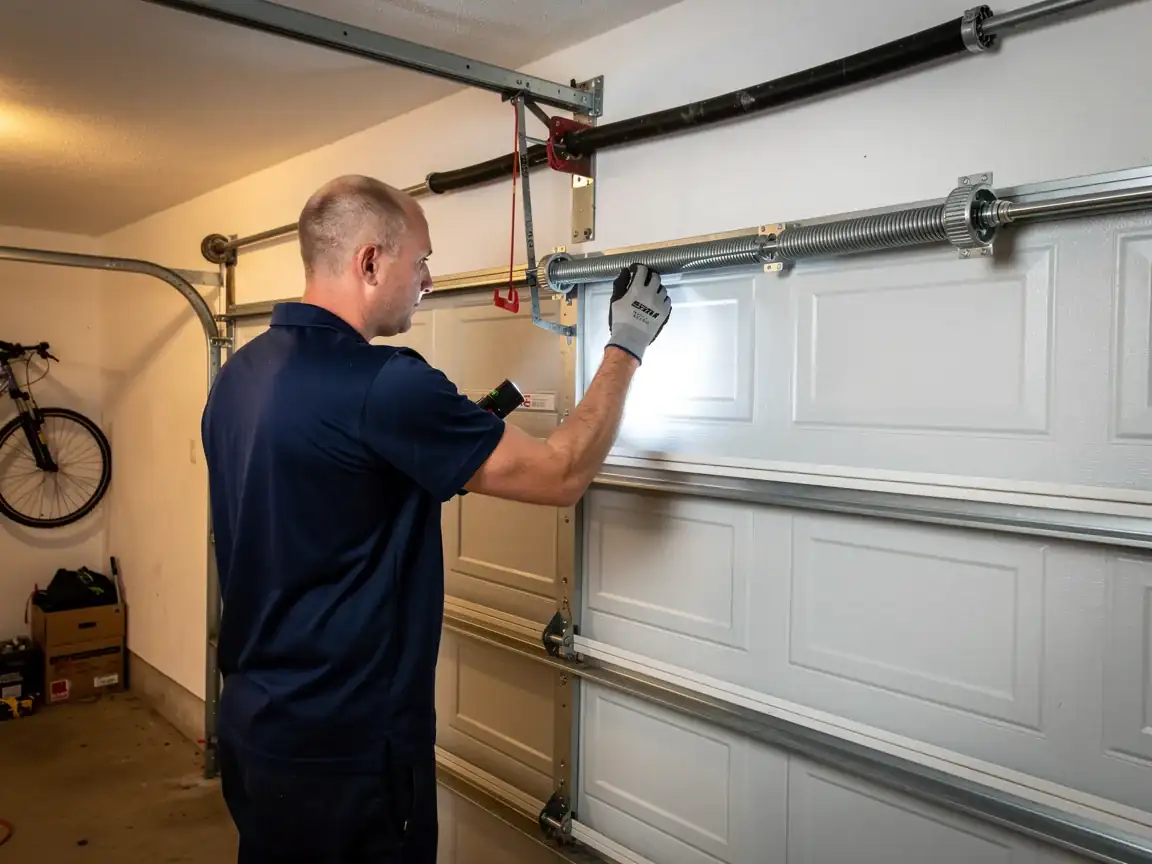
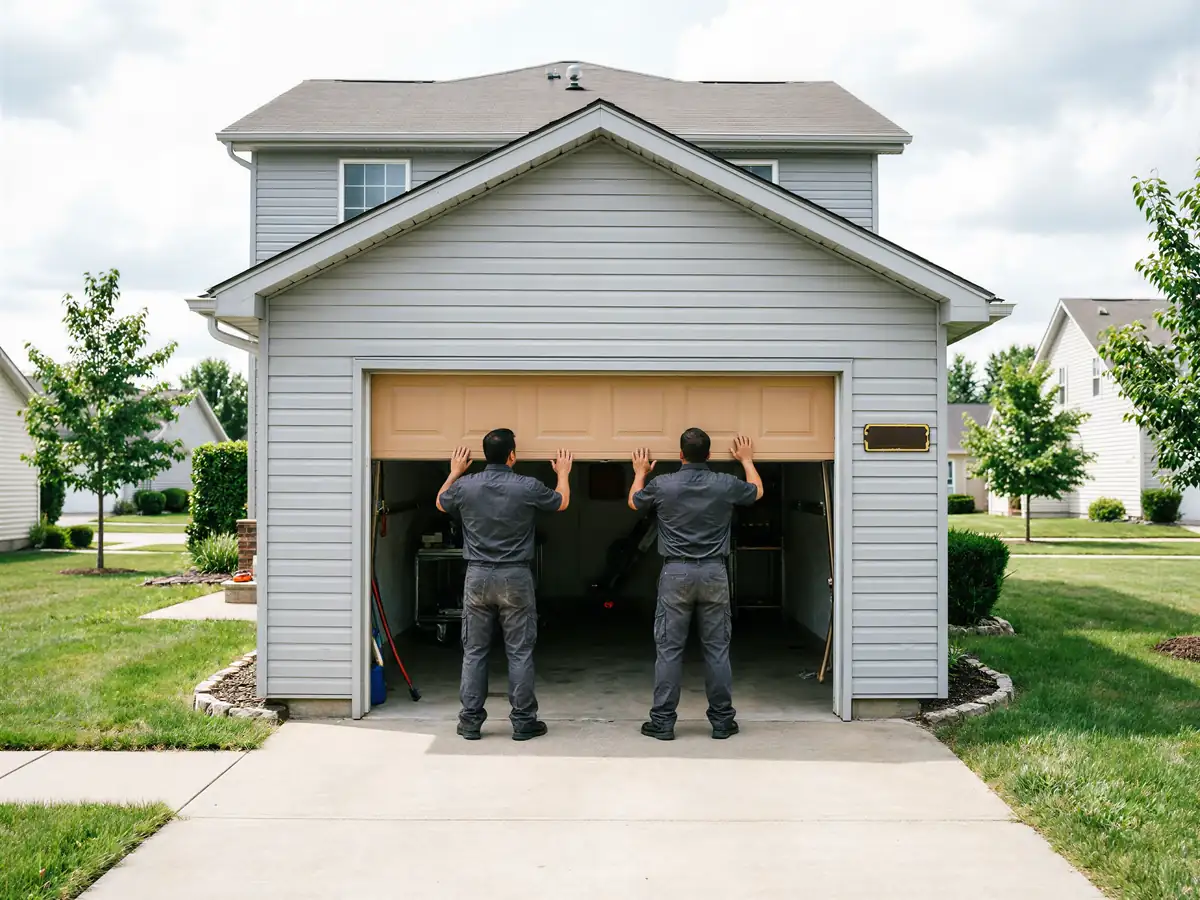
A maintenance visit on a door this age starts with checking spring tension against the door's actual weight
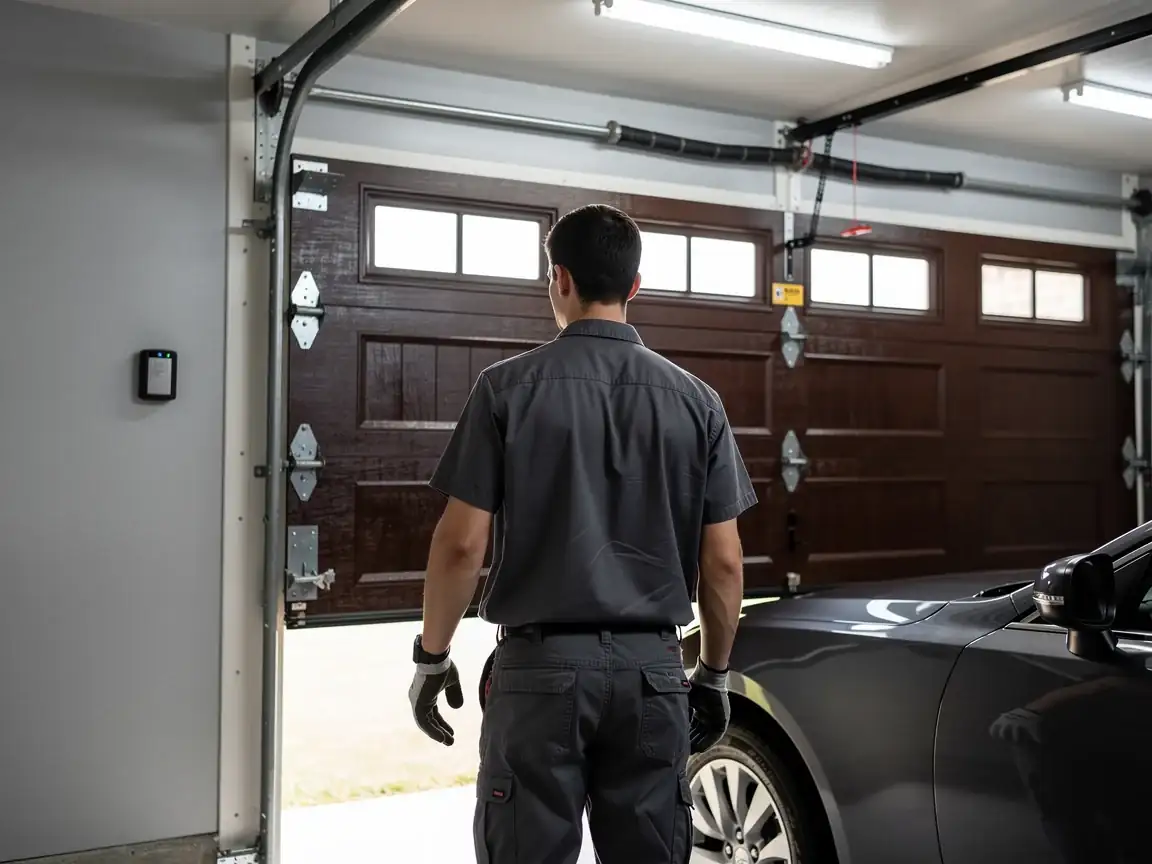
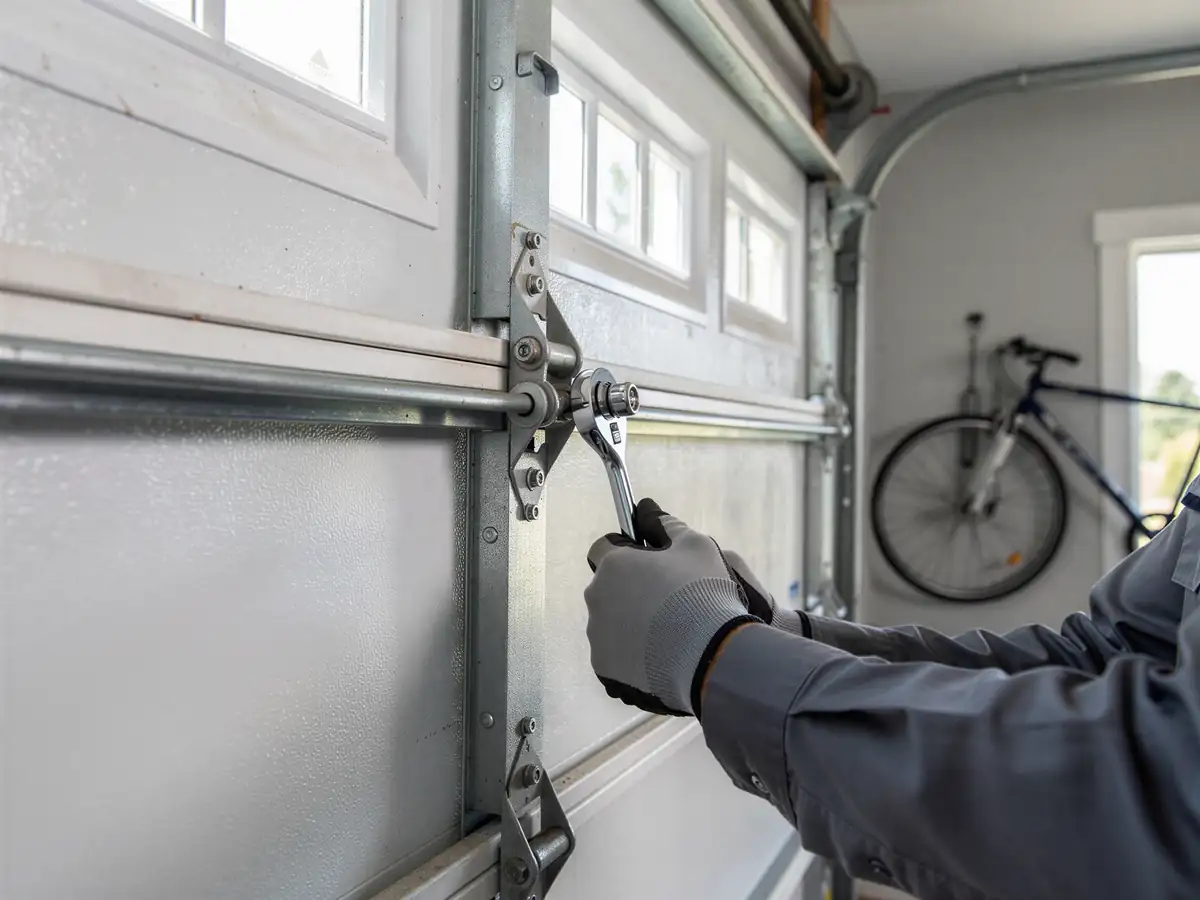
Not just looking at whether it lifts. We check the torsion bar for play, inspect cable ends for fraying near the drum, and run the rollers through their full travel to catch binding before it turns into a jump-the-track call. On steel panels from the 1980s, we also check the bottom panel and weatherstrip, since that's usually the first part to take moisture damage.
We lubricate hinges and rollers, tighten hardware that's worked loose from thousands of cycles
And check opener force settings - an opener that's been cranked up to compensate for a tired spring will keep doing damage to the spring and the opener motor both. None of this is a full teardown. It's an hour, give or take, depending on what we find once the door's open.
What You Pay
We don't post a flat number here because what a visit runs depends on what's actually worn versus what just needs adjustment - a tune-up with a lube-and-tighten is a different job than one where we're replacing a stretched spring or a cracked cable drum. Junction City's median household income runs $60,317, a bit under the $61,953 median across the wider area we cover, and we price maintenance the same way regardless of which town we're driving to. The honest answer: a straightforward maintenance visit costs less than one emergency spring replacement, which is the whole argument for doing it on a schedule instead of waiting.
Can You Do This Yourself
Lubricating hinges, wiping down tracks, and checking that the auto-reverse safety feature still works are fine to do yourself, and worth doing a couple times a year regardless of who you call for anything bigger. Tightening visible bolts on the track brackets is also reasonable with the door closed and the opener unplugged.
Torsion springs are not a DIY job. A spring under full tension on a door this age, with cable ends and drums that haven't been inspected in years, can do real damage if it lets go while you're working on it. If you're not sure whether what you're looking at is a spring job, that's reason enough to have it looked at rather than guess.
What Can Go Wrong
The most common failure on 1980s-era steel doors is a spring that looks intact but has lost enough tension that the opener is doing most of the lifting work
Which wears the opener's gear and drive belt faster than it should. Second most common is a cable starting to fray at the drum, usually invisible until it's most of the way gone. Less common but worse: a rusted or cracked drum on a door that's spent decades in a Kansas winter, which can let the cable slip entirely.
We don't recommend patching a cracked drum or a frayed cable
Both get replaced, not repaired, because a partial fix on load-bearing hardware just moves the failure point somewhere less convenient.