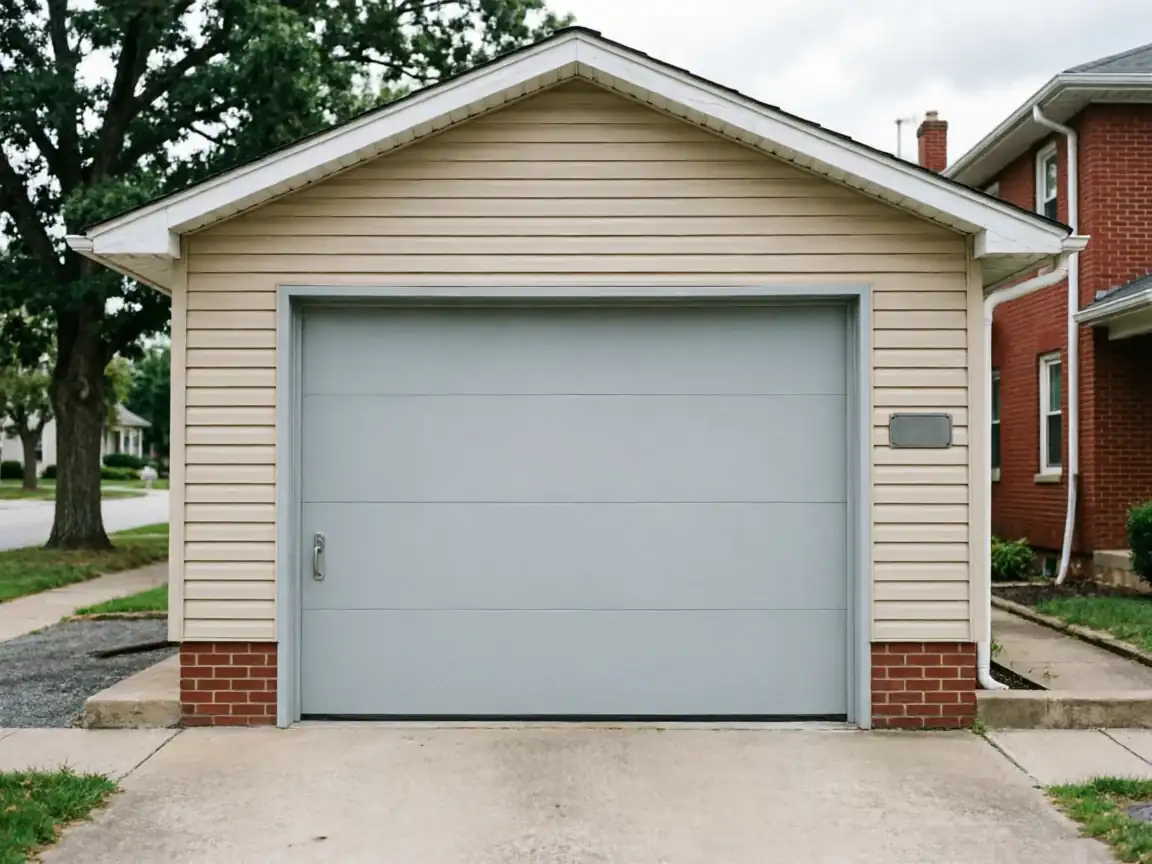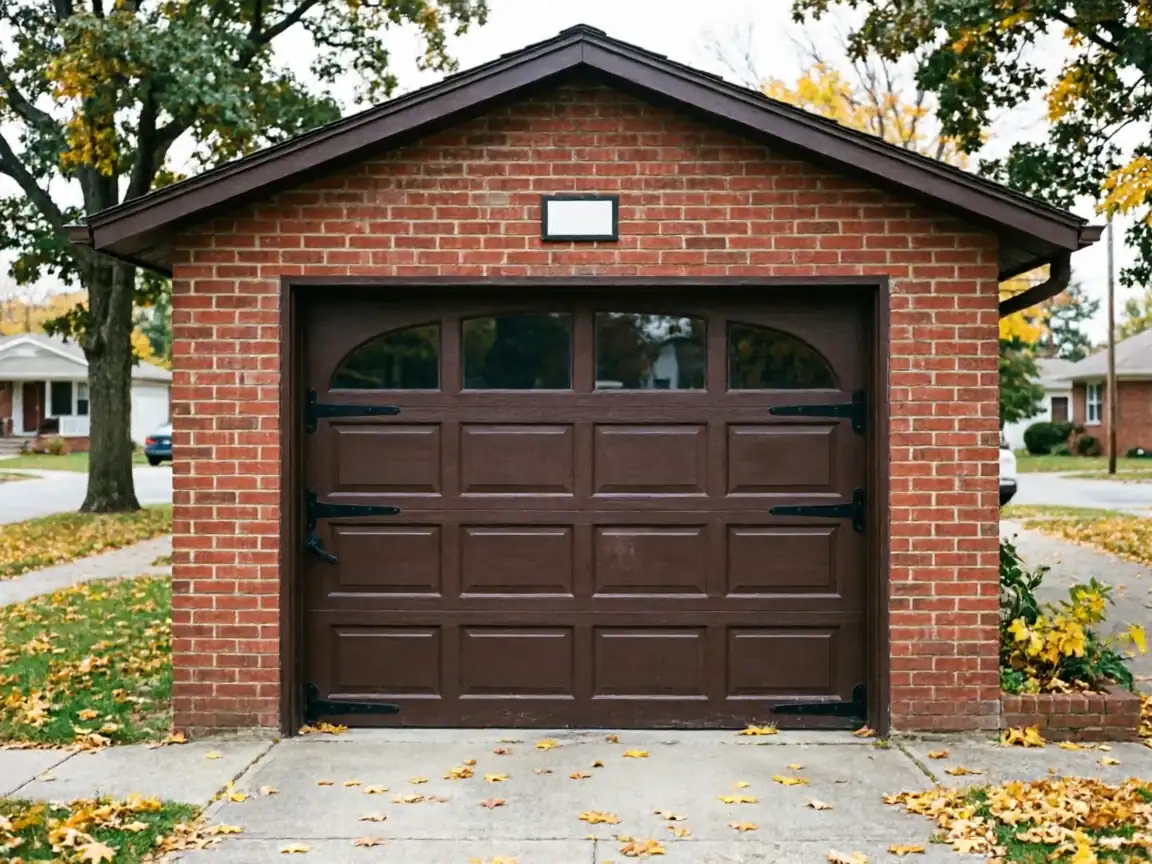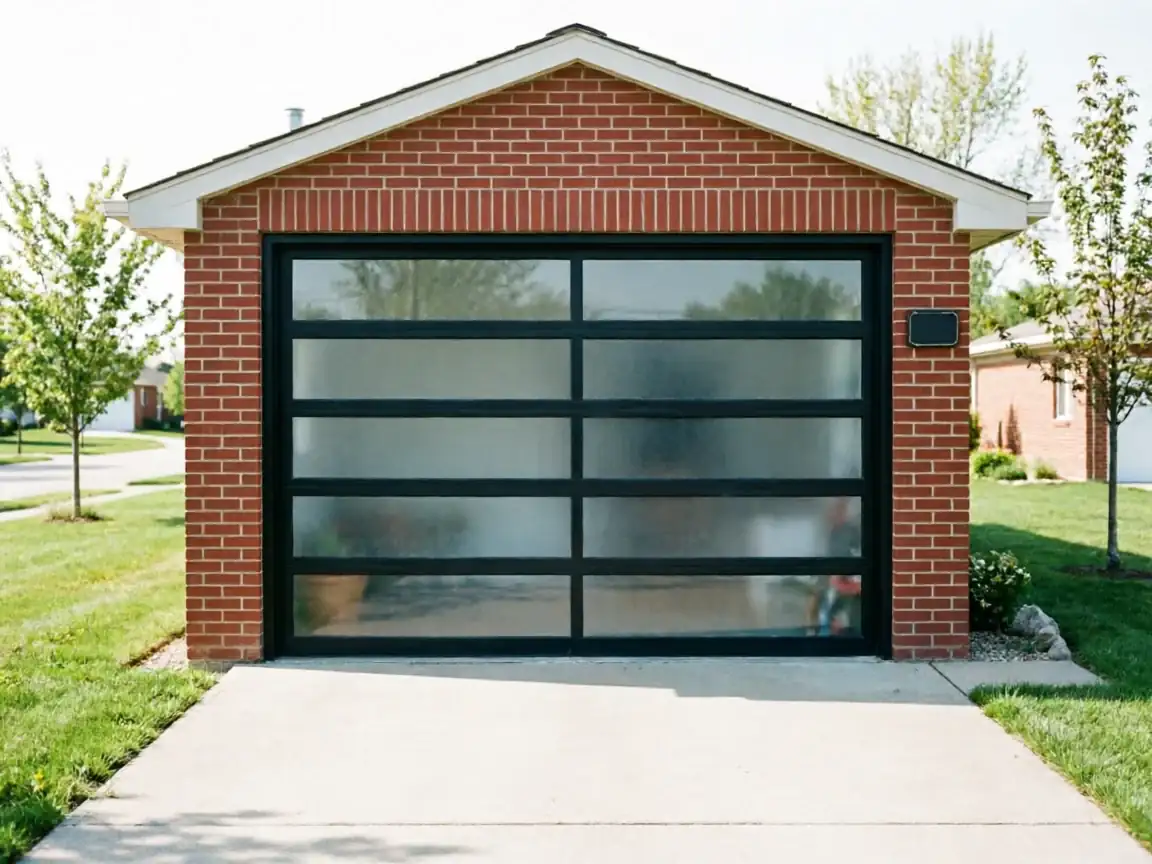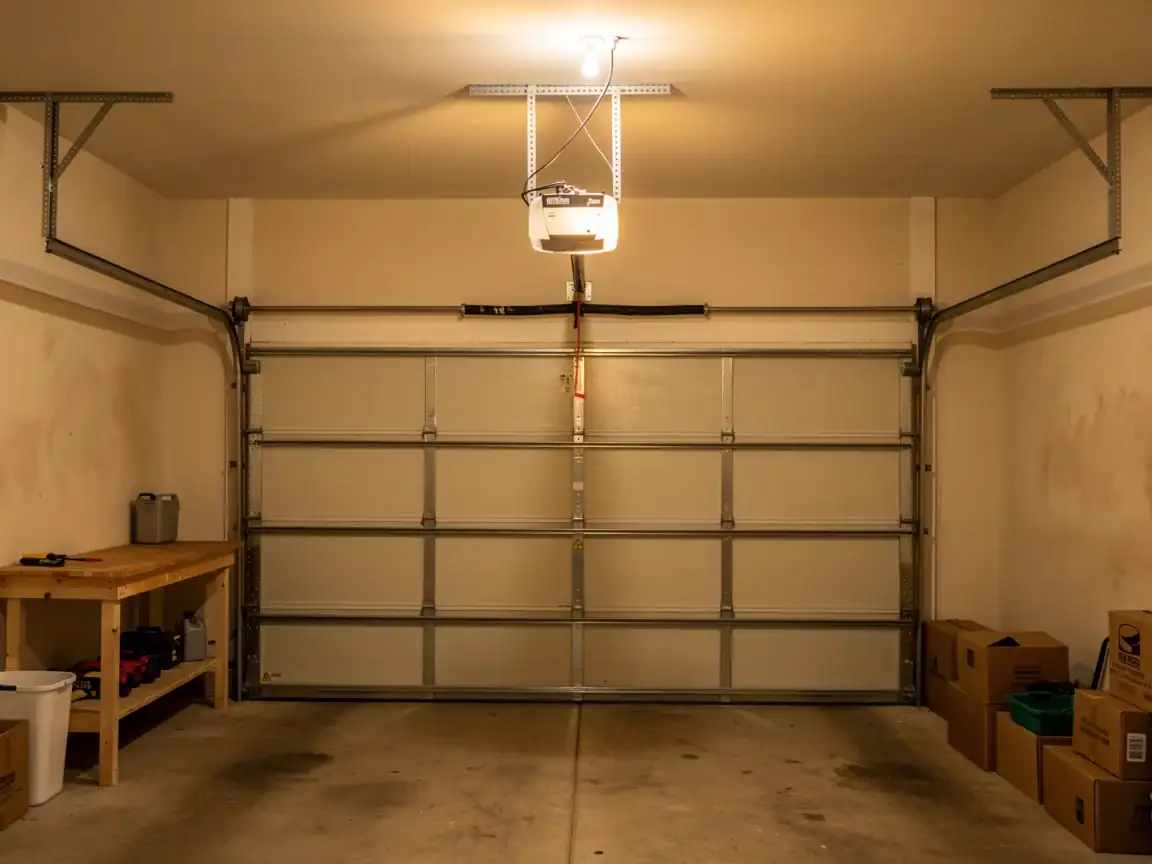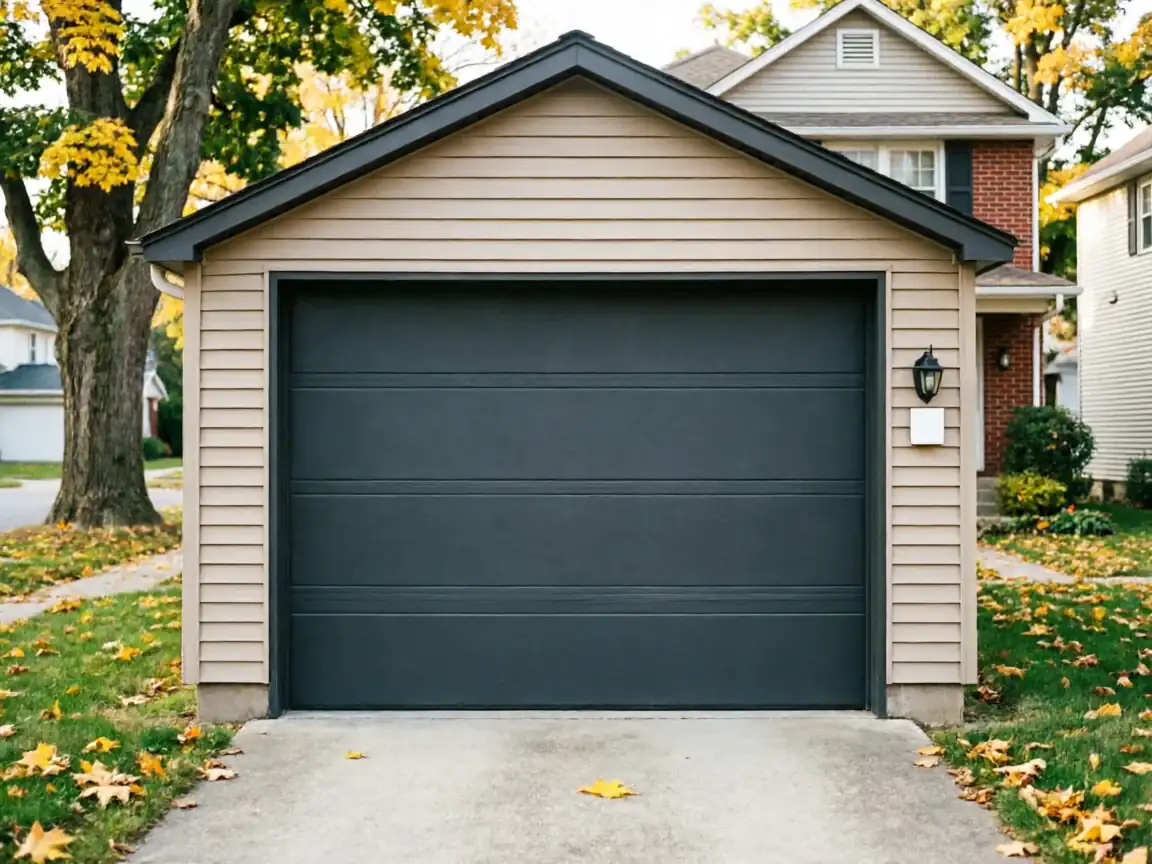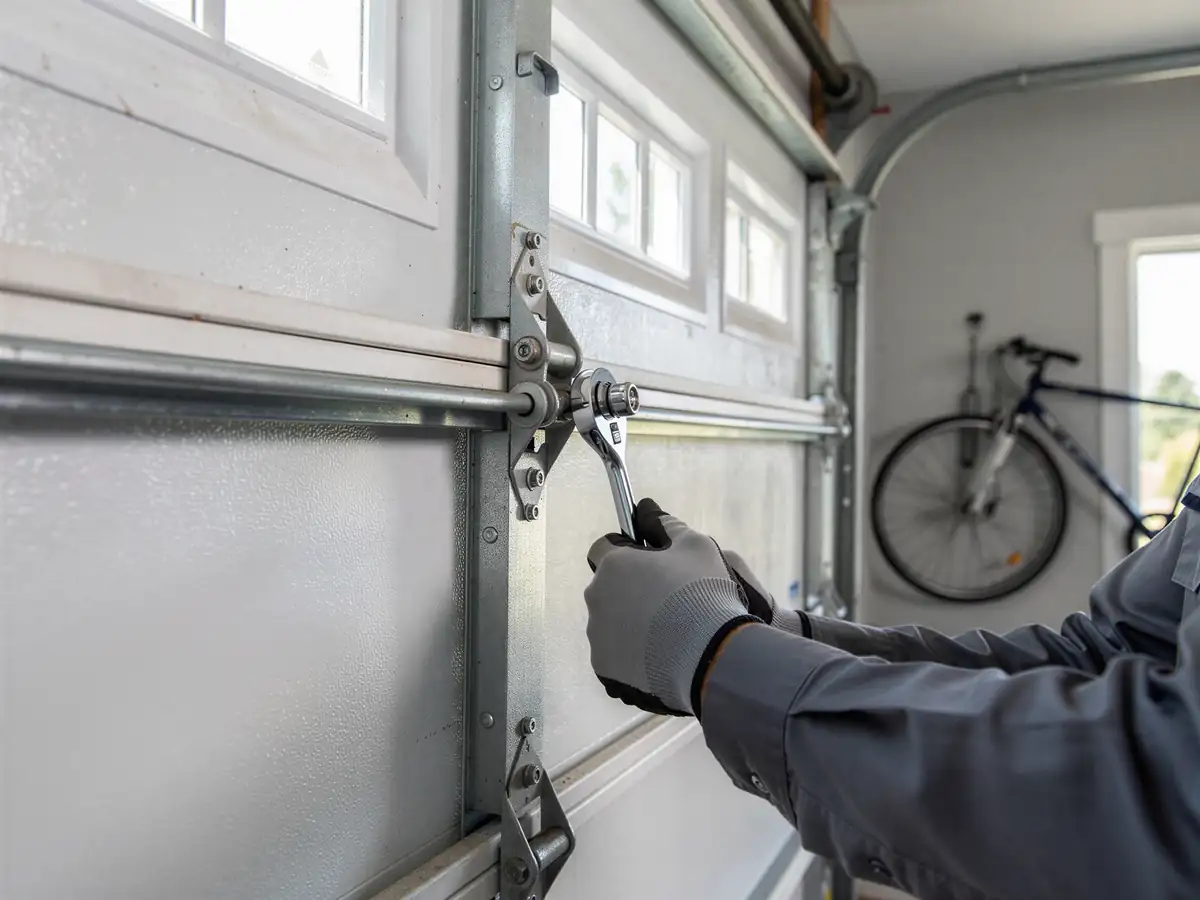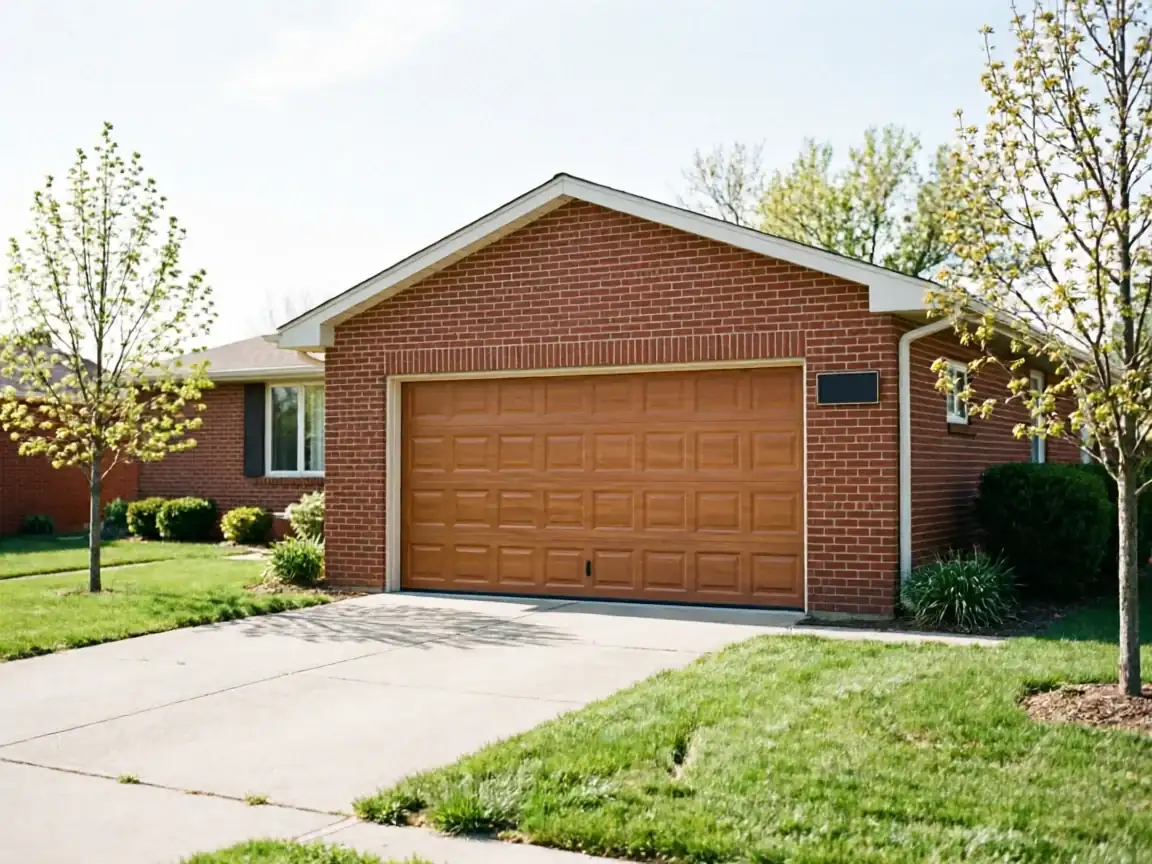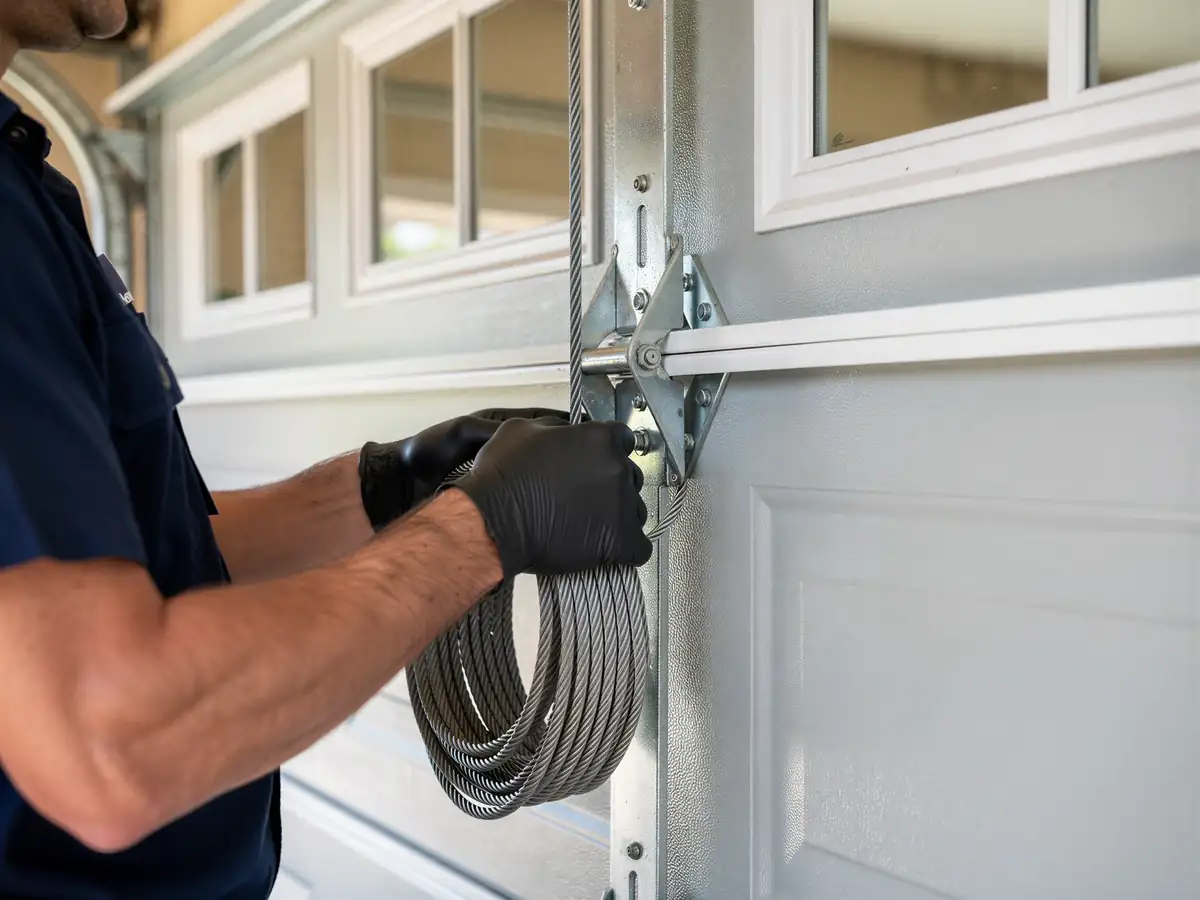
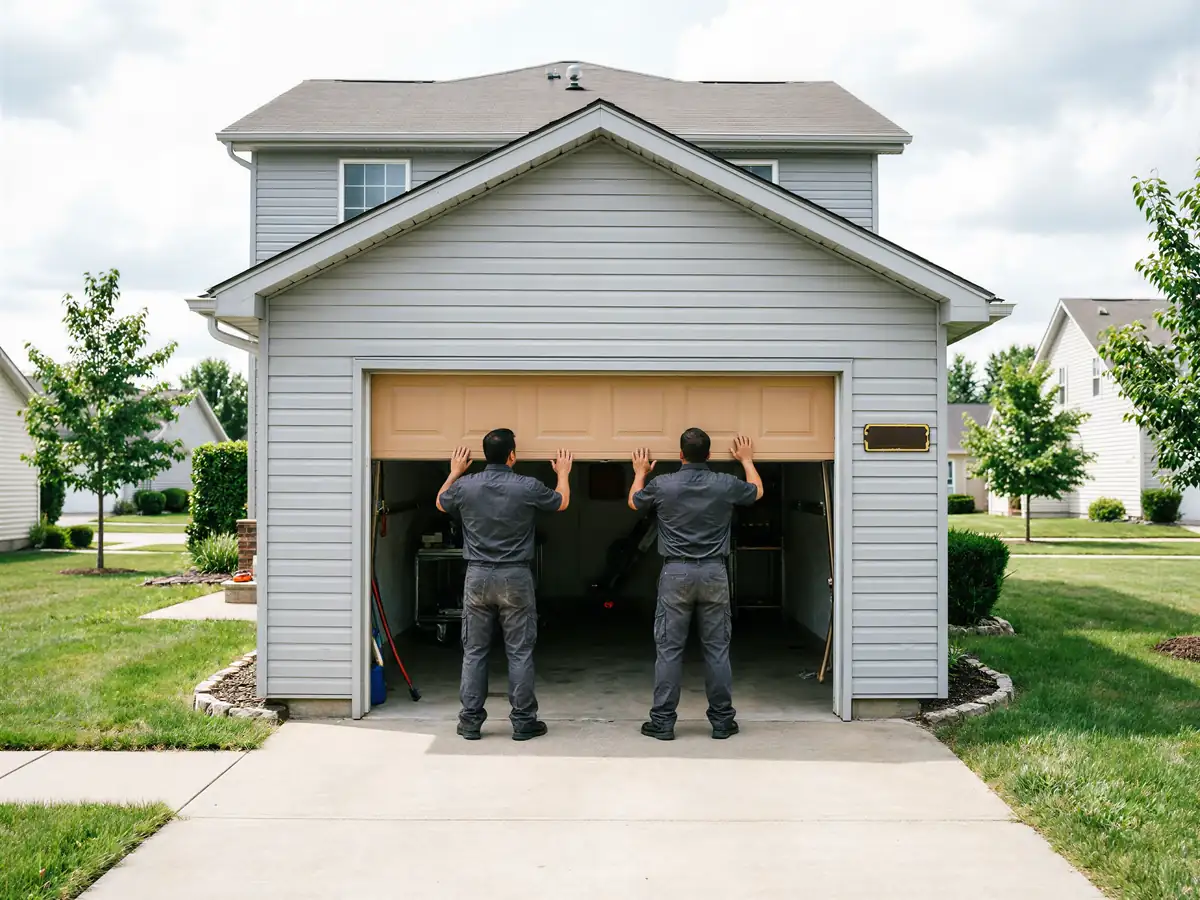
What You Are Seeing
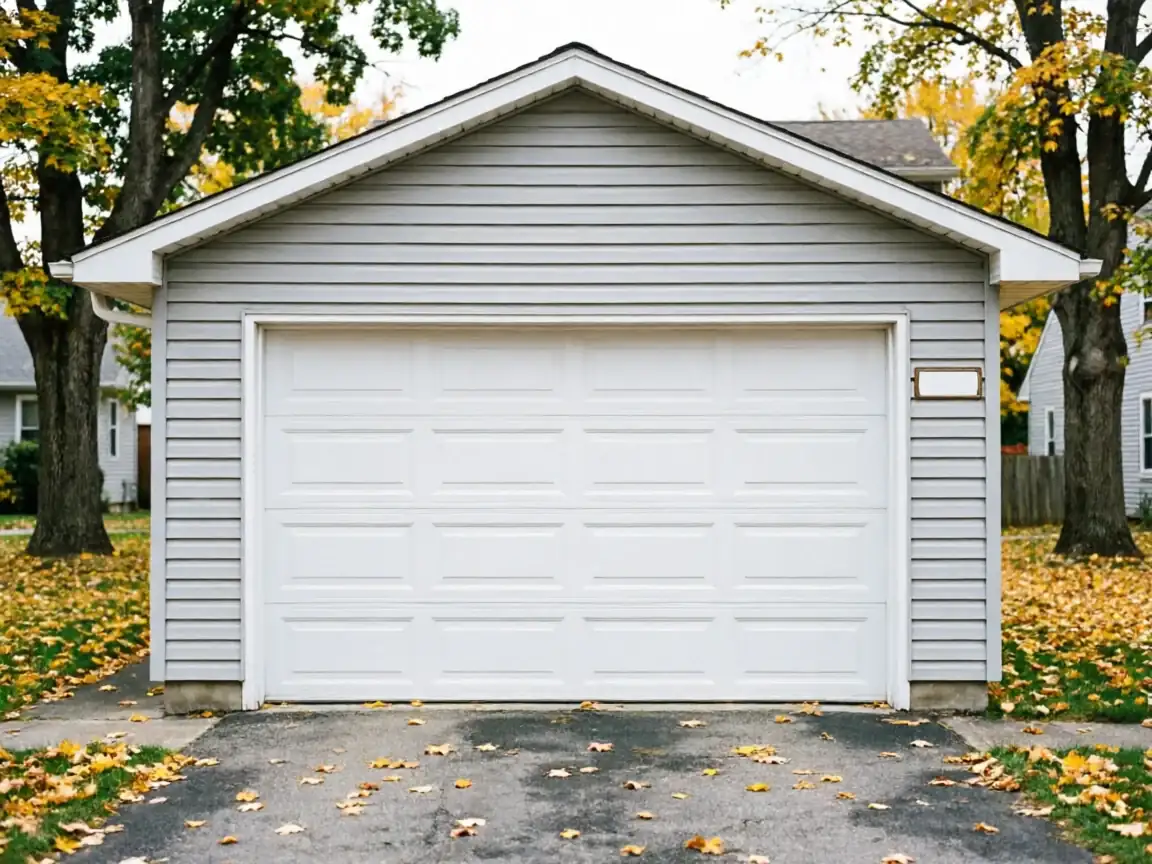
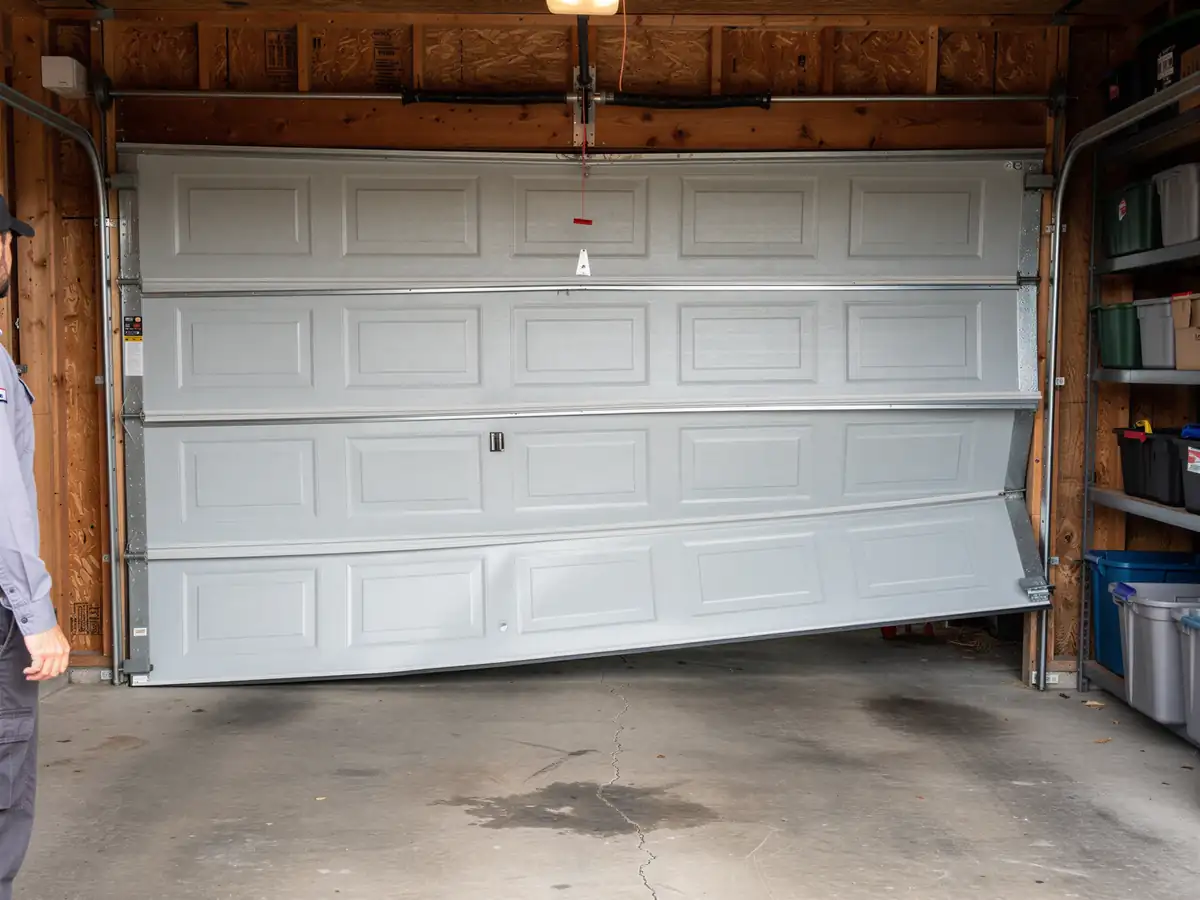
The call we get from this side of the territory isn't usually about a door that's ancient - it's about one that's just old enough to fail all at once. Housing here centers on 1983, close to a decade newer than the typical build year across the rest of Manhattan Garage Door Pros' service area, where the median sits closer to 1974. That gap matters. A door and opener installed when a house went up in the early-to-mid 1980s is now past 40 years old, and that's exactly when the steel skin starts rusting through at the bottom panel, the galvanized rollers seize in their tracks, and the factory torsion spring - rated for a specific cycle count, not a specific age - finally lets go. Across the roughly 9,240 households in this part of the service area, a lot of garages share that same birth year, which means a lot of doors are hitting end-of-life in the same window. You're not dealing with a door that was neglected. You're dealing with a door that simply ran its course.
Parts We Carry
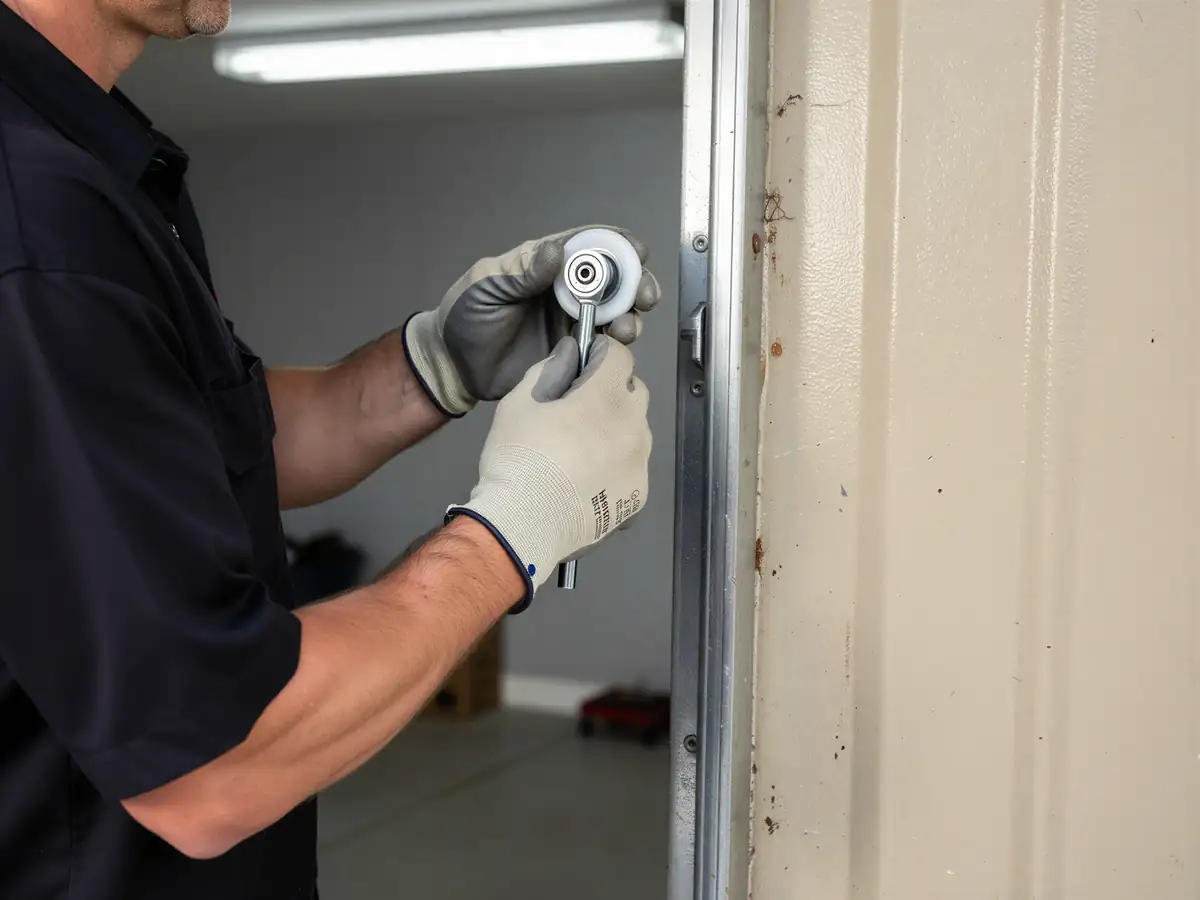
For a door from the 1983 vintage, the hardware is usually a single steel layer with no insulation, hung on a 7-foot-wide opening with a single torsion spring mounted on a center bracket. Replacement options we stock cover that footprint: insulated steel sections in the common residential widths, torsion springs sized to the actual door weight rather than a generic one-size spring, galvanized track, and nylon or steel rollers depending on what the opener can handle. We also carry openers built for the colder end of the climate band this region sits in - sealed logic boards and cold-rated gear sets matter more here than in a mild climate, since a garage that isn't insulated swings with the outdoor temperature. One honest limit: specialty widths and custom colors aren't something we keep on the truck, and those can add a few days to a job while the panel ships in.
What You Pay
We don't post flat prices for installation here because the cost swings on door width, insulation level, and whether the opener gets replaced along with the door - and we'd rather quote the actual job than a number that doesn't match what shows up at your house. What we can say is that with median household income in this part of the area at $60,317, we try to spec jobs that match what a typical household here is actually working with, rather than pushing every install toward the top-end door. If a repair gets you another several years out of a door that's otherwise sound, we'll say so instead of selling a full replacement.
Can You Do This Yourself
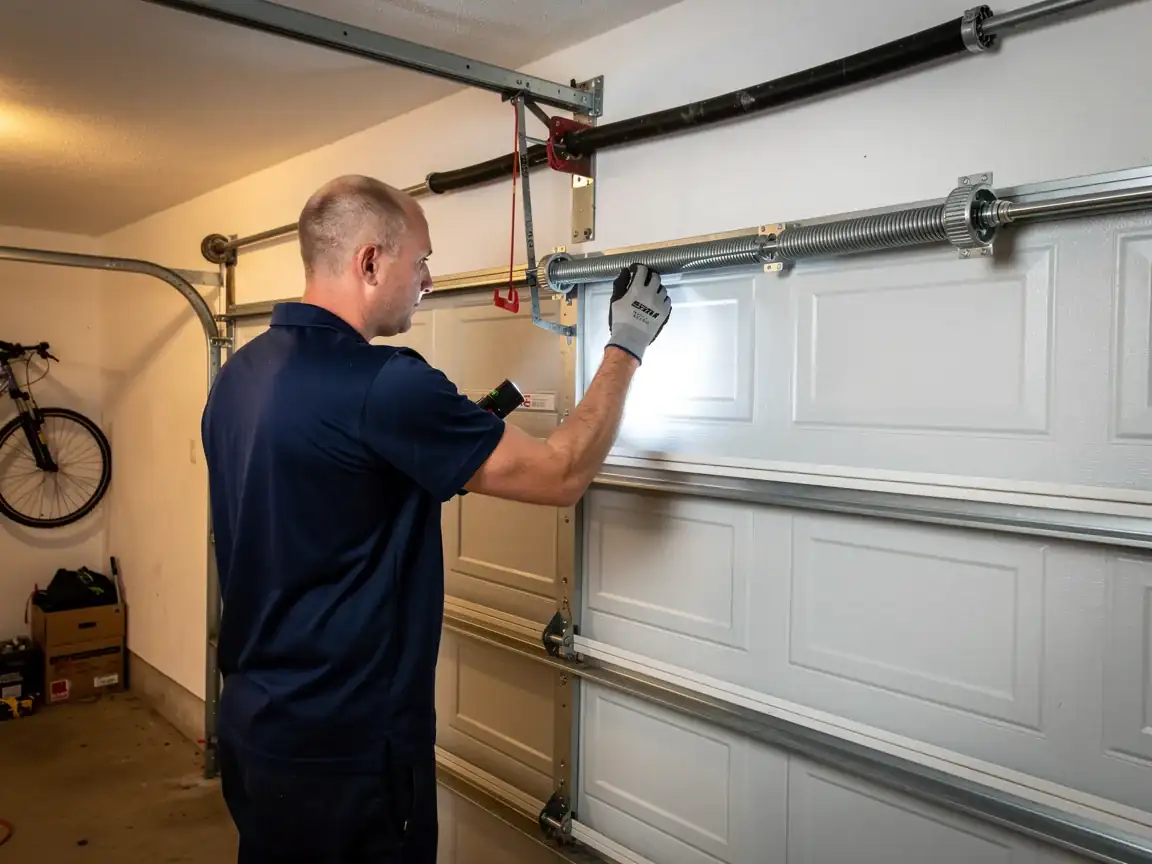
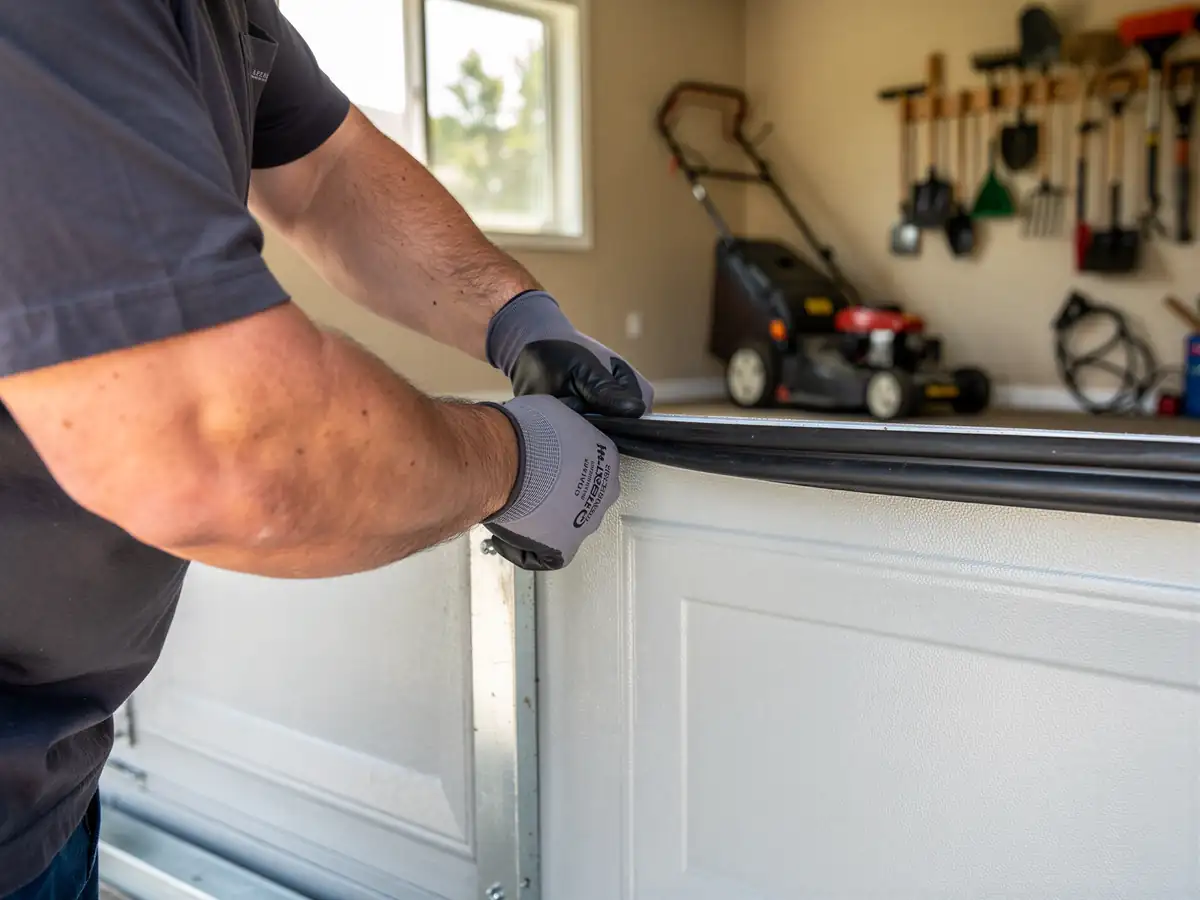
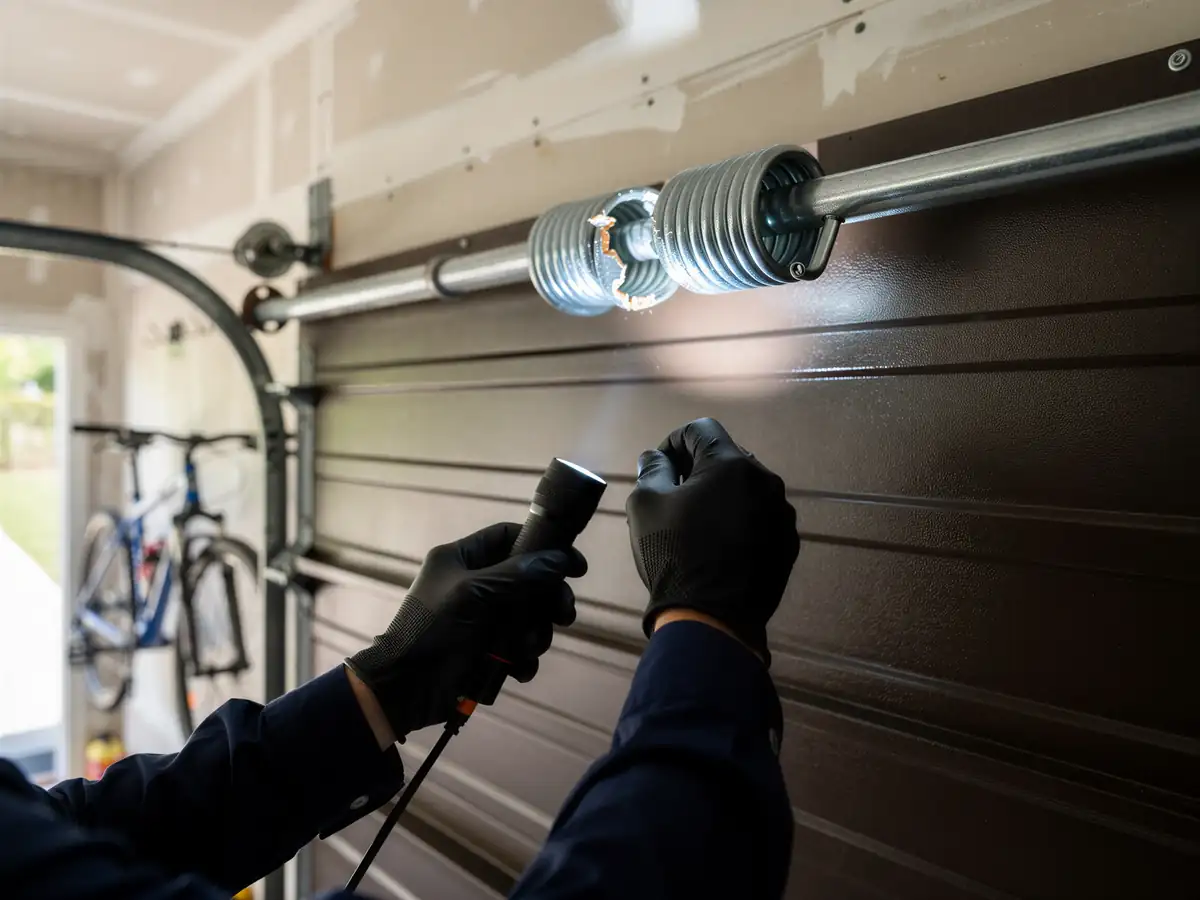
Swapping panels or adjusting a track is within reach for someone comfortable with tools. A torsion spring is not. It's wound under enough tension to break bones or worse if it lets go while you're working on it, and on a 1980s-era door the spring has usually been sized once, decades ago, and never rechecked against the door's current weight. In a COLD-band winter, metal contracts, lubricant stiffens, and a spring that's already fatigued is more likely to snap exactly when you're pulling into the driveway at night. If the job is track alignment or weatherstripping, go ahead. If it involves the spring, the cable drums, or anything under tension, that's the line where a DIY job turns into an ER visit.