How Long You Are Without the Door
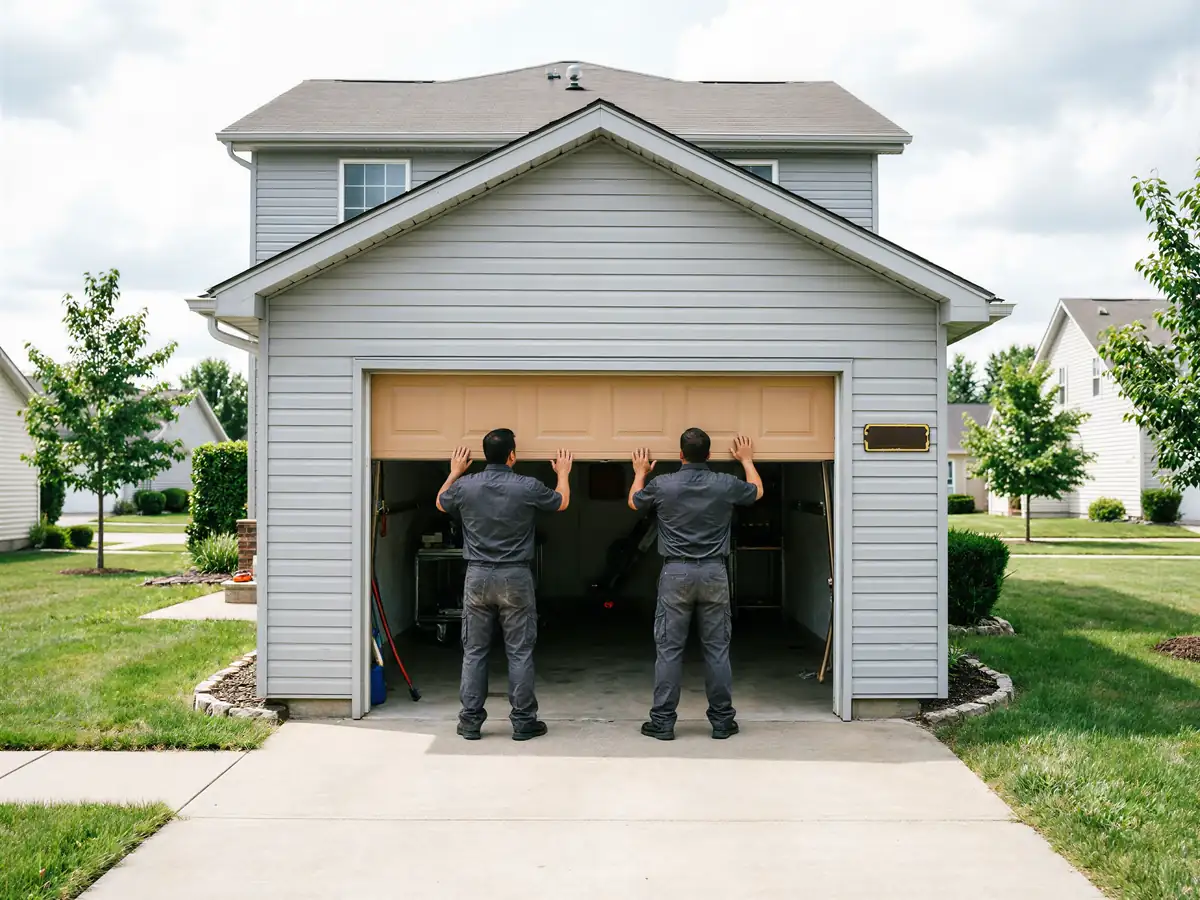
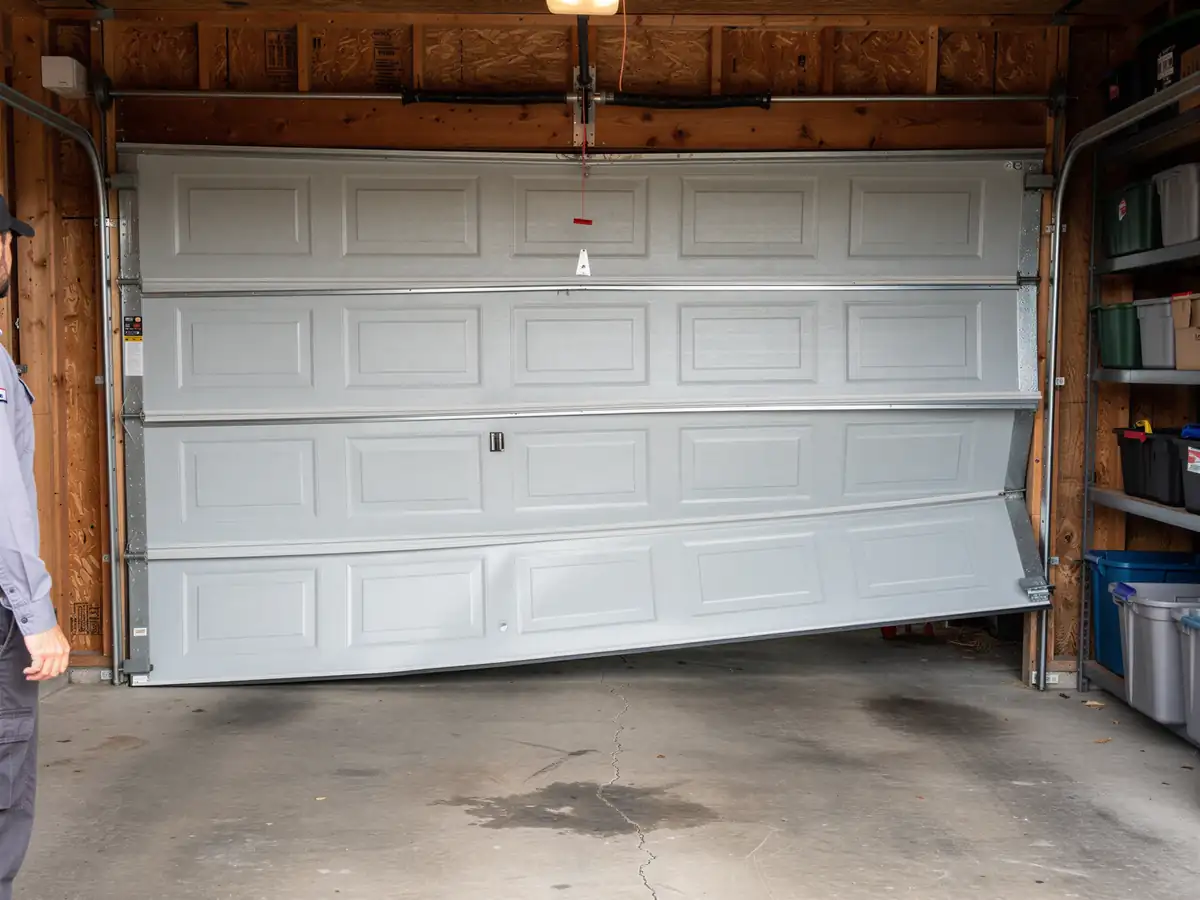
We're not based in Wamego - we run out of Manhattan, about 16 miles east, so when a cable lets go here you're waiting on a drive, not a walk-in. That's worth knowing before you call: this isn't the kind of job where someone's parked around the corner. Once a cable has jumped the drum or snapped outright, the door is stuck - do not try to force it open or closed, especially if it's sitting crooked in the opening. A door hanging on one cable can drop without warning. If you can get the opener unplugged and leave the door alone until we arrive, that's the safest move. We carry the stock to handle most cable jobs in one trip, but we won't promise a same-day window here that we can't actually back up from 16 miles out.
What You Are Seeing
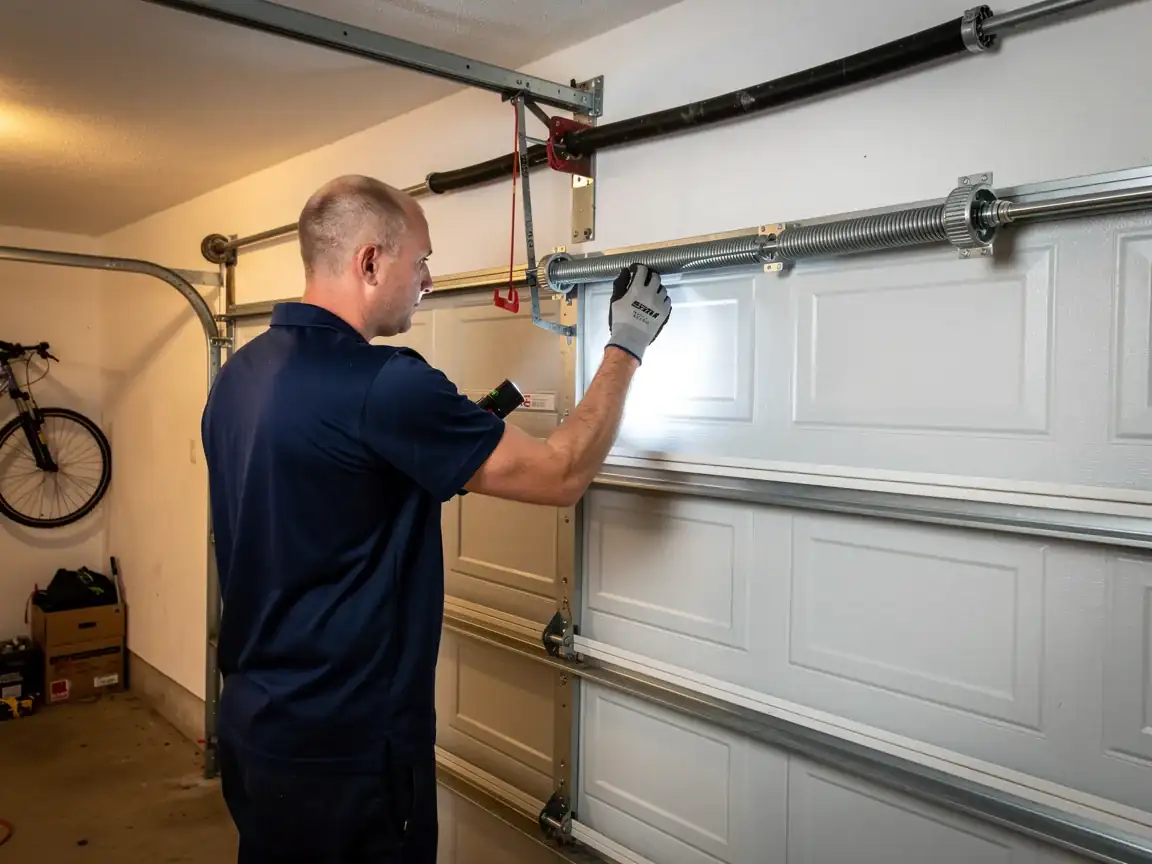
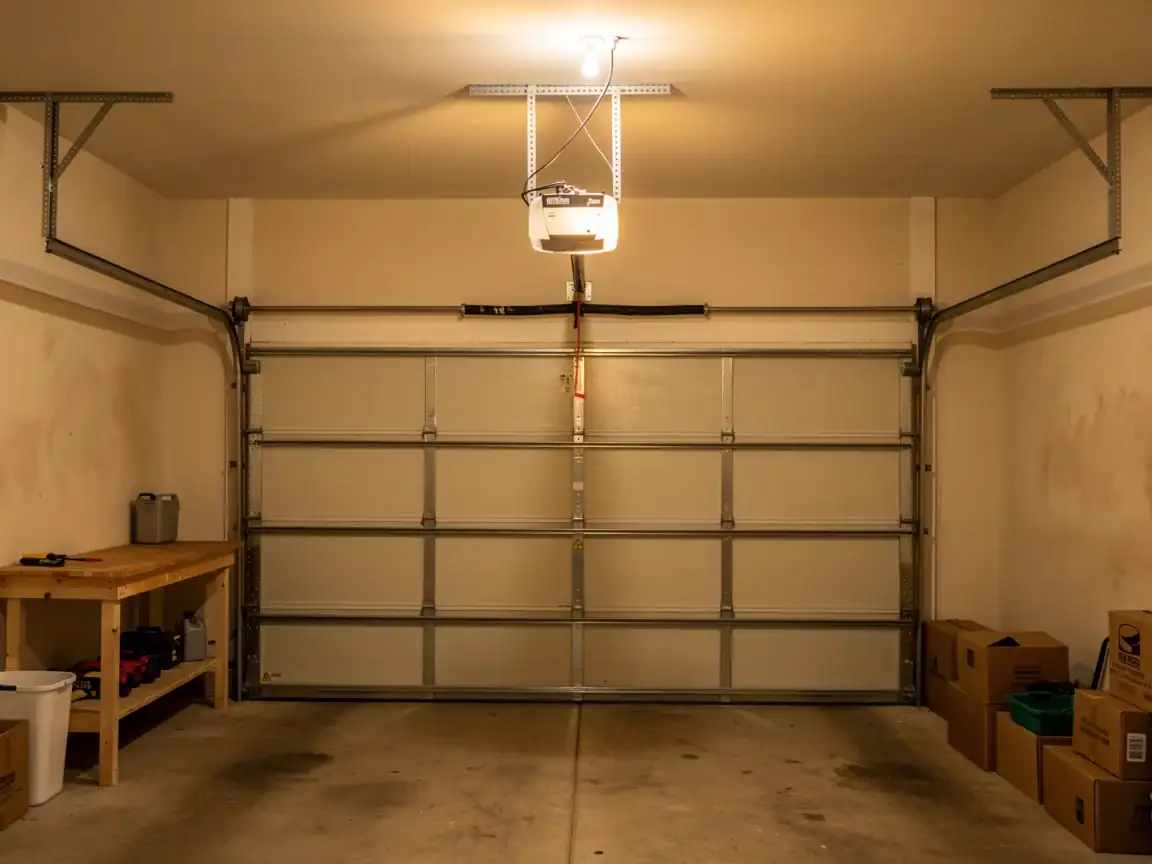
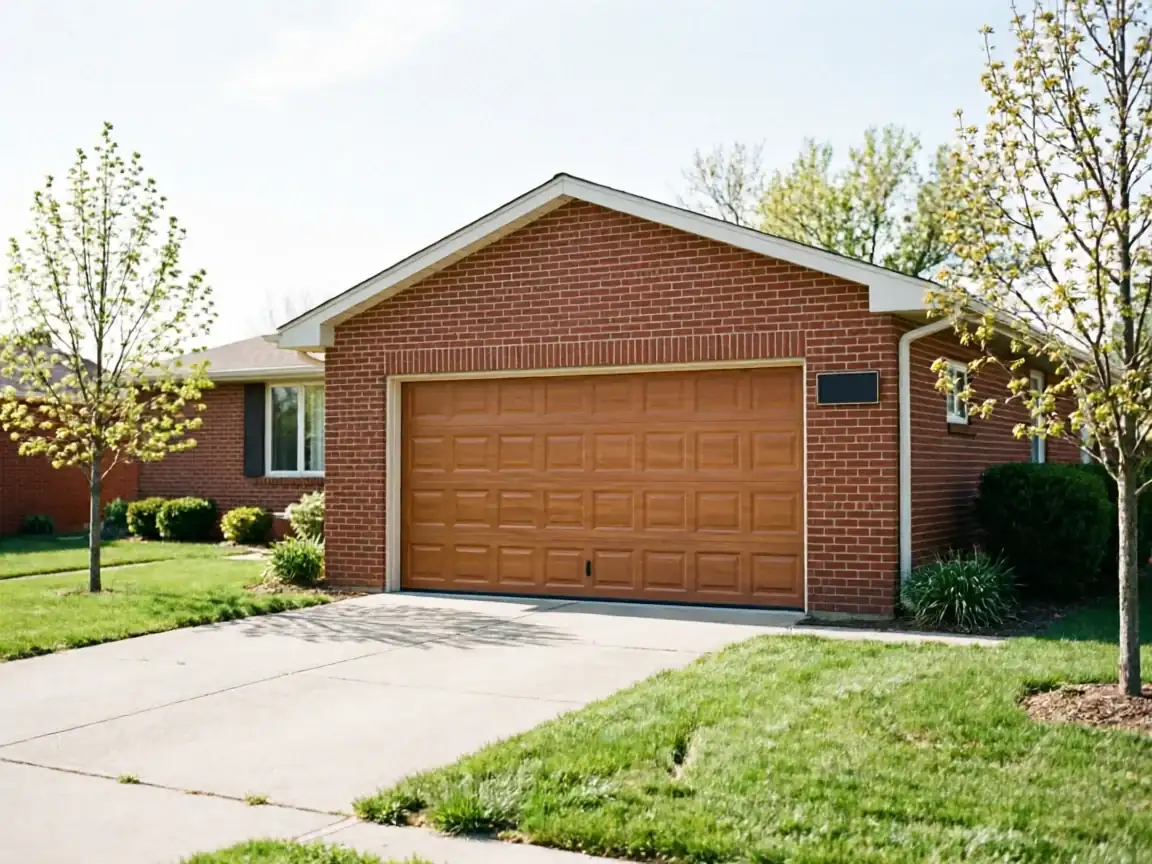
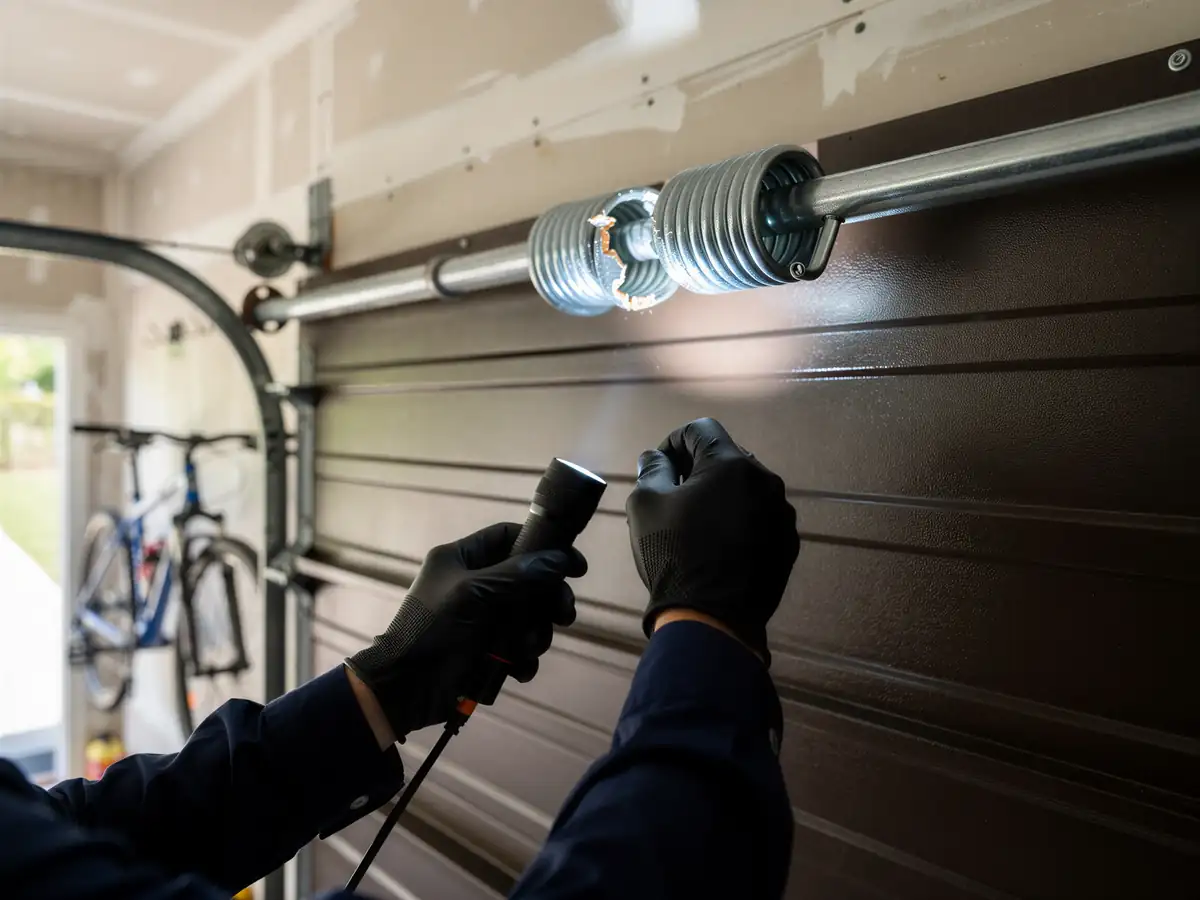
Most houses on this side of Wamego date to around 1972, which puts a lot of doors here on the same era of hardware - galvanized aircraft cable on steel drums, often paired with torsion springs that have never been swapped out. After fifty-plus years, the cable itself is usually the weak point: strand-by-strand fraying near the drum, a cable that's jumped its groove, or one side stretched longer than the other so the door racks sideways when it moves. You might notice the door tilting at an angle as it opens, a popping or snapping sound right before it stops moving, or loose cable hanging slack at the bottom bracket. None of that is cosmetic - it means the door is one cycle away from coming down uneven, or not coming down at all.
What the Fix Involves
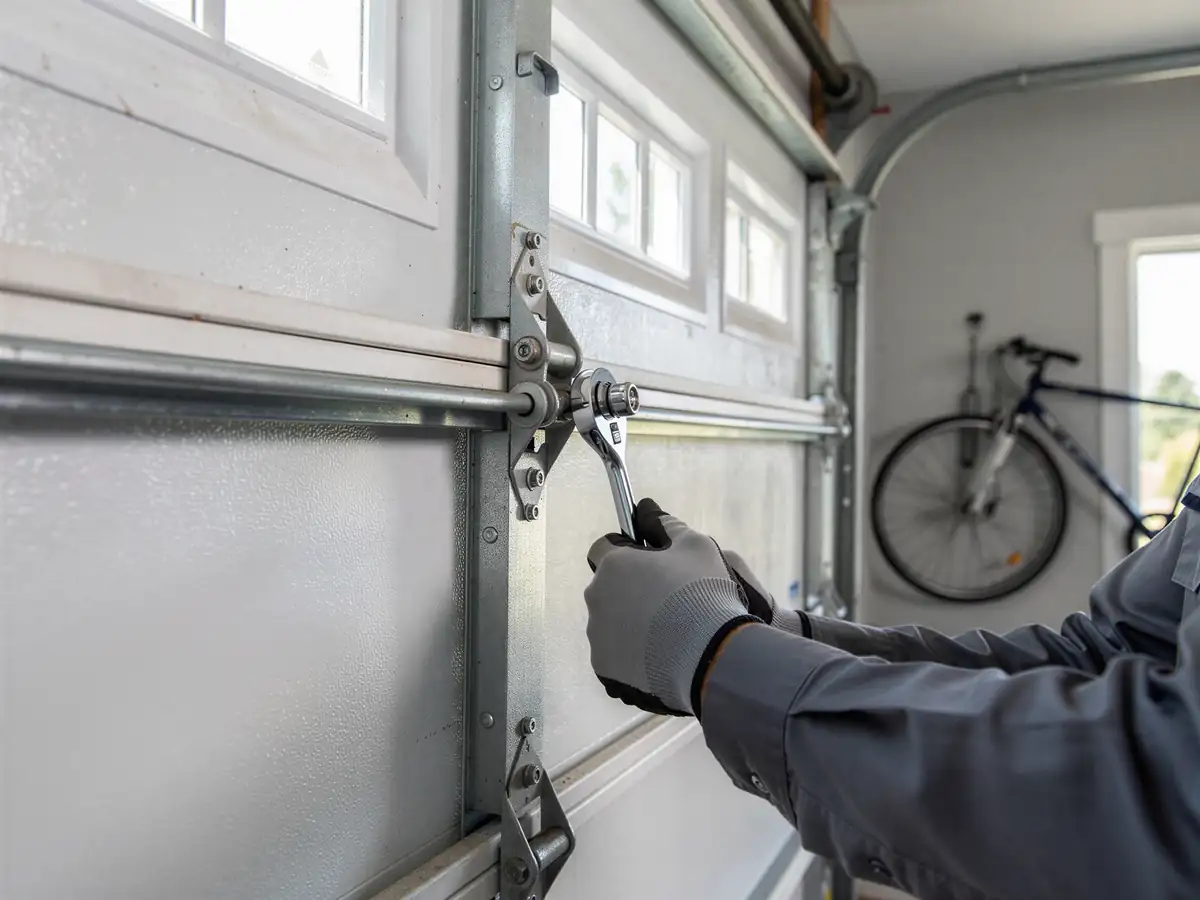
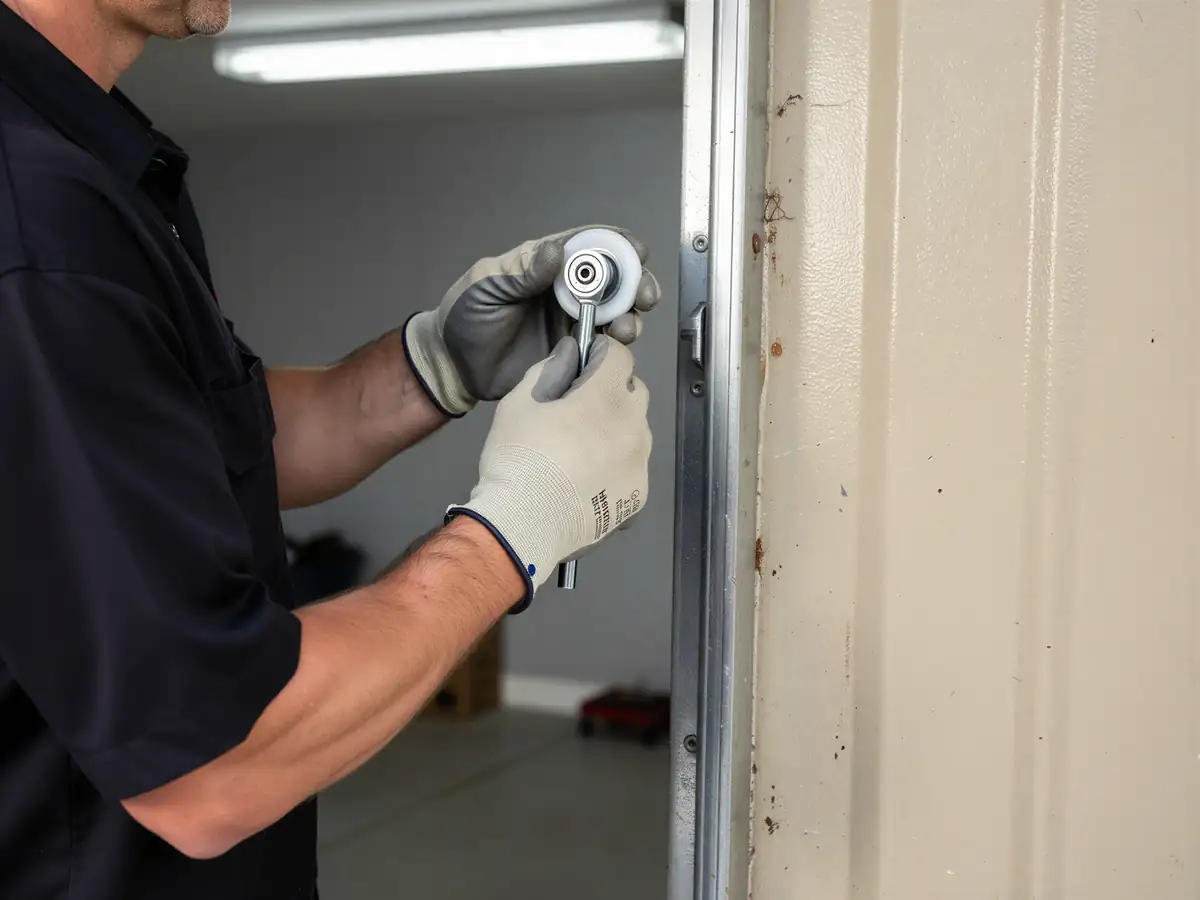
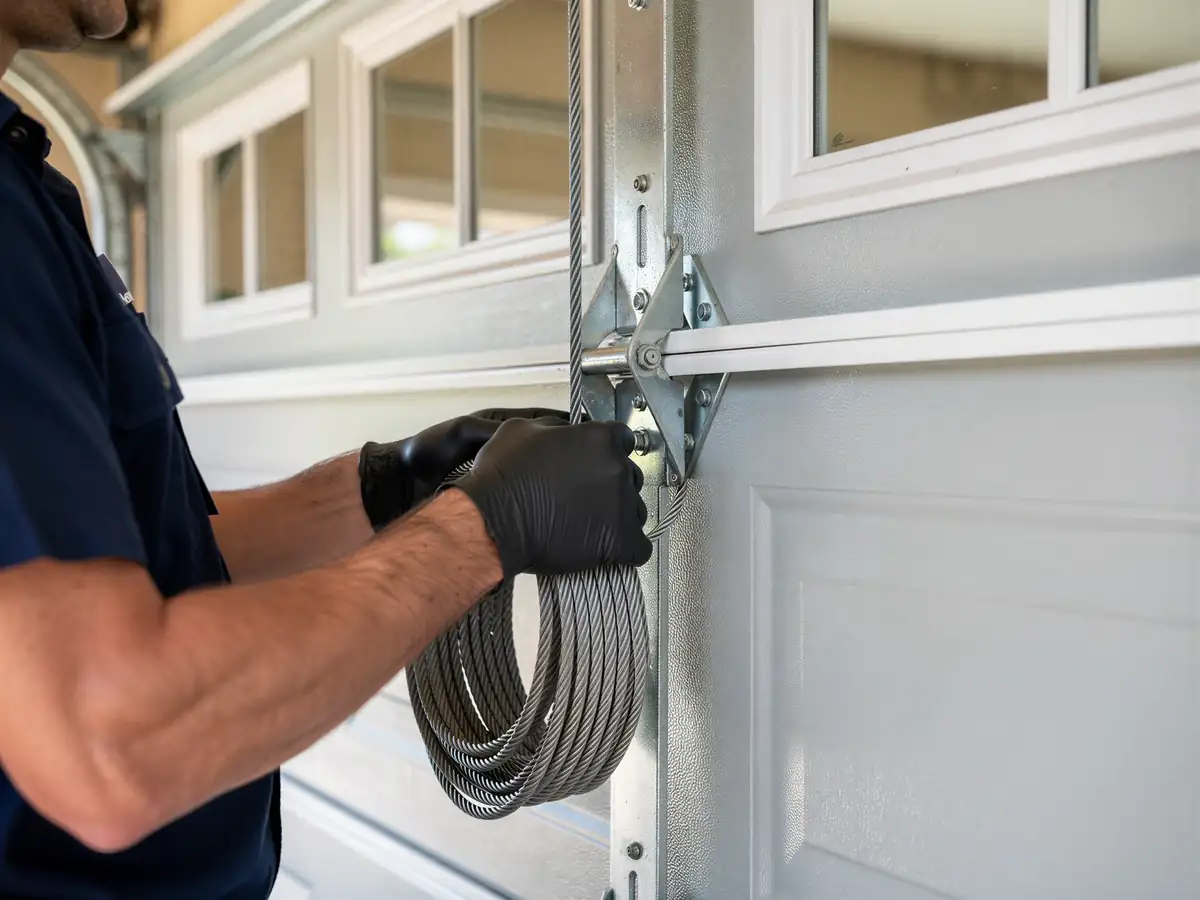
A straightforward cable replacement means releasing tension safely, pulling both old cables (we replace them as a pair even if only one failed, since the other is the same age and under the same load), checking the drums for wear grooves, and re-tensioning the springs so the door sits level and balanced when it's done. On a lot of the original hardware we see in homes built around 1972, the drums themselves are often fine and just need the new cable seated correctly - but if a drum's worn through, that gets swapped too rather than patched. We test the door through several full cycles before we leave, checking that it tracks straight and the cable stays seated under load. One limitation worth saying plainly: if the track is bent or the panel's cracked from the drop, cable repair alone won't fix that, and we'll tell you honestly if you're looking at a bigger job.
Parts We Carry
We stock standard-gauge lift cable sized for residential torsion and extension systems, which covers the great majority of doors we see on this side of the service area. We also carry matching drums and the fasteners that go with a cable swap, since those often need attention at the same time. What we don't keep on hand is cable for oversized commercial doors or unusual aftermarket track configurations - those sometimes mean a short order delay, and we'll tell you up front if your door falls into that category rather than guess. Given that most homes in this part of the service area were built within a few years of 1972, standard residential cable sized for that era's torsion hardware handles the overwhelming majority of calls we get here.