How Long You Are Without the Door
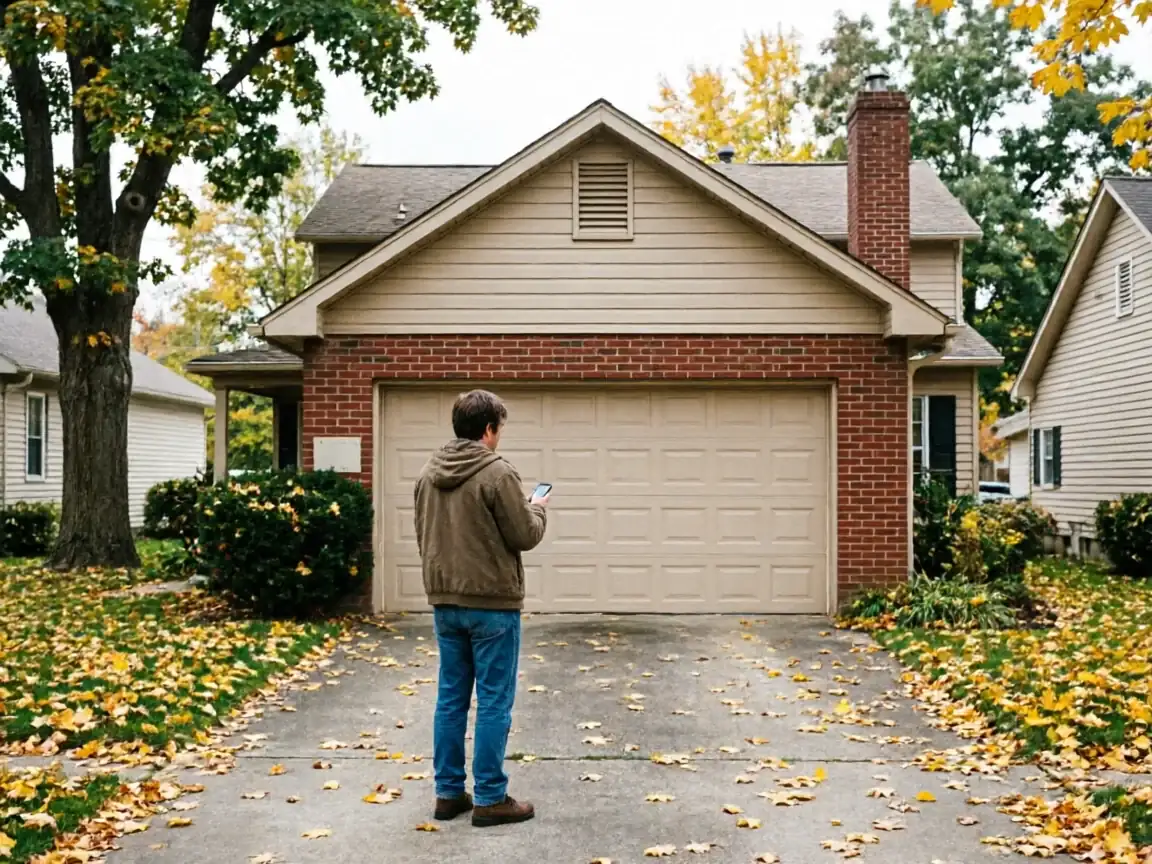
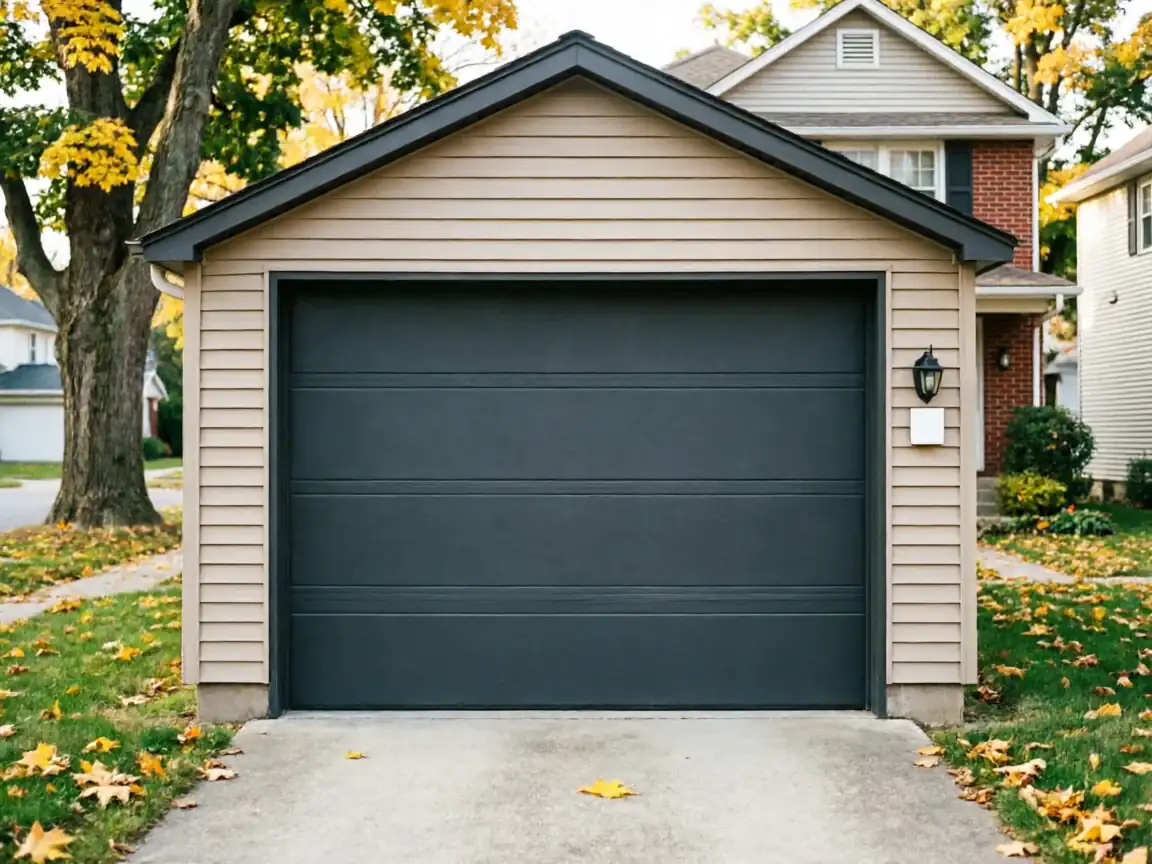
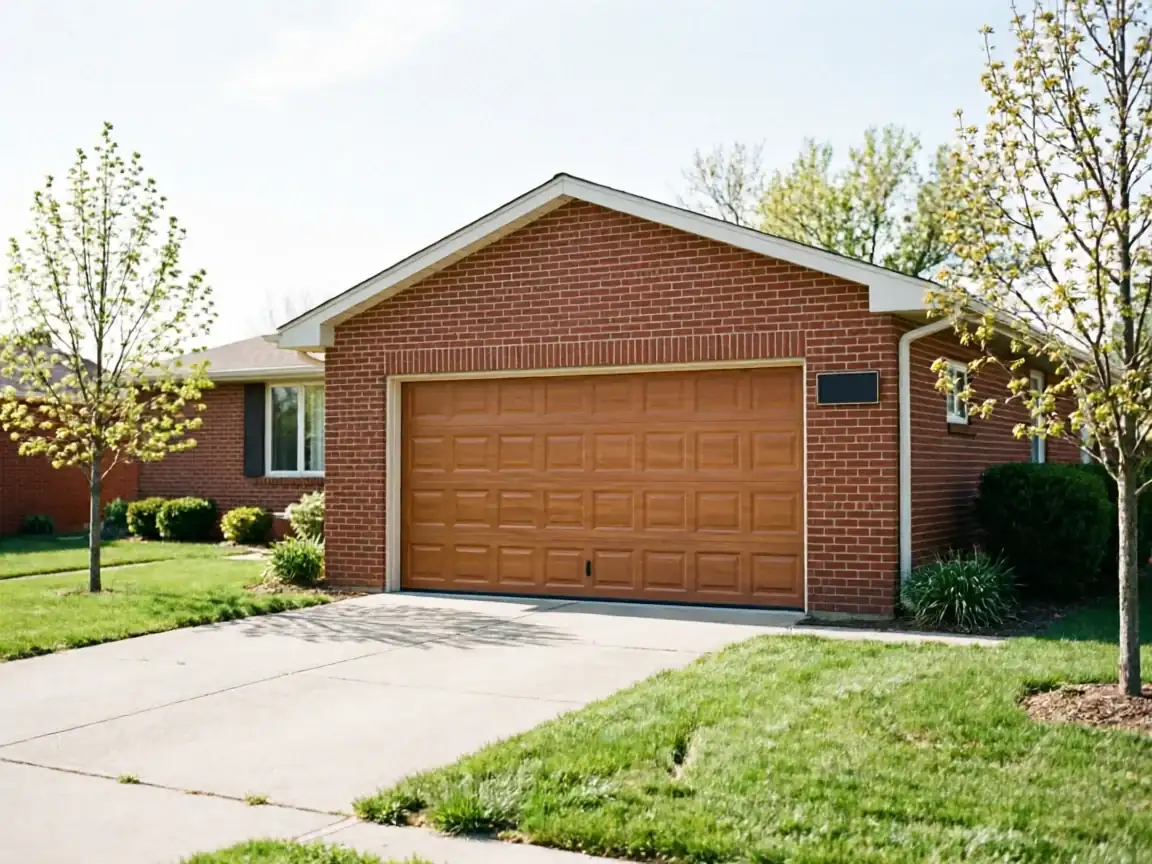
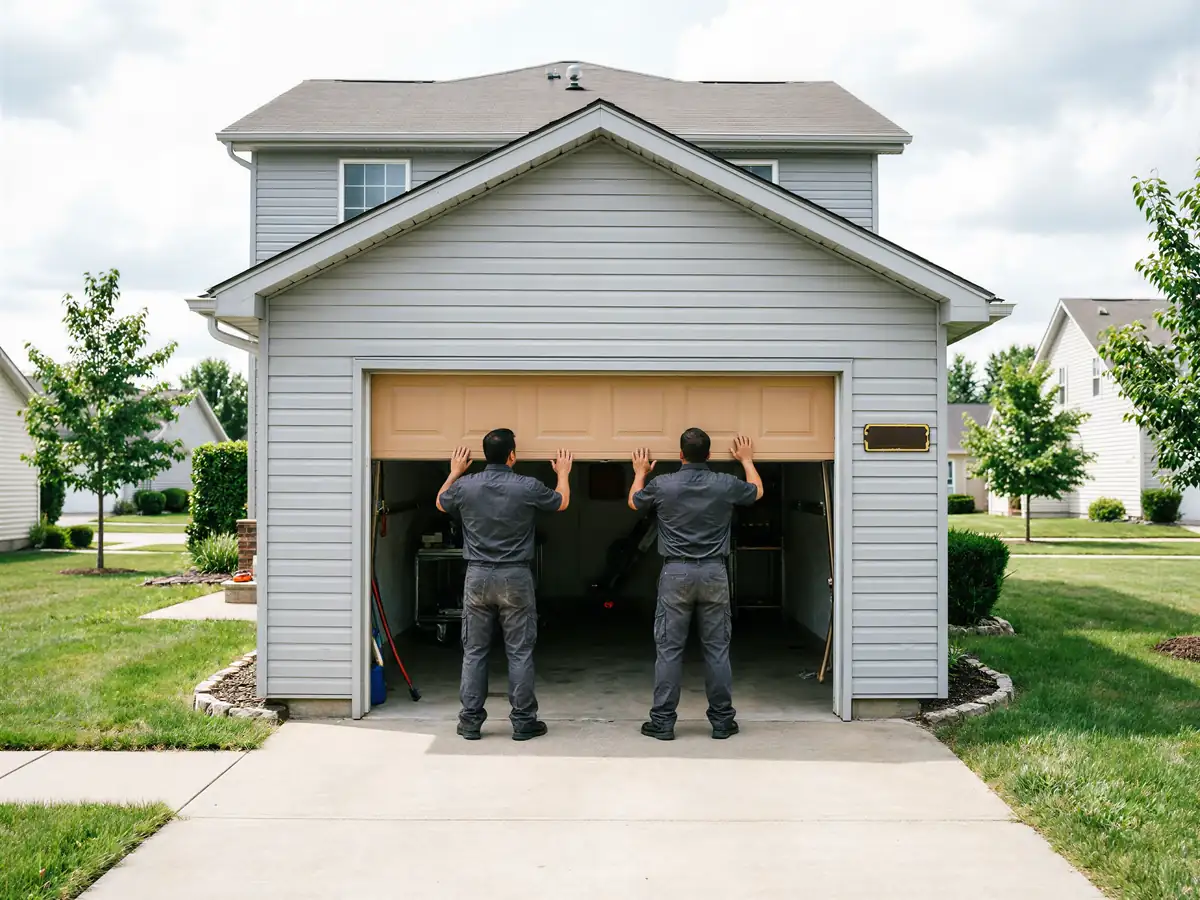
We run out of Manhattan, about 16 miles from Wamego, so a new install here is a planned trip, not a drop-in. That works in your favor: we measure your opening, confirm the door style and track configuration ahead of time, and load the truck before we ever head out. Most Wamego homes we quote are single-door garages built to the openings common in the early 1970s, so once we know the rough opening size and whether you're running a single or double door, we can usually get the whole job - old door off, new one hung, opener reconnected - done in one visit. We won't promise a same-day turnaround sight unseen, because custom panel widths or an opener upgrade can add a return trip for parts we don't carry stock of. What we can promise is that the trip gets planned around your opening, not guessed at.
What You Are Seeing
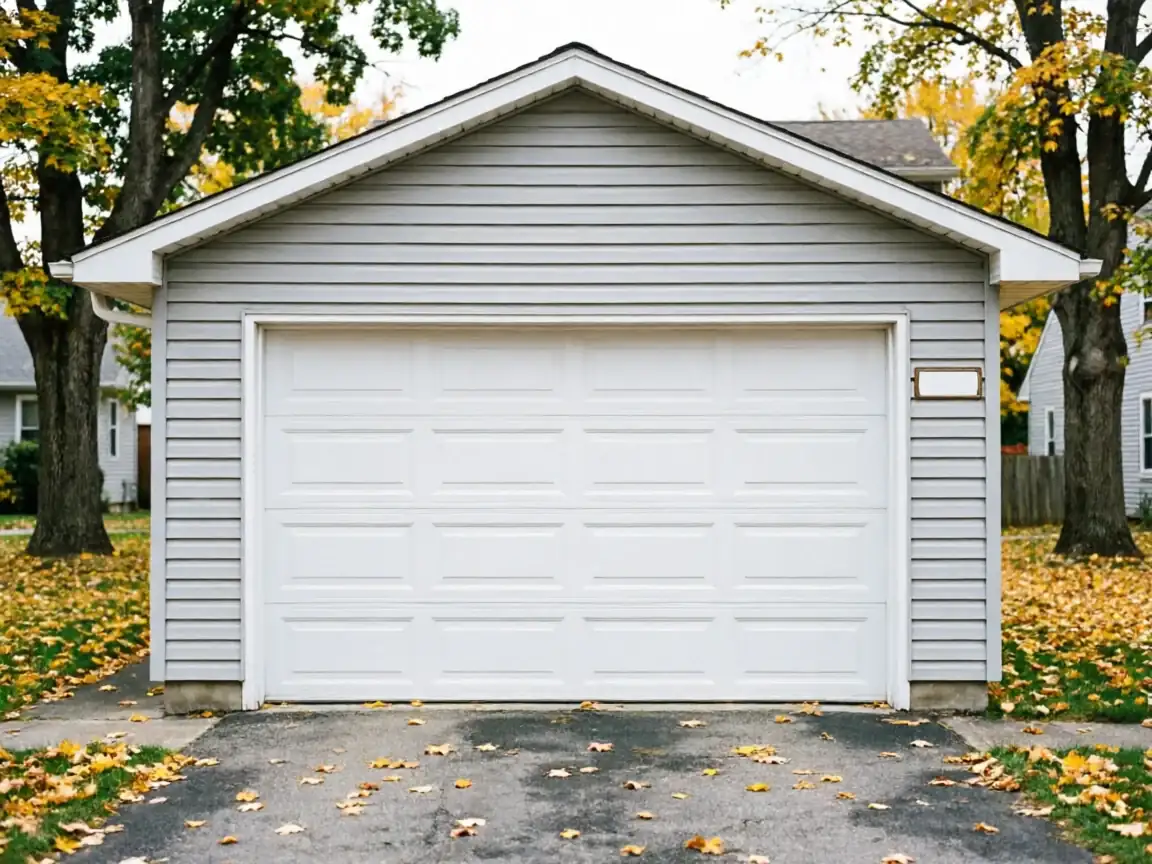
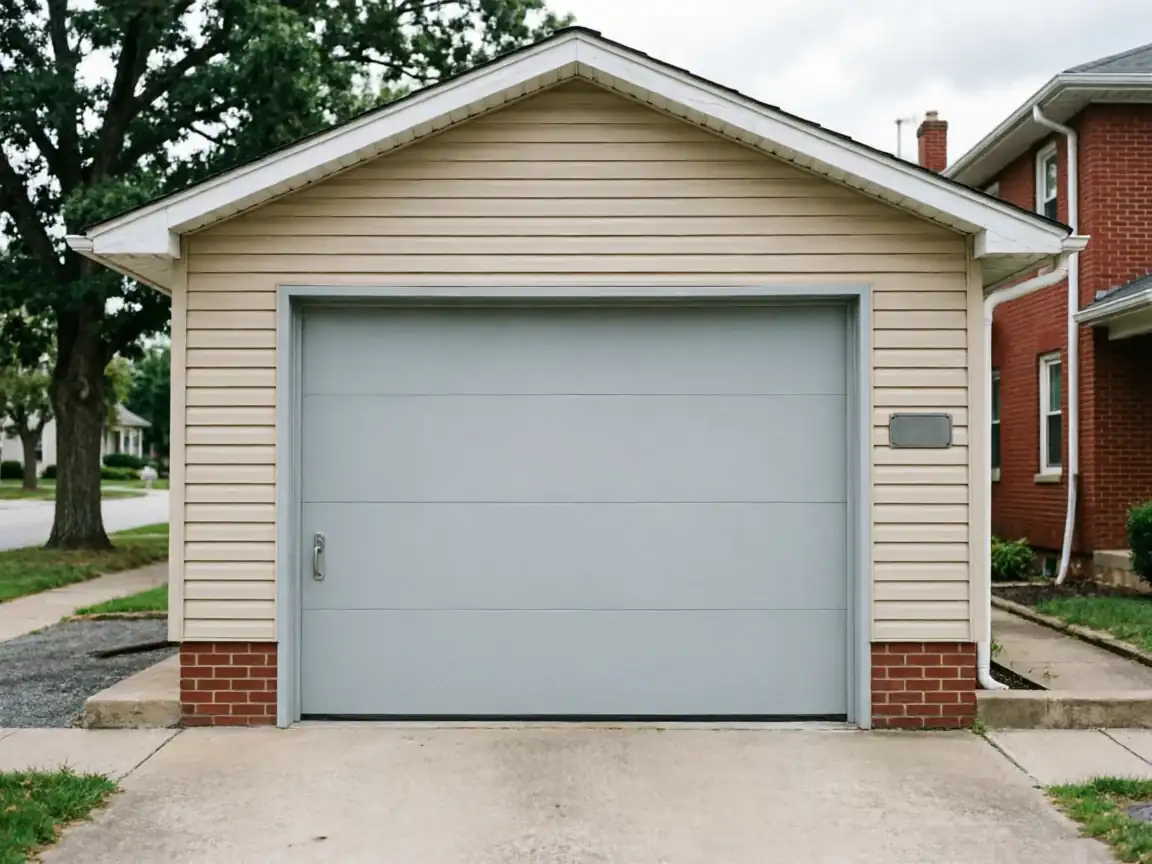
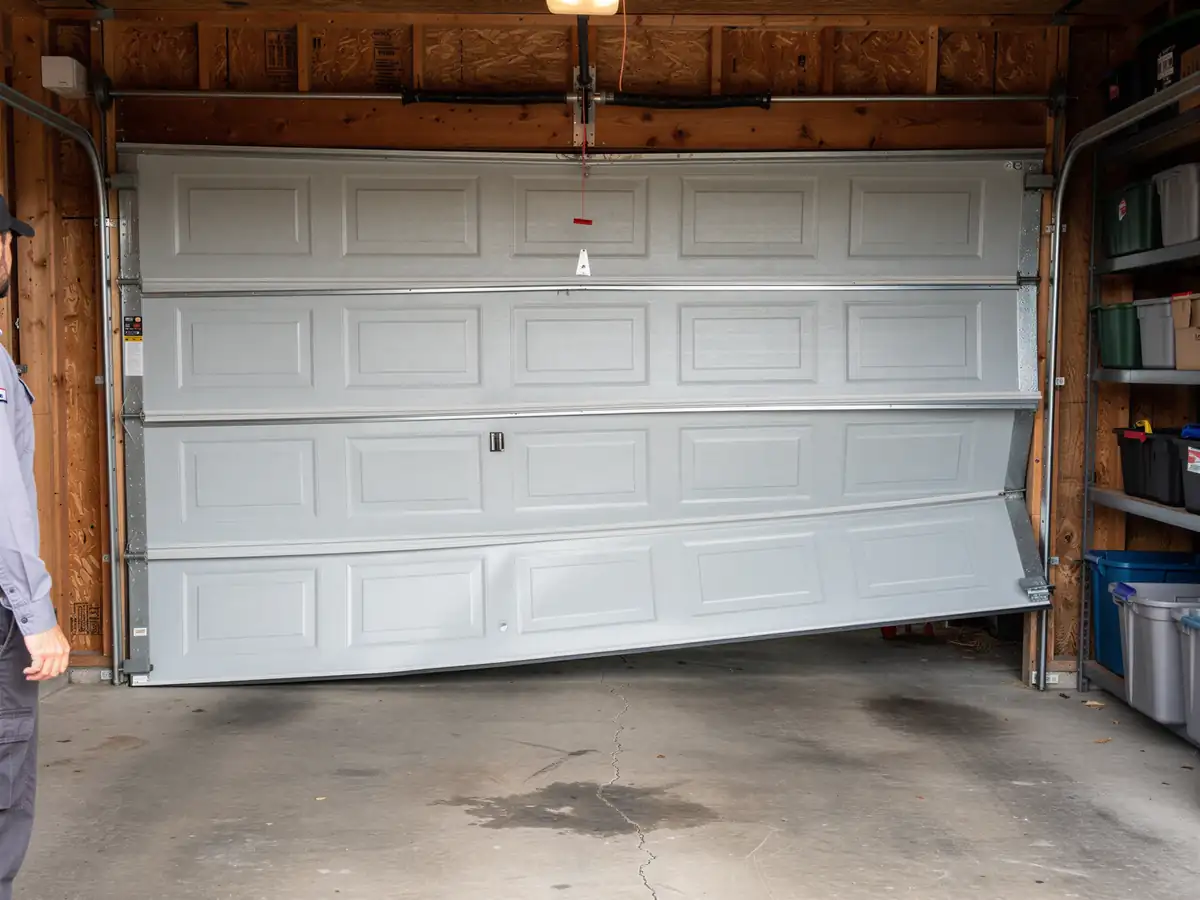
The service area overall spans houses built anywhere from 1966 to 2007, but Wamego itself sits earlier in that range - most of the roughly 1,587 households here are in homes going up around 1972. That means a lot of original or first-replacement steel sectional doors, often uninsulated or single-layer, on torsion or extension hardware that's now past its expected working life. If your door feels heavier than it used to, or the opener strains and reverses before it seats, that's usually not the opener - it's a door panel that's absorbed 50 winters of moisture and isn't tracking true anymore. Dented bottom panels, rust at the seams, and a noticeably colder garage in January are the usual tells for a door that's earned its retirement rather than one more spring adjustment.
What the Fix Involves
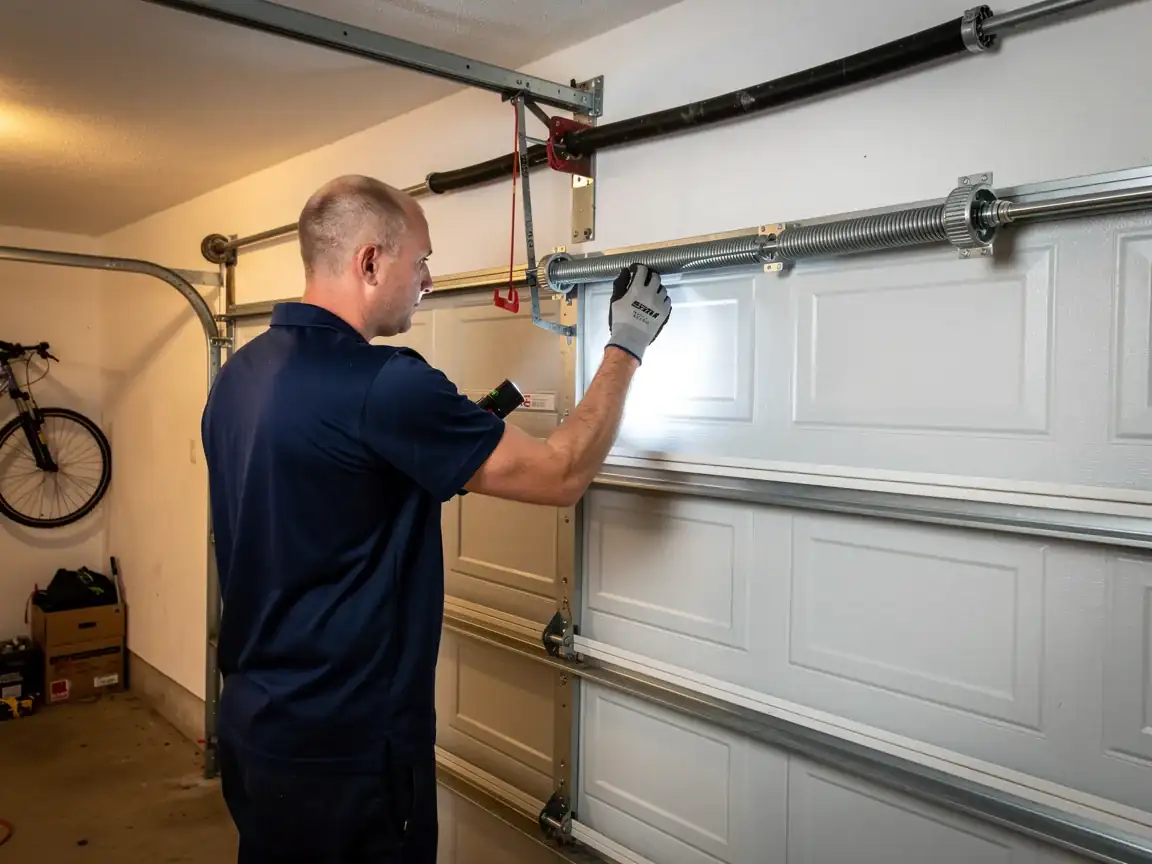
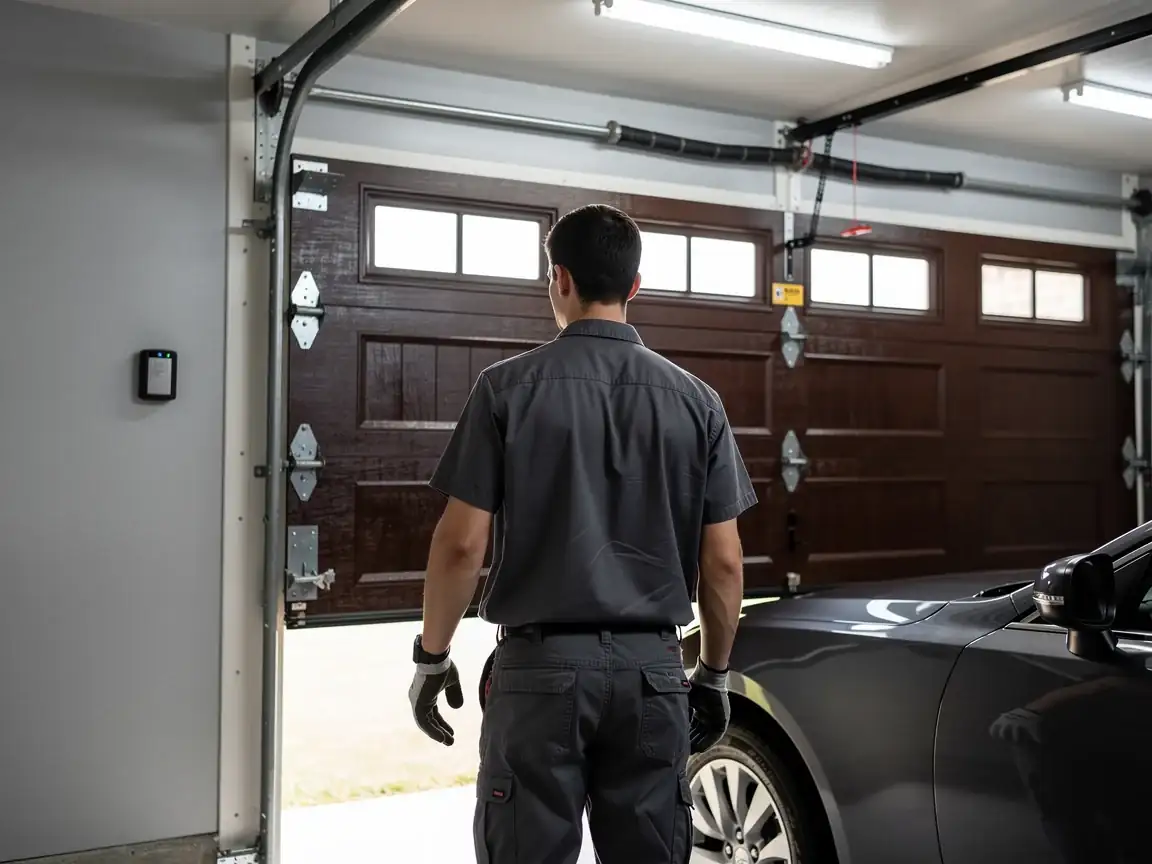
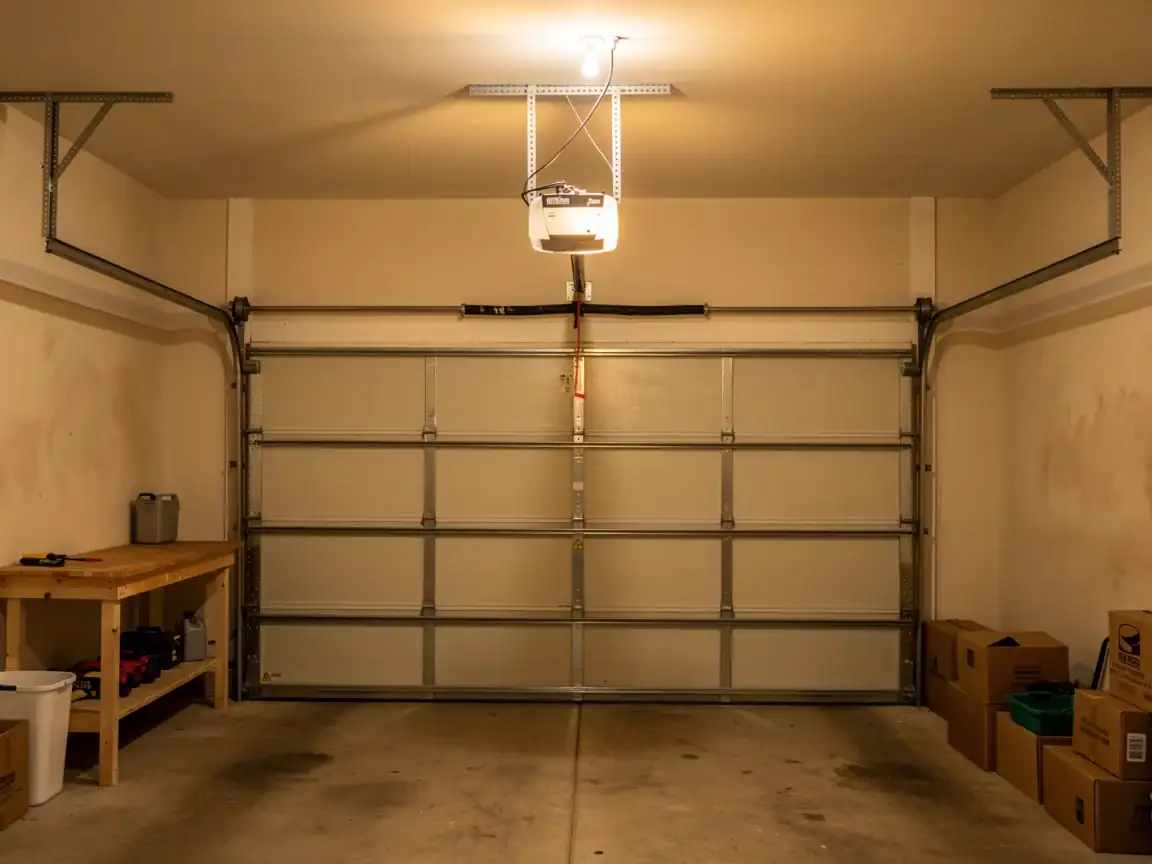
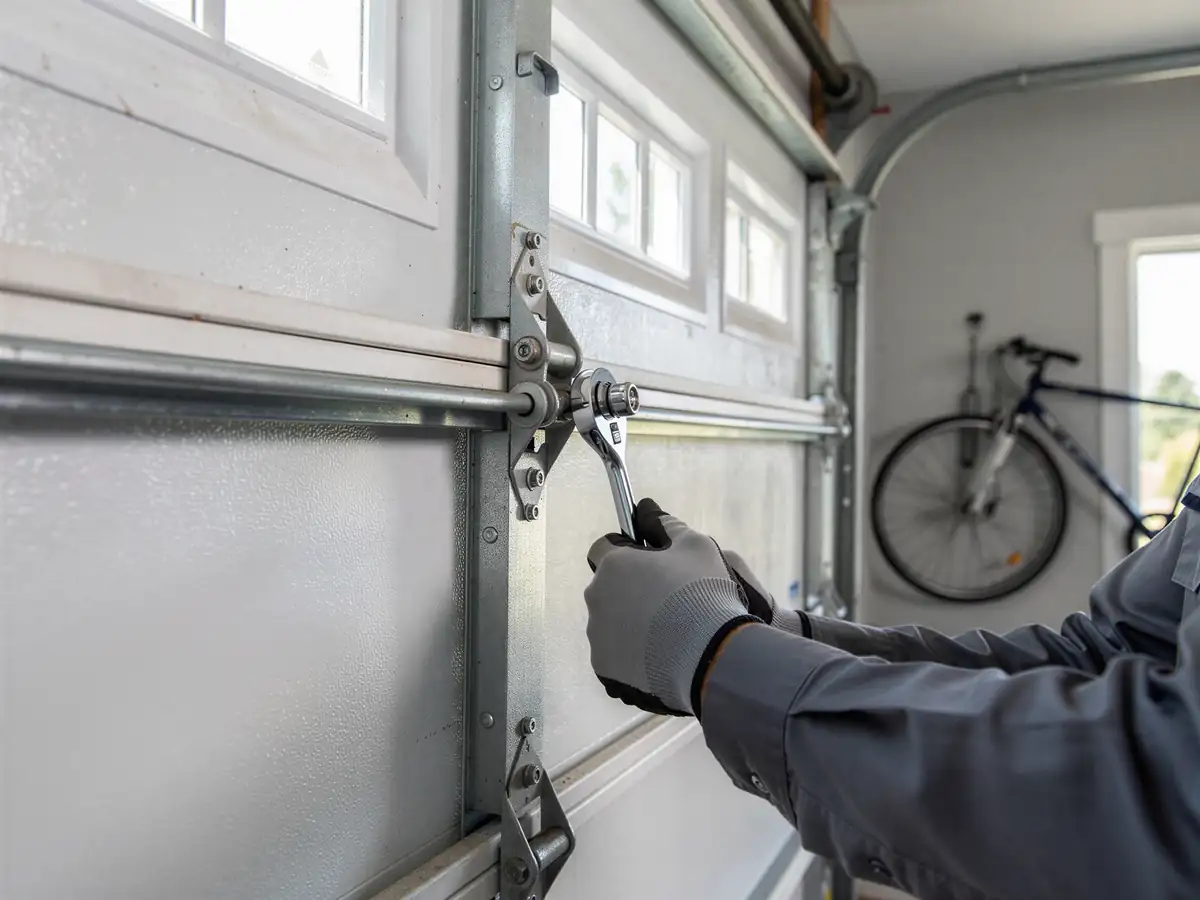
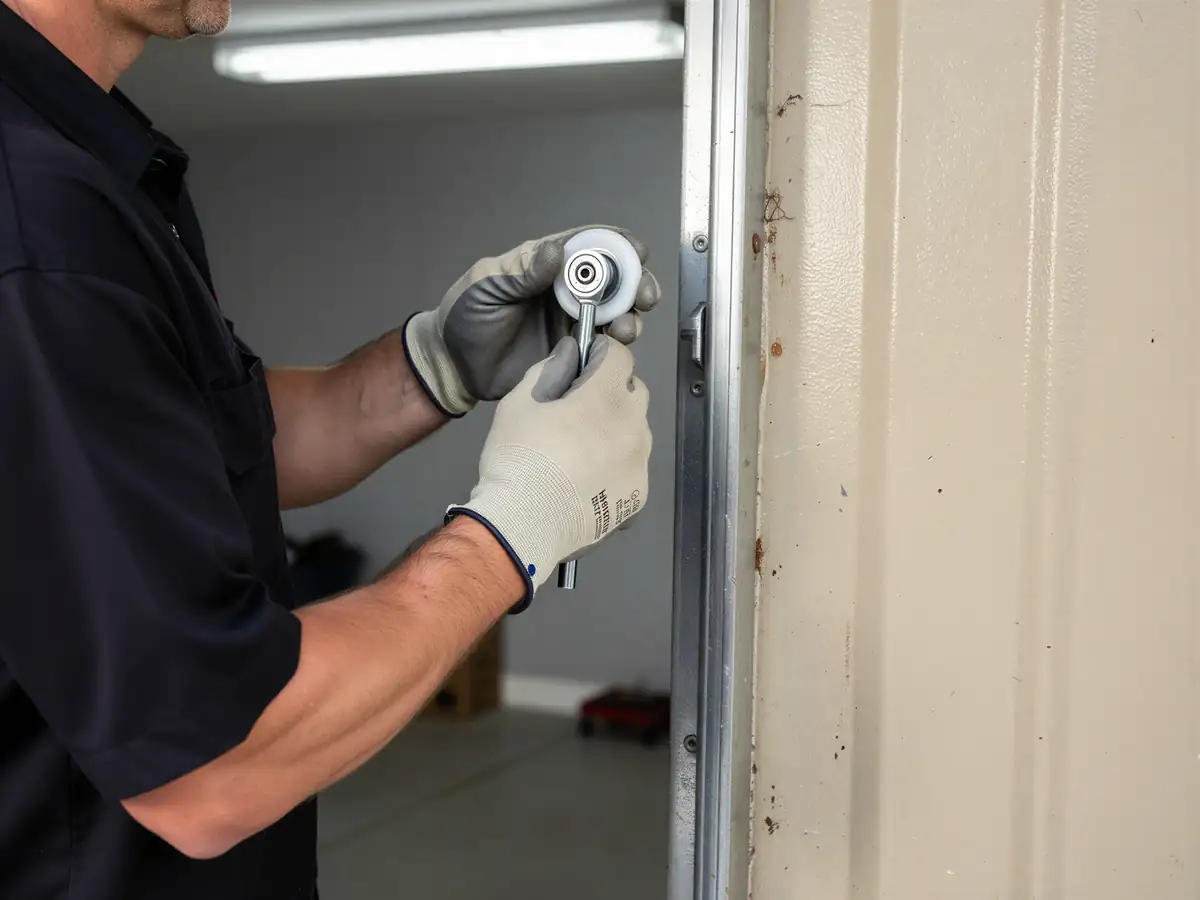
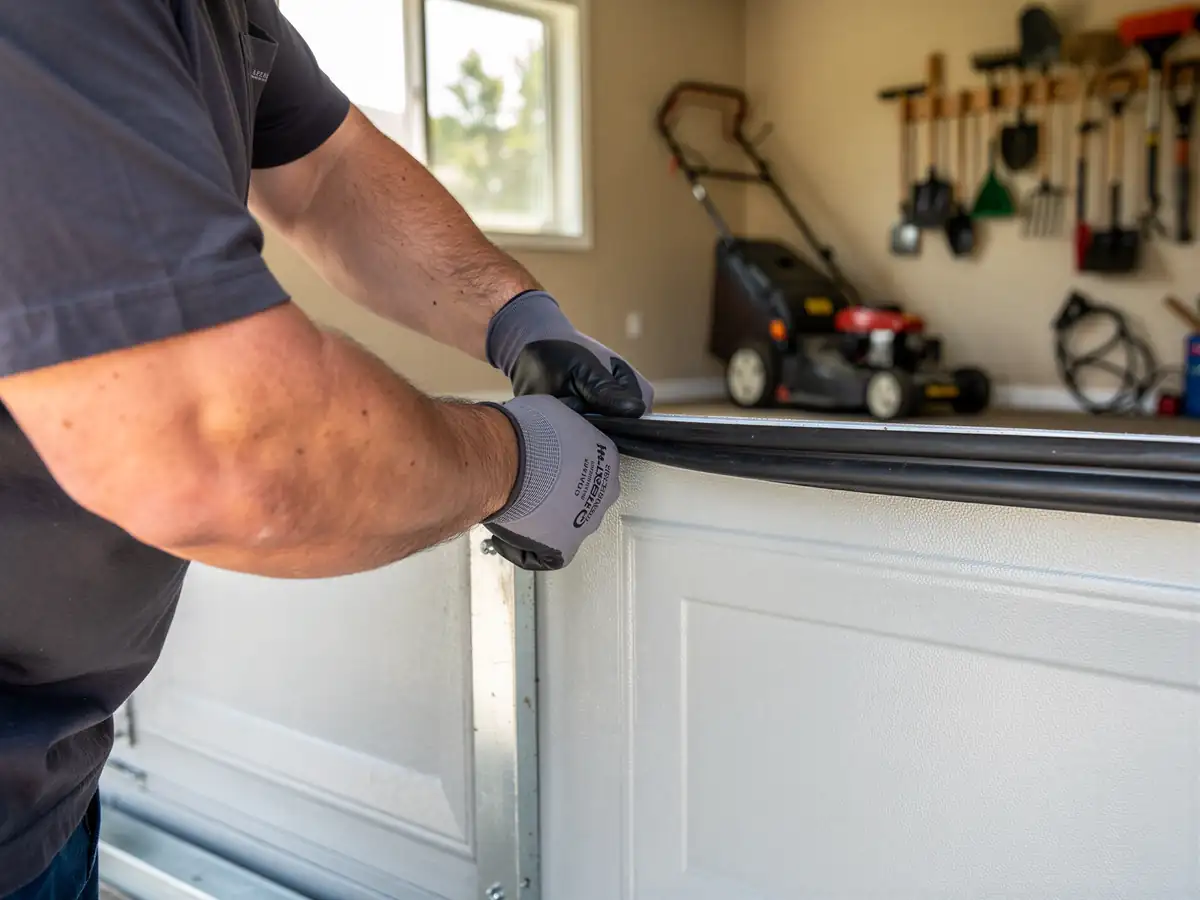
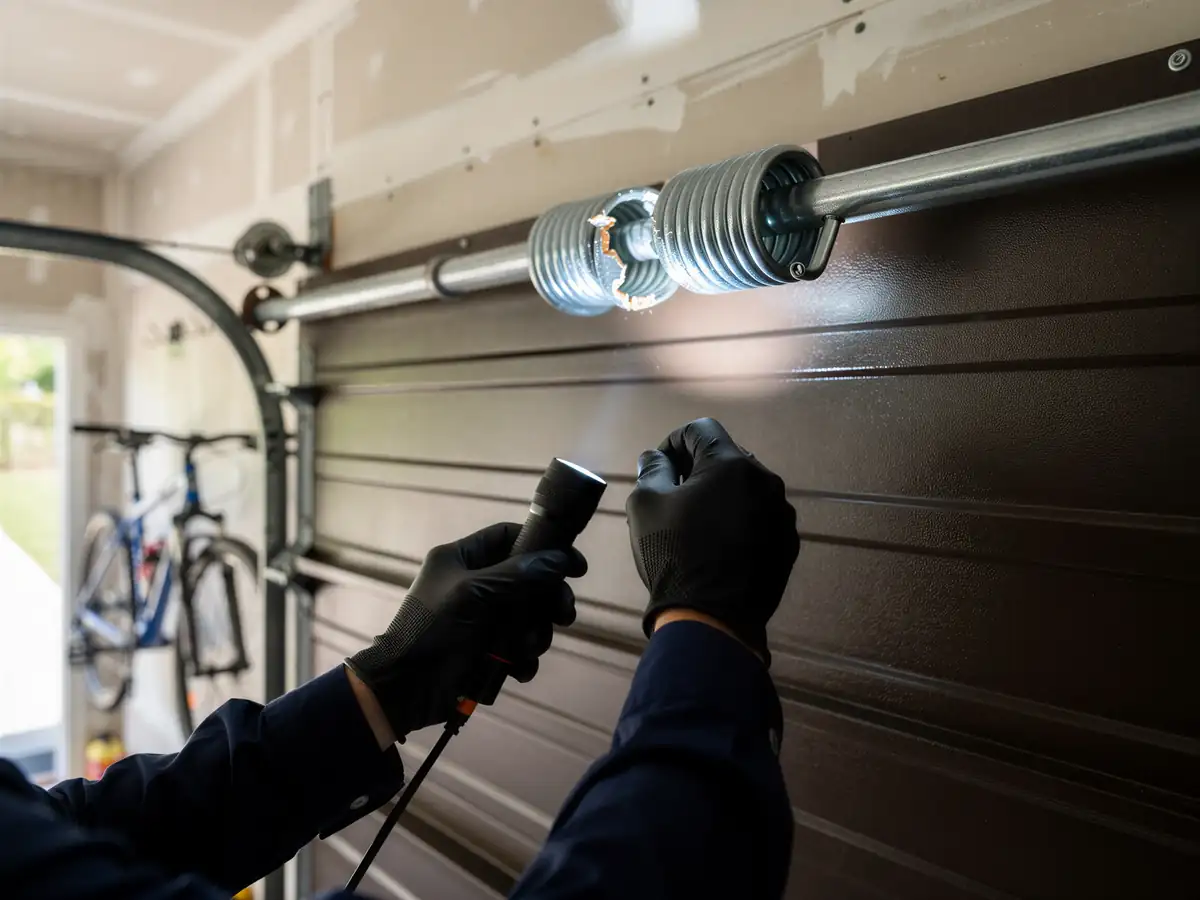
We start with the rough opening and header clearance, since houses from this build era sometimes have less headroom than current door tracks assume. From there we size a new torsion spring to the actual door weight - insulated steel, if that's the choice, weighs more than the original panel it replaces - and we replace the track and rollers rather than reuse hardware rated for the old door. Cold-climate households here benefit from a door with a real thermal break and weatherstripping rated for sustained freezing temperatures, not just a vinyl bottom seal. The opener gets reconnected and travel-limits reset once the new door is hung, and we test the auto-reverse safety function before we leave, since that's not optional on a new install regardless of what the old setup had.
Parts We Carry
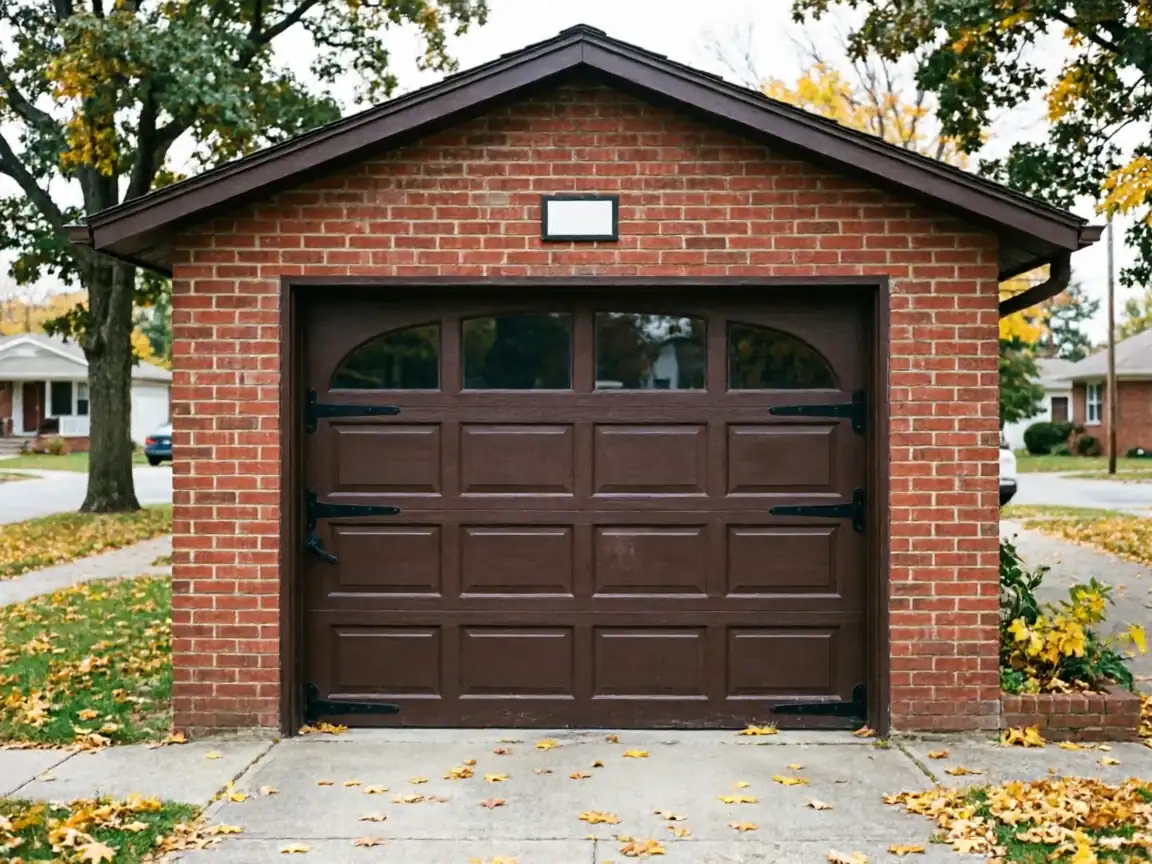
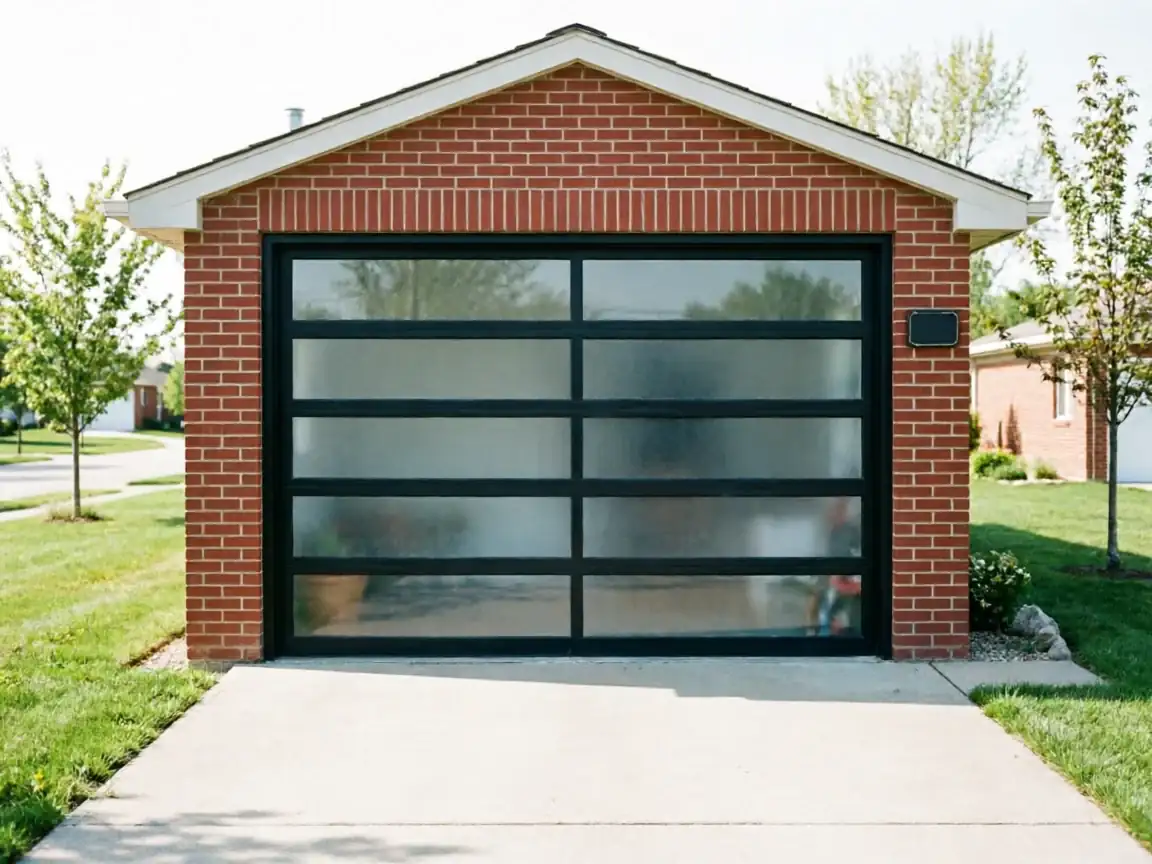
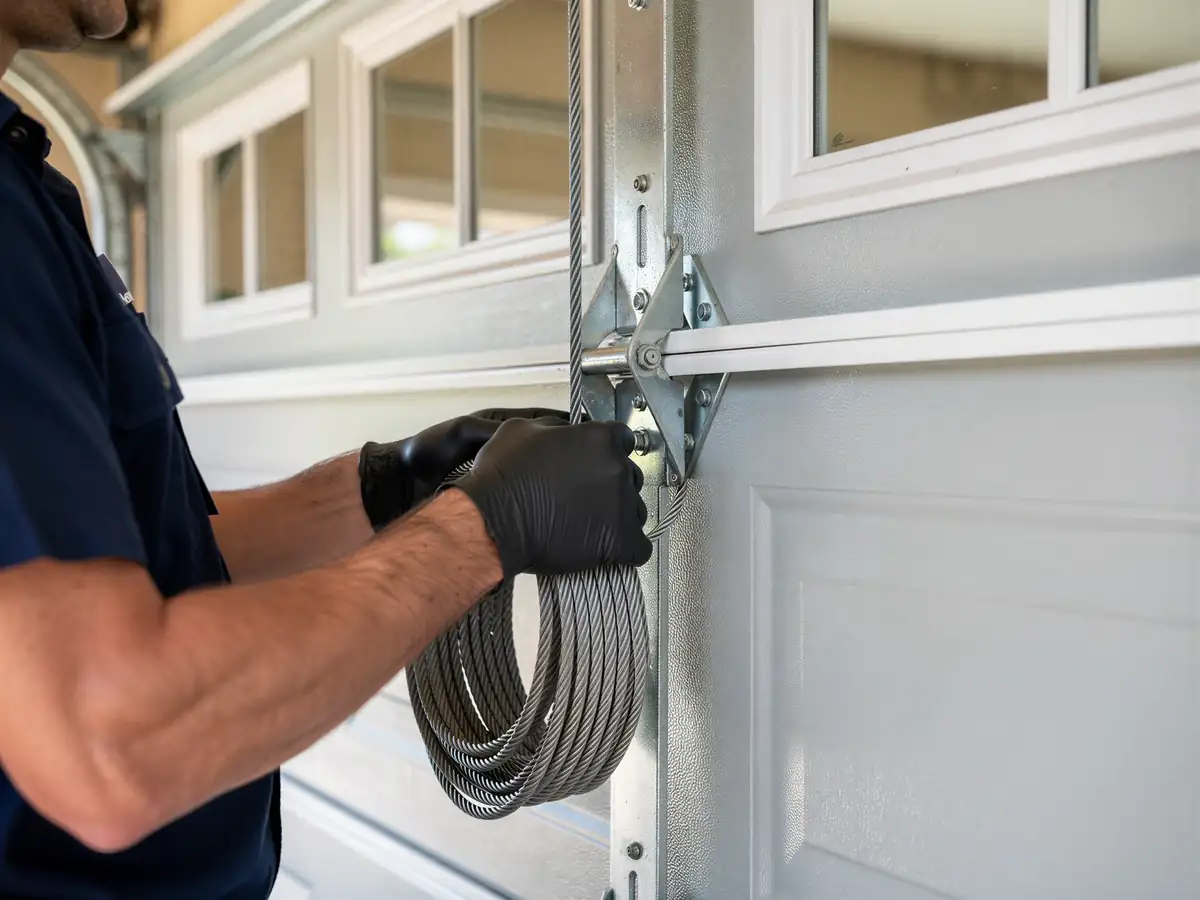
We stock standard torsion springs, steel track sections, and rollers sized for the single and double door openings most common in 1960s-70s construction, which covers the bulk of what we see out this way. Insulated steel panels in standard widths are truck stock too. Where we don't carry inventory is custom panel widths, wood-composite doors, or glass-panel inserts - those get special-ordered, and that's the one part of the job that can push an install past a single visit. If your opening is a non-standard size, we'll tell you that at the quote, not after we've already started pulling the old door down.