How Long You Are Without the Door
Start with the number that actually decides most of these jobs: median household income in Wamego runs $82,756, well clear of the $61,953 median across the rest of the service area we cover out of Manhattan. That gap matters because it changes where the repair-or-replace line falls. On a 20-year-old opener or a spring that's cycled out, a household at this income level is less likely to want three patched repairs over two years and more likely to want it done once, correctly, with new hardware. We still fix what can be fixed - we're not selling replacements to people who don't need one - but we price the options straight instead of defaulting to the cheapest patch.
The other factor is the drive. Wamego sits about 16 miles from our shop in Manhattan, so we build the trip into the day's route rather than treat it as a same-hour stop. That's not a complaint, just how the scheduling works: if your door is stuck open or won't close and you're worried about security overnight, say so when you call, because it changes how we sequence the day.
What You Are Seeing
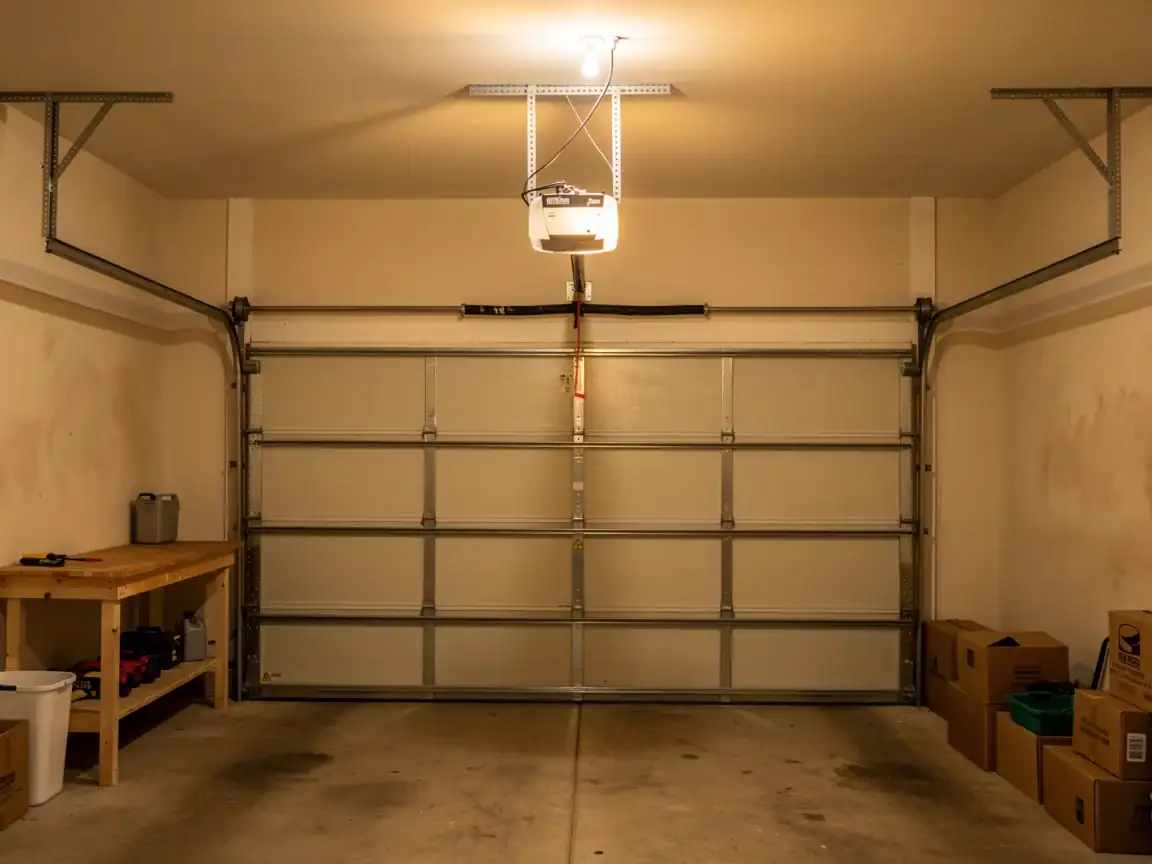
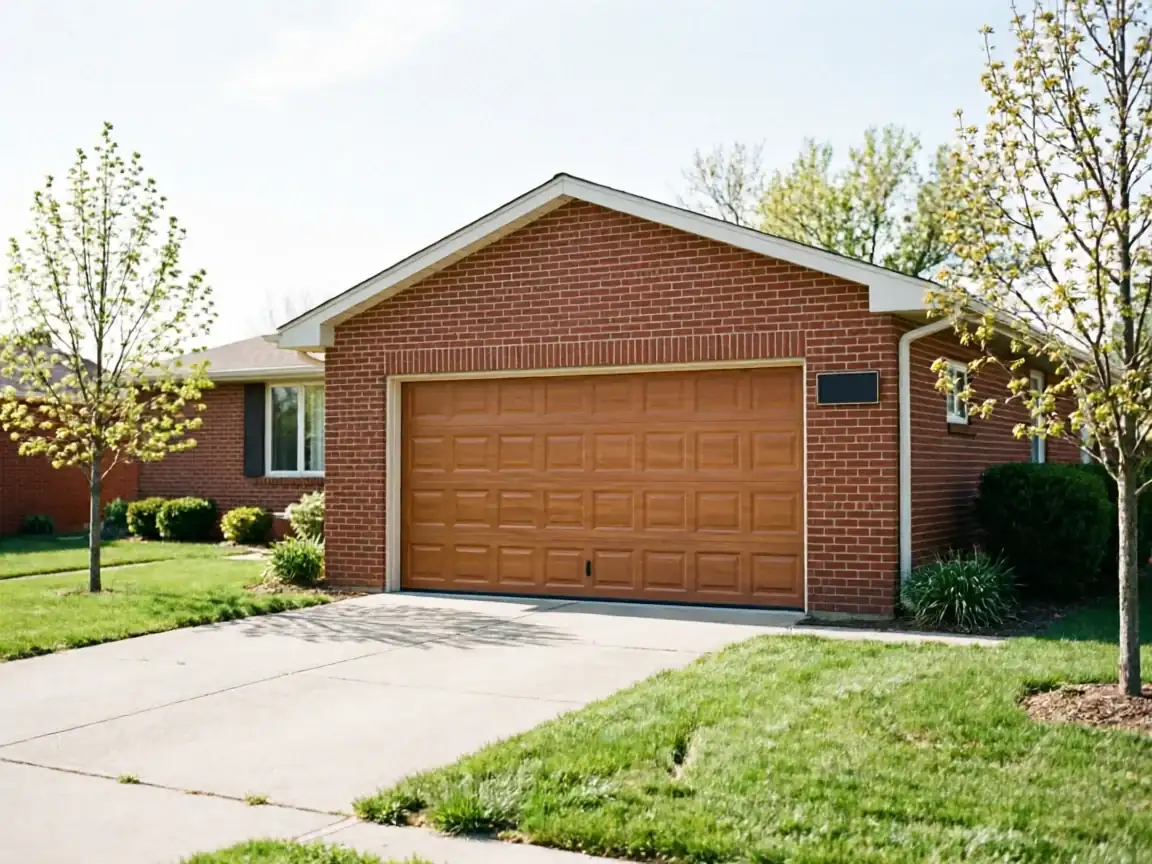
Wamego's housing stock centers on a median build year of 1972, which puts it close to but not identical with the 1966-2007 range and 1974 median we see across the seven areas we cover. That few-year difference still lands squarely in the same hardware generation: torsion springs sized for heavier wood-panel doors, openers from an era before coil-to-wall safety sensors were standard, and track hung on hardware that was built to be repaired, not replaced as a unit.
What that means day to day: a door that's suddenly loud on the way up, usually a dry or worn roller riding in a track that's never been cleaned. A door that slams the last foot of travel, which is a spring losing tension rather than an opener problem. An opener that runs but doesn't move the door, which is almost always the drive gear or the belt/chain, not the motor itself. None of this is specific to Wamego by brand or year of manufacture - we don't have model-level data for individual homes - but the era of the stock tells us where to look first before we even open the panel.
What Can Go Wrong
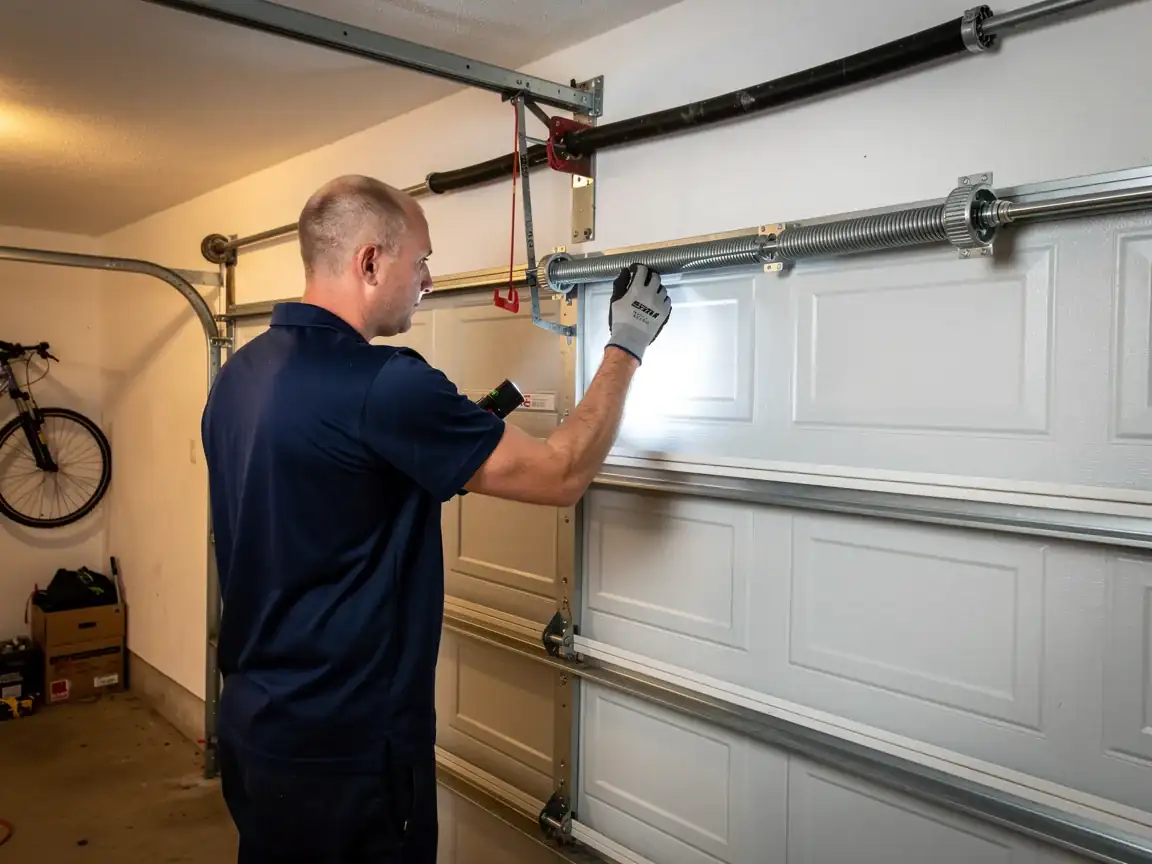
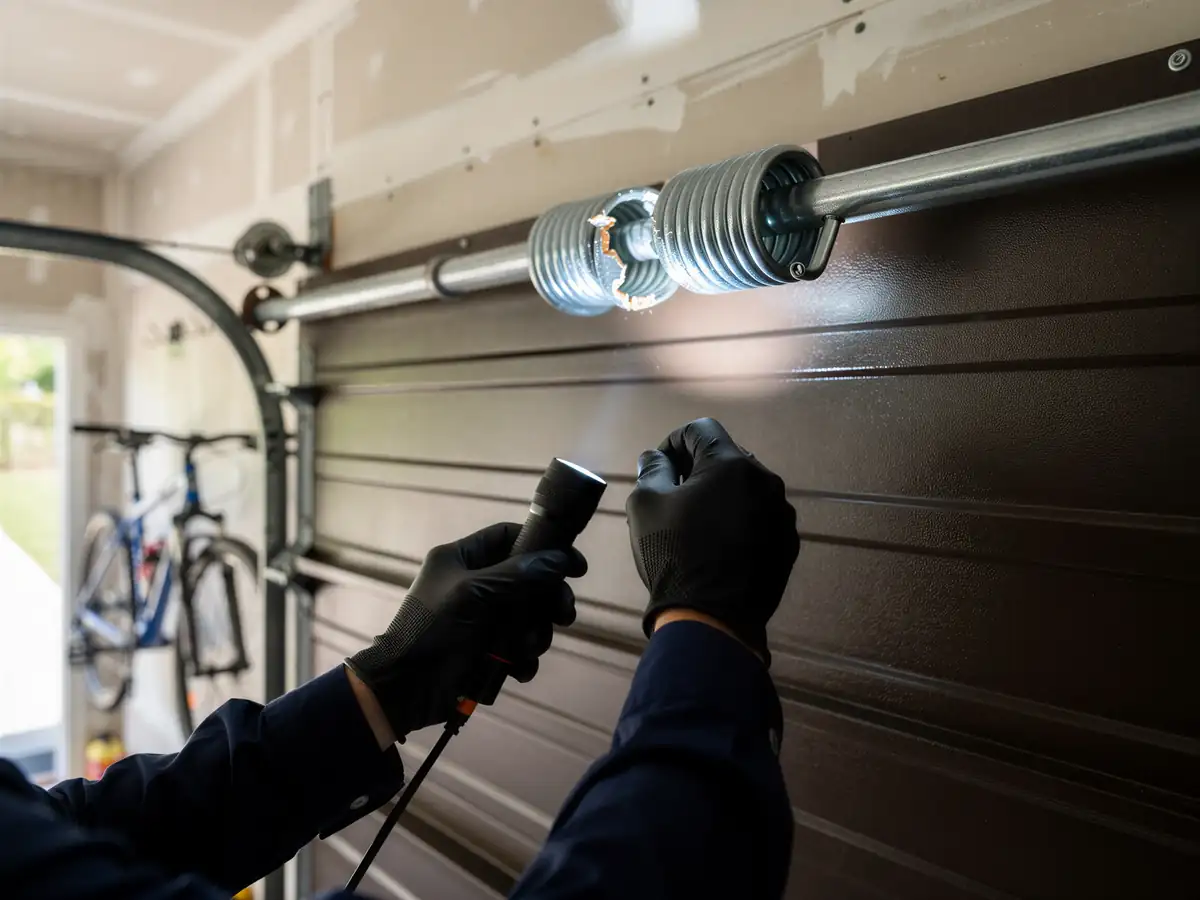
A torsion spring built in the early 1970s has had fifty-plus years to fatigue
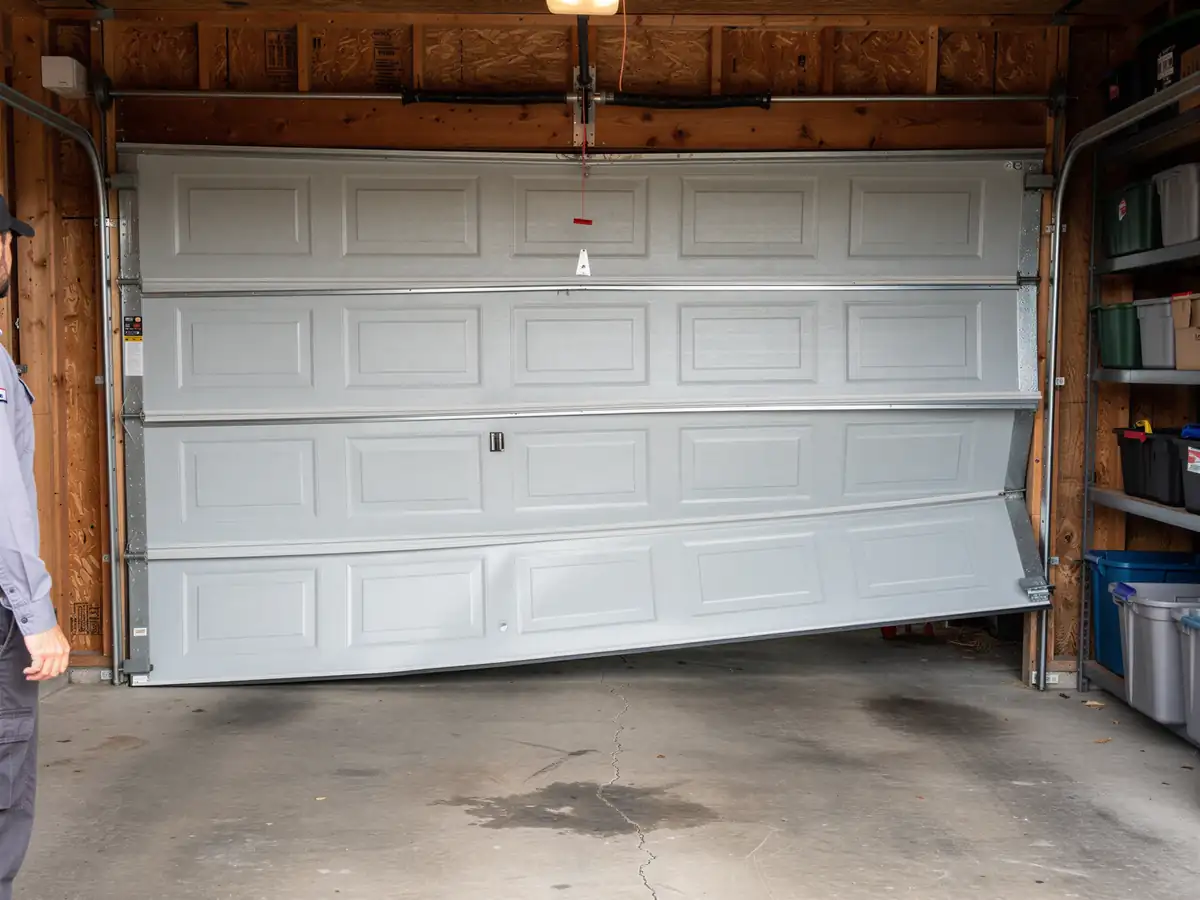
And most homeowners never know it's close to failing until it lets go - usually loudly, usually while the door is down, which is the safer time for it to happen. On a two-car door, a single broken spring on a double-spring setup will often still lift the door partway, which fools people into thinking it's an opener issue and running the opener against a spring that can't carry the load, which then burns out the gear.
Rollers and hinges wear out quietly
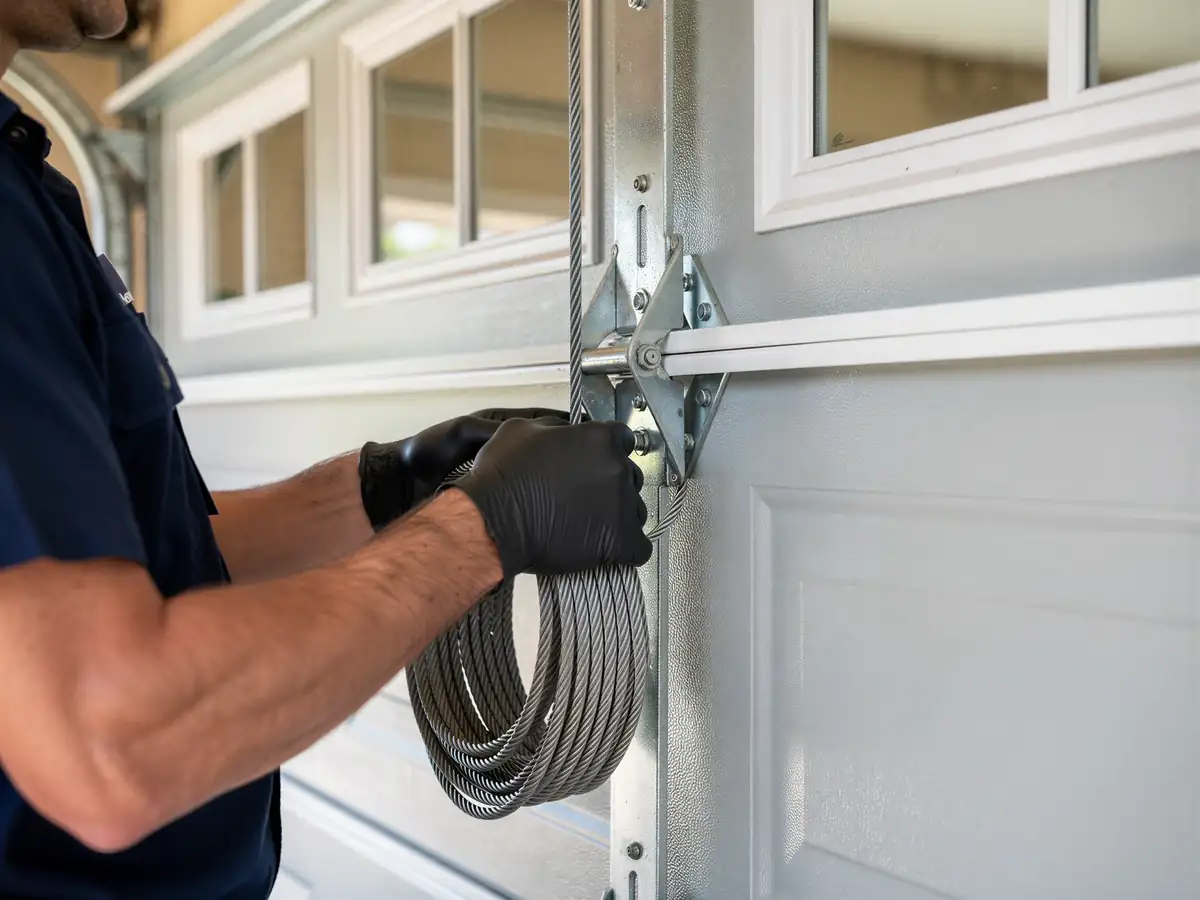
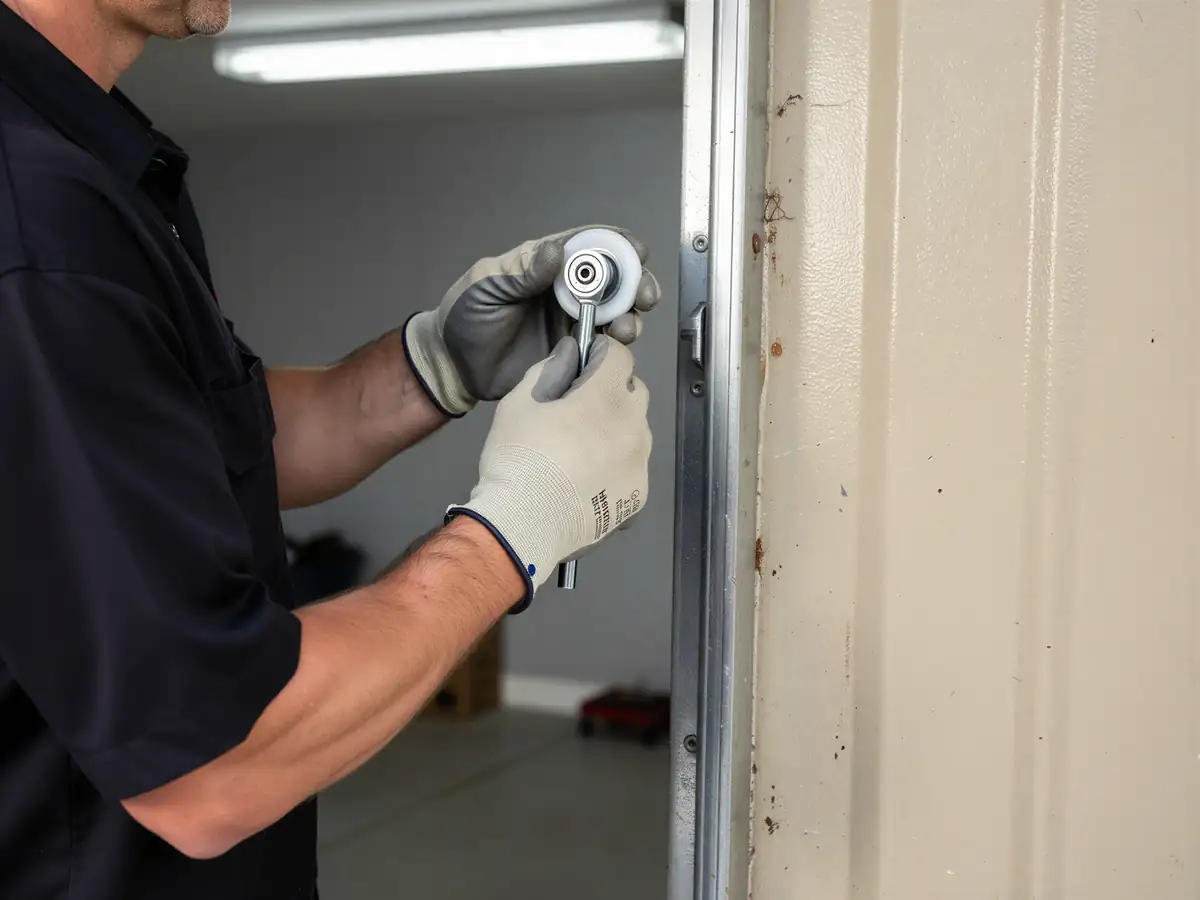
Steel rollers in this climate band - cold with real seasonal swings - pit and bind faster once the factory lubrication is gone, and a binding roller puts side-load on the track that eventually bends it. Cable fraying on older drums is the other one we see: it looks fine until it isn't, and it's not a repair you want to catch mid-failure with a loaded door overhead. We won't work on a door with a wound spring unless we've assessed the whole system first - a spring job done in isolation on worn hardware just moves the next failure down the line a few months.
What the Fix Involves
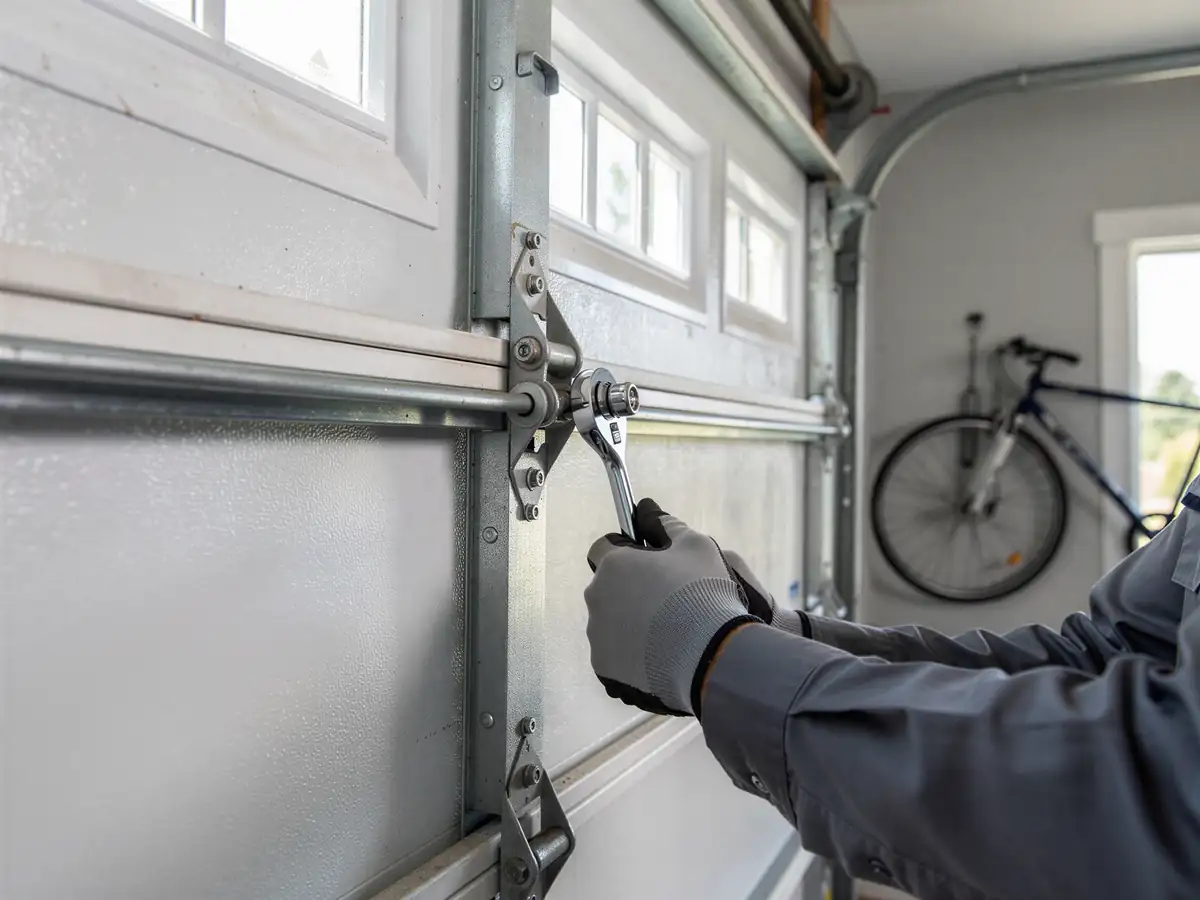
For a spring replacement on a door from this era, we match the wire size and wind to the door's actual weight rather than assuming the sticker on the spring is still accurate - fifty years of panel repainting and added insulation change what the original spring was sized for. We check both springs even if only one broke, since the other is the same age and under the same load history.
For opener issues, we test the logic board, the drive mechanism, and the wall control separately before replacing anything, because a bad wall button can mimic a dead motor. If the door itself is original to a house built around 1972, wood panels have usually taken on moisture weight over the decades, and we'll tell you honestly if the frame is still square enough to be worth re-hanging versus swapping for a lighter steel or composite door - that's a call we make on-site, not over the phone. One limit worth naming: if a part needs to be special-ordered for a genuinely old opener model, that adds lead time we don't control, and we'll say so up front rather than guess at a date.
Parts We Carry
We stock torsion springs in the wire gauges that match double-car doors from the 1965-1980 build range, since that's most of what's standing in Wamego and the rest of the area. We carry steel rollers (sealed and open-bearing), standard lift cables, and the drums and bearing plates that wear alongside them.
For openers, we keep common belt and chain drive parts and wall controls on the truck, but we don't carry every logic board for every discontinued model - some of those are special-order only, and we'll tell you that cost and wait time before we commit you to it. We don't stock full replacement doors on the truck; that's measured and ordered per job, since panel width and track configuration vary enough between houses built in this window that guessing wastes everyone's time.