How Long You Are Without the Door
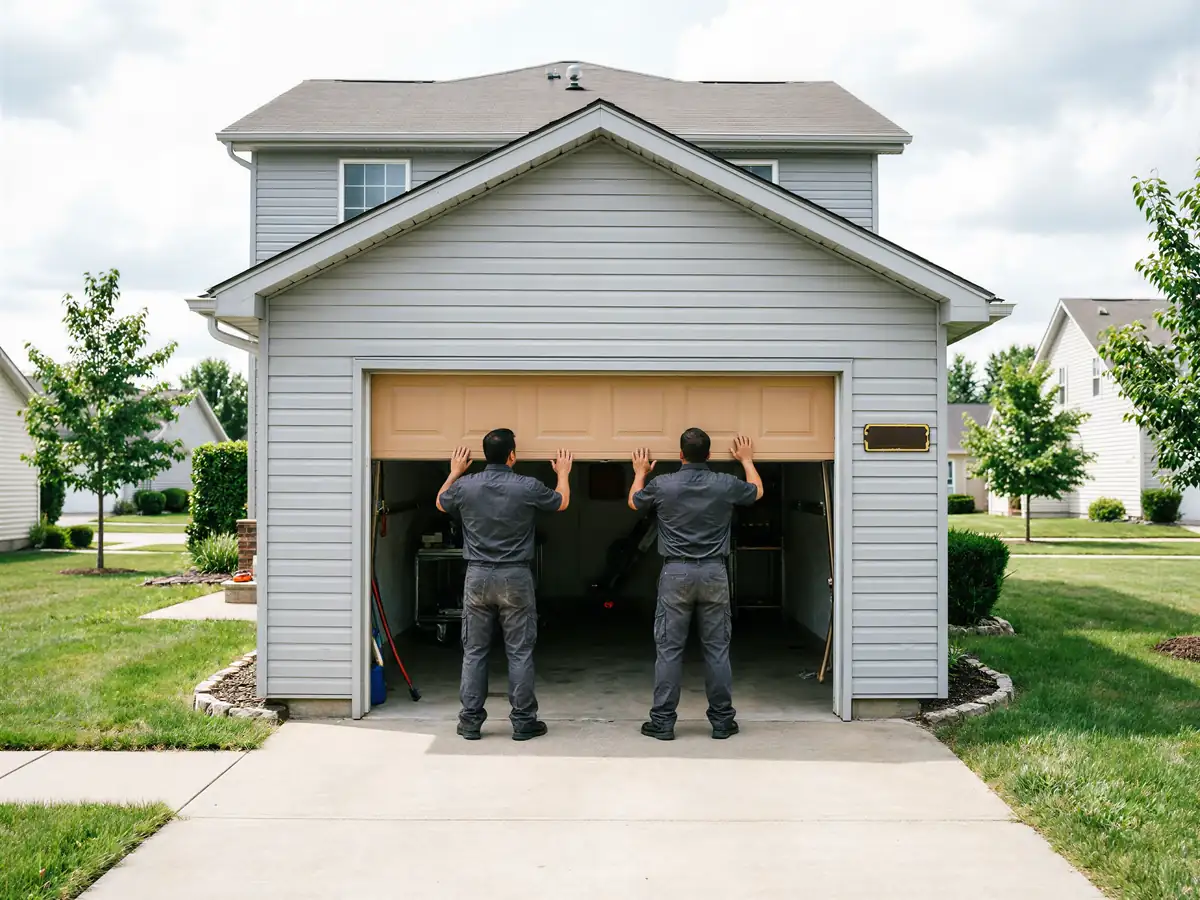
Maintenance in Wamego is scheduled, not an emergency run. We work out of Manhattan, 16 miles away, so a tune-up visit gets booked for a day and a window rather than a same-hour call. That's the honest trade-off of covering a town this far out: we're not sitting on a truck a block from your driveway. What that buys you in return is a visit that isn't rushed between other calls - we come out planning to spend the time a door built around 1972 actually needs, checking hardware that's been running for five decades on the same springs, cables, and track bolts it shipped with. If something during the visit turns into an actual repair, we'll tell you straight whether it's worth scheduling a second trip or whether the door needs more than maintenance can give it.
What You Are Seeing
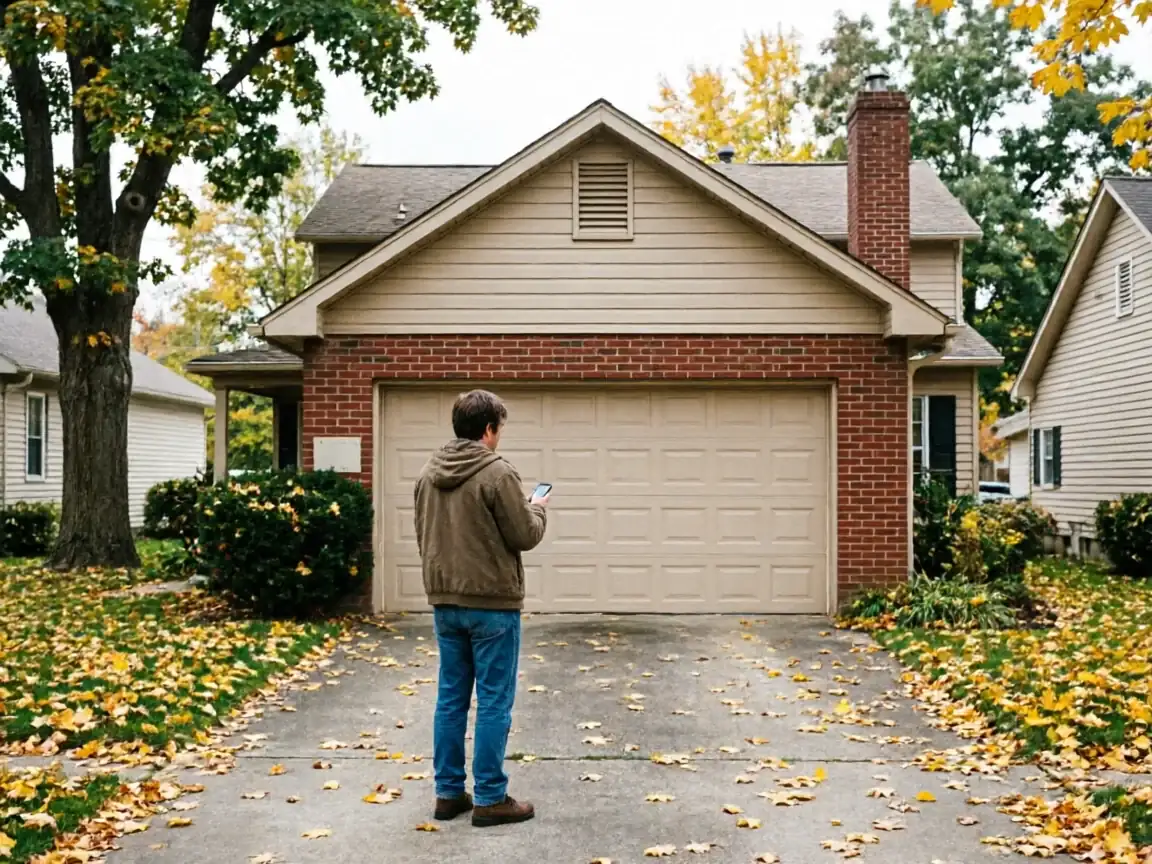
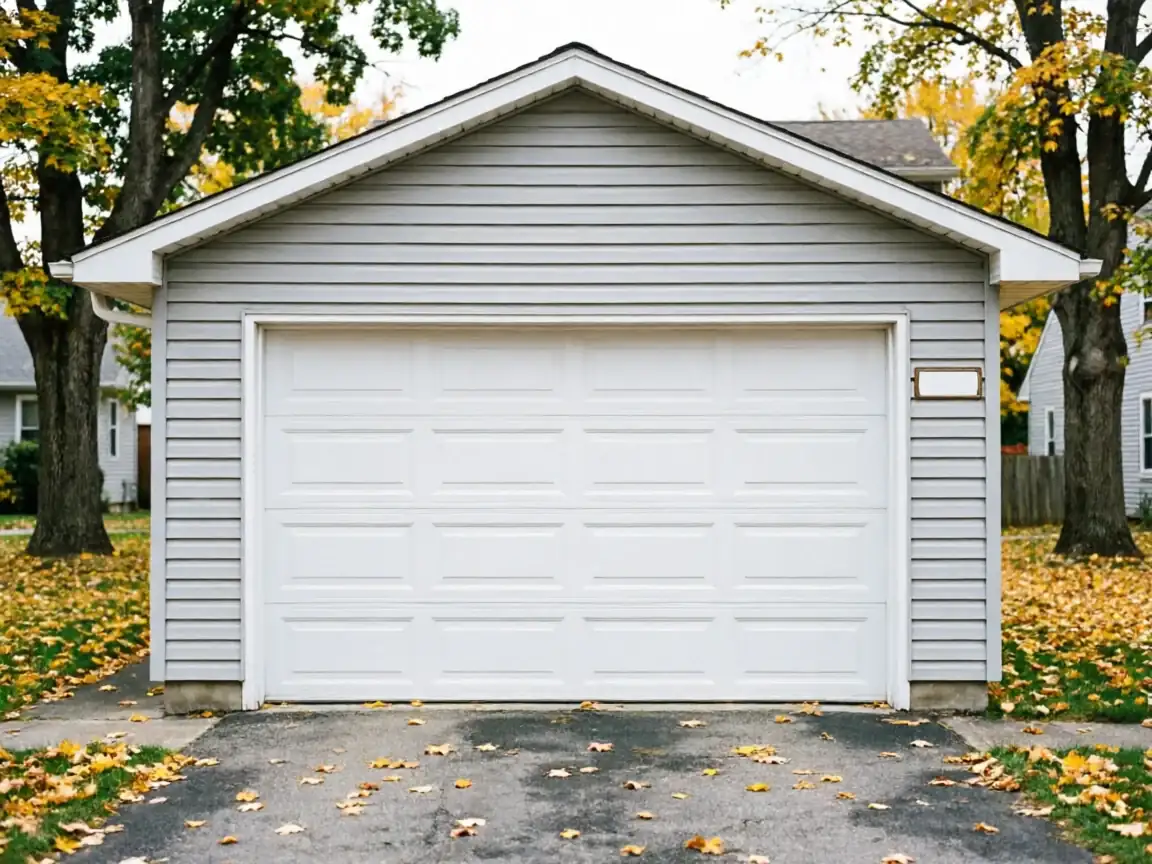
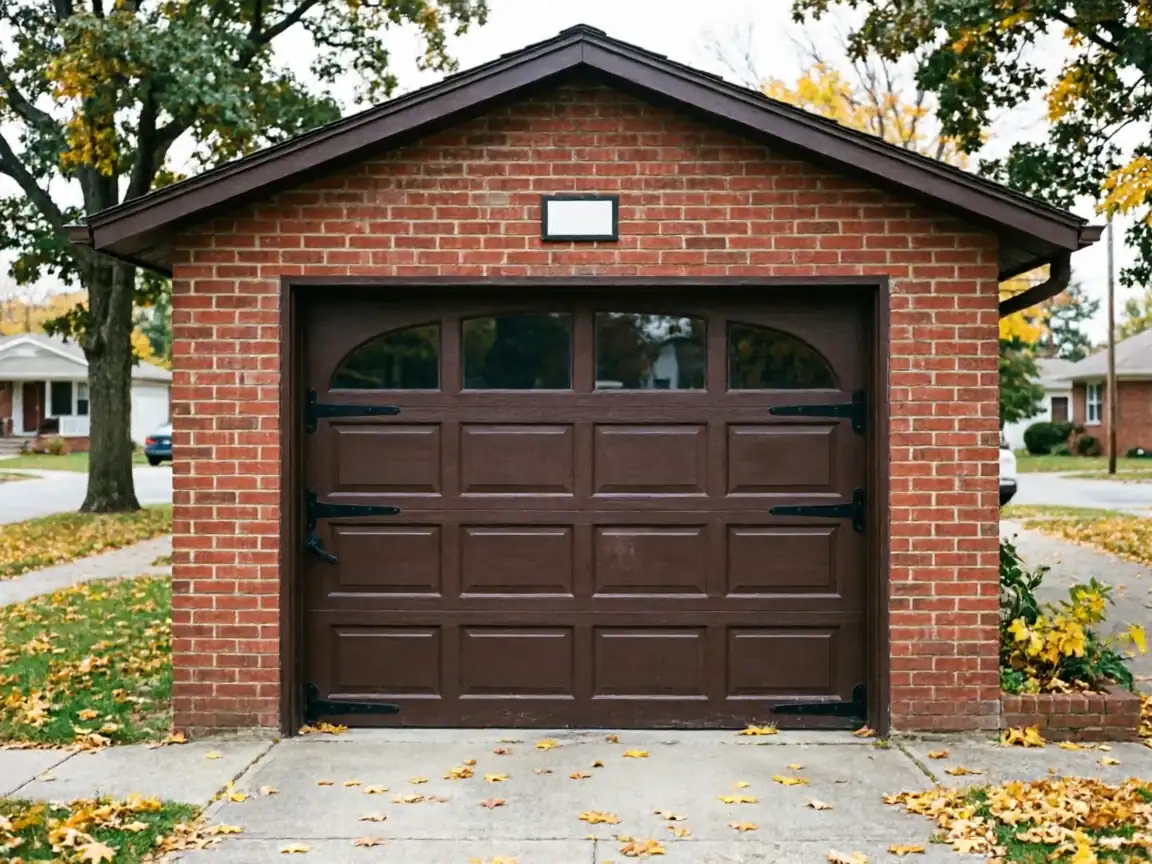
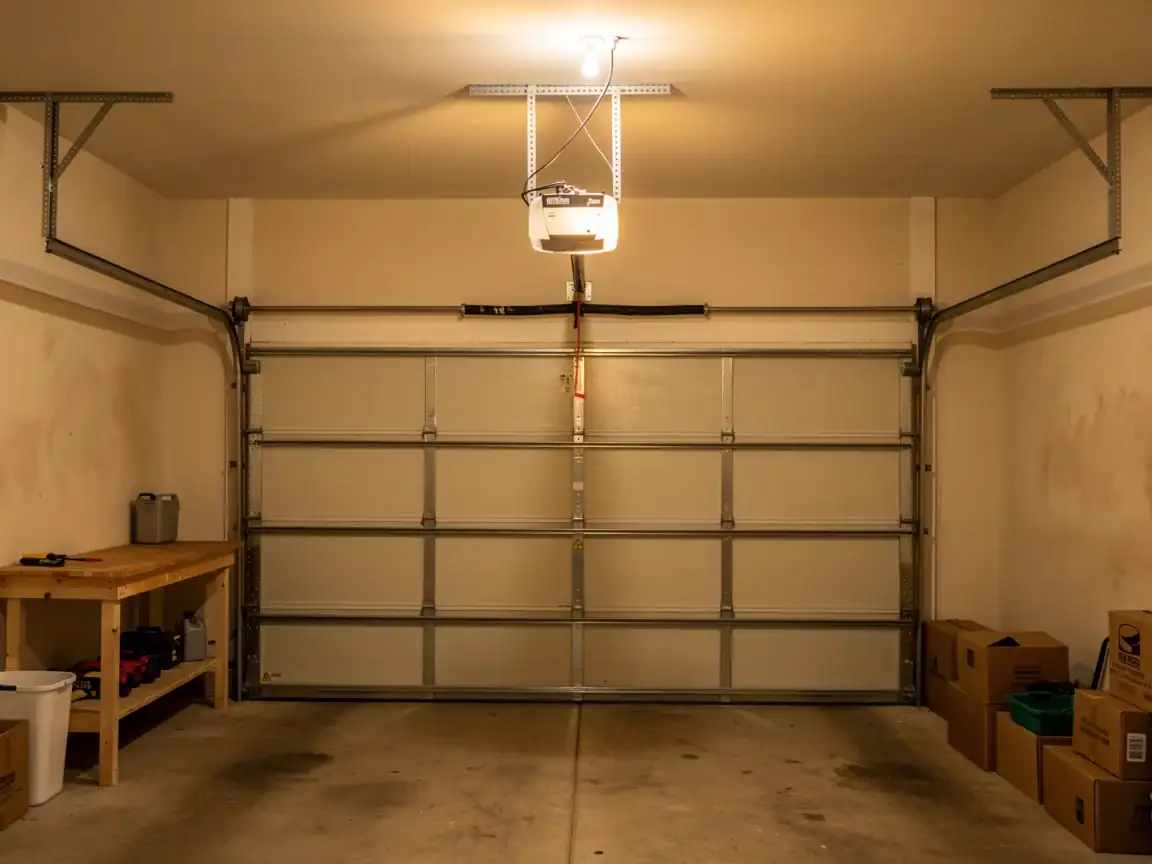
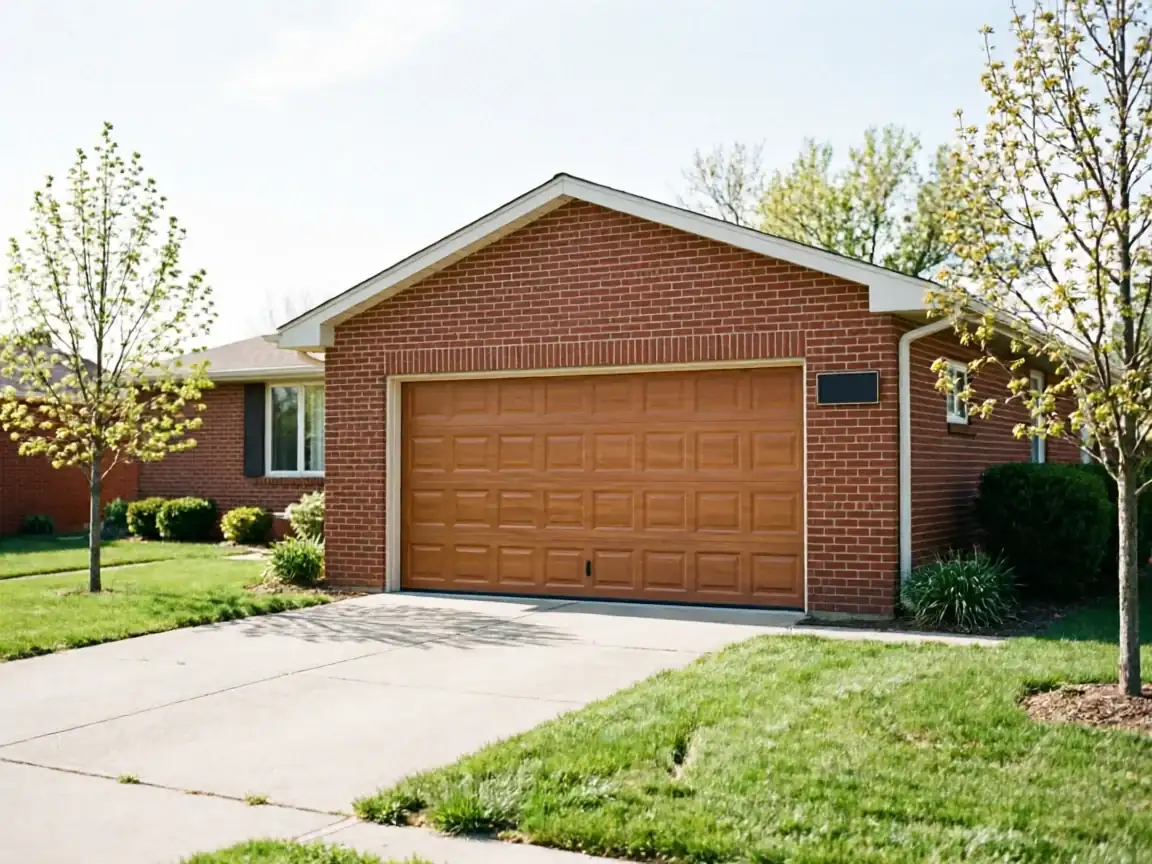
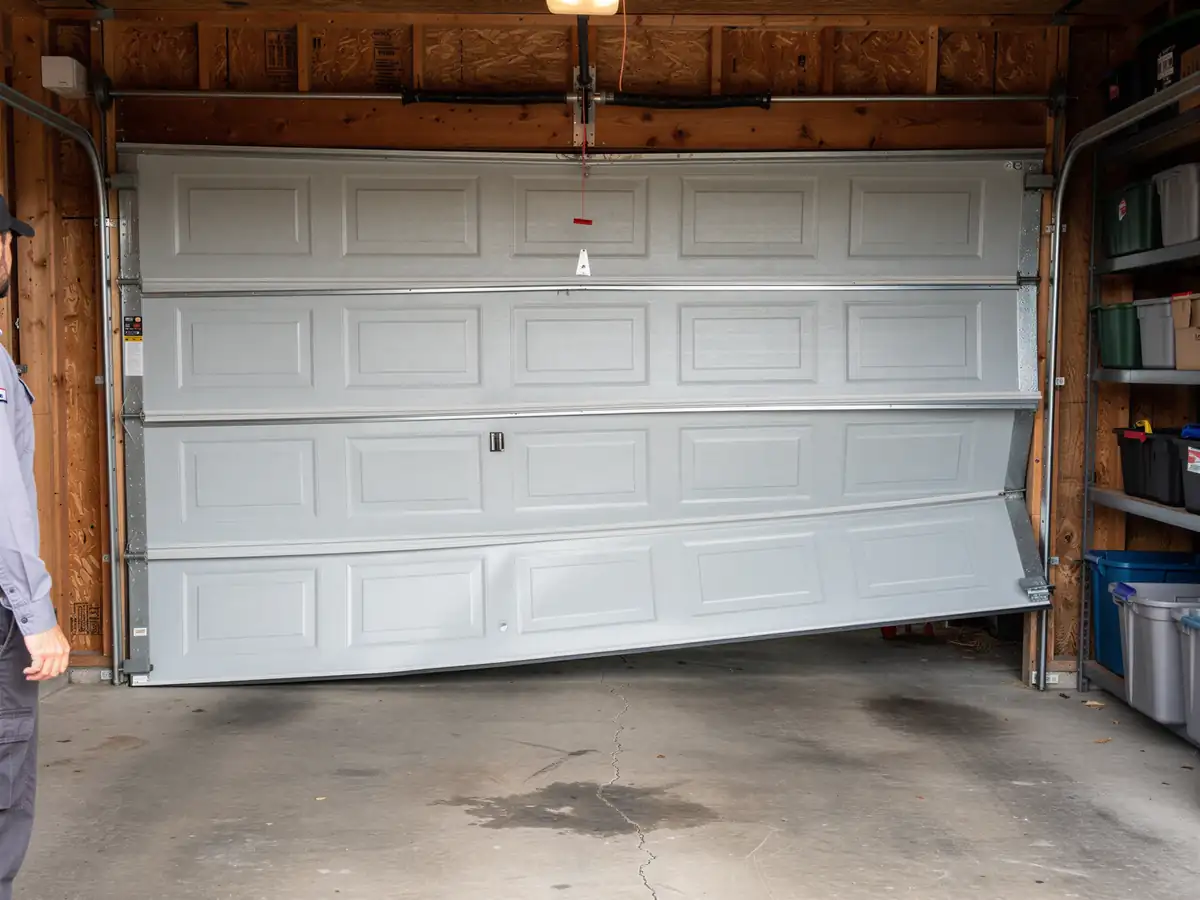
Most of Wamego's garage doors went up around the same stretch as the rest of this part of Kansas, median year built 1972, and it shows in what we find. Single-layer steel panels, no foam core, raised-panel faces that have held up fine cosmetically but have gone stiff at the hinges. Owners usually call it in as a door that's suddenly loud, or one that hesitates for a second before it lifts, or a remote that works some mornings and not others once the temperature drops. On a door this age the common culprit isn't the opener at all - it's grease that's gone to varnish in the rollers and hinges, track bolts that have backed out a quarter turn over the years, or a cable starting to fray where it wraps the drum. None of that looks dramatic from the driveway. It just makes the door work harder than it should, which is exactly what a maintenance visit is built to catch before it becomes a stuck door on a Monday morning.
What the Fix Involves
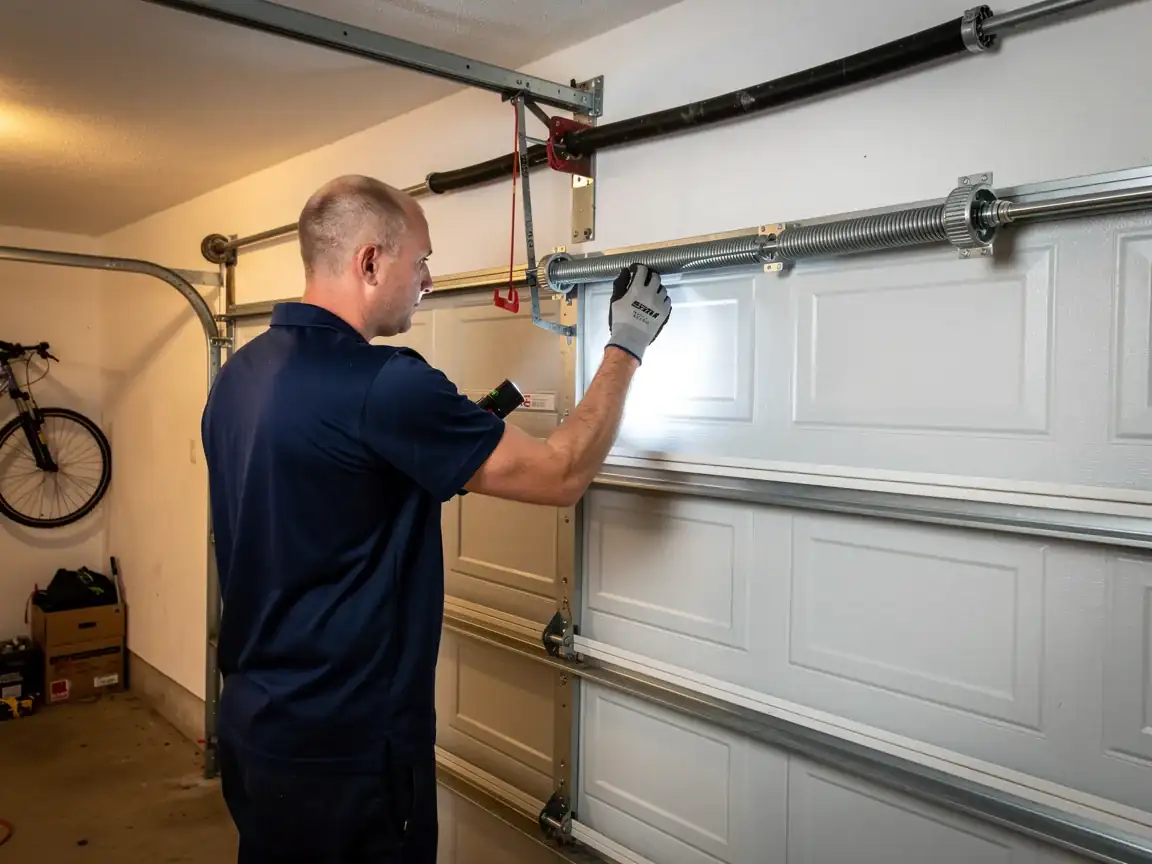
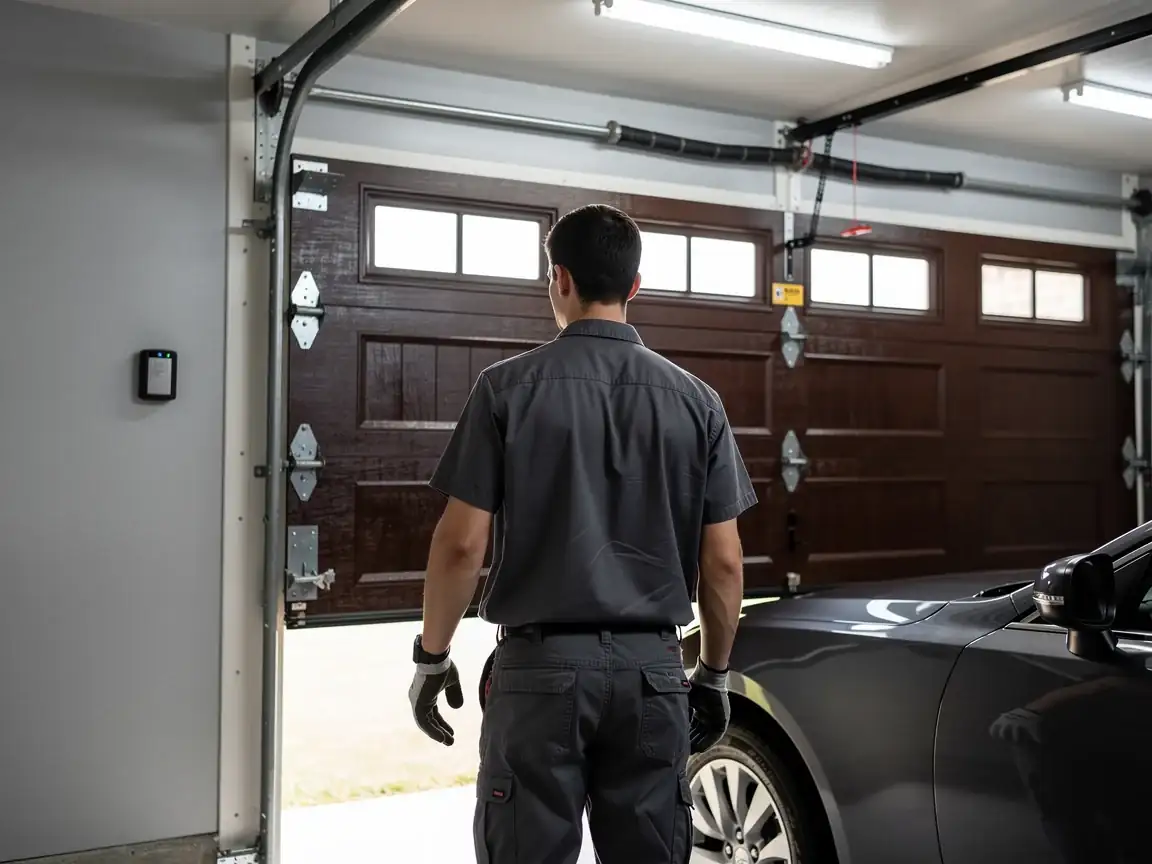
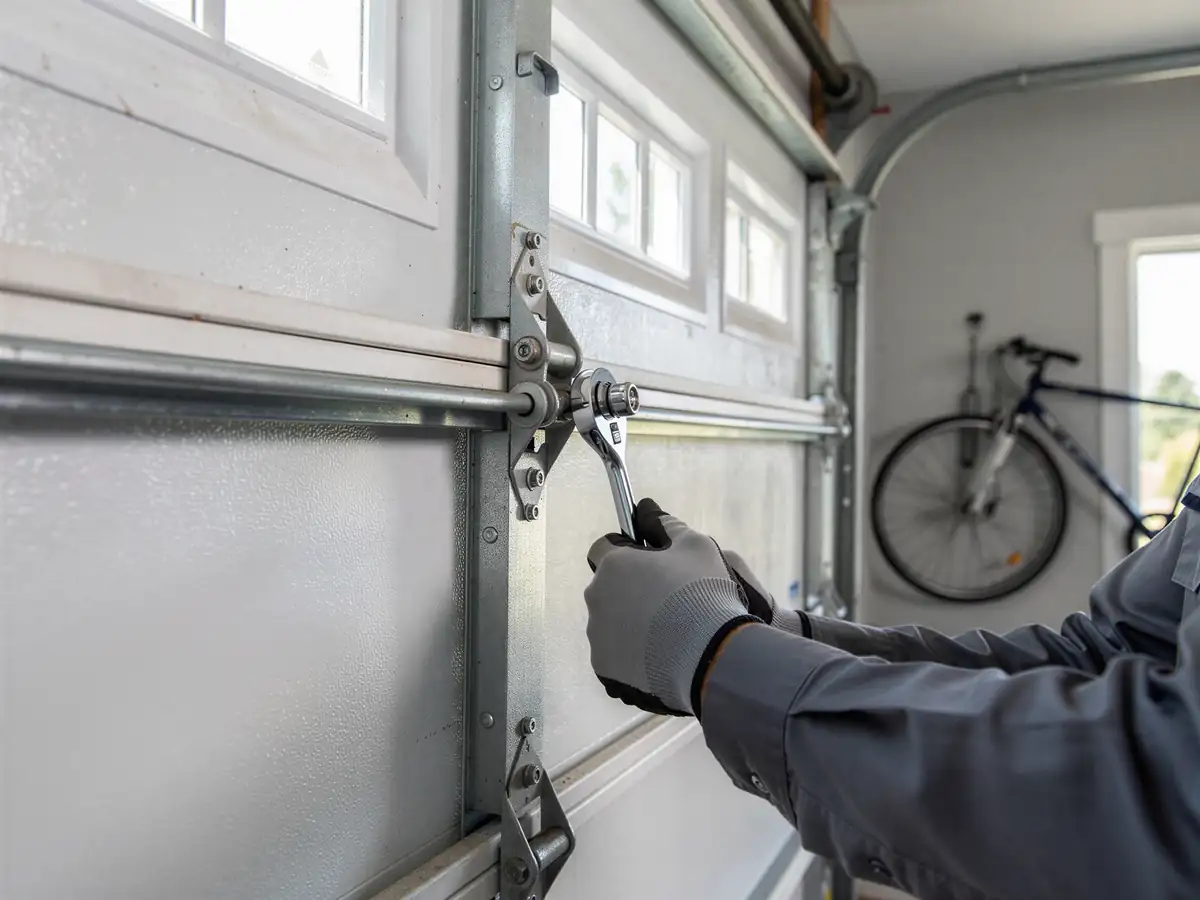
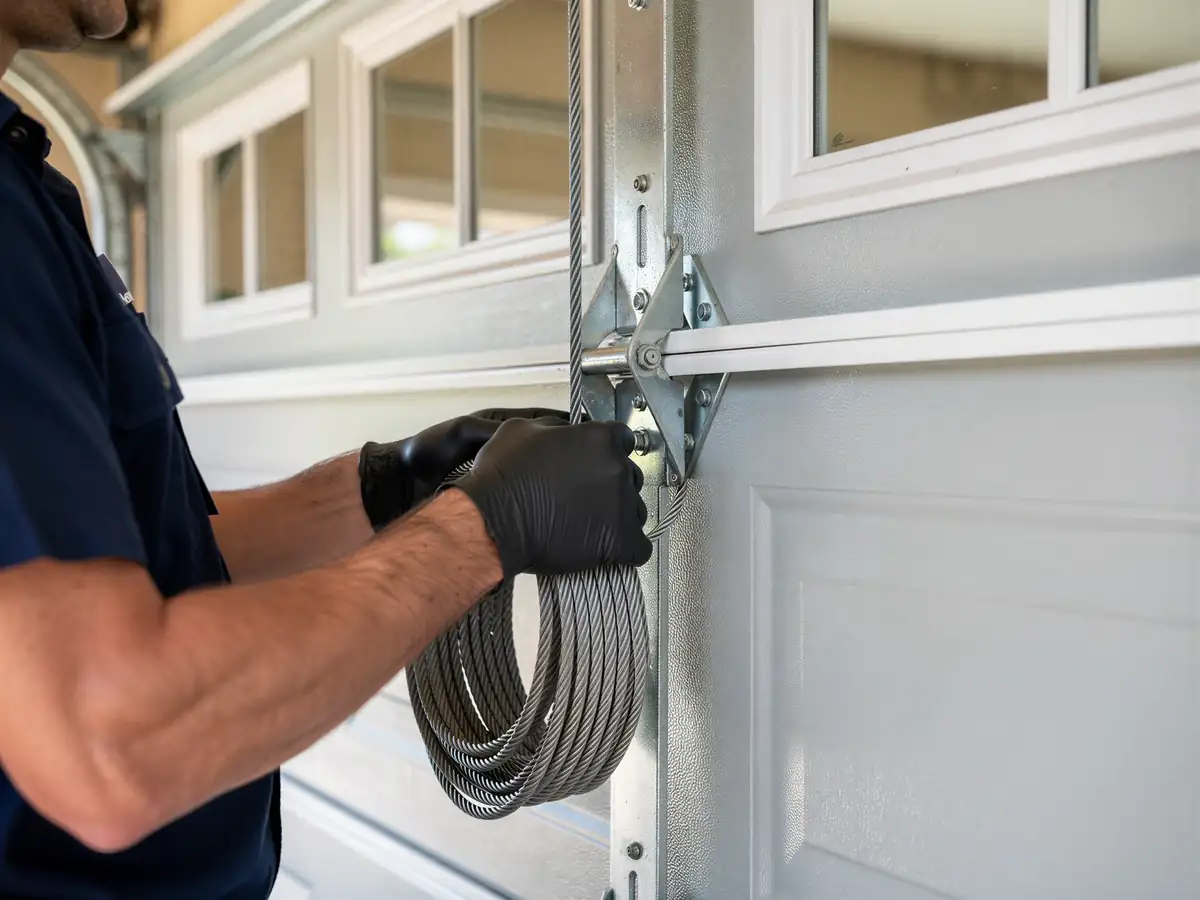
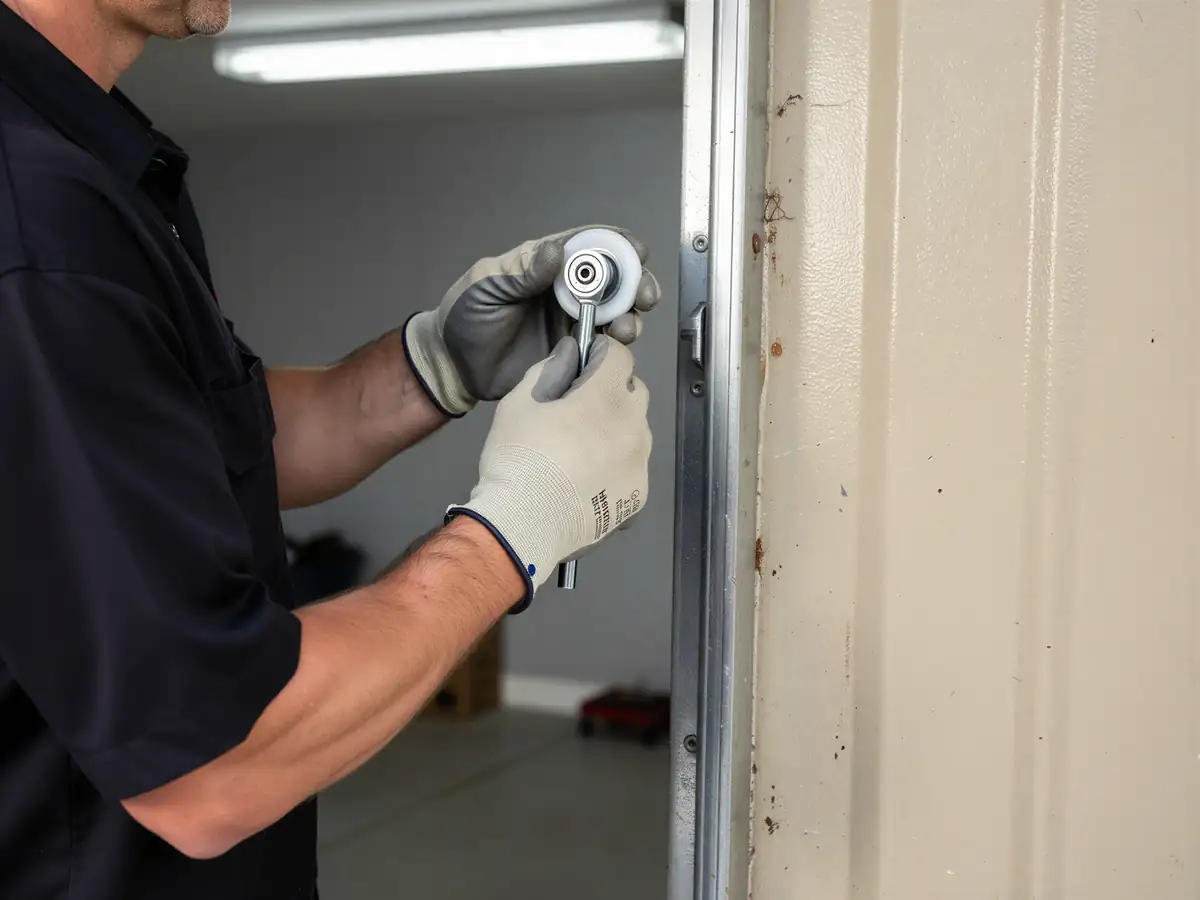
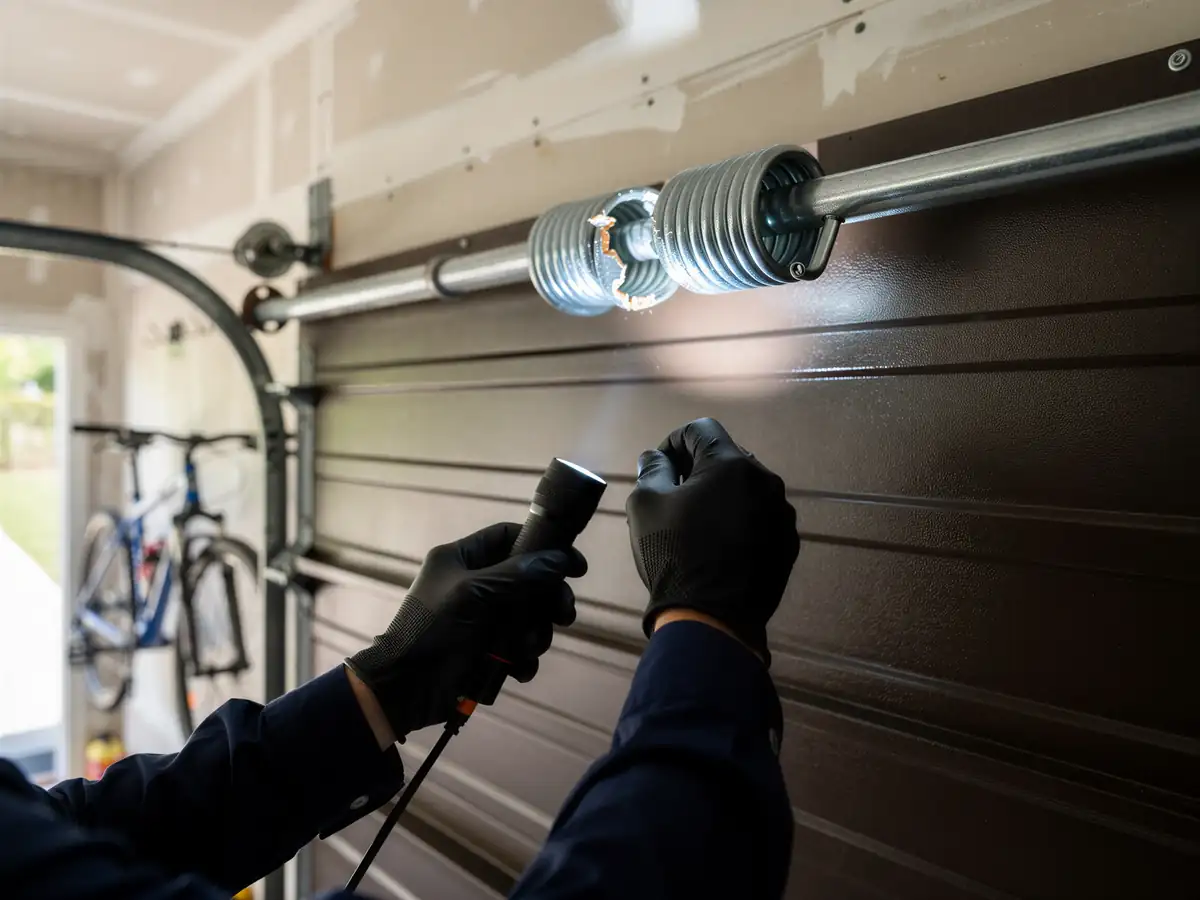
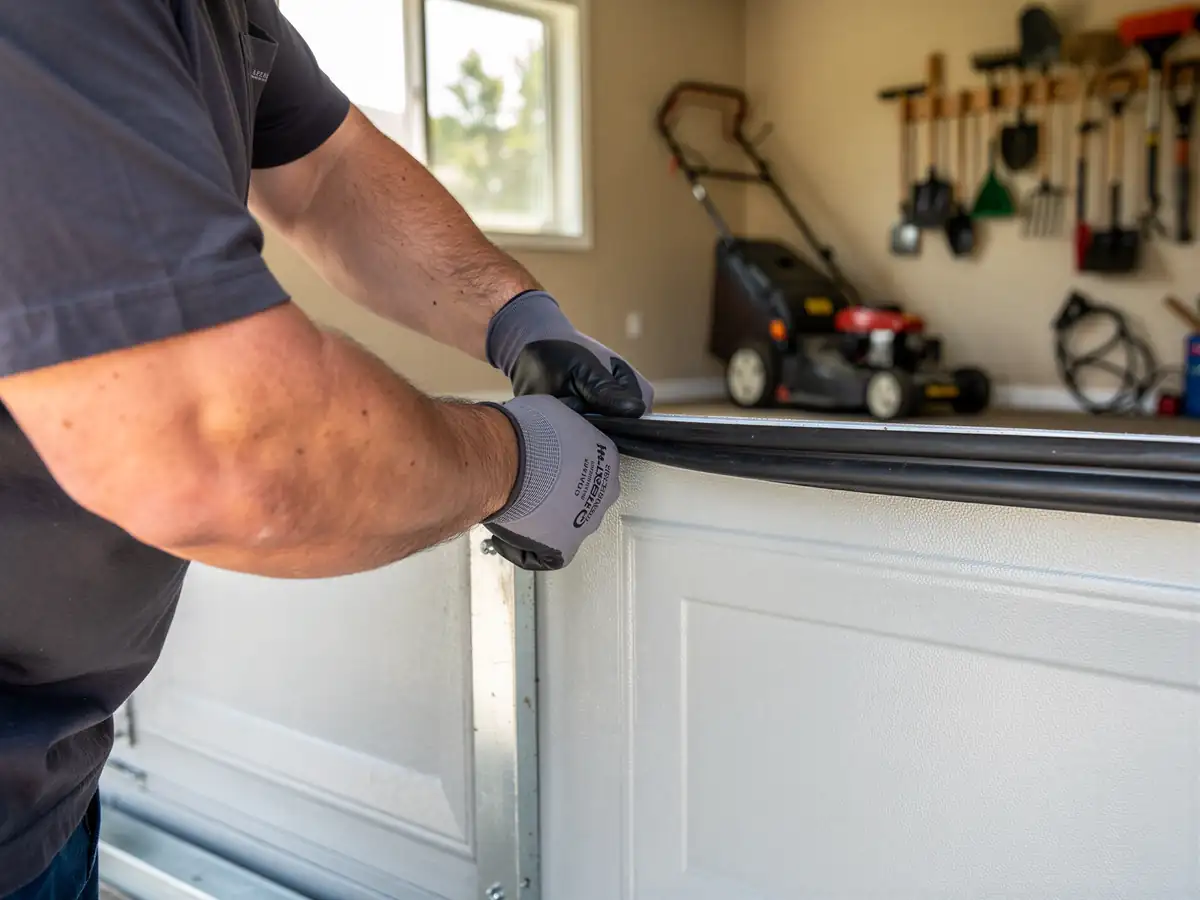
A maintenance visit on a door this age starts with pulling the old grease off rollers, hinges, and the torsion shaft or extension coils, and putting on lubricant rated for cold swings rather than the household oil that gums up fast. We check every roller for flat spots and every hinge for wear in the pin, since both wear unevenly on a door that's run the same hardware since 1972. We check the track for level and realign it if rust or age has shifted it, and inspect cables for fraying at the drum. If the door has extension springs without a safety cable, we'll point that out - it's a cheap add that closes a real gap, and most owners out this way have never had anyone mention it. We also test the opener's force and travel limits, since hardware drag from old lubrication often shows up there first. What we won't do is replace parts that are worn but not failing - that's money spent for no reason on a door that still has years left in it.
Parts We Carry
We carry the common wear parts on the truck - rollers, hinges, cables, and cold-rated lubricant - because those are what a 1972-era door needs most often. Springs, especially matched sets for extension-spring doors, sometimes need to be ordered once we've got the exact length and wire gauge off the door, so a spring replacement can mean a second visit rather than a same-day fix. That's the honest limit of what fits on a service truck. For anything beyond tune-up and basic hardware, including full spring conversions or track replacement, that gets scoped and quoted separately rather than handled mid-visit.