How Long You Are Without the Door
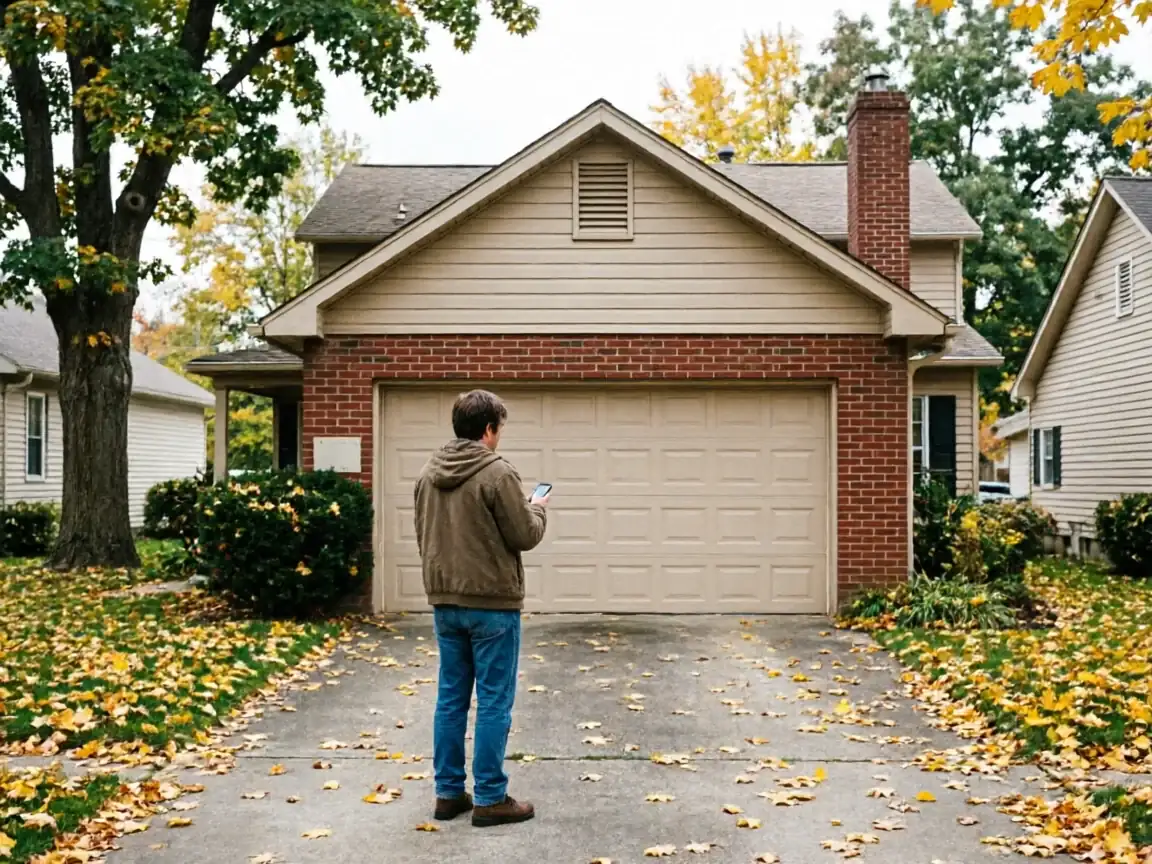
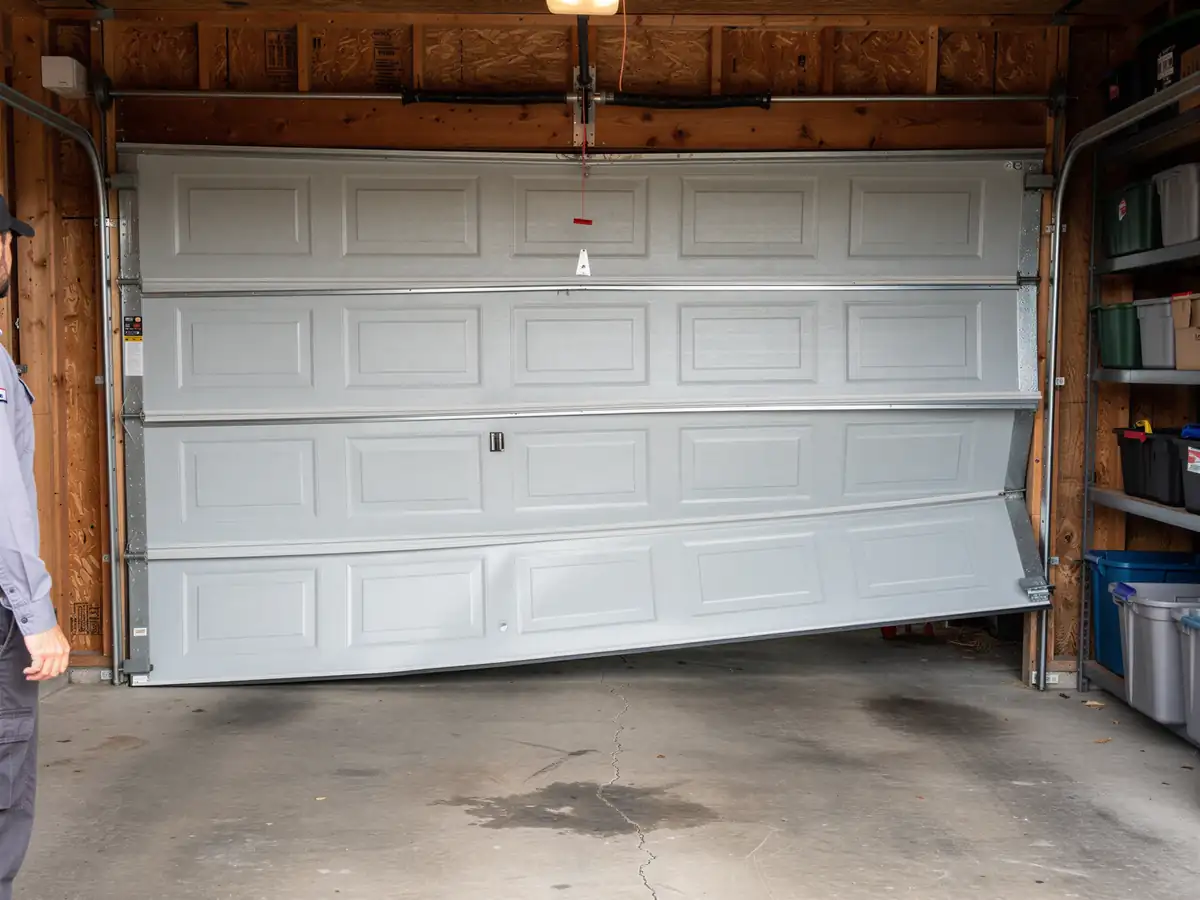
Wamego is 16 miles from our shop in Manhattan, and that distance is the first thing to know before you call. We don't keep a branch or a drop box in town, so every roller job here starts with a truck making that drive, not a tech who happens to already be a few blocks away. That changes how we schedule a visit - we're more likely to group a Wamego call with another stop nearby than to send a truck out for one door the moment the phone rings. It doesn't mean the job is any less of a priority. It means we ask a few more questions up front - what the door is doing, whether it still moves at all, whether a car is trapped inside - so the truck that comes out has the right rollers loaded the first time. A door that's merely noisy can usually wait for a scheduled slot. A door that's jumped the track or won't move gets bumped up, but we're honest that we're not a five-minutes-away operation for Wamego the way we can be for blocks closer to the shop.
What You Are Seeing
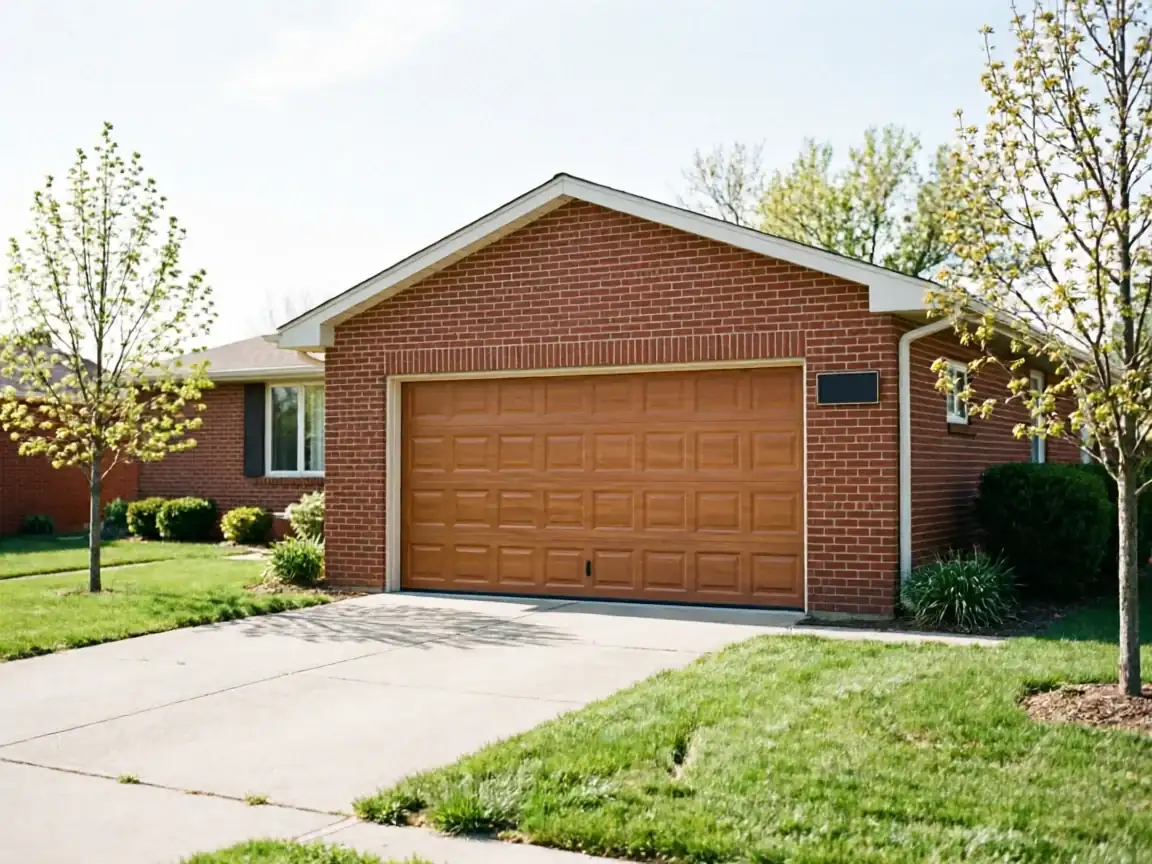
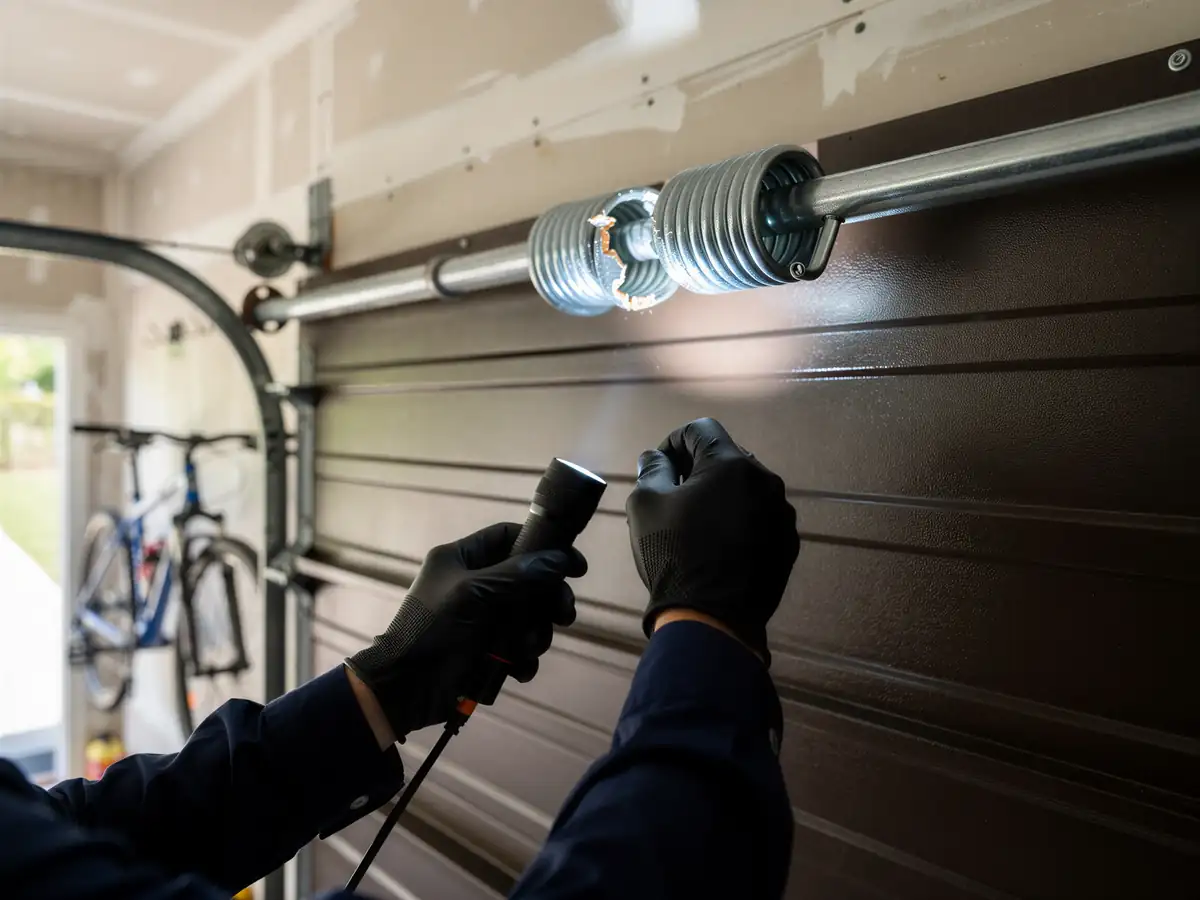
A lot of Wamego's housing went up around 1972, which puts most of the garage doors we see here on original or first-replacement steel track with whatever rollers came stock at the time - usually plain steel wheels on a bare stem, no bearing, no nylon. Thirty-plus years of opening and closing wears a groove into that kind of roller stem, and once it's worn it rattles against the track instead of rolling smoothly through it. If your door sounds like a shopping cart with a bad wheel, especially on the last few feet of travel, that's usually a roller problem and not a spring or opener issue. You might also see one side of the door sagging slightly, or notice it catching right where the track curves into the horizontal rail - that's often a cracked or flat-spotted roller rather than a bent track, though it can be both by the time anyone calls.
What the Fix Involves
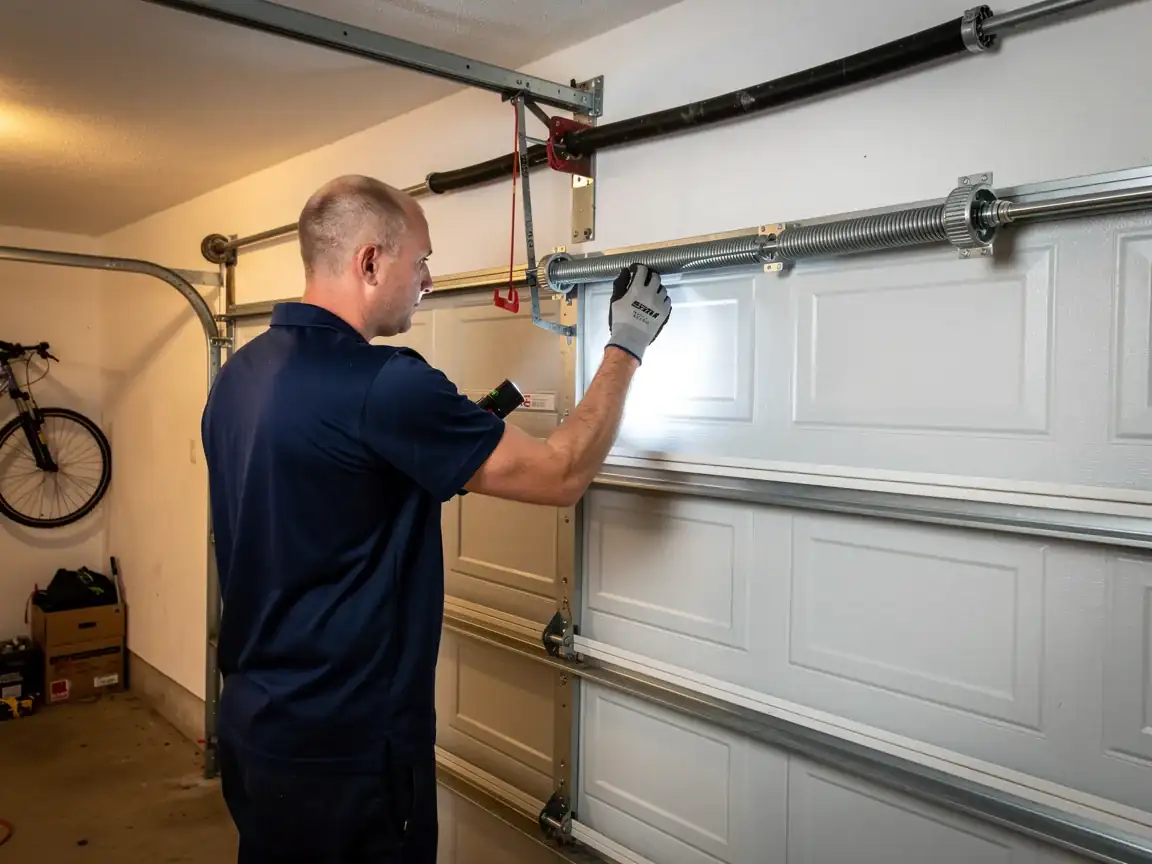
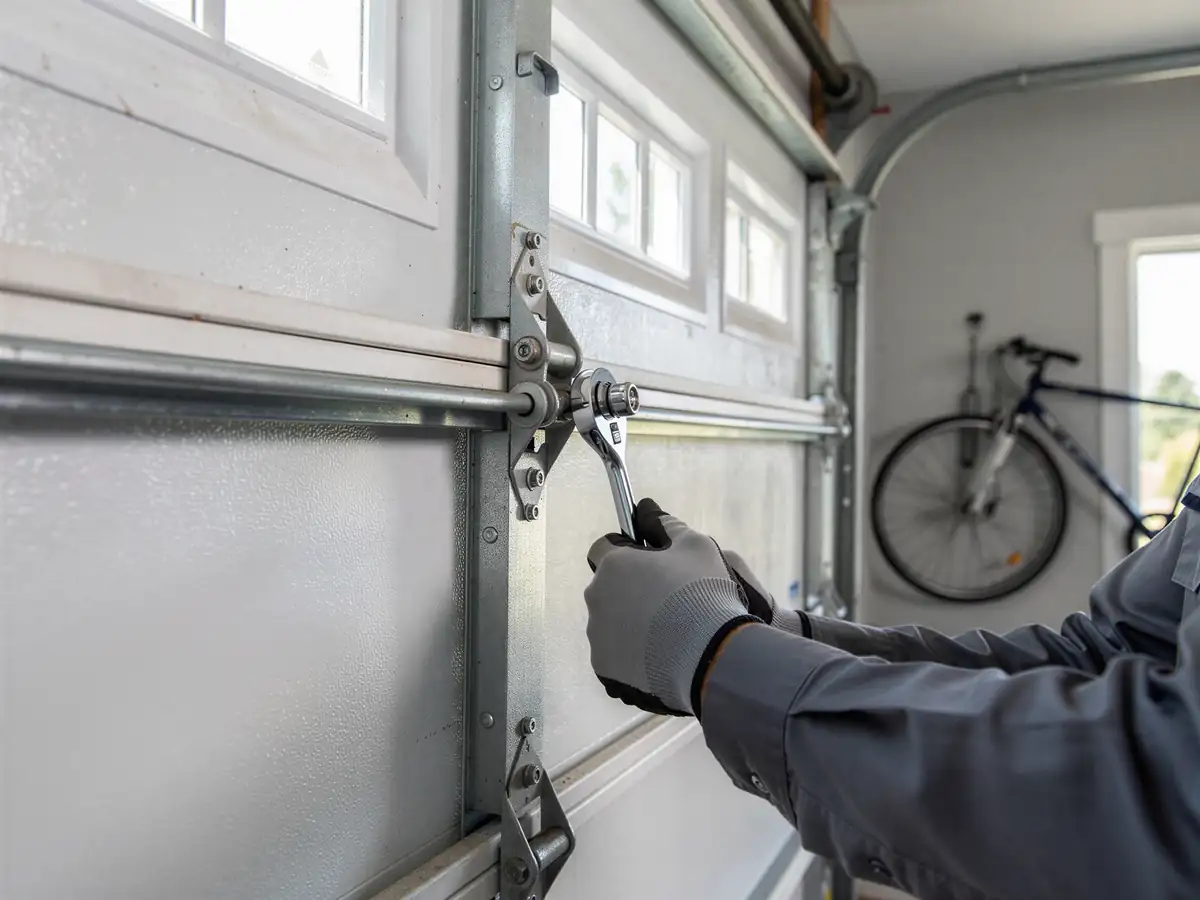
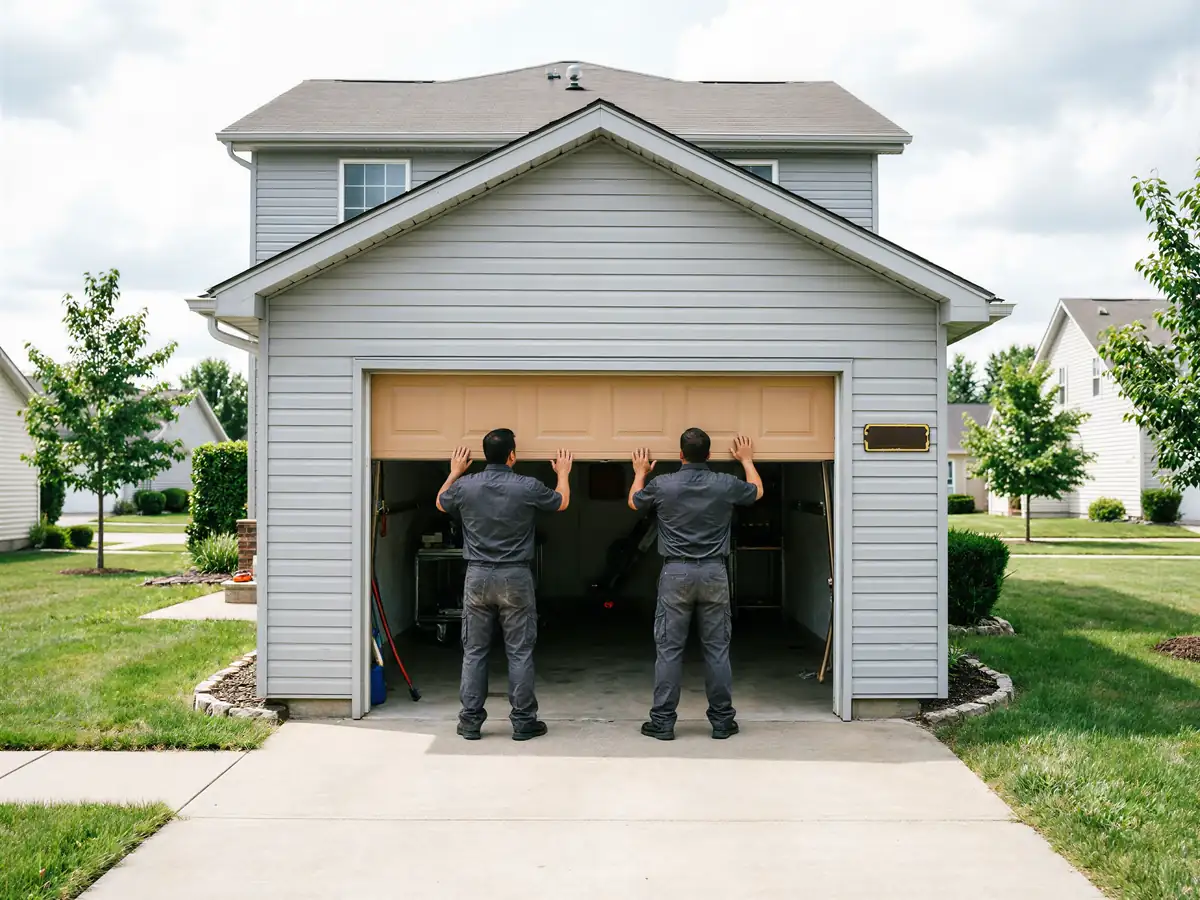
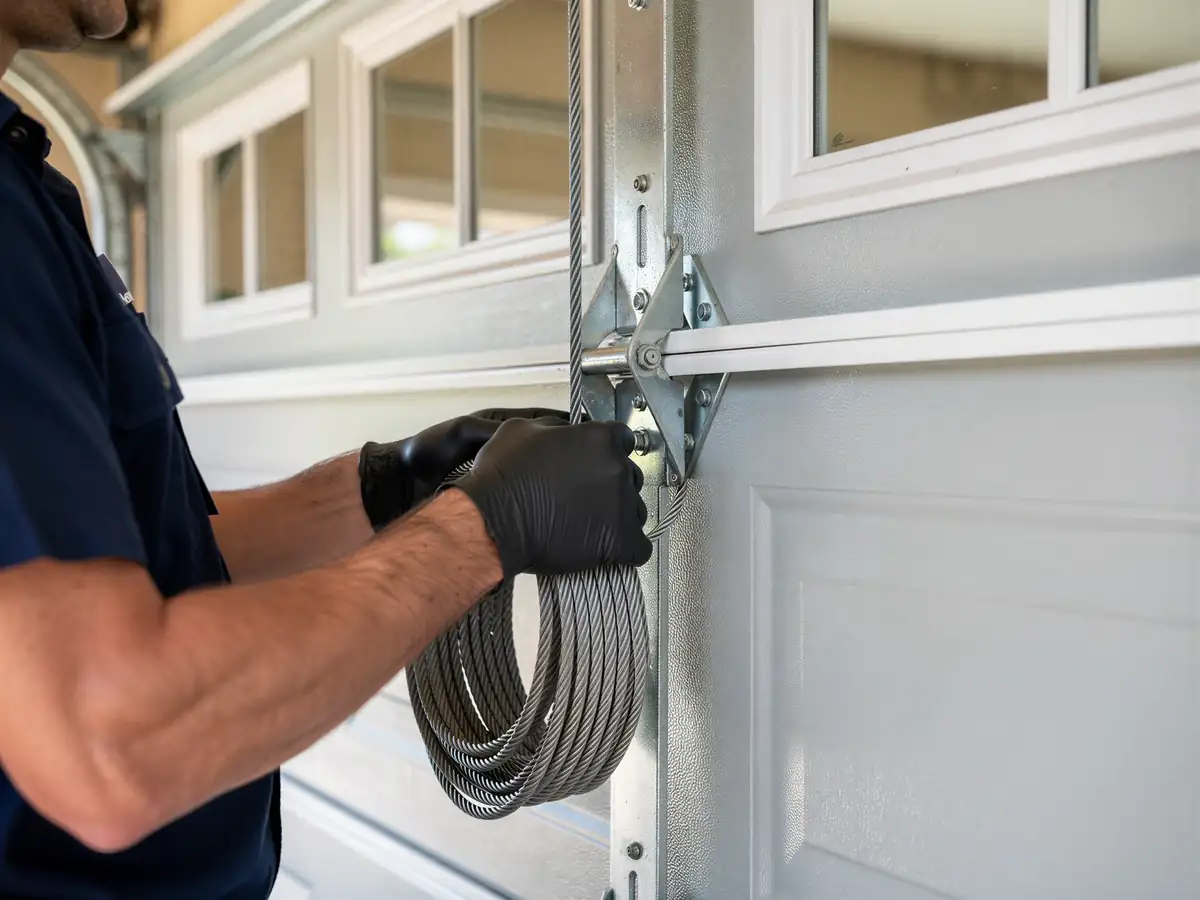
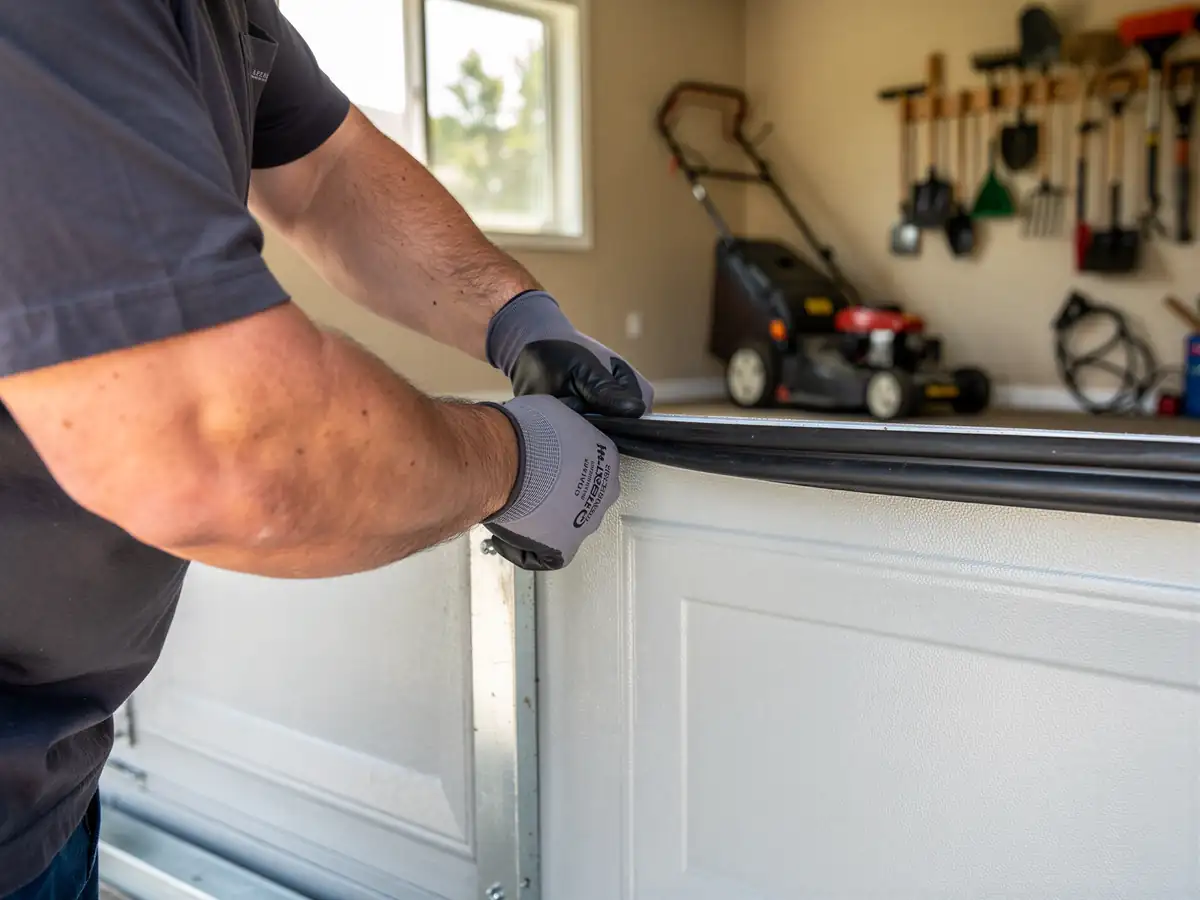
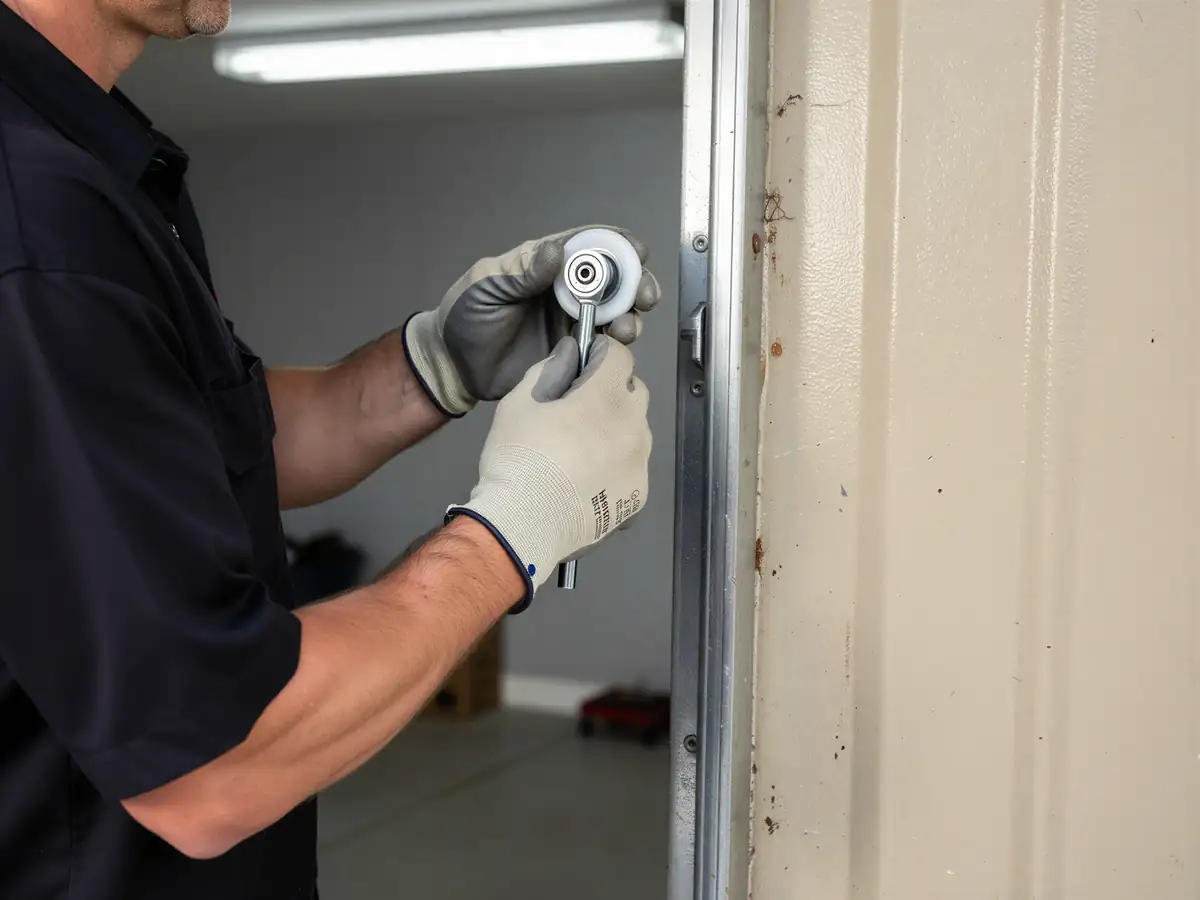
We pull the door down section by section, support it so it can't drop, and swap the rollers out one at a time rather than all at once, which keeps the door aligned in the track while we work. Each roller gets checked against the hole it's riding in - worn track grooves get cleaned out or, if they're too chewed up, that section gets flagged for replacement rather than patched. We lubricate the track and the new roller stems with a lubricant rated for cold weather, since standard grease gums up once the temperature drops. One honest limitation here: if the bottom bracket or the cable is also worn from the same decades of use, we'll tell you before we start rather than after - rollers alone won't fix a door that's also dragging a frayed cable, and we're not going to replace rollers twice on the same visit a year apart because we didn't flag it the first time.
Parts We Carry
We stock both 7-ball steel bearing rollers and sealed nylon rollers on the truck, in the stem lengths that fit the track gauges common on 1960s-70s doors like the ones through Wamego. Nylon is quieter and doesn't need the same ongoing lubrication, which matters once a winter goes by and nobody's climbed a ladder to grease anything. Steel bearing rollers cost less and hold up fine if the door gets lubricated on a normal schedule. We don't carry every proprietary roller a door manufacturer might specify, so if your door turns out to need an odd-size stem, we'll say so rather than force a part that doesn't fit.