How Long You Are Without the Door
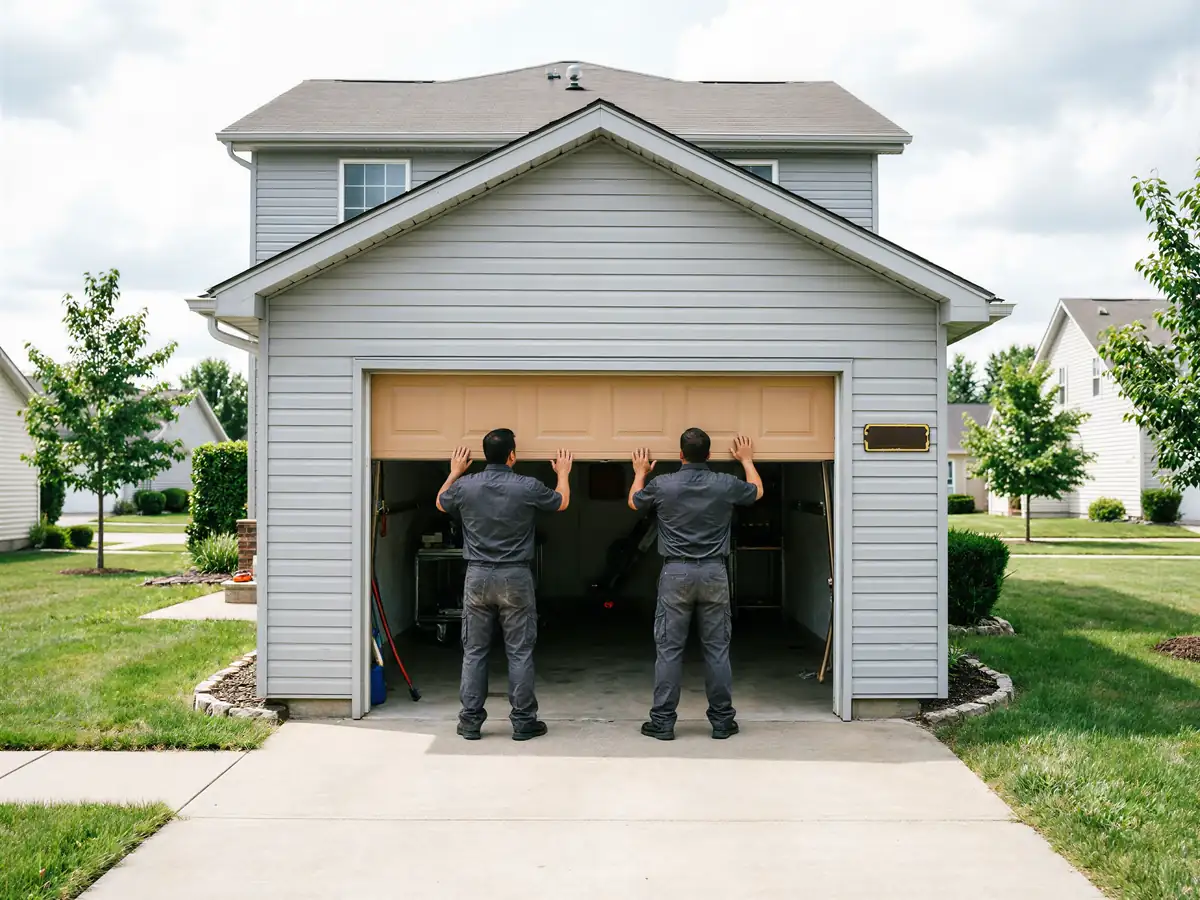
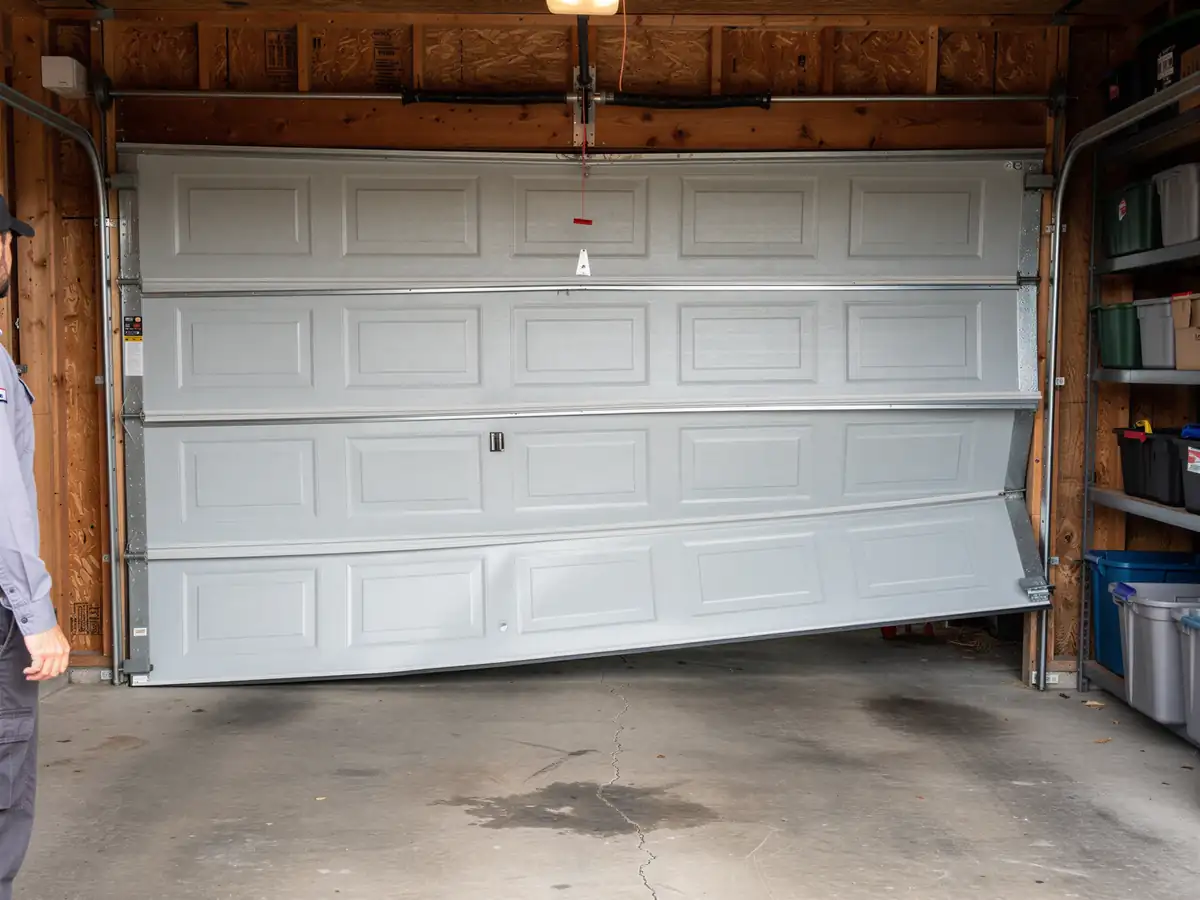
Wamego is a smaller stop on our route than some of the other towns we cover - about 1,587 households in all, which means the door jobs here tend to be spread out rather than clustered on one street with the same builder's hardware. We drive out from Manhattan, 16 miles west, so when you call, factor that drive into how soon someone can get a wrench on your door. We don't keep a branch or a crew sitting in Wamego, and we won't pretend otherwise. What we can tell you is that a stuck or off-track door usually waits fine for a same-day or next-day visit; a door that won't close and won't stay up is the one we try to get to first. Tell us what the door is doing - not closing, grinding, hanging on one side - and we'll tell you honestly whether it's a today problem or a this-week problem.
What You Are Seeing
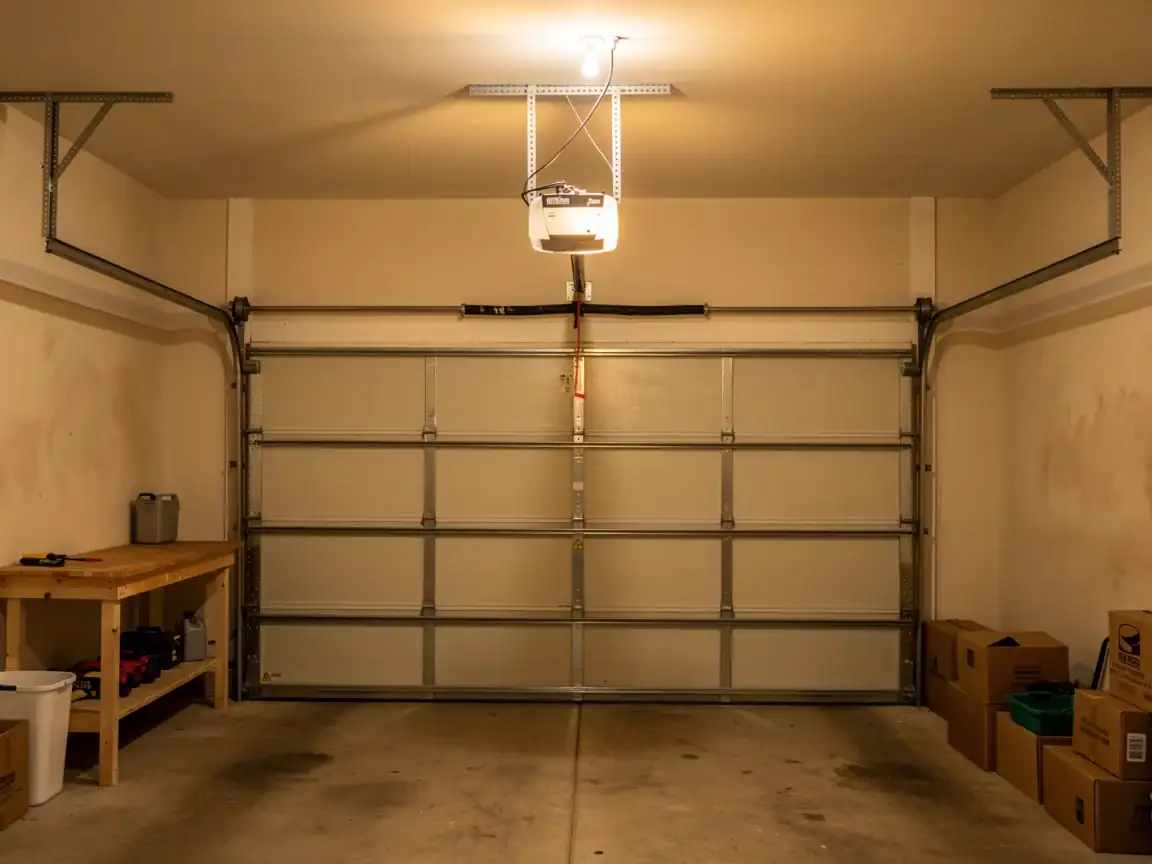
Most houses in this part of the service area, Wamego included, were built somewhere in the 1966-2007 window, with the middle of that stretch - call it early-to-mid 1970s - being where the bulk of the stock sits. A door installed when the house went up, or replaced once since, is now old enough that the opener is likely a chain-drive unit from a decade or two back and the spring system is torsion-mounted over the header rather than the older side-mounted extension setup you'd find on an older build. What that means day to day: openers that still work but grind on startup, torsion springs that are original and getting close to their wind-cycle limit, and rollers that have gone from steel-and-ball to just worn steel. None of this is dramatic. It shows up as a door that's slower than it used to be, or one that shudders two inches off the floor before it catches.
What the Fix Involves
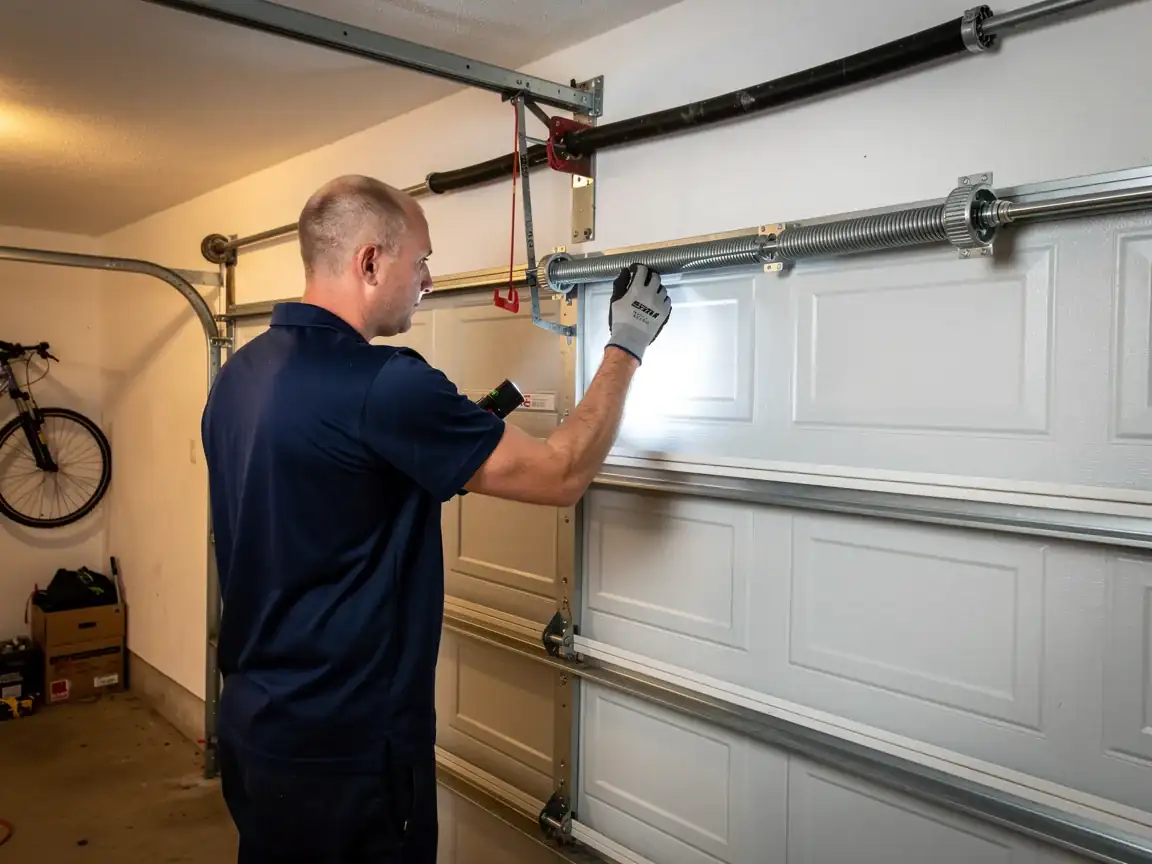
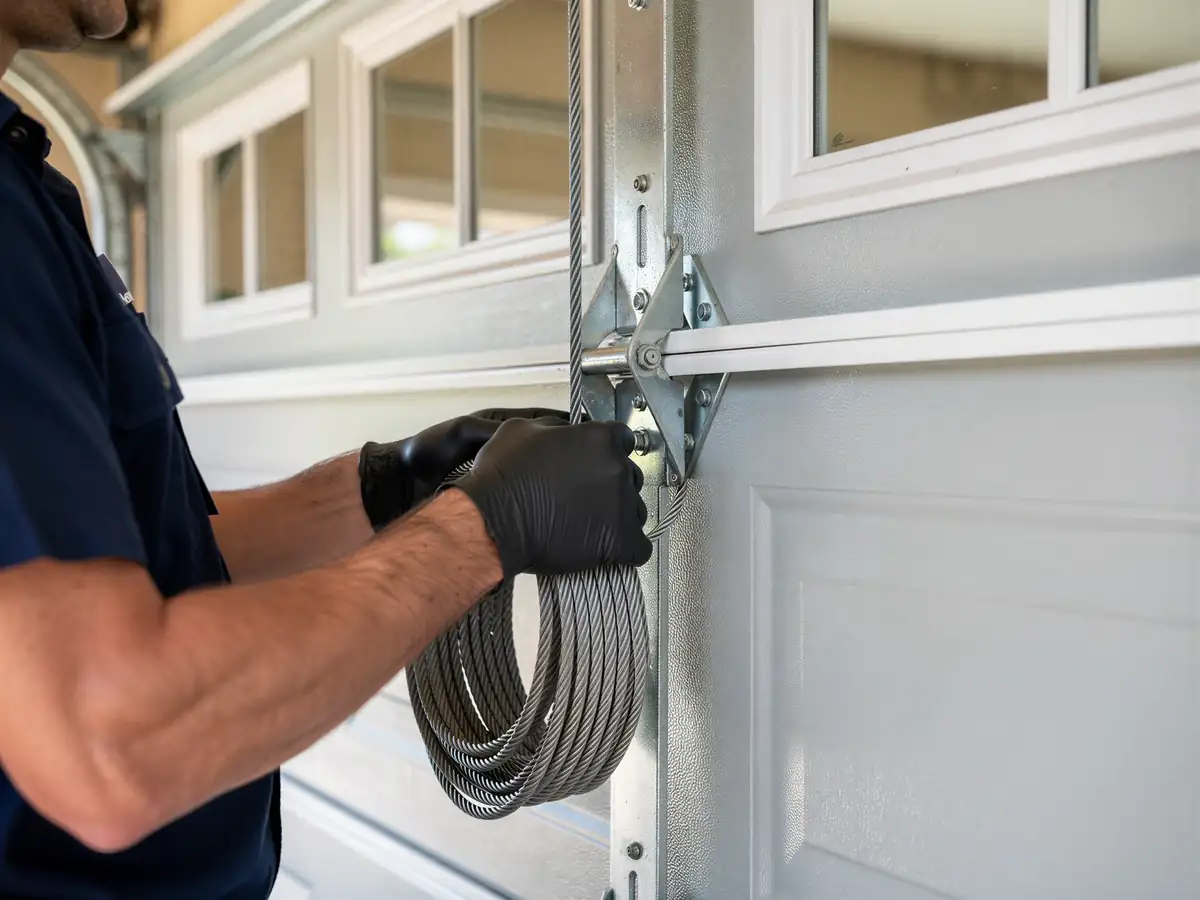
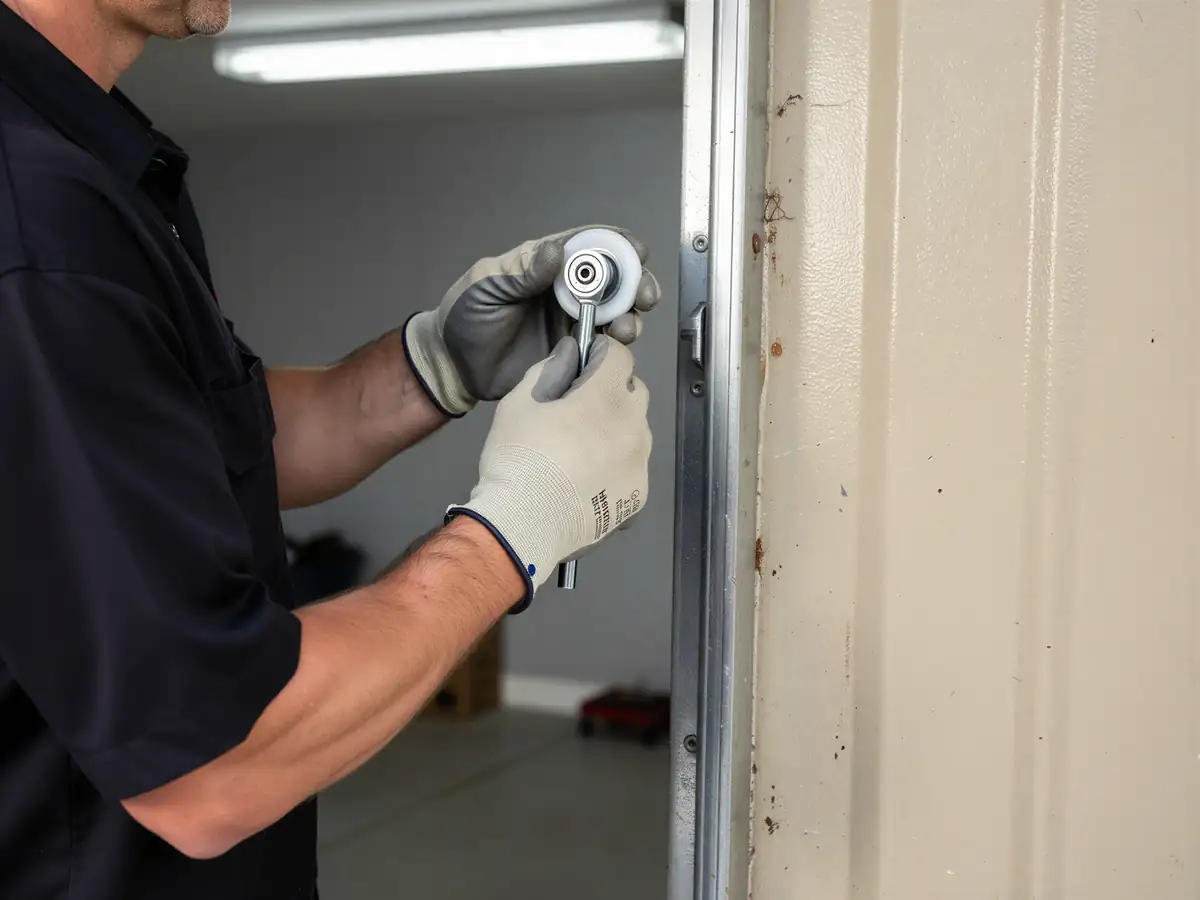
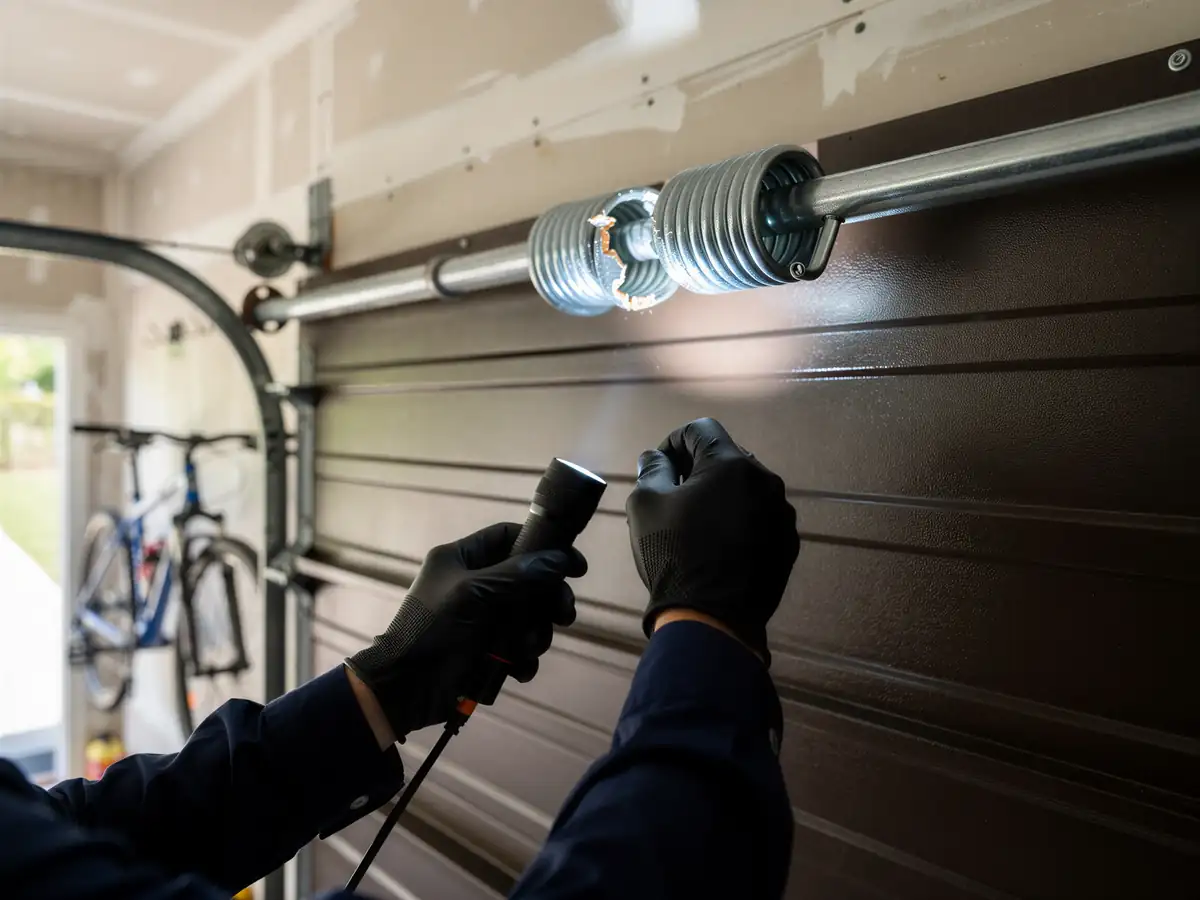
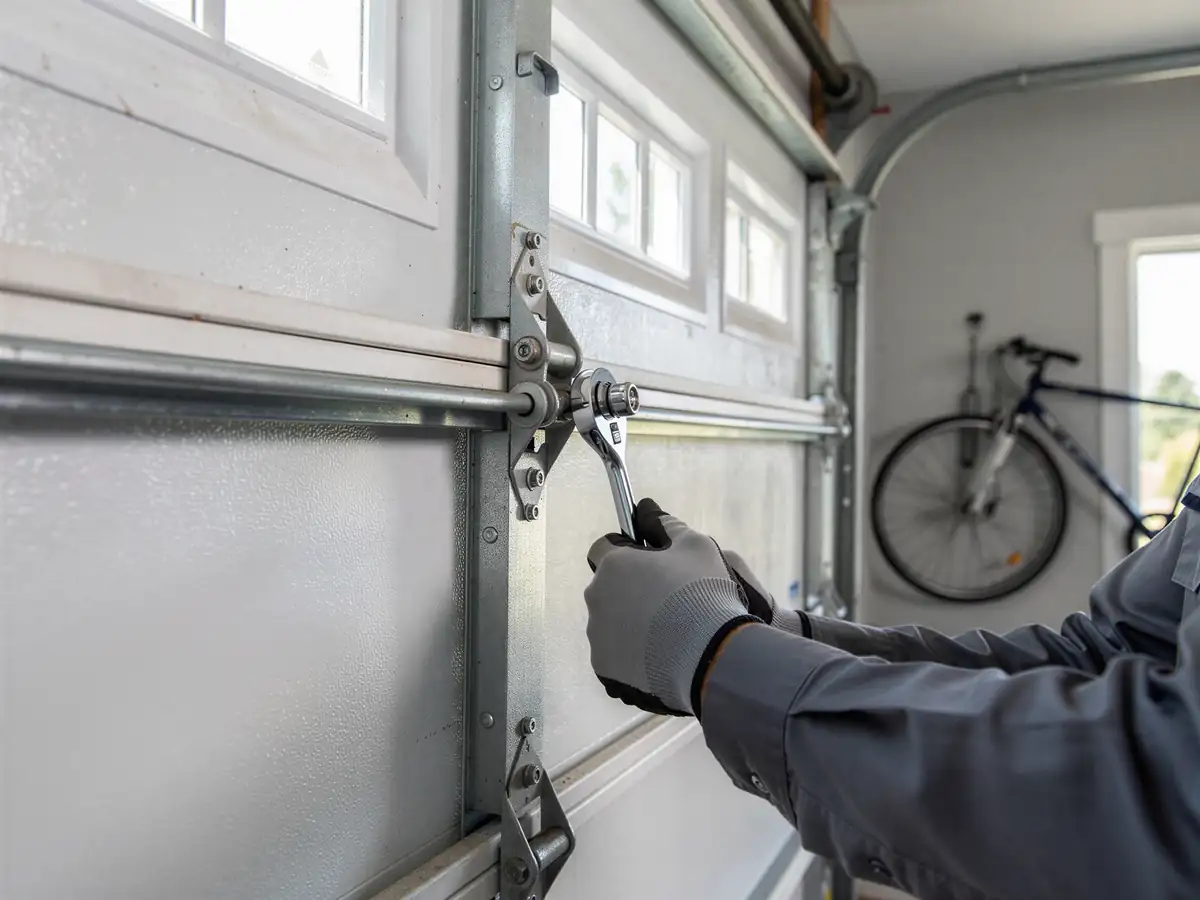
For a torsion spring replacement, we measure the door's actual weight rather than guessing from the old spring, because a wrong match is how you end up back here in two years. We check the drums, the cable condition, and the bottom brackets at the same time, since a spring job is the point where those parts are already exposed and cheapest to address. If the opener is a chain-drive unit from the original build era and it's the gear set that's gone - not the logic board - a gear-and-sprocket rebuild is usually the right call instead of a full replacement. We'll say when it isn't: if the opener's circuit board is failing too, patching the gears is good money after bad, and we'll tell you to replace rather than repair. Track alignment and roller swaps round out most visits, and on a well-kept 1970s-era door, that's usually the whole job.
Parts We Carry
We stock torsion springs across the common wire gauges and drum sizes you'd find on doors from the 1966-2007 build range, plus steel and nylon rollers, standard bottom brackets, and galvanized lift cable. Chain-drive opener gear kits for the drive styles common to that era are something we carry on the truck; specialty logic boards for less common opener brands sometimes need to be ordered in, and we'll tell you up front if that's the case rather than stall you on-site. We don't carry every spring size ever made - if your door is an unusual width or an older extension-spring setup, we may need a day to get the right part rather than force a mismatch onto your door.