What the Fix Involves
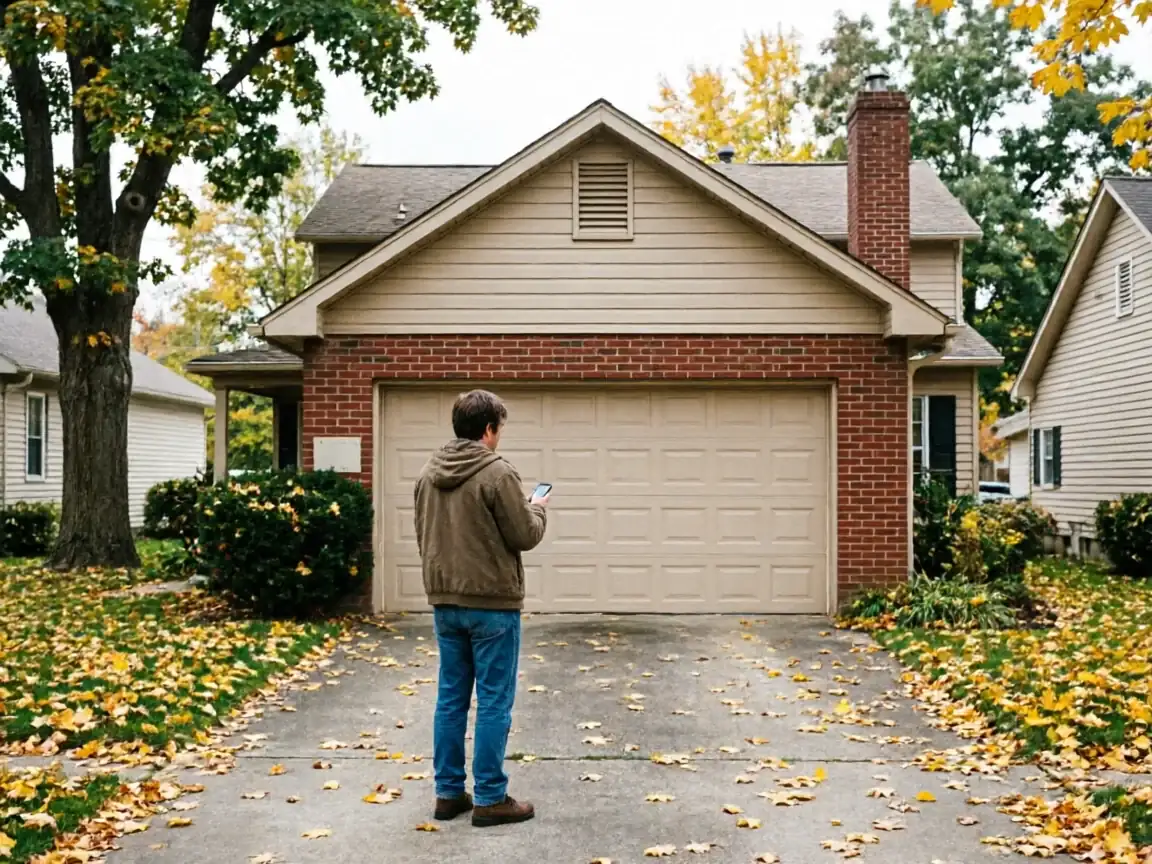
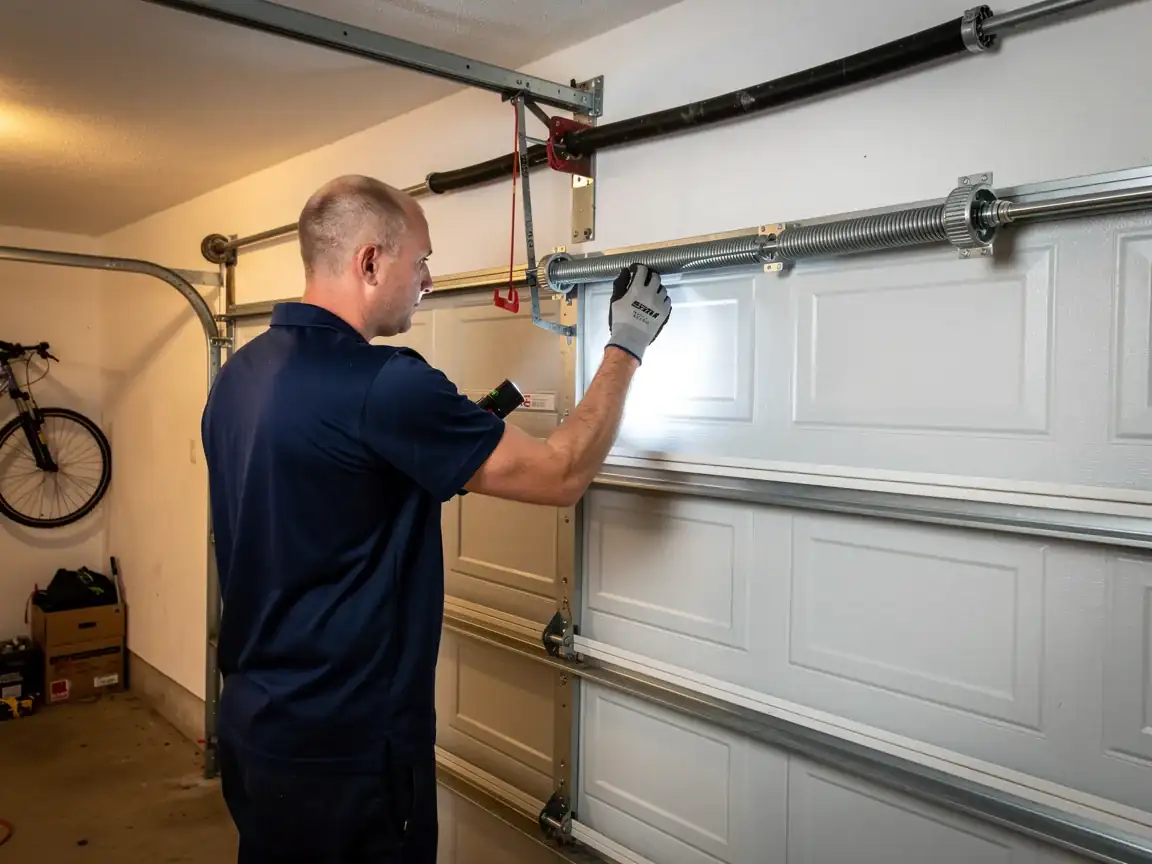
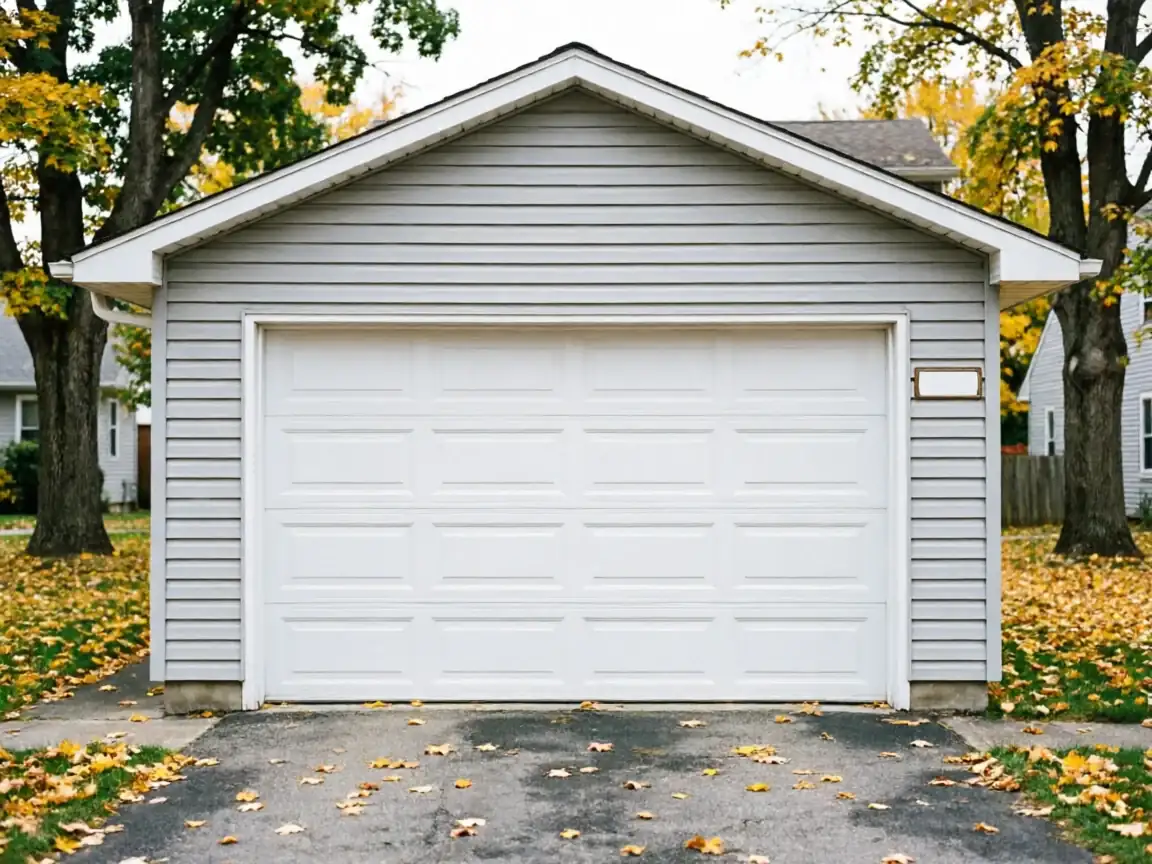
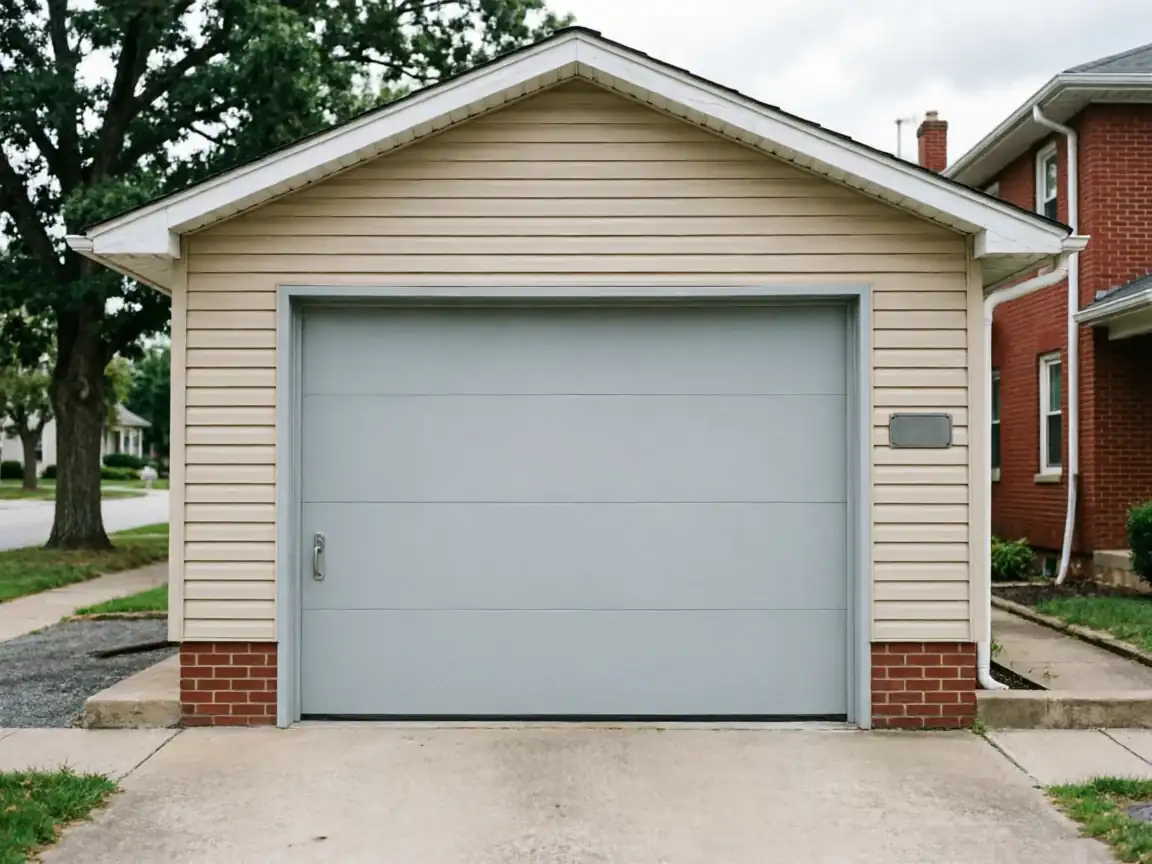
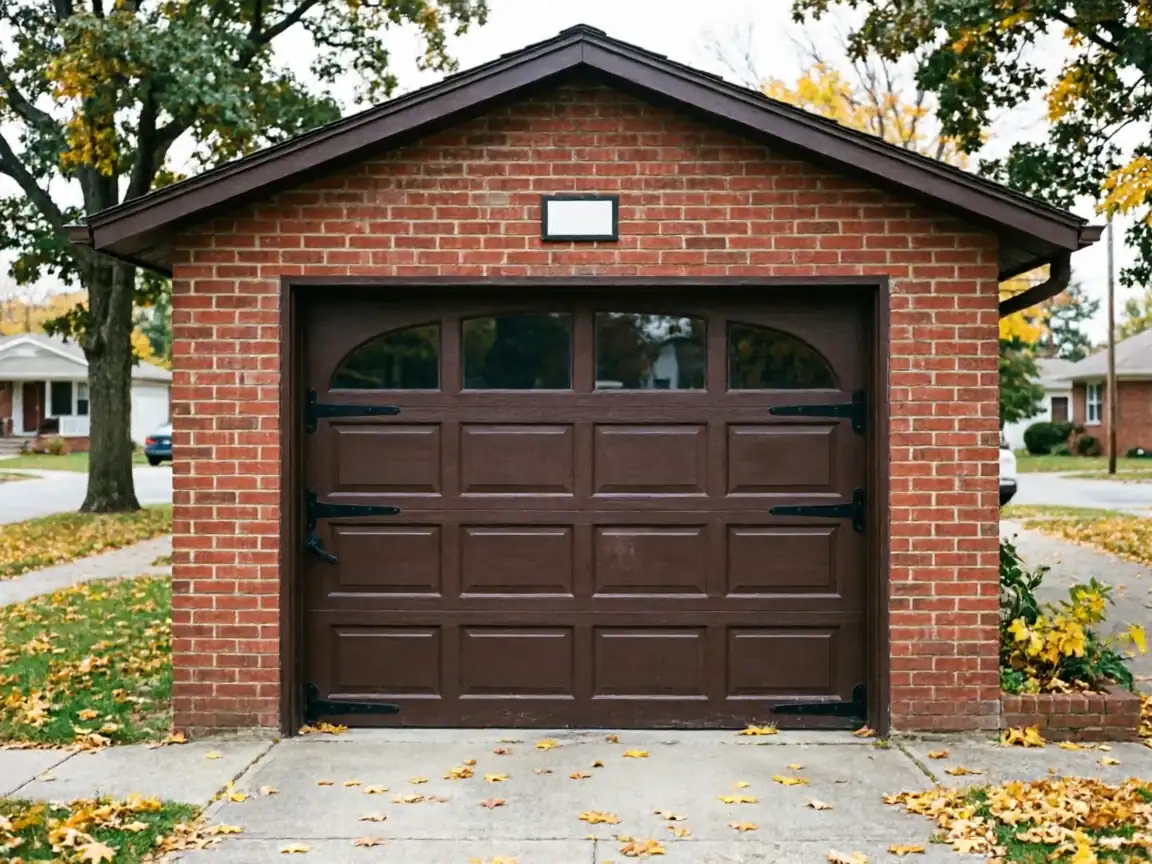
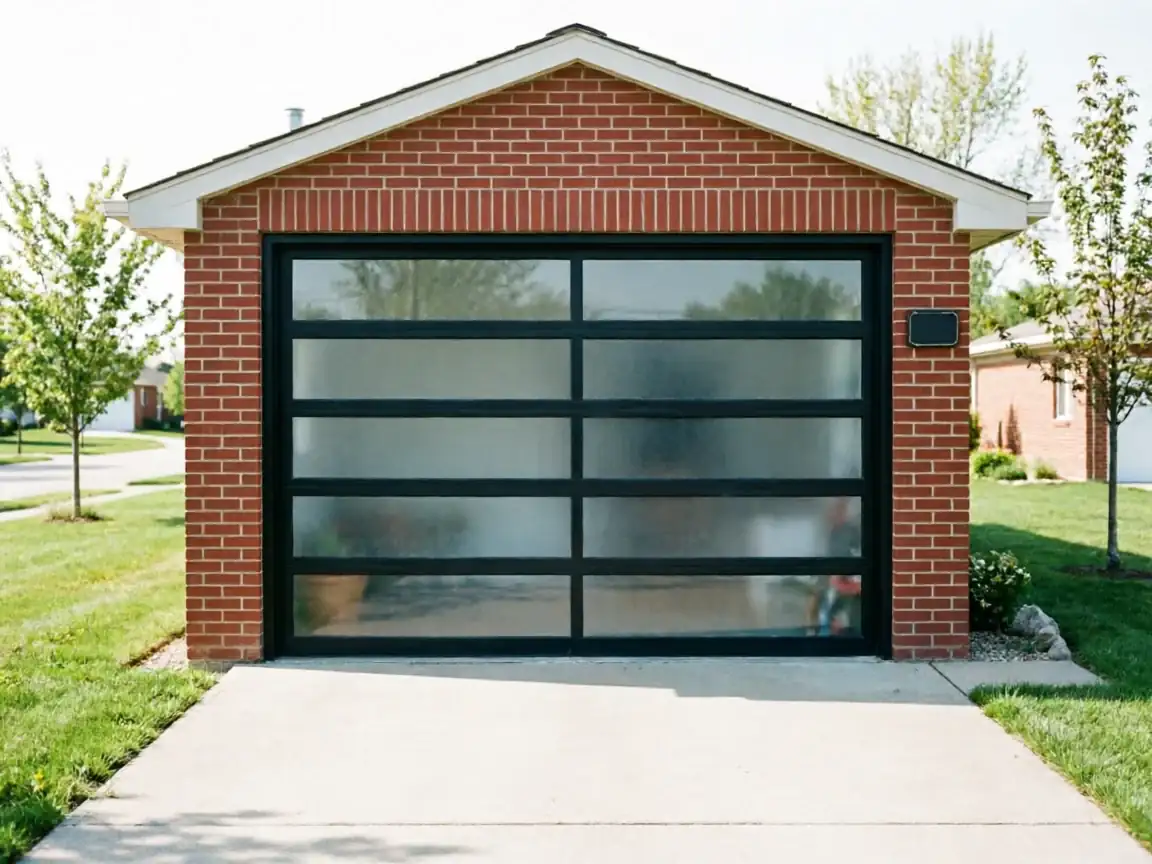
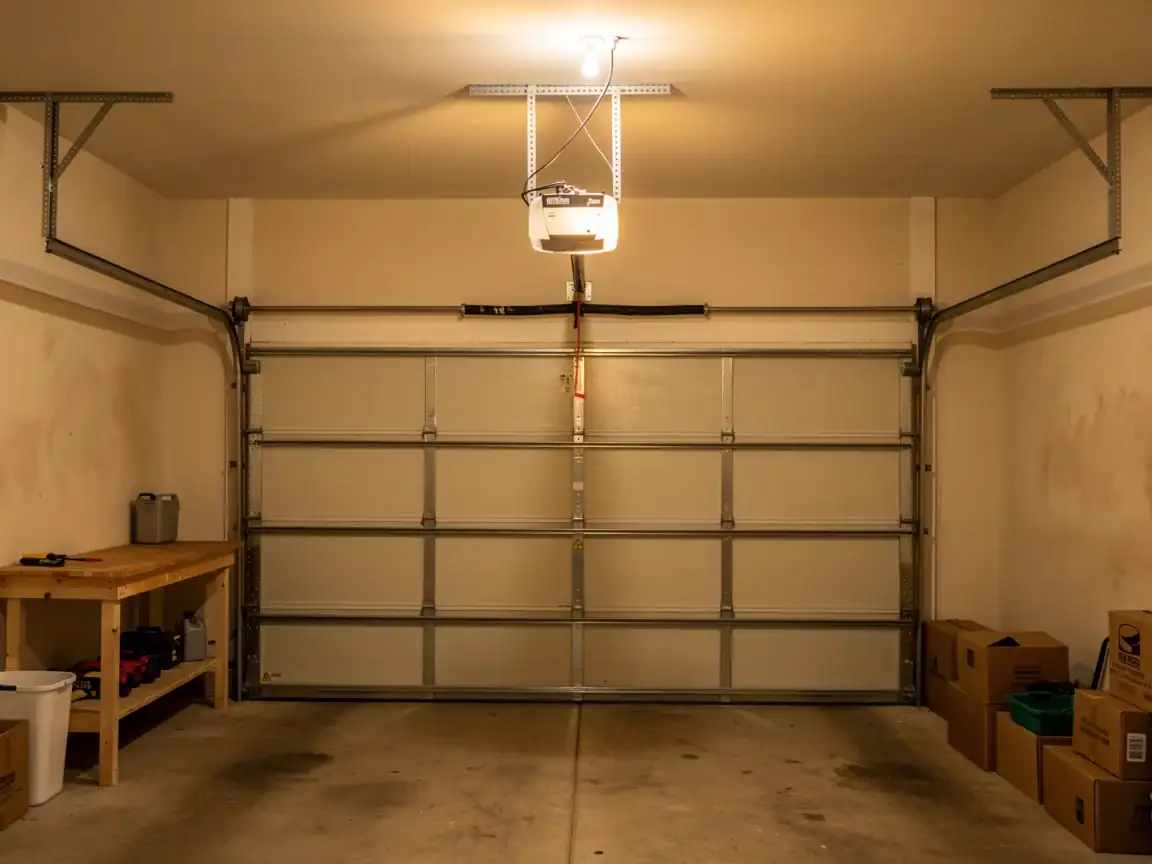
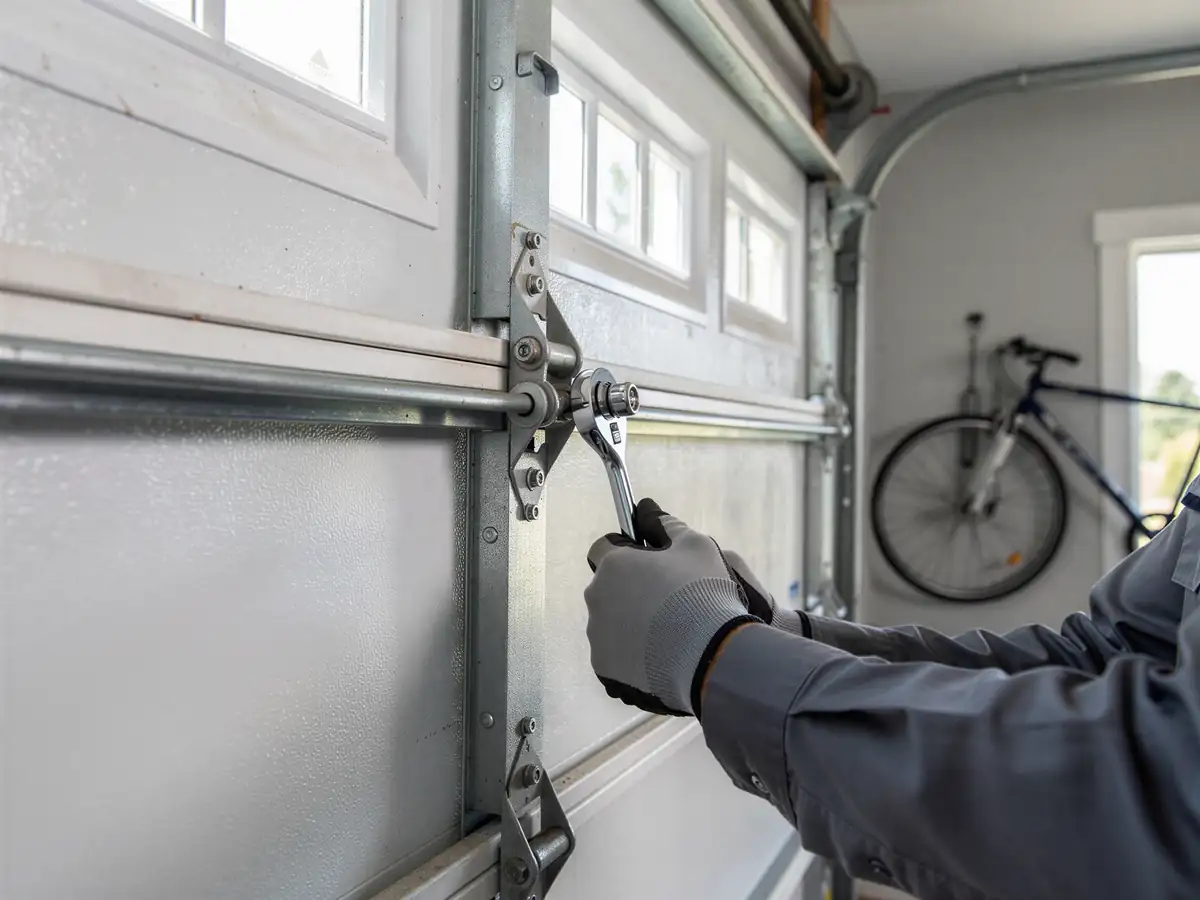
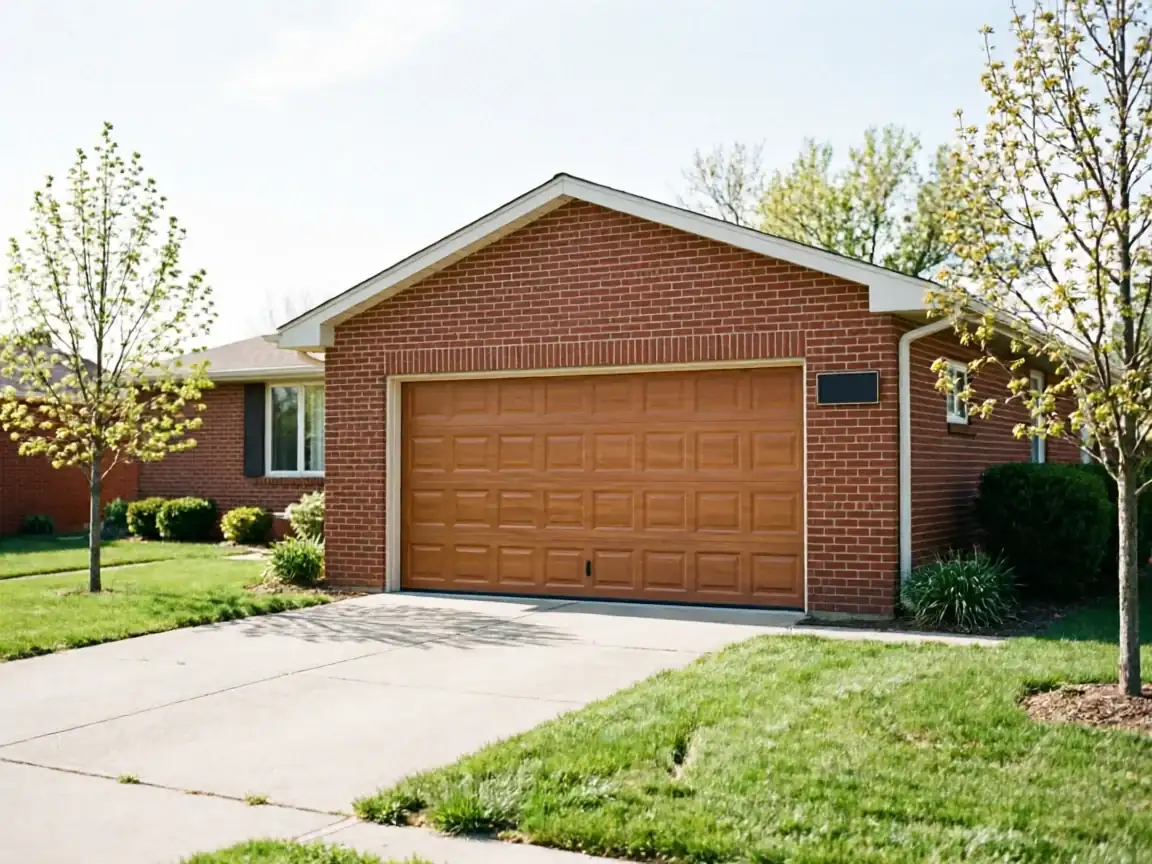
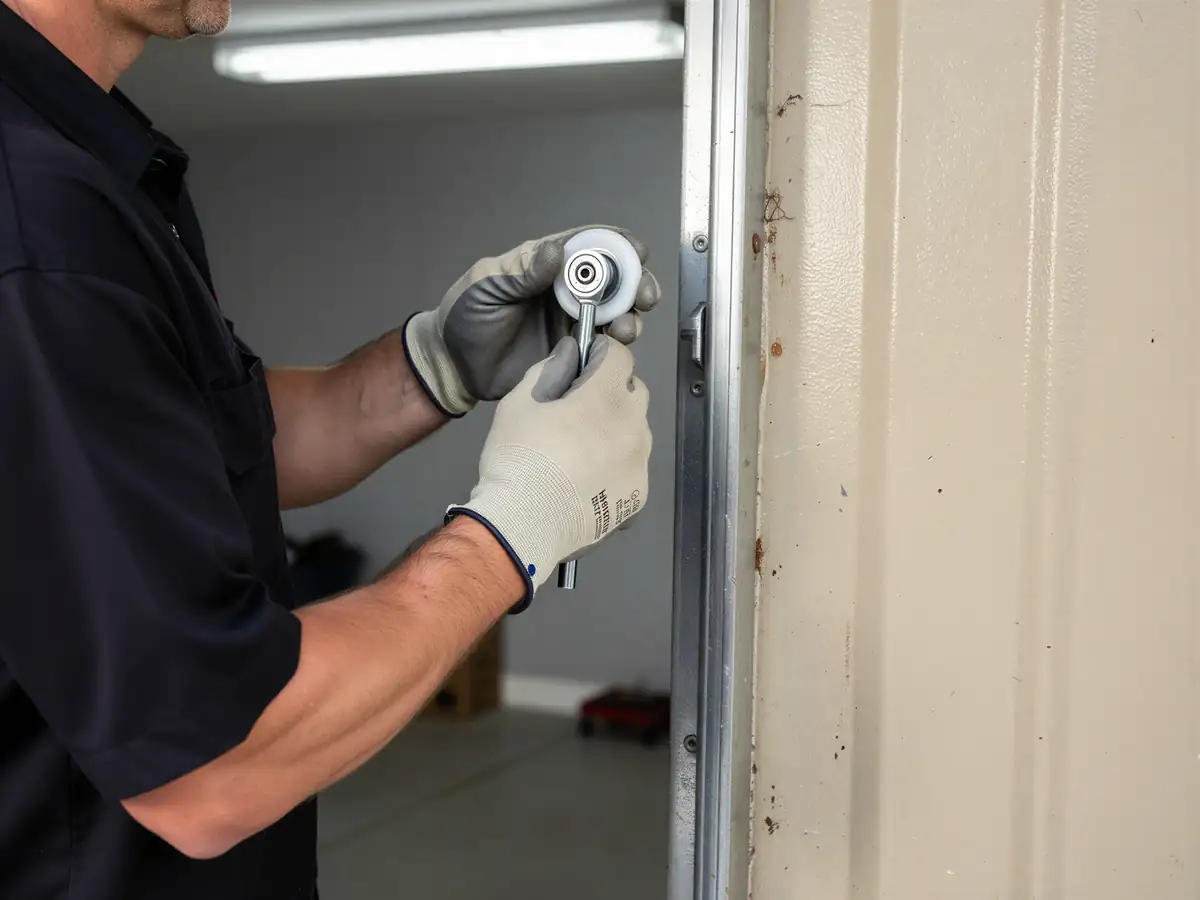
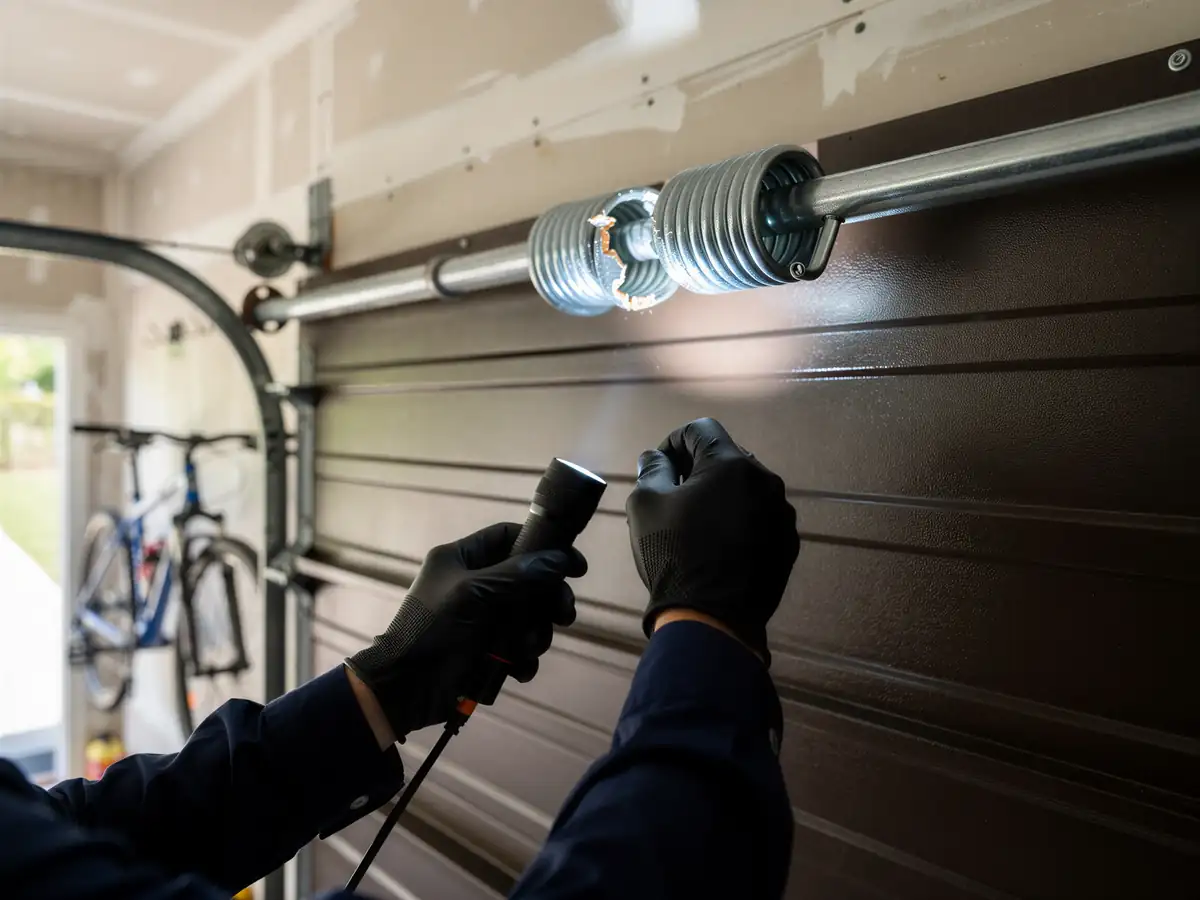
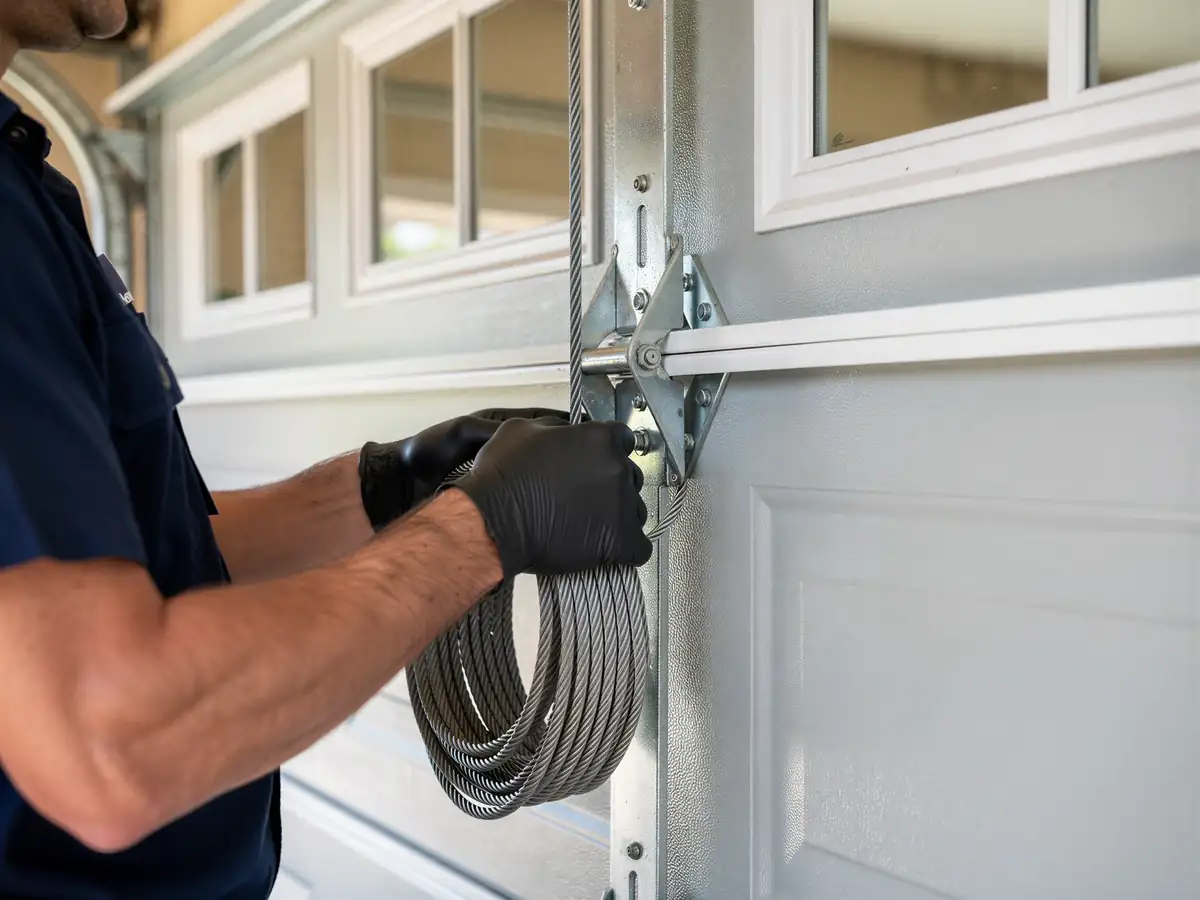
Most houses in Westmoreland went up around 1972, which puts the original garage door hardware squarely in the era of single-layer steel doors on galvanized lift cables, usually a 7x19 strand running through a drum at the top of the torsion shaft. On a single-car door that cable is thinner than what you'd see on a wider door, and on these older setups there's often no safety cable backing it up, so when it goes, it goes all the way - the door drops on one side and binds in the track. The fix is straightforward: we pull the old cable, check the drum for a worn groove where the cable's been cutting into it, and run a new one matched to the door's width and spring tension. If the drum is chewed up, that gets swapped too, because a new cable on a damaged drum just frays again inside a season. We check both cables even if only one broke, since they age the same amount and the second one is usually close behind.
What You Are Seeing
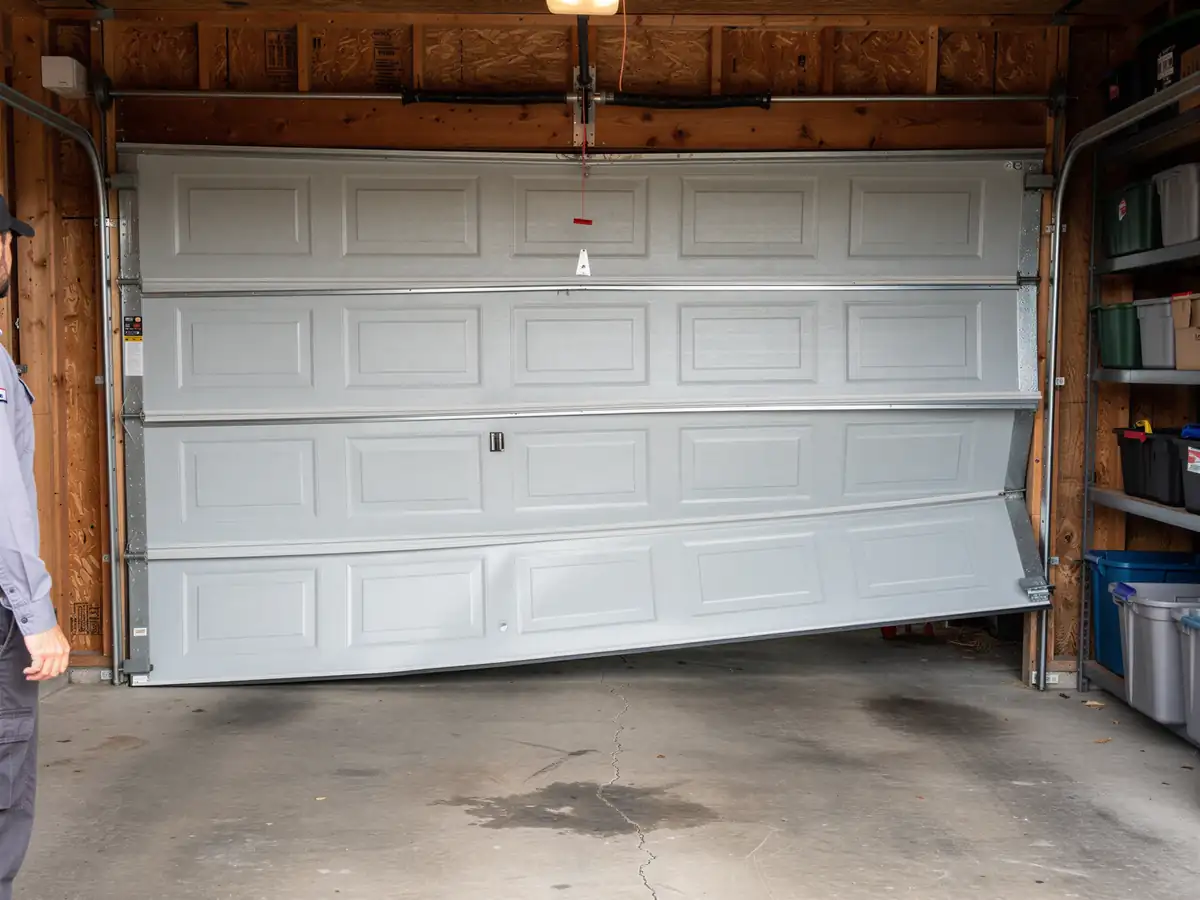
A cable failure on a door this age usually announces itself with a bang - the spring lets go of tension all at once and the door slams down a few inches, sometimes catching crooked in the tracks. You might see the cable itself hanging loose or frayed at the drum, with wire strands sticking out like a broken guitar string. Some owners notice it building up first: the door starts closing unevenly, dropping faster on one side, or the opener strains and reverses partway down because it's fighting a cable that's about to give. With Westmoreland's cold winters, the grease in these old drums thickens up and the cable can bind rather than spool cleanly, which speeds up the fraying. If your door won't budge and one side hangs lower than the other, don't force it with the opener - that's usually how a bent track gets added to the repair list.
How Long You Are Without the Door
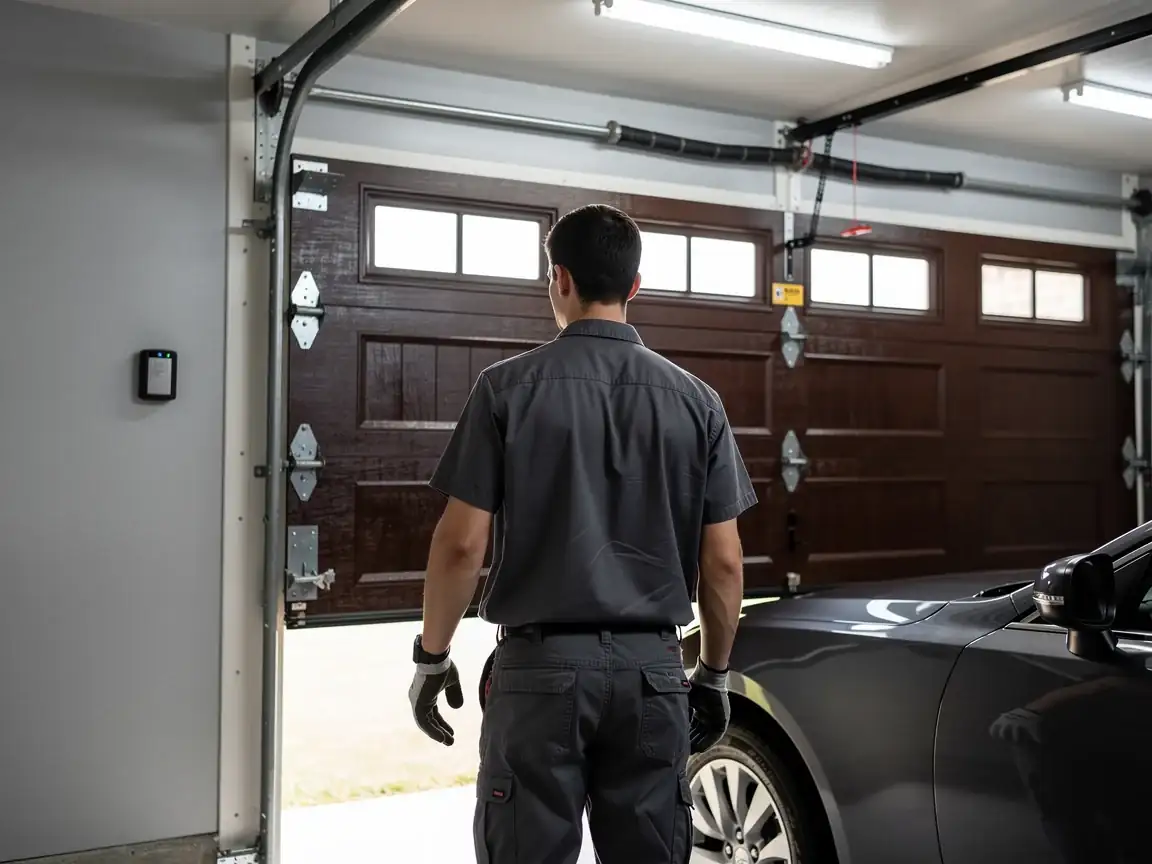
Once we're on site, cable replacement on a single door is usually a job measured in an hour or so, not a day - the time that adds up is the drive from Manhattan. If both cables need replacing, or the drum's worn and needs swapping, add some time for that but it's still a same-visit repair, not a return trip. The bigger variable here is parts: most of Westmoreland's doors are old enough that the drum or the cable drum spacing isn't a standard size you'd find on a current big-box door, so if the drum itself is damaged we sometimes need to match it off the truck stock or order it, which can push things to a second visit. We'll tell you on the first look whether that's likely before we start.
Can You Do This Yourself
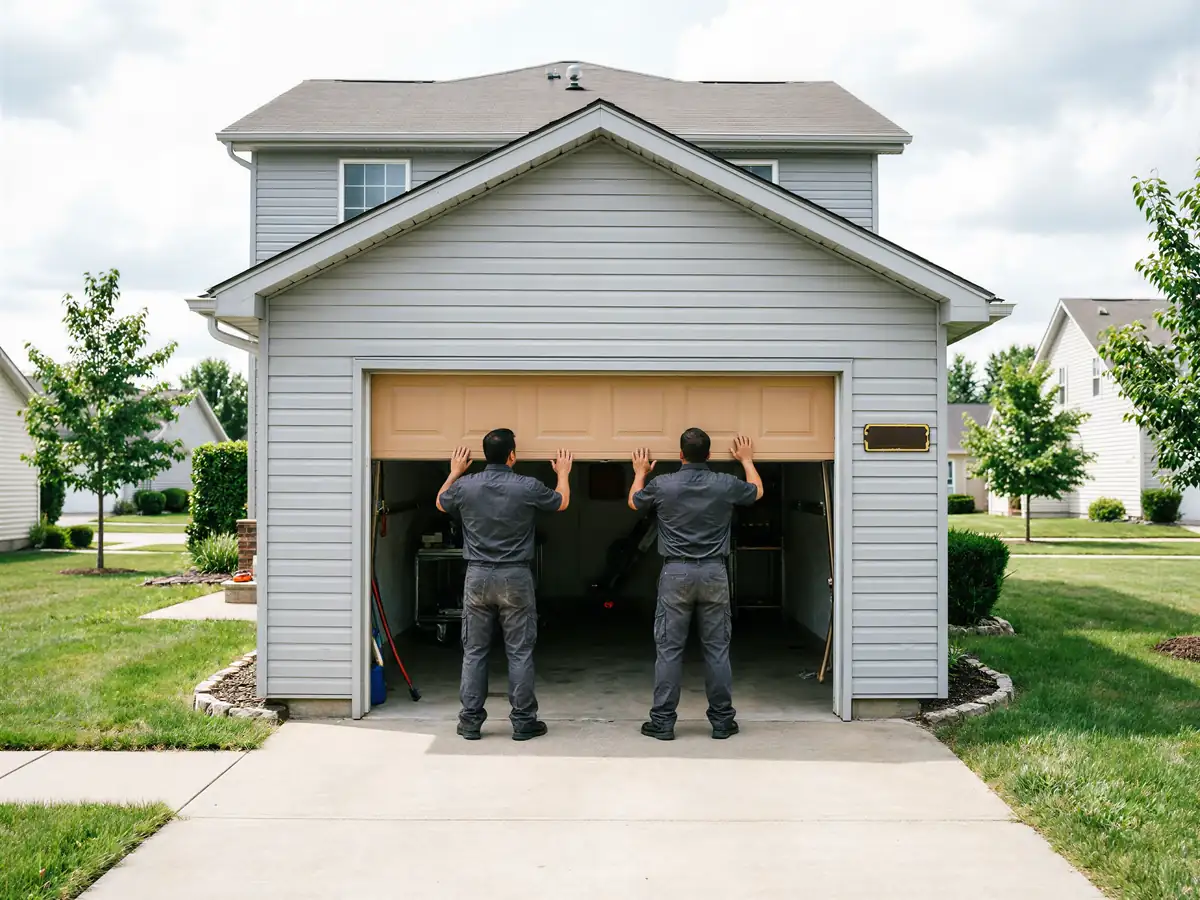
A broken lift cable means the spring is still under tension on the other side, and that's not a job to learn on your own driveway - a torsion spring letting go while you're working near it can break fingers or worse. We'll say plainly that this isn't a weekend DIY repair the way tightening a hinge or lubing a roller is. What you can do yourself is the safe part: don't run the opener once you notice a cable fraying or a door hanging crooked, and don't try to force the door up or down by hand to get your car out. That alone prevents most of the track damage we see added onto a simple cable job. Beyond that, this is a two-person job with the right bars and clamps, and on a door built to 1970s hardware specs, matching parts correctly matters more than it looks like it should.