What the Fix Involves
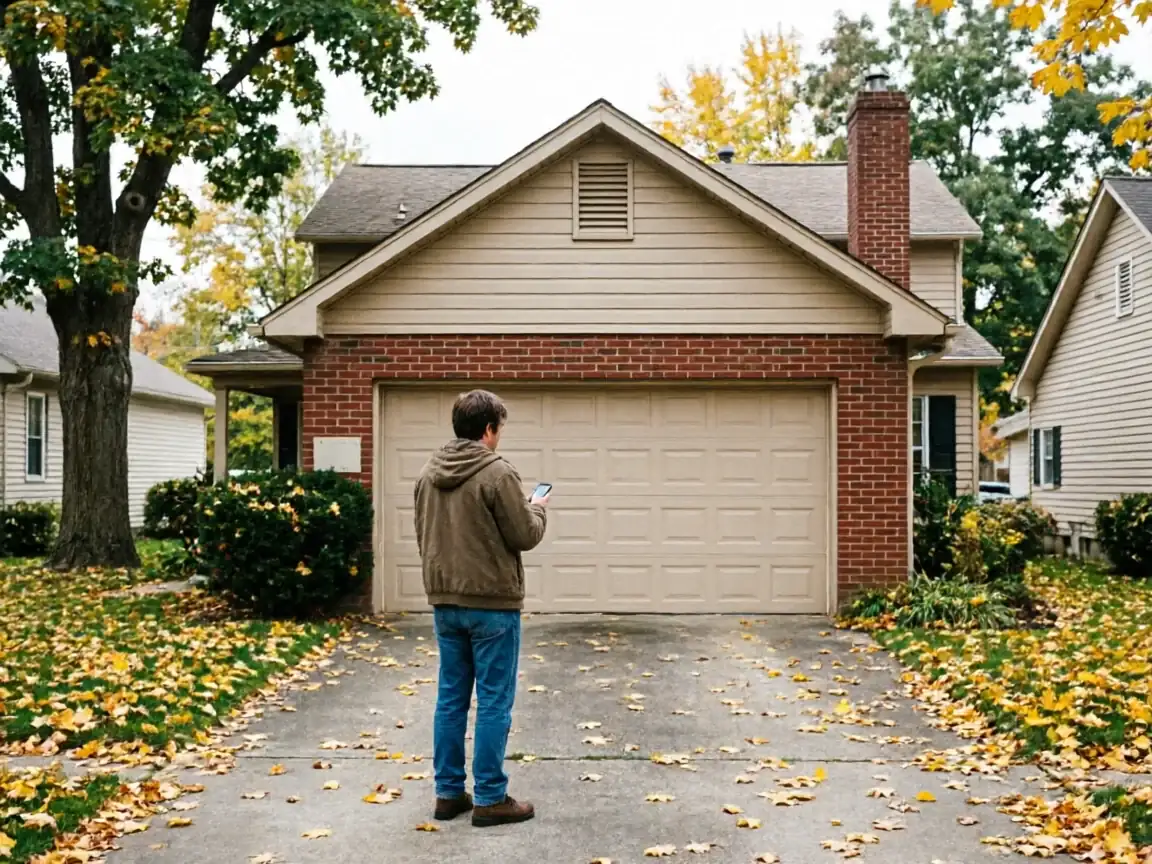
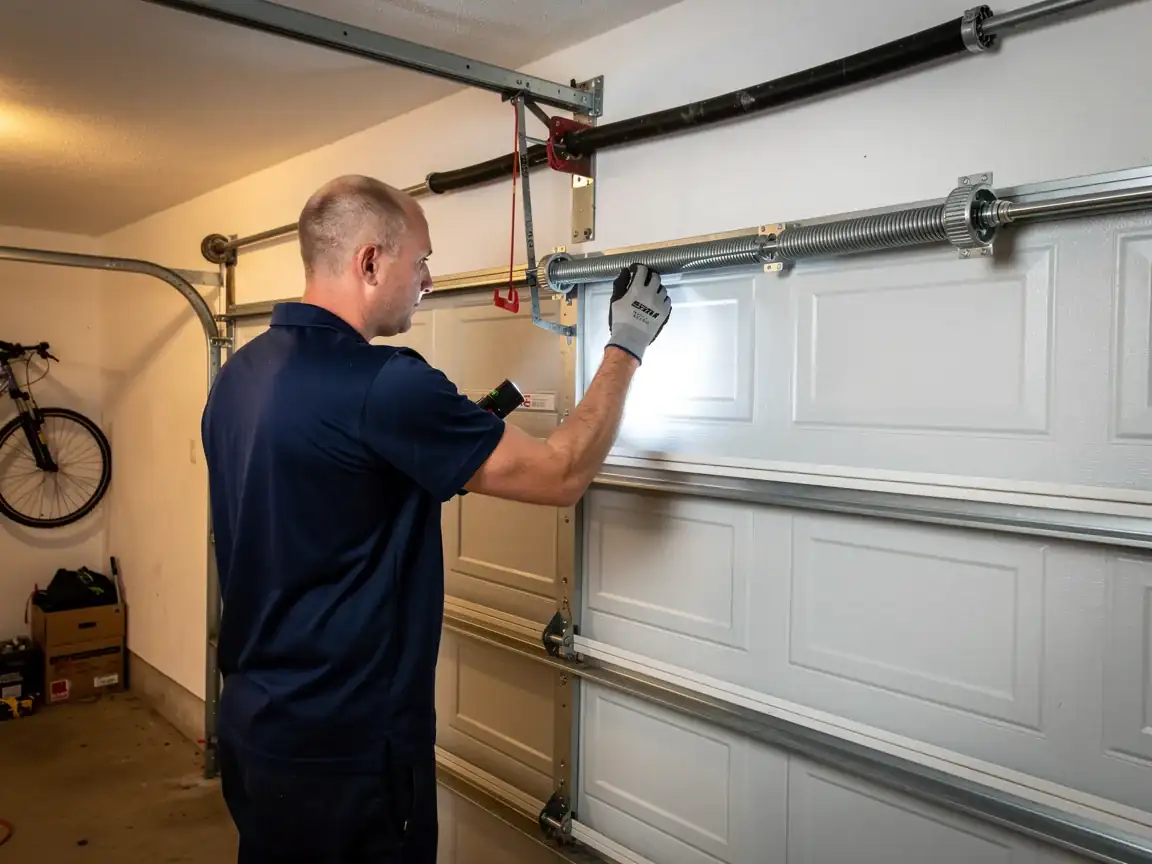
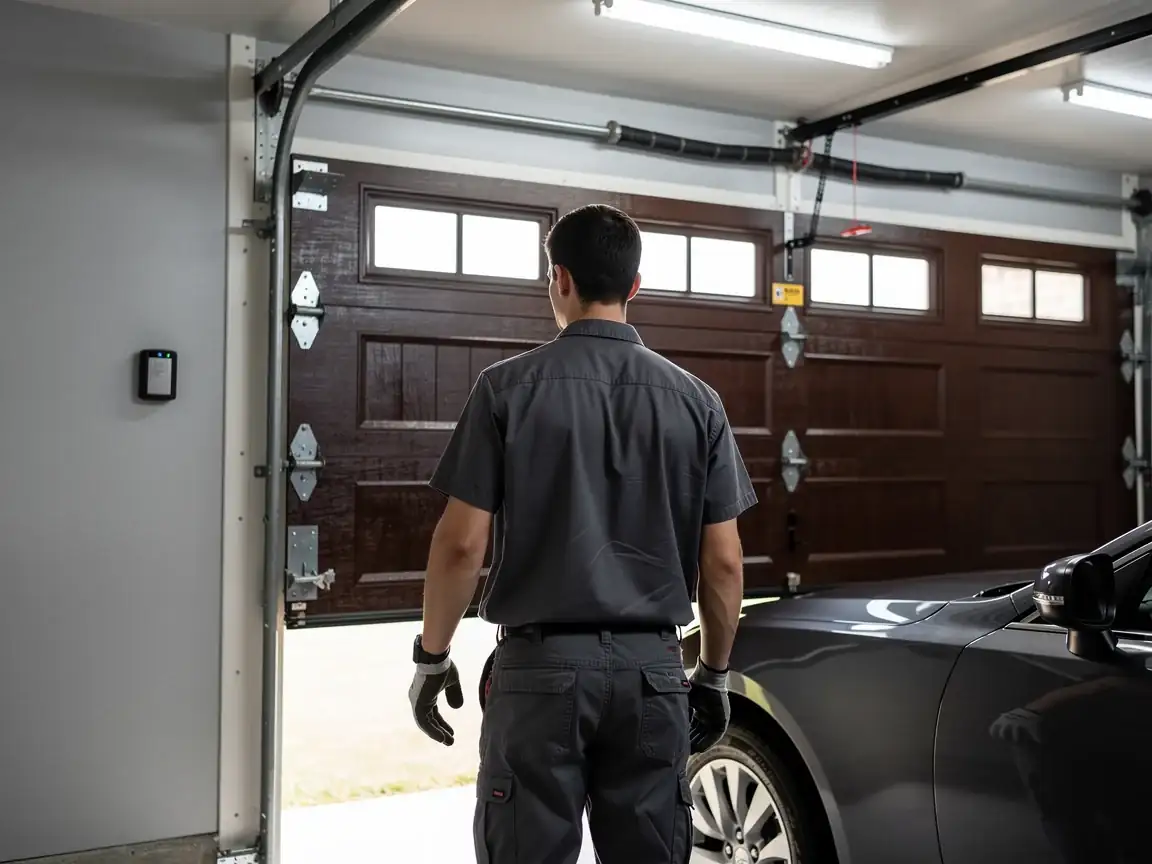
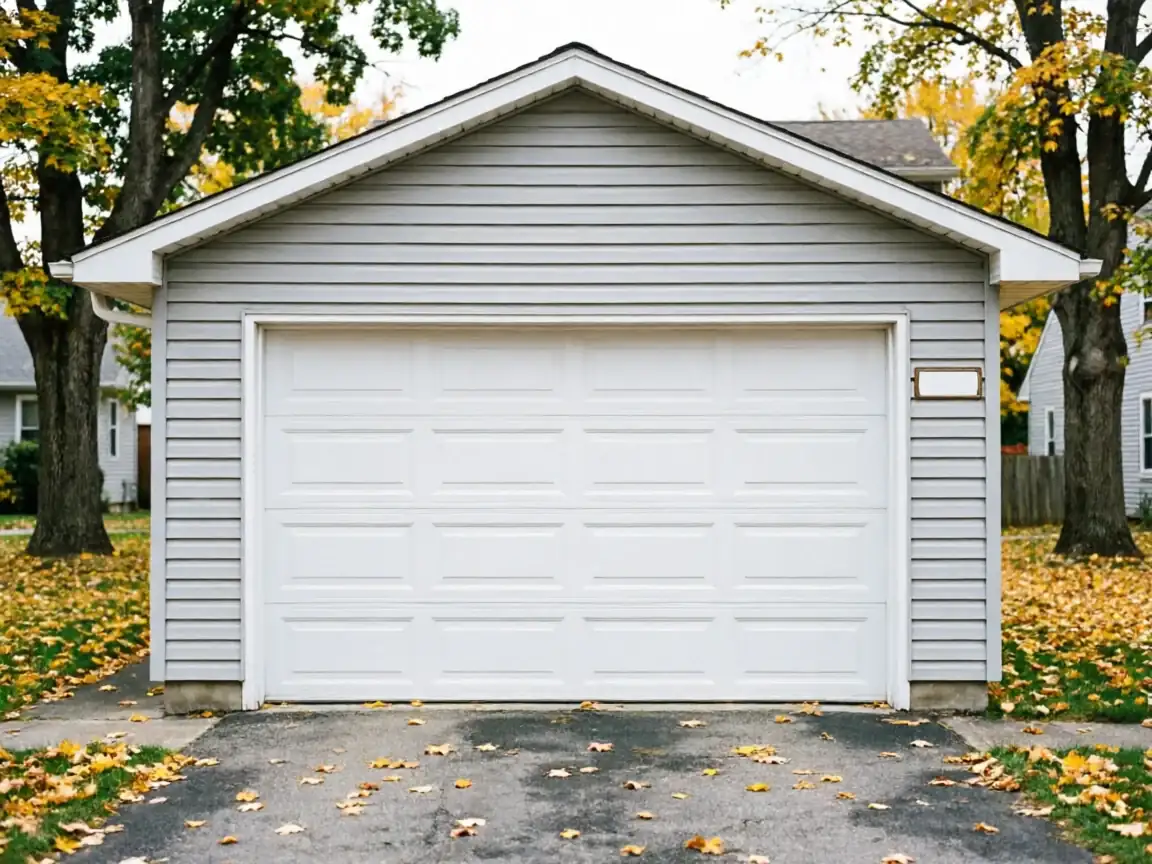
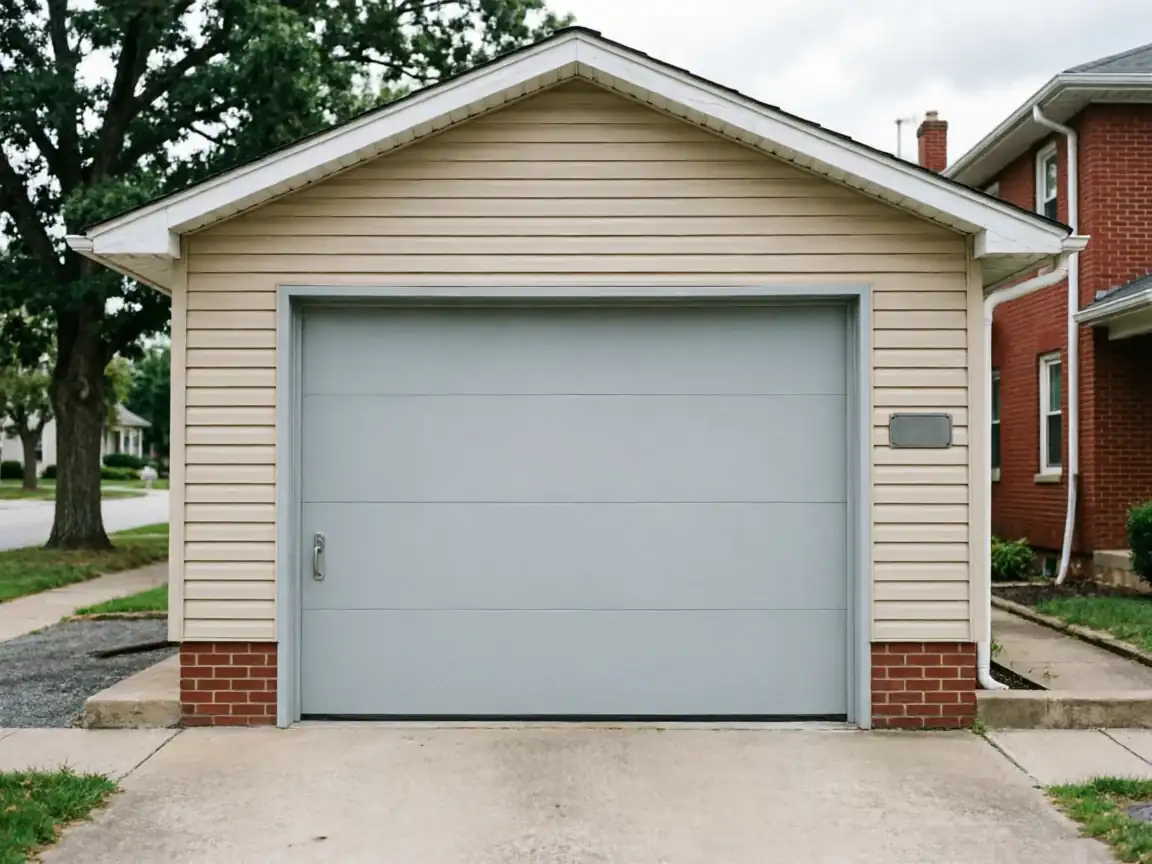
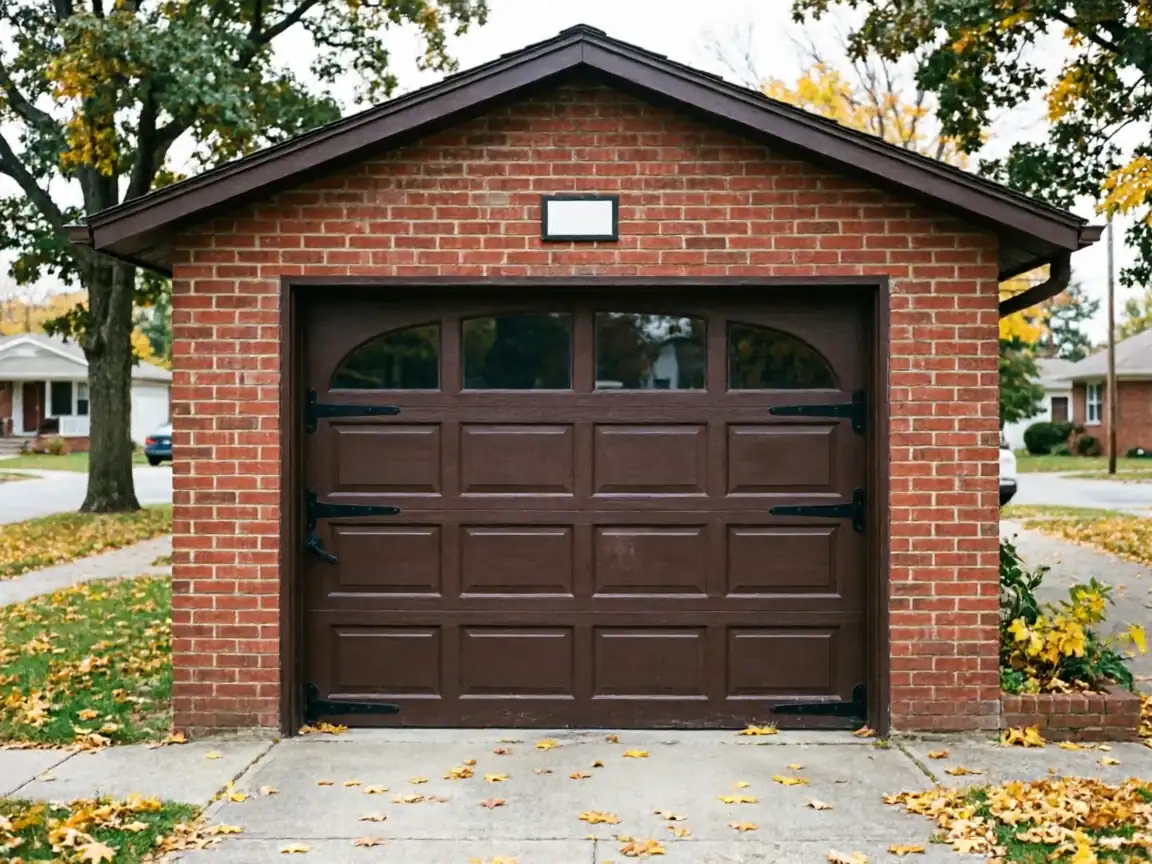
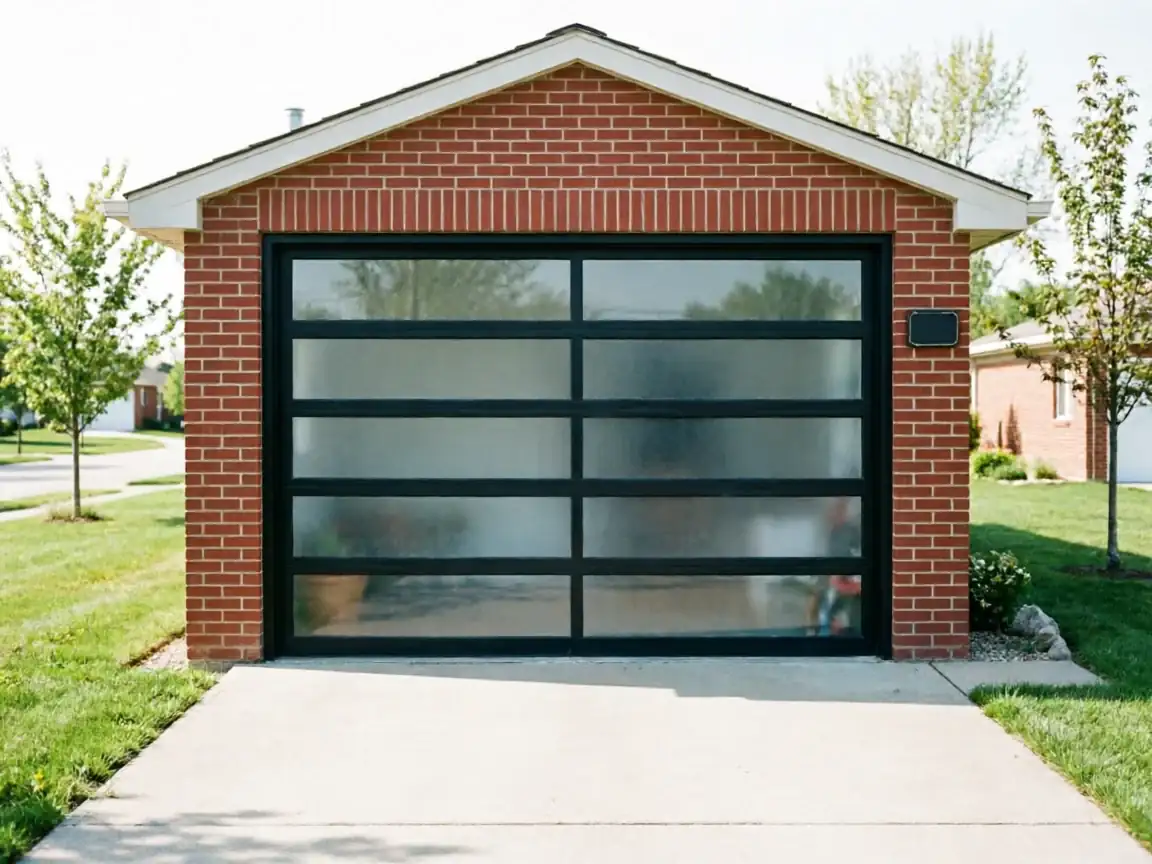
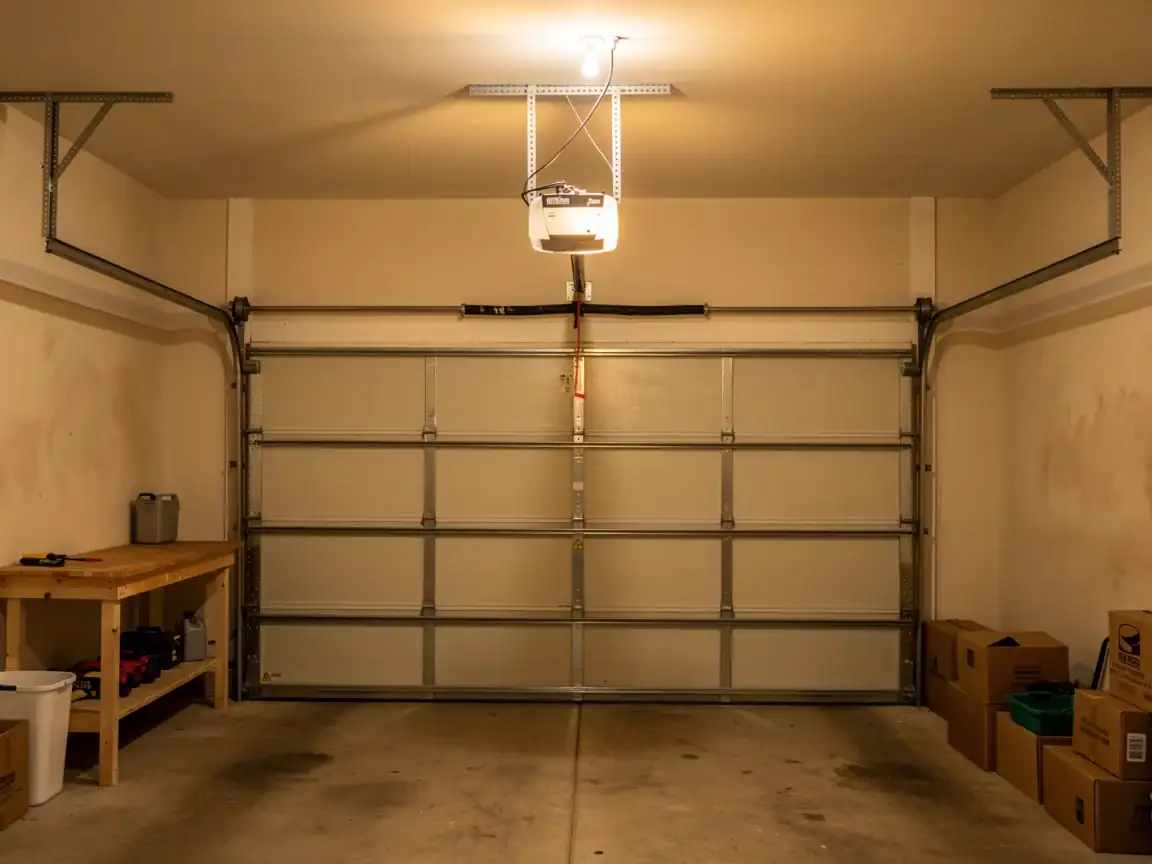
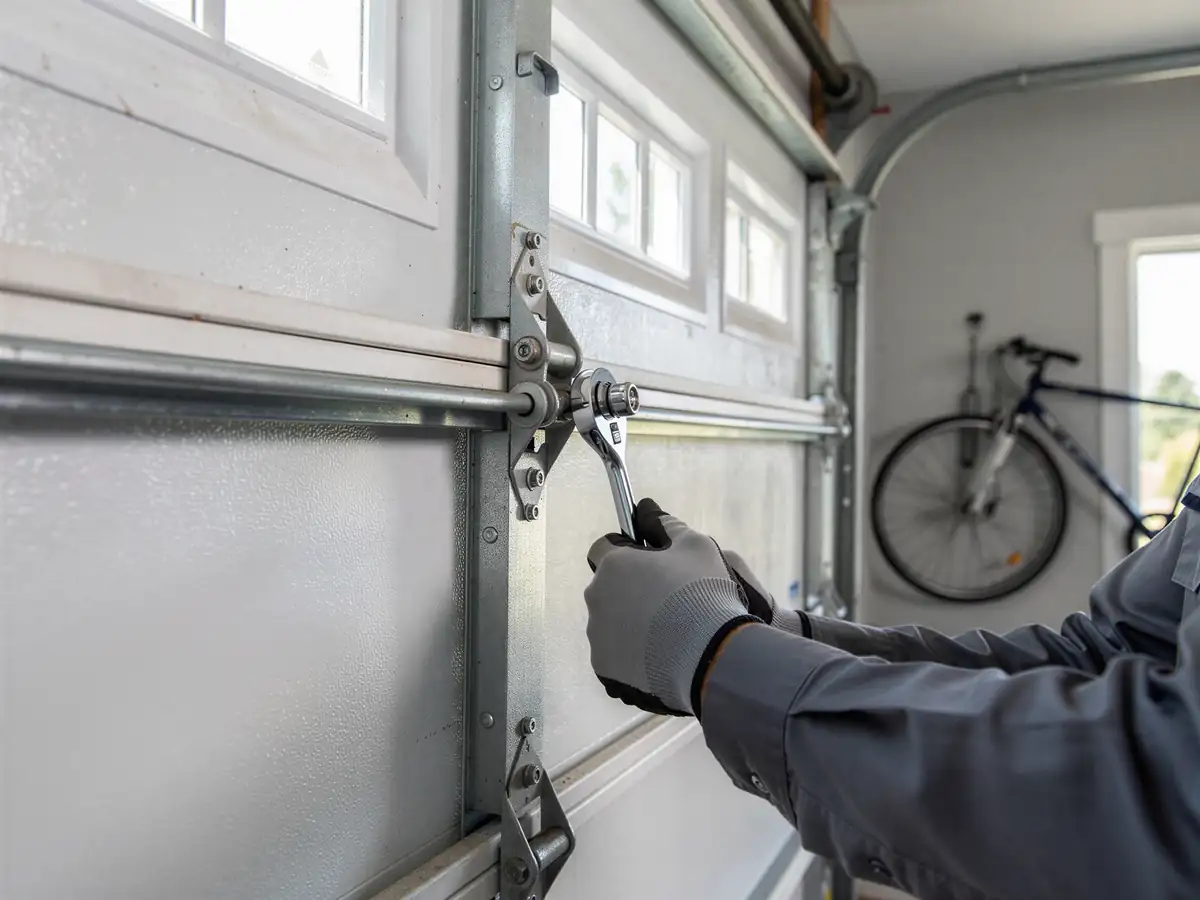
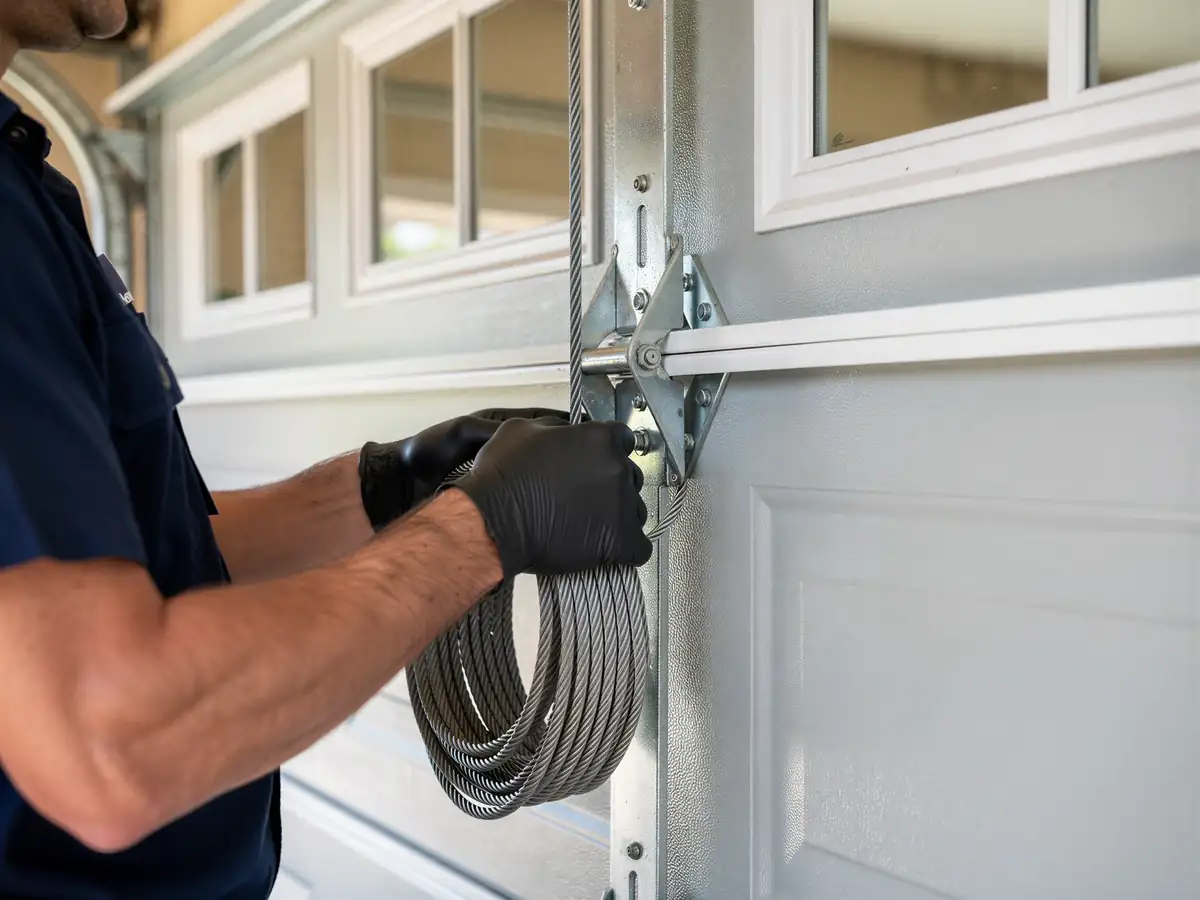
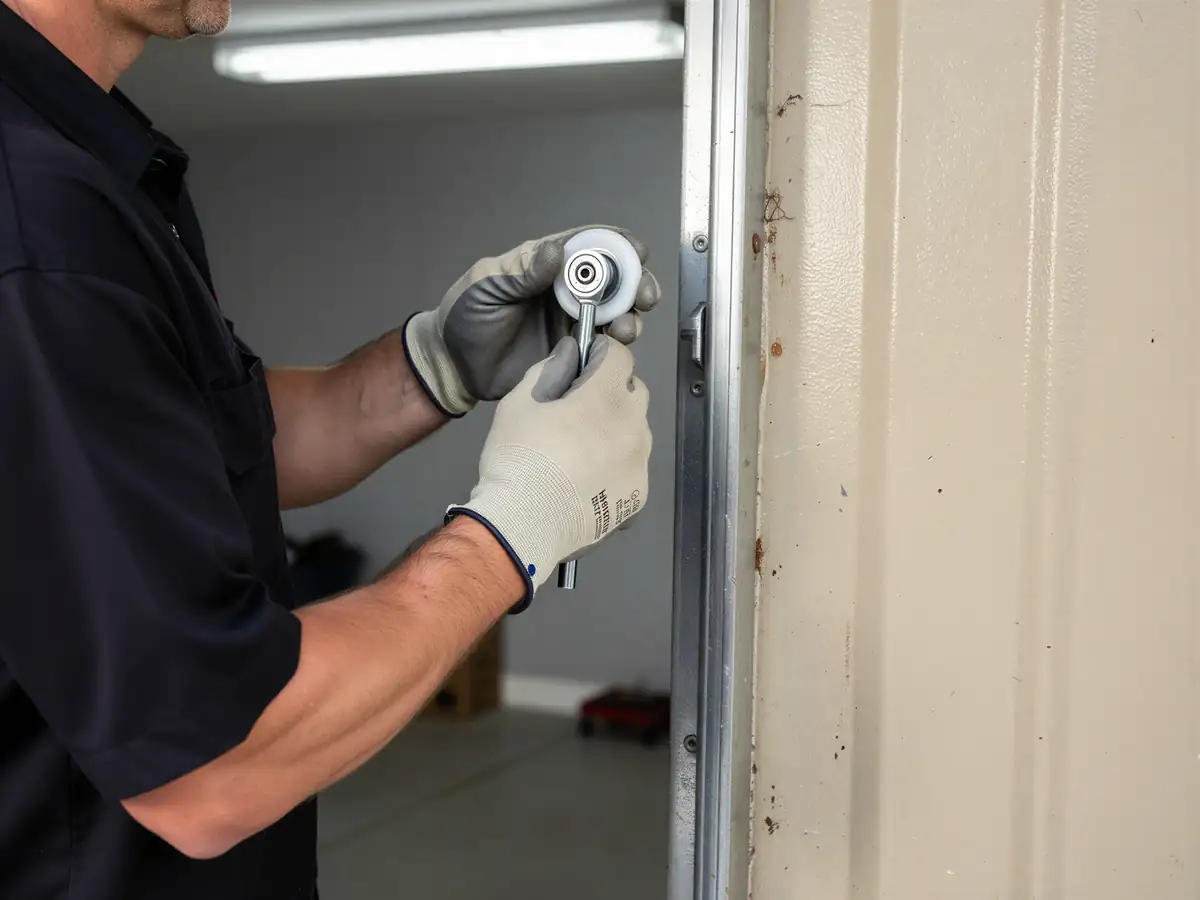
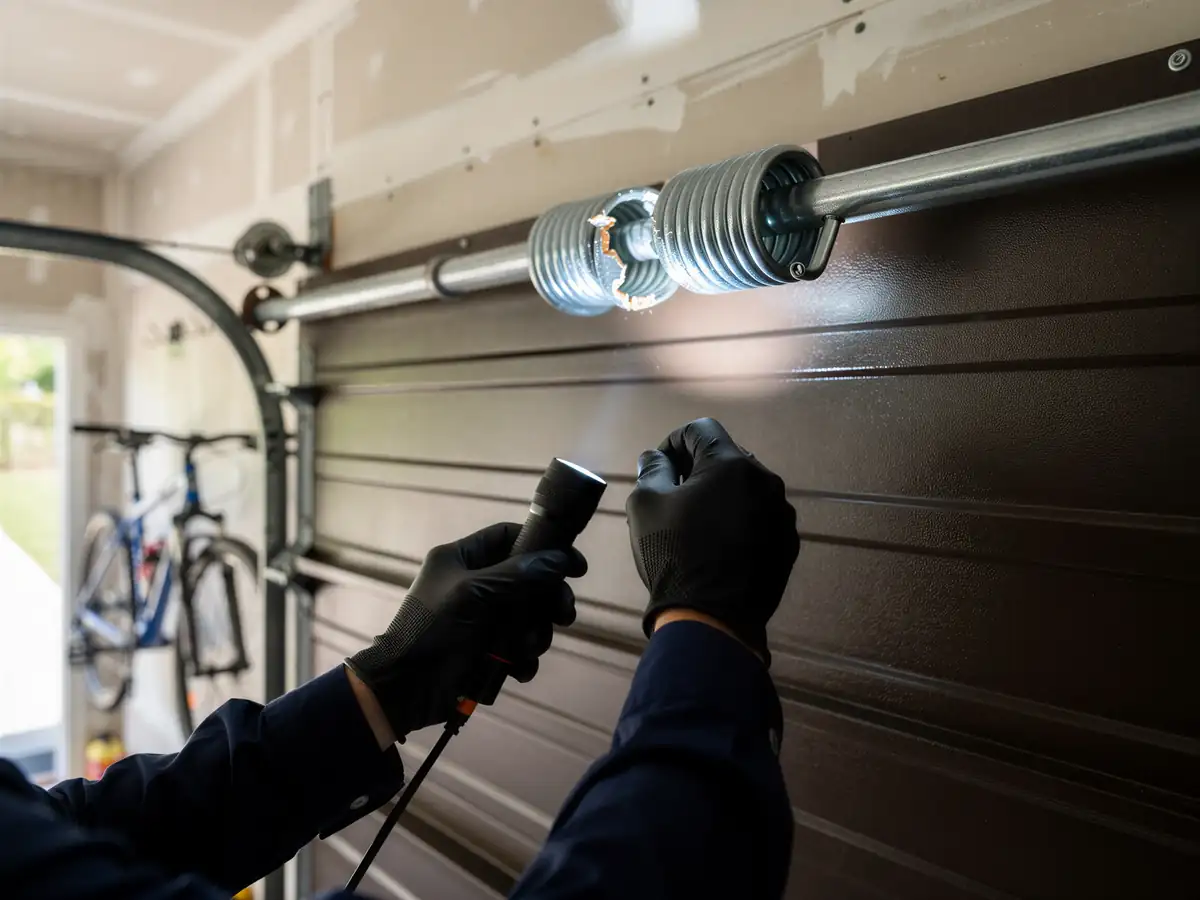
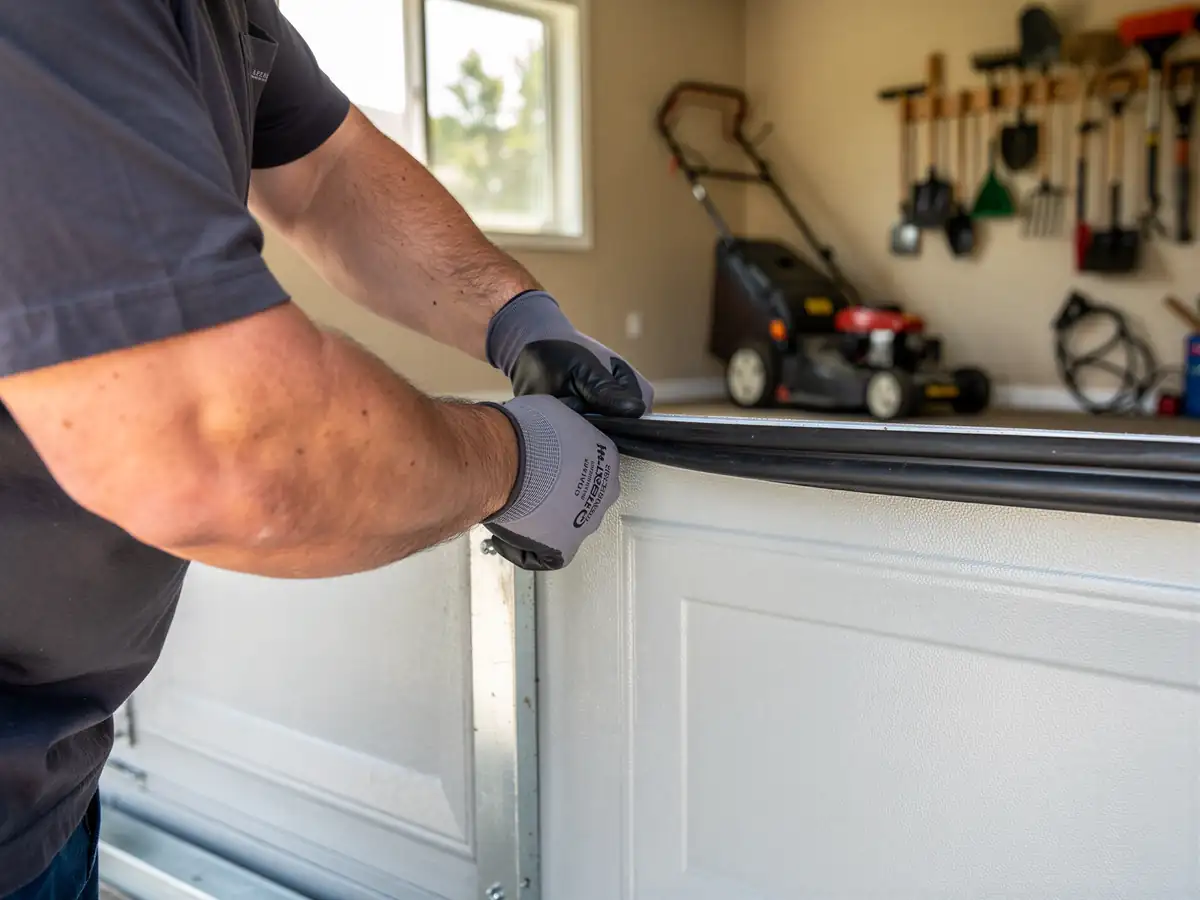
Westmoreland is 18 miles out from our shop in Manhattan, which means a maintenance stop here gets scheduled as a dedicated trip, not a quick add-on between closer jobs. That changes how we run the visit: we check everything in one pass rather than coming back twice. On a typical call we inspect the springs, lubricate rollers and hinges, check cable fray at the drum, test the opener's force and travel limits, tighten the track bolts that work loose over time, and look at the weatherstripping on the bottom panel. Most homes in this part of the service area went up in the early 1970s, around the same window as the broader Manhattan housing stock (median build year 1974 across the region), so the doors we find are usually original steel sectional units or a first-generation replacement from the 80s or 90s. Those doors run on hardware that was built heavier than what ships today, which is good for the door and bad for finding matching parts fast. We carry common sizes on the truck, but anything unusual on an older unit may mean a short wait on a part. That's the one honest limit here: we don't stock everything for a 50-year-old door, and we'll tell you up front if your job needs an order.
What You Are Seeing
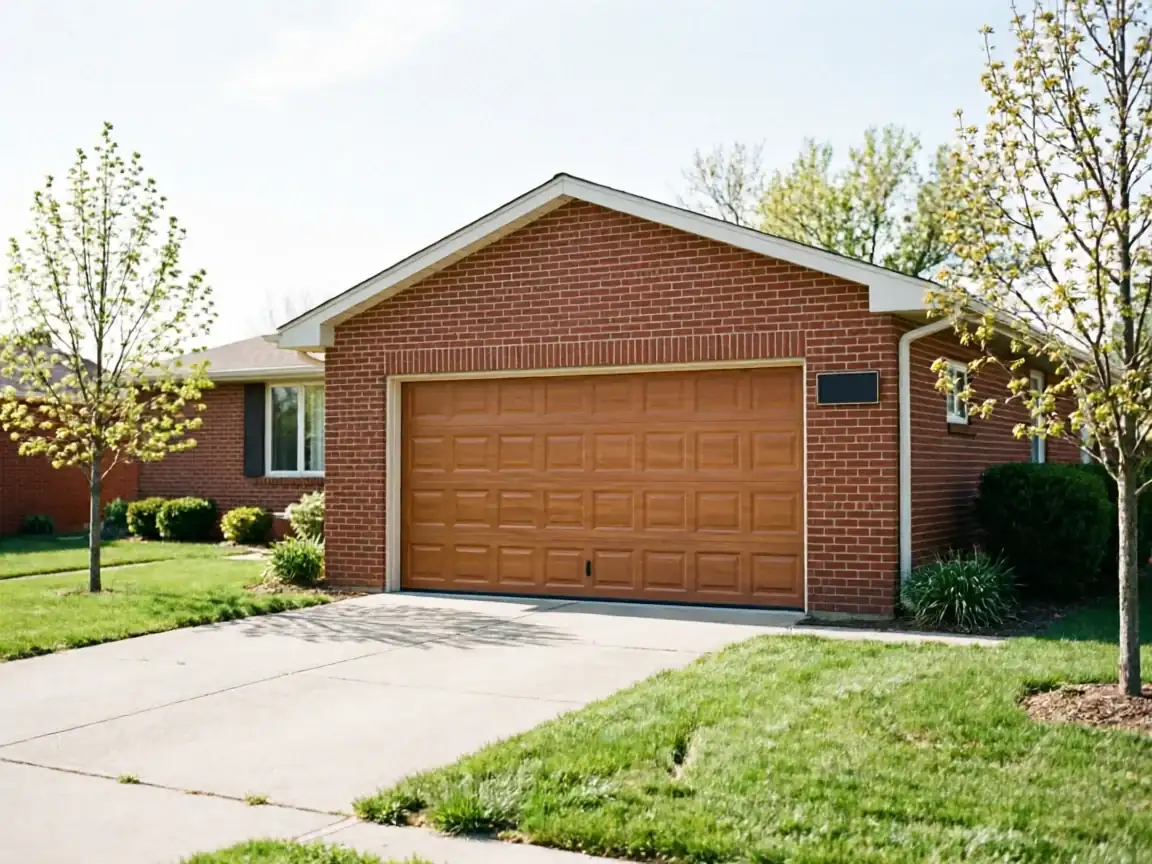
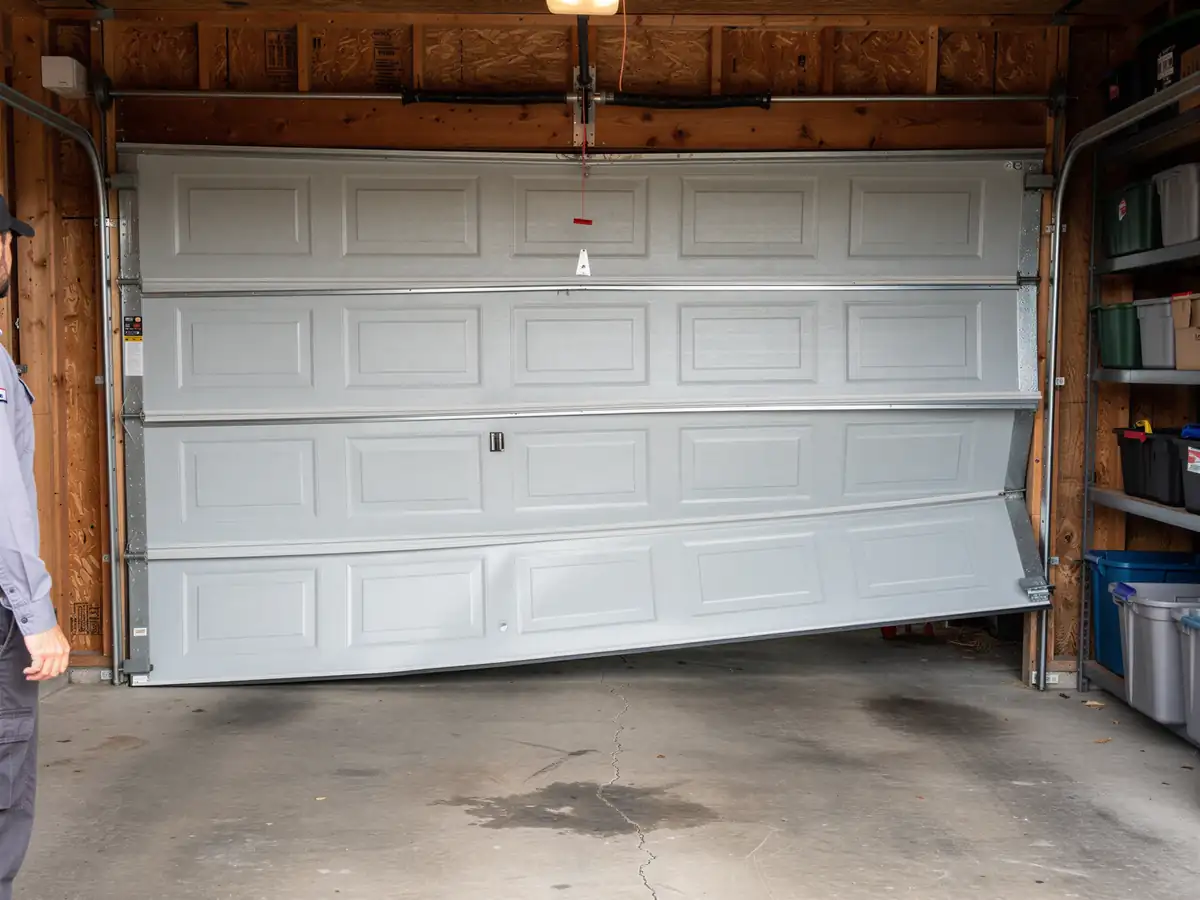
If your door is from the early 1970s build era common in Westmoreland, the symptoms we hear about most are a slow close, a grinding sound at the top of the travel, or the door reversing for no clear reason. On houses this old, that's usually dried-out rollers, a track that's drifted out of alignment over decades of settling, or an opener sensor that's never been checked since it was installed. Cold winters here put extra strain on steel springs and nylon rollers, so a door that worked fine in October can start sticking once the temperature drops. None of these are emergencies by themselves, but left alone they turn into a stuck door or a snapped cable, usually on the coldest morning of the year. If you've noticed your door taking longer to close, or making a new noise it didn't make last season, that's the window to get it looked at before it becomes a repair instead of a tune-up.
How Long You Are Without the Door
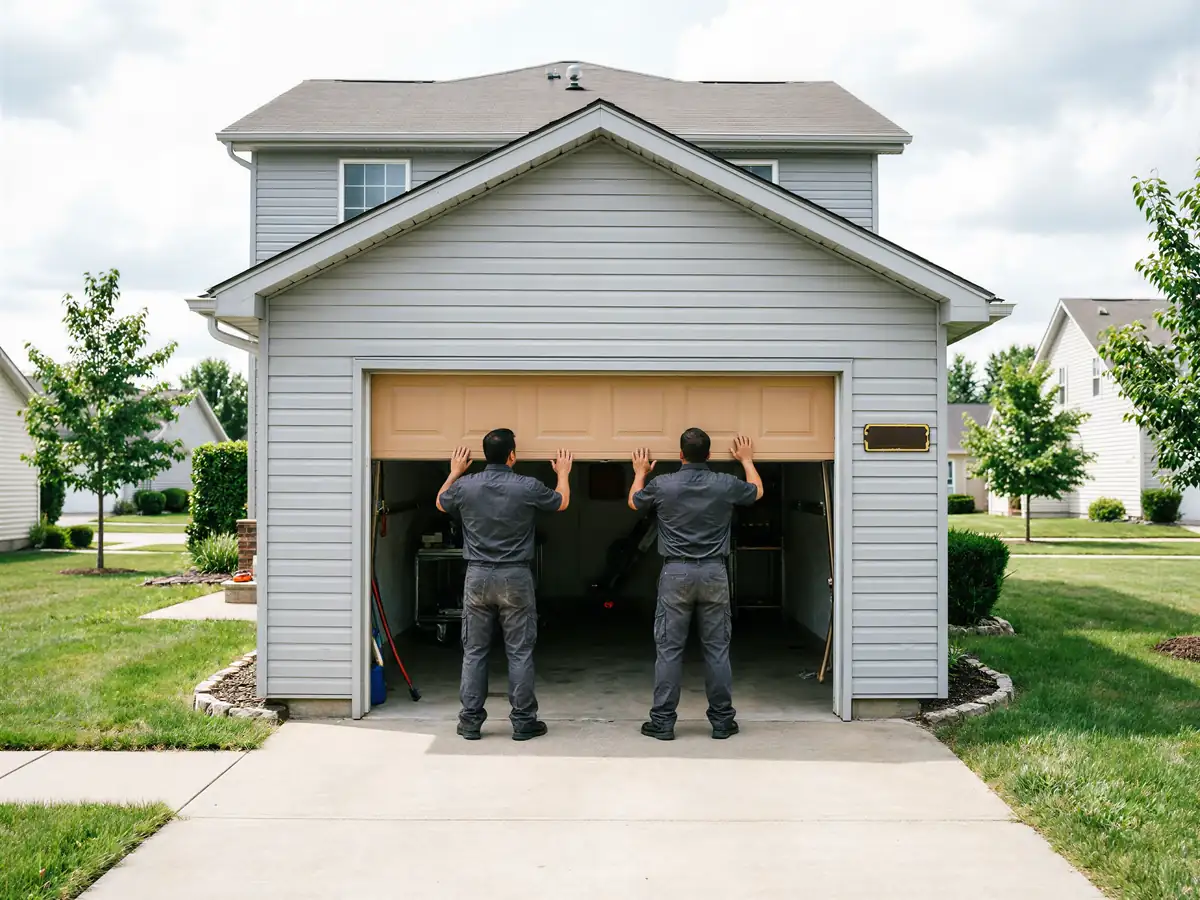
For a standard maintenance visit, the door stays usable the whole time - we work it open and closed as part of the inspection, and you're not locked out of the garage at any point. If the check turns up something that needs a part we don't carry on the truck, the door may need to wait closed (or manually operated) until we're back with it. Given the 18-mile distance, a return trip for a part isn't something we can turn around same-day, so for anything beyond routine lubrication and adjustment, we'll tell you honestly whether it's worth scheduling a second visit now or waiting until the part's in before we come back out.
Can You Do This Yourself
Some of it, yes. Wiping down the tracks, checking that the photo-eye sensors near the floor aren't knocked out of alignment, and visually checking for frayed cable are all things an owner can do without tools. Lubricating hinges and rollers with a silicone-based spray a couple times a year is reasonable too, especially heading into a Kansas winter when cold makes old grease stiffen up. What we don't recommend doing yourself: anything involving the torsion spring, including just loosening the set screws to inspect it. On a door from the early 70s, that spring has been under tension for decades and the hardware holding it isn't rated to today's standards. That one's a call, not a weekend project.