What the Fix Involves
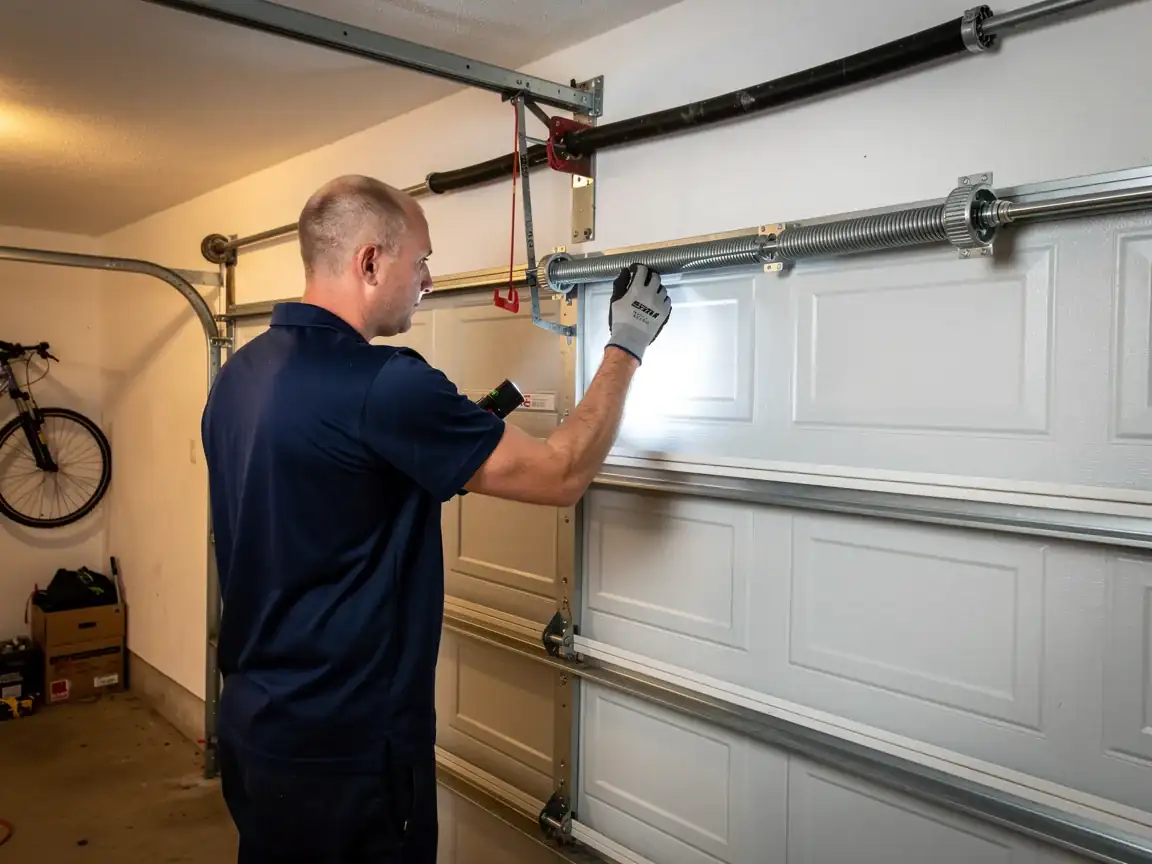
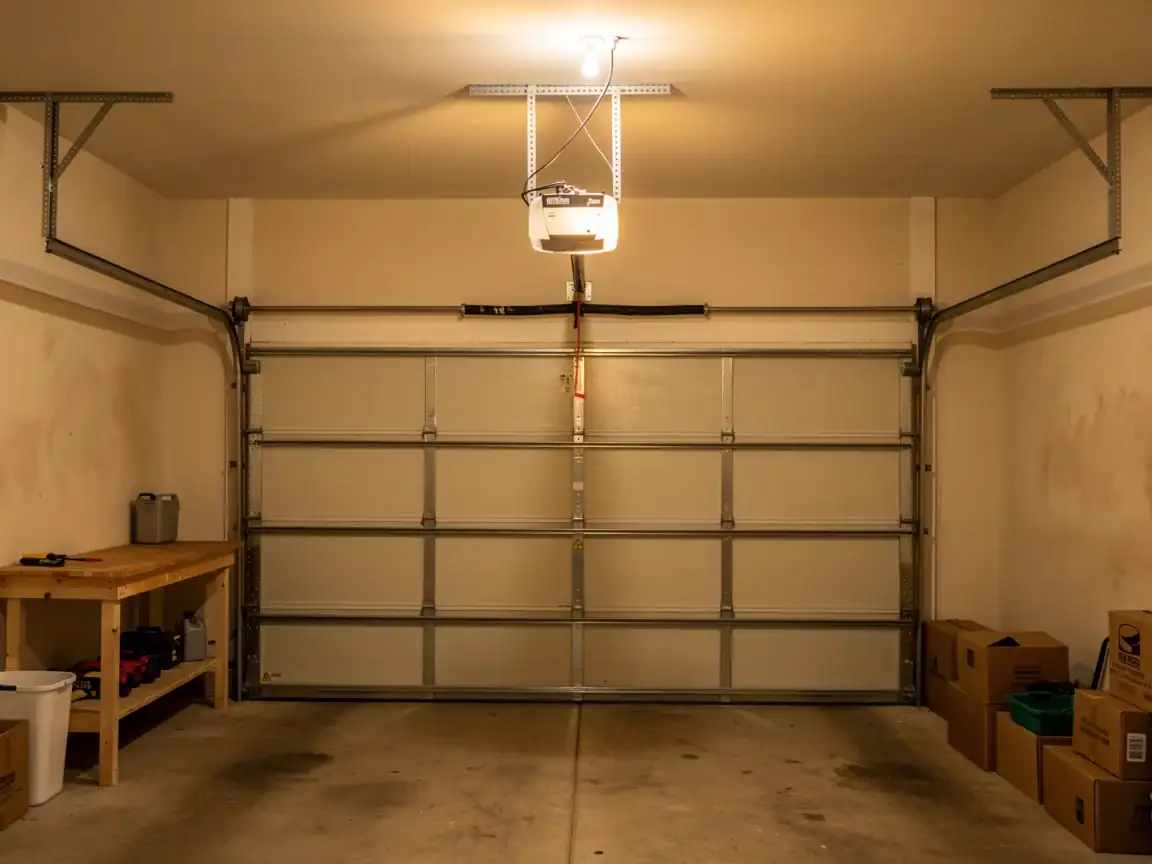
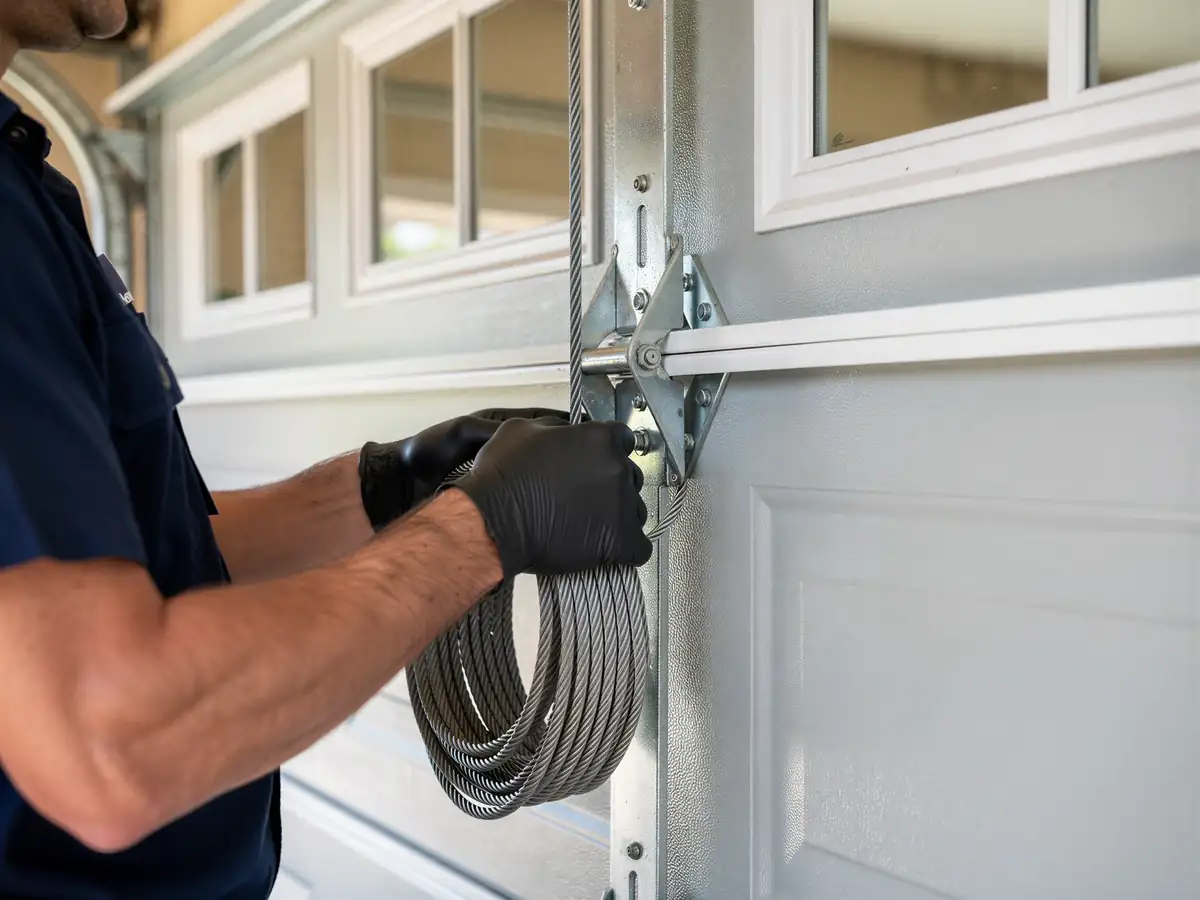
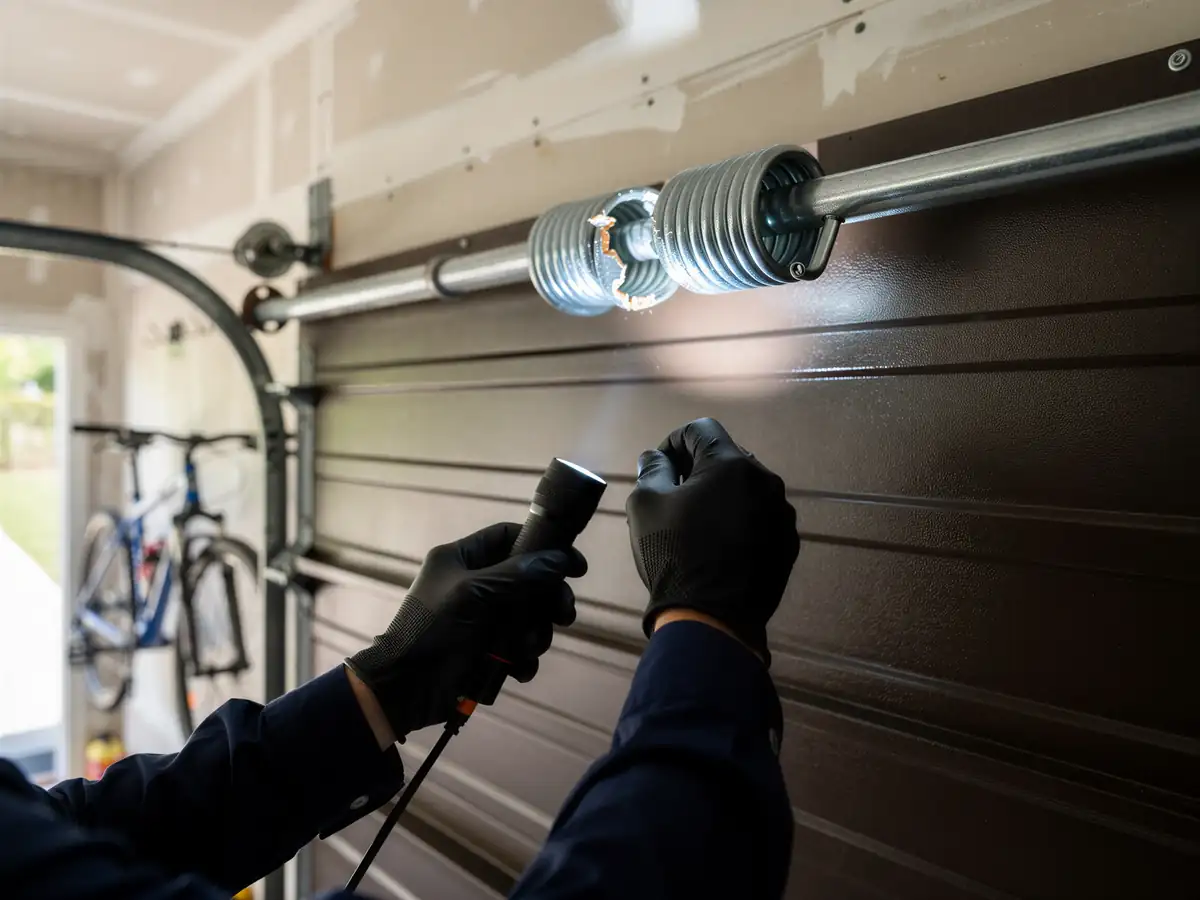
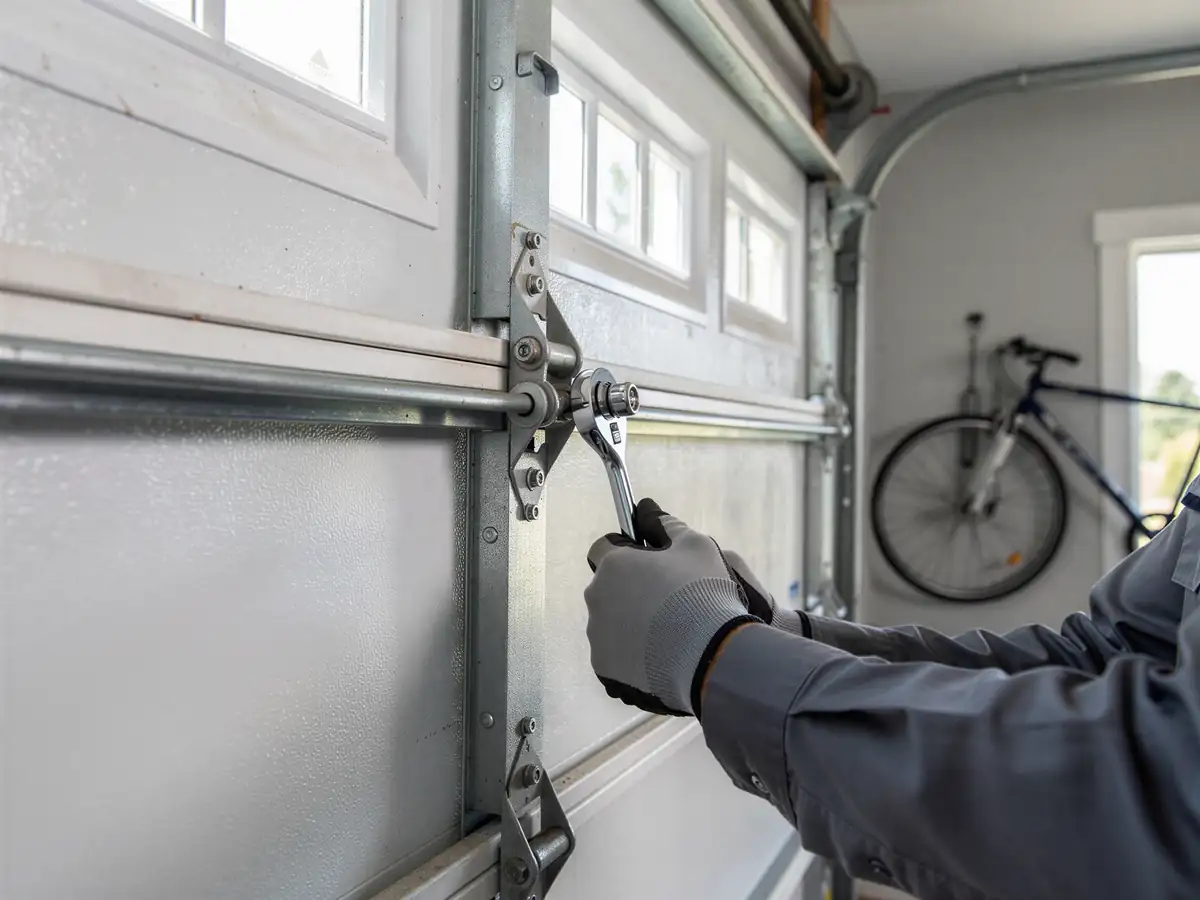
Westmoreland's housing stock sits right around 1972, which puts it a couple years ahead of the 1974 median across the rest of the Manhattan service area. That gap matters more than it sounds. A door built in the early-to-mid 1970s is more likely to run on extension springs mounted along the horizontal track rather than the torsion bar over the header that shows up on later builds. The fix looks different depending on which one you've got. Extension spring jobs mean checking the safety cables, the pulleys, and the containment system - a lot of older installs never had the cables added when they were new, and retrofitting that is part of bringing the door up to a safer standard. Torsion setups, where they exist on remodeled or replaced doors in town, need spring sizing matched to door weight and winding bars done right, not guessed at. We also check the opener itself - a chain-drive unit from that era pulling a steel door that's picked up some sag over fifty years is a common combination, and sometimes the door needs attention before the opener will ever behave.
What You Are Seeing
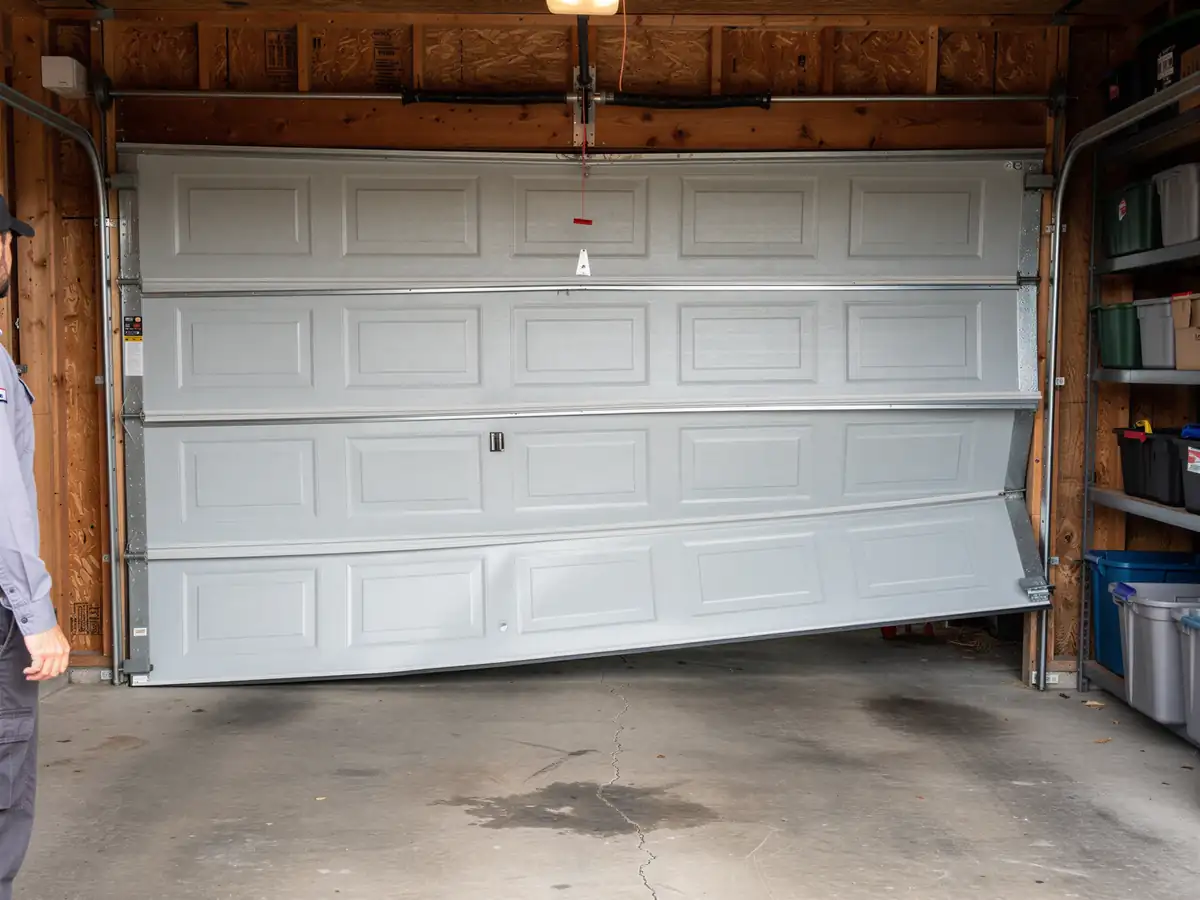
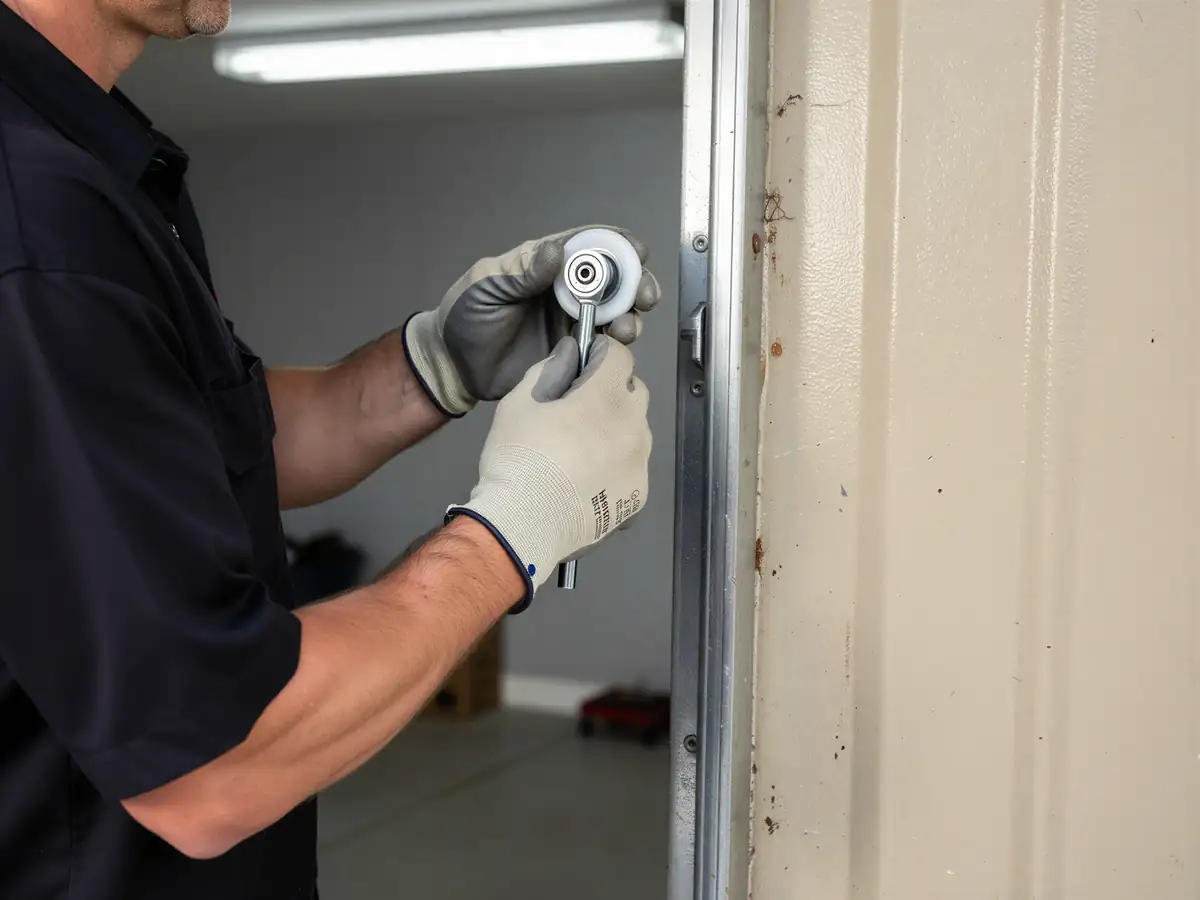
The complaint we hear most from this stretch of the service area is a door that slams the last foot instead of settling, which points to worn or frayed extension springs that have lost tension unevenly on each side. Another common one: the door reverses or won't close all the way, which on a house this age is often the opener's travel limits drifting out of adjustment rather than anything wrong with the door itself. Noise is the third pattern - a grinding or popping sound from rollers that were steel to begin with and have never been swapped for nylon. None of these point to the same repair, which is why a phone description only gets us part of the way; the rest comes from seeing the door move. With roughly 230 households in Westmoreland, we're not out here constantly, so when we do come we try to catch everything that's likely to fail in the next year or two while the truck is already on site.
How Long You Are Without the Door
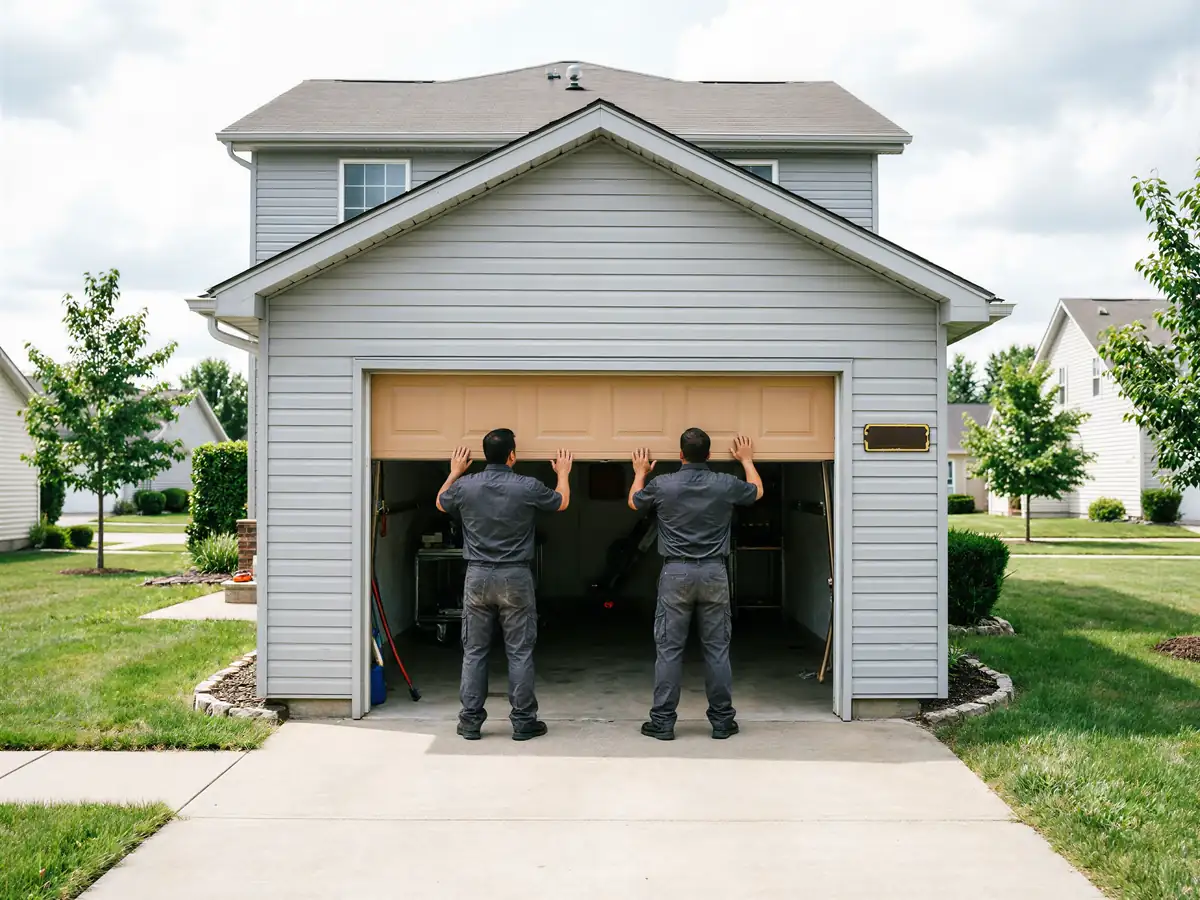
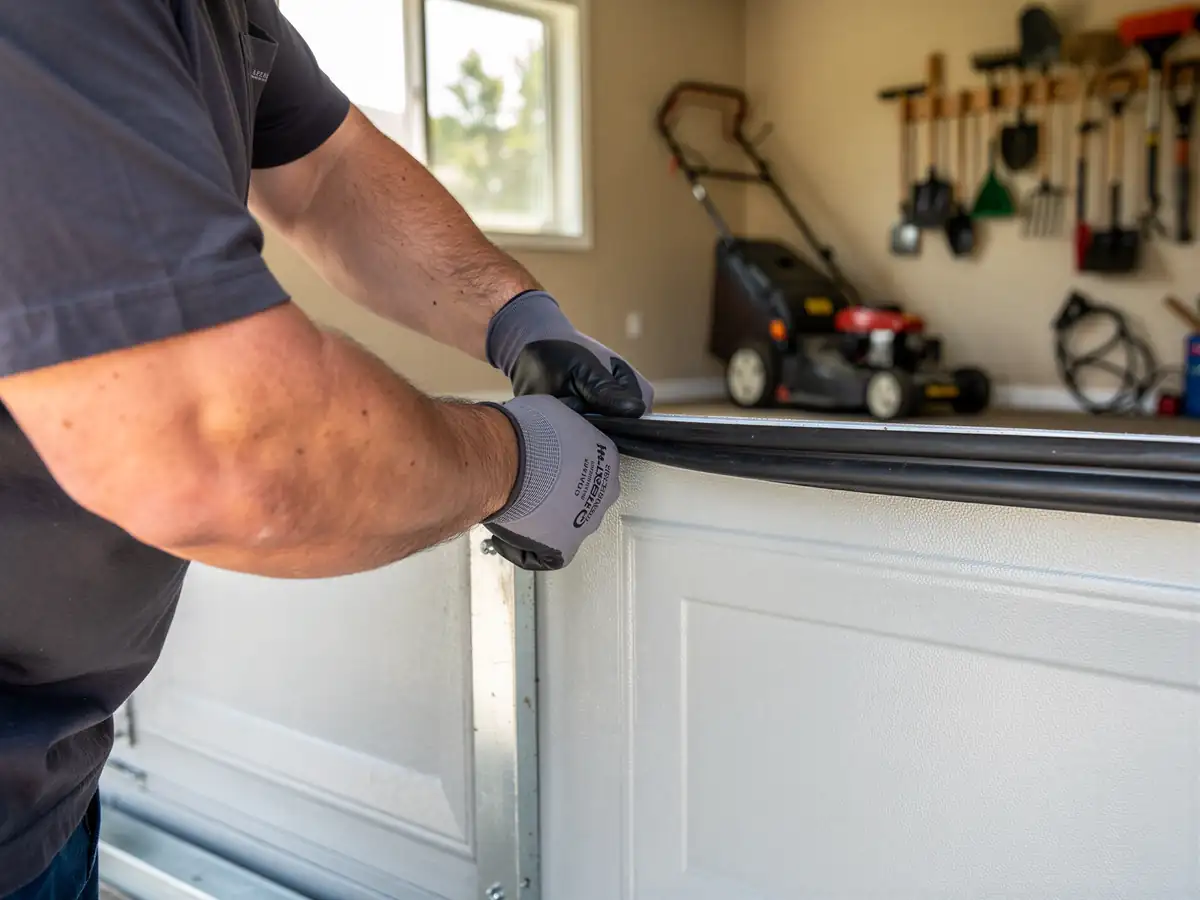
Most repairs on a Westmoreland call are a single visit - springs, cables, rollers, and opener adjustments are all stock parts the truck carries. The honest limitation is parts for anything unusual: if a door here still has an original panel or a track profile that doesn't match what's carried on the truck, sourcing it can push the job into a second trip. That's less common than it used to be since most of these doors have had at least one panel or section replaced over fifty-plus years, but it does happen. The 18-mile drive itself isn't the bottleneck - it adds maybe twenty minutes each way to the schedule, not days. What actually stretches a job out is a special-order part, and we'll tell you at the first visit if that's where things are headed rather than let you assume it's a quick return trip.
Can You Do This Yourself
Lubricating hinges and rollers, tightening loose bolts on the track brackets, and testing the auto-reverse on the opener are all fine to handle yourself on a door this age, and they're worth doing a couple times a year given how long these doors have been running. What you shouldn't touch is the spring system. Extension springs under tension have hurt people badly, and on a house built in 1972 those springs have had decades to fatigue in ways you can't see from looking at them. If the door is sagging on one side, slamming, or the cable looks frayed, that's a call-us job, not a weekend one. We'd rather tell you that plainly than have you find out the hard way what 230 households' worth of similar-aged hardware has in common.