What the Fix Involves
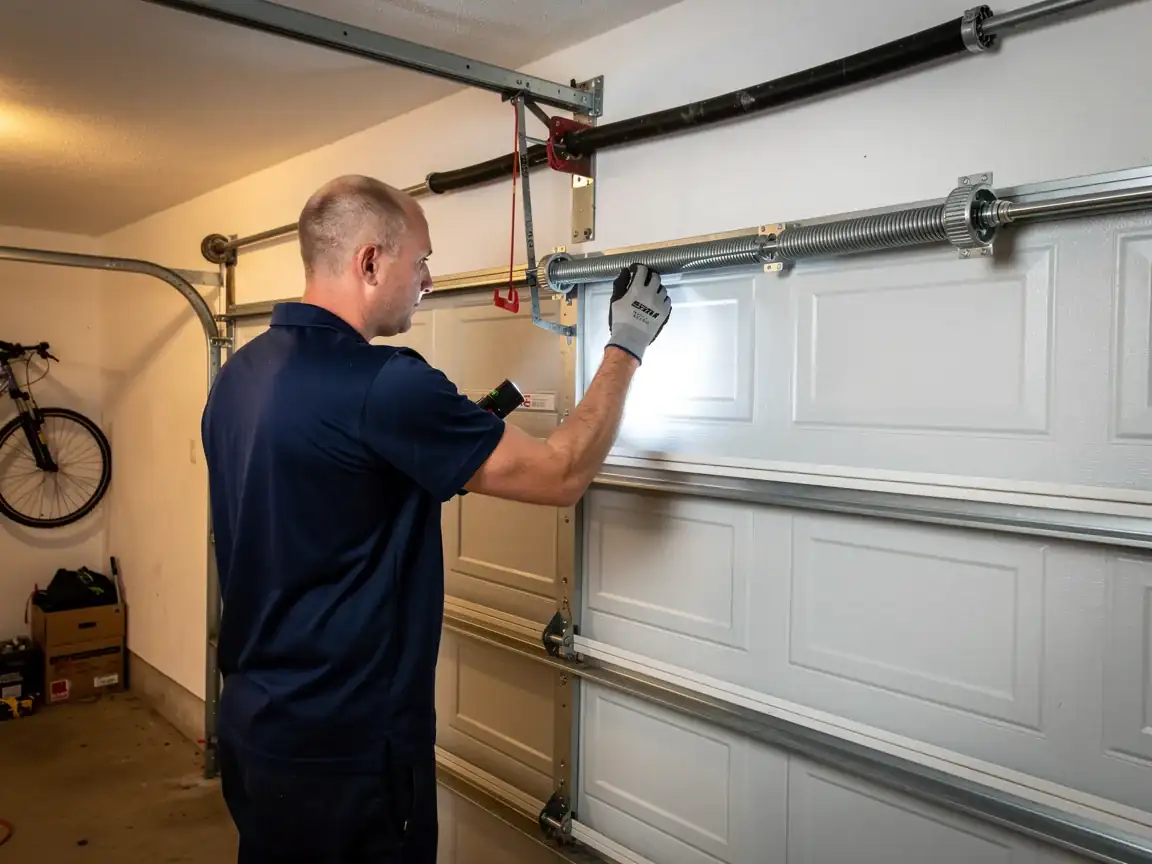
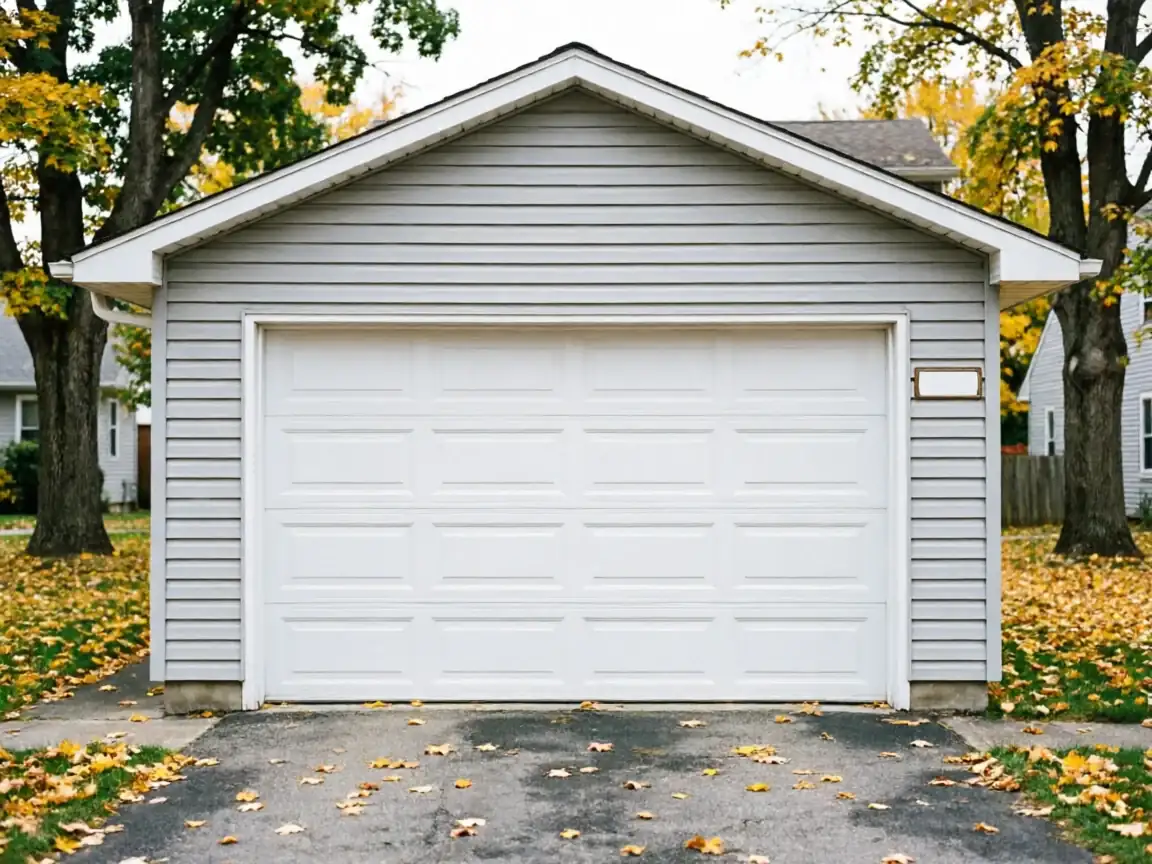
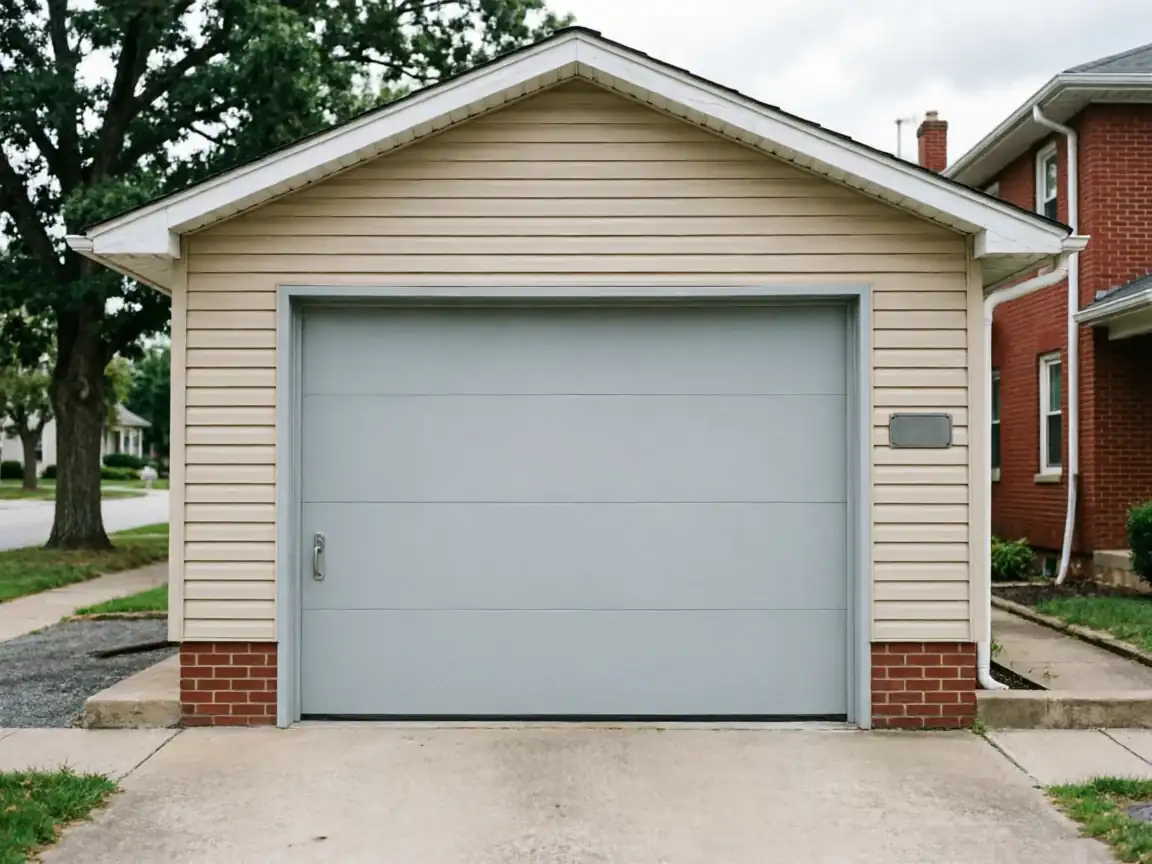
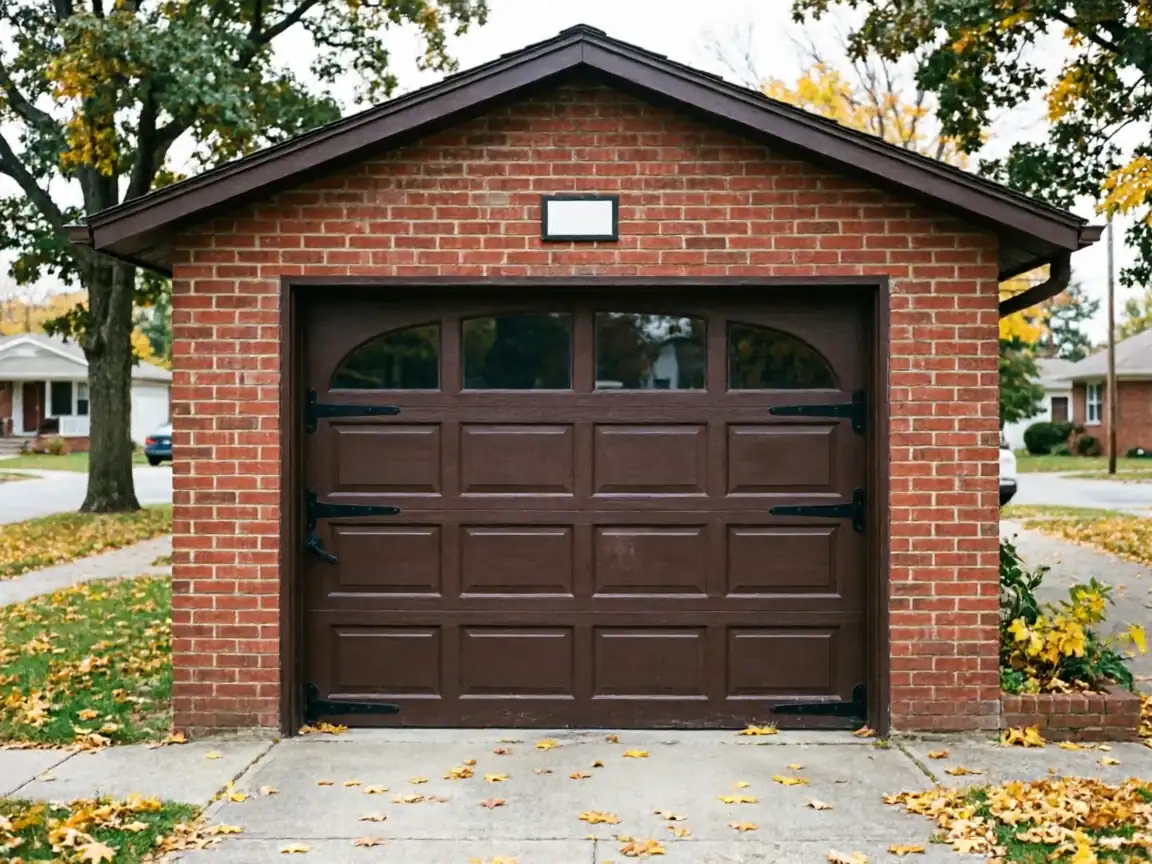
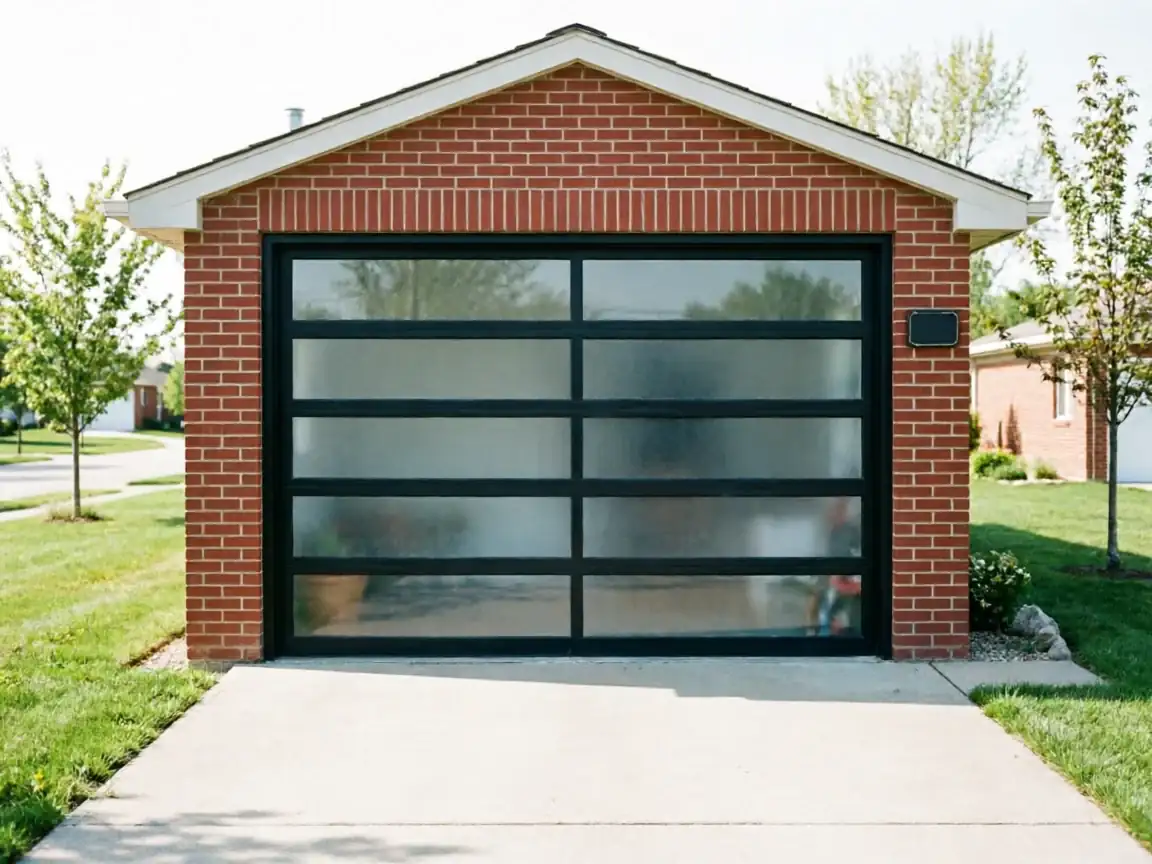
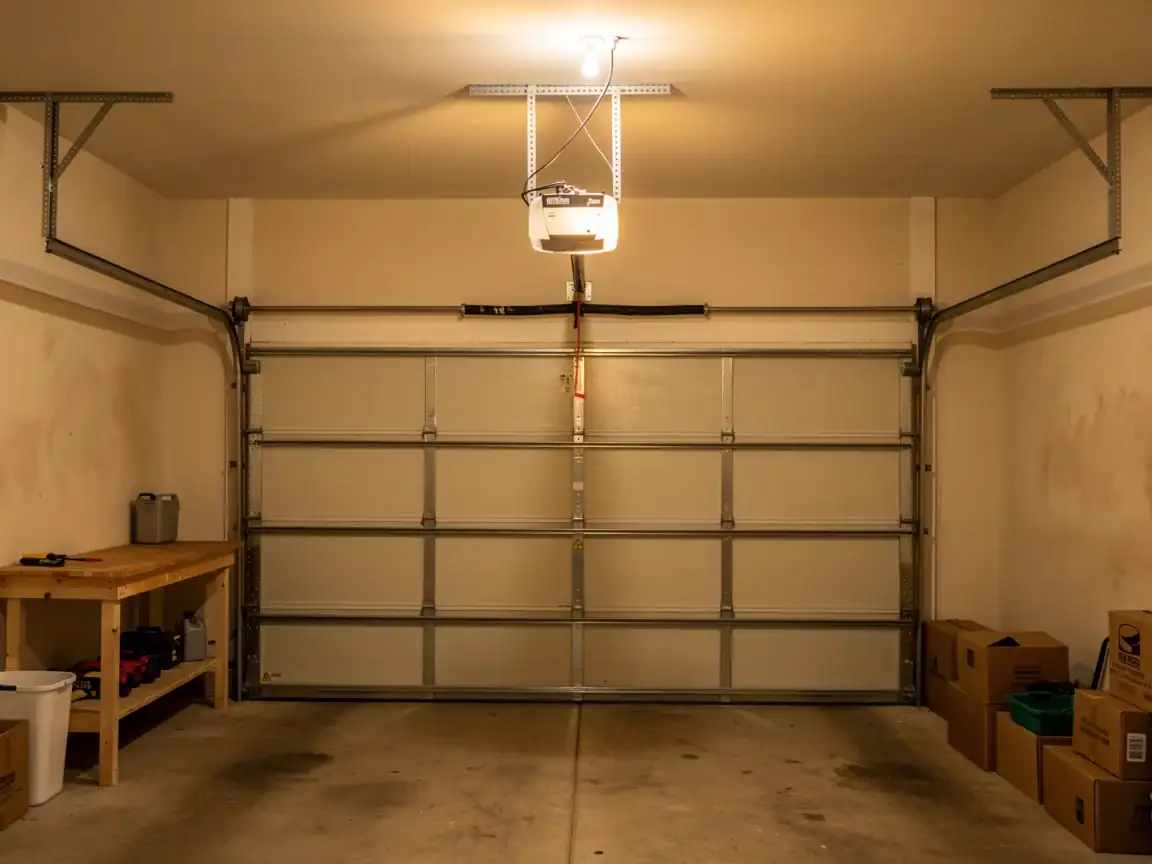
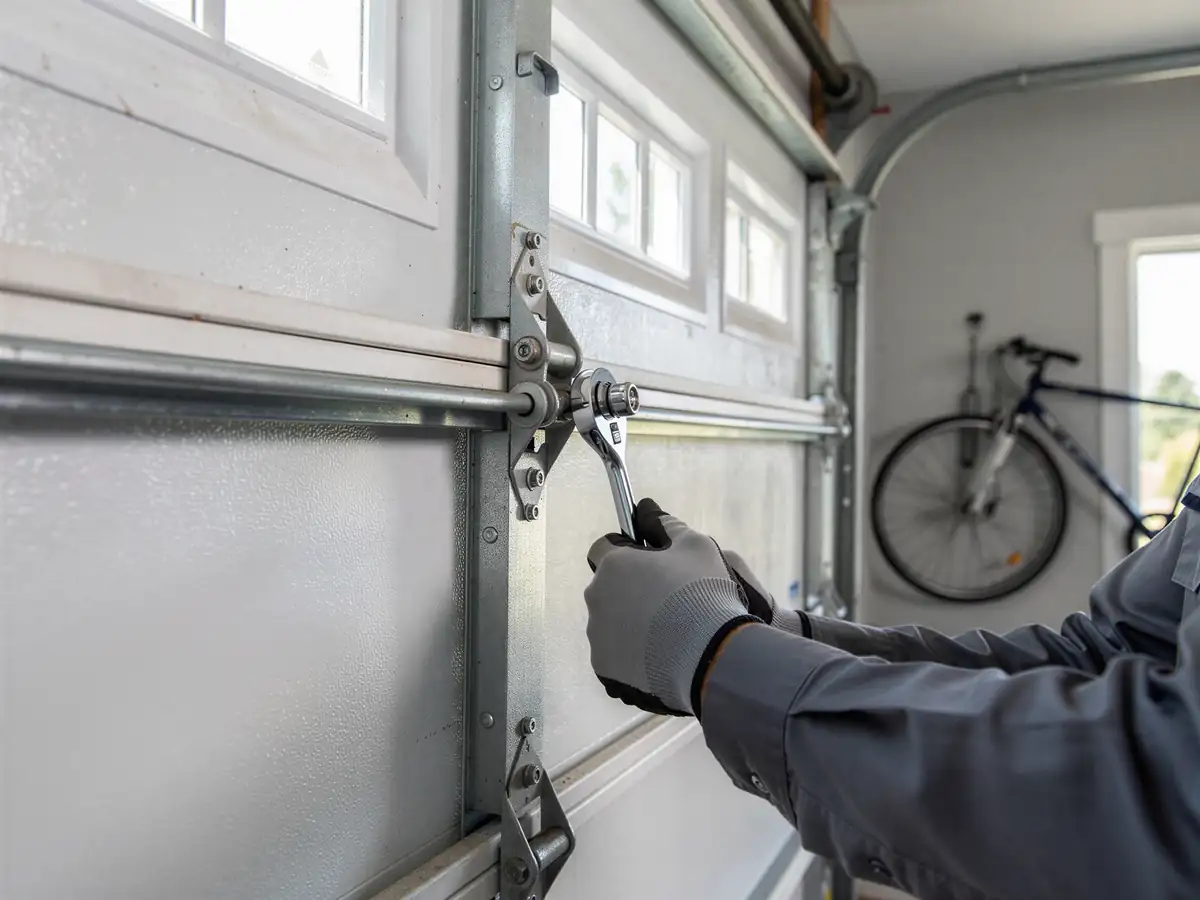
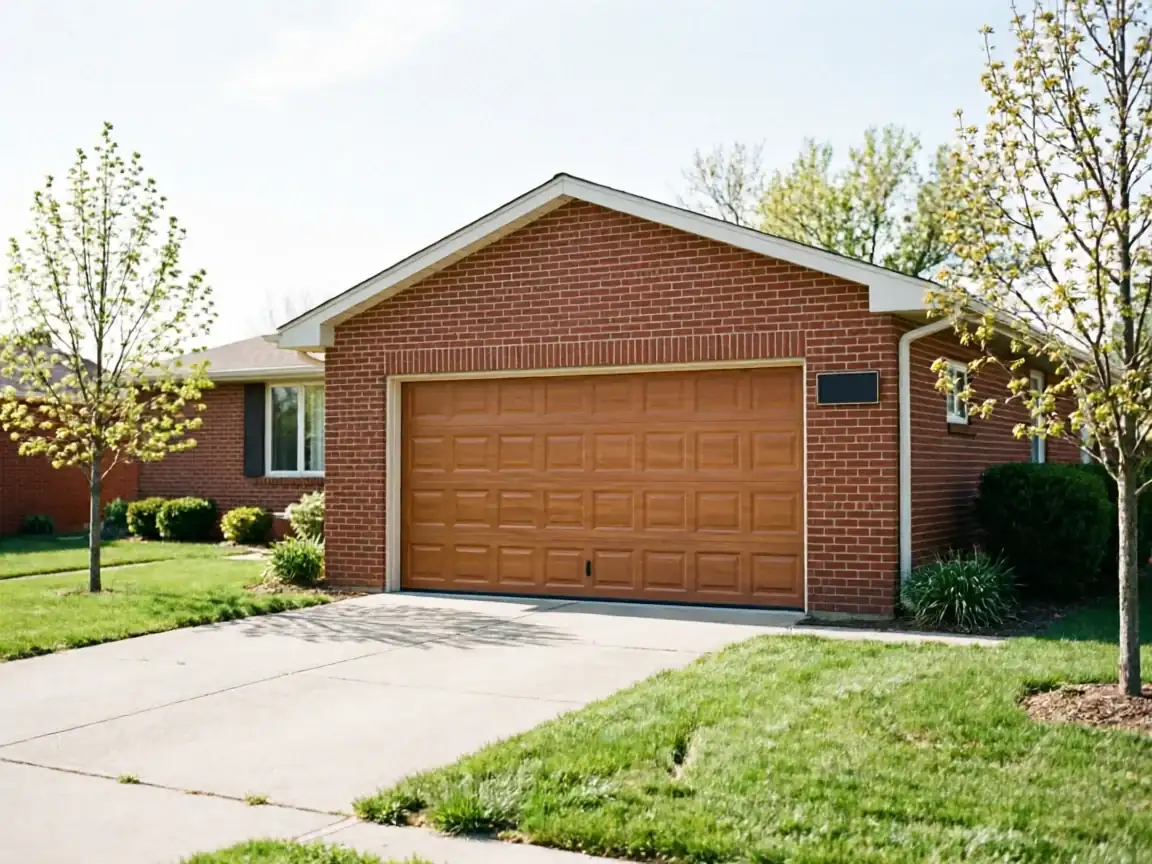
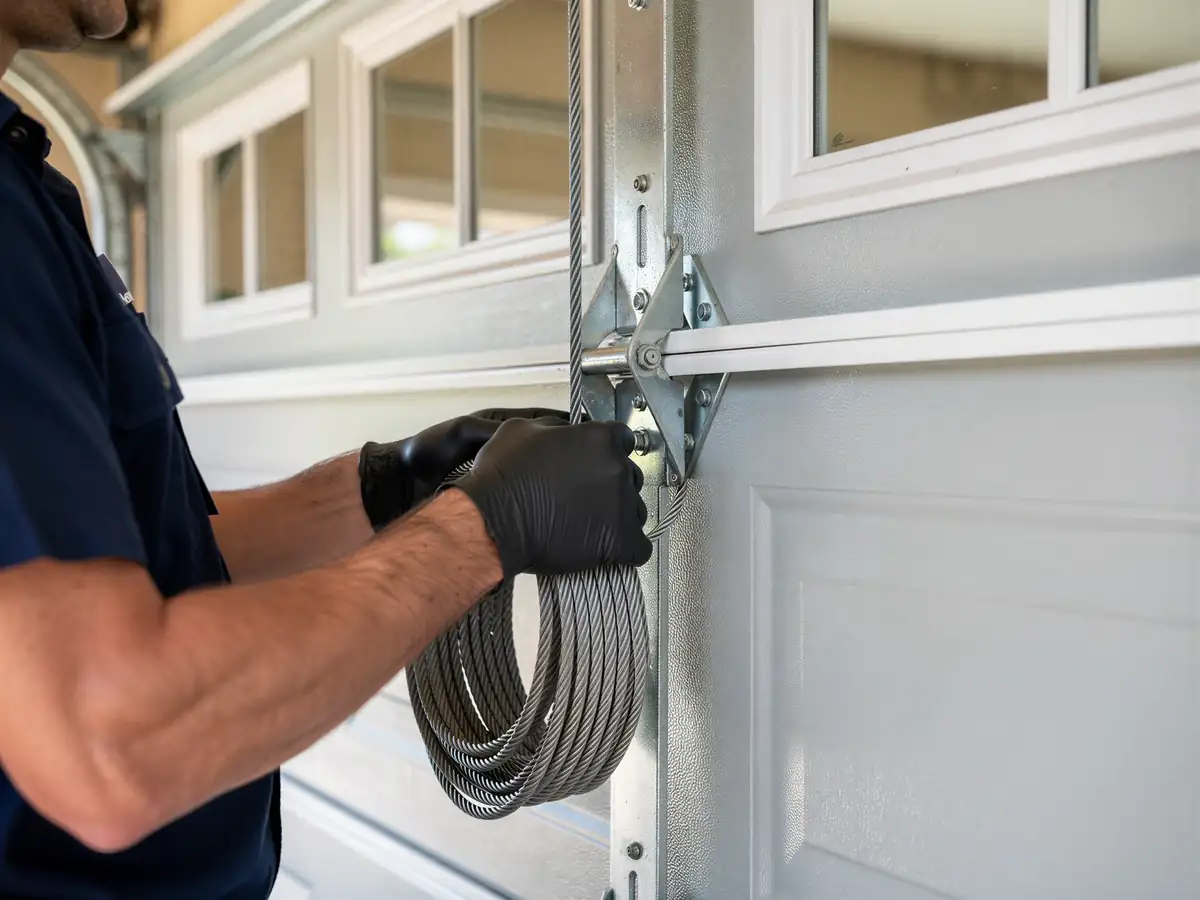
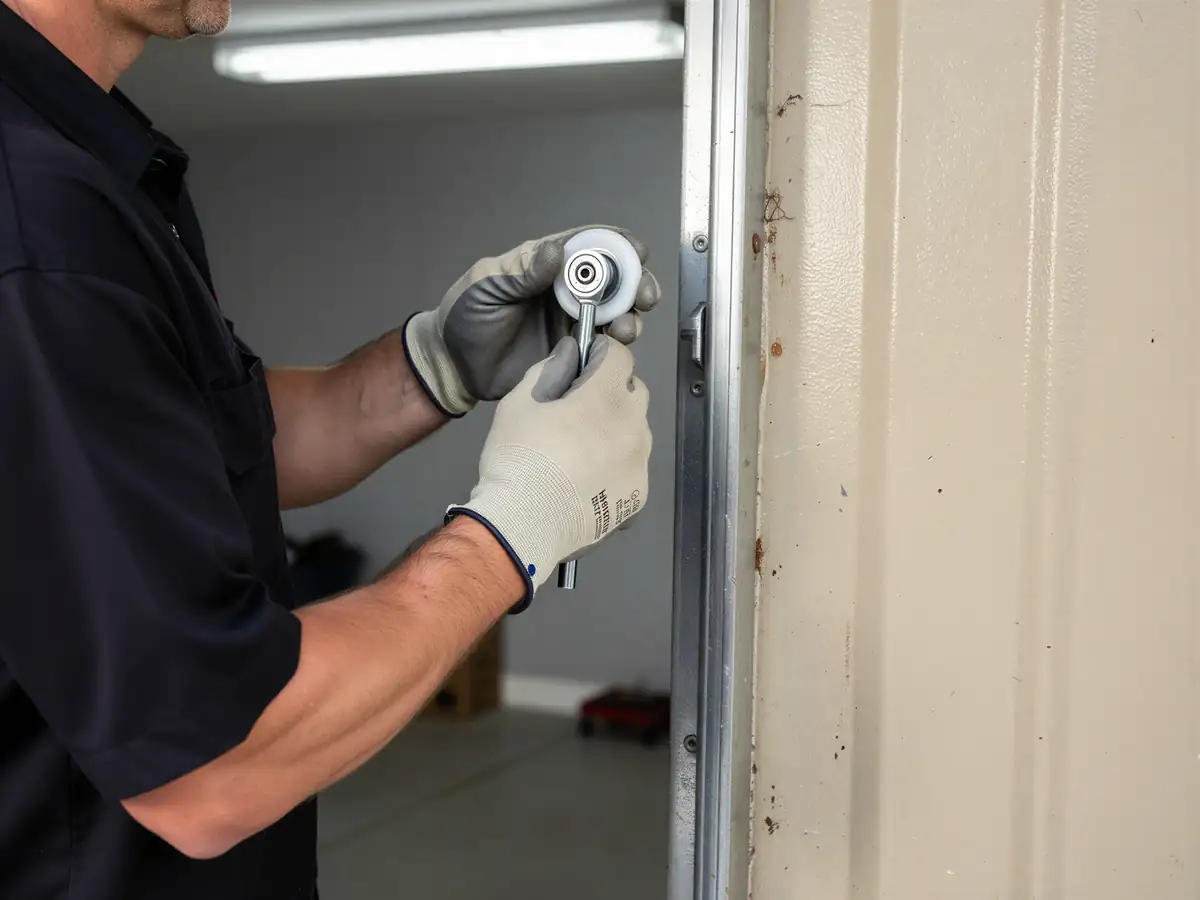
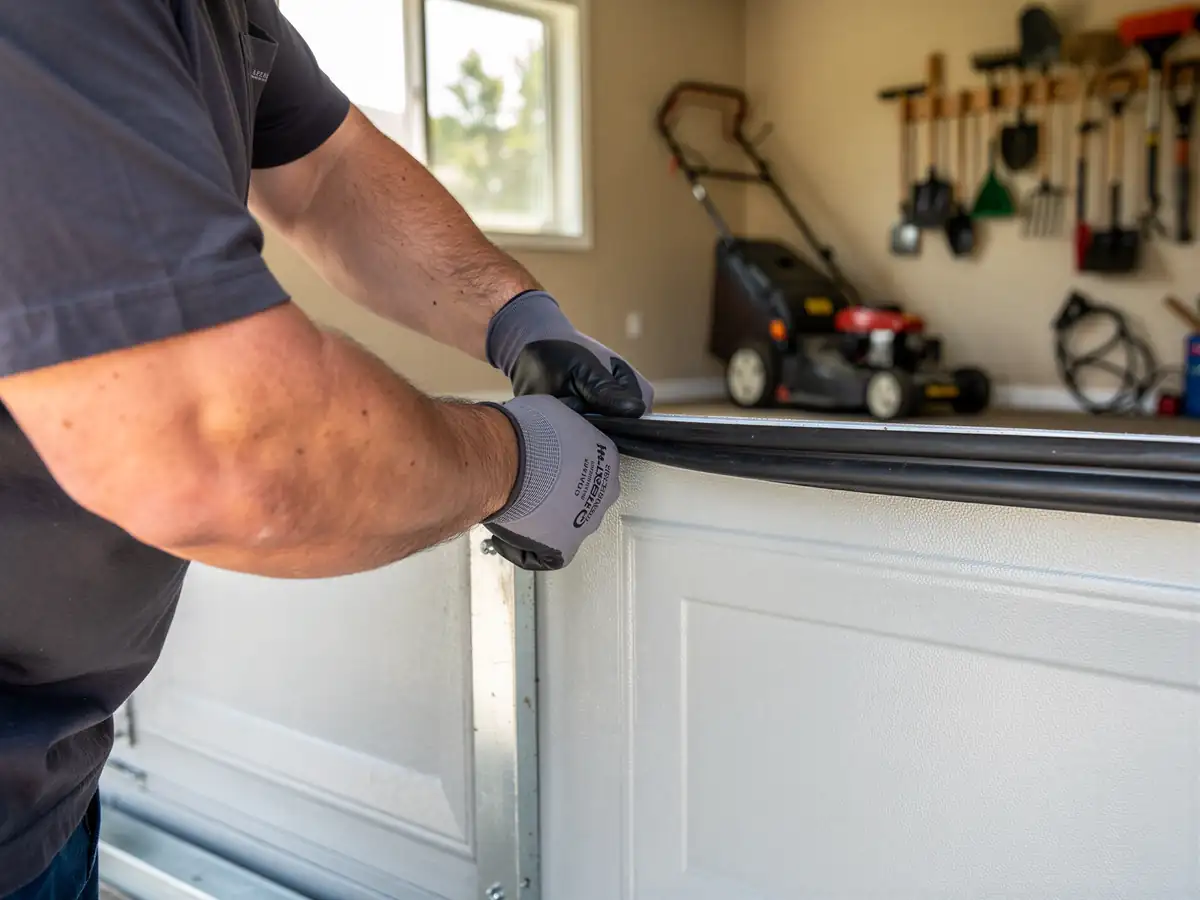
Most houses in Westmoreland went up around 1972, which puts the housing stock squarely in the early-70s build wave. Doors from that era were usually single-layer steel or wood panel, hung on torsion or extension springs that were never built to the cycle counts modern openers put on them. Forty-plus years in, the common failure is a torsion spring that's fatigued past its rated cycles, or an extension spring setup with worn-out safety cables, if it even has them. The fix usually means pulling the old spring system and replacing it to match the door's weight and track width rather than forcing a generic kit onto 1970s hardware. Track alignment is the other recurring issue on houses this age, since original jambs settle over decades and the vertical tracks go out of plumb, which binds rollers and strains the opener motor. We check both the spring and the track geometry on an emergency call rather than just swapping the obvious broken part, because on a door this old, one failure often points to a second one close behind it.
What You Are Seeing
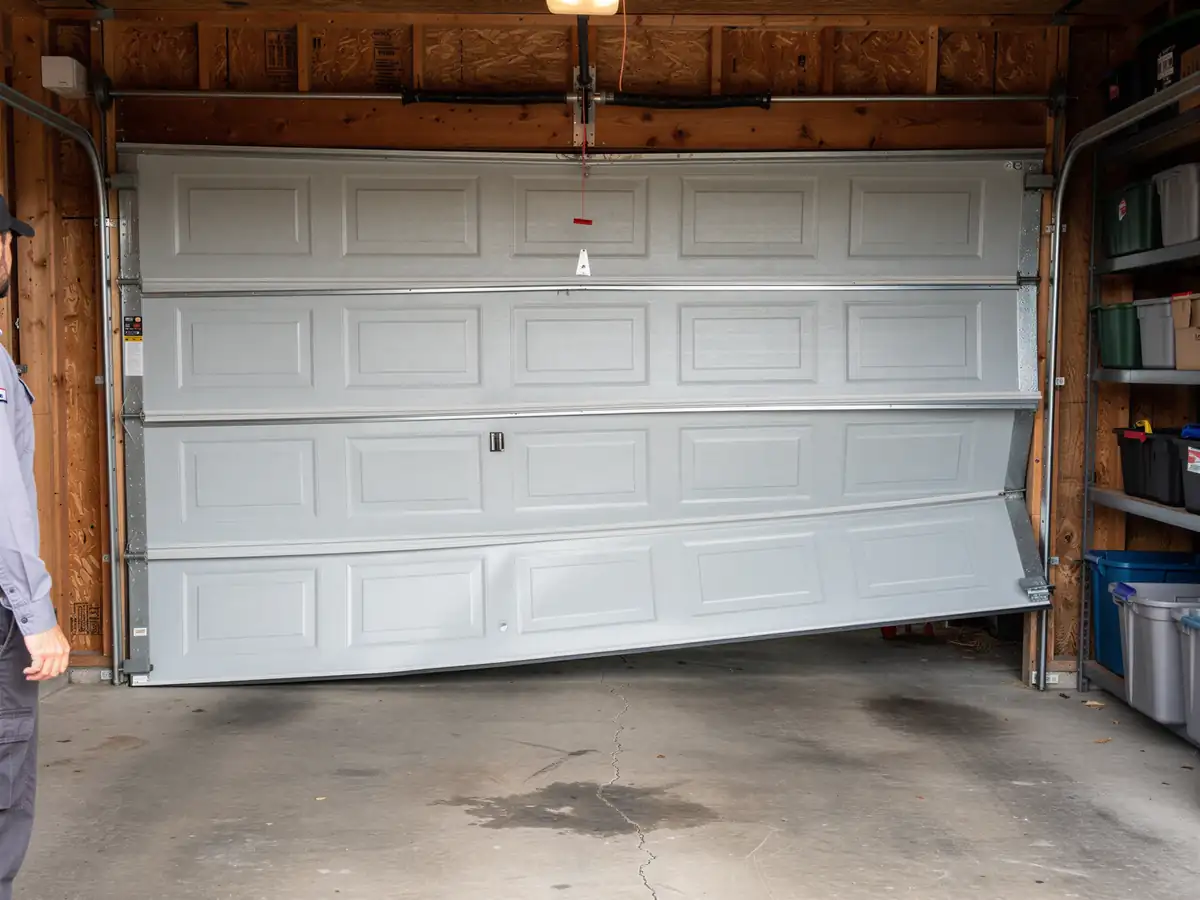
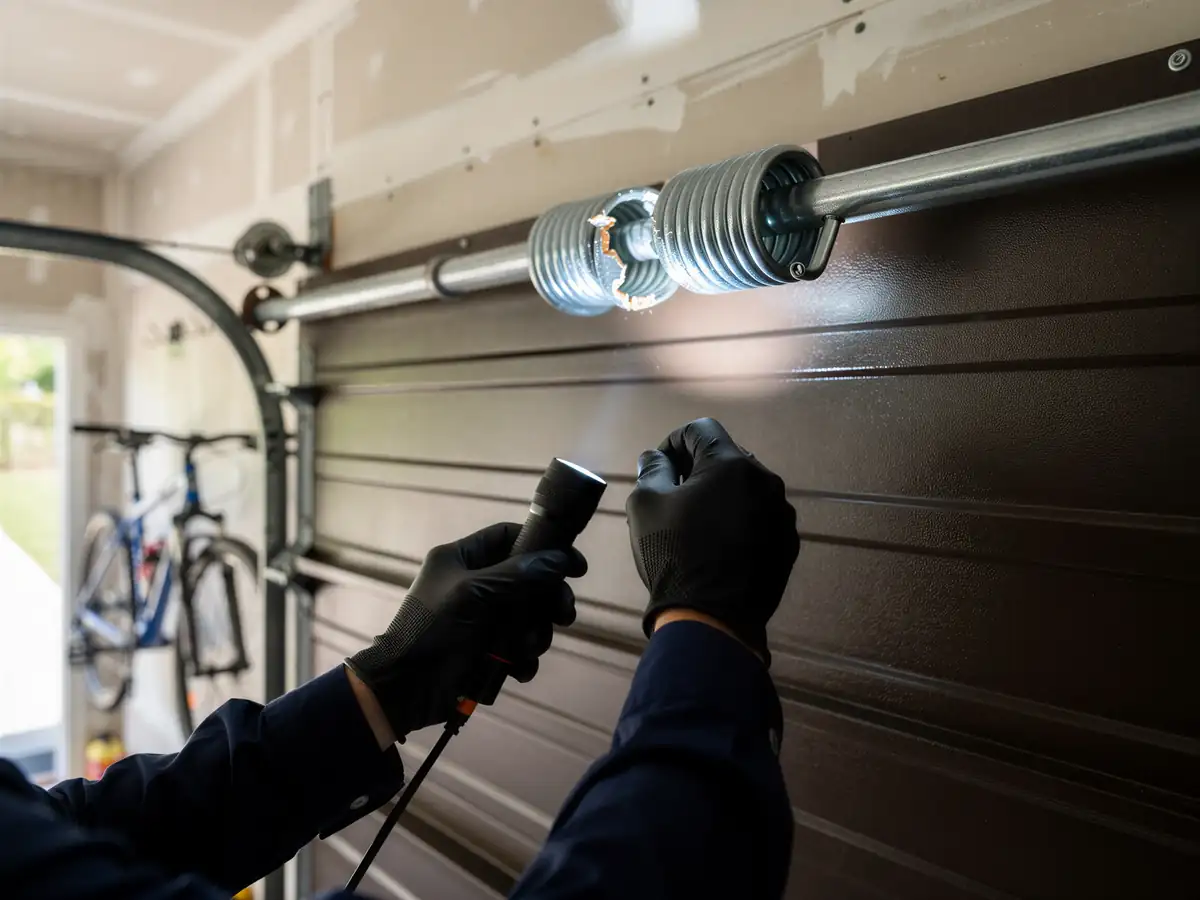
A door that won't budge, or one that opens a few inches and stops, usually means a broken torsion spring - the sudden loud bang homeowners report is the spring letting go, not the opener failing. A door that's noticeably crooked when it's halfway up points to a cable off the drum or a track that's pulled away from the frame. If the opener runs but the door doesn't move, the issue is almost always mechanical, not electrical - the motor is fine, the spring or cable isn't holding the door's weight anymore. On older 1970s-era doors we also see panel rot at the bottom section, especially on wood doors that were never replaced, which adds weight the spring wasn't sized for in the first place.
How Long You Are Without the Door
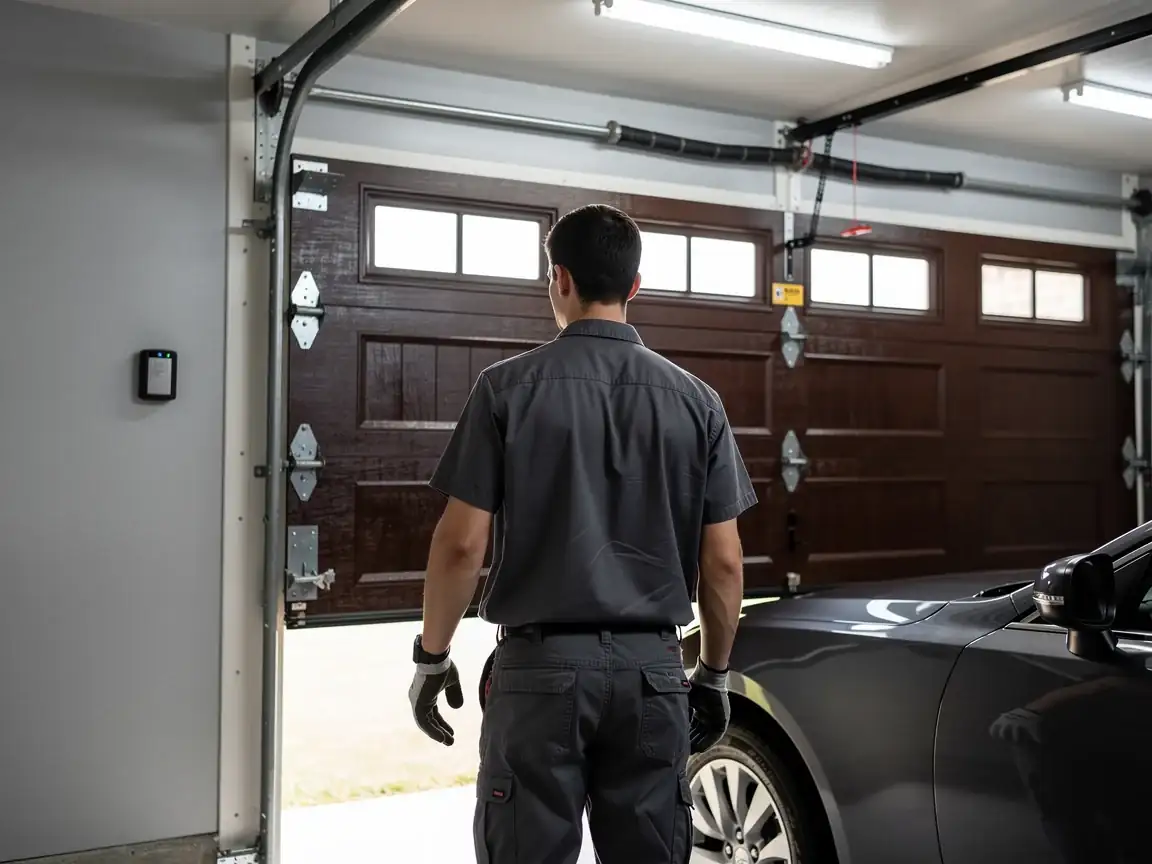
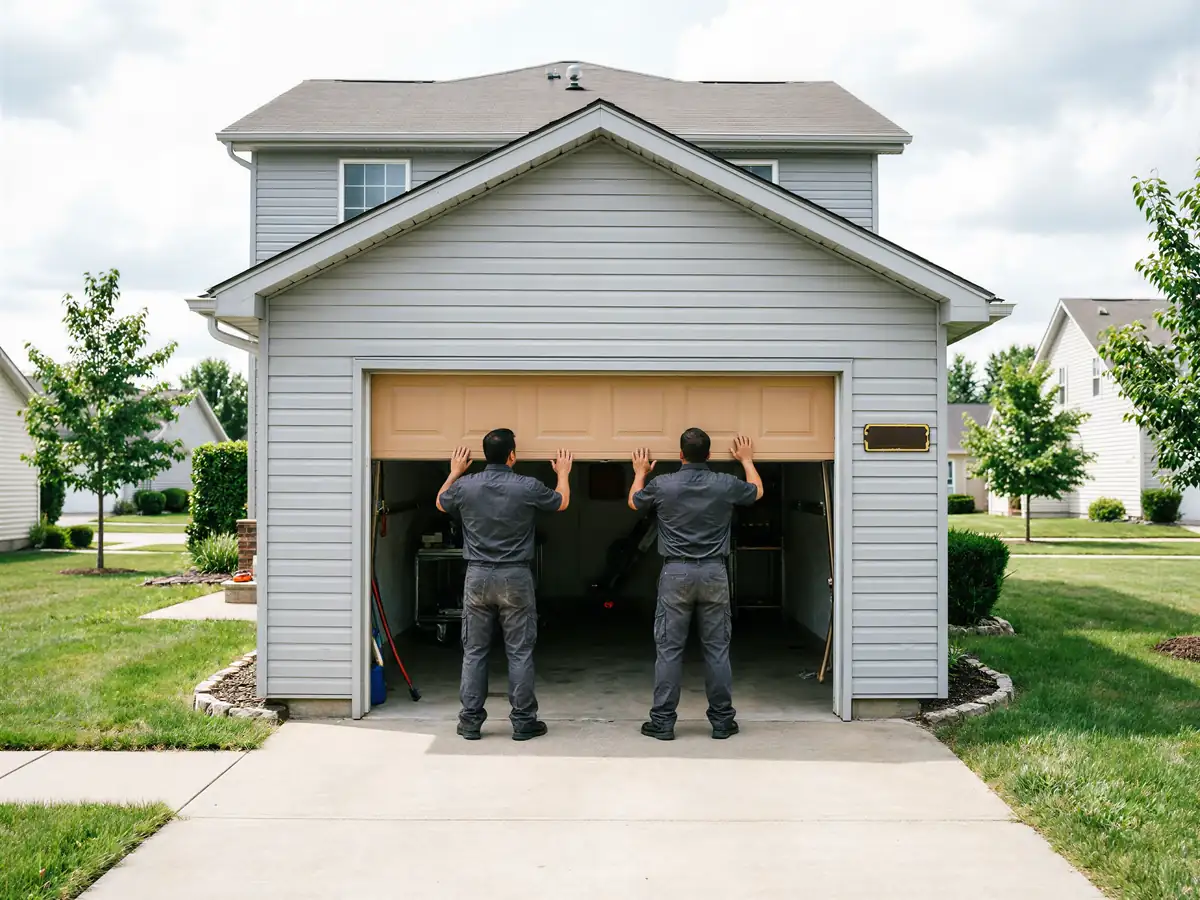
Because every emergency call to Westmoreland starts with an 18-mile drive from Manhattan, factor that travel time into how long the door sits broken before a truck arrives. Once we're on site, a straightforward torsion spring replacement on a standard door is usually finished within the same visit. Jobs take longer when the track is bent badly enough to need replacement sections, or when a 1970s door's panel has deteriorated enough that patching it isn't worth it and the better call is a new door section or full replacement. We don't carry every spring size and every panel style on the truck for every visit, so a door needing an unusual part may mean a second trip.
Can You Do This Yourself
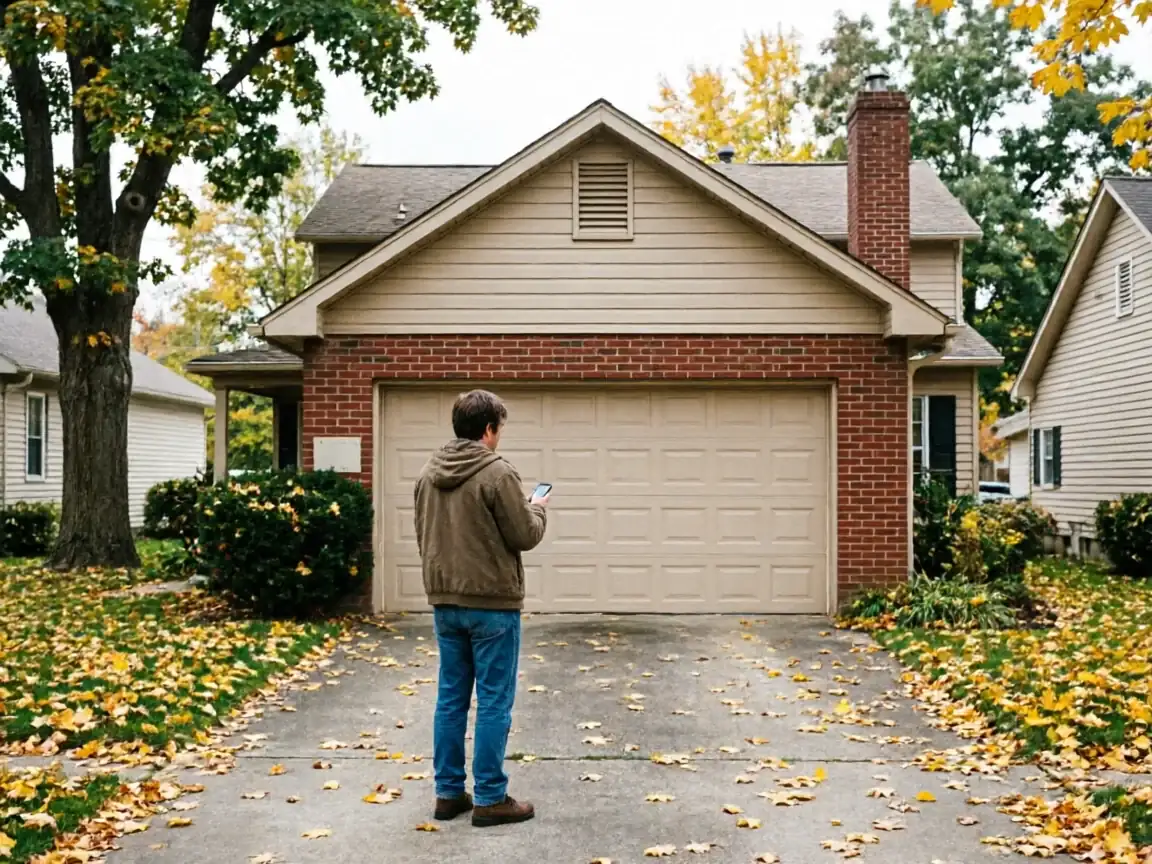
Don't touch a broken torsion spring yourself - it's under enough tension to cause serious injury, and that's true whether the door is five years old or fifty. What a homeowner in Westmoreland can safely check before calling: make sure the opener isn't simply unplugged or the wall switch isn't the problem, and look at the track for anything obviously knocked loose, like a bracket pulled from the frame. If the door is a 1970s original and hasn't had the spring replaced since, that's not a DIY tune-up - the hardware on a door that age is often undersized for current opener loads, and the honest answer is that it needs a professional to resize the spring to the door's actual weight, not just replace what's already there.