What the Fix Involves
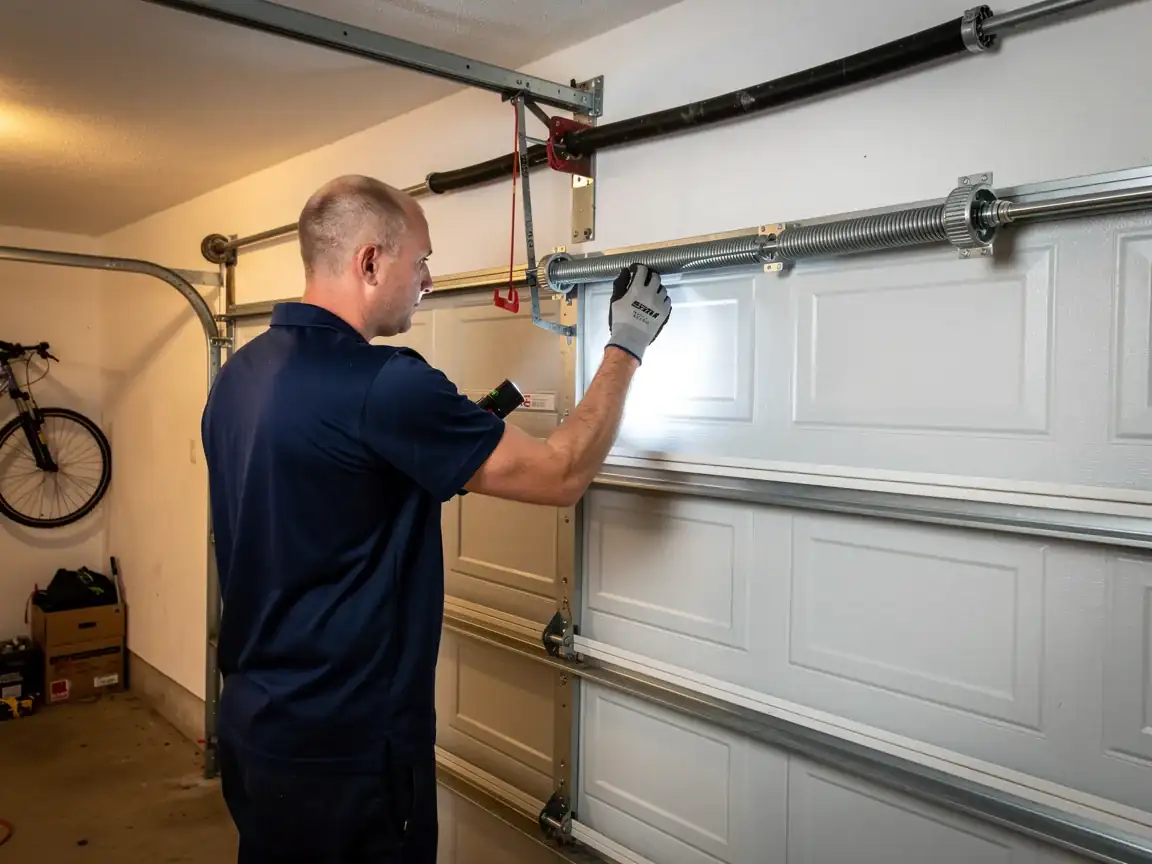
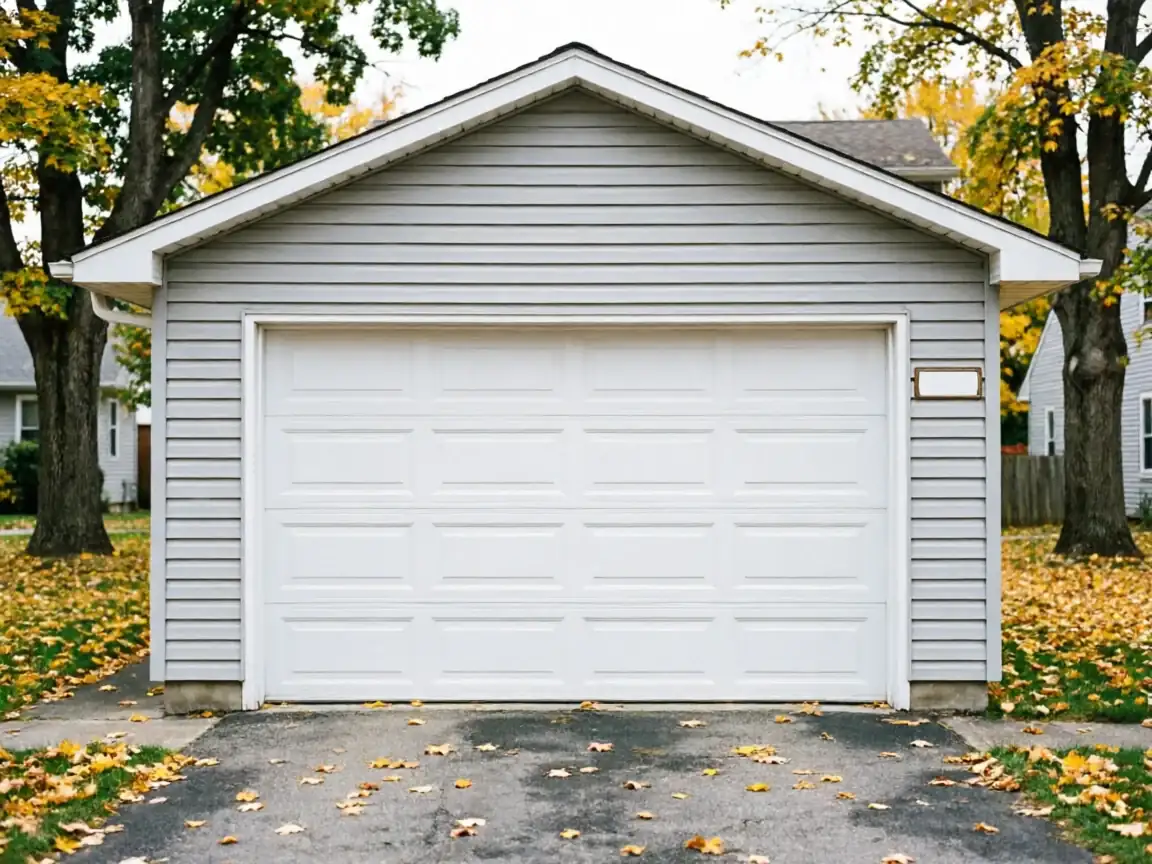
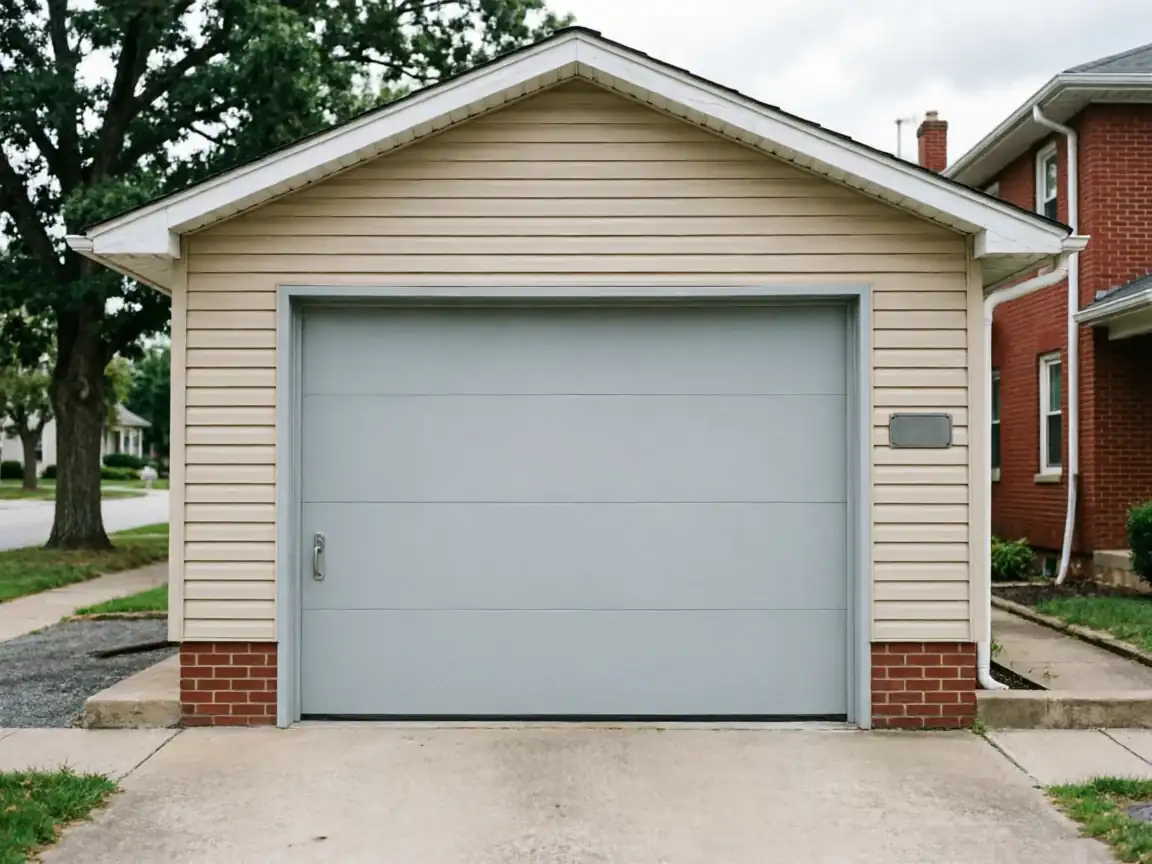
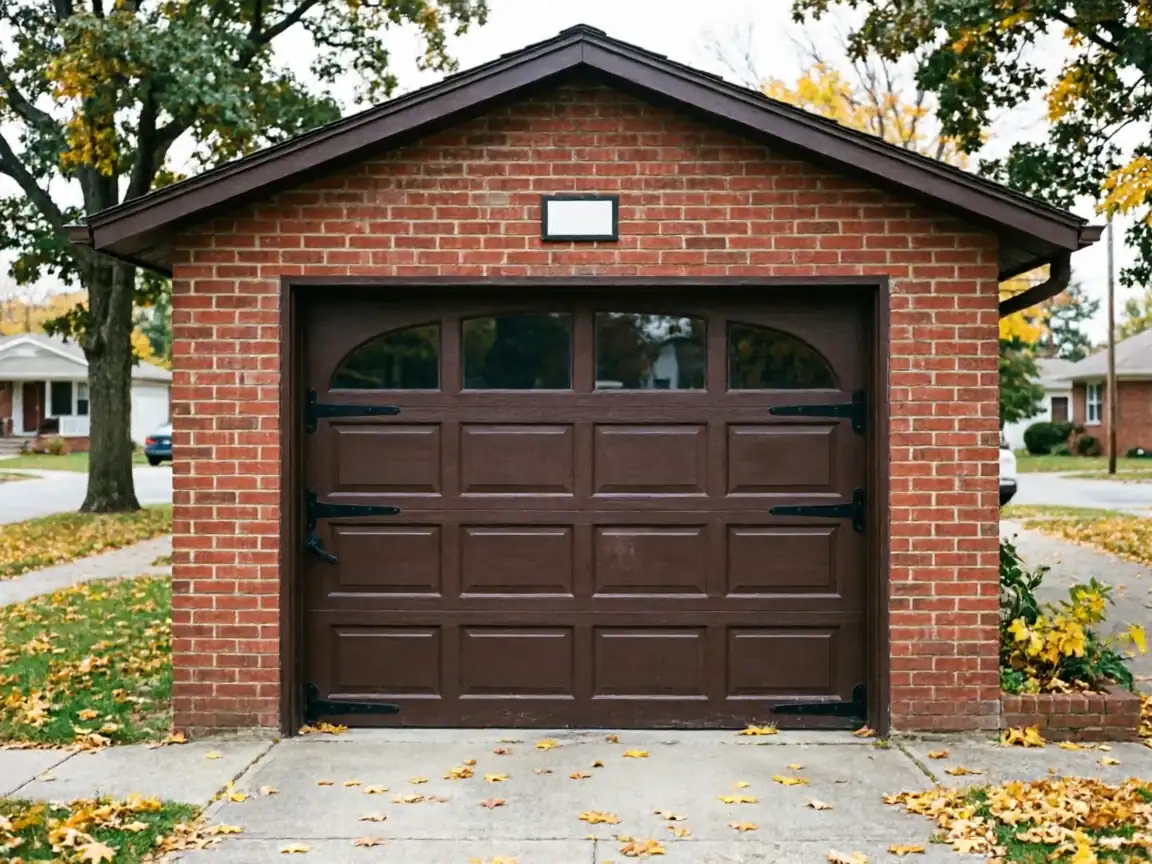
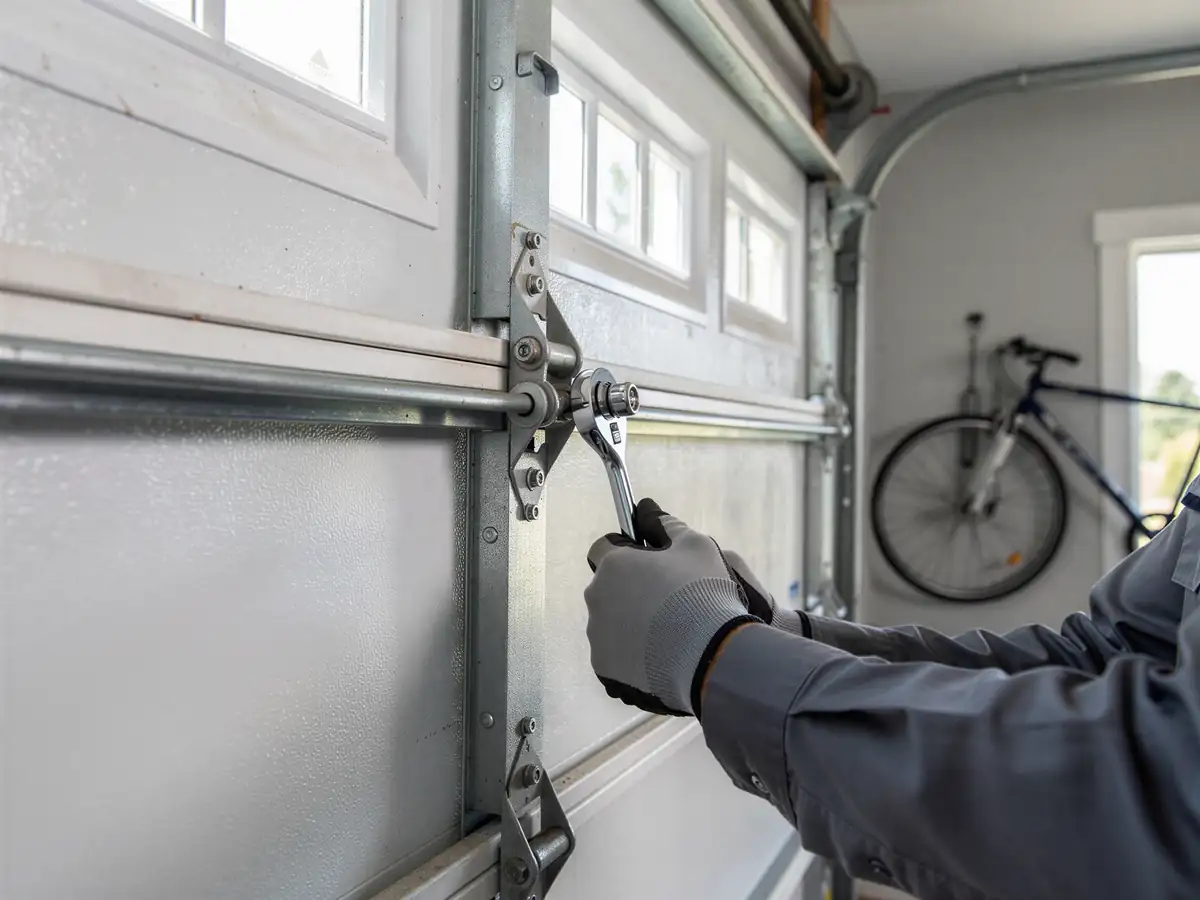
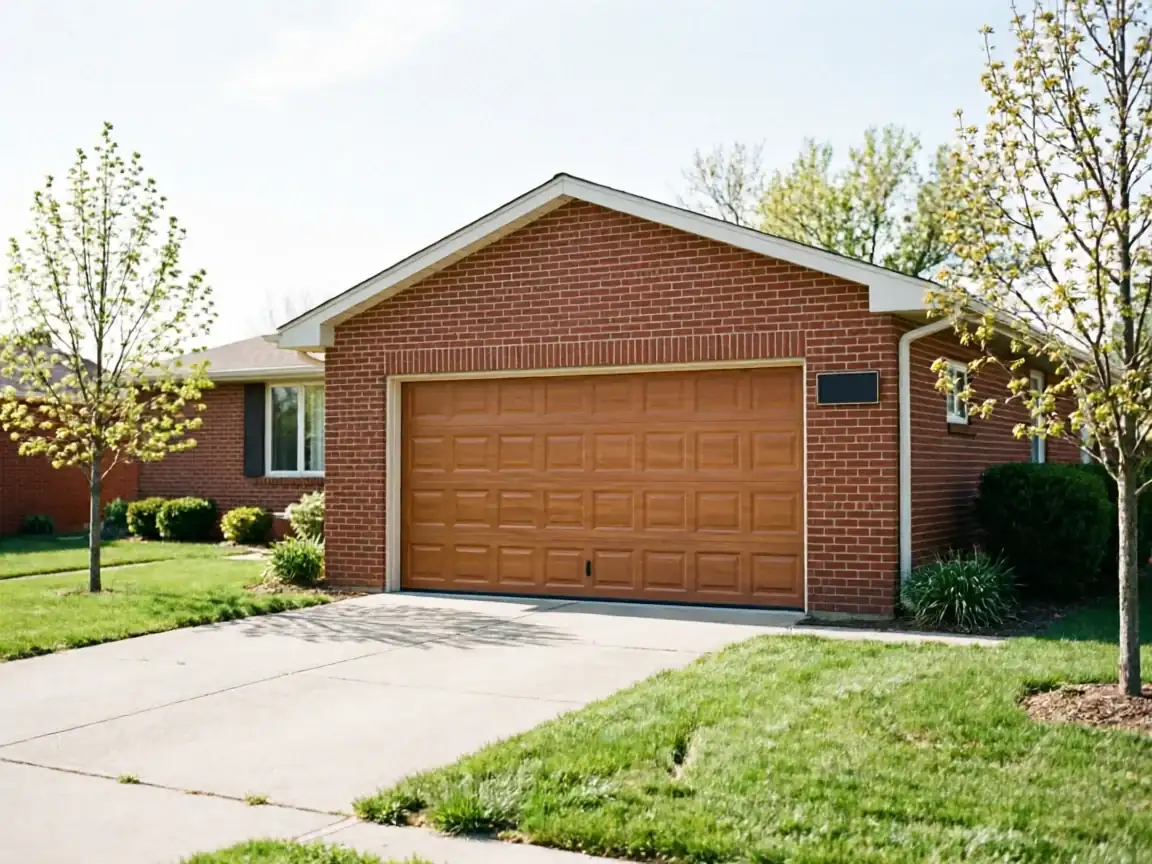
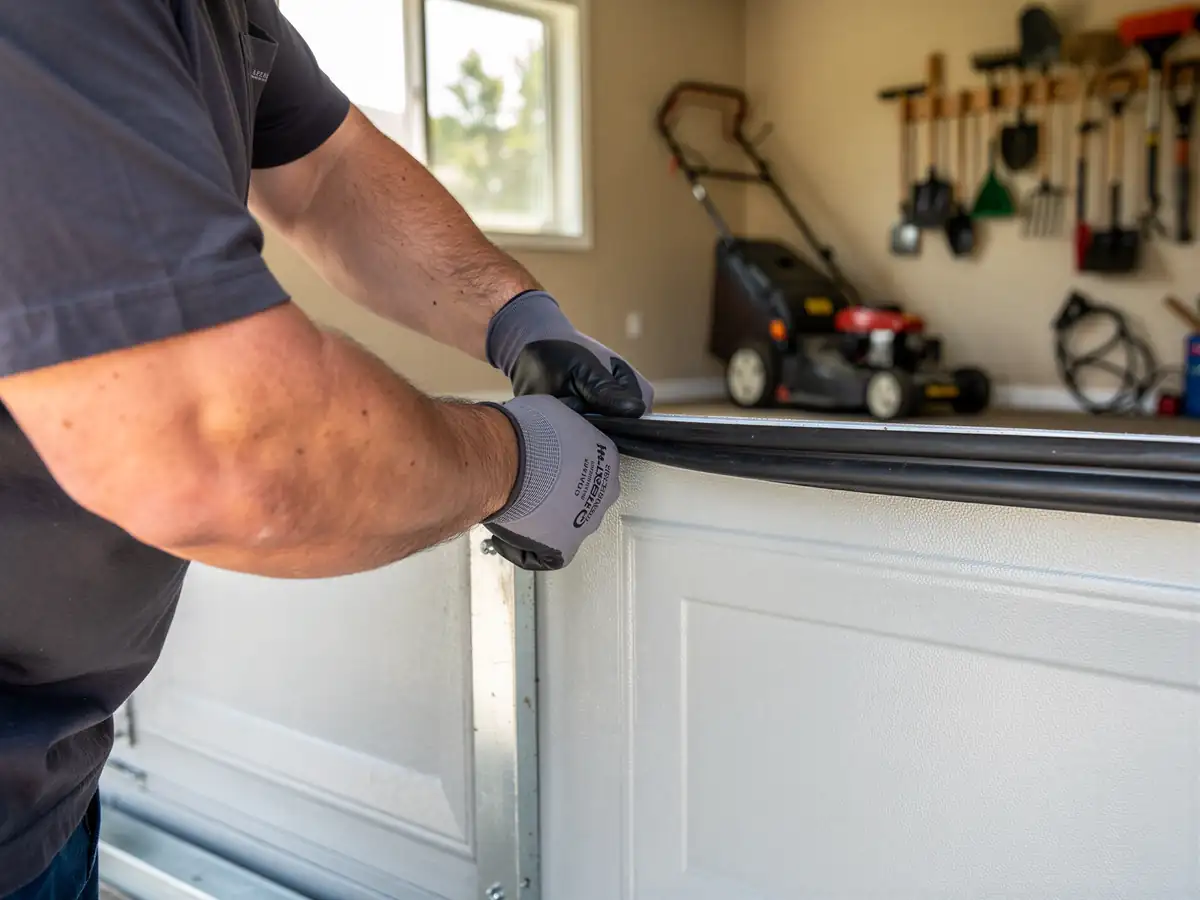
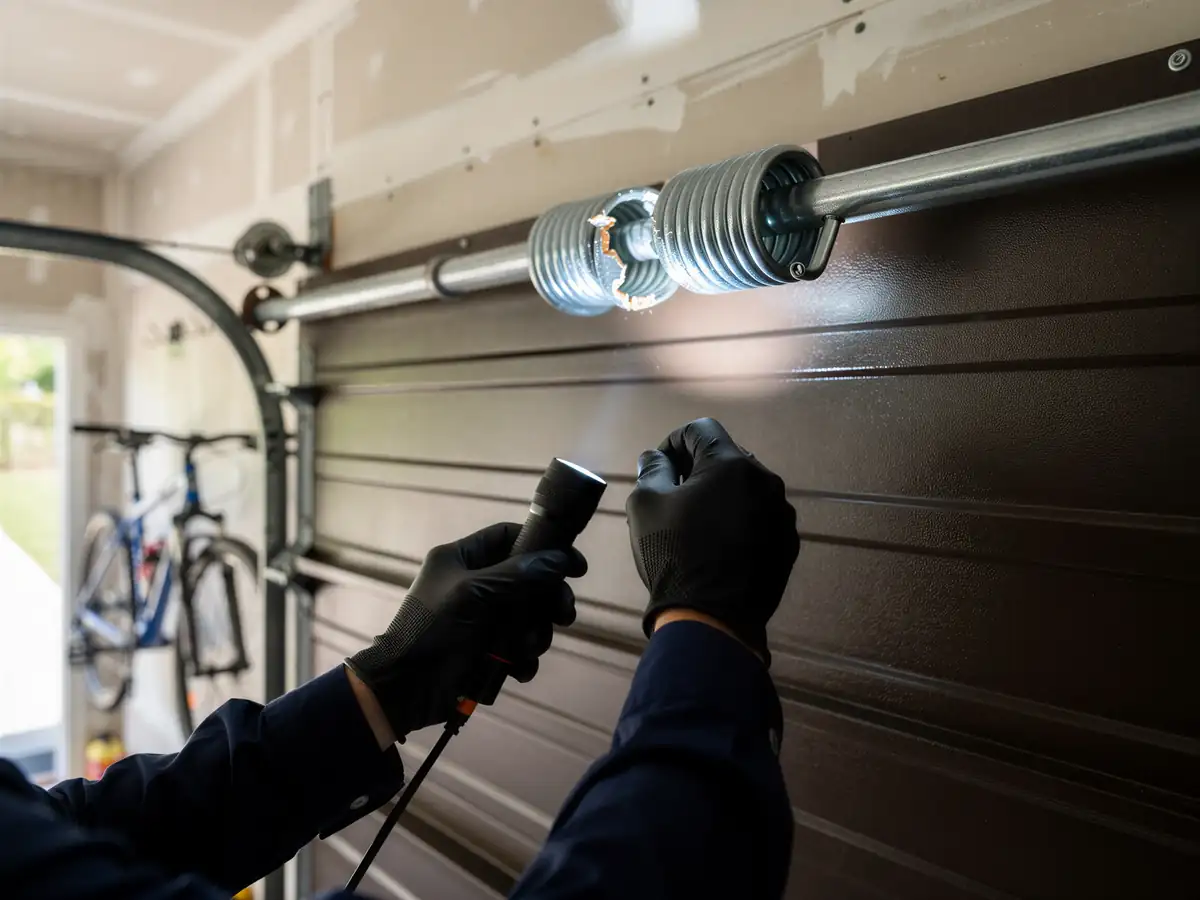
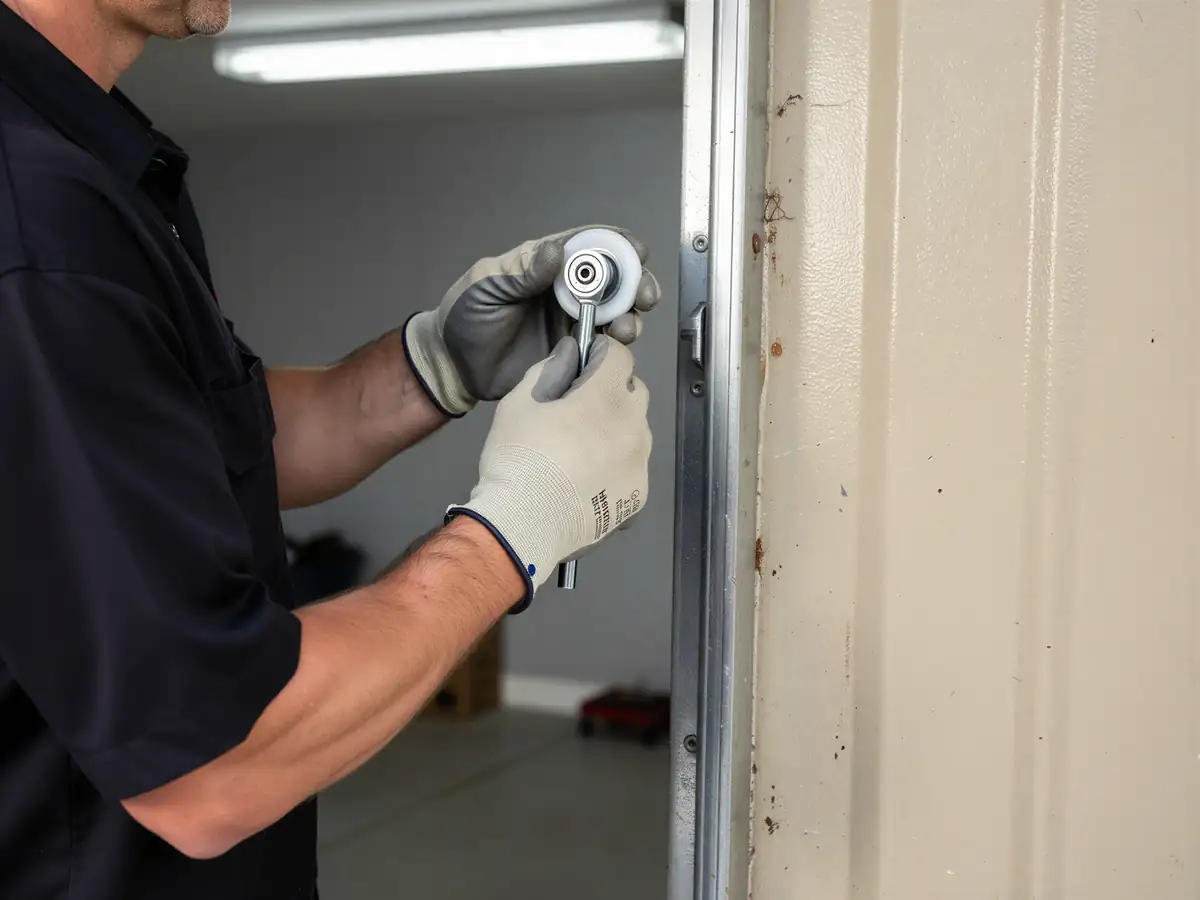
Westmoreland's median household income sits at $59,881, and that number matters here more than it would somewhere with a higher ceiling: roller replacement is almost always the cheaper call, and it's the one that keeps a door out of the replace category for years longer. Most houses in this area went up around 1972, which puts the original garage door hardware on steel rollers riding in steel tracks - no nylon, no sealed bearings, just metal on metal that's had fifty years to wear a groove. The job is ten rollers, sometimes the hinges they ride in if the mounting holes have stretched, and a check of the track alignment while the door is apart. We don't touch the springs unless they're also shot - a straight roller swap on a torsion-spring door built in that era usually runs under two hours once the truck is on site. If the track itself is bent or the jamb has shifted, that's a separate repair, and we'll tell you before we start rather than pad the ticket.
What You Are Seeing
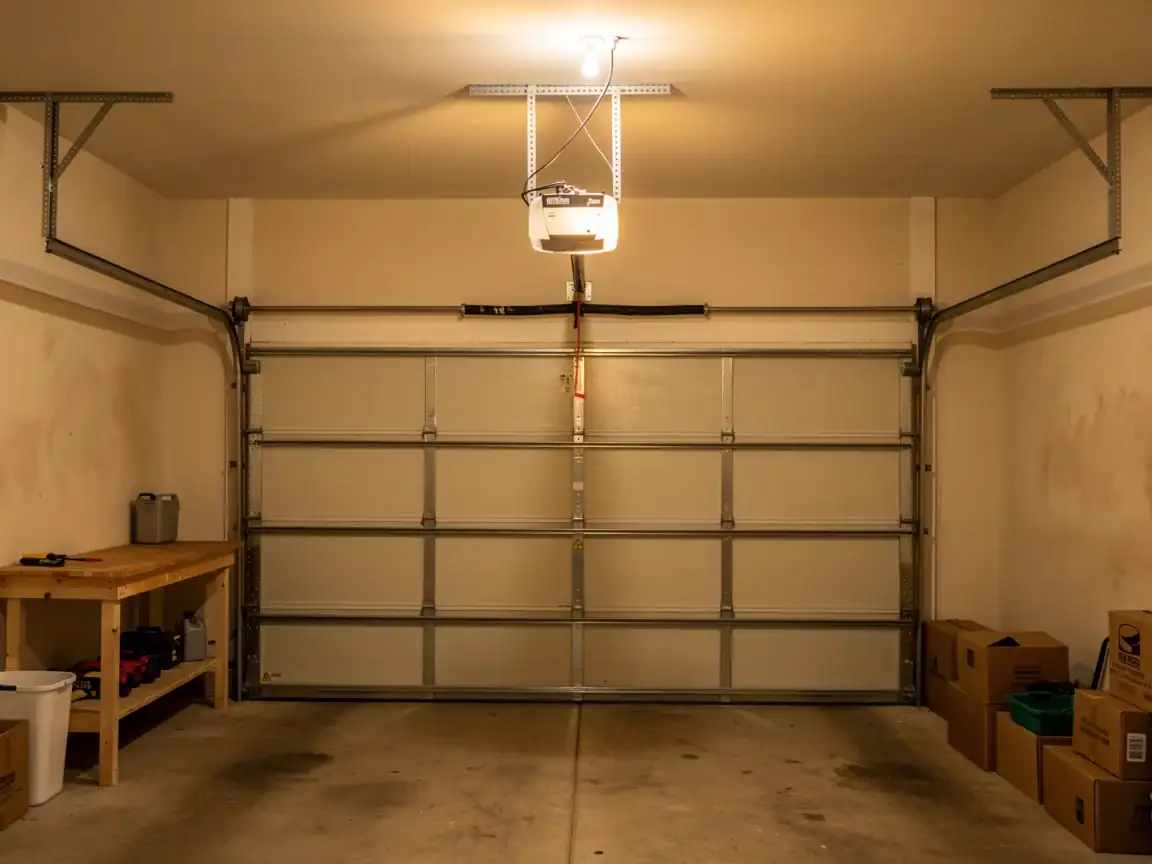
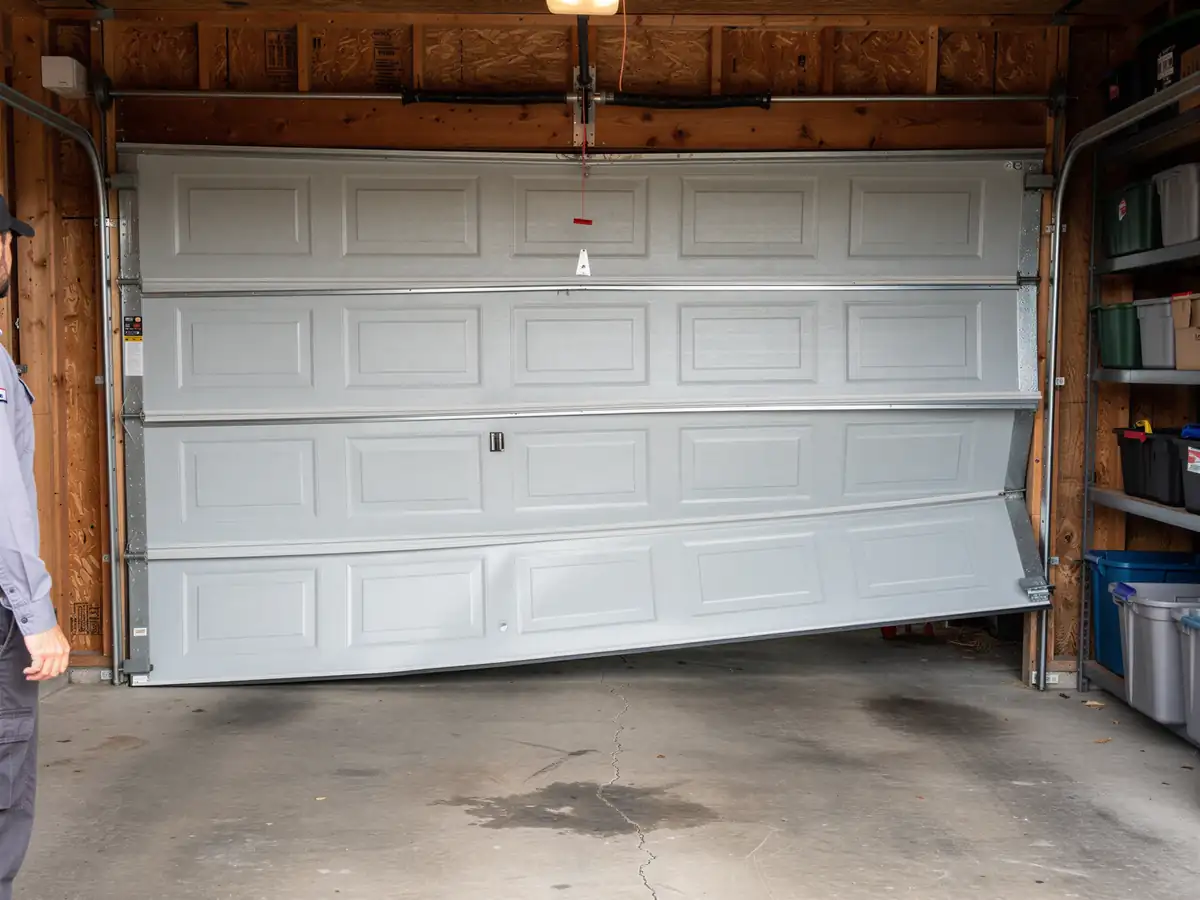
On a 1970s door, bad rollers announce themselves as noise first - a grinding or scraping that gets louder as the door nears the top of its travel, where the roller carries the most load against the curved section of track. You might also see the door hesitate or jump slightly at that same spot, or notice one side lagging the other so the door runs crooked in the opening. Flat spots worn into the roller wheel itself are the giveaway once you can see them: a round roller doesn't sound like that. None of this means the opener is failing. It means the roller has outlasted its lubrication and its steel, which on hardware this age is just time catching up with the door.
How Long You Are Without the Door
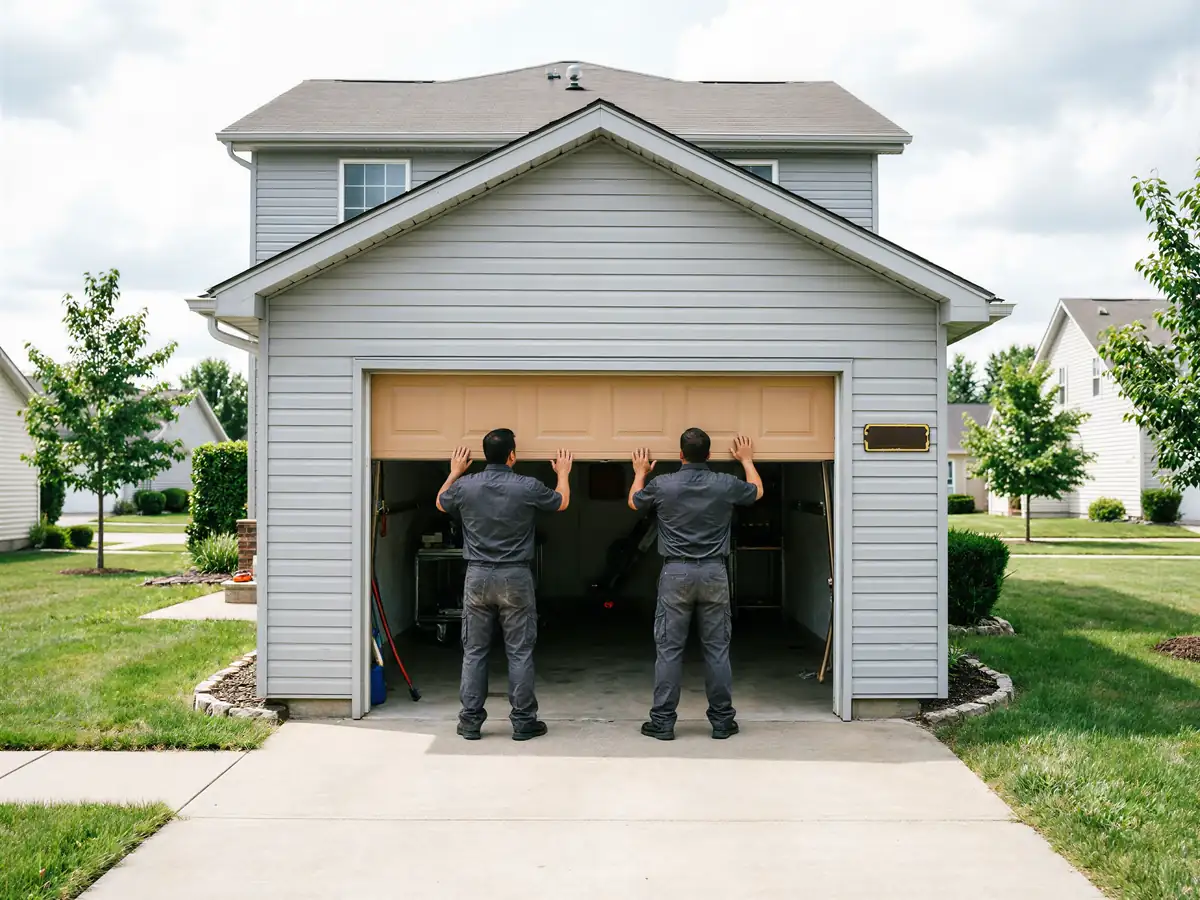
You're not without the door at all for most of the job - we work one side of the track at a time, so the opening stays usable in between. The full repair, start to truck pulling out, runs under two hours on a standard 1970s double door with nothing bent. If a track needs straightening or a hinge bracket needs replacing because the mounting holes have worn oval, add time for that piece, but it's still a same-visit fix in nearly every case we see on houses this age. What we won't do is rush a bent track back into service - if it's bent badly enough that straightening won't hold, that's a track replacement conversation, not a roller one.
Can You Do This Yourself
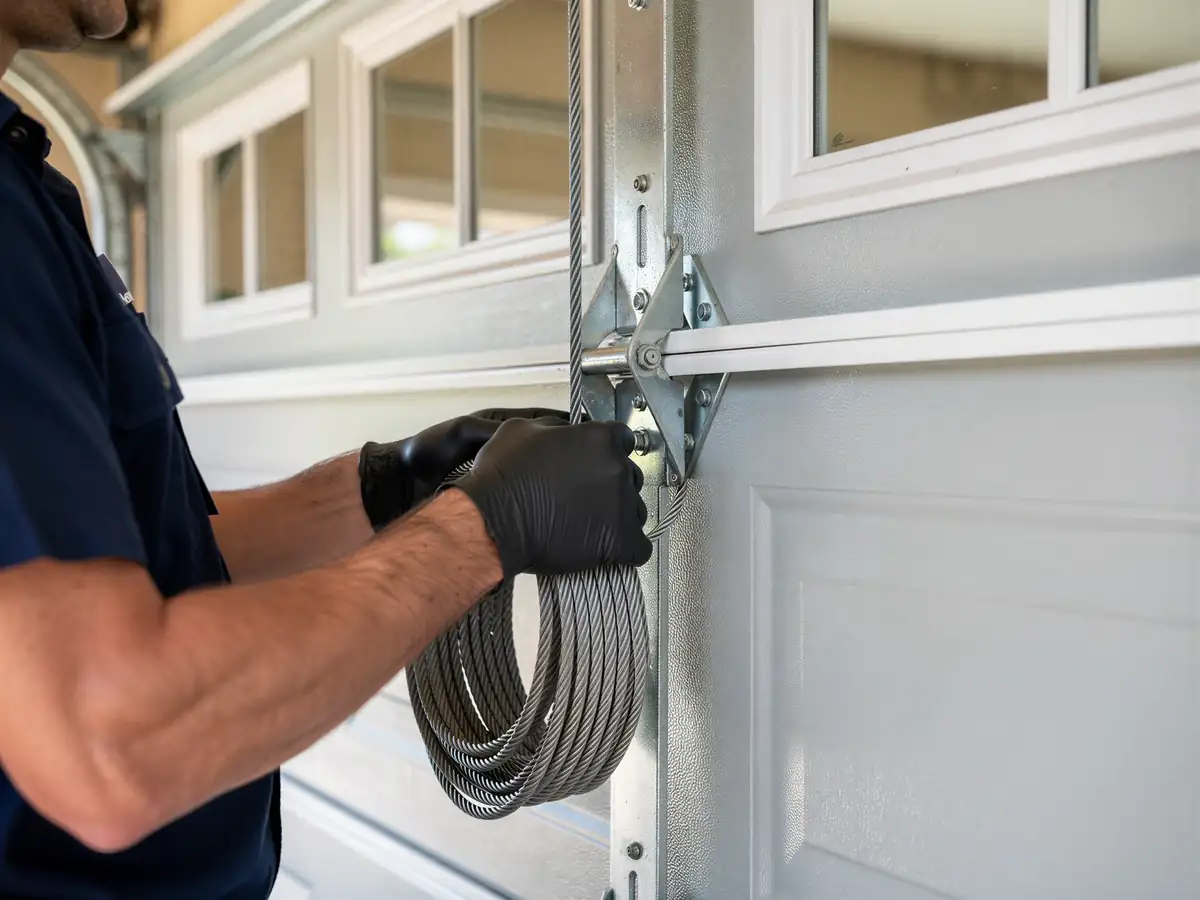
Rollers are one of the more doable DIY jobs on a garage door if you're comfortable with a ladder and you release the door from the opener first. The catch on a house from this era is the top rollers - the ones carrying the most weight on a torsion system - sit close enough to the spring assembly that a slip puts your hand near cable under tension. If you're only swapping bottom rollers on a door with the spring clearly unloaded and the door blocked open, it's a reasonable Saturday project with a $20 set of nylon rollers. If you're not sure the spring is unloaded, that's the line where it stops being worth the risk, and it's also usually the point where the whole repair takes us less time than it would take you to work out whether it's safe to start.